
Introduction
In the high-stakes world of logistics and freight management, maintaining optimal truck cleanliness is essential for operational efficiency and compliance with industry regulations. A meticulously maintained fleet not only enhances safety and performance but also directly influences the truck wash cost, turning what might seem like an additional expense into a smart investment. Proper truck maintenance goes hand-in-hand with regular cleaning, ensuring that each vehicle performs at its best while reducing the risk of costly repairs due to neglect. Furthermore, for fleet managers, understanding the correlation between cleanliness and operational efficiency can lead to improved fleet management strategies. By prioritizing truck washing and maintenance, companies can save on both repairs and downtime, reinforcing the notion that a clean truck is not just about appearance-it’s a cornerstone of effective fleet operations. To delve deeper into the significance of maintaining clean trucks, explore the importance of regular trailer maintenance and how it can impact your overall fleet management practices.
This article will break down the truck wash cost, exploring various factors that contribute to the pricing and the long-term benefits of keeping your fleet spotless and compliant.
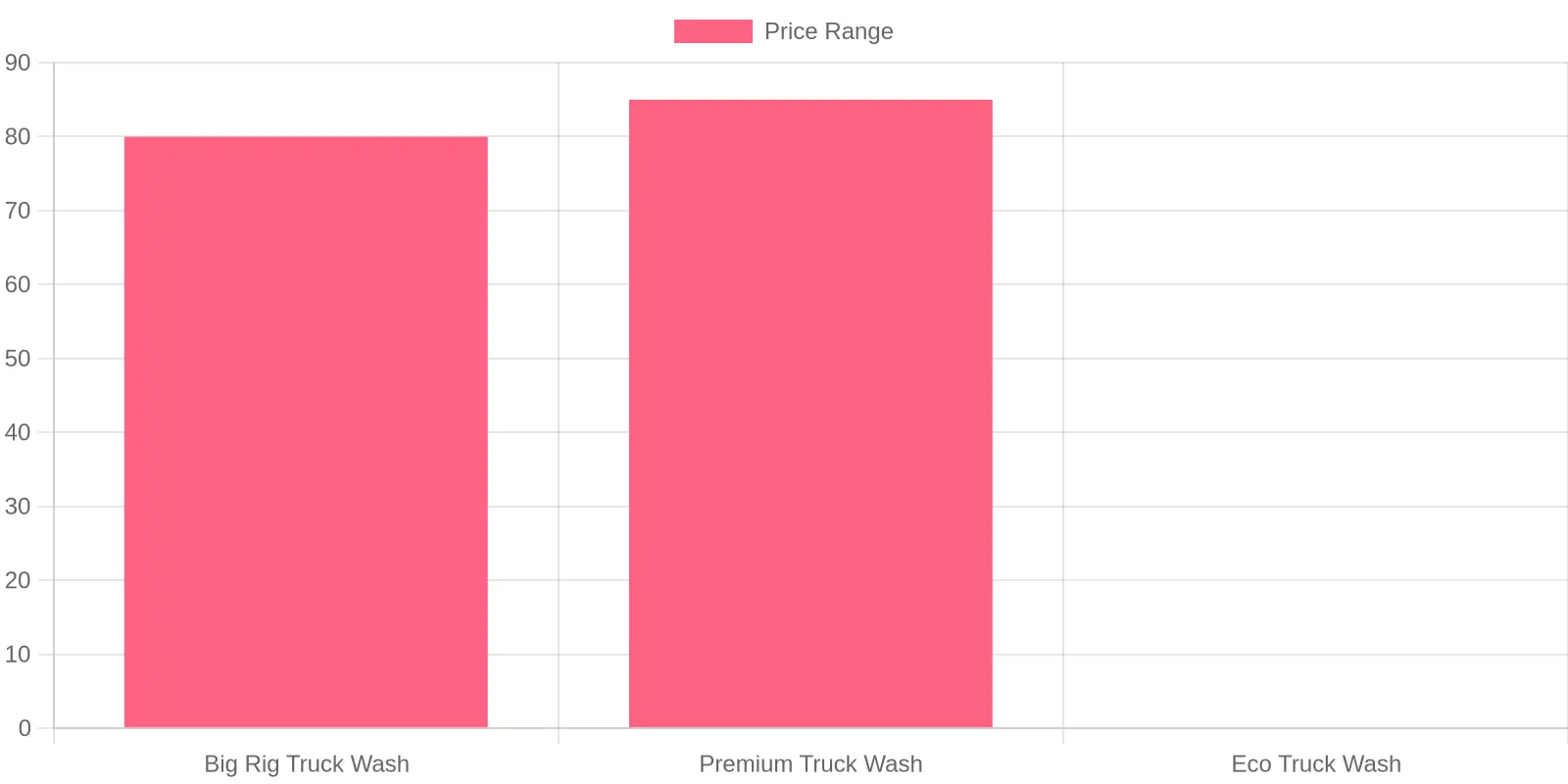
Comparison of Truck Wash Services
| Company | Services Offered | Price Range | Contact Details |
|---|---|---|---|
| Big Rig Truck Wash | Exterior wash, interior cleaning, detailing, engine cleaning | $80 – $150 | Big Rig Contact |
| Premium Truck Wash | Complete wash, undercarriage wash, waxing, detailing | $70 – $160 | Premium Contact |
| Eco Truck Wash | Eco-friendly wash, exterior wash, interior cleaning | TBD | Not available |
Truck Wash Services Price Comparison
This table provides an overview of truck wash services available from various providers, highlighting the services offered and their pricing. For fleet managers and trucking company owners, selecting a service that balances quality with cost is essential for maintaining vehicle appearance and compliance with logistics requirements.
Factors Influencing Truck Wash Cost
When assessing the cost of truck washes, several factors come into play that can significantly affect pricing. These factors vary based on the type of service offered, the location of the wash, the size and type of the truck, and how frequently the service is utilized. Each element can lead to a varied pricing structure, making it essential for logistics and fleet management professionals to consider the following:
-
Type of Wash Services:
-
Basic Wash: Typically includes exterior washing and can cost less than premium services.
-
Detailing Services: More comprehensive services, such as interior cleaning, engine detailing, and chassis washing, require more time and materials, leading to higher prices.
-
Location:
-
Urban Areas: Truck washes in cities often have higher prices due to increased operational costs, such as rent and labor. For example, studies show that cities like Los Angeles and Chicago face elevated service fees compared to rural areas.
-
Regional Variations: Prices can also vary from state to state, with certain regions having established market rates influenced by competition and cost of living.
-
Truck Size:
-
Larger Vehicles: Trucks like tractor-trailers or specialized vehicles (e.g., tankers) require more time and specific equipment to clean, leading to higher wash costs.
-
Weight and Height: More considerable weight and height often complicate the cleaning process, necessitating specialized equipment and additional labor.
-
Frequency of Service:
-
Regular Maintenance: Frequent washing, such as biweekly or weekly services, can often yield discounts, as many companies offer membership pricing or bulk rates for regular clients.
-
One-time Washes: Conversely, one-time washes may incur premium pricing since they do not benefit from volume discounts.
-
Equipment and Technology:
-
Advanced Equipment: Enhanced cleaning technologies, such as automated systems, can provide efficient washes but may increase service costs. Companies that invest in state-of-the-art equipment often pass these costs onto their customers.
Understanding these factors allows fleet managers and company owners to budget appropriately for truck washing services and optimize their operations for cost-effectiveness. For more insights into the relationship between cleaning frequency and maintenance efficiency, consider reading about the importance of regular trailer maintenance.
Additionally, understanding how regulations can affect operational costs in the truck wash industry can also provide valuable knowledge, which you can explore further in the context of industry compliance and emissions regulations.
Average Truck Wash Costs: A Regional Overview
Understanding the costs associated with truck washes is crucial for fleet managers and trucking company owners. The average truck wash price can fluctuate significantly based on various factors, including geographical location, type of service, and frequency of washing. Here’s a detailed look into average truck wash costs across different regions and service types.
Basic Truck Wash Costs
Basic exterior washes generally offer a uniform pricing structure. On average, in higher-rent districts, basic truck washes can start as low as $40. However, these prices can increase based on local economic conditions.
Regional Price Variations
- Metro Atlanta, GA:
- Costs range from $35 to $75 for standard washes.
- Discounts may apply for larger fleets based on wash frequency.
- Pittsburgh, PA:
- Average truck fleet washing costs average between $40 and $120 per vehicle, influenced considerably by service type and regional labor costs.
- Mobile Truck washing:
- Mobile services typically charge around $30 for weekly washes, $65 for biweekly, and $150 for monthly services.
Service Types and Their Costs
- Mobile Truck Washing: A flexible option for fleet managers, commonly priced at $30 per truck for regular services.
- Standard Fleet Washing: Average costs can range from $40 to $120, depending on the scale of the service being provided.
Insights
- The operational environment plays a significant role in pricing. For instance, in urban regions with high operational costs, service prices tend to reflect these higher expenditures.
- Custom service offerings, such as specialized cleaning for food-grade tankers or heavy-duty vehicles, may incur additional costs compared to standard washing services.
For a deeper dive into the significance of regular trailer maintenance and compliance with industry regulations, visit our resource on Industry Compliance and Emission Regulations. Understanding the financial implications of wash services is vital for efficient fleet management and operational success.
Return on Investment (ROI) for Regular Truck Washing
Maintaining a clean fleet through regular truck washing not only enhances the aesthetic appeal of your vehicles but also provides significant long-term savings and benefits. Fleet managers and trucking company owners should consider the economic advantages of routine washing, as it translates to lower maintenance costs and an improved brand image.
Reduced Maintenance Costs
One of the key factors contributing to the ROI of regular truck washing is its effect on maintenance expenses. Dirt, grime, and road salts can cause corrosion and accelerate wear and tear, leading to higher maintenance costs over time. Regular washing helps to:
- Prevent Corrosion: Keeping the trucks clean reduces the likelihood of corrosion, which can lead to costly repairs or premature parts replacements.
- Extend Vehicle Lifespan: A clean vehicle typically has a longer lifespan, saving costs associated with buying new trucks more frequently.
- Enhance Visibility of Issues: Routine washing allows fleet managers to quickly notice and address potential mechanical issues, thereby avoiding larger repair jobs down the line.
For instance, a case study from Power Clean illustrated how one fleet’s systematic cleaning schedule improved vehicle hygiene and operational efficiency, significantly reducing equipment downtime and costs.
Enhanced Brand Image
Dirty trucks can tarnish a company’s reputation and deter potential clients. Conversely, a clean fleet communicates professionalism and attention to detail. The positive impacts on brand image include:
- Attracting New Clients: Companies often prefer to collaborate with transportation partners who maintain a professional appearance, as it reflects reliability and quality.
- Client Retention: Current clients are less likely to switch providers if they perceive their trucking partner as reliable and professional, which includes presenting a clean fleet.
- Regulatory Compliance: Regular cleaning can aid in meeting industry standards and regulations related to environmental compliance. The case study from FedEx, available here, shows how effective cleaning processes not only supported operational efficiency but also fulfilled regulatory requirements.
Positive ROI Examples
Additional case studies have shown that companies investing in regular truck washing see immediate and measurable returns:
- Fleet Efficiency Solution – Truckoom Case Study: Truckoom’s cleaning strategies improved fleet management for Al Ghurair, leading them to become leaders in operational efficiency.
- **Local Business *Improvement with Regular Washes*: According to another study, establishing a consistent washing schedule directly resulted in increased logistical operations efficiency for a local business.
Conclusion
Investing in a regular truck washing schedule presents a clear return on investment by significantly lowering maintenance costs and enhancing brand image. Fleet managers should prioritize cleanliness as part of their operational strategy to ensure long-term savings and business growth.
For further insight into fleet maintenance, read more about the importance of regular trailer maintenance and how it can support your operational success.
Estimated Cost Savings by Truck Wash Frequency
Regular truck washes not only enhance the appearance of vehicles but are essential for maintaining the efficiency and longevity of your fleet. The table below illustrates the significant cost savings that can be realized by maintaining a consistent washing schedule:
| Frequency | Estimated Cost Savings | Maintenance Cost Reduction | Fewer Repairs |
|---|---|---|---|
| Weekly | Up to $5,000 | High | Significant |
| Bi-weekly | Up to $3,000 | Moderate | Considerable |
| Monthly | Up to $1,000 | Low | Minimal |
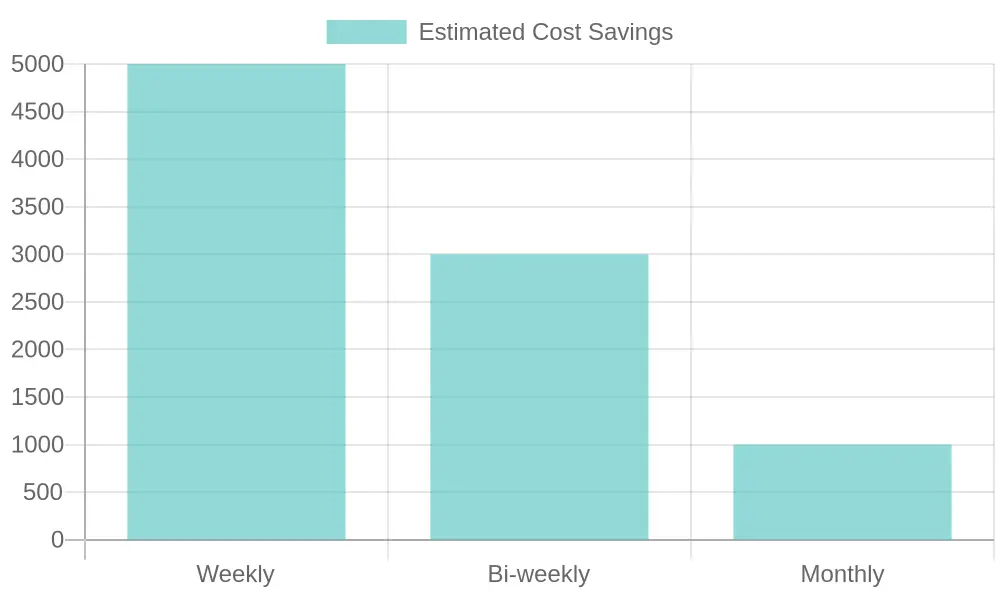
Implementing frequent truck washes can lead to optimal maintenance outcomes, transforming the overall cost management of your fleet. For more information about the importance of keeping your fleet clean, learn more about regular trailer maintenance.
Consider integrating frequency tracking into your maintenance scheduling to enhance operational oversight and significantly reduce maintenance costs.
In summary, understanding the costs associated with truck washes is crucial for fleet managers and owners in the logistics and freight sectors. Regular washing not only keeps your vehicle visually appealing but also plays a vital role in its maintenance and operational efficiency. Key insights include:
- Cost Management: Investing in truck wash services is essential for keeping operating costs in check. The routine expenditure on cleaning can save significant amounts in repairs and maintenance by preventing damage.
- Enhancing Safety: Properly maintained vehicles promote safety on the roads. Clean trucks ensure that visibility is maximized, reducing the risks of accidents caused by obscured lights and mirrors.
- Boosting Brand Image: For many freight companies, their trucks are moving billboards. Maintaining cleanliness enhances the company’s reputation and professionalism, making a positive impression on customers and potential clients.
As you reflect on these insights, consider investing in the ongoing upkeep of your fleet. A well-maintained truck can lead to greater fuel efficiency and prolonged vehicle life, ultimately minimizing long-term costs.
Act Now!
To elevate the condition of your trucks and streamline your fleet operations, consult with experts who understand the intricacies of vehicle maintenance. Reach out to Summit Fairings to explore how our services can enhance your fleet’s performance. Don’t wait-invest in the cleanliness and efficiency of your vehicles today!
“A well-maintained and clean fleet not only enhances corporate image but significantly reduces repair costs and downtime. Prioritizing truck cleanliness and maintenance is essential for maximizing operational efficiency.”
- Industry Expert Name or Title
Tips for Choosing a Truck Wash Service
Selecting the right truck wash service is crucial for fleet managers to maintain operational efficiency and compliance. Here are some practical tips to consider:
- Evaluate Costs: Compare prices without compromising quality. Look for services that offer flexible pricing plans or discounts for bulk washes to reduce overall expenses.
- Check Service Quality: Read reviews and testimonials from other fleet managers. A service with a high reputation often reflects better wash quality and customer satisfaction.
- Consider Convenience: Choose a wash service that’s accessible from your regular routes or locations. Proximity can save time and fuel.
- Inspect the Equipment: Ensure the wash facility uses modern equipment and eco-friendly cleaning agents. This helps in complying with environmental regulations and enhances the wash quality.
- Assess Turnaround Time: Inquire about the average time taken for a wash. A combination of efficiency and thoroughness is key in minimizing downtime for your fleet.
- Inquire About Additional Services: Some truck wash services offer additional options like waxing, detailing, or specialized treatments for fleet vehicles. These can be beneficial for maintaining your trucks.
- Review Compliance Standards: Make sure the wash service adheres to industry compliance and regulations regarding emissions and water usage. This is essential for meeting operational standards.
Choosing the right truck wash service can significantly impact your fleet’s success, ensuring operational efficiency and maintaining a polished appearance for your vehicles. Learn more about industry compliance and regulations for better decision-making.