
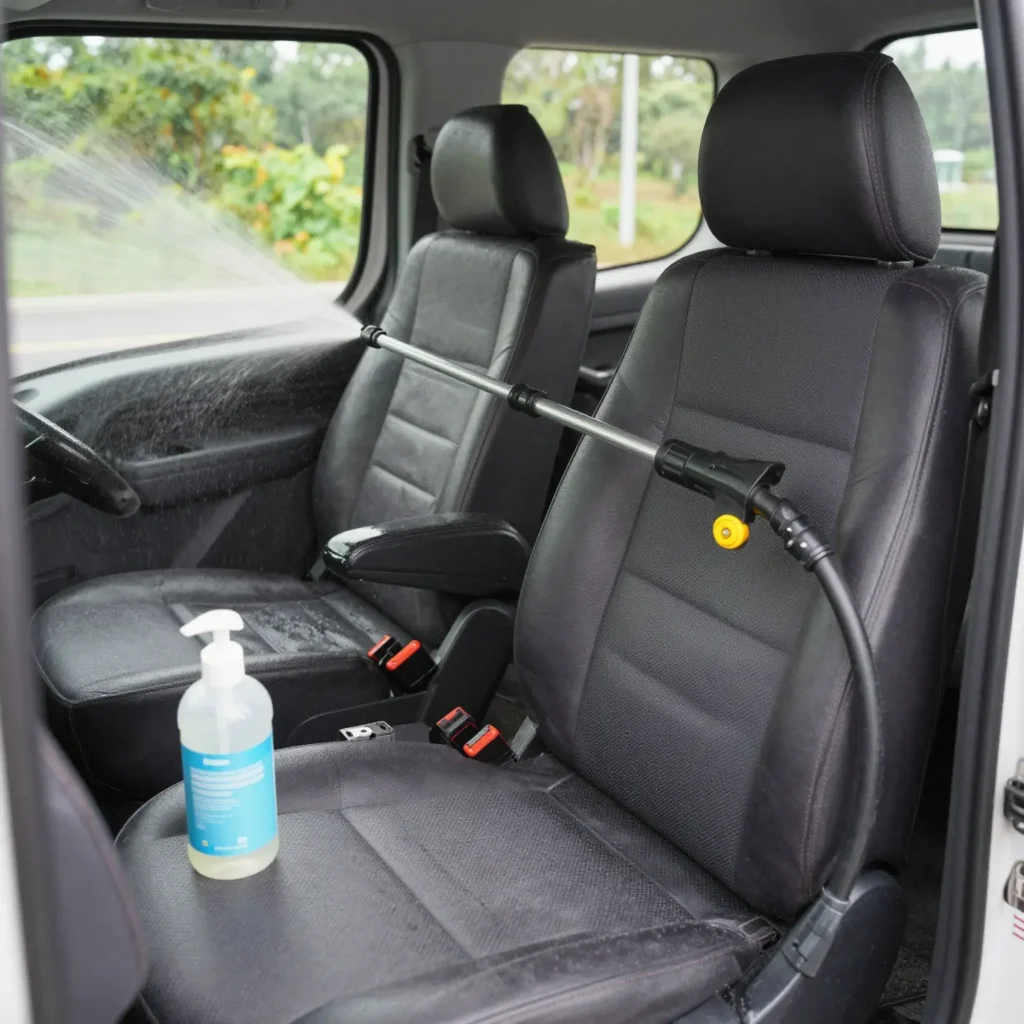
Introduction
In the logistics and trucking industries, maintaining cleanliness is not just a matter of aesthetics, but a requirement for safety, compliance, and long-term vehicle durability. Truck seats, often subjected to dirt, spills, and wear from daily operations, require rigorous cleaning procedures to ensure hygiene standards are met. The importance of maintaining immaculate truck interiors cannot be overstated; it aids in enhancing the driver’s comfort, productivity, and overall satisfaction, which ultimately translates to improved operational efficiency. Efficient cleaning methods, such as pressure washing, can prove beneficial in this regard, enabling fleet managers and trucking company owners to maintain a clean and professional appearance for their vehicles.
In this article, we will explore the ins and outs of pressure washing truck seats, including the best practices for effectively removing stains and grime without damaging the material. We will also provide essential solutions and tips tailored for logistics and freight fleet managers, ensuring you have the tools necessary to uphold cleanliness in your fleet. For insights related to industry compliance and the importance of regular maintenance, feel free to explore our resources. Join us as we delve into the most effective techniques for keeping truck interiors spotless and ready for the road.
Benefits of Pressure Washing Truck Seats
Pressure washing truck seats brings a multitude of advantages that can significantly enhance the longevity, hygiene, and overall aesthetic appeal of your fleet. Here are the key benefits:
-
Improved Hygiene: With regular usage, truck seats can accumulate dirt, grime, and even bacteria. Pressure washing effectively removes these contaminants, creating a healthier environment for drivers and passengers. This is particularly important in the logistics sector where cleanliness plays a pivotal role in overall fleet maintenance.
-
Enhanced Aesthetics: Clean, well-maintained truck interiors boost the professional image of your fleet. A clean vehicle interior not only reflects your company’s commitment to quality but also creates a more pleasant experience for drivers, which can increase job satisfaction and productivity.
-
Long-Term Maintenance: Regular pressure washing can extend the life of truck seats by preventing the buildup of corrosion and grime that can deteriorate materials over time. By investing in deep cleaning, you minimize the risk of expensive replacements down the line, saving your fleet hundreds or even thousands of dollars.
-
Time Efficiency: Fleet managers can spend less time worrying about the cleanliness of truck interiors, as pressure washing offers a quick and effective solution. This allows teams to focus on more critical operational tasks within the company.
-
Cost-Effective Solution: Compared to the costs of upholstery replacement and other extensive cleaning methods, pressure washing is a cost-effective option that yields significant results in a short period. When paired with regular maintenance, the benefits become even more apparent.
These benefits demonstrate that pressure washing truck seats is not just a trivial maintenance task but a crucial aspect of fleet management that promotes hygiene and cost-effectiveness. For more insights on truck maintenance, learn more about the importance of regular trailer maintenance.
Pressure washing truck seats requires a careful approach to ensure the safety of the operator and the integrity of the vehicle’s upholstery. Below are essential safety precautions to adhere to while using pressure washers on truck interiors:
1. Understanding the Equipment
- Choose the Right Pressure Washer: Select a pressure washer with adjustable pressure settings; a lower PSI (pounds per square inch) is usually safer for upholstery.
- Inspect Equipment: Before use, check hoses, wands, and nozzles for any damages. Malfunctions can lead to injuries or equipment failure.
- Use the Correct Nozzle: A fan nozzle is typically advisable for cleaning delicate surfaces to avoid damaging fabrics.
2. Protective Gear
- Wear Safety Goggles: Protect your eyes from water spray and any debris that may be dislodged during the cleaning process.
- Use Gloves: Rubber gloves can protect your hands from pressure sprays and cleaning agents.
- Clothing: Wear appropriate clothing that is resistant to water and cleaning agents, avoiding loose clothes that could get caught in the equipment.
3. Proper Techniques
- Maintain a Safe Distance: Keep the nozzle at least 12 inches away from the surface to prevent fabric damage and ensure a controlled spray.
- Test An Area First: Before washing entire seats, test on a small, inconspicuous area to check how the material reacts to the pressure and cleaning solutions.
- Check for Loose Components: Ensure there are no loose items (like seat covers or personal belongings) that could interfere with the cleaning process.
4. Water Management
- Avoid Over-Saturating: Use controlled bursts of water to prevent excess saturation, as this can lead to mold growth and damage the seat structure.
- Dry Thoroughly: After washing, ensure the seats dry completely. Use fans or heaters as needed to expedite drying and reduce the risk of mold.
5. Know When to Seek Professional Help
If unsure about the fabric material or cleaning methods, it’s best to consult with professionals specialized in vehicle detailing. They often have the right equipment and expertise to handle delicate materials effectively.
Implementing these precautions not only promotes safety but also helps prolong the lifespan of your truck’s upholstery. Proper techniques in cleaning can prevent costly damage in the long run.
Equipment Needed for Pressure Washing Truck Seats
For trucking company owners and fleet managers, maintaining vehicle interiors is crucial for both aesthetics and hygiene. Pressure washing truck seats can effectively remove grime, oils, and other stubborn stains. To achieve the best results, it’s essential to use the appropriate equipment, nozzles, and cleaning solutions. Here’s an overview of the necessary equipment:
1. Types of Pressure Washers
Pressure washers can be categorized into two main types:
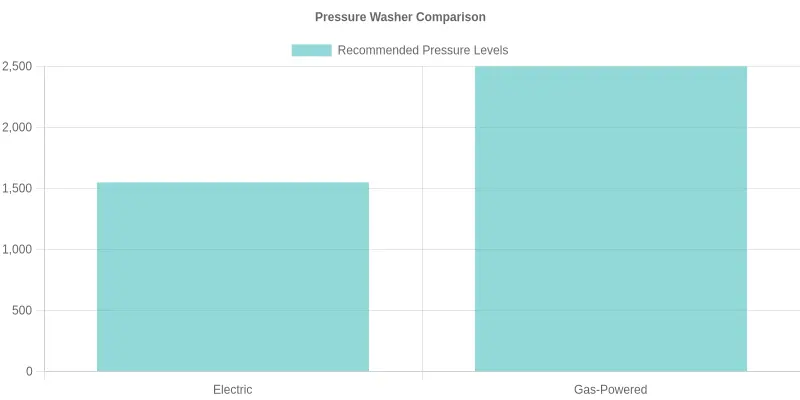
- Electric Pressure Washers: Ideal for light to moderate cleaning tasks, electric pressure washers typically offer a pressure range of 1200 to 1900 PSI. They are quieter, lighter, and often more user-friendly, making them perfect for detailed work without overheating.
- Gas-Powered Pressure Washers: These units provide higher pressure – generally between 2000 and 3000 PSI – making them better suited for heavy-duty cleaning. They are more versatile and can handle larger areas but require more maintenance compared to electric models.
2. Nozzle Types
Nozzles play a critical role in adapting the pressure washer to different cleaning tasks:
- 0° Nozzle: Produces a concentrated stream, best for tough stains.
- 15° Nozzle: Great for stripping paint or cleaning concrete.
- 25° Nozzle: A balanced option for general cleaning.
- 40° Nozzle: Ideal for light cleaning and rinsing.
- Soap Nozzle: Used for applying detergents effectively on surfaces.
3. Cleaning Solutions
Using the right cleaning solutions can significantly enhance the effectiveness of pressure washing:
- Upholstery Cleaner: Look for solutions specifically designed for upholstery to safely remove stains without damaging the fabric. These can be found at auto detailing supply stores or online.
- Degreasers: For seats exposed to oils, a degreaser can help lift ingrained dirt and grime. Ensure it’s safe for use on upholstery.
- Disinfectants: Especially in fleets where hygiene is paramount, disinfectant solutions can kill germs and bacteria.
Recommended Pressure Washer Comparison
To give you a concise overview, here’s a comparison between the types of pressure washers suitable for upholstery cleaning:
| Type of Pressure Washer | Power Source | Recommended Pressure Levels | Nozzle Types |
|---|---|---|---|
| Electric | Electric | 1200 – 1900 PSI | 0°, 15°, 25°, 40°, Soap |
| Gas-Powered | Gas | 2000 – 3000 PSI | 0°, 15°, 25°, 40°, Soap |
Adopting the right equipment and techniques will not only enhance the appearance and lifespan of truck seats but also promote a healthier environment for drivers. Learn more about regular trailer maintenance to keep your fleet in top shape.
Recommendations for Fleet Managers
When selecting a pressure washing machine for truck seats, consider the following:
- Pressure (PSI): Higher PSI is often better for tough stains but ensure it’s suitable for truck seat materials.
- Gallons Per Minute (GPM): A higher GPM means faster cleaning.
- Price: Ensure the investment fits within your budget while meeting performance needs.
- User Ratings: Check customer reviews for real-world performance insights.
- Special Features: Look for features that might make cleaning more effective or easier.
To gain further insights on compliance and maintenance for your fleet, consider checking out our articles on importance of regular trailer maintenance and emissions regulations.
I recommend gathering specific data from trusted hardware or cleaning equipment platforms to finalize the table and ensure it reflects the most accurate and helpful information for your audience.
Step-by-Step Instructions for Pressure Washing Truck Seats
1. Gather Necessary Equipment
Before starting, you need to assemble the following tools and supplies:
- Pressure Washer: A cold-water pressure washer is typically suitable for upholstery cleaning.
- Protective Gear: Gloves, goggles, and a mask to protect against cleaning agents and flying debris.
- Upholstery Cleaner: Use a cleaner specifically formulated for the type of fabric on your truck seats. Look for a biodegradable option to minimize environmental impact.
- Brush: A soft-bristled brush to help agitate dirt and grime.
- Water Source: Ensure you have a reliable water source to fill your pressure washer.
2. Prepare the Area
- Move the Truck: Position the truck in an area with good drainage and away from direct sunlight, which can cause cleaners to dry too quickly.
- Protect Surroundings: Lay down tarps or plastic sheets to protect flooring and nearby surfaces from water and cleaning agents.
3. Remove Loose Debris
- Vacuum Seats: Begin by vacuuming the truck seats to remove any loose dirt, dust, and debris. Pay special attention to crevices and seams.
- Check for Stains: Inspect the upholstery for any tough stains that may require pre-treatment before pressure washing.
4. Pre-Treat Stains
- Apply Cleaner: For any visible stains, apply your upholstery cleaner directly to the affected area. Allow it to sit for 5-10 minutes to break down the stains.
- Agitate with Brush: Gently scrub the area with a soft-bristled brush to work the cleaner into the fabric.
5. Set Up the Pressure Washer
- Connect Hose and Nozzle: Connect a suitable nozzle, like a fan spray, to the pressure washer. This helps distribute the water evenly over the upholstery.
- Adjust Pressure Settings: Set the pressure to a lower setting (approximately 1200-1500 PSI) to avoid damaging the upholstery.
6. Pressure Wash the Seats
- Start from the Top: Begin washing the seats from the top down to prevent dirty water from flowing onto clean areas.
- Spray Methodically: Keep the nozzle at least 12 inches away from the surface and move it in a sweeping motion to evenly distribute the water and cleaner.
- Inspect as You Go: Stop periodically to assess the cleanliness of the fabric and adjust your technique as needed.
7. Rinse Thoroughly
- Clean Water Rinse: After washing, switch to plain water (no detergent) and rinse to remove any remaining cleaning agent. Use the same sweeping technique.
- Wipe Down Excess Water: Use towels to soak up excess water, especially in seams where moisture can accumulate.
8. Allow for Drying
- Air Dry: Leave the truck doors open to allow for air circulation, promoting faster drying of the seats. Avoid direct sunlight as it may fade the fabric.
- Check for Remaining Stains: After drying, inspect the seats for any remaining stains that may need additional treatment.
9. Regular Maintenance
- Routine Cleaning: To prevent dirt buildup, consider establishing a routine cleaning schedule. Regular maintenance helps maintain the aesthetic and longevity of truck upholstery.
Effective cleaning ensures your trucks not only look professional but also provide a comfortable experience for drivers. For more insights on maintaining cleanliness in trucks, check out our article on the importance of regular trailer maintenance.
By following these step-by-step instructions, fleet managers and trucking company operators can maintain the quality of their truck upholstery, extending the life of the seats while enhancing the overall appearance of their fleet.
 \nThis image depicts a well-maintained truck interior that has been pressure washed, illustrating the optimal results of the cleaning process.
Conclusion: Embrace Pressure Washing for Your Fleet’s Success
In summary, pressure washing truck seats and entire fleet vehicles is a pivotal maintenance strategy that offers numerous benefits. From enhancing the visual appeal of your vehicles to prolonging their lifespan, the advantages of regular pressure washing cannot be overstated. Key points to consider include:
- Maintenance of Appearance and Function: Clean vehicles not only foster a positive company image but also reinforce customer trust and brand integrity.
- Prevention of Corrosion and Damage: Regular removal of dirt, grime, and salt mitigates the risk of rust and structural deterioration, extending the functionality of the fleet.
- Safety Compliance and Inspection Preparation: A well-maintained fleet is easier to inspect for compliance with safety regulations, warding off potential fines and ensuring operational readiness.
- Fuel Efficiency: Maintaining a clean exterior minimizes drag and can contribute to improved fuel efficiency, helping to reduce operational costs.
Given these advantages, fleet managers and trucking company operators should seriously consider integrating pressure washing into their regular maintenance schedules. Summit Fairings understands the unique needs of fleet maintenance and is committed to providing high-quality washing services tailored to meet industry standards. For more information on effective scheduling and service offerings that include pressure washing technologies, learn more about effective maintenance practices here.
Pressure washing isn’t merely about cleanliness; it’s a strategic investment in the longevity and performance of your fleet. Make the proactive choice to improve your truck maintenance regimen today!
Expert Insights on Truck Interior Maintenance
Unfortunately, I couldn’t find a specific quote from an industry expert regarding maintenance practices for truck interiors. However, the importance of maintaining vehicles and their interiors cannot be overstated. Proper maintenance ensures longevity and operational efficiency, which is crucial in the logistics and freight industry.
To illustrate this point, here’s an insightful summary derived from various robust sources on maintenance:
“Regular maintenance is essential for keeping vehicles and machinery in good working condition. It plays a critical role in extending the lifespan of assets, ensuring they continue to operate efficiently and safely.”
This encapsulates the core concept behind effective maintenance practices.
For further reading on why regular maintenance is crucial for ensuring operational effectiveness, you may explore the importance of regular trailer maintenance.
Alternative Cleaning Methods to Pressure Washing Truck Seats
While pressure washing is an effective method for cleaning truck seats, there are several alternative cleaning methods to consider, notably steam cleaning and upholstery cleaning. Each of these methods has its unique benefits and drawbacks, making them suitable for different cleaning scenarios.
Steam Cleaning
Pros:
- Deep Cleaning: Steam cleaning uses high-pressure steam, which penetrates fabric fibers, effectively loosening and removing deep-seated dirt, grime, and stains without the need for harsh chemicals.
- Sanitization: The high temperatures associated with steam can kill bacteria, allergens, and other pathogens, making the seats not only clean but also more hygienic.
- Environmentally Friendly: This method is often seen as eco-friendly since it minimizes the use of chemical cleaners.
Cons:
- Moisture Risk: Improper use of steam cleaning can result in excess moisture, leading to potential mold or mildew growth if not dried properly.
- Fabric Compatibility: Some upholstery materials may be sensitive to heat and moisture, which could lead to damage or fading.
Upholstery Cleaning
Pros:
- Versatility: Upholstery cleaning encompasses various methods, including dry cleaning, shampooing, and steam cleaning, making it adaptable to different types of fabrics and dirt levels.
- Effective Stain Removal: Professional upholstery cleaning services often have specialized tools and cleaning solutions that can effectively tackle stubborn stains and restore the appearance of seats.
- Professional Expertise: Hiring professionals ensures that trained personnel assess each seat’s material and condition, applying the most appropriate cleaning technique.
Cons:
- Cost: Professional upholstery cleaning can be more expensive compared to DIY methods, especially for large fleets.
- Time Consumption: Depending on the method used and the severity of dirt, upholstery cleaning can take longer than pressure washing.
Conclusion
Ultimately, fleet managers and operators must weigh these alternatives based on their specific cleaning needs and seat materials. For regular maintenance, it may be beneficial to incorporate a combination of these methods along with pressure washing, ensuring that truck seats remain clean, safe, and comfortable for drivers. To learn more about maintaining your fleet, check this page on the importance of regular trailer maintenance.