

Introduction
In the dynamic world of the trucking industry, understanding tax deductions is critical for maintaining profitability. Fleet managers and trucking company owners face numerous expenses, and knowing how to effectively itemize these costs can yield significant financial benefits. One often-overlooked aspect is the truck wash itemized deduction, which can reduce taxable income and contribute positively to a company’s bottom line. This article explores the importance of tax deductions, specifically focusing on how expenses related to truck washes fall under this umbrella. By leveraging such deductions, trucking professionals can better manage operational costs and ensure compliance with industry regulations, ultimately enhancing their financial health and operational efficiency. Fleet managers and operators looking to optimize their expense tracking might find valuable insights here, including essential guidelines on what qualifies for deductions in the context of trucking industry expenses. Understanding these financial strategies is not just advantageous; it can be integral to the long-term success of trucking operations.
Potential Tax Deductions for Trucking Companies
Understanding itemized deductions is crucial for trucking companies to maximize tax efficiency. Below is a comprehensive list of common tax deductions that fleet managers and trucking company owners can claim:
- Fuel Costs: Expenses associated with gasoline and diesel are significant deductions. Ensure to keep receipts and log fuel usage diligently.
- Vehicle Maintenance: Costs for routine maintenance, repairs, and parts replacement can be deducted. This includes oil changes, tires, and brake replacements, which are essential for safety and efficiency.
- Truck Washes: Regular cleaning of trucks is necessary for maintaining compliance with various industry standards. Truck washes can qualify as a deductible expense under operational costs.
- Insurance Premiums: The costs associated with insuring your fleet can also be deducted. This includes liability, cargo, and physical damage insurance.
- Depreciation: Trucks tend to depreciate over time. Capturing the depreciation of your vehicle(s) allows you to spread the cost for tax purposes over the vehicle’s useful life.
- Licensing and Registration Fees: Fees paid to state and federal government bodies for licensing can be deducted. This ensures compliance and legality for your operations on the road.
- Travel Expenses: Costs incurred during travels such as meals, lodging, and other incidentals when away from home can be included as deductions.
- Employee Wages and Benefits: Salaries, health benefits, and retirement contributions for employees are also deductible. This not only reduces taxable income but also attracts good talent to the company.
- Communication Costs: Expenses associated with communication devices and services (e.g., phones, internet) used in business operations can be deducted as well.
Incorporating these deductions can significantly affect your financial statement, lowering taxable income and ultimately saving your business money. For deeper insights into the impact and benefits of these deductions, refer to resources like Tax Deductions for Trucking Companies or Understanding Trucking Tax Deductions.
Understanding Itemized Deductions in the Trucking Industry
In the trucking industry, understanding what qualifies as an itemized deduction is crucial for fleet managers, trucking company owners, and operators. Itemized deductions allow trucking businesses to reduce their taxable income by deducting ordinary and necessary business expenses.
Key Qualifications for Itemized Deductions
To qualify for itemized deductions in the trucking sector, expenses must be both ordinary and necessary:
- Ordinary expenses are common and accepted in the industry. These could include costs for fuel, parts, labor, and maintenance.
- Necessary expenses are those that are helpful and appropriate for the operation of the business. This can include expenses for truck repairs, insurance, and even truck washes.
Deductible Trucking Expenses
Some common deductible expenses that trucking companies may recognize include:
- Vehicle Maintenance: Costs for repairs and maintenance of trucks are deductible, ensuring they remain roadworthy.
- Fuel Costs: The expense incurred in fueling trucks is a staple deduction.
- Lodging and Meals: When drivers incur costs while away from home on business, these expenses can also be deducted.
- Insurance Premiums: Calculable by coverage type and vehicle or cargo value, these costs are essential deductions.
- Depreciation: Regular depreciation on both the vehicles and any equipment used in operations.
- Cleaning Services: This brings us to truck washes, which can be considered necessary for maintaining a professional image and ensuring compliance with emission regulations. Costs associated with regular washing services can indeed fall under itemized deductions since maintaining clean vehicles can contribute to operational effectiveness and safety standards.
As a result, normal operations might justifiably include truck wash expenses as part of the itemized deduction claims for reducing taxable income. Supporting documentation, such as invoices and payment receipts, should be rigorously maintained.
For a detailed understanding of tax obligations and regulations, it’s always advisable to consult the IRS guidelines on deductible expenses for the trucking industry or seek professional tax assistance to maximize the benefits of such deductions.
IRS Guidelines on Deductible Vehicle Maintenance and Cleaning Expenses for Trucking Companies
For trucking company owners seeking to maximize their tax deductions, it’s crucial to understand the IRS guidelines regarding vehicle maintenance and cleaning expenses. Deductible expenses can significantly reduce taxable income, making the financial health of a trucking operation more robust.
Key Deductible Expenses
According to the IRS, various vehicle-related expenses may be eligible for deduction provided they are associated directly with business use. Relevant expenses include:
- Maintenance and Repairs: Costs incurred for regular maintenance (such as oil changes and tire replacements) are fully deductible.
- Cleaning Costs: Expenses related to truck washes and cleaning services can also be deducted as they help maintain the vehicle’s condition and performance.
- Fuel, Insurance, and Other Costs: Besides maintenance and cleaning, other relevant costs include fuel, insurance, and registration fees.
Choosing Between Deduction Methods
Truck owners can choose between two methods for claiming vehicle expenses:
- Standard Mileage Rate: A per-mile rate that covers all aspects of vehicle operation, including maintenance, repairs, and fuel. This method simplifies record-keeping.
- Actual Expense Method: Here, truck owners must document and deduct the actual costs related to operating the vehicle, including maintenance and cleaning.
Documentation is Essential
To take these deductions, maintaining thorough documentation is critical. Trucking companies must keep:
- Accurate records of all vehicle-related expenses.
- Mileage logs that detail both business and personal use.
Conclusion
Understanding the IRS guidelines for deductible vehicle expenses, including cleaning and maintenance, is essential for trucking company owners aiming to optimize their tax position. Regular cleaning services, such as truck washes, not only enhance the appearance but can also significantly contribute to overall maintenance costs that are tax-deductible. For further insights on related topics, learn more about the importance of regular trailer maintenance and how to ensure compliance within the trucking industry here.
Word Count: 349
Overview of Truck Wash Services
While I cannot provide a detailed comparison table, here are some general points regarding truck wash service offerings that fleet managers can consider:
| Provider Name | Pricing | Services Offered | Unique Selling Proposition |
|---|---|---|---|
| Provider A | $20 – $100 per wash | Exterior wash, detailing, undercarriage cleansing | Eco-friendly products, flexible hours |
| Provider B | $30 – $120 per wash | Full service including waxing and polishing | Mobile service for fleets, loyalty discounts |
| Provider C | $25 – $90 per wash | Basic wash, extensive detailing, special packages | Automated washing technology, fast service |
Common Features to Look For
- Pricing Structure: Consider multi-truck discounts or monthly subscriptions.
- Types of Services: Choose providers who offer a range of services, including specialty washes and detailing.
- Sustainability Practices: Look for eco-friendly products and efficient washing systems.
It’s recommended to directly contact local truck wash services or check their websites for the most accurate and updated information regarding their pricing and services. For more comprehensive insights on truck maintenance and operations, you can learn more about industry compliance and regulations.
This image illustrates the essential process of maintaining the cleanliness of trucks, underscoring its importance in the trucking industry. Regular truck washing not only enhances the visual appeal of the vehicle but also prevents corrosion and ensures compliance with industry regulations. Maintaining a clean fleet is crucial for logistic operations, helping to improve efficiency and longevity of the vehicles.
For more insights on cleaning standards, you can learn more about industry compliance regulations or explore the importance of regular maintenance.
Benefits of Regular Truck Washing
Maintaining a regular truck washing schedule can provide substantial benefits across financial, operational, and aesthetic dimensions, significantly impacting fleet efficiency and the overall image of your company.
1. Financial Benefits
- Cost Savings: Regular truck washes can lead to substantial savings over time. According to studies, keeping your fleet clean can reduce maintenance and repair costs by preventing corrosion and wear on vital components. Furthermore, cleaning your trucks can improve fuel efficiency by up to 10% due to reduced drag from dirt and grime build-up. This can translate to significant savings over the life of your vehicles.
- Tax Deductions: Specific expenses related to truck washing qualify as business expenses. Companies can potentially leverage a truck wash itemized deduction, allowing them to recoup some costs spent on maintaining a clean fleet during tax season. Proper documentation of these expenses could provide financial benefits during tax assessments.
2. Operational Efficiency
- Preventive Maintenance: Regular washing enables fleets to spot issues like rust, leaks, or damaged parts early on, allowing for timely maintenance. Early detection prevents costly repairs and prolongs the operational life of the vehicles.
- Improved Compliance: Trucks that are regularly cleaned are less likely to accumulate harmful substances that can lead to regulatory fines. Keeping your fleet clean ensures adherence to environmental standards and enhances your compliance rate with industry regulations. This aspect is crucial, especially in logistics and freight operations where image and compliance are paramount.
3. Aesthetic Appeal
- Positive Company Image: A clean truck fleet projects professionalism and attention to detail, which potential customers notice. First impressions matter, and a shining vehicle can be a pivotal aspect of attracting and retaining clientele. Studies show that companies maintaining a clean vehicle fleet tend to enjoy enhanced customer trust and loyalty.
- Brand Visibility: Branded trucks that are clean stand out more. The cleanliness can amplify your advertising efforts, as a well-maintained truck grabs attention, making your company more memorable in the eyes of prospective clients.
Conclusion
Adopting a routine truck washing schedule not only saves money but also promotes operational efficiency and boosts your company image. Fleet managers should prioritize this simple yet effective maintenance practice as part of their overall fleet maintenance strategy.
“In the trucking industry, overlooking available deductions can significantly impact a company’s bottom line. It’s essential for fleet managers and operators to maximize their tax benefits by claiming every legitimate expense, including operational costs such as truck washes. By doing so, they not only ensure compliance with tax regulations but also enhance their financial stability.”
Potential Tax Savings from Itemized Deductions for Trucking Companies
Overview of Tax Savings
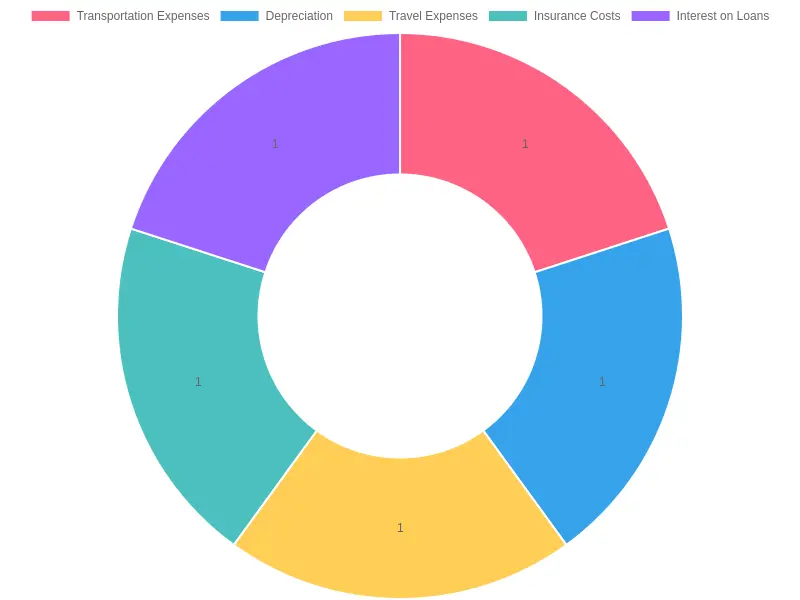
Trucking companies can benefit significantly from itemized deductions, which directly affect their taxable income and overall tax burden. The chart below visually represents potential tax savings across various deduction categories, including transportation expenses, depreciation, travel expenses, insurance costs, and interest on loans.
Chart: Potential Tax Savings by Deduction Category
Summary of Potential Savings
| Deduction Category | Description | Potential Tax Savings Example |
|---|---|---|
| Transportation Expenses | Fuel, repairs, maintenance | Savings based on actual costs incurred |
| Depreciation | Cost of trucks and equipment | Deductions based on yearly depreciation schedules |
| Travel Expenses | Meals, lodging when traveling for business | Specific percentage of travel-related expenses |
| Insurance Costs | Premiums paid for truck insurance | Total paid for insurance deductible |
| Interest on Loans | Interest payments on loans used to purchase trucks | Amount paid in interest deductible |
For more insights on the importance of regular trailer maintenance, check out this resource. Additionally, learn about compliance regulations in the trucking industry here.
In conclusion, understanding the nuances of truck wash itemized deductions is not merely a matter of compliance; it represents a significant opportunity for fleet managers and trucking company owners to optimize their tax situation. By recognizing eligible expenses and maintaining thorough records, you can reduce your tax liabilities, resulting in substantial savings. This proactive approach not only enhances your bottom line but also provides room for reinvestment in business growth and innovation.
We strongly encourage you to take the necessary steps to optimize your tax deductions. Consider consulting with a tax professional who specializes in the transportation sector to explore the best strategies tailored to your unique situation. Additionally, we invite you to discover how our products at Summit Fairings can enhance your fleet’s efficiency and compliance. This investment not only supports your operational needs but also contributes to sustainable business practices. Don’t leave potential savings on the table-act today!