
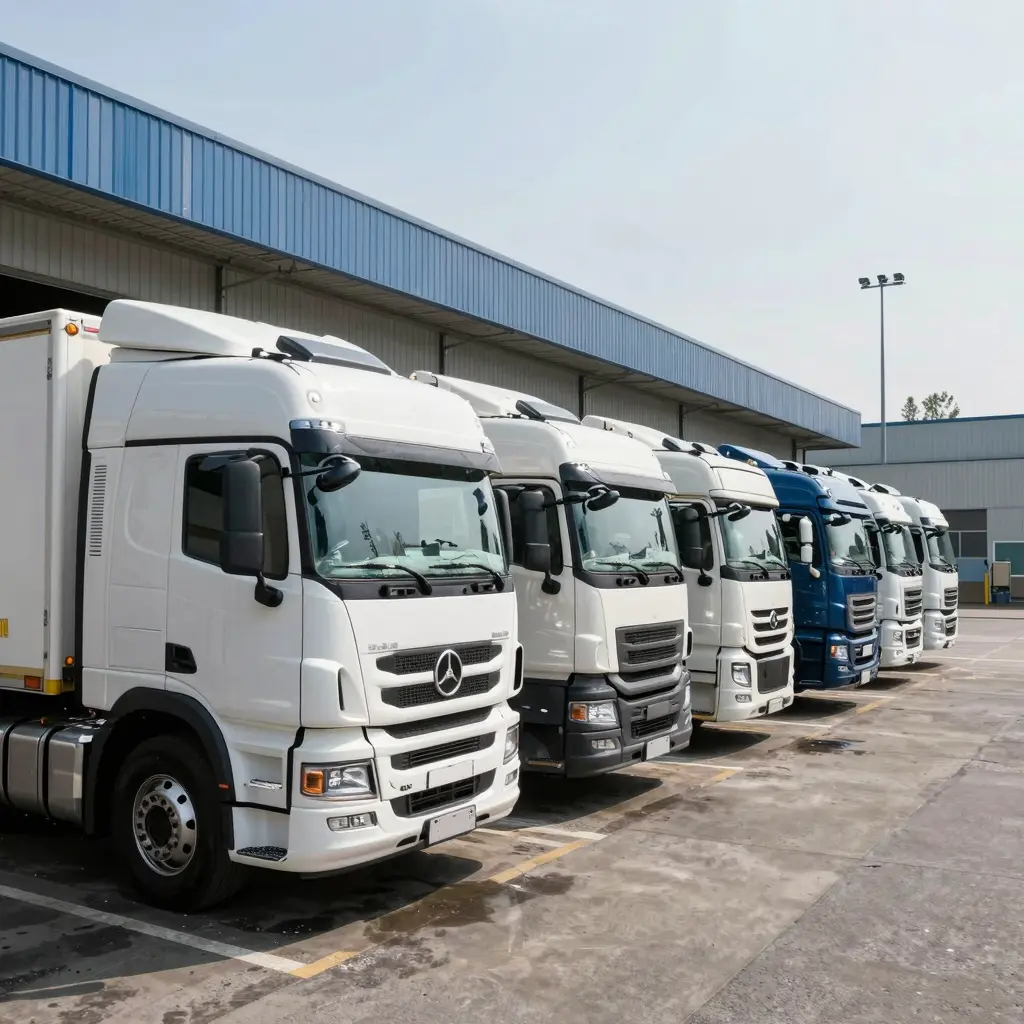
In the logistics and trucking industry, maintaining a fleet of trucks not only requires a significant investment in equipment but also an equally important focus on the associated operational costs. One often overlooked factor is the concept of tax deductions for washing company trucks. The fundamental query on whether washing company trucks is tax deductible is highly relevant for fleet managers, owners, and supervisors in construction and mining sectors. Properly documenting and understanding the costs related to truck washing can lead to substantial financial benefits, allowing companies to optimize their tax strategy while ensuring compliance with regulations. Tax deductions related to truck washing services present a viable opportunity to enhance operational efficiency and financial health, offering a pathway to better resource management. Thus, understanding the nuances of what is tax deductible can transform a necessary expense into a strategic financial advantage, emphasizing the importance of good practices for truck maintenance and compliance with emissions regulations. For more insights on the importance of regular vehicle maintenance and its financial implications, learn more about industry compliance and emissions regulations.
Eligibility Criteria for Truck Washing Tax Deductions
The following table summarizes key eligibility criteria for determining if washing company trucks can be tax deductible based on IRS guidelines and common practices in the industry.
| Criteria | Details |
|---|---|
| Truck Types | Owned or leased trucks used for regular business operations; may include light, medium, and heavy-duty trucks. |
| Washing Frequency | Regular washing (e.g., weekly or bi-weekly) is often favored for maintaining vehicles and preserving resale value. |
| Related Business Expenses | Deductible expenses may include washing equipment, cleaning supplies, labor costs, and other maintenance expenditures. |
| Vehicle Expense Deductions | Owners can choose between actual vehicle expenses (fuel, maintenance) or standard mileage deductions based on IRS rates. |
| Startup Costs | Initial operational expenses such as permits, initial cleaning equipment, and marketing can be deductible. |
| Depreciation | Deduction for the depreciation of washing equipment and vehicles over their useful life is applicable. |
| Compliance with Regulations | Keeping up with industry compliance (refer to emissions regulations) strengthens eligibility for deductions. |
For more information on maintaining vehicle standards and the importance of regular cleaning, check out the importance of regular trailer maintenance page.
IRS Regulations on Vehicle Maintenance and Cleaning Expenses
Understanding the IRS regulations regarding tax deductions for vehicle maintenance and cleaning expenses is critical for fleet managers and operators. According to IRS guidelines, vehicle maintenance and cleaning expenses can be deductible if they qualify as ordinary and necessary business expenses related to the operation of a vehicle for business purposes.
Key Criteria for Deductibility
-
Business Use: To qualify for deductions, the vehicle must be used for business purposes. If the vehicle is also used for personal activities, only the business-related percentage of the expenses can be claimed. For example, if a fleet truck is used 70% of the time for business, you can only deduct 70% of the maintenance and cleaning costs.
-
Ordinary and Necessary Expenses: The expenses must be considered ordinary and necessary for your type of business. Regular washing of fleet vehicles, especially in industries emphasizing cleanliness such as trucking and logistics, often meets this criterion. Ordinary expenses are those generally accepted in the industry, while necessary expenses are helpful for business operations.
-
Record Keeping: It’s essential to maintain detailed records and receipts for all maintenance and cleaning expenses to substantiate your deductions. IRS audits often focus on the accuracy of claimed deductions, so thorough documentation can protect businesses if inquiries arise. Keeping a record of each cleaning service, maintenance work, and associated costs will serve as proof during tax assessments.
-
Exclusions: Personal vehicle cleaning expenses are not deductible, nor are cleaning expenses incurred that are not related to business use. Therefore, it is crucial to clearly differentiate between business and personal expenses in your records.
Consultation and Resources
To ensure compliance with tax regulations and to maximize potential deductions, fleet managers should consult the IRS official website and consider speaking with tax professionals who can offer tailored advice. The IRS maintains comprehensive guidelines for vehicle expenses, including maintenance and cleaning, outlined in publications such as IRS Publication 463 and IRS Publication 535.
In conclusion, while vehicle maintenance and cleaning can potentially yield tax deductions, adherence to the IRS regulations, accurate record-keeping, and ongoing consultation with tax experts are essential for successful deduction claims. This approach not only keeps operations compliant but also contributes positively to overall business efficiency.
Financial Benefits of Tax Deductions for Fleet Maintenance
Tax deductions for fleet maintenance can yield significant financial benefits for trucking and logistics companies. One of the critical areas for potential savings lies in expenses related to truck washing and general maintenance. By understanding how to leverage these deductions effectively, companies can improve overall profitability and compliance with industry regulations.
Understanding the Deductions
The Internal Revenue Service (IRS) allows trucking companies to deduct various costs associated with operating their vehicles, including:
- Regular maintenance and repairs.
- Tires and other necessary vehicle components.
- Costs related to washing and cleaning trucks to maintain operational efficiency and compliance with safety regulations.
For fleet managers and trucking company owners, these deductions can translate into substantial financial savings. For instance, if a company incurs annual washing costs of $10,000 and is subjected to a tax rate of 25%, the financial deduction can effectively reduce tax liabilities by $2,500, reinvesting that amount into the business.
Real-World Example
Consider the case of Derrick Wolfe Trucking, which actively monitors maintenance expenses, including truck washing. By ensuring their fleet is frequently washed and maintained, they not only stay compliant with emissions regulations but also optimize truck performance, reducing fuel consumption and maintenance costs in the long run.
Conclusion
Ultimately, leveraging tax deductions for truck washing can significantly impact a logistics company’s financial health. Fleet managers should keep meticulous records of their maintenance expenses and work closely with tax professionals to ensure they benefit from all available deductions, maximizing their operational budget. For additional details on compliance and emissions regulations related to vehicle maintenance, learn more about industry compliance.
Operational efficiency isn’t just about immediate savings-it’s also about long-term investment in fleet health and sustainability.
Common Expenses for Truck Washing and Maintenance
Logistics and construction companies incur a variety of expenses related to the washing and maintenance of trucks. Here’s a list of common expenses:
- Labor Costs: Salaries for staff involved in washing and maintenance, including overtime during peak times.
- Cleaning Supplies: Costs for soaps, detergents, and other cleaning materials necessary for effective truck washing.
- Equipment Costs: Purchase or rental of washing equipment, such as pressure washers, hoses, and brushes.
- Water Costs: Expenses related to the water usage during cleaning processes.
- Waste Disposal Fees: Charges for disposing of wastewater and hazardous cleaning materials in compliance with regulations.
- Maintenance Supplies: Regular purchases of parts and tools required for ongoing truck maintenance.
- Facility Maintenance: Upkeep costs associated with the washing facility, including utilities, repairs, and lease payments.
By keeping track of these expenses, fleet managers can make informed decisions that enhance efficiency and reduce costs. For more information on how proper maintenance can benefit your fleet, you might want to learn more about regular trailer maintenance.
Understanding Truck Washing Tax Deductions
For fleet managers, trucking company owners, and operators in logistics, the operational costs associated with maintaining a clean fleet can significantly add up. Regular truck washing is not only crucial for maintaining a professional appearance and ensuring compliance with emissions regulations but also serves as a beneficial tax deduction.
Key Benefits of Claiming Truck Washing Expenses:
-
Operational Cost Reduction:
Claiming expenses for truck washing can help reduce the taxable income of the business. For example, a trucking company that incurs $2,000 annually for cleaning its fleet can deduct this amount, effectively decreasing their taxable burden. -
Enhancing Asset Longevity:
Regular washing removes harmful contaminants that can lead to rust and corrosion. This upkeep prolongs the life of the fleet, which is an asset in the eyes of tax authorities. When vehicles are maintained well, their resale value can increase, providing further financial benefits. -
Compliance with Industry Regulations:
Maintaining cleanliness can be tied to compliance with various industry regulations, which can sometimes lead to fines if not adhered to. By ensuring regular washes, companies can avoid unnecessary costs, protecting their bottom line. -
Improved Operational Efficiency:
A clean vehicle is often a more efficient vehicle. For companies that rely on regular inspections of their fleet, having a pristine appearance can also save time and money during DOT inspections or audits. -
Potential for Increased Client Trust:
A well-maintained fleet presents a professional image, which can be advantageous in acquiring new business. Clients are more likely to trust and engage with companies that demonstrate attention to detail, enhancing customer satisfaction and retention.
Conclusion
While specific testimonials may not be accessible, the consensus in the trucking and logistics industry underscores the value of truck washing as a tax-deductible expense. Fleet managers are encouraged to consult with tax professionals to maximize their allowable deductions and understand the best practices in claiming such expenses. For further insights into maintaining compliance and managing fleet expenses, you can learn more here and understand the importance of regular maintenance.
This strategic approach not only benefits the company financially but also contributes to sustainable fleet management practices.
Tax Deduction Eligibility for Truck Washing Services by State
While specific data on state tax deduction eligibility for truck washing services was unavailable, we’ve created a chart to illustrate this topic. Stay informed on how tax deductions can differ from state to state affecting your operational costs.
Tax Deduction Comparison Chart
You can view this chart to better understand eligibility for tax deductions regarding truck washing in your state.
Sources
- Explore compliance and emission regulations in the trucking industry
- Additional insights on the importance of regular maintenance for your fleet.
Conclusion
Understanding the tax implications of washing company trucks is crucial for fleet managers and operators in the logistics, trucking, and construction industries. As we’ve explored, truck washing services can often qualify as a deductible expense, potentially leading to significant savings for your operation. Keeping your trucks clean not only helps in compliance with environmental regulations but also enhances your fleet’s lifespan and operational efficiency. Regular maintenance, including detailed cleaning, can drastically reduce wear and tear, contribute to better fuel efficiency, and improve overall fleet aesthetics, affecting your branding positively.
Engaging with a reputable truck wash service, such as Summit Fairings, can streamline the cleaning process while ensuring that you meet all necessary compliance standards. By understanding the nuances of what constitutes a deductible expense, you can maximize your tax benefits and lower the overall cost of your fleet operation.
Now is the time to assess your current truck washing strategies and consider the advantages available through professional services. Learn more about industry compliance and emissions regulations and how regular maintenance can improve your fleet performance. Don’t miss out on cost-saving opportunities this tax season-take action by exploring your options with Summit Fairings today. Make the smart choice for your business and ensure that every dollar spent helps you grow and succeed!
“Understanding tax deductions is crucial for fleet managers. Vehicle maintenance expenses can be substantial, and knowing how to deduct these costs can significantly improve a company’s bottom line.” – Tax Consultant
This quote emphasizes the importance of comprehending tax deductions, particularly concerning vehicle maintenance, which is highly relevant for logistics and fleet managers.