
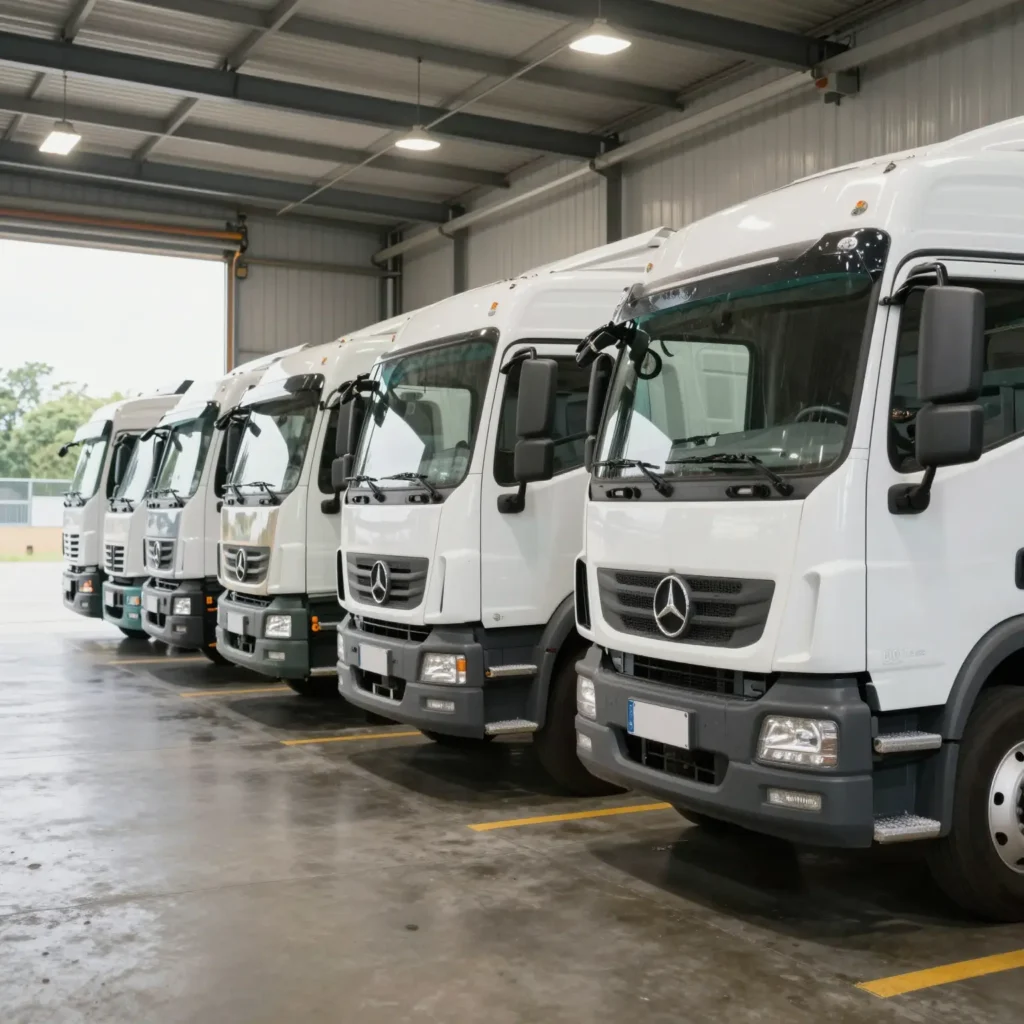
Understanding Truck Wash Costs: A Crucial Investment for Fleet Managers
In the competitive world of logistics and freight management, maintaining a clean fleet extends beyond aesthetics-it’s an operational necessity. Truck wash cost is a significant factor that fleet managers and trucking company owners must consider. Regular maintenance and detailing not only enhance the visual appeal of vehicles but also protect vital components, ultimately prolonging their lifespan. Moreover, clean trucks foster compliance with industry regulations concerning emissions and hygiene standards.
Understanding the various factors that influence truck wash costs-such as the size of the fleet, wash types, and service frequency-is essential for effective budgeting. By investing in regular washing services, fleet managers can improve vehicle performance, reduce maintenance costs, and present a professional image to clients. In this article, we will delve into the intricacies of truck wash expenses and explore how these costs can translate into beneficial outcomes for your fleet. Learn more about compliance and emissions regulations that affect your operations, and discover the impact of maintaining equipment through regular trailer maintenance on overall cost-effectiveness.
Overview of Truck Wash Services
Truck wash services play a critical role in the logistics and freight industries, ensuring fleet vehicles are properly maintained and compliant with industry regulations. The various types of truck wash services available cater to the diverse cleaning needs of logistics companies, contributing to operational efficiency and cost savings.
Types of Truck Wash Services
-
Exterior Truck Wash: This basic service involves the cleaning of the truck’s exterior surfaces using automated machinery or manual water pressure techniques. It helps remove dirt, grime, and road salt, which can corrode the vehicle’s body over time.
-
Interior Cleaning: Interior cleaning services focus on sanitizing the cab area, including seats, dashboards, and floor mats. A clean and hygienic interior improves driver comfort and satisfaction, which can lead to better performance and lower turnover.
-
Underbody Washing: This specialized service focuses on washing the undercarriage of trucks, which is essential for preventing rust and ensuring the longevity of components that are often exposed to harsh environments.
-
Fleet Wash Services: Designed for companies with multiple vehicles, fleet wash services offer comprehensive cleaning solutions tailored to the size and specific needs of a fleet. These services are crucial for maintaining a professional image and compliance with safety standards.
-
Mobile Truck Wash Services: Mobile services provide the convenience of on-site cleaning, allowing fleets to continue their operations without downtime. This flexibility is particularly beneficial for logistics operations that require minimal interruptions.
Relevance to Logistics and Freight Companies
Investing in truck wash services is not just about aesthetics; it significantly impacts operational efficiency. Regular cleaning prevents maintenance issues, hazards caused by dirt accumulation, and also meets compliance requirements linked to emissions regulations. Clean trucks enhance the company’s brand image, portraying professionalism and reliability to clients. Furthermore, as highlighted by resources like Mastering Truck Wash Techniques for Fleet Managers, maintaining cleanliness can significantly extend the lifespan of fleet vehicles, driving down overall costs associated with vehicle maintenance.
Ultimately, reliable truck wash services are an integral part of any logistics or freight company’s fleet management strategy, promoting both safety and efficiency across operations.
| Location | Average Price | Service Details |
|---|---|---|
| California | $60-$100 | High-pressure wash, waxing |
| Texas | $50-$80 | Basic wash, interior cleaning |
| Florida | $40-$70 | Full wash, undercarriage cleaning |
| New York | $70-$120 | Premium wash, polishing, and detailing |
| Illinois | $50-$90 | Standard wash, wheel cleaning |
Understanding the various factors that influence truck wash costs is crucial for fleet managers and trucking company owners to manage expenses effectively. Here are some significant elements that can affect the cost of truck washing services:
-
Location:
-
The geographical location of your fleet greatly impacts the cost of truck washing services. Areas with a high concentration of truck wash facilities may have competitive pricing, while remote locations may incur higher costs due to lower competition and higher transportation costs.
-
Local regulations, such as environmental compliance costs, can also vary, affecting washing prices. For instance, some states may have stricter laws regarding chemicals used and wastewater management, which can lead to increased operational expenses for washing services.
-
Size of the Fleet:
-
The number of trucks in your fleet plays a vital role in determining costs. Larger fleets may benefit from bulk wash agreements or contracts, leading to lower average costs per wash.
-
Conversely, smaller fleets might face higher per-wash charges due to lack of negotiating power, or may be subject to minimum service fees regardless of the number of trucks washed.
-
Type of Wash Services:
-
Different levels of service available can dramatically influence overall costs. Basic washes that only include exterior cleaning can range from $30 to $70. In contrast, comprehensive services that include detailing, undercarriage cleaning, and waxing can significantly increase costs.
-
Additional services, such as engine cleaning or interior detailing, will naturally add more to the total charge. Defining the specific needs of your fleet can help tailor washing schedules and keep costs in check.
-
Time of Year:
-
Seasonal demand can affect truck wash prices as well. During certain times of the year, especially in harsh weather conditions, demand may increase, thus increasing costs. Conversely, off-peak seasons may see competitive rates as facilities look to attract more customers.
-
Regular Maintenance Practices:
-
Regular washing can help maintain the condition of your vehicles, potentially extending the lifespan of their components, like paint and protective finishes. Fleet managers may find that investing in higher frequency, lower-cost washes ultimately saves money on long-term maintenance.
For more insights on managing fleet operations effectively, you can learn more about the importance of regular trailer maintenance or explore how compliance with emissions regulations impacts costs here.
By considering these factors, logistics and freight company fleet managers can better budget and plan for their truck wash costs, ensuring both compliance and optimal vehicle maintenance.
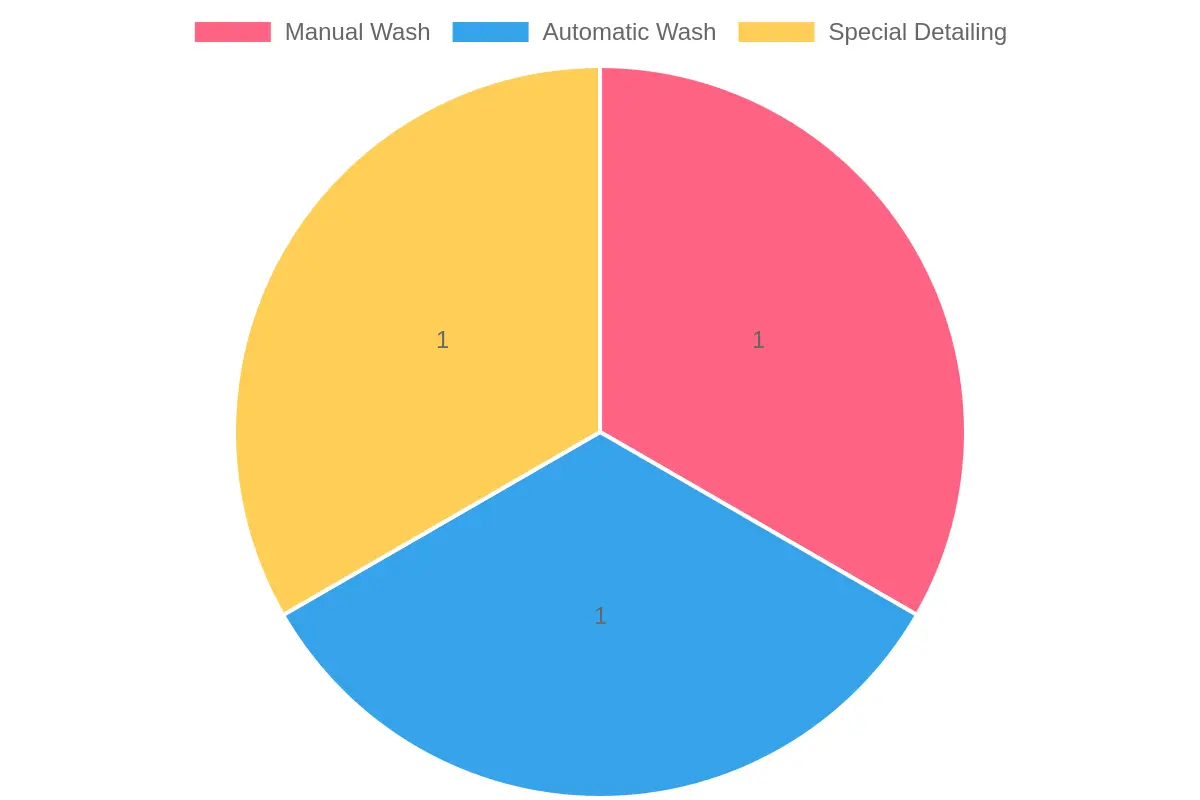
Types of Truck Wash Options
| Wash Type | Description | Benefits |
|---|---|---|
| Manual Wash | Requires human labor to clean the truck. | Thorough cleaning; attention to detail. |
| Automatic Wash | Machine-assisted wash; usually quicker. | Consistent results; less labor-intensive. |
| Special Detailing | Comprehensive cleaning including waxing and interior cleaning. | Enhances appearance; protects paintwork and interior. |
These various options can help fleet managers determine the best wash method for their trucking fleet, balancing efficiency with quality of cleanliness. For further insights on maintaining compliance in truck washing, check out Truck Wash Industry Compliance and explore the importance of regular trailer maintenance for optimum fleet operation.
Conclusion
Understanding truck wash costs is pivotal for effective fleet management, particularly in logistics and freight industries. These costs are not merely expenses; they directly impact key areas such as vehicle maintenance, operational efficiency, compliance with health regulations, and the overall image of the company. By investing in regular truck washes, fleet managers can ensure their vehicles maintain longevity and performance, which can ultimately reduce long-term operational costs. Moreover, a clean fleet enhances professional appearance, directly influencing how clients perceive the company’s reliability and commitment to quality service.
In essence, informed decision-making regarding truck wash costs allows for better cost management and operational success. To further enhance the longevity and efficiency of your fleet, it’s worth considering tailored solutions such as those offered by Summit Fairings. Their innovative offerings can significantly contribute to maintaining your fleet’s integrity and value over time.
Maintaining a clean fleet is not just about aesthetics; it influences operational efficiency, compliance with regulations, and ultimately, the bottom line. – Industry Expert
Benefits of Regular Truck Washing
Regular truck washing plays a crucial role in fleet maintenance and branding. Here are some of the key advantages for fleet managers and operators:
- Prolongs Vehicle Lifespan: Regular washing removes dirt, grime, and corrosive substances that can lead to rust and degrade paint, ultimately extending the life of the truck.
- Reduces Repair Costs: Preventative maintenance through regular washing can minimize the need for costly repairs, as dirty surfaces are more prone to damage.
- Enhanced Safety: Clean vehicles allow for improved visibility and safety of the drivers, as dirt can obscure windows and lights, leading to dangerous driving conditions.
- Brand Image Improvement: A clean fleet reflects professionalism and attention to detail, which enhances the company’s image and makes a positive impression on clients and the community. As highlighted in the importance of regular trailer maintenance, clean trucks support a strong organizational image.
- Operational Efficiency: Maintenance activities, including washing, help keep the fleet running smoothly, reducing downtime caused by performance issues related to dirty vehicles.
- Compliance and Regulations: Regular washing can assist in meeting various compliance standards related to emissions and sanitation, as discussed in truck wash industry compliance regulations.
In conclusion, regular truck washing should be a key component of fleet maintenance strategies. It not only keeps vehicles looking great but also provides practical benefits that contribute to the overall efficiency and branding of the company.
The use of clean trucks in the logistics industry presents significant advantages that contribute to operational efficiency, brand perception, and regulatory compliance. These factors become particularly crucial when considering the associated costs of truck washing, commonly termed as “truck wash cost.”
Operational Efficiency
Clean trucks not only look good but also function better. Regular washing helps maintain the integrity of the vehicles which, in turn, contributes to operational efficiency. Vehicles that are kept clean are less likely to encounter mechanical issues caused by dirt and grime buildup. Moreover, many fleet managers report that clean trucks tend to have lower fuel consumption rates. For instance, a study revealed that maintaining clean and aerodynamic trucks helped save up to 10% in fuel costs. This efficiency translates to more reliable delivery schedules and a smoother flow of operations.
Brand Perception
In today’s market, brand image plays a vital role in customer loyalty. Companies employing clean trucks often position themselves as environmentally responsible and customer-oriented. As consumers increasingly prefer businesses that demonstrate commitment to sustainability, companies that maintain their fleets through practices like regular truck washing can enhance customer trust and brand reputation. It showcases a dedication to quality and attention to detail, which can lead to increased sales and customer inquiries. Businesses can significantly benefit from enhancing brand image by investing in clean maintenance practices.
Compliance
With regulatory frameworks tightening regarding emissions and cleanliness standards, operating a clean fleet helps ensure compliance with local and national laws. Companies that fail to adhere to these regulations risk facing substantial fines and potential disruptions in operations. Clean trucks are often better equipped to meet emissions standards and other legal expectations, safeguarding companies from penalties. Staying informed on compliance regulations related to vehicle emissions is critical, making it essential to consider the investments in clean truck practices, including regular washing routines (learn more about compliance regulations).
Conclusion: The Cost Aspect
While the truck wash cost might seem like an additional expense, the long-term benefits far outweigh these costs. The operational savings from improved vehicle performance, the enhanced brand perception leading to better customer retention, and the avoidance of fines through compliance could result in significant net gains. Therefore, fleet managers and trucking company owners should weigh the cost of truck washing against these substantial benefits to make informed fleet management decisions.
In conclusion, embracing clean truck practices, including regular washing, is not merely about maintaining aesthetics; it’s a strategic move that can bolster logistics efficiency, improve brand perception, and ensure compliance with regulations.