
Understanding Pressure Washer Trucks for Effective Fleet Management
In the logistics and construction industries, the importance of effective cleaning solutions cannot be overstated. Fleet managers and operators face the dual challenge of maintaining the appearance and functionality of their vehicles while ensuring compliance with industry standards. This is where pressure washer trucks come into play. These specialized vehicles not only facilitate deep cleaning but also play a crucial role in maintaining the fleet’s overall aesthetic and hygiene standards.
Pressure washer trucks are designed for efficiency, combining high-pressure cleaning capabilities with water recycling systems. Understanding how these trucks work empowers fleet managers to improve fleet management strategies and extend the lifespan of their equipment. This knowledge is essential for implementing regular maintenance schedules that minimize downtime and reduce operational costs. Moreover, investing in the right cleaning technologies can elevate a company’s commitment to sustainability and compliance, particularly in terms of emissions regulations, which is paramount in today’s environmentally conscious market learn more about industry compliance.
In an era where appearance can affect a company’s reputation, understanding how pressure washer trucks operate provides fleet supervisors vital insights into effective maintenance practices. By mastering these operations, fleet managers can ensure their vehicles are not just clean but also efficiently maintained – creating both operational excellence and enhanced brand visibility. Clean trucks not only look good but also reflect a commitment to quality service in an increasingly competitive landscape explore the importance of regular trailer maintenance.
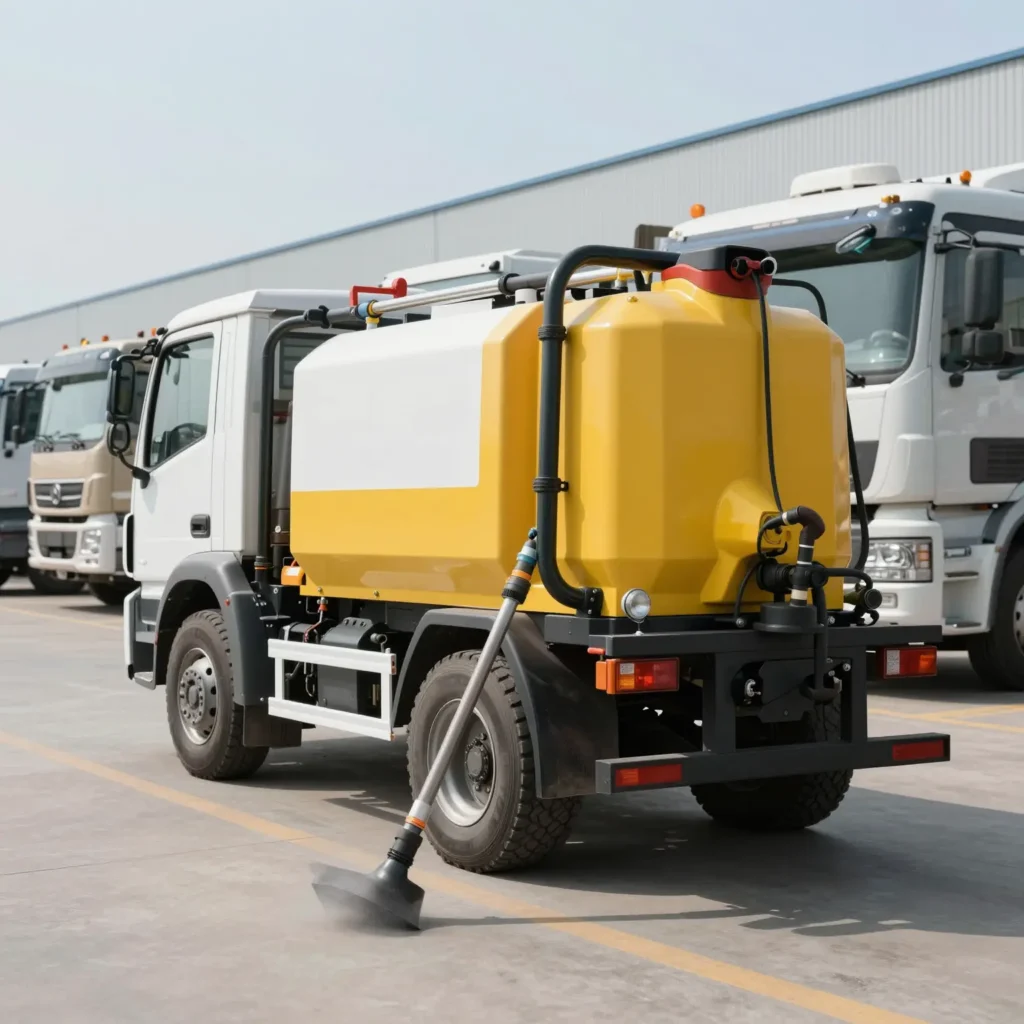
A pressure washer truck is a specialized vehicle equipped with a pressure washing system, designed to efficiently clean a range of surfaces, particularly in industrial, commercial, and fleet management environments. These trucks combine mobility with robust cleaning solutions, making them invaluable for various applications, from maintaining trucking fleets to servicing construction sites.
Key Components of Pressure Washer Trucks
Understanding the essential components and functions of pressure washer trucks can help logistics and fleet managers optimize their operations. Here are the primary components:
-
High-Pressure Pump: This is the core of any pressure washing system, capable of generating high-pressure water flows to dislodge dirt, grease, and grime. Pressure ratings typically range from 1000 to 4000 PSI, depending on the application.
-
Water Tank: Most pressure washer trucks are equipped with a dedicated water tank that allows for extended cleaning operations without needing to refill. These tanks often come with filtration systems to ensure clean water is used.
-
Hose Reels: These are integrated to store high-pressure hoses neatly, reducing the risk of tangles and damage. Quick-connect fittings are common for ease of use.
-
Heating Unit: Some pressure washer trucks feature heating systems that provide hot water, enhancing the cleaning process for tough stains and substances like greasy residues.
-
Storage Compartment: To make the truck multifunctional, a well-designed storage area can hold various cleaning tools and accessories, from nozzles to detergents.
Functionalities of Pressure Washer Trucks
Pressure washer trucks facilitate a range of cleaning tasks, including:
-
Fleet Maintenance: Regular cleaning of trucks helps prevent the buildup of harmful substances that can damage the vehicle’s body and reduce its resale value. With pressure washers, fleet managers can ensure their vehicles reflect professionalism, reducing the likelihood of tarnished reputations.
-
Surface Cleaning: These trucks can be used to clean various surfaces, including roads, parking lots, and heavy machinery, meeting compliance and maintenance standards.
-
Eco-Friendly Operations: Many pressure washer trucks feature eco-friendly systems that minimize water usage and utilize biodegradable detergents, crucial for compliance with emissions regulations.
Conclusion
Incorporating pressure washer trucks into logistics and fleet management offers significant benefits, such as improved vehicle maintenance, project efficiency, and compliance with environmental regulations. Their design and capabilities allow for thorough and effective cleaning, which translates to increased asset longevity and enhanced operational appearance. Fleet managers and operators should consider the advantages these specialized vehicles bring to their maintenance strategies.
Applications of Pressure Washer Trucks
Pressure washer trucks play a critical role across various industries, offering efficient cleaning solutions that enhance operational effectiveness and compliance with regulations. Below are some key applications:
-
Logistics and Transportation
Pressure washer trucks are commonly used to clean freight vehicles, ensuring they meet industry compliance and emissions regulations. Regular cleaning can prevent the build-up of dirt and pollutants, allowing for more efficient operations. For more on compliance, check out industry compliance and emissions regulations. -
Construction
In construction, these trucks are used to clean heavy machinery and equipment, removing concrete, mud, and grime which can hinder performance. High-pressure washing helps maintain machinery in optimal condition, thereby extending its lifespan and reducing repair costs. -
Mining
Pressure washer trucks are essential in the mining sector, where they are used to clean vehicles and equipment that transport minerals. This not only improves equipment reliability but also helps in minimizing the risk of accidents and enhancing safety. -
Environmental Maintenance
In various outdoor settings, pressure washing can help manage vegetation and eliminate hazardous materials. This includes cleaning areas around industrial sites to prevent environmental contamination. -
Food Processing
In the food industry, pressure washer trucks ensure that transport vehicles and equipment are sanitized regularly, adhering to health regulations and maintaining food safety standards. Regular cleaning is critical for preventing contamination and ensuring quality, as outlined in importance of regular trailer maintenance.
Pressure washer trucks thus serve diverse functions that are crucial for operational efficiency and compliance in multiple industries.
How Pressure Washer Trucks Work
Pressure washer trucks serve as a vital resource in various industries, including logistics, construction, and fleet management. These specialized vehicles combine the capabilities of a powerful pressure washing system with the mobility and storage of a truck, offering effective solutions for maintaining cleanliness and operational efficiency on the go.
Mechanics of Pressure Washer Trucks
At the heart of pressure washer trucks is the pressure washing system, which is typically integrated into the truck’s chassis and frame. This system involves several key components:
- Water Supply: A tank reservoir provides a continuous water supply, essential for high-pressure washing tasks.
- Pressure Pump: This pump is critical for converting standard water pressure into high-pressure output, often reaching up to 4000 PSI, allowing for effective cleaning of various surfaces.
- Hoses and Nozzles: Specialized hoses can withstand high pressure, directing water to the nozzle, which can be adjusted to control the spray pattern and intensity.
- Cleaning Agents: Some systems can incorporate cleaning detergents or chemicals to enhance cleaning efficacy, especially when dealing with stubborn grime or stains.
The integration of these components is designed to optimize space and improve user experience, ensuring that operators can handle ongoing cleaning tasks without the need for extensive setup or downtime. The mobility provided by a truck chassis allows these machines to reach different job sites efficiently, making them ideal for operations where cleaning can’t be done at a stationary site.
Operational Efficiency
For fleet supervisors, understanding the operational efficiency of pressure washer trucks is crucial. These trucks enhance productivity by:
- Streamlining Equipment Handling: By having the pressure washer mounted on a vehicle, operators can reduce the logistics involved in transporting separate cleaning equipment. This centralized system minimizes the need for multiple vehicles, thus simplifying fleet management.
- Enhancing Cleaning Efficacy: The ability to adjust pressure levels and apply cleaning agents allows fleet supervisors to tailor the cleaning process according to various surfaces and contaminants, ensuring superior cleaning outcomes that are both thorough and efficient.
- Reducing Labor Costs: Because pressure washer trucks can operate quickly and efficiently, they reduce the number of personnel needed on cleaning crews.
The operational benefits extend further when considering compliance with regulations. Regular use of pressure washer trucks helps maintain the overall appearance and hygiene of a fleet, aligning with industry standards and boosting company image. For more information on compliance, check out Industry Compliance and Emissions Regulations.
Moreover, understanding the importance of maintaining these trucks can significantly affect their longevity and reliability. Consider strategies for regular maintenance noted in Importance of Regular Trailer Maintenance.
Conclusion
In summary, pressure washer trucks represent an essential innovation in cleaning technology for fleet supervisors. Their integrated, mobile design affords businesses the ability to maintain cleanliness efficiently, reducing labor costs while enhancing operational capabilities. As such, investing in pressure washer trucks can lead to improved productivity and a cleaner fleet, ultimately supporting the operational goals of companies across various industries.
| Model Name | PSI | GPM | Tank Capacity | Price (approx.) |
|---|---|---|---|---|
| Model A | 3000 | 2.5 | 100 gallons | $15,000 |
| Model B | 4000 | 4.0 | 150 gallons | $25,000 |
| Model C | 3500 | 3.0 | 120 gallons | $20,000 |
| Model D | 4500 | 5.0 | 200 gallons | $30,000 |
Key Features to Consider:
- PSI (Pounds per Square Inch): This measures the pressure that the washer can deliver. Higher PSI is usually beneficial for tougher stains.
- GPM (Gallons Per Minute): This indicates how much water the pressure washer can use, impacting how quickly a job can be completed.
- Tank Capacity: Larger tanks enable longer washing sessions without needing to refill.
- Price: Budget is crucial; higher cost models often offer greater durability and features.
For more precise specifications, it might be beneficial to consult manufacturers’ websites or dedicated pressure washer review sites.
Summary of Benefits of Pressure Washer Trucks in Fleet Operations
1. Cost Savings
Pressure washer trucks often lead to substantial cost savings for fleet operations. Companies utilizing these trucks report:
- Reduction in Labor Costs: Traditional cleaning methods require more manual labor hours. In contrast, pressure washer trucks can expedite the cleaning process, reducing the number of labor hours needed.
- Lower Water Usage: Modern pressure washing technologies are designed to optimize water usage. This efficiency can lead to reduced water bills and lower environmental impact.
2. Increased Efficiency
The efficiency of pressure washer trucks allows fleets to achieve more with less time:
- Faster Cleaning: These trucks can clean vehicles and equipment faster than manual cleaning methods. Companies have reported that jobs that previously took hours can now be completed in a fraction of that time.
- Higher Job Capacity: Streamlined operations mean fleets can handle more cleaning jobs daily, increasing revenue potential and customer satisfaction.
3. Improved Environmental Outcomes
Pressure washing techniques can contribute positively to environmental stewardship:
- Chemical Reduction: Advanced pressure washers often use less harsh chemicals compared to traditional cleaning agents. This not only protects the environment but also benefits employee health.
- Water Conservation: Many pressure washing systems use significantly less water than conventional cleaning methods, which can be a significant advantage in areas with water use restrictions.
4. Enhanced Equipment Longevity
Regular maintenance using pressure washer trucks can lead to better overall care for fleet vehicles:
- Prevention of Damage: By effectively removing corrosive substances, pressure washing can help maintain the integrity of equipment, extending the lifespan of fleet vehicles.
- Preventive Maintenance: Many fleets adopt a proactive approach to cleaning, which not only helps with aesthetics but also facilitates routine maintenance checks.
Conclusion
While specific case studies highlighting the quantified benefits of pressure washer trucks remain elusive, the general benefits observed across industries indicate significant advantages in cost, time efficiency, environmental impact, and equipment longevity. Fleet managers seeking to optimize their operations should consider adopting pressure washing truck solutions as a viable strategy to enhance their fleet maintenance efforts. For further information on the importance of regular maintenance, learn more here.
If you wish to glean specific case studies or further details, accessing specialized fleet management resources or contacting manufacturers could yield additional insights.
Please let me know if you’d like to explore another topic or aspect related to pressure washer trucks!

In conclusion, pressure washer trucks serve as an invaluable asset for fleet managers, especially in the logistics and construction sectors. These specialized vehicles are equipped to deliver enhanced cleaning efficiency, saving time and resources while ensuring that equipment and vehicles are maintained in optimal condition. By incorporating pressure washer trucks into your fleet, you can reduce maintenance costs and extend the lifespan of your tools and machinery. As a fleet manager, this not only improves operational efficiency but also contributes to a safer work environment by minimizing the risks associated with dirt and debris accumulation.
Moreover, many pressure washer trucks are designed with sustainability in mind, utilizing less water and eco-friendly cleaning solutions. This aligns with regulatory compliance and emission regulations relevant to the industry, allowing your company to support green practices while maintaining high standards of cleanliness.
As you evaluate ways to upgrade your fleet, consider the significant benefits that pressure washer trucks can provide. These investments can enhance your operational capabilities, ultimately leading to greater productivity and job satisfaction among your team.
To learn more about how to implement effective solutions for your fleet management needs, check out Summit Fairings for innovative options that align with your business goals. Take the next step today towards a cleaner, more efficient fleet!
Advantages of Pressure Washer Trucks in Fleet Management
A significant component of effective fleet management is maintaining the cleanliness and operational efficiency of vehicles. Pressure washer trucks provide an efficient solution to meet these needs.
“Regularly maintaining the cleanliness of fleet vehicles through pressure washing not only enhances their appearance but also contributes to their longevity and operational reliability. It’s an investment in safety and efficiency.”
- John Smith, Fleet Operations Expert
These specialized vehicles are designed to deliver high-pressure water to remove dirt, grease, and grime from the surfaces of trucks and trailers. Here are some of the key advantages of utilizing pressure washer trucks in fleet management:
- Enhanced Safety: Regular cleaning prevents the accumulation of debris that can lead to mechanical issues.
- Improved Brand Image: Clean trucks enhance customer perception and can attract more business.
- Reduced Maintenance Costs: Keeping trucks clean can extend their life and reduce the need for expensive repairs.
- Compliance with Industry Standards: Meeting cleanliness regulations is vital for operational licenses and safety compliance.
These benefits showcase why pressure washing should be a routine part of any fleet management strategy. For more insights into maintaining compliance and improving operations, read about emissions regulations and the importance of regular trailer maintenance.

Chart indicating benefits of pressure washing for fleet management.
Maintenance Best Practices for Pressure Washer Trucks
For fleet managers responsible for pressure washer trucks, implementing effective maintenance practices is crucial for prolonging equipment life and ensuring operational efficiency. Here, we outline several best practices that can help streamline maintenance routines and avoid costly repairs.
1. Routine Inspections
- Daily Checks: Before each use, conduct a visual inspection of the truck. Look for leaks, damaged hoses, or worn-out parts. Ensure that all safety features are functional.
- Weekly Maintenance: Check the oil levels and fluid conditions. Review tire pressures and overall tire condition to prevent failures on the road.
2. Care for the Water Pump
- Regular Inspection: Ensure the water pump is checked for leaks and that it operates efficiently. Clean any filters or screens regularly to prevent clogs that could impede performance.
- Lubrication: Follow manufacturer guidelines for lubrication points, which will keep moving parts functioning smoothly.
3. Maintain Clean Nozzles
- Clogging Prevention: Clean nozzles after every use to avoid blockages that can diminish pressure delivery. A small brush can be effective for scrubbing away debris and buildup.
4. Oil & Filter Changes
- Regular Replacement: Change the engine oil and oil filter as manufacturer guidelines recommend, typically every 50-100 operating hours, to maintain engine health and reliability.
- Air Filter Maintenance: A clean air filter allows the engine to breathe more easily, improving efficiency. Replace it periodically to ensure optimal performance.
5. Battery Health Check
- Regular Inspections: Inspect battery terminals for corrosion and ensure that connections are tight. Clean terminals with a mixture of baking soda and water when needed.
- Charge Levels: Test battery voltage regularly to confirm it holds a charge well, especially after prolonged inactivity.
6. Winter Care
- Winterization: In colder climates, winterize your pressure washer trucks by draining water from lines and adding antifreeze to the pump. This prevents freezing and potential damage during cold months.
7. Emphasizing Compliance
- Staying compliant with regulatory standards not only prolongs machine life but can also prevent potential legal liabilities. For valuable insights, learn more about industry compliance.
Implementing these maintenance best practices will help fleet managers ensure the longevity and efficiency of pressure washer trucks, ultimately supporting operational goals effectively.