
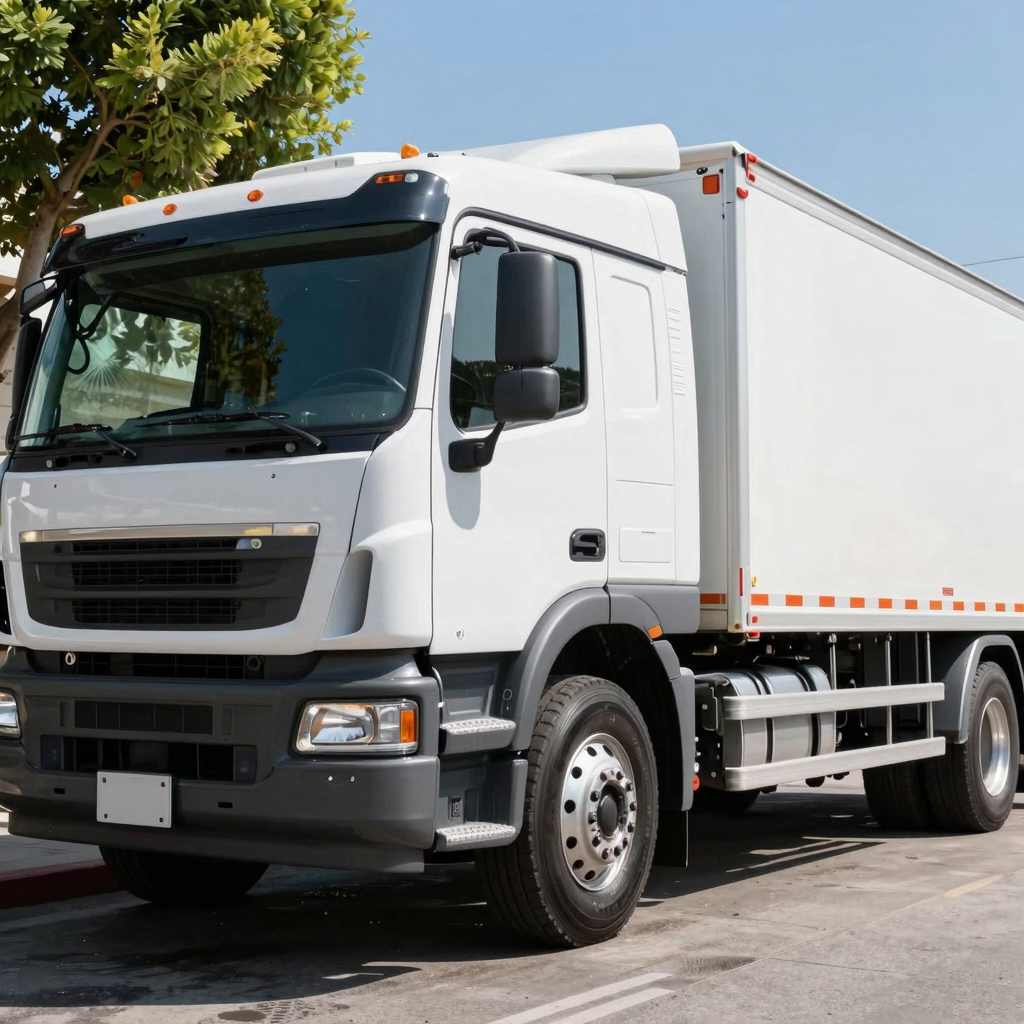
In the competitive landscape of logistics and transportation, maintaining a clean fleet is paramount for operational efficiency and brand image. For fleet managers and trucking company owners, the state of the trucks can directly impact customer perceptions and operational costs. Dirty vehicles not only reflect poorly on the company, but they can also lead to issues such as equipment degradation and compliance challenges. This is where solutions like truck wash Fontana come into play, offering essential services designed to enhance the cleanliness and functionality of your fleet. Regular washing ensures that trucks remain in optimal condition, ultimately translating to lower maintenance costs and improved fuel efficiency. Furthermore, a well-maintained fleet fosters a positive image, instilling confidence in customers and partners alike. As the demand for high standards in logistics grows, investing in professional truck washing services is a smart move that can pay off significantly over time. Learn more about industry compliance and regulations and discover proven strategies for maintaining fleet hygiene and efficiency. Explore the importance of regular trailer maintenance to ensure that your operation runs smoothly and effectively.
Benefits of Regular Truck Washing for Logistics and Freight Companies
Regular truck washing plays a crucial role for logistics and freight companies, offering a multitude of benefits:
-
Enhanced Safety: Clean trucks reduce the risk of accidents by ensuring clear visibility. Regular washing helps prevent dirt accumulation on windshields and mirrors, thereby improving driver response times and overall safety on the road.
-
Increased Efficiency: Studies indicate that a clean truck can improve fuel efficiency by up to 7%, as dirt and grime create drag. Moreover, maintaining cleanliness can lead to 30% fewer mechanical issues, minimizing unexpected breakdowns and maximizing operational uptime.
-
Stronger Branding: A well-maintained fleet enhances corporate image and can attract more clients. Research shows that 78% of customers view clean fleets as more trustworthy, which helps in securing contracts with environmentally conscious businesses.
For more about the importance of cleanliness in fleet management, check out the importance of regular trailer maintenance and compliance with emissions regulations.
| Service Name | Location | Rating (Yelp) | Main Services Offered | Pricing Information |
|---|---|---|---|---|
| Little Sister’s Truck Wash | 1430 W 1st St, Fontana, CA 92335 | 2.7 (47 reviews) | Exterior wash, interior cleaning, detailing, polishing | Not specified, but typically competitive rates |
| Slover Truck Wash and Detail | 1380 W 1st St, Fontana, CA 92335 | 3.0 (2 reviews) | Specializes in truck wash, interior cleaning | Pricing not available |
| Three Sisters Truck Wash | 1440 W 1st St, Fontana, CA 92335 | 3.0 (1 review) | Exterior wash, interior cleaning | Pricing not available |
| Fontana Truck Wash & Service | 1430 W 1st St, Fontana, CA 92335 | 2.0 (1 review) | Quick exterior wash only | Pricing not available |
Summary
This comparison table of truck wash services in Fontana includes essential details such as pricing, services offered, and customer ratings. It is beneficial for fleet managers aiming to maintain compliance and efficiency in their logistics operations. To learn more about the importance of compliance in truck wash services, read more here. Also, don’t forget the significance of regular trailer maintenance, which can be found here.
Recommended Truck Wash Frequency: Industry Standards and Best Practices
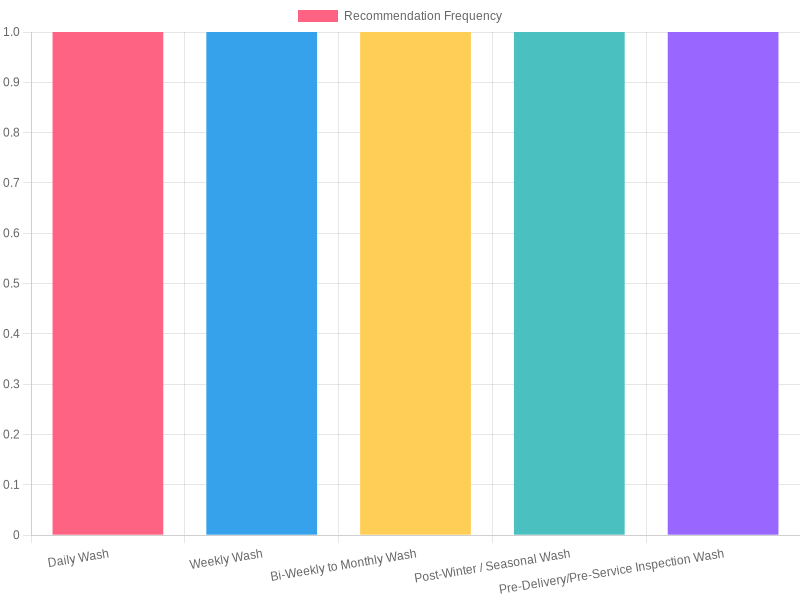
Regular truck washing is crucial for maintaining operational efficiency and ensuring vehicle longevity in logistics, freight, and construction sectors. Here’s an overview of the recommended wash frequencies based on current industry standards and best practices:
Frequency Recommendations:
| Recommendation Category | Frequency & Best Practice Details | Key Rationale |
|---|---|---|
| Daily Wash (After Each Trip) | For vehicles heavily utilized or operating in harsh conditions. A basic wash that includes a rinse and cleaning of critical areas (grills, undercarriage). | Prevents buildup of corrosive materials, reduces long-term damage. |
| Weekly Wash | Standard for most vehicles in moderate conditions including a full wash of wheels, undercarriage, and interior. | Maintains hygiene, prevents damage to seals, enhances performance. |
| Bi-Weekly to Monthly Wash | Suitable for low mileage vehicles in cleaner environments. Requires thorough cleaning, focusing on undercarriage and wheel wells. | Balances maintenance needs with operational costs. |
| Post-Winter / Seasonal Wash | Deep cleaning post-winter to remove salt and chemicals accumulated on the undercarriage and brake systems. | Prevents severe corrosion risks and ensures safety. |
| Pre-Delivery/Pre-Service Inspection Wash | Conducted prior to delivery or service to ensure vehicle condition is accurately assessed. | Important for diagnostics and compliance with warranty standards. |
Operational Efficiency and Vehicle Maintenance
Regular truck washing not only enhances appearance but significantly contributes to long-term maintenance benefits:
- Extends Vehicle Lifespan: Regular washing removes contaminants that can degrade materials.
- Improves Safety: Clean vehicles have better braking performance and reduce fire risks.
- Reduces Downtime: Preventive washing minimizes repair costs associated with rust and blockages.
- Supports Compliance: Adheres to environmental regulations concerning runoff and sanitation in industries like public transit.
- Enhances Brand Image: A clean fleet reinforces professionalism and reliability to customers.
Global Trends in Truck Wash Frequency
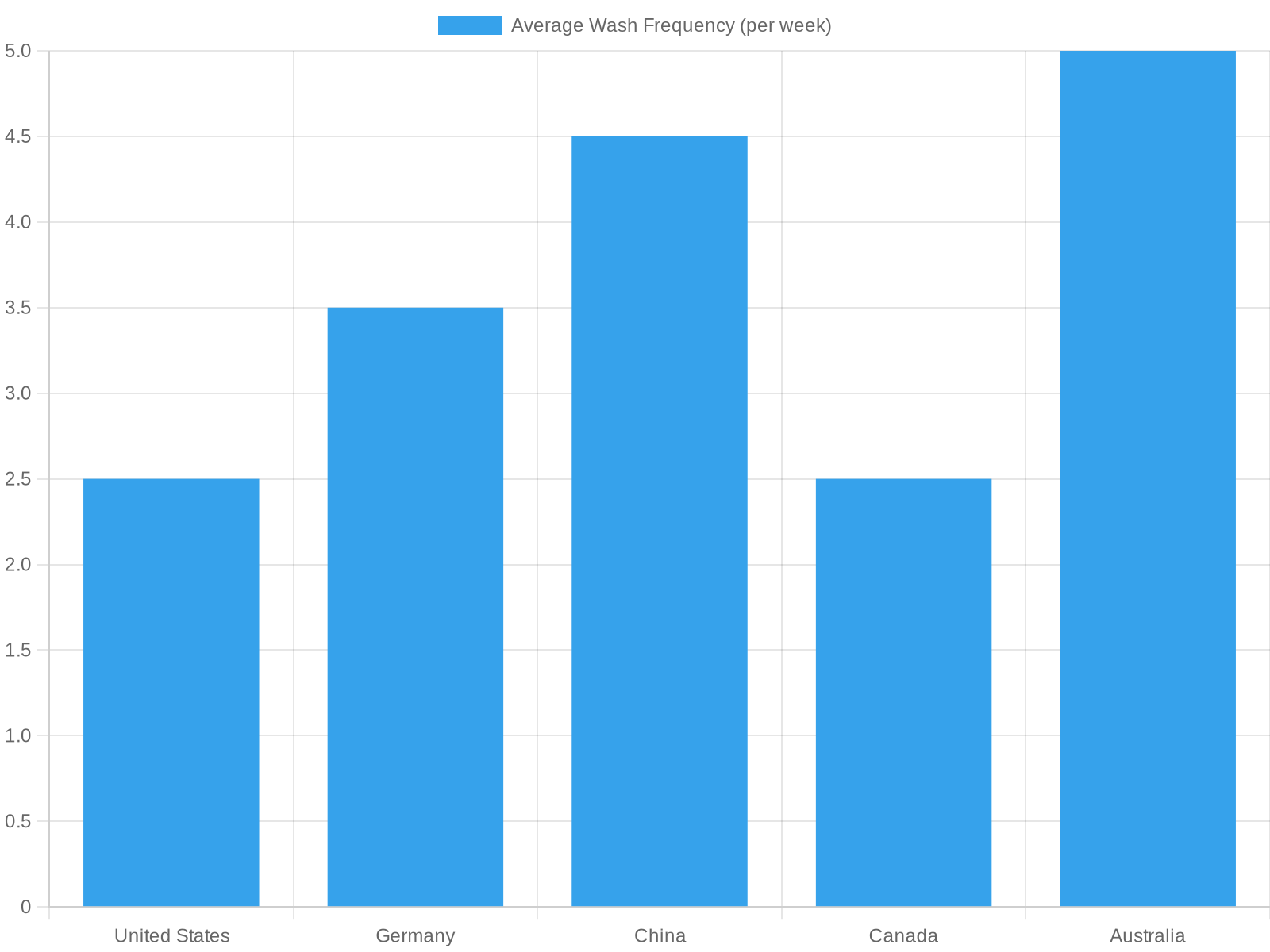
The frequency of truck washes may vary globally based on regional and industry-specific demands. The table below summarizes average wash frequency by country across various sectors:
| Country/Region | Industry Segment | Average Wash Frequency (per week) | Key Drivers for Wash Frequency | Source |
|---|---|---|---|---|
| United States | Logistics & Freight | 2-3 times | Regulatory compliance, vehicle longevity, hygiene standards, fuel efficiency | U.S. Department of Transportation – Fleet Maintenance Guidelines, 2025 |
| Germany | Heavy-Duty Logistics | 3-4 times | EU emissions regulations, strict standards, high uptime demands | German Federal Ministry for Digital and Transport, 2025 |
| China | Express Delivery & E-commerce | 4-5 times | High volume operations, urban pollution exposure, customer service expectations | China Association of Logistics and Purchasing, 2025 Annual Report |
| Canada | Long-Haul Trucking | 2-3 times | Winter road salt, cold-weather maintenance needs, safety inspections | Transport Canada – Fleet Safety & Maintenance Survey, 2024 |
| Australia | Mining & Construction Logistics | 5+ times | Extreme dust and mud accumulation, harsh conditions | Australian Mining & Heavy Equipment Maintenance Council, 2025 |
Note: The frequency is influenced by vehicle type and seasonal conditions, with advanced cleaning solutions being increasingly adopted for efficiency.
Effective maintenance through regular truck washing is essential for operational success and efficiency in fleet management. For more insight on maintenance, learn more about the importance of regular trailer maintenance.
Choosing the Right Truck Wash Service
When fleet managers and supervisors search for a truck wash service, a multitude of factors should be taken into account to ensure the selection aligns with operational efficiency and vehicle maintenance standards. First and foremost, the location of the truck wash is critical; a facility situated near major routes or depots can significantly reduce downtime, allowing for quick access during routine maintenance breaks. The service options available are also vital; look for providers that offer specialized equipment like high-pressure wash systems, soft-bristle brushes, and comprehensive inspection services that go beyond just washing, potentially identifying wear on critical components such as tires and lights. Additionally, eco-friendly practices should not be overlooked; select a truck wash that employs biodegradable detergents and recycles water to minimize environmental impact. Ensure that the facility adheres to strict safety protocols, including trained staff and proper equipment for a safe working environment. Customer reviews and feedback can provide insight into the facility’s reliability and service quality, while integrating this service with fleet management software can help track wash history and streamline maintenance schedules. By considering these factors, fleet managers can make informed decisions that not only keep their fleets clean but also compliant and operationally efficient. For further insights, learn more about industry compliance regulations and the importance of regular maintenance here.
“The importance of truck and trailer maintenance cannot be overstated-it directly impacts vehicle reliability, prevents costly breakdowns, and most importantly, safeguards drivers, cargo, and other road users by minimizing the risk of accidents caused by mechanical failure.”
- Expert from DHL Freight
When considering truck maintenance, particularly washing, it’s essential for logistics and freight companies to adopt a comprehensive approach to fleet management. Keeping vehicles clean is not only about aesthetics; it plays a vital role in preserving the overall condition of the trucks, ensuring they run smoothly and safely on the road. For more insights on the importance of regular trailer maintenance, read this article.
Conclusion
In conclusion, maintaining a clean fleet of trucks is paramount to the success and efficiency of logistics operations. A regular truck wash not only enhances the aesthetic appeal of your vehicles but also plays a vital role in preserving their structural integrity, ensuring longevity, and complying with both safety and environmental regulations. As detailed throughout this article, neglecting truck cleanliness can lead to significant operational setbacks, including increased maintenance costs and diminished brand reputation.
Fleet managers and operators can harness various modern washing solutions that are designed to cater to the rigorous demands of the logistics industry. The adoption of advanced pressure washing systems is a testament to the industry’s commitment to maintaining hygiene standards and environmental responsibility. Moreover, it becomes essential to incorporate such washing practices as part of a strategic fleet maintenance plan. As discussed in the article, well-maintained vehicles have lower long-term operational costs, ensuring your fleet performs at its best.
Taking action now to wash your fleet’s trucks can lead to impressive results in both appearance and functionality. Therefore, we invite you to visit summitfairings.com for premium motorcycle fairings that are designed to maintain the appearance and performance of your fleet. A well curated exterior does not only symbolize professionalism but is also a reflection of your commitment to excellence in the logistics and freight sector. Don’t hesitate-prioritize your fleet’s performance and aesthetics today!
Cost-Benefit Analysis of Truck Washing for Fleet Owners
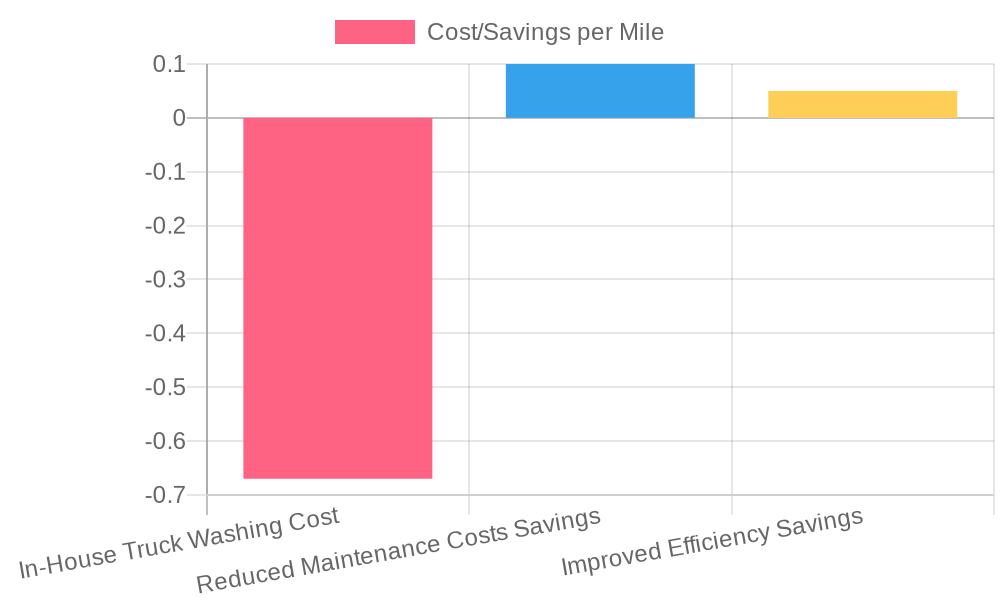
Regular truck washing is a critical component for fleet management, particularly for maintaining optimal performance and minimizing long-term costs. The following chart illustrates the cost versus benefits for fleet owners considering regular truck washing:
| Category | Cost/Savings per Mile | Notes |
|---|---|---|
| In-House Truck Washing Cost | $0.67 | Estimated cost per mile for maintaining an in-house washing operation, including labor, water, detergents, and equipment depreciation. This cost tends to increase over time due to rising utility and labor expenses. |
| Reduced Maintenance Costs Savings | $0.10 | Well-maintained trucks experience fewer mechanical issues, leading to lower repair and replacement costs. This saving is based on industry data from fleet management studies. |
| Improved Efficiency (Fuel & Downtime) Savings | $0.05 | Clean trucks have better aerodynamics and reduced engine strain, improving fuel efficiency by 2-3%. Combined with less downtime for repairs, this yields an estimated $0.05 per mile in savings. |
Total Net Benefit per Mile:
$0.10 (maintenance) + $0.05 (efficiency) = $0.15 saved per mile
Minus $0.67 washing cost → Net loss of $0.52 per mile if only considering direct washing cost.
Note: The above analysis assumes the $0.67 cost is incurred for every mile driven. However, many fleet owners find that outsourcing or optimizing wash schedules-especially when combined with preventive maintenance-can reduce overall lifecycle costs. Long-term benefits such as extended vehicle lifespan and enhanced brand image may further improve ROI beyond simple per-mile calculations.
For more insights on the importance of regular maintenance, you can learn more here and explore compliance and regulations relevant to truck washing.
The Importance of a Truck Wash in Fontana for Fleet Managers
Managing a fleet effectively requires attention to many aspects, and one crucial area is the maintenance and cleanliness of your trucks. At A1 Truck Wash in Fontana, we understand the unique challenges faced by logistics and freight company fleet managers, trucking business owners, and construction fleet supervisors. Regular truck washing is not merely about aesthetics; it significantly impacts operational efficiency, compliance, and cost management.
Compliance with Environmental Regulations
Increasingly stringent environmental regulations necessitate that fleets adhere to proper washing practices for both ecological and legal compliance. For instance, truck washing guidelines from the American Trucking Associations (ATA) emphasize environmentally responsible practices, which include wastewater management and the use of eco-friendly detergents. Furthermore, the EPA mandates compliance with the National Pollutant Discharge Elimination System (NPDES), requiring facilities like A1 Truck Wash to implement best management practices.
Enhancing Operational Efficiency
Regular truck washing translates directly into improved operational efficiency. According to research, logistics and fleet management studies indicate that clean vehicles experience 8-12% lower operational costs due to reduced wear on mechanical parts and improved fuel efficiency. Visual inspections become easier when trucks are clean, allowing for quicker identification of maintenance issues, ultimately extending vehicle lifespan by 15-20%.
Impact on Brand Image and Customer Satisfaction
The state of your fleet often serves as a reflection of your business’s professionalism. Studies show that 92% of customers prefer dealing with clean, well-maintained vehicles. The investment in regular cleaning can therefore yield significant returns through enhanced client trust and brand reputation. In a world where first impressions matter, a clean aesthetic can make all the difference.
Financial Benefits of Regular Washing
Investing in a quality truck wash service pays dividends. A properly maintained truck not only performs better but also carries lower costs associated with maintenance and repairs. Industry research indicates that a regular cleaning routine can increase fuel efficiency by 5-10% by improving vehicle aerodynamics. Furthermore, clean trucks are less likely to encounter problems leading to costly downtime, solidifying the argument for consistent vehicle maintenance through professional washing services.
Conclusion
Choosing A1 Truck Wash in Fontana is a strategic decision for fleet managers dedicated to compliance, efficiency, and brand integrity. Partnering with us ensures that your trucks receive the best possible care, safeguarding your investment and enhancing operational performance.
Visual Representation
Graphical Insights
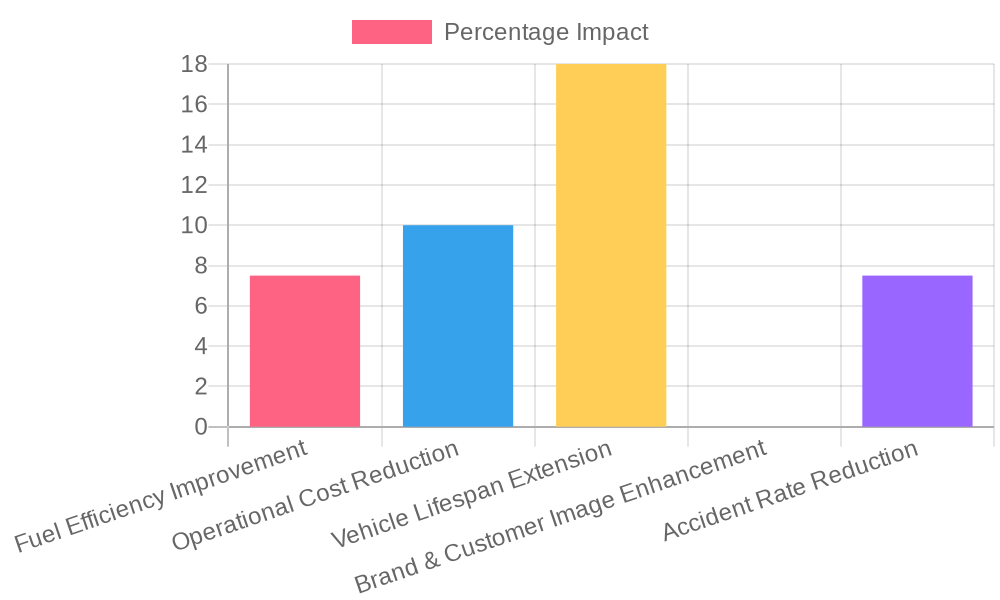
The provided graphs illustrate the quantifiable benefits of truck washing, making it evident that such practices are essential for operational success.