
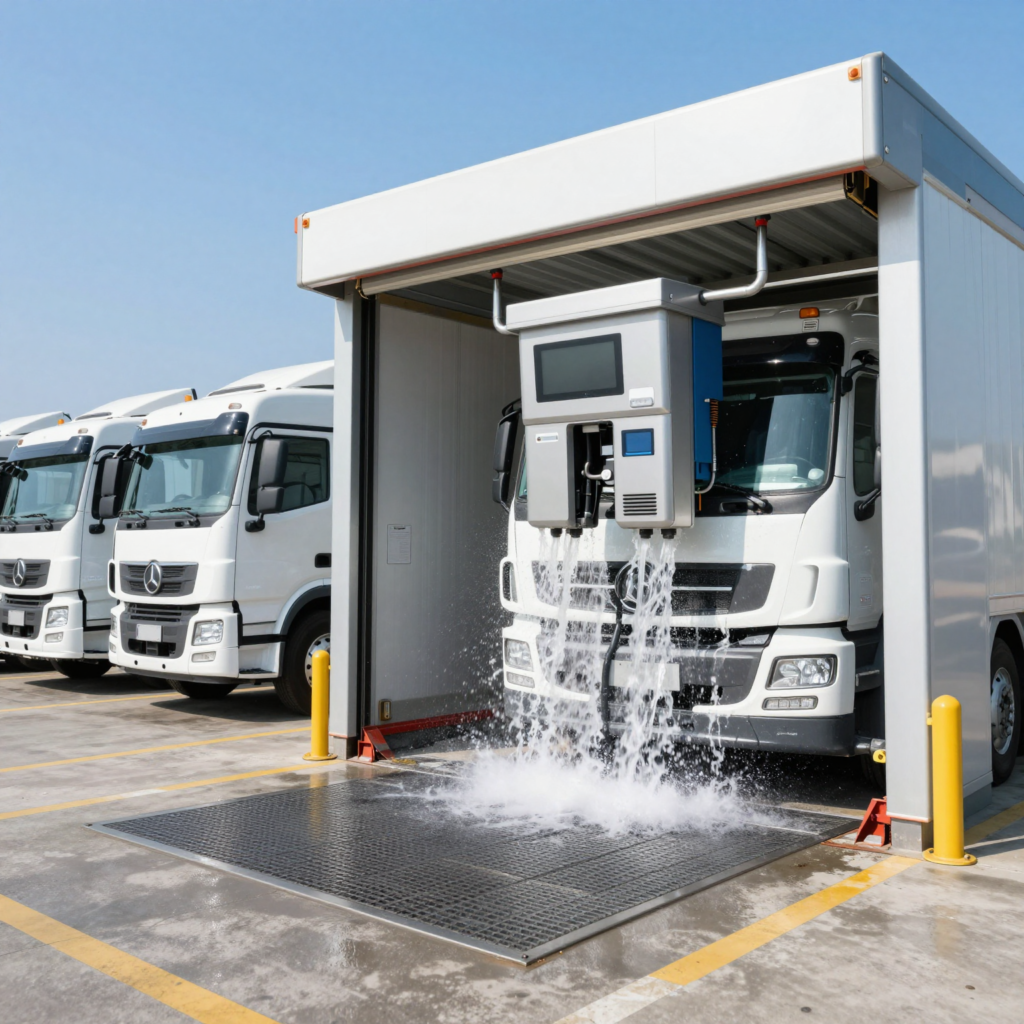
Automatic truck washing is a revolutionary process that employs advanced technology to cleanse freight vehicles efficiently and effectively. In a world where operational efficiency is paramount, especially within the logistics and trucking industry, automatic truck washing plays a critical role in maintaining fleet appearances and compliance with stringent cleanliness standards. The significance of this automated system extends beyond aesthetics; it significantly mitigates common challenges faced by fleet managers, such as rising maintenance costs and stringent emissions regulations. Traditional manual washing methods often lead to inconsistent results and increased downtime, leading to losses in productivity. By incorporating automated washing solutions, fleet managers can ensure their vehicles remain clean, thus prolonging their lifespan and enhancing operational efficiency. This technology not only meets the demands of modern logistics but also supports sustainability initiatives, positioning fleets to comply with the evolving environmental regulations. For more insights, you can learn more about industry compliance and emissions regulations.
Benefits of Automatic Truck Washes
Automatic truck washes offer a myriad of advantages for fleet managers that streamline operations, save time, and reduce costs. Here are some key benefits:
- Time Efficiency: Automatic truck washes are designed to operate quickly and efficiently, drastically reducing wash times compared to manual cleaning. This allows fleet operations to minimize downtime, keeping vehicles on the road longer, increasing productivity.
- Cost Efficiency: These systems decrease labor costs by lessening the need for manual washing crews. With features like round-the-clock operation, they can handle peak demand periods reliably, making them more economical over time. Fleet managers can expect lower operational expenses through minimized water and detergent waste, as innovative designs enable precise chemical dosing and water recycling (learn more about cost efficiency here).
- Enhanced Fleet Appearance: Regular washes not only maintain a professional appearance but also protect vehicle surfaces from dirt and grime that can cause long-term damage. Fleet aesthetics play a crucial role in brand image, leading to a positive impression on customers and stakeholders.
- Compliance and Environmentally Friendly: Many modern truck wash systems are built with eco-friendly technology that adheres to environmental regulations. They help in maintaining compliance while promoting sustainable operations.
Overall, automatic truck washes provide a robust solution for fleet managers who aim to optimize efficiency while enhancing the longevity and appearance of their vehicles (read about industry compliance here).
Step-by-Step Process of Automatic Truck Washing
Automatic truck washing involves a systematic approach to efficiently clean heavy-duty vehicles while ensuring they remain in optimal condition. The following steps provide a comprehensive overview of the automatic truck wash process:
1. Pre-Wash Preparation
Before the washing begins, it is crucial to prepare the truck:
- Initial Inspection: Check for any visible damage or leaks to avoid exacerbating issues during washing.
- Pre-Rinse: Use high-pressure water to remove loose debris, dirt, and grime from the vehicle’s surface, including challenging areas like wheel wells and undercarriages. This step ensures that the following cleaning processes are more effective and reduces the risk of scratching the paint from accumulated debris.
2. Washing Techniques
The main washing techniques in an automatic truck wash include:
- Automated Detergent Application: A foam cannon applies a pH-balanced detergent, which helps to break down tough dirt and grime. This detergent is designed specifically for truck washes, protecting the paint and finishes of the vehicles.
- Brushing and Scrubbing: Using soft brushes or pads that rotate, the automated system thoroughly scrubs the surface to remove ingrained dirt. This step is vital for ensuring a deep clean without damaging the vehicle’s exterior.
- Rinsing: The system performs multiple rinses with high-pressure water jets to remove all soap residue. This usually involves several stages to guarantee every part of the truck is clear of cleaning agents.
3. Drying Methods
After rinsing, effective drying methods are employed:
- Air Drying: Powerful air blowers or heated dryers are utilized to quickly and efficiently dry the truck, preventing water spots that can occur from lingering moisture.
- Chamois Cloths or Towels: Some facilities may also use specialized drying cloths to achieve a spotless finish, further reducing potential water spots.
4. Post-Wash Inspection
Finally, a thorough inspection is performed:
- Quality Check: Inspect the vehicle for cleanliness and ensure all areas have been adequately washed and dried. This step is crucial for maintaining the fleet’s professional appearance.
- Final Touches: Identify any areas needing additional attention and re-process if necessary. This ensures that every truck is not only clean but also presents well after washing.
Following these steps not only ensures a clean truck but also extends the longevity of the vehicle’s surfaces and improves compliance with industry standards. You can learn more about industry compliance regulations and the importance of regular trailer maintenance here.
Understanding the Automatic Truck Washing System
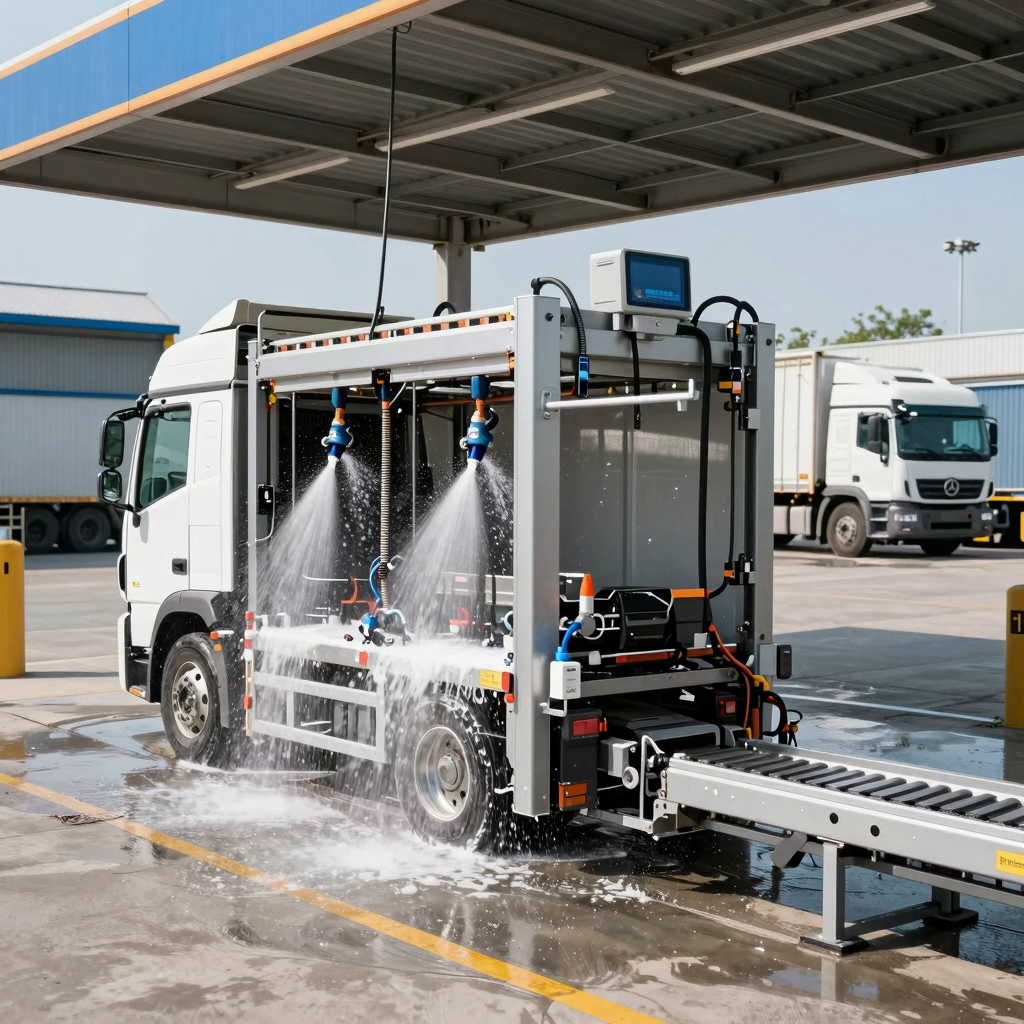
An automatic truck washing system is designed to efficiently clean and maintain large vehicles, ensuring they remain in optimal condition. These systems typically feature several stages of cleaning, including pre-soaking, washing with specialized foam, rinsing with high-pressure water, and drying.
Key Features:
- Multi-Stage Cleaning: Provides thorough cleaning through various stages to remove dirt, grease, and grime.
- Automated Process: Uses sensors and conveyor belts for a hands-free experience, reducing labor costs and time.
- Water Efficiency: Modern systems are designed to minimize water usage while maintaining effective cleaning standards.
- Enhancing Fleet Longevity: Regular washing helps in maintaining the integrity of the vehicles, thus extending the lifespan of fleet assets.
To learn more about the importance of regular trailer maintenance, click here.
Maintenance Best Practices for Automatic Truck Washing Systems
Automatic truck washing systems are essential for maintaining the cleanliness and longevity of fleet vehicles. However, their effectiveness and lifespan largely depend on regular maintenance. Below are key maintenance practices and requirements to ensure optimal performance:
1. Regular Deep Cleaning
- Frequency: Monthly deep cleaning is recommended to remove residues, minerals, and contaminants that accumulate in the system.
- Purpose: This helps to avoid clogs and ensure the effectiveness of the washing equipment.
2. Sensor and Nozzle Calibration
- Regular calibration of sensors and nozzles is crucial for efficient operation. Incorrect settings can lead to inadequate cleaning and water wastage.
3. Replacement of Worn Parts
- It is essential to timely replace worn brushes, belts, and nozzles. Maintenance schedules should include checks for wear and tear, particularly for high-wear components like brushes and pumps.
4. Water Quality Management
- Maintaining optimal water quality significantly improves cleaning performance. Using filtered or treated water prevents mineral buildup and protects sensitive components.
5. Use of Biodegradable Detergents
- The adoption of biodegradable detergents not only aids in cleaning but also ensures compliance with environmental regulations, especially pertinent in the trucking industry.
6. Performance Inspections
- Engage in weekly or monthly inspections of critical components such as pumps and filtration systems to prevent unforeseen failures.
Conclusion
By adhering to these maintenance practices, fleet managers can extend the operational lifespan of automatic truck washing systems, reduce costs associated with repairs, and maintain compliance with environmental standards. For more information on the importance of regular maintenance, you can learn more about fleet standardization and industry compliance regulations.
Comparing Automatic Truck Wash Equipment Vendors
Selecting the right automatic truck wash system is crucial for logistics and freight companies. Each vendor offers unique features, pricing structures, and service options that cater to various operational needs. Here’s a detailed comparison of major automatic truck wash equipment vendors:
| Vendor Name | Features | Pricing Range | Services Offered |
|---|---|---|---|
| Yancheng Oddly Machinery Co., Ltd. | 360-degree cleaning, foam cleaning, high-pressure rinsing, and polishing wax functionality. | $30,000 – $35,000 | 3-year warranty, online support. |
| Qingdao Risense Mechatronics Co., Ltd. | Rollover design, electric powered, rust-proof and anti-corrosion features. | $33,000 – $33,800 | 1-year warranty |
| Zhengzhou Well-Known Instrument Co., Ltd. | Touchless cleaning, ozone disinfection, and drying capabilities. | $18,990 – $20,990 for bulk orders | Online technical support. |
| Shenyang New Densen Casting Co., Ltd. | High-pressure washing, ozone disinfection, and vacuum suction. | $23,200 – $30,200 | 3-year warranty |
| CBK308 Automatic Car Wash Machine | Mobile design, touch-free cleaning with high power output | Starts from $23,000 | Professional certification available. |
This table provides a snapshot of the diverse functionalities and cost associated with each vendor’s offerings, enabling fleet managers to make informed decisions. When choosing an automatic truck wash equipment vendor, consider not only the initial cost but also the long-term service and the technological support they provide. For more insights on environmental compliance in the truck wash industry, you can learn more about compliance and emissions regulations. Regular washing and maintenance can significantly impact the lifespan of your fleet, underscoring the importance of regular trailer maintenance.
Environmental Benefits of Automatic Truck Washes
Automatic truck washes offer significant environmental advantages, primarily through enhanced water efficiency and pollution reduction. Unlike traditional manual washing methods, which typically consume between 150 to 200 gallons per wash, modern automatic systems efficiently operate using only 15 to 40 gallons, representing a dramatic decrease in freshwater usage[^1^]. This efficiency is largely due to advanced water recycling technologies that can reclaim up to 90% of wastewater, treating it for reuse rather than discharging it into local waterways[^2^].
Moreover, automatic washes utilize biodegradable detergents within closed-loop systems, minimizing harmful chemical runoff that can contaminate local ecosystems. By reducing the amount of pollutants entering waterways, these systems contribute to cleaner environments and better public health outcomes. As fleet managers and trucking businesses increasingly recognize these benefits, the adoption of automatic truck washes not only promotes operational efficiency but also supports corporate sustainability initiatives in the logistics and freight industry.
For further insights on environmental compliance in the trucking industry, learn more about emissions regulations.
Maintaining the cleanliness of a truck is essential not only for aesthetic appeal but also for its performance and longevity. According to an industry expert from Lily Transportation, “Regular cleaning not only keeps the truck looking sharp but also prevents dirt, salt, and chemicals from corroding the paint, thus protecting the vehicle. Additionally, a clean driving environment enhances safety and boosts the morale of the driver.” This statement emphasizes the importance of truck cleanliness in the operations of logistics and transportation companies. Fleet managers and truck owners should prioritize regular washing routines to ensure their vehicles remain in optimal condition. Learn more about compliance in the truck wash industry.
Evaluating Cost Considerations of Automatic Truck Wash Solutions
Investing in an automatic truck wash solution is a strategic decision for logistics and trucking companies, driven by potential cost savings and overall return on investment (ROI). One of the most pressing financial considerations is the significant reduction in operational costs. Research indicates that companies that transition to automated systems can expect a 35% decrease in overall wash-related operational costs over a five-year period. This decrease primarily stems from:
- Water Usage: A 40% decline in water consumption due to the efficiency of automated systems.
- Chemical Usage: A 50% reduction in chemicals needed for cleaning, leading to lower expenses in maintenance supplies.
- Labor Costs: Automated washes can curtail labor hours by 60%, allowing companies to redirect manpower to more productive tasks.
According to recent studies, businesses utilizing fully automated truck washes can achieve an average ROI of 22% within three years. Additionally, these systems not only enhance fleet longevity by reducing vehicle damage-reports suggest reducing damage claims by up to 89%-but also improve operational uptime, allowing fleets to remain active for longer periods.
While the initial capital expenditure for automated systems may be considerable, the long-term operational savings, paired with improved fleet efficiency and sustainability, present a compelling business case for investment. For more insights on how automatic truck washes can streamline your operations, consider reading about the importance of regular trailer maintenance and compliance with industry regulations.
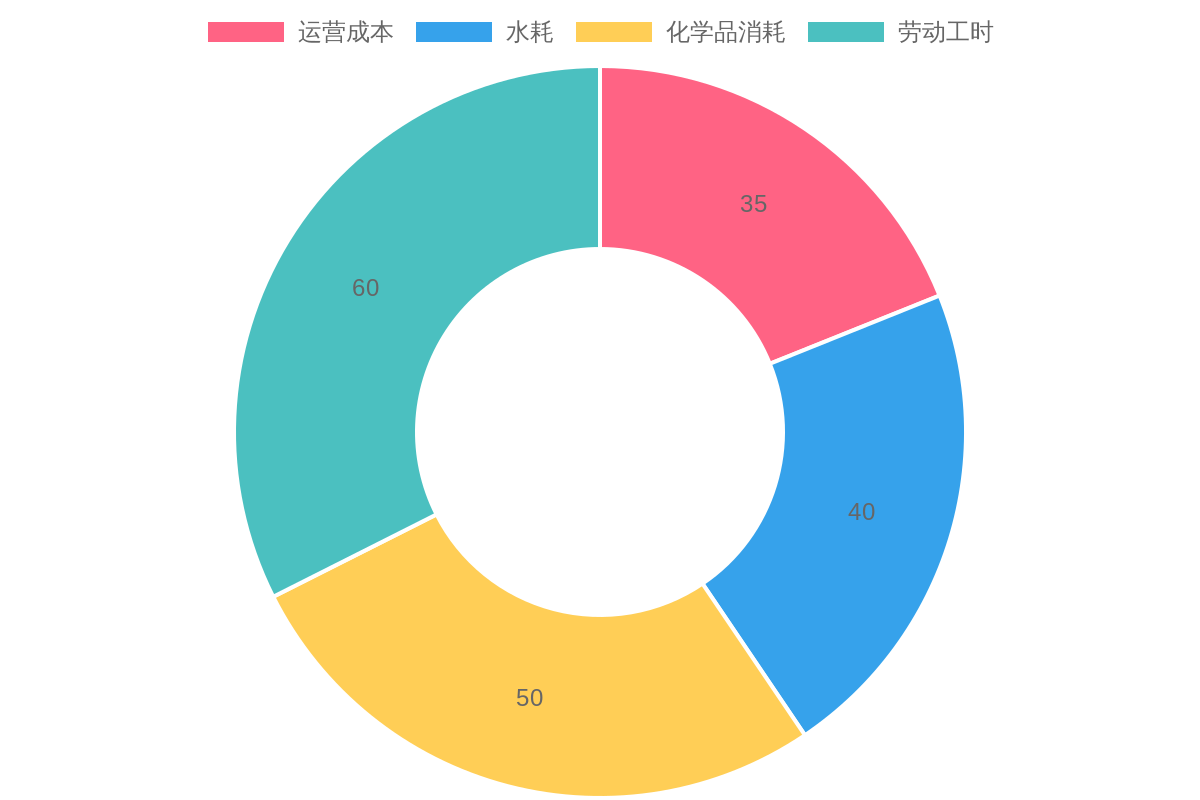
Figure: Cost Savings Over Five Years
In conclusion, the logistics industry must prioritize the adoption of automatic truck washes to enhance fleet efficiency and sustainability. As outlined, these advanced washing systems significantly reduce cleaning time, allowing vehicles to be cleaned in a fraction of the time compared to manual methods. By leveraging technologies such as high-pressure jets and AI integration, fleets can ensure optimal cleanliness that not only extends the life of vehicles but also complies with increasing environmental regulations. Furthermore, maintaining clean trucks is pivotal for operational success, as it leads to improved fuel efficiency and reduced maintenance costs.
Investing in automatic truck washes not only supports compliance with regulations but also aligns with the industry’s growing focus on sustainability. With environmental goals increasingly impacting operational decisions, automatic washes, which can reclaim up to 80% of water and minimize chemical use, play a key role in meeting these objectives.
Those in fleet management and logistics should consider how automatic truck washes can be integrated into their operations. As a call to action, explore the services offered by Summit Fairings at Triple A Truck Wash to learn more about how these solutions can optimize your fleet’s performance and ensure adherence to environmental standards. Together, we can contribute to a cleaner and more efficient future in logistics, enhancing both business and ecological outcomes.