
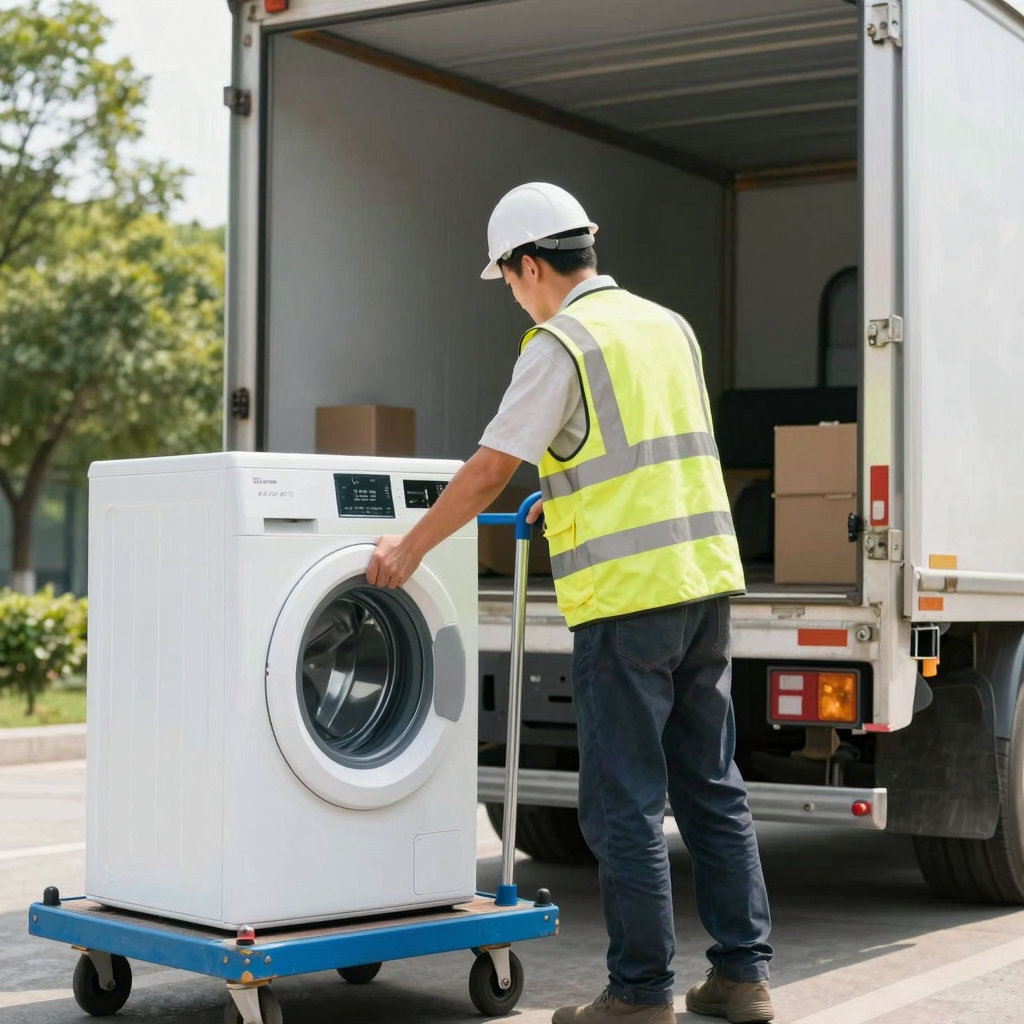
Loading a washer into a truck safely and efficiently is a crucial skill for logistics and freight professionals. With heavy and often cumbersome appliances, the risk of injury or property damage can increase significantly if proper techniques are not employed. This task becomes even more vital when considering the particular challenges faced by truck drivers and fleet managers, who must balance the need for efficiency with safety protocols. Mismanagement in loading can lead to costly delays and increase the likelihood of accidents, impacting not just the fleet’s bottom line but also their reputation for reliability. This article will provide essential strategies and techniques for safely loading a washer into a truck by oneself, empowering logistics and freight professionals to tackle this task with confidence and safety in mind.
Essential Tools and Equipment for Loading a Washer into a Truck by Yourself
Loading a washing machine alone can be challenging without the right tools and equipment. Here’s a concise list of what you’ll need to make the process safer and more efficient:
- Dolly or Hand Truck: A sturdy dolly with wide, non-marking wheels is ideal for moving the washer smoothly over various surfaces.
- Ratchet Tie-Down Straps: At least two high-strength ratchet straps are necessary to secure the washer in place during transport, preventing shifting.
- Protective Moving Blankets or Foam Padding: Use these to wrap the washer and prevent scratches and damage from impacts.
- Ramp: If using a truck with a tailgate, a ramp will assist in smoothly loading the washer into the truck’s bed.
- Safety Gear: Gloves and steel-toed boots protect against injuries during the lifting process.
- Foam Blocks or Packing Materials: These can stabilize the washer and prevent internal movement during transit.
Remember to check out the importance of trailer maintenance to keep your equipment in top shape!
Safety Guidelines for Loading a Washer into a Truck
When loading a washer into a truck, it is crucial to adhere to essential safety protocols to ensure personal safety and protect the integrity of the appliance. Here are the guidelines:
- Preparation
- Check for Residual Water: Before loading, ensure that the washer is completely drained of any residual water to prevent leaks during transport.
- Secure Packaging: Use the original packaging or wrap the appliance with bubble wrap and blankets to cushion it, paying special attention to vulnerable areas like the control panel.
- Use Proper Equipment:
- Manual Handling: Avoid lifting the washer alone; use a hand truck or dolly rated for heavy loads (at least 200kg) to safely transport the appliance.
- Safety Gear: Wear gloves to keep a firm grip and reduce the risk of injury. A safety belt or straps are recommended for securing the appliance during loading.
- Loading Procedures:
- Vertical Positioning: Keep the washer upright throughout the loading process. This is vital to prevent damage to internal components.
- Securing the Washer: Once loaded, secure the washer with ratchet straps or ropes attached to the truck’s tie-down points, using non-slip pads underneath to prevent shifting during transit.
By following these safety protocols, you can transport the washer with minimal risk of injury or damage. For further information on handling logistics safely, learn more about fleet standardization and emergency responses.
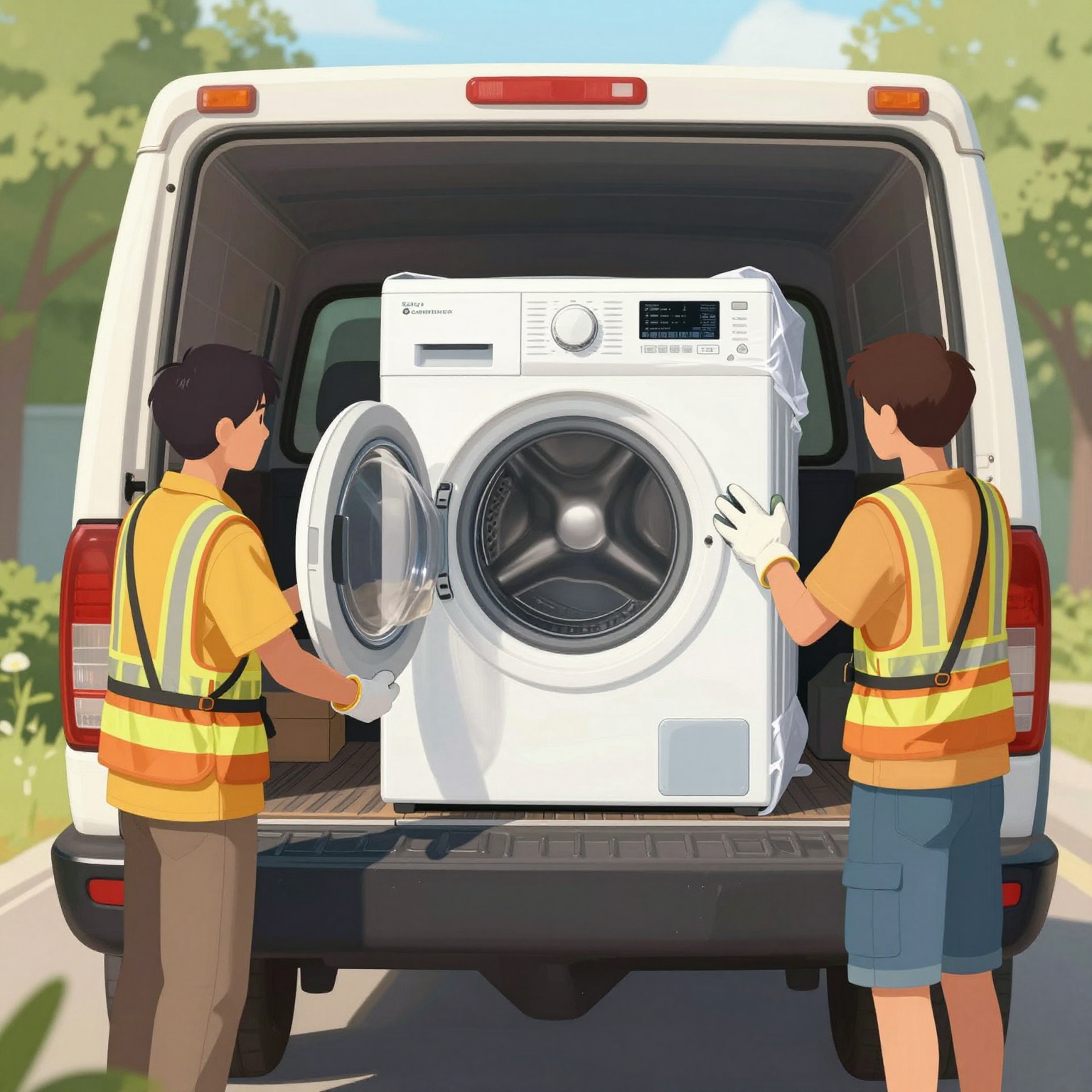
Step-by-Step Guide to Safely Load a Washing Machine into a Truck
Loading a washer onto a truck requires careful preparation, proper technique, and the right tools. This guide provides a comprehensive, step-by-step method for one person to effectively and safely load a washing machine into a truck.
| Step | Action | Tools & Equipment Needed | Safety Tips |
|---|---|---|---|
| 1. Prepare the Washer | Remove shipping bolts (if present) from the back of the washer. | ||
| These are installed during manufacturing to prevent drum movement during transport. Reinstall them after moving to protect the machine. | Shipping bolts, wrench or screwdriver | Ensure the drum is secured before moving. Failure to install shipping bolts can cause internal damage during transit. | |
| 2. Protect the Washer | Wrap the washer in moving blankets or furniture pads. | ||
| Use plastic wrap or cardboard to cover sensitive areas like the control panel. | Moving blankets, plastic wrap, cardboard, tape | Prevents scratches, dents, and water damage. Protect sensitive components like the display. | |
| 3. Use a Hand Truck or Dolly | Place the washer on a hand truck or appliance dolly. | Hand truck/dolly | Avoid lifting the washer manually. Always use equipment to prevent injuries. |
| 4. Lift and Move Carefully | Lift the washer using proper technique: bend knees and keep back straight. | Personal protective gear (gloves, steel-toe boots), hand truck | Communicate clearly and consider assistance if necessary. |
| 5. Position Inside the Truck | Roll the washer into the truck bed, positioning it upright and centered. | Non-slip mats | Keep it away from edges to prevent tipping. |
| 6. Secure the Washer | Use ratchet straps or tie-downs to secure the washer to the truck. | Ratchet straps, anchor points | Ensure firm but flexible tension with straps to avoid damage. |
| 7. Check Stability Before Driving | Shake the washer gently to ensure stability. | None | A secure washer prevents sliding and shifting during transport. |
| 8. Drive Safely | Drive smoothly and avoid sudden movements to protect the washer. | Driver’s awareness | Speed should be maintained below 50 mph, especially on rough roads. |
Required Tools & Safety Gear Summary
- Hand Truck or Appliance Dolly
- Moving Blankets or Furniture Pads
- Ratchet Straps
- Shipping Bolts
- Personal Protective Gear (gloves, steel-toe boots)
- Non-Slip Mats
Learn more about truck wash industry compliance and regulations.
Following these steps not only helps in efficiently loading the washer but also ensures safety for the individual and the integrity of the machine during transport.
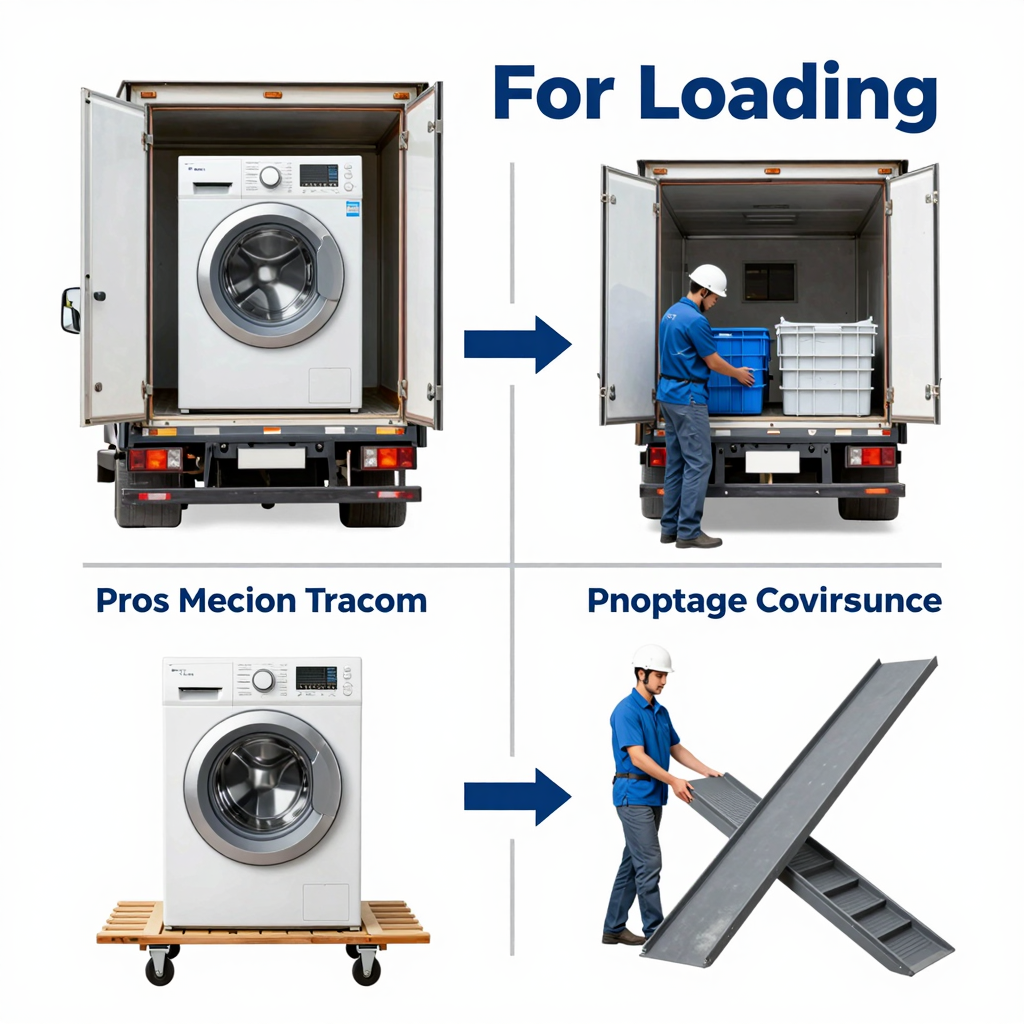
Comparison of Loading Methods for a Washer into a Truck
When it comes to loading a washing machine into a truck, several techniques can be utilized. Each method has its own set of advantages and disadvantages. Below is a comprehensive table comparing these techniques:
| Loading Method | Pros | Cons |
|---|---|---|
| Dolly | – Minimizes risk of internal damage (drum misalignment) |
- Prevents water leakage if washer was recently used | – Physically demanding, especially for heavy models (often >200 lbs)
- Requires proper securing to prevent shifting |
| Dragging | – Quick for short distances | – Risk of damage to the appliance and truck bed - Difficult to control and can cause back injuries |
| Ramp Use | – Allows one person to load without lifting much weight; gravity does most of the work - Can be safer with proper technique | – Requires a ramp and space in the truck for setup
- Improper use can lead to accidents |
These methods highlight the balance between convenience and safety. Choosing the right method depends on the specific circumstances, such as weight, space, and individual capabilities. For more on best practices in logistics, you can learn more about fleet standardization.
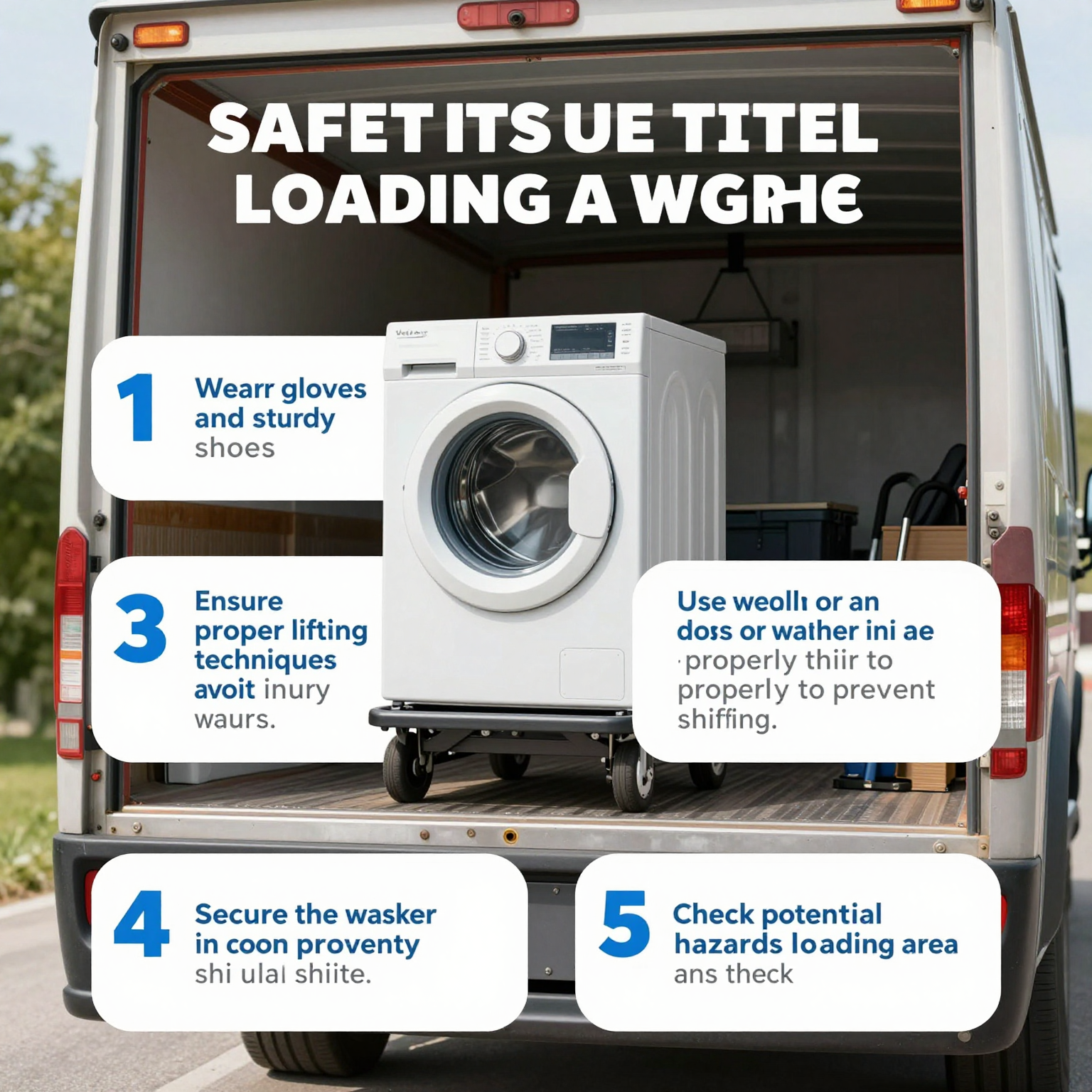
Additionally, check out this informative graphic that visually explains these loading techniques:
For further insights into maintaining hauling equipment, consider the importance of regular trailer maintenance.
Frequently Asked Questions (FAQ)
How should I stabilize the washer during loading?
When transporting a washer alone, it is crucial to maintain its stability. Ensure the washer is loaded upright and secured with ratchet straps to prevent shifting. Utilizing cushioning materials like foam pads or blankets can help absorb vibrations and impacts during transport. Learn more about best practices for transporting appliances.
What are the risks of transporting a washer tilted or flat?
Transporting a washing machine flat or tilted beyond 45 degrees poses serious risks, including internal damage such as displacement of the drum or damage to suspension components. This can lead to excessive noise or operational failure once the machine is reconnected. Always keep the appliance upright during transport to ensure its longevity. Read about the importance of secure loading.
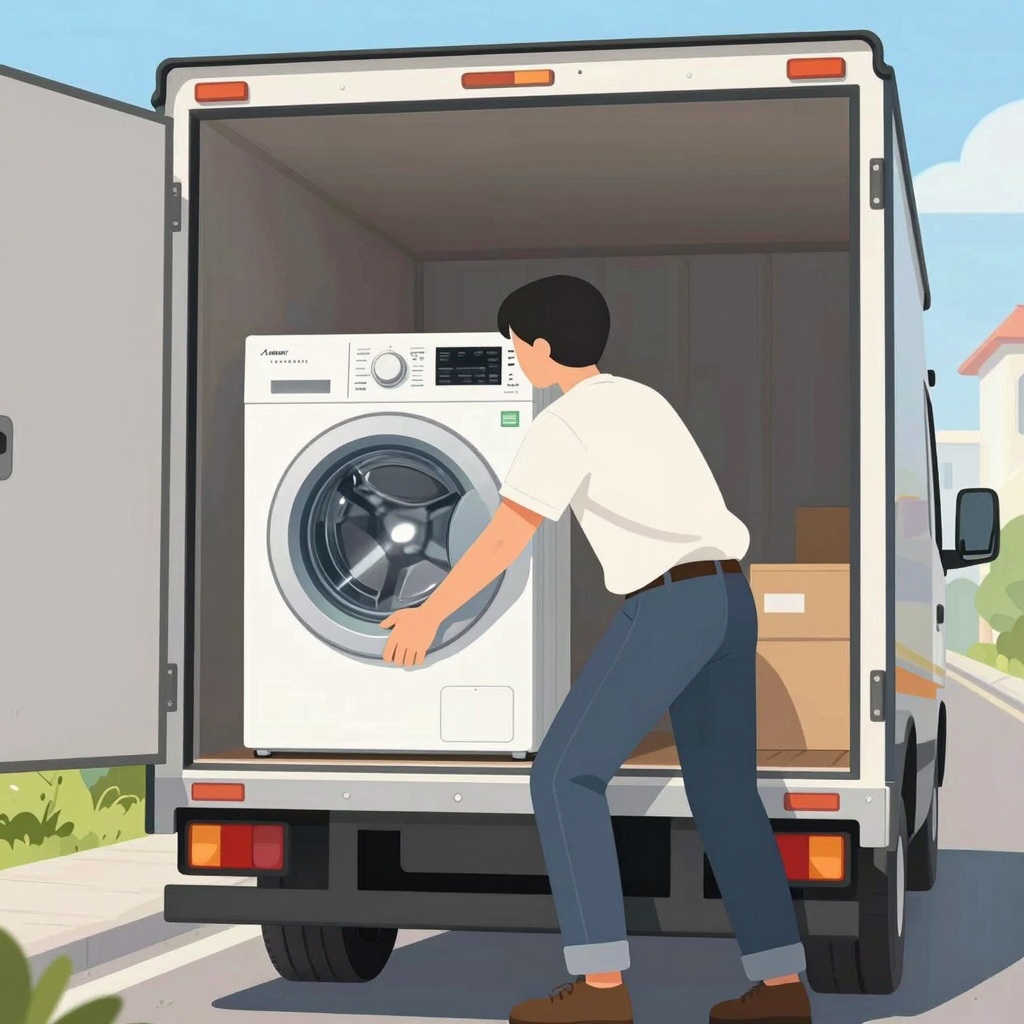
Can one person load a washer safely?
Yes, but it requires careful handling. Use a furniture dolly with wide wheels and grasp the washer by its sides, not the door or hoses, when lifting. Ensure that the washer is safely secured in the truck and check its positioning periodically during transit to avoid accidents.
Conclusion
In summary, safely and efficiently loading a washer into a truck by oneself requires a strategic approach. Key takeaways include:
- Assessing the washer’s weight and size to ensure it can be managed alone.
- Using proper equipment, such as dollies or straps, to facilitate the loading process.
- Ensuring the truck is properly aligned and stable to avoid accidents.
- Following best practices for securing the load to prevent damage during transit.
Adhering to these guidelines not only enhances safety but also optimizes workflow, ensuring timely deliveries and customer satisfaction. Fleet managers and operators are encouraged to implement these strategies to improve operational efficiency and safety. For further information on best practices in the logistics industry, explore our guide on fleet standardization and learn the importance of regular maintenance to keep your operations running smoothly.
As you manage the complexities of logistics and transportation, remember that safety and efficiency are paramount. To further enhance your operational capabilities, consider partnering with Summit Fairings for innovative solutions tailored for the trucking industry. Join us in the movement towards sustainable logistics by adopting practices that prioritize both your fleet’s performance and environmental responsibility.
For more information on our services and commitment to sustainability, visit our official website or learn more about the latest trends in the trucking industry. Let’s drive progress together!