Introduction to 1 Truck Wash & Lube
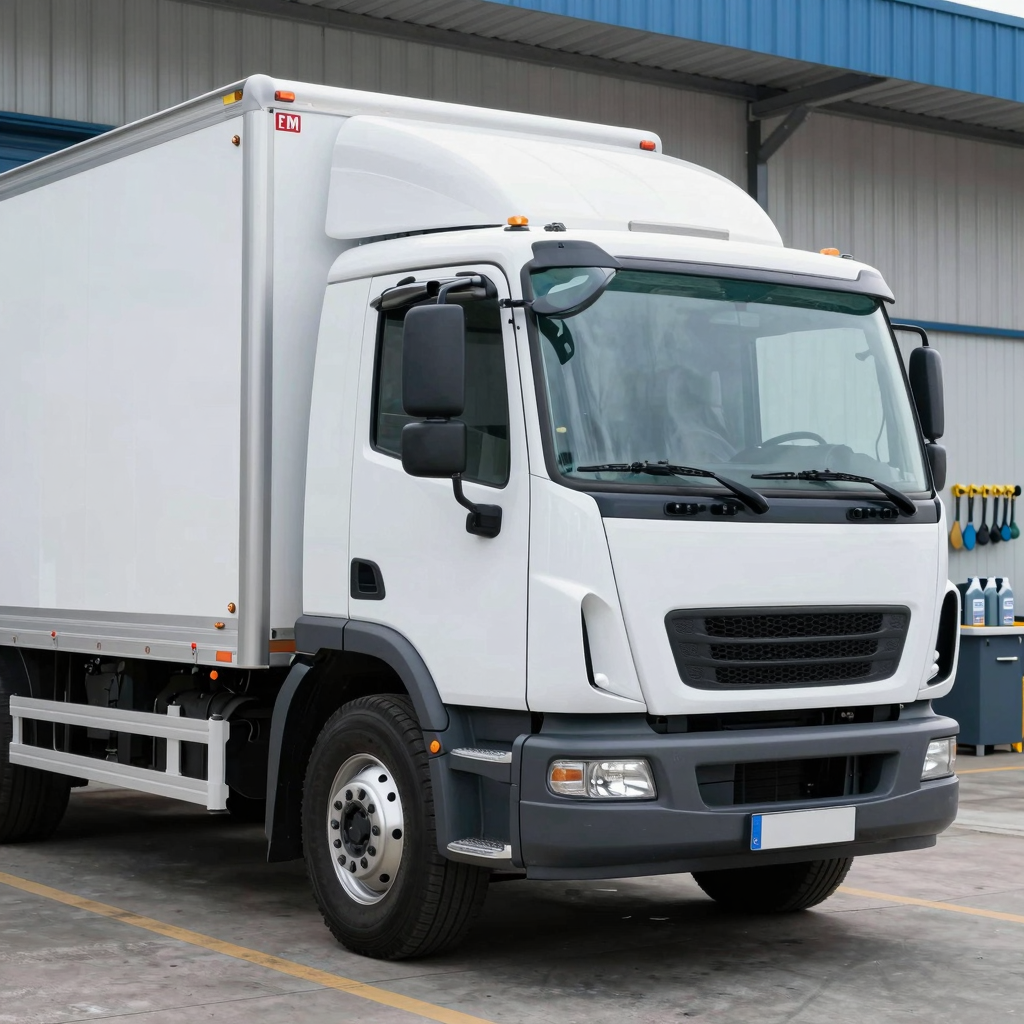
In the fast-paced world of logistics and trucking, where every minute counts, maintaining a fleet’s reliability and longevity is crucial. A 1 Truck Wash & Lube service offers fleet managers and trucking operators an essential solution for keeping vehicles clean and well-lubricated. Regular washing prevents corrosion and wear, while timely lube services ensure that engines and machinery function smoothly. This combination not only extends the lifespan of each truck but also enhances operational efficiency. In today’s competitive environment, understanding the importance of truck cleanliness and maintenance can lead to significant cost savings and improved compliance with industry standards. Fleet managers should prioritize these services to keep their operations running smoothly. For further insights into the compliance and emissions regulations impacting the industry, click here.
Benefits of Truck Wash & Lube Services
Regular truck wash and lube services provide multiple advantages for fleet managers and trucking company owners. Understanding these benefits is vital for maintaining fleet performance, compliance, and cost savings.
1. Cost Savings
Outsourcing truck wash and lube services can significantly reduce operational costs. These services help eliminate maintenance costs linked to repairs from corrosion damage and dirt accumulation, which can be very expensive. According to a report from Lazrtek, maintaining a clean fleet can potentially save trucking companies over $10 billion in fuel costs due to improved aerodynamics and efficiency. Additionally, avoiding costly vehicle damage through regular washing can prevent expenses around repairs and downtime.
2. Enhanced Fleet Performance
Regular washing and lube services directly contribute to improved vehicle performance. A clean truck is not only safer but also more efficient. Fleet maintenance experts, as noted by Whiting Systems, emphasize that properly maintained vehicles are less likely to incur higher long-term costs. Clean trucks lead to higher driver satisfaction and can enhance overall productivity by minimizing the number of issues that arise from neglecting maintenance.
3. Compliance with Regulations
Maintaining compliance with industry regulations is crucial for logistics and freight companies. Regular washing services allow fleets to meet cleanliness standards set forth by regulatory bodies, thereby avoiding potential fines. As highlighted by Triple A Truck Wash, ensuring that vehicles are compliant not only mitigates risks but also enhances the company’s reputation within the industry.
Embracing consistent truck wash and lube services is not merely a choice but a strategic decision that yields significant long-term benefits in cost savings, performance efficiency, and compliance with regulatory standards.
Essential Equipment for a Truck Wash & Lube Operation
Establishing a successful truck wash and lube operation requires specific equipment to ensure efficiency, cleanliness, and compliance with safety standards. Below is a list of essential equipment needed for a one-truck wash and lube facility:
- High-Pressure Washers: Essential for removing dirt, grime, and contaminants from the truck’s exterior. These devices can effectively clean various surfaces quickly.
- Chemical Delivery Systems: Necessary for applying soaps, waxes, and other cleaning chemicals accurately and efficiently. This includes pumps and tanks to manage chemical storage and application.
- Automated Wash Systems: Offer a more consistent cleaning process. These systems can range from brush-based auto washes to touchless models.
- Water Treatment Equipment: Ensures that the water used in the washing process meets environmental regulations. Equipment may include filtration systems to recycle water.
- Fluid Pumps and Tanks: Required for efficient lube operations, including oil and coolant dispensing systems.
- Drainage and Waste Management Systems: Essential for maintaining compliance with local environmental regulations and ensuring safe disposal of waste.
For further insights into cleaning regulations impacting truck wash businesses, learn more about compliance and emissions regulations. Additionally, regular trailer maintenance can help improve longevity and performance; discover the importance of regular trailer maintenance.
Best Practices for Truck Maintenance in Wash & Lube Services
Maintaining trucks efficiently is critical for logistics and freight companies, ensuring reliability and longevity. Here are some best practices that can significantly enhance the overall fleet performance when combined with wash and lube services:
1. Regular Inspections
Regular inspections are vital to identify potential issues before they escalate into costly problems. Fleet managers should ensure that trucks undergo inspections based on OEM guidelines and best practices. This includes checking brakes, tires, lights, and fluid levels, which should happen at least monthly if not weekly.
2. Preventive Maintenance Schedules
Establishing a preventive maintenance program can streamline maintenance tasks and maximize uptime. This program should include scheduled servicing, such as oil changes and lube services, to keep engines running efficiently and prolong vehicle lifespan. According to a Fleet Management Survey, preventive maintenance significantly boosts fleet reliability.
3. Washing and Detailing
Regular washing is not just about aesthetics; it protects against rust and corrosion. Fleet managers should integrate regular truck washes into their maintenance schedules to prevent the build-up of harmful substances like salt and dirt. A clean truck also enhances community perception and compliance with industry regulations. For more on the impact of truck cleanliness, see this article on industry compliance.
4. Lubrication Services
Effective lube services are crucial for preventing mechanical failures. Using high-quality lubricants and ensuring they are applied correctly can reduce friction and wear in engine parts. Fleet managers should prioritize lubrication during wash and lube services to maintain peak operational efficiency and minimize breakdowns.
Conclusion
By following these best practices and incorporating wash and lube services, companies can achieve optimal fleet efficiency, which, as shown in our survey data (see graph below), highlights the significant impact of these practices on overall fleet operations.
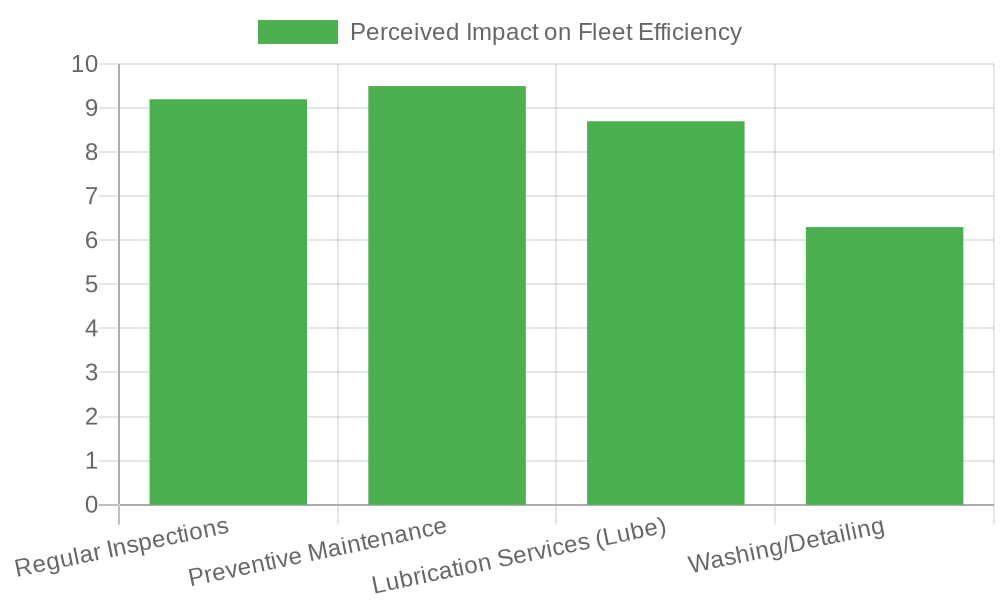
The above graph illustrates the perceived impact of various maintenance practices on fleet efficiency.
The effectiveness and necessity of truck wash and lube services can be vividly illustrated through the words of satisfied clients and industry professionals. These testimonials underscore the importance of maintaining the cleanliness and operational efficiency of fleet vehicles.
“Hands down the best truck wash company I’ve ever used, and I wouldn’t recommend anyone else! Best service around! They show up when they say so and do an amazing job! 5 stars all day!”
- Jon Hayes, Reinhart Food Service, Providence Service Group Testimonials.
“I’ve been in the trucking business for over 20 years and have yet to deal with a more professional, quality and fair company. I strongly recommend getting an oil change or truck wash at All Truck Lube and Wash.”
- Anonymous customer, All Truck Lube and Wash.
“Customer satisfaction is our top concern. Superior Wash’s on-site washing and water recovery procedures have saved us money and valuable time.”
- District Fleet Manager, FedEx Express, Superior Wash Southeast.
“For only $125 a month, it’s sure hard to beat. It keeps my truck clean and DOT off my butt.”
- Anonymous customer, Truck Wash of Andrews.
These testimonials not only reflect positive experiences but also highlight the significant benefits of regular truck wash and maintenance services. By investing in cleanliness, logistics and freight companies enhance their fleet’s performance and compliance, which, in turn, leads to sustained operational efficiency.
For logistics and freight companies seeking to understand the importance of regular truck washes, this article on essentials for fleet maintenance outlines how cleanliness prevents damage and ensures vehicles run optimally.
Additionally, having a reliable truck wash service can dramatically improve a company’s brand reputation and customer satisfaction, as emphasized in this insightful piece on the advantages of truck washes.
Through the lens of these testimonials, it’s evident that maintaining a clean fleet is not just about appearance; it’s a vital aspect of successful fleet management.
By integrating real-world feedback and linking to relevant resources, this content aims to strengthen your understanding of the critical role truck wash and lube services play in the logistics industry.
Cost Analysis: Regular Truck Maintenance vs. Truck Wash & Lube Services
For fleet managers and operators in the logistics and transportation industry, the costs associated with maintaining a fleet of trucks can be significant. In this analysis, we compare the traditional costs of regular truck maintenance services with the potential savings from using professional wash and lube services.
Detailed Cost Comparison Table
| 项目 | 传统重型卡车定期保养服务(常规维护) | 使用专业卡车洗车与润滑服务(Wash & Lube) |
|---|---|---|
| 平均年度保养成本 | 约 10,000 – 20,000 元 • 10万公里:约 10,000 元(5次保养 每次2000元) • 20万公里:约 20,000 元(里程递增) |
无直接保养成本,但需支付额外的清洁与润滑费用 |
| 每英里维修成本(估算) | 0.08 – 0.15 元/公里 • 国六车型因DPF系统复杂平均维修成本更高,可达 0.12-0.20 元/公里 |
0.01 – 0.03 元/公里(仅清洁和基础润滑,不包含大修或零件更换) |
| 洗车与润滑服务平均年成本 | — | 约 3,000 – 6,000 元(按每月1-2次 每次150-300元) |
| 主要服务内容 | • 更换机油和滤清器 • 轮胎检查与换位 • 刹车系统检测 • 空气滤清器更换 • DPF再生与清理 |
• 外部车身清洗 • 轮胎及轮毂清洁 • 悬挂系统防锈处理 |
| 预期节省效果 | — | • 延长轮胎寿命 • 减少因泥垢积聚导致磨损 • 提升发动机散热效率 |
| 附加成本影响 | • 高排放系统维护成本 | • 价格透明,避免隐性收费 |
| 推荐使用频率 | 根据制造商建议 | 每月1-2次,或每行驶5000公里进行一次 |
数据来源: Tank Transport 及 Squeegee Squad.
By considering a truck wash and lube service, logistics and fleet managers can not only save on direct maintenance costs but also enhance the overall longevity and operational efficiency of their fleets. Learn more about the importance of regular trailer maintenance for optimal vehicle performance.
Environmental Benefits of Eco-Friendly Products
The use of eco-friendly soaps and lubricants in truck wash and lube services has significant environmental implications, particularly in reducing harmful pollutants and conserving natural resources. Unlike traditional cleaning products that often contain toxic chemicals and non-biodegradable substances, eco-friendly alternatives are designed to be biodegradable and non-toxic, posing lower risks to aquatic life and broader ecosystems.
Key Benefits:
-
Reduced Toxicity: Eco-friendly soaps are formulated with mild surfactants derived from natural sources, which means they are less harmful to both the environment and human health. For instance, many traditional truck washing soaps contain phosphates and chlorine, which can lead to contamination of waterways. In contrast, environmentally responsible products minimize these risks by ensuring that their ingredients are safe for all life forms.
-
Water Conservation: Eco-friendly truck washing techniques often employ less water than conventional methods. Many products can be applied in waterless systems that use minimal liquid, significantly reducing resource consumption.
-
Lower Carbon Footprint: Using sustainable products typically generates lower carbon emissions-some estimates suggest reductions from 20-40 kg CO₂ per wash cycle compared to traditional methods. This aligns conveniently with the growing need for trucking fleets to comply with environmentally friendly regulations and standards, as discussed in depth in this resource on industry compliance with emissions regulations.
-
Wastewater Impact: Eco-friendly products contribute to lower levels of contamination in wastewater. Whereas conventional products may require extensive treatment to remove harmful levels of contaminants, eco-friendly options break down naturally and safely.
In summary, adopting eco-friendly soaps and lubricants not only benefits the environment but also enhances the operational efficiency of truck wash services.
Frequently Asked Questions (FAQ) about Truck Wash & Lube Services
1. Why is regular truck washing important?
Regular truck washing is essential for maintaining fleet condition, ensuring safety, and enhancing overall appearance. It prevents buildup of contaminants that can damage paint and components, as well as improve aerodynamics, leading to better fuel efficiency. You can find more about the necessity of regular washing in our article on why regular truck washes are essential for fleet maintenance.
2. What services are typically included in truck wash and lube?
Most truck wash and lube services provide thorough exterior washing, undercarriage cleaning, and engine degreasing. They may also offer trailer washouts and specialized cleaning methods tailored to specific needs. For example, Houston Truck Wash & Lube offers comprehensive washing and maintenance services to keep trucks in top shape.
3. How often should I wash my fleet?
The frequency of washing depends on the operating environment and the type of loads transported. However, a guideline is to wash trucks every 1-2 weeks, ensuring they remain visually appealing and functionally efficient.
4. What are the benefits of professional truck washing?
Professional truck washing extends vehicle lifespan, reduces maintenance costs, and enhances fuel efficiency. Regular cleaning contributes to a strong client impression, which is critical for any logistics or trucking business. More details on the benefits can be found in our article on the benefits of professional truck washing.
5. Is mobile truck washing a viable option?
Yes, mobile truck washing is increasingly popular because it offers convenience, efficiency, and the ability to service trucks on-site without disrupting operations.
Conclusion
In conclusion, the critical importance of maintaining a solid and effective fleet cannot be overstated in the trucking and logistics industry. Regular maintenance practices lead to significant reductions in unexpected breakdowns, enhance safety, and provide essential compliance with industry regulations. Specifically, statistics reveal that fleets practicing preventive maintenance can achieve up to a 50% reduction in breakdowns and 40% lower accident rates. Moreover, consistent maintenance translates to cost savings of approximately $1,800 per vehicle annually, while also improving fuel efficiency by around 8%.
As highlighted in our discussion on truck washing, keeping vehicles clean is just as vital. Regular washing not only prolongs the lifespan of the fleet by preventing rust and corrosion, but it also boosts safety by ensuring improved visibility and presence on the road. Statistically, proper washing can extend vehicle lifespan by 15% to 25% and improve overall efficiency.
In light of these insights, it is essential to integrate comprehensive cleaning and maintenance solutions into your operational framework. If you’re considering enhancing your fleet’s reliability and longevity, learn more about truck maintenance compliance and the importance of regular trailer maintenance.
At Summit Fairings, we offer specialized solutions tailored for both trucking and motorcycle needs. We invite you to reach out today to explore how our services can help maintain the integrity and performance of your fleet, ensuring you remain at the forefront of the industry.
Join numerous satisfied clients who have already transformed their fleet management and maintenance strategies. Contact Summit Fairings now!
Recommended Service Frequencies for Truck Wash and Lube
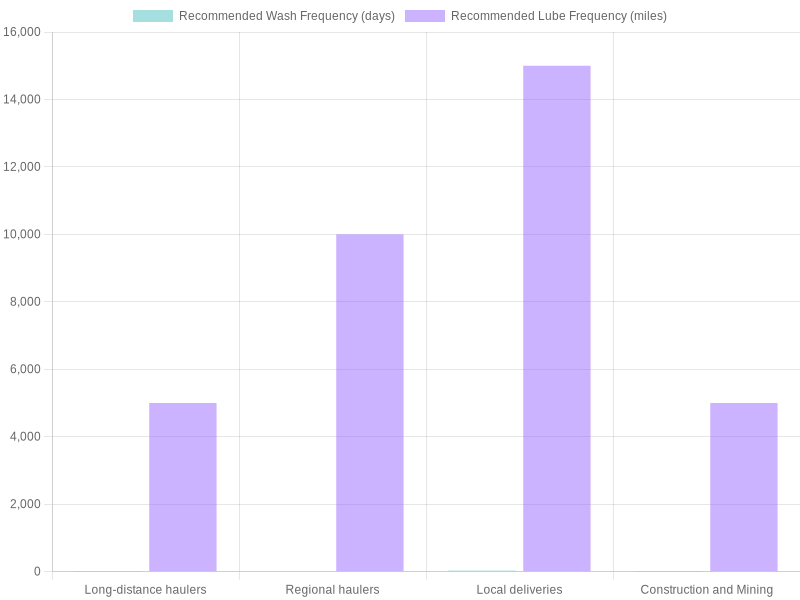
When it comes to maintaining a fleet of trucks, understanding the recommended service frequencies for wash and lube based on usage type is crucial for operators and fleet managers. Below is a summary of the recommended maintenance practices:
| Truck Usage Type | Recommended Wash Frequency | Recommended Lube Frequency |
|---|---|---|
| Long-distance haulers | Every 7-10 days | Every 5,000 miles |
| Regional haulers | Every 14 days | Every 10,000 miles |
| Local deliveries | Every 30 days | Every 15,000 miles |
| Construction and Mining | Every 7 days | Every 5,000 miles |
Insights into Maintenance Strategies
- Long-distance haulers require more frequent washes to combat grime and road salt, maintaining both functionality and aesthetics.
- Regional haulers have less stringent wash requirements, but lube intervals remain critical at 10,000 miles.
- Local delivery trucks represent different cleaning needs, often sticking to monthly schedules.
- Construction and Mining vehicles, operating in harsher conditions, necessitate both wash and lube services every week for optimal performance.
Regular maintenance not only ensures operational reliability but also compliance with industry standards. For more about industry regulations, check out this article on truck wash compliance.