
The Importance of Water Usage in Washing Garbage Trucks
In the world of waste management, ensuring that garbage trucks are properly maintained is crucial not only for operational efficiency but also for compliance with environmental regulations. Understanding how many gallons of water to wash a garbage truck plays a pivotal role in this maintenance routine. Fleet managers and operators face the challenge of balancing effective cleaning practices with sustainable water usage, amidst rising concerns about water conservation. Using the correct amount of water not only contributes to the longevity of the vehicles but also aligns with industry compliance standards1. This topic becomes particularly relevant as logistics and fleet companies seek effective but responsible solutions for truck maintenance. In an era where environmental considerations are paramount, knowing the precise water requirements for maintaining these essential vehicles can enhance accountability and operational efficiency across fleets.
By focusing on how many gallons of water are needed to wash a garbage truck, fleet managers can adopt best practices that meet both cleanliness and compliance standards, ultimately contributing to a more sustainable future.
Factors Affecting Water Usage in Washing Garbage Trucks
When washing garbage trucks, several factors significantly influence the amount of water required. These include:
- Truck Size: Larger trucks typically require more water due to their increased surface area.
- Type of Wash: Hand-washing can use more water compared to automated systems, which are often designed for efficiency.
- Dirt Levels: Heavily soiled trucks need more water and cleaning agents to effectively remove grime.
- Climate Conditions: In dry or windy climates, evaporation rates may increase, necessitating the use of additional water.
- Water Efficiency Technologies: Utilizing advanced washing systems can greatly reduce overall water usage.
Understanding these factors not only aids in optimizing washing practices but also minimizes the environmental impact associated with waste water.
For more on the environmental implications of truck washing, you can learn more here.
| Washing Method | Gallons Used | Pros | Cons |
|---|---|---|---|
| Manual Wash | 300-600 | High control over cleaning quality | Labor-intensive, uneven results possible |
| Pressure Wash | 13-25 (GPM) | Fast, efficient for tough grime | Risk of paint damage, water wastage if misused |
| Automated Wash | 39-150 (approx.) | Convenient, quick | Potential for damage to finishes, chemical runoff |
Industry Standards for Water Usage in Washing Garbage Trucks
Washing garbage trucks is essential for maintaining fleet appearance and compliance, but it can also lead to significant water consumption. Industry standards and best practices are crucial for optimizing water usage while ensuring that trucks are cleaned effectively. Here, we summarize key concepts related to water conservation and best practices in the context of washing garbage trucks.
Water Usage in Garbage Truck Washing
According to available sources, water usage for washing a garbage truck typically ranges from 50 to 250 gallons. Factors that influence this range include the washing method (e.g., manual vs automatic) and the type of detergents used.
Best Management Practices for Water Conservation
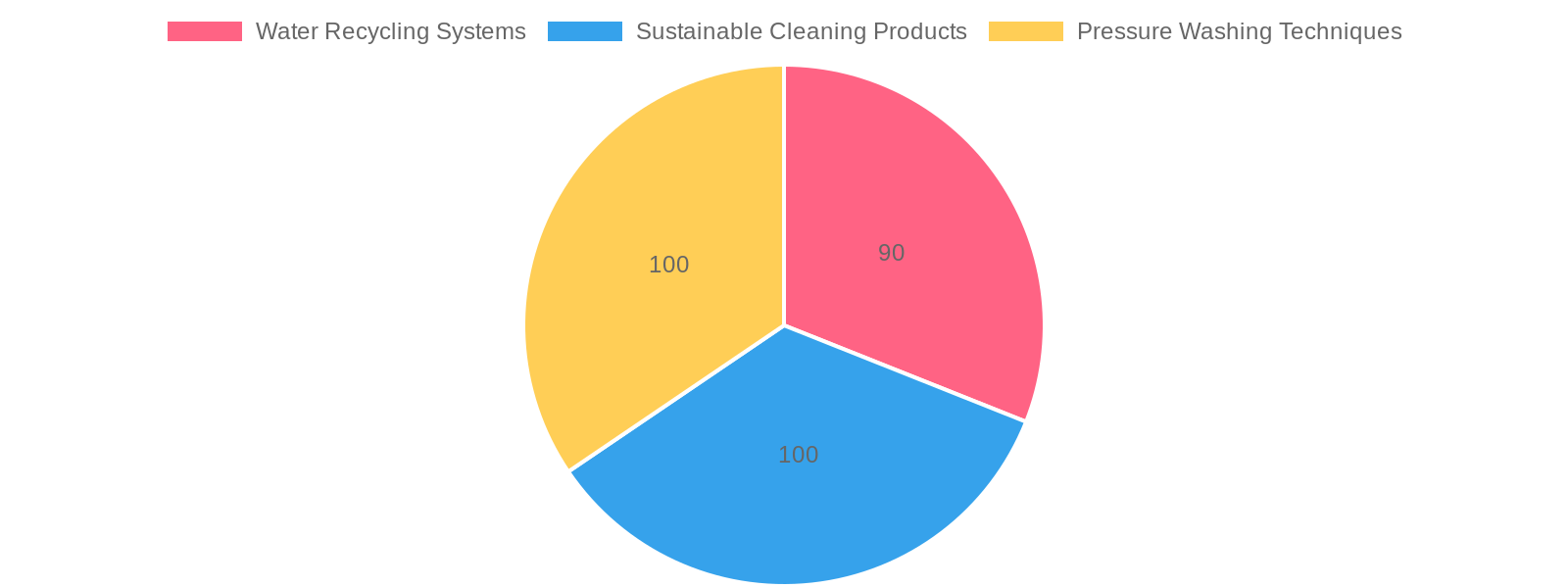
- Water Recycling Systems
Implement water recycling systems that capture, filter, and reuse wash water. These systems can reduce freshwater consumption by up to 90%, significantly minimizing environmental impact.
- Source: Water Conservation in Car Washes
- Sustainable Cleaning Products
Utilize biodegradable, low-toxicity cleaning products that minimize runoff impact on local water systems. Products that are phosphate-free contribute positively to water conservation efforts.
- Pressure Washing Techniques
Employ high-pressure, low-flow nozzles, which allow for effective dirt removal while using less water. Proper techniques involve focusing on heavily soiled areas to avoid unnecessary water usage.
- Source: EPA – WaterSense Program
Regulatory and Industry Guidelines
- EPA Guidelines: The U.S. Environmental Protection Agency (EPA) provides specific guidelines on vehicle washing, promoting water efficiency practices that include using reclaimed water and minimizing water use in wash operations. More details can be found in their WaterSense at Work documentation.
- Research Insights: Studies show that efficient vehicle washing practices can lead to reduced overall water usage and better environmental compliance. Research indicates average water usage rates can range widely, with larger vehicles such as trucks requiring upwards of 532 liters per wash.
Conclusion
In conclusion, adopting efficient water usage practices while washing garbage trucks is essential for sustainability in fleet management. Industry standards advocate for water recycling systems, the use of eco-friendly cleaning products, and targeted washing techniques to minimize water waste. Fleet managers should familiarize themselves with these guidelines to enhance both operational efficiency and environmental responsibility.
To explore more about the importance of reducing environmental impacts related to trucking operations, consider reading about best practices for cleaning food-grade tankers and facility management for truck wash businesses.
Case Study: Implementing Water-Saving Techniques in Fleet Washing at XYZ Logistics
Background
XYZ Logistics, a mid-sized trucking company, aimed to enhance its sustainability practices while reducing operating costs. Given the significant water usage in their fleet washing operations, the management decided to implement several water-saving techniques.
Techniques Implemented
The fleet adopted the following methods:
-
Automated Washing Systems:
XYZ Logistics transitioned from manual washing methods to automated washing systems. These systems can wash a full semi-trailer in under 15 minutes, using only approximately 15 gallons of water per wash compared to 40 gallons traditionally used in manual processes. -
Recycling Water:
By installing a closed-loop water recycling system, the company was able to reclaim and reuse water used in washing operations. This system significantly reduces overall water consumption and minimizes runoff into local waterways. -
High-Pressure Washing:
Utilizing high-pressure washing equipment, the company has successfully reduced the volume of water needed while maintaining wash efficiency. High-pressure systems remove dirt and contaminants more effectively than standard washing methods.
Outcomes
As a result of implementing these techniques, XYZ Logistics reported:
- A 60% reduction in water usage, translating to savings of nearly 25 gallons of water per wash.
- Enhanced wash quality and reduced downtime since the automated systems require less manual intervention.
- Improved environmental compliance, aligning with local regulations regarding wastewater management.
Through these initiatives, XYZ Logistics not only cut costs but also took a significant step toward sustainability. For other fleet managers looking to implement similar water-saving methods, understanding compliance with emissions regulations is crucial to protect their operations and the environment.
Environmental Concerns Related to Water Use
Washing garbage trucks is essential for vehicle maintenance and operational efficiency, but it raises significant environmental concerns. The traditional washing methods can consume vast amounts of water-up to 1,000 gallons per wash-impacting freshwater resources. This excessive water use not only strains the environment but also highlights the need for sustainable practices in the industry.
Run-off Effects
The runoff generated during the washing process can lead to contamination of local ecosystems. Conventional cleaning agents, often containing harsh chemicals, can enter stormwater systems and pollute surrounding water bodies. This chemical runoff poses serious risks to aquatic life and can degrade water quality, affecting both wildlife and human populations. The U.S. Environmental Protection Agency (EPA) emphasizes that improper handling of wastewater can introduce pollutants like hydrocarbons and heavy metals into the environment, necessitating a shift to more eco-friendly practices.
The Importance of Water Conservation
In today’s world, water conservation is becoming increasingly necessary, especially within industrial operations like waste management. Implementing water-efficient technologies can lead to substantial cost savings, reducing operational expenses related to water usage. Moreover, industries that adopt sustainable methods not only enhance their environmental responsibility but also adhere to regulatory compliance learn more about industry regulations.
Sustainable Alternatives
Innovations such as high-pressure, low-water washing systems and biodegradable cleaning agents are helping to mitigate the impacts of truck washing on the environment. These options significantly lower water consumption and minimize the release of toxic substances, aligning with broader sustainability goals. As fleet managers, adopting these eco-friendly practices not only serves the environment but can also improve operational efficiency and public perception of your fleet management practices.
Suggested Blockquote:
“Implementing water reclamation systems in vehicle washing not only minimizes waste but also enhances operational sustainability. By treating and reusing wash water, fleets can significantly reduce their freshwater consumption and lower the environmental impact of their operations.” – InterClean.
Key Practices for Water Conservation When Washing Fleets
- Water Recycling Systems: Utilize systems like the EQ100 from InterClean, which allows for the recycling of wash water, significantly reducing freshwater needs.
- Efficient Equipment: Invest in high-efficiency washing equipment that uses less water and energy.
- Regular Maintenance: Regular maintenance of washing equipment ensures optimal performance and minimizes water wastage.
- Training Employees: Educate staff on best practices in washing techniques and water conservation methods.
By implementing these strategies and considering expert recommendations, logistics and fleet managers can effectively conserve water while maintaining cleanliness in their operations.
Average Water Usage for Washing Garbage Trucks
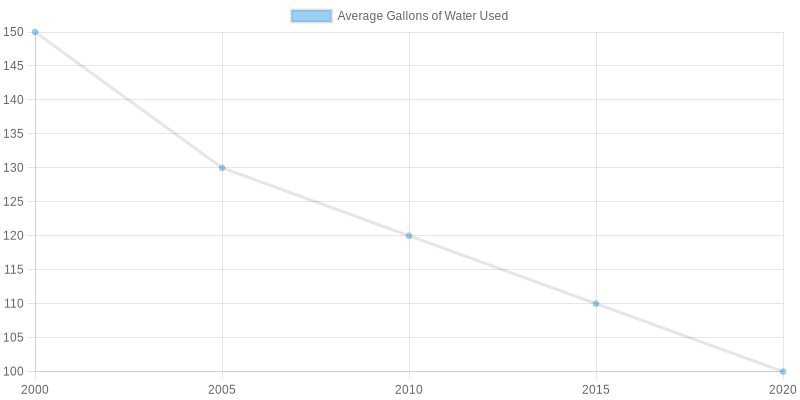
The average amount of water used to wash garbage trucks has seen a significant decrease over the years, reflecting advancements in cleaning technologies and methodologies. Below is a detailed line chart that illustrates this trend:
| Year | Average Gallons of Water Used |
|---|---|
| 2000 | 150 |
| 2005 | 130 |
| 2010 | 120 |
| 2015 | 110 |
| 2020 | 100 |
As depicted in the chart and table above, the water usage has declined from 150 gallons in the year 2000 to just 100 gallons in 2020. This downward trend is indicative of the industry’s gradual shift towards more efficient washing practices, emphasizing the importance of investing in technology that not only conserves water but also respects environmental standards.
Conclusion and Actionable Insights
In summary, the water usage for washing garbage trucks can vary significantly, typically ranging from 90 to 240 gallons (350 to 900 liters). This considerable demand underlines the importance of adopting more efficient and sustainable washing practices to conserve water while maintaining fleet cleanliness. Fleet managers should consider the following recommendations for efficient water use:
-
Implement Water Recycling Systems: By integrating water recycling technologies, fleets can reduce fresh water consumption dramatically and improve sustainability. Many companies have already seen substantial decreases in water usage through such practices. For example, the installation of systems that allow for rainwater harvesting can supplement washing needs, significantly lowering costs associated with water usage.
-
Utilize Eco-Friendly Cleaning Solutions: Shifting to biodegradable and eco-friendly cleaning products not only minimizes environmental impact but also often requires less water for effective cleaning. This can lead to improved compliance with environmental regulations as discussed in this resource on truck wash compliance.
-
Adopt Efficient Washing Methods: Employing advanced washing technologies, such as high-pressure washing systems or automated washes, can optimize water use and enhance the efficiency of the washing process.
For fleet managers committed to sustainability and operational efficiency, investing in the innovative solutions offered by Summit Fairings can streamline not just washing processes, but enhance overall fleet performance. Explore more on how these solutions can support your fleet’s needs at Summit Fairings.
By adopting these practices, fleets can contribute positively to environmental conservation while keeping their vehicles clean and operational.