

Introduction
In the logistics landscape, the role of a washing truck man has garnered significant attention due to the burgeoning demands associated with fleet maintenance. As freight movement grows in volume and complexity, fleet managers are under increasing pressure to maintain vehicles that not only deliver goods efficiently but also represent their brand image. A washing truck man’s responsibilities extend beyond mere aesthetics; they play a critical role in the preventive maintenance of a fleet. Regular washing helps ward off harmful dirt and grime that could lead to corrosion and mechanical failures, ultimately impacting delivery timelines and operational costs.
By ensuring that trucks are clean, washing truck men also facilitate easier inspections for leaks, structural damages, and wear and tear, which can often go unnoticed amidst layers of accumulated debris. This proactive approach not only extends the life of the vehicles but also adheres to compliance and emissions regulations-a crucial aspect of the logistics industry. For those in positions of leadership within logistics and freight companies, understanding and utilizing the functions of a washing truck man can lead to substantial improvements in fleet performance and reliability. Learn more about industry compliance and emissions regulations and the importance of regular maintenance to keep your fleet running smoothly.
Key Responsibilities of Washing Truck Men
Washing truck men play a crucial role in the upkeep and cleanliness of fleet vehicles, directly impacting the overall efficiency and image of logistics and transportation companies. Their key responsibilities include:
-
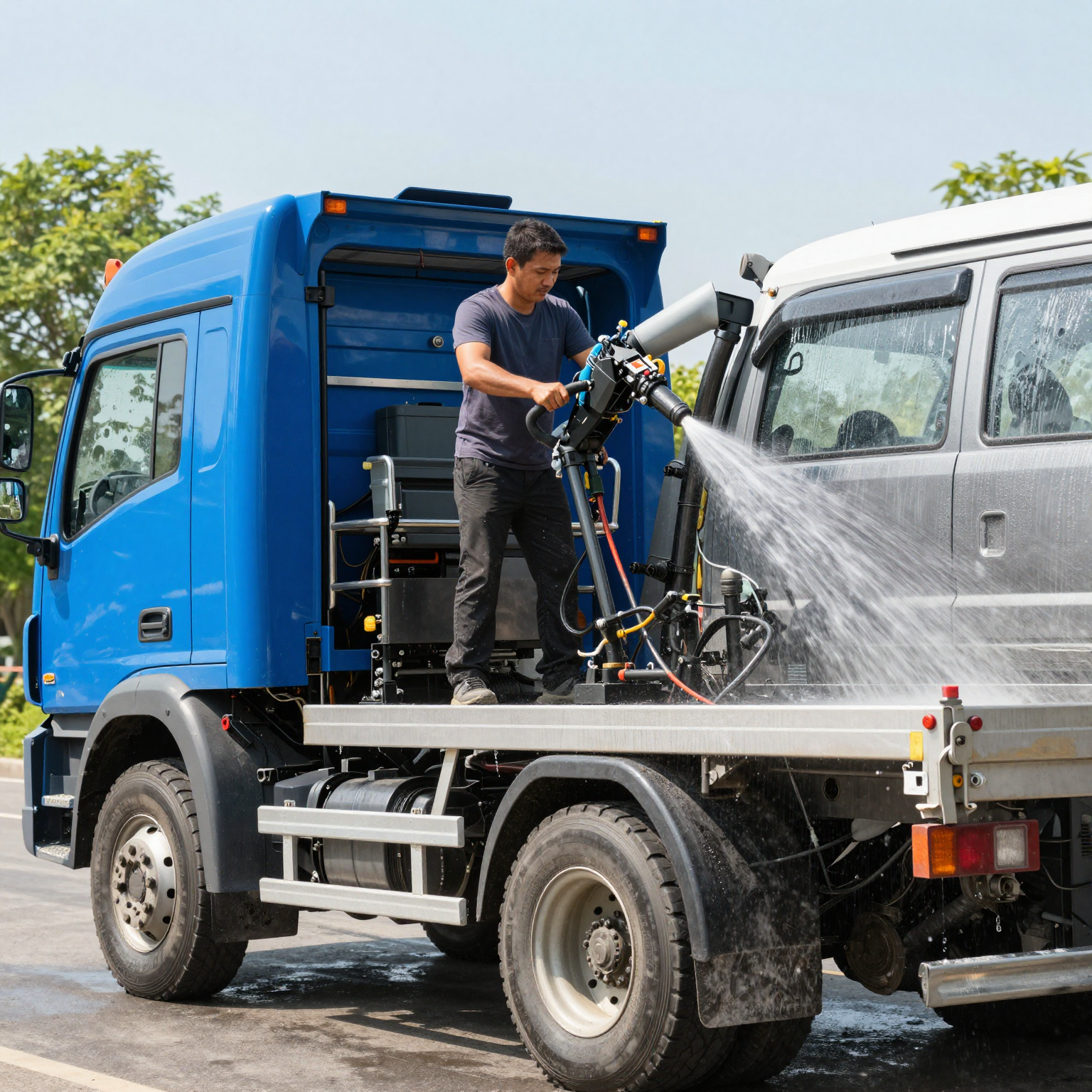
Exterior Cleaning: Utilize high-pressure washers, brushes, and eco-friendly cleaning agents to meticulously remove dirt, grime, and road debris from trucks and trailers, ensuring a polished and professional appearance.
-
Inspection for Damage: Conduct thorough inspections of trucks during the cleaning process to identify any signs of damage, rust, or other issues that may require maintenance or repairs. Timely reporting of such issues to fleet supervisors is vital for proactive management.
-
Maintaining Cleaning Equipment: Regularly clean and maintain the washing equipment, including pressure washers and brushes, to ensure optimal performance and efficiency. This responsibility extends to ensuring that all cleaning supplies are stocked and readily available.
-
Adhering to Safety Standards: Follow established safety guidelines to prevent accidents and injuries during the washing process, including the use of appropriate personal protective equipment (PPE) and adherence to environmental regulations.
-
Fleets’ Aesthetic and Promotional Value: Recognize the importance of cleanliness in promoting the company brand, as a well-maintained fleet can attract customers and enhance reputation. A dirty vehicle can signal carelessness, while a clean fleet projects professionalism and reliability.
-
Customer Engagement: Engage with customers when delivering services, showcasing the company’s commitment to cleanliness and maintenance. Positive customer interactions can lead to enhanced client satisfaction and loyalty.
-
Documentation and Reporting: Maintain records of cleaning schedules and reports of any defects or damages found on vehicles, contributing to the overall management and operational efficiency of the fleet.
For more insights into the importance of cleanliness in fleet operations, check out this article, which outlines how cleanliness not only enhances the brand image but also plays a key role in ensuring driver and passenger safety. Regular maintenance can be discussed further in this resource that highlights the significance of trailer upkeep.
“Maintaining a clean and hygienic truck is crucial for the safety and health of drivers and the public. Dirt, grime, and bacteria can build up on trucks, especially in hard-to-reach areas. This can lead to the spread of diseases and contaminants. To mitigate these risks, trucking companies must prioritize vehicle hygiene by regularly cleaning and sanitizing all areas of the truck.”
- Trucking Industry Expert
For fleet managers and trucking company owners, the hygiene of fleet vehicles is not just a matter of appearance but a critical component of operational safety. Clean vehicles contribute to a better reputation, enhanced safety, and improved compliance with health regulations.
To learn more about the importance of cleanliness and hygiene in fleet vehicles and how it affects operational efficiency, check out our insights.
| Sector | Average Annual Salary (2023) |
|---|---|
| Mining | $35,000 |
| Construction | $28,000 |
| Logistics | $29,000 |
Visual Representation
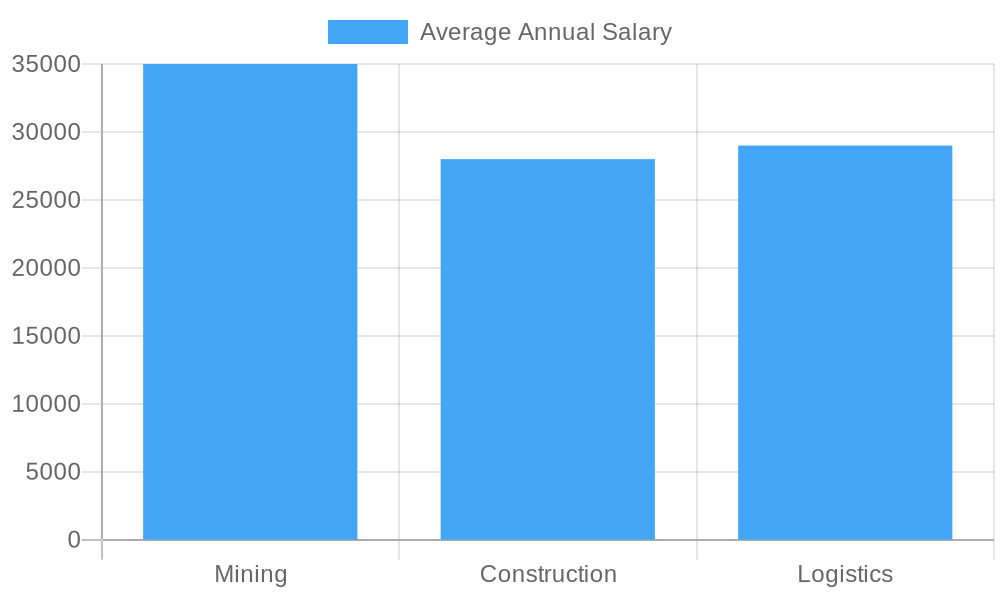
This chart illustrates the average annual salaries for truck wash attendants across various sectors in 2023, showcasing how salaries differ notably across mining, construction, and logistics.
Required Skills for Washing Truck Men
To ensure the effective and efficient washing of trucks, a washing truck man must possess a diverse set of essential skills. These skills not only enhance the quality of work produced but also ensure safety and compliance with industry standards. Here’s a list of the primary skills that are crucial for this role:
-
Attention to Detail:
A washing truck man must be detail-oriented. This entails thoroughly cleaning all areas of the truck, including hard-to-reach spots, to remove dirt and grime. The attention to detail ensures that every vehicle is cleaned to high standards, promoting a polished and professional appearance for the fleet. -
Knowledge of Cleaning Products:
A strong understanding of various cleaning products, including soaps, degreasers, and specialized cleaners, is paramount. The ability to select and properly use these products prevents damage to truck surfaces and promotes safety by minimizing the risk of chemical mishandling. For more on maintaining truck hygiene, you can learn about the importance of proper hygiene for truck washing employees. -
Equipment Operation:
Proficiency in using high-pressure washers, wax applicators, and other specialized truck washing equipment is essential. Familiarity with the operation of this equipment ensures efficiency in work and promotes safety, reducing the risk of injury. Proper training in equipment usage can be combined with regular safety practices, as outlined in the Truck Washing Safety Guide. -
Physical Fitness:
The job often requires physical stamina and strength, as washing trucks may involve bending, reaching, and lifting equipment. Being physically fit helps workers endure long hours and maintain high energy levels during shifts. -
Time Management:
Ability to efficiently manage time is vital for completing jobs within scheduled time frames. This skill minimizes downtime and maximizes productivity when servicing multiple vehicles.
By focusing on these essential skills, washing truck men can deliver high-quality service which enhances the efficiency and safety of trucking operations.
Best Practices for Washing Trucks
Washing and maintaining trucks is vital for extending their lifespan, maintaining aesthetic appeal, and ensuring safety on the road. Below are key practices to enhance the role of a washing truck man:
1. Develop a Cleaning Schedule
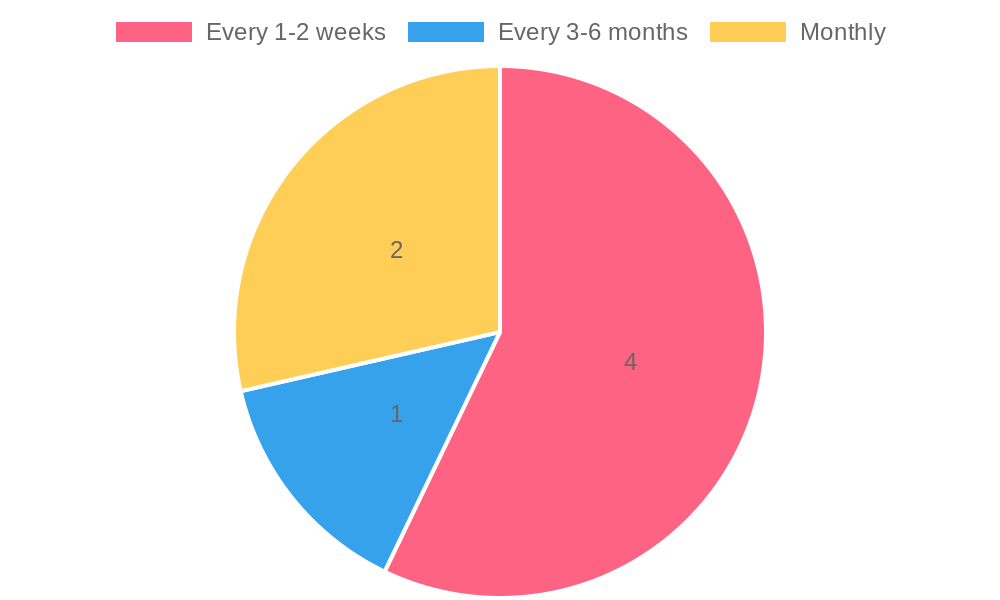
Regular truck cleaning is crucial. A structured schedule allows operators to maintain a clean fleet. Experts recommend washing trucks every 1-2 weeks, or more often in harsh conditions. This routine helps to prevent buildup of dirt and grime, thus prolonging the truck’s paint and components.
2. Use Quality Cleaning Products
- Soap: Opt for truck-specific soaps such as Chemical Guys or Meguiar’s to ensure effective cleaning without damage.
- Wheel Cleaners: Products like Sonax or Autoglym are ideal for cleaning wheels, which often collect significant brake dust.
- Wax and Sealants: Regular waxing (every 3-6 months) with high-quality products helps to protect paint.
3. Adhere to Proper Washing Techniques
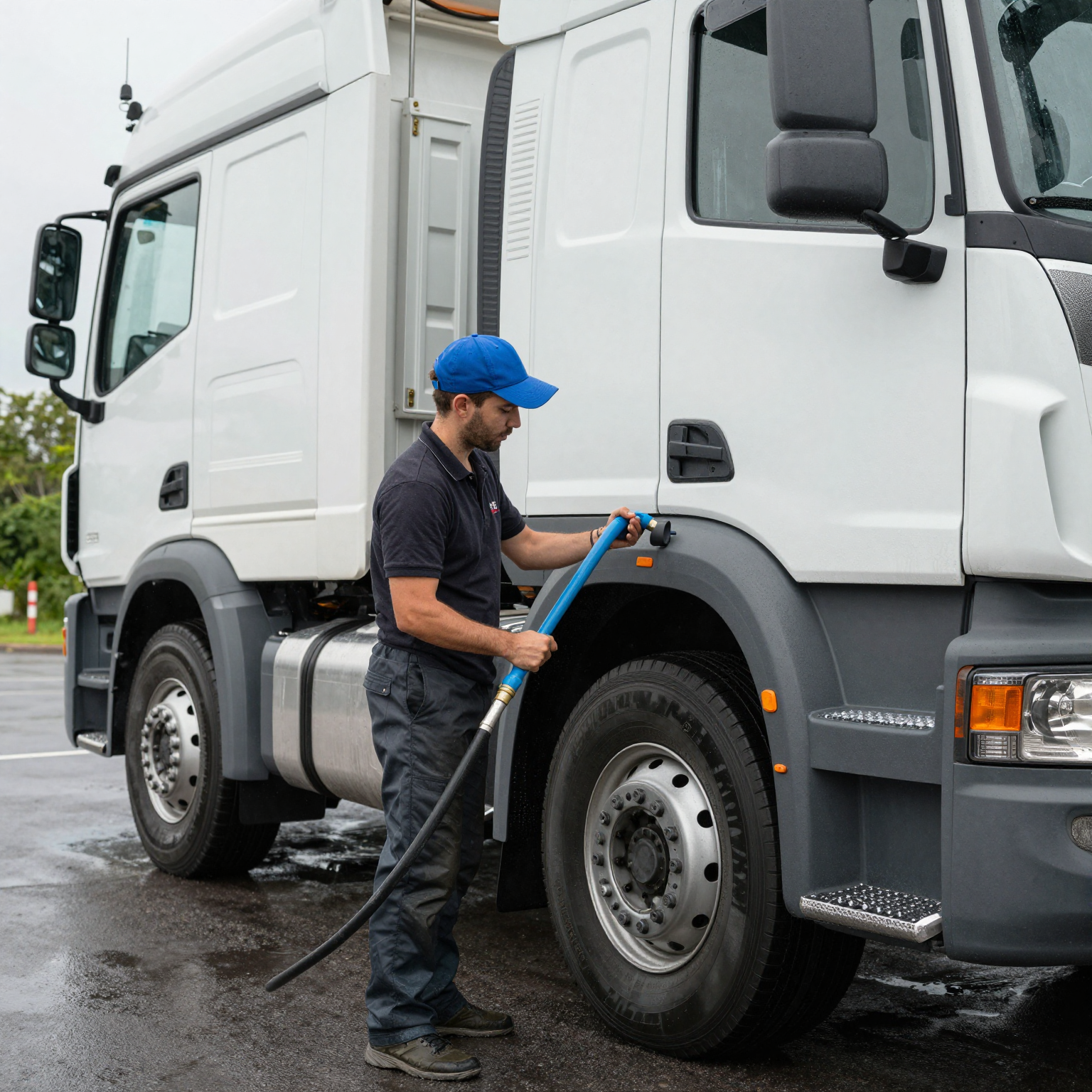
- Exterior Wash: Rinse the truck to remove debris, wash from top to bottom, and always use microfiber towels to dry to avoid scratches.
- Use Specialized Equipment: Employ pressure washers where suitable, and soft brushes for delicate areas to avoid scratches on surfaces.
4. Interior Maintenance
Cleaning the interiors monthly is recommended. Use suitable interior cleaners for different surfaces (vinyl, leather, etc.). Regular vacuuming of carpets and mats also contributes to a clean cabin environment.
5. Inspect While Cleaning
Use wash time as an opportunity to inspect components. Checking tires, brakes, and the overall body during washing can prevent issues down the line.
6. Environmental Considerations
Follow local regulations regarding runoff and effluents from washing. Businesses may need to implement systems to treat wastewater accordingly. This ensures compliance with industry standards as emphasized in this article on compliance and regulations.
7. Invest in Training and Equipment
Continuous training for washing staff and upgrading equipment will significantly enhance maintenance effectiveness. Proper training helps staff understand the techniques required for efficient washing, while modern, efficient equipment can cut time and improve results. Learn about the importance of regular trailer maintenance to further support fleet upkeep.
Conclusion
Employing these best practices is instrumental in enhancing the job efficiency of a washing truck man. Regular maintenance not only keeps the vehicles looking good but also aids in long-term cost savings by reducing wear and tear on the truck components.
Additional Resources
(Source: Extensive research from industry guides)
| Maintenance Task | Recommended Frequency | Steps | Recommended Products |
|---|---|---|---|
| Washing the Exterior | Every 1-2 weeks (or more in harsh conditions) | 1. Rinse thoroughly to remove dirt. 2. Use truck-specific soap and wash from top to bottom. 3. Rinse and dry immediately with microfiber towels. |
– Truck-specific car wash soap – Chemical Guys – Microfiber towels |
| Cleaning Wheels | Every 1-2 weeks | 1. Apply wheel cleaner, scrub, and rinse. | – Wheel cleaner – Sonax |
| Interior Cleaning | Every 1-2 months | 1. Vacuum and wipe surfaces 2. Use appropriate cleaners for materials. |
– Interior cleaner – Meguiar’s |
| Fluids Check | Monthly | 1. Inspect and top off fluid levels. | – Correct fluid types |
Career Advancement Opportunities for Washing Truck Men
A washing truck man plays a crucial role within the logistics and trucking industry, focusing on the maintenance and cleanliness of vehicles. While this position is often seen as an entry-level role, there are numerous opportunities for career advancement that can lead to fulfilling and lucrative careers.
Specialized Cleaning Roles
One avenue for advancement is specialization in specific cleaning techniques or types of vehicles. With the introduction of new technologies and requirements in various sectors, washing truck men can transition into specialized cleaning roles. For instance:
- Food-Grade Vehicle Cleaning: Understanding the stringent regulations for food-grade tankers and mastering the cleaning processes can open doors to roles in food transportation sectors. This can significantly enhance job security and earning potential.
- Hazardous Material Cleaning: Specialized training in handling and cleaning vehicles that transport hazardous materials can lead to higher-paying jobs in sectors that deal with chemicals or hazardous waste.
Fleet Management Positions
With experience, washing truck men can move into fleet management roles. As they develop a deeper understanding of vehicle maintenance and the importance of cleanliness in operational efficiency, they become valuable assets. Fleet management positions involve:
- Oversight: Managing a fleet’s operational efficiency, including maintenance schedules and compliance with cleanliness standards.
- Leadership: Leading a team of cleaning and maintenance personnel, ensuring adherence to safety and operational protocols.
- Strategic Planning: Making informed decisions about preventive maintenance, which can directly affect fleet performance and lifespan.
In seeking advancement, washing truck men may consider pursuing certifications that enhance their skills, such as those related to fleet management or specific vehicle cleaning technologies. Companies often offer training programs to facilitate this progress. For instance, organizations like Logistics Today highlight the importance of ongoing education and development opportunities in helping workers pivot to higher roles.
Conclusion
In summary, washing truck men who take proactive measures to develop their skills and expertise have substantial opportunities for career advancement. Whether through specialization in cleaning technologies or moving into positions such as fleet management, there are pathways to achieve greater responsibility and higher compensation within the trucking and logistics industry. For more insights on fleet management best practices, read Fleet Management in Trucking: A Guide to Best Practices.
By investing in their careers, washing truck men can transform their roles from essential maintenance positions to influential managerial or specialized roles, ultimately contributing more to their companies’ success.
Projected Growth of the Logistics and Trucking Industry
The logistics and trucking industry is poised for significant growth over the next several years, with a projected compound annual growth rate (CAGR) of 5.2% from 2023 to 2030. This growth is influenced by the increasing demand for e-commerce and emerging markets’ expanding middle class, alongside advancements in technology such as autonomous vehicles and blockchain.
Here’s a chart illustrating the projected growth of the global logistics market:

| Year | Global Logistics Market Size (USD Billion) | CAGR (2023-2030) |
|---|---|---|
| 2023 | 3,794.4 | 7.2% |
| 2024 | ~4,076.5 | |
| 2025 | ~4,378.0 | |
| 2026 | ~4,699.1 | |
| 2027 | ~5,041.5 | |
| 2028 | ~5,398.4 | |
| 2029 | ~5,708.5 | |
| 2030 | 5,951.0 |
Source: Statista
Importance of Washing Truck Men
As the logistics industry expands, the role of washing truck men becomes increasingly vital. Key responsibilities include:
- Maintaining cleanliness for operational efficiency.
- Preventing corrosion and mechanical issues from grime buildup.
- Ensuring compliance with environmental regulations.
- Enhancing driver safety and prolonging vehicle life.
In conclusion, the projected growth in the logistics and trucking sector underscores the importance of skilled roles like washing truck men, essential for maintaining high standards in fleet operations.
Conclusion
In conclusion, hiring skilled washing truck men is not just a necessity, but a strategic advantage for logistics and freight companies. These professionals play a vital role in maintaining the cleanliness of trucks, thus ensuring the safety and quality of goods transported. By keeping trucks free from dirt, grime, and bacteria, skilled washing truck men contribute to enhanced driver health and reduced accident risks, which directly aligns with the priorities of fleet managers and trucking company owners. This investment leads to more efficient operations and a better customer experience.
Furthermore, as you equip your fleet with such essential personnel, consider enhancing your trucks with premium fairings. These structures are proven to improve fuel efficiency, reduce drag, and enhance safety – making your fleet not only cleaner but also more efficient on the road. Premium fairings can save costs on fuel while contributing to a greener environment.
Learn more about how Summit Fairings can benefit your fleet! Prioritize investment in skilled washing truck men and premium fairings today for a safer, cleaner, and more efficient logistics operation.