
Introduction
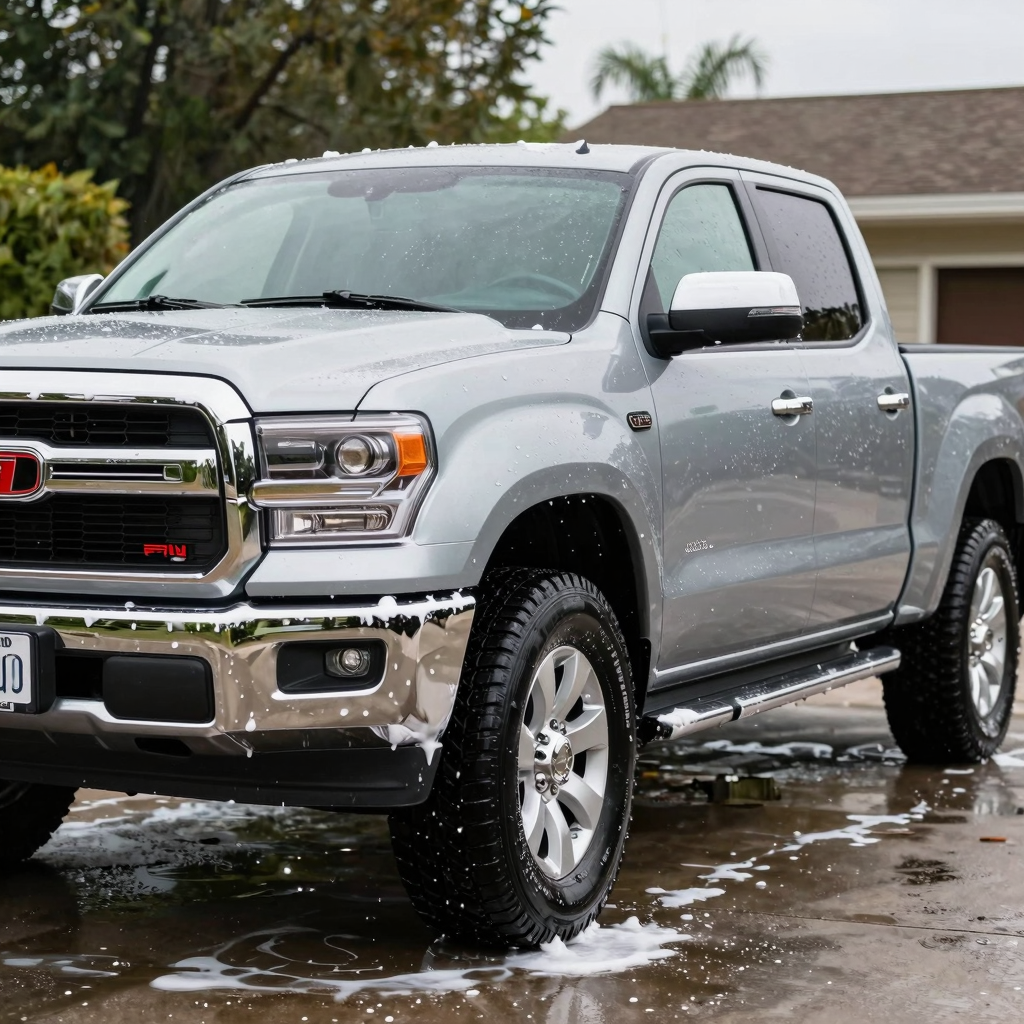
Maintaining the aesthetics and longevity of a pickup truck is not just about appearances; it is a vital practice for logistics and fleet managers striving for operational efficiency. For companies dependent on their fleet for transportation and delivery, regular washing is crucial. A clean truck does not merely look better on the road; it also plays a significant role in maintaining vehicle integrity and performance. Dirt, grime, and road salts can lead to corrosion and deterioration, adversely affecting your fleet’s reliability and safety. Additionally, a clean vehicle enhances brand image and customer perception, directly impacting business opportunities. Understanding how to wash a pickup truck effectively can contribute to these goals, ensuring your fleet remains in optimal condition while reflecting your company’s commitment to excellence. Regular maintenance extends beyond mere aesthetics; it is a cornerstone of fleet management that fosters efficiency and longevity in operations. For more insights on maintaining your fleet, consider the importance of regular trailer maintenance.
Essential Materials for Washing a Pickup Truck
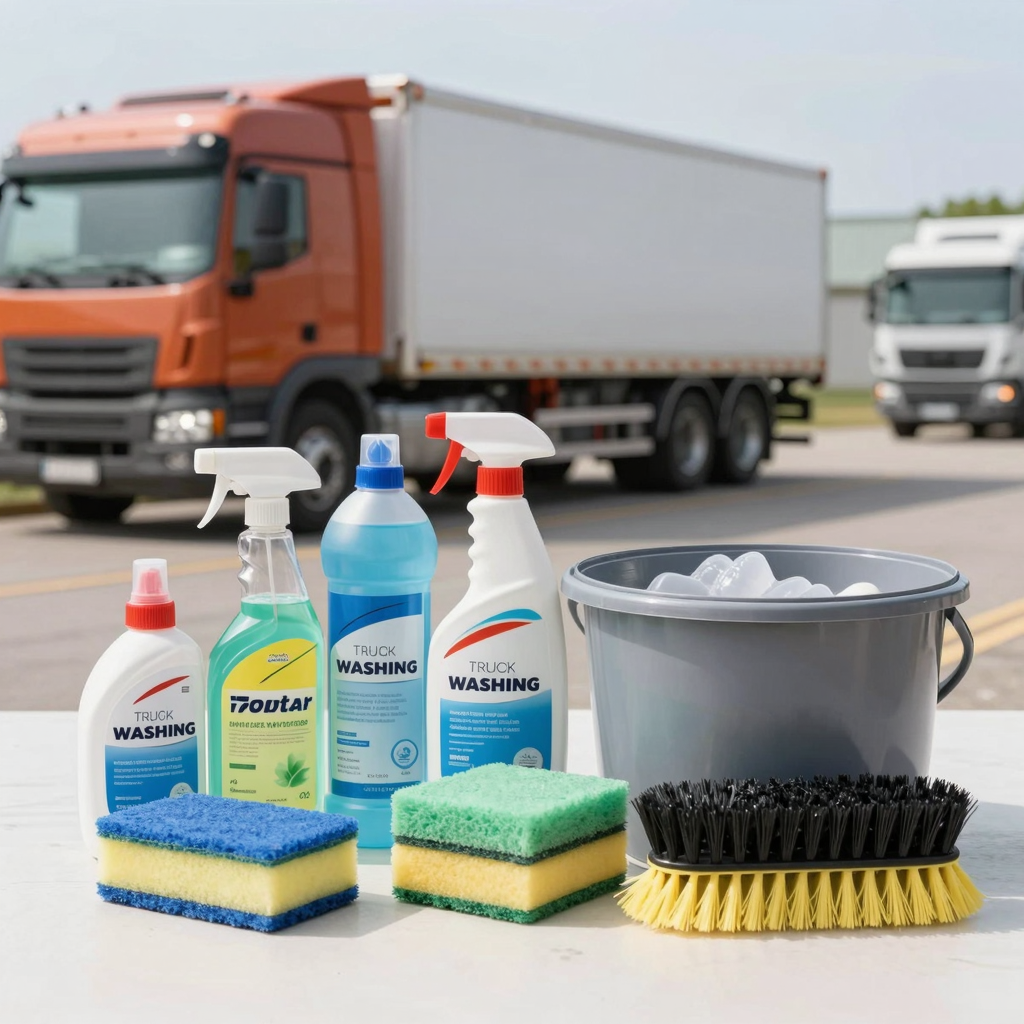
Washing a pickup truck effectively requires a precise set of materials and tools to ensure that your vehicle is kept in optimum condition. Here’s a comprehensive list of the essentials:
-
Quality Car Wash Soap
- Use a pH-balanced car wash soap that effectively removes dirt without damaging the paint. Specialized soaps are available for heavy-duty vehicles.
-
Multi-Purpose Sponges or Wash Mitts
- Choose soft, non-abrasive sponges or wash mitts designed for vehicle washing. These help prevent scratches and swirls on the truck’s surface.
-
Soft Bristle Brush
- Ideal for cleaning the vinyl or plastic truck bed and wheel rims without scratching them.
-
Microfiber Towels
- Utilize microfiber towels for drying, as they are more absorbent and gentle on surfaces than regular towels.
-
Wheel Cleaner
- A specialized wheel cleaning product will aid in removing brake dust and grime more effectively than standard soap.
-
Bug and Tar Remover
- Essential for tackling stubborn bug splatter and road tar, especially on long hauls.
-
Glass Cleaner
- A transparent surface cleaner to ensure your mirrors and windows are spotless.
-
Pressure Washer (optional)
- For an intensive clean, particularly where dirt adheres tightly. Choose a model with adjustable pressure settings.
-
Water Source (Hose or Pressure Washer)
- A reliable water supply is crucial for rinsing off soap and grime effectively.
-
Protective Wax or Sealant
- After washing, applying a protective wax can help maintain the finish and protect against environmental damage.
For more tips on maintaining fleet vehicles, learn more about regular trailer maintenance. Regular washing plays a vital role in fleet upkeep, ensuring vehicles remain functional and aesthetically pleasing.
Furthermore, using proper cleaning materials and methods can extend the lifespan of your vehicles, reducing long-term maintenance costs. If you want to explore advanced washing systems, consider investing in efficient washing equipment.
Step-by-Step Process for Washing a Pickup Truck
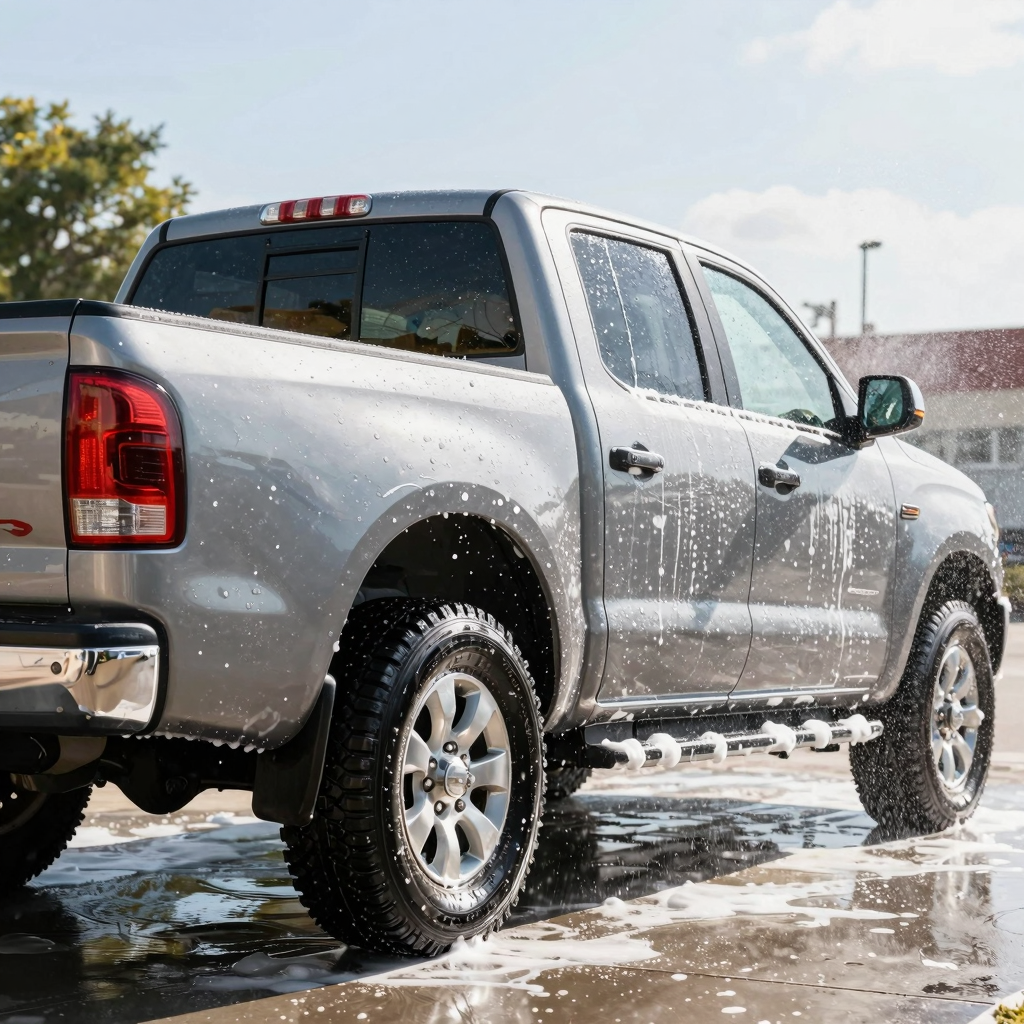
Washing a pickup truck requires a thoughtful approach to maintain its appearance and longevity. Here are the main steps incorporating efficient techniques and cleaning methods:
Step 1: Gather Your Supplies
To start, gather all necessary supplies:
- Two buckets (one for soapy water, one for rinsing)
- pH-neutral truck-specific shampoo
- Microfiber wash mitts
- Wheel brush
- Hose or pressure washer
- Drying towels (preferably microfiber)
- Wax or sealant for finish
Step 2: Pre-Wash Rinse
Begin by rinsing the truck thoroughly with water to remove surface dirt and debris. This pre-wash step is essential as it prevents scratching during the washing process. According to a guide from Popular Mechanics, a pressure washer is effective for ensuring all loose dirt is removed, particularly from the undercarriage.
Step 3: Washing the Exterior
Using one bucket filled with soapy water and another with clean water:
- Dip the microfiber wash mitt into the soapy water and start washing from the top of the truck (roof, hood) and work your way down.
- Rinse the mitt frequently in the clean water to avoid redistributing dirt.
- Pay special attention to areas with grime buildup and use separate mitts for different areas (e.g., one for the body, one for wheels).
- Clean the wheels and tires last, using a dedicated wheel brush and cleaner to tackle brake dust and dirt.
Step 4: Detailed Cleaning
For a deeper clean, consider these added methods:
- Use a foam cannon to evenly distribute soap if available. This not only aids in cleaning but is also a gentle method that protects the paint job.
- Use a clay bar after washing to remove embedded contaminants like tree sap and dirt. This technique, suggested by Car and Driver, improves the overall smoothness of the paint.
Step 5: Rinse Thoroughly
After washing, rinse the truck thoroughly to ensure no soap residue remains. Pay special attention to the undercarriage to prevent soap buildup.
Step 6: Drying
Dry the truck using clean microfiber towels to avoid water spots. It’s essential to blot rather than wipe to preserve the finish. A chamois is also an effective tool for drying.
Step 7: Waxing or Sealing
Finally, apply a coat of wax or a sealant every few months to protect the paint and enhance shine. This step is crucial for preserving your truck’s aesthetic and providing a barrier against environmental elements.
Following these steps will not only keep your pickup truck looking great but also protect its value over time. For more insights into maintaining your truck, you may want to check out our piece on importance of regular trailer maintenance.
| Product Name | Effectiveness | Price | Suitable For |
|---|---|---|---|
| Karcher Pressure Washer | High – removes tough stains | $299.99 | Heavy-duty trucks and frequent use |
| Truck Shampoo from Truckssupply | Moderate – general cleaning, effective on dirt | $69.95 | All truck types, including light-duty |
| Brown Industrial Truck DPF Cleaner | Very High – focused on removing contaminants | $89.00 | Heavy-duty diesel trucks and equipment |
| Boodain Portable Steam Cleaner | High – steam power for deep cleaning | $150.00 | Light to medium-duty and SUVs |
| Complete Pre-Wash Deal | Moderate – effective for pre-washing | €74.85 (approx. $80) | Good for all truck types before final wash |
| Street Cleaning Truck System | Very High – effective in urban environments | $1,500+ | Utility and street cleaning trucks |
Environmental Considerations When Washing a Truck
Washing trucks can have significant environmental implications, especially when traditional methods are employed. As fleet managers and operators in the logistics, freight, and construction sectors, it is crucial to adopt eco-friendly washing methods that safeguard both the environment and comply with regulations.
Water Usage
Approximately 100 to 150 gallons of water can be consumed per wash when using standard hoses at home, leading to unnecessary strain on local water resources, particularly in drought-prone areas (EPA). In contrast, modern commercial truck washes utilize cutting-edge water recycling systems that capture and reuse up to 85-90% of wash water, dramatically reducing overall water consumption (Green Fleet Magazine). This ensures that less freshwater is drawn from municipal supplies while still achieving effective cleaning results.
Biodegradable Soaps
The selection of cleaning agents significantly influences the environmental impact of truck washing. It is imperative to use biodegradable soaps, which break down naturally and prevent contamination of local waterways. These eco-friendly detergents are designed to minimize harmful effects on aquatic ecosystems (NAFA). Products such as concentrated biodegradable car wash soaps are now available in the market, offering effective cleaning without the detrimental effects associated with traditional chemicals (Walmart).
Proper Runoff Disposal
Proper disposal of wash runoff is critical. Soapy runoff can contain pollutants like oil, grease, and heavy metals, which can leach into storm drains and natural water bodies, posing hazards to the environment (EPA). Implementing strategies to capture and treat this runoff before it is released is essential. Utilizing containment systems such as absorbent booms and filtration units helps ensure compliance with regulations and protects water quality. Facilities are encouraged to also install grease traps and sediment filters to further enhance runoff management.
In conclusion, integrating eco-friendly washing practices not only demonstrates a commitment to sustainability but also aligns with legal compliance and responsible fleet management. By opting for water-efficient techniques, biodegradable soaps, and appropriate runoff disposal methods, truck fleet operators can significantly reduce their environmental footprint while maintaining the integrity of their operations.
“Clean vehicles aren’t just about appearance-they’re a sign of disciplined operations. Regular washing prevents corrosion, maintains aerodynamic performance, and allows early detection of damage. This directly reduces downtime and repair costs, which is essential for on-time deliveries.”
- Logistics Expert from DHL’s Fleet Management Division
For more insights on the importance of regular maintenance, visit our article on regular trailer maintenance.
Checklist for Frequent Washing Practices for Pickup Trucks
Effective cleaning and maintenance of pickup trucks are essential for logistics and fleet managers aiming to prolong vehicle life, maintain compliance, and ensure operational efficiency. Below is a checklist that details recommended practices and frequencies for washing pickup trucks in various operational environments:
Best Practices for Washing Pickup Trucks:
-
Frequency Recommendations:
-
Light-duty usage (e.g., commuting): Wash every 2-3 weeks.
-
Heavy-duty commercial use (e.g., construction, delivery): Wash every 7-10 days to prevent built-up grime and corrosion.
-
In regions with harsh winters or high pollution levels, increase washing frequency to every 3-5 days.
-
For trucks operating in salt zones, wash immediately after each run to mitigate salt damage.
-
Types of Wash Methods:
-
Utilize high-pressure truck wash systems for effective cleaning.
-
Adopt biodegradable detergents and focus on eco-friendly practices to comply with environmental regulations.
-
Scheduling Considerations:
-
Schedule washes during low operational hours to minimize downtime.
-
Pre-schedule wash cycles during shift changes or idle periods to maximize fleet efficiency.
-
Log Management:
-
Maintain a logbook tracking wash frequency and vehicle conditions to monitor adherence to maintenance schedules.
-
Staff Training:
-
Ensure that staff is trained on proper cleaning techniques to avoid damage and promote best practices.
Additional Hygiene Measures:
- Interior Cleaning:
- Clean interiors regularly, especially after high-use periods (daily for delivery vehicles).
- Equipment Checks:
- Inspect cleaning equipment to ensure it meets operational standards and is functioning correctly.
For additional recommendations on truck maintenance, consider reading about the importance of regular trailer maintenance or compliance and emissions regulations.
In conclusion, maintaining clean trucks is not just a matter of aesthetics but a crucial aspect of operational efficiency in the logistics and freight industries. As discussed, regular cleaning can significantly reduce emissions, enhance fuel efficiency, and lead to lower operational costs. By investing in truck cleanliness and ensuring compliance with industry standards, fleet managers and trucking company owners can ensure their vehicles operate at optimal performance levels while adhering to regulations. To further improve your fleet’s performance, consider enhancing your trucks with Summit Fairings. These aerodynamic body kits are proven to reduce drag by up to 18%, which translates into a 7-12% savings in fuel costs annually. Additionally, they improve driver comfort by significantly reducing wind noise and enhancing vehicle aesthetics. Explore the advantages of Summit Fairings, and invest in your fleet’s efficiency today! Learn more about the importance of cleanliness for fleet vehicles.