
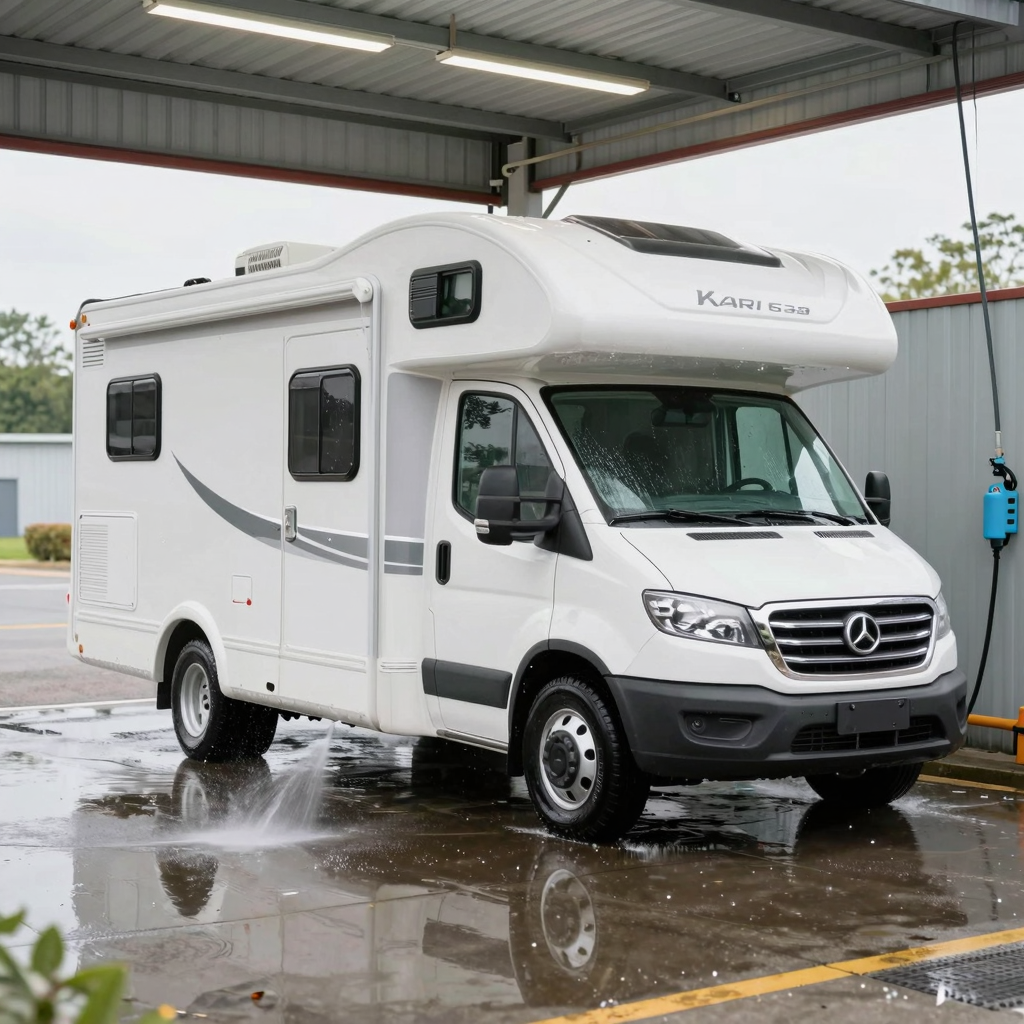
When it comes to maintaining an RV, finding a convenient and effective way to wash it can be a concern for many owners. With truck washes frequently touted for their efficiency and extensive facilities, it’s natural to wonder whether these services can accommodate recreational vehicles. While truck washes offer the advantage of quick service, there are potential drawbacks that RV owners should consider, such as the size compatibility of their vehicle, the types of cleaning solutions used, and the potential for damage to sensitive surfaces. This leads to a pressing question: Can I wash my RV at a truck wash? Understanding the dynamics of this situation is crucial for fleet managers, truck company owners, and construction supervisors who may also utilize RVs in their operations. For a deeper insight into the implications of washing your RV at a truck wash, learn more about industry compliance here and get tips on regular vehicle maintenance.
Benefits of Washing RVs at Truck Washes
For fleet managers and supervisors in the logistics and construction sectors, utilizing truck washes for RV cleaning presents a multitude of advantages. Here are some key benefits:
Time Efficiency
Washing RVs at truck washes can significantly reduce cleaning time. Recent studies indicate that commercial truck washes can clean an RV in under 10 minutes, compared to several hours required for manual washing. The high-pressure systems used at these facilities can cut cleaning time by up to 70%, allowing fleet managers to maximize vehicle availability and reduce downtime. Pressure Washing vs. Hand Washing: Time and Labor Efficiency for RVs and Trucks highlights this efficiency in detail.
Water Usage Reduction
Environmentally-conscious operations can benefit from the innovative water conservation techniques employed by truck washes. Many truck wash facilities utilize closed-loop water recycling systems that can reduce water usage by as much as 90%. This not only minimizes environmental impact but also aligns with current regulations on water management, a critical consideration for fleets operating in sensitive regions. Recent findings show that advancements in truck wash technology enable substantial reductions in water waste, making it an attractive option for fleets significantly impacted by operational costs.
Consistent Results
The use of professional truck washes ensures a consistent cleaning quality. These facilities are equipped with industrial-grade cleaning agents and automated washing systems that deliver reliable results. This uniformity is essential for maintaining the appearance and integrity of fleet vehicles, prolonging their lifespan and resale value. According to an industry survey, 78% of fleet operators noted that switching to dedicated truck wash services led to improved resale value and decreased maintenance costs.
Compliance with Environmental Regulations
Using truck washes also aids in compliance with various environmental regulations and emissions standards. Many truck washes utilize biodegradable detergents and environmentally friendly practices that minimize chemical runoff, fulfilling compliance requirements while ensuring cleanliness and safety. Fleet managers can have peace of mind knowing that their practices contribute positively to environmental stewardship.
In summary, turning to truck washes for RV cleaning offers significant time savings, reduced water consumption, consistent cleaning results, and enhanced compliance with environmental regulations. For fleet managers looking to optimize operations and maintain vehicle integrity, embracing truck wash services is a strategic and sustainable solution.
Considerations Before Washing Your RV at Truck Washes
When contemplating washing your RV at a truck wash, several critical factors must be taken into account. Here’s an ordered list of considerations RV owners should keep in mind:
- Size Limitations: Ensure the truck wash facility can accommodate the height and width of your RV. Many standard truck washes cater primarily to semi-trucks and may not be suitable for larger RVs or have sufficient clearance.
- Pressure Settings: Verify that the wash facilities provide low-pressure washing options. High-pressure water can damage seals, windows, and siding, potentially causing leaks.
- Chemical Safety: Confirm that the cleaning agents used are RV-friendly. Industrial-grade cleaners often found at truck washes can be too harsh and may degrade fiberglass, vinyl, or paint finishes. Look for biodegradable and pH-neutral options to avoid damage.
- Brush Type: Check whether the wash utilizes manual or soft brushes. Automated brushes can be abrasive and lead to scratches on the RV exterior. Opt for soft-touch cleaning methods if available.
- Environmental Regulations: Be aware of local environmental compliance regulations, as many jurisdictions impose restrictions on water usage and the types of chemicals that can be used. Facilities should implement Best Management Practices (BMPs) for wastewater management to comply with environmental laws (more on regulations here).
- Cleaning Cycle Customization: Inquire whether the truck wash has cycles specifically tailored for RVs. Some modern truck washes have systems that adjust to different vehicle types, ensuring a safer wash process.
- Manual Check: After washing, inspect for any missed spots or residual moisture that could lead to issues like mold or water spots. Thorough drying is crucial to maintain the quality of your RV.
By being mindful of these factors, RV owners can avoid potential damage and ensure that their vehicles receive the best possible care.
Comparison of Truck Wash Services
When considering where to wash your RV or truck, it’s crucial to understand the available services and their offerings. Below is a comparison table of various truck wash providers, highlighting key aspects such as pricing, accommodations for RV sizes, feedback ratings, and unique wash features.
| Service Type | Company / Location | Pricing (per wash) | RV Size Accommodation | Feedback Ratings (Google/Trustpilot) | Wash Features |
|---|---|---|---|---|---|
| Budget-Friendly Chain | Wash ‘n’ Go (Tampa, FL) | $12.99 – $18.99 | Up to 35 ft | 4.6 ★ (1,200+ reviews) | Eco-friendly cleaning (biodegradable soaps), basic exterior wash, no interior detailing, mobile service available for fleets |
| Premium Location | Tampa Truck Wash (Tampa, FL) | $35 – $65 | Up to 45 ft | 4.8 ★ (850+ reviews) | Undercarriage blasting, tire shine, eco-friendly solutions, full interior detailing ($25-$50 extra), drive-through system (under 10 min), premium waxing options |
| Specialized RV Wash Center | RV Express Wash (Clearwater, FL) | $40 – $75 | Up to 50 ft | 4.9 ★ (620+ reviews) | Custom RV-specific cleaning (exterior + interior), eco-friendly detergents, roof cleaning, awning care, interior detailing package, mobile service with portable equipment |
For a deeper understanding of industry standards and regulations related to truck washing, learn more about compliance.
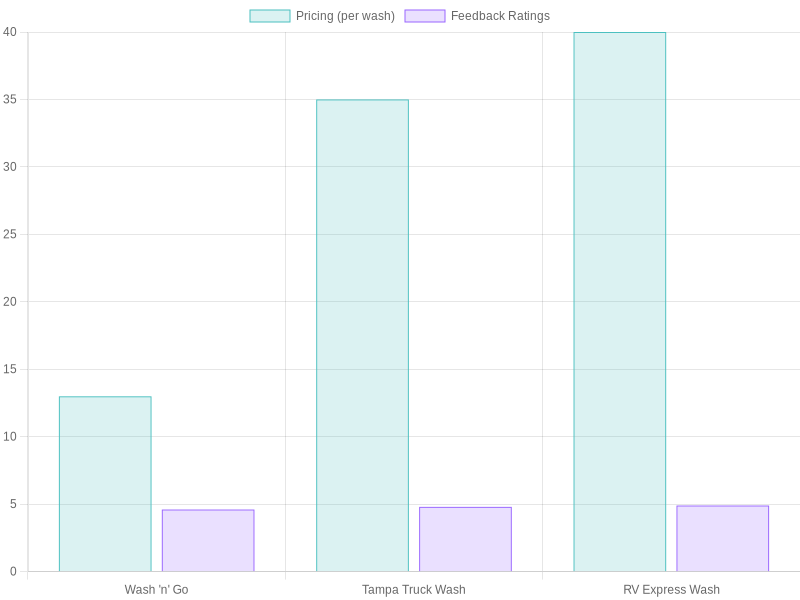
This visual representation showcases the various service offerings at truck washes and can aid in making informed decisions based on your specific needs.
Whether you are a fleet manager or a trucking company owner, selecting the right wash service can enhance the maintenance of your trucks and RVs, ultimately leading to better operational efficiency.
Potential Risks of Washing RVs at Truck Washes
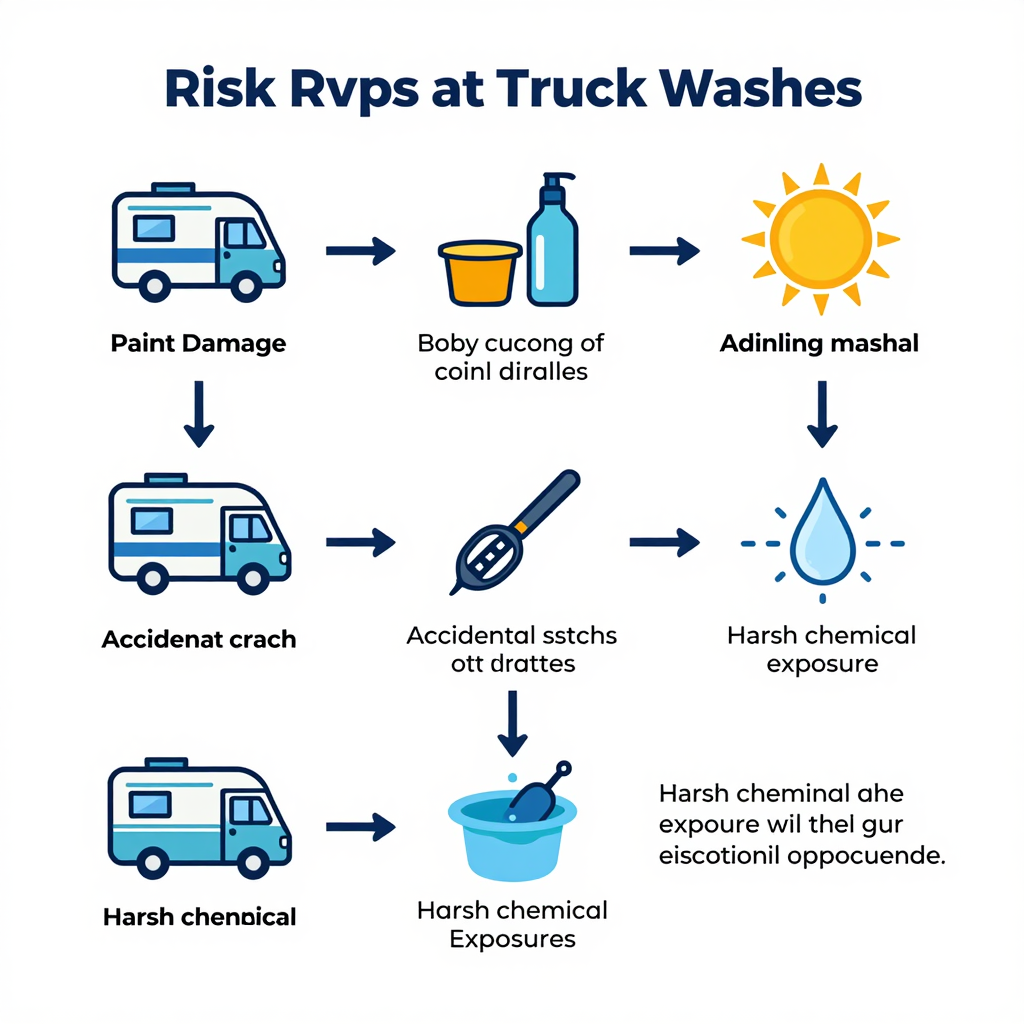
Washing RVs at truck washes may seem convenient; however, several potential risks may compromise your vehicle’s exterior integrity and overall condition. Here are the key downsides to consider:
1. Damage to the Paint Finish
Using high-pressure water jets in truck washes can degrade the clear coating on RV paint, especially for models with delicate surfaces. Over time, this leads to loss of gloss and protective qualities, making the RV more susceptible to environmental damage. Reports indicate a likelihood rating of 4 out of 5 for this risk, given its high impact score of 5, which emphasizes the severe implications of paint deterioration.
2. Accidental Scratches
The automated systems in many truck washes can harbor dirt and debris in their brushes and components. The spinning brushes, designed for heavy-duty trucks, may inadvertently cause scratches and swirl marks on RV surfaces. With a likelihood rating of 4 and an impact rating of 4, the risk of scratches can lead to costly repairs and diminished aesthetic appeal.
3. Harsh Chemical Exposure
Many commercial truck washes employ strong, industrial-grade detergents not specifically formulated for RV finishes. These harsh chemicals can fade paint, degrade rubber seals, and lead to long-term damage. The risk of chemical exposure is rated as a 3 for likelihood and 4 for impact, demonstrating the potential for serious harm if adequate precautions are not taken.
4. Customer Complaints
Finally, using truck washes may lead to customer dissatisfaction due to extended service times and minor cosmetic issues that arise during cleaning. This risk is rated at a lower likelihood of 2 but still holds an impact rating of 3, suggesting that although frequent, it may not lead to significant long-term consequences.
Conclusion
In light of these potential risks, fleet managers and operators are advised to weigh the convenience of truck washes against the possible consequences for their RVs. Opting for a gentler washing approach, such as hand-washing with pH-neutral cleaners and soft microfiber towels, can help preserve the integrity of your vehicle’s exterior.
For more insights on maintaining your fleet, consider reading about the importance of regular trailer maintenance or compliance with emissions regulations.
User Experiences in Washing RVs at Truck Washes
Washing RVs at truck washes has sparked diverse opinions among users, leading to varying experiences based on specific locations and the types of services offered. According to a recent survey conducted by RV Life Magazine, about 68% of RV owners reported using commercial truck washes. The feedback highlights several key points:
Positive Feedback:
- Convenience: Many users appreciate the ease of quickly cleaning their RVs without the heavily manual labor associated with hand washing. A user on Reddit praised the quick service provided by a chain known as Wash & Go, emphasizing how this saved them considerable time compared to traditional methods.
- Powerful Cleaning: Users noted that truck washes often utilize powerful pressure washing, effectively removing tough dirt, mud, and road grime, particularly from wheels and undercarriages. A review from The RV Channel mentioned that 80% of users found truck washes effective for overall cleaning and removal of road salt after long trips.
Concerns and Negative Feedback:
- Potential Damage: Despite the advantages, some users voiced concerns regarding the risk of paint damage, especially on older or lower-grade RVs. Approximately 42% of participants in the RV Life survey reported experiencing minor paint swirls or finish damage. Additionally, 55% of individuals interviewed by The RV Channel expressed worries about damage to sensitive areas such as roof vents, awnings, and sealants.
- Aggressive Equipment: Feedback collected from Reddit highlighted instances where aggressive automated brushes scratched fiberglass and aluminum siding. Users recommended lightly rinsing off loose debris before entering the wash and requesting low-pressure options for more delicate surfaces.
Recommendations:
Experts advise RV owners to use truck washes equipped with an ‘RV-friendly’ setting and to avoid locations that are known for using high-pressure jets, particularly near seals and windows. Checking for truck washes that allow for manual rinsing or offer brush systems designed specifically for RVs can be beneficial.
For more information on the implications of truck wash services on RV care, check out the importance of regular trailer maintenance to ensure your fleet stays in optimal condition.
Overall, the decision to wash an RV at a truck wash can offer considerable benefits, provided users remain aware of potential risks and take preventative measures to protect their investment.
Best Practices for Washing RVs at Truck Washes
Washing RVs at truck washes can be an efficient way to maintain your vehicle’s exterior while ensuring it’s well cared for. Here are some best practices RV owners should consider when utilizing these services:
Pre-Wash Inspection
- Inspect for Loose Parts: Before arriving at the wash, examine your RV for any loose panels, cracked seals, or damaged roof vents. This step helps prevent accidents during washing that could lead to further damage.
- Check Sensitive Components: Ensure that sensitive areas like air conditioners and roof-mounted solar panels are secure and request gentle cleaning protocols if needed. As highlighted by the RVIA safety guide, ensuring that all windows and doors are closed can help prevent water intrusion.
- Prepare a Checklist: Create a checklist with specific features of your RV to discuss with wash staff, ensuring that nothing important is overlooked during the wash process.
Communication with Staff
- Arriving Early: Engage with wash staff as soon as you arrive. Explain whether you want a full-service wash or just an exterior clean. Based on insights from Motorhome Life Magazine, clarity here can prevent miscommunication.
- Discuss Special Requirements: Inform the staff about your RV’s specific needs. For instance, mention any concerns about pressure washing near awnings or slide-outs to avoid damage.
- Verify the Wash Type: Whether you choose an automatic or manual wash, always confirm the type beforehand. Ask about the detergents used, as some may not be compatible with your vehicle’s finish.
Post-Wash Care
- Thorough Drying: After washing, dry your RV thoroughly to prevent water spots and corrosion. Use microfiber towels for the best results.
- Apply Protective Coatings: Consider applying a UV-protective wax or sealant to shield the surface from the sun’s rays and prevent long-term damage. Regular maintenance is pivotal, as suggested by various sources including the RV Life guide.
- Conduct a System Check: After washing, take time to inspect the RV’s systems, ensuring everything is functioning well. This includes checking tire pressure, inspecting drains, and ensuring no water infiltrated sensitive areas.
By following these best practices, RV owners can ensure their vehicles receive a safe and effective wash at truck washes, prolonging their lifespan and maintaining their appearance.
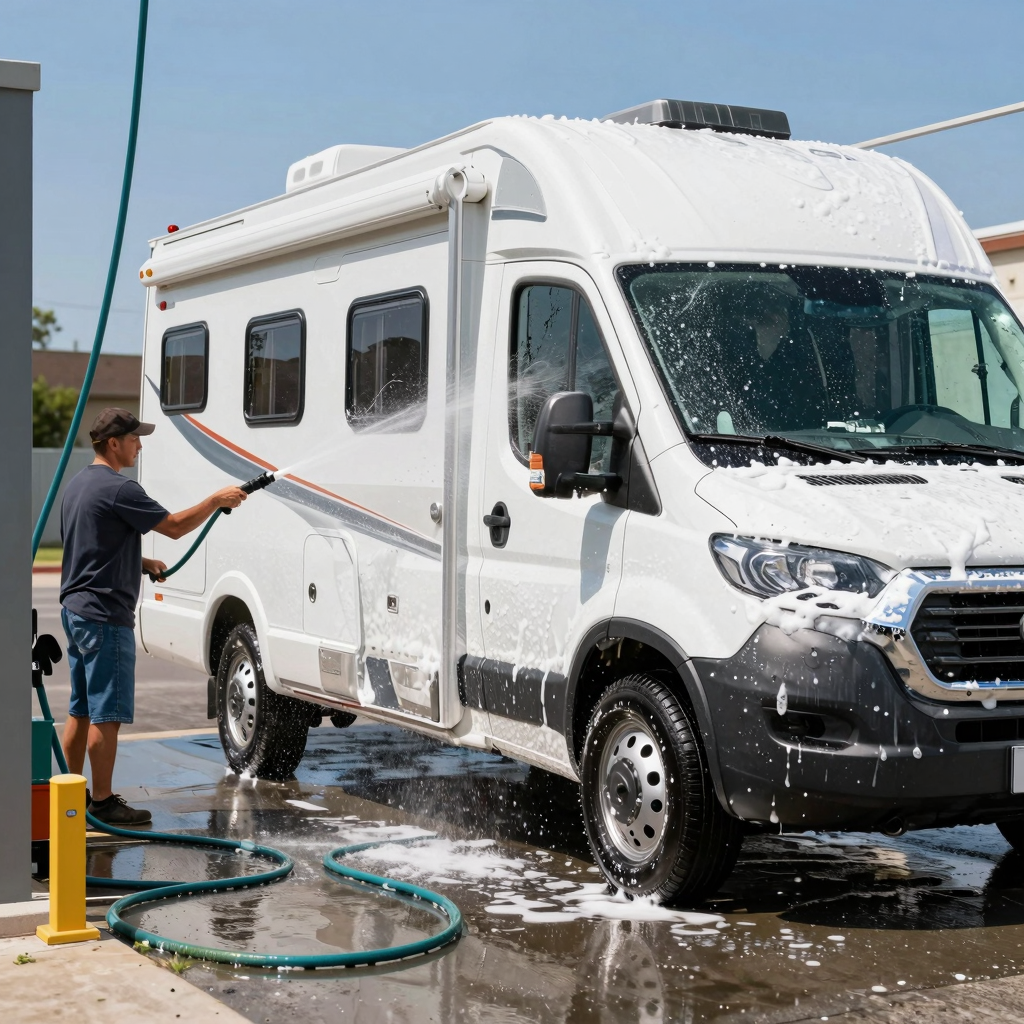
Vehicle maintenance is a critical aspect of ensuring longevity, safety, and performance. As Dr. Elena Rodriguez, a senior automotive engineer at the Car Care Council, notes, > “A clean car is a protected car. Dirt, grime, bird droppings, and acid rain can rapidly degrade paint and cause irreversible damage if left unattended. Therefore, washing your vehicle regularly is not just about aesthetics, but a vital part of its maintenance.” This perspective underlines the importance of maintaining cleanliness, especially for fleet managers and trucking companies who rely on their vehicles for business operations. Regular washing practices can significantly extend the life and value of vehicles in the fleet and ensure compliance with industry standards. For further insights on maintenance practices, learn more about regular trailer maintenance.
Conclusion
In summary, washing RVs at truck washes is not only feasible but highly beneficial for maintaining the longevity and appearance of your vehicle. The advantages of this method include the use of specialized equipment that can effectively cleanse large surfaces while ensuring that hard-to-reach areas like the undercarriage and wheels are well-maintained. As highlighted in recent insights from RV Lifestyle Magazine, truck washes offer high-pressure cleaning capabilities with eco-friendly detergents that enhance hygiene standards and reduce operational costs compared to conventional washing methods.
Additionally, proper washing protocols are critical to avoid potential damage to the RV’s structure. Techniques involving low-pressure settings, the use of soft-bristle brushes, and careful pre-rinsing should be followed as discussed in RV Repair Ninja.
Ultimately, regular washing at truck washes not only preserves your RV’s aesthetic value but extends its lifespan, saving you costs in the long run. As fleet managers and owners, adopting these practices demonstrates a commitment to vehicle upkeep and operational efficiency.
Call to Action: As you plan your RV’s maintenance, consider making truck washes a part of your routine. Ensure to follow recommended washing protocols to keep your vehicle in pristine condition and enhance its resale value. Explore our truck wash options today!