
Introduction
Loading a washer and dryer into a truck may seem straightforward, but it is crucial for logistics and freight companies aiming for operational efficiency and safety. For fleet managers and operators, understanding the intricacies of proper loading techniques is paramount. An efficient loading process minimizes the risk of damage during transport, ensures compliance with safety regulations, and ultimately enhances customer satisfaction. Given the size and weight of these appliances, improper loading can lead to costly repairs and delays, affecting the supply chain adversely. This article will explore best practices for loading washers and dryers, essential for maintaining operational excellence in logistics. By investing time in mastering these techniques, fleet managers can streamline their operations and ensure the safe delivery of goods, reinforcing the importance of logistics in today’s marketplace. To learn more about compliance in the transport industry, check out our insights on industry compliance and emissions regulations.
Essential Tools for Loading a Washer and Dryer
Loading a washer and dryer into a truck requires specific tools to ensure safety and efficiency. Below is an ordered list of the essential tools needed for this task:
-
Dollies
A heavy-duty appliance dolly is crucial for moving large items like washers and dryers. It supports the weight, allowing for easier transport and reducing the risk of damage to the appliances or injury to the movers. -
Straps
Secure your appliances using ratchet straps or tie-down straps to prevent movement during transport. This is vital for maintaining stability and protecting the appliances from tipping over. -
Moving Pads
These protective pads help cushion the appliances during loading and unloading, protecting them from scratches and dings. They can also be used to slide the appliances into the truck more smoothly. -
Level
Ensuring that the washer is level is important for its functionality. A level tool helps to confirm proper placement in the truck, which will prevent future operational issues. -
Hand Tools
Basic hand tools such as a wrench, screwdriver, and pliers are essential for disconnecting hoses and securing the appliances before moving them. These tools ensure that all parts are safely detached before loading. -
Gloves
Personal protective equipment, including gloves, is important. Gloves protect hands during handling and loading, preventing injuries from sharp edges or heavy lifting. -
Safety Goggles
Wearing safety goggles can prevent injuries from debris or when securing items that may unexpectedly move.
Following these guidelines and utilizing the right tools will ensure a safe and efficient loading process. For more insights on safety protocols in transportation, visit our site.
Step-by-Step Guide to Loading a Washer into a Truck
Loading a washer into a truck can be a straightforward process if done correctly. This guide outlines the crucial steps to ensure a safe and efficient loading operation.
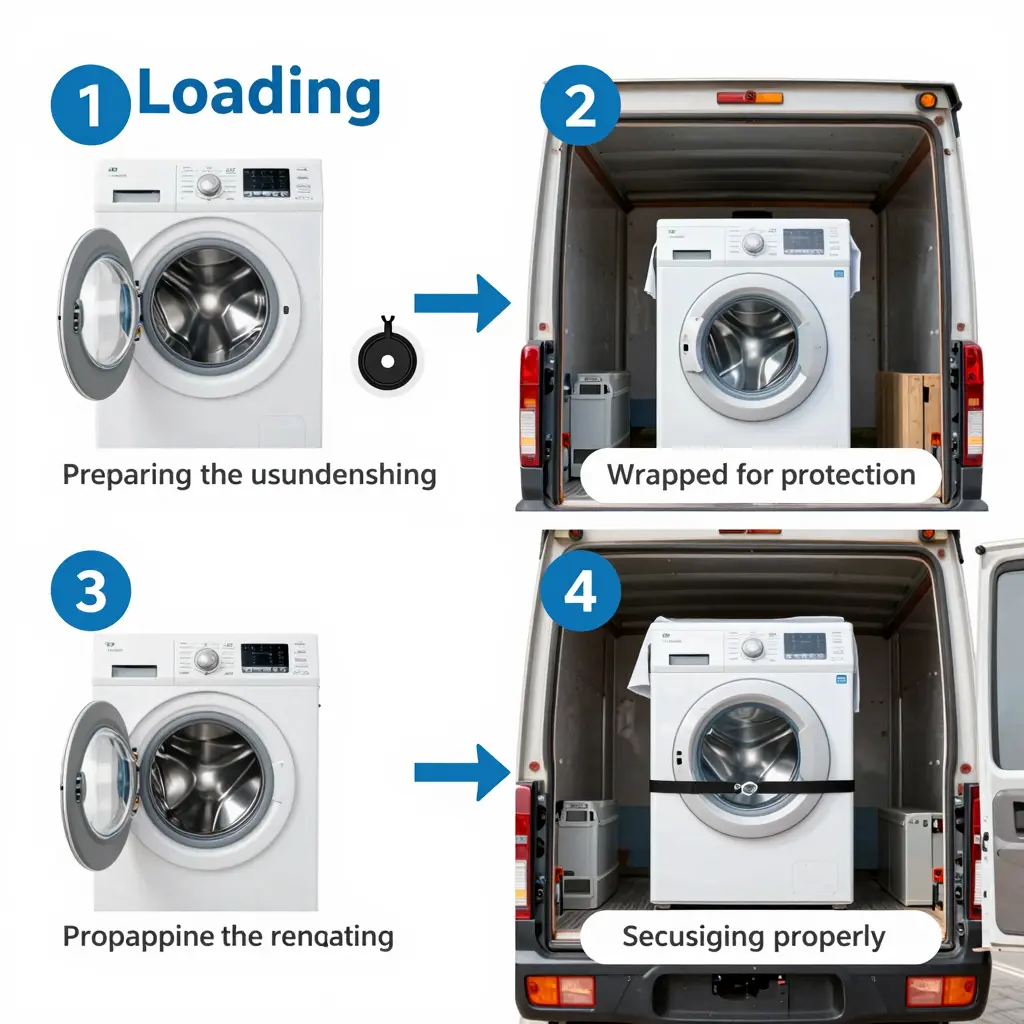
Step 1: Prepare the Washer
- Unplug and Drain: Ensure the washer is unplugged, and all water is completely drained. Disconnect hoses carefully to avoid any water spillage.
- Secure Internal Components: If applicable, use transit bolts to secure the drum to prevent damage during transport.
- Remove Accessories: Take out any removable components such as dispensers and trays, which should be packed separately.
Step 2: Wrap for Protection
- Use Blankets or Cardboard: Wrap the washer in moving blankets or cardboard to protect it from scratches and impact during transport. Strong tape can help secure the wrapping.
- Ensure Ventilation: If the washer has a vent, do not cover it to avoid damaging internal parts during transport.
Step 3: Position in the Truck
- Check Dimensions: Ensure the truck’s interior dimensions can accommodate the washer by measuring.
- Load Upright: Position the washer upright against the truck’s wall. Avoid laying it down or tilting it to prevent damage to the internal components.
- Loading Technique: Use a dolly or hand truck to assist in loading the washer into the truck, preferably with two people to ensure safety.
Step 4: Secure the Washer
- Use Heavy-duty Straps: Secure the washer with strapping or ratchet ties. Ensure it is anchored firmly to prevent movement during transit. Position it so that it does not obstruct the driver’s view.
- Check Stability: Before closing the truck, check that the washer is stable and secure; it should not wobble or shift when pushed gently.
Safety Precautions
- Avoid Overloading: Do not exceed the truck’s load capacity. This ensures vehicle stability and safety during transport.
- Maintain Clear Aisles: Keep pathways clear of obstacles to avoid tripping or falling during the loading process.
- Inspect the Truck: Ensure that the truck is in good condition, with no maintenance issues that could lead to failure during transport.
Loading appliances requires not just physical care but also adherence to safety protocols. For more information on trailer maintenance or managing logistics effectively, refer to our resources.
Comparison of Loading Techniques for Washers and Dryers
When transporting washers and dryers, different loading techniques must be evaluated based on their effectiveness and suitability for various truck types. Below is a table comparing different loading methods, their pros and cons, and which types of trucks they are best suited for.
| Loading Technique | Pros | Cons | Best Truck Type |
|---|---|---|---|
| Vertical Loading | – Maximizes space in smaller trucks | – Requires precise balancing during transport | Box Truck |
| Horizontal Loading | – Easier to stabilize with strapping | – Occupies more truck space; may limit other loads | Flatbed, Box Truck |
| Using Dollies | – Facilitates smooth movement over rough terrain | – Requires additional labor; can incur extra rental costs | Any type with enough height |
| Pallets | – Simplifies loading/unloading; prevents damage | – Needs compatible forklift access; bulkier | Flatbed, Heavy-Duty Truck |
| Strapping with Ratchet | – Reduces movement; improves safety during transport | – Requires proper technique to avoid damage | Any type |
| Protective Packaging | – Minimizes risk of scratches and dents | – Increased packing time; disposal of materials required | Any type |
The selection of a loading method plays a critical role in ensuring the safe transport of washers and dryers, especially considering factors such as truck type and cargo volume. For effective strategies on handling logistics compliance, check out the importance of regular trailer maintenance.
Safety Measures for Loading Appliances
When loading appliances such as washers and dryers into trucks, adhering to essential safety measures is crucial for preventing injuries and equipment damage. The following guidelines outline best practices for these operations:
1. Conduct a Risk Assessment
Before beginning the loading process, conduct a risk assessment to identify potential hazards. This encompasses evaluating the weight of the appliances and the condition of the loading site.
2. Use Proper Equipment
Utilizing the right tools is fundamental. Mechanical aids such as dollies, hand trucks, and lifting straps can significantly reduce the risk of musculoskeletal injuries. Ensure that all equipment is in good working condition and suitable for the load being handled.
3. Team Lifting
For heavy appliances, always employ team lifting. This not only makes the task safer but also helps maintain better balance during the loading process. Proper communication between team members is vital to execute synchronized movements.
4. Wear Personal Protective Equipment (PPE)
Workers should always wear appropriate PPE, including gloves, steel-toed boots, and back support belts, to minimize injury risk while handling heavy appliances. Following Occupational Safety and Health Administration (OSHA) guidelines on ergonomics can further decrease the likelihood of injuries.
5. Stabilize the Load
To prevent appliances from shifting or tipping during transport, ensure they are properly secured in the truck. Use heavy-duty straps or ropes to fasten the appliances securely against the truck walls. This prevents damage to both the appliances and the truck during transit.
6. Monitor Electrical Equipment
When dealing with electrical appliances, ensure power cords are inspected for wear and tear. Use grounded and bonded equipment to prevent electrical hazards. Never overload circuits, as this could lead to fire hazards.
7. Training and Education
Regular training sessions for all personnel involved in loading appliances are crucial for reinforcing safe practices. Familiarize employees with company protocols and encourage reporting of any hazards or unsafe conditions.
Conclusion
By adhering to these safety measures when loading washers and dryers, fleet managers and logistics personnel can significantly reduce the risk of injury and equipment damage, ensuring safer operations overall. For more information on compliant truck practices, you can learn more about industry compliance and regulations.
Implementing these practices will empower teams to work efficiently while minimizing risk, aligning with the overarching goals of workplace safety and efficiency.
Step-by-Step Guide to Loading a Dryer into a Truck
Loading a dryer into a truck requires careful preparation and specific techniques to ensure safety and prevent damage. Here’s a comprehensive guide:
- Prepare the Dryer
- Disconnect: Ensure the dryer is unplugged from the power outlet. Disconnect any vent hose and lay it inside the dryer to prevent loss.
- Clean: Wipe down both the interior and exterior of the dryer to remove any lint or debris, which can cause issues during transport and protect your truck from dirt.
- Gather Necessary Equipment
- Dolly: Use a robust dolly or hand truck with wide, non-marking wheels for ease of movement.
- Straps: Prepare ratchet straps or bungee cords to secure the dryer within the truck bed.
- Moving Blankets: Optionally, acquire moving blankets to protect the dryer from scratches during transport.
- Loading the Dryer
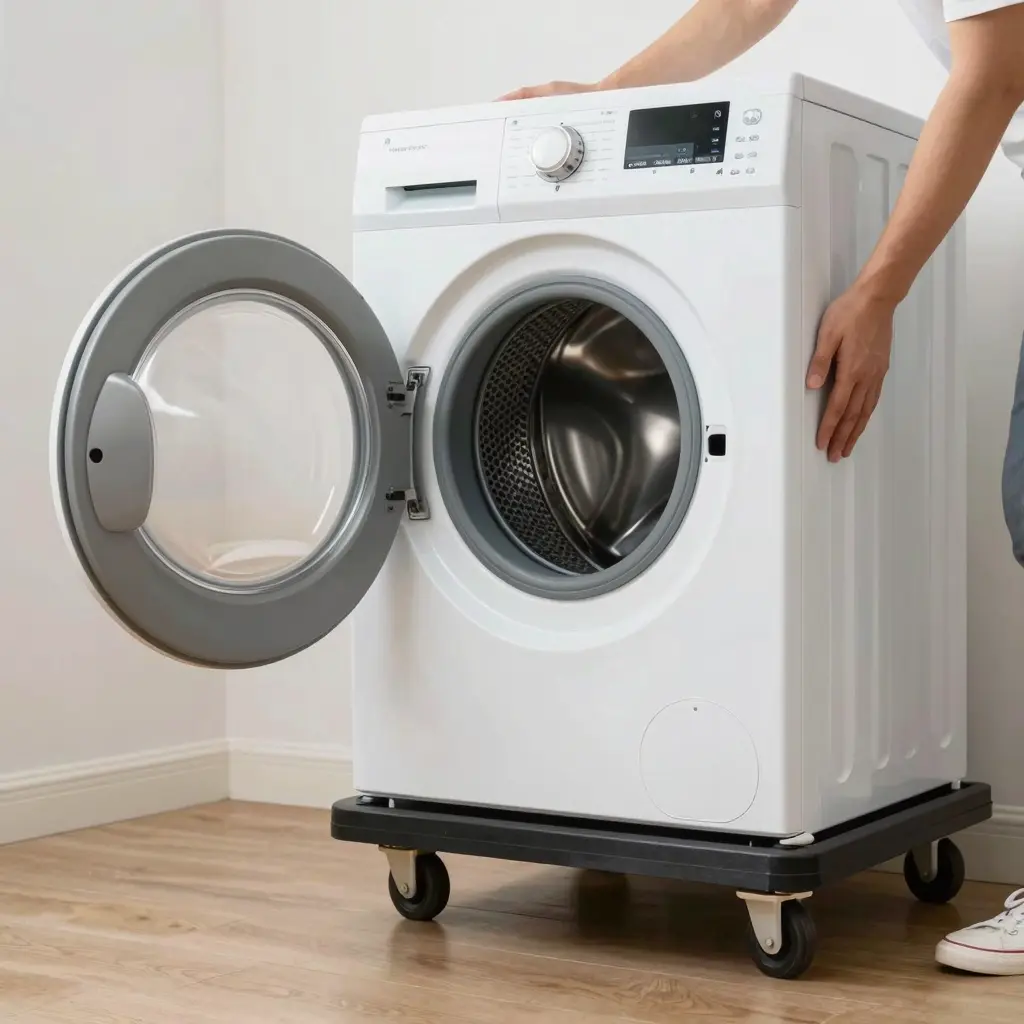
- Use the Dolly: Position the dolly next to the dryer. Tilt the dryer back and slide the dolly underneath, ensuring that it is centered to maintain balance.
- Secure the Dryer: Once on the dolly, strap the dryer securely to the dolly to prevent it from sliding.
- Transport Safely: Push the dolly carefully, ensuring that it stays upright. Avoid tilting the dryer more than 45 degrees to prevent internal damage to components like the drum.
- Positioning in the Truck
- Upright Position: Load the dryer upright into the truck to prevent damage. Placing the dryer on its side can cause serious impairment to its internal mechanics.
- Secure the Appliance: Once inside the truck, use ratchet straps or bungee cords to anchor the dryer against the truck bed’s framework. Ensure it is stable and won’t shift during transport.
- Final Checks
- Inspect: Before closing the truck, double-check that the dryer is securely in place and that no heavy items will be placed on top of it.
- Drive Carefully: During transport, drive cautiously to avoid sudden movements that could destabilize the load.
Key Differences Between Loading a Dryer and a Washer
While both appliances require careful handling, there are significant differences:
- Load Type: Washers use water and detergent; hence, items must be spaced for water circulation, while dryers only require dry clothes with a need for airflow.
- Maintenance Requirements: Dryers have a lint filter that needs regular cleaning, whereas washers have drain filters that also require periodic maintenance. This consideration is critical when planning the loading and unloading process as it impacts how the appliances are cared for during transportation.
For further guidance on logistics best practices, you may also enjoy our article on fleet standardization and emergency response.
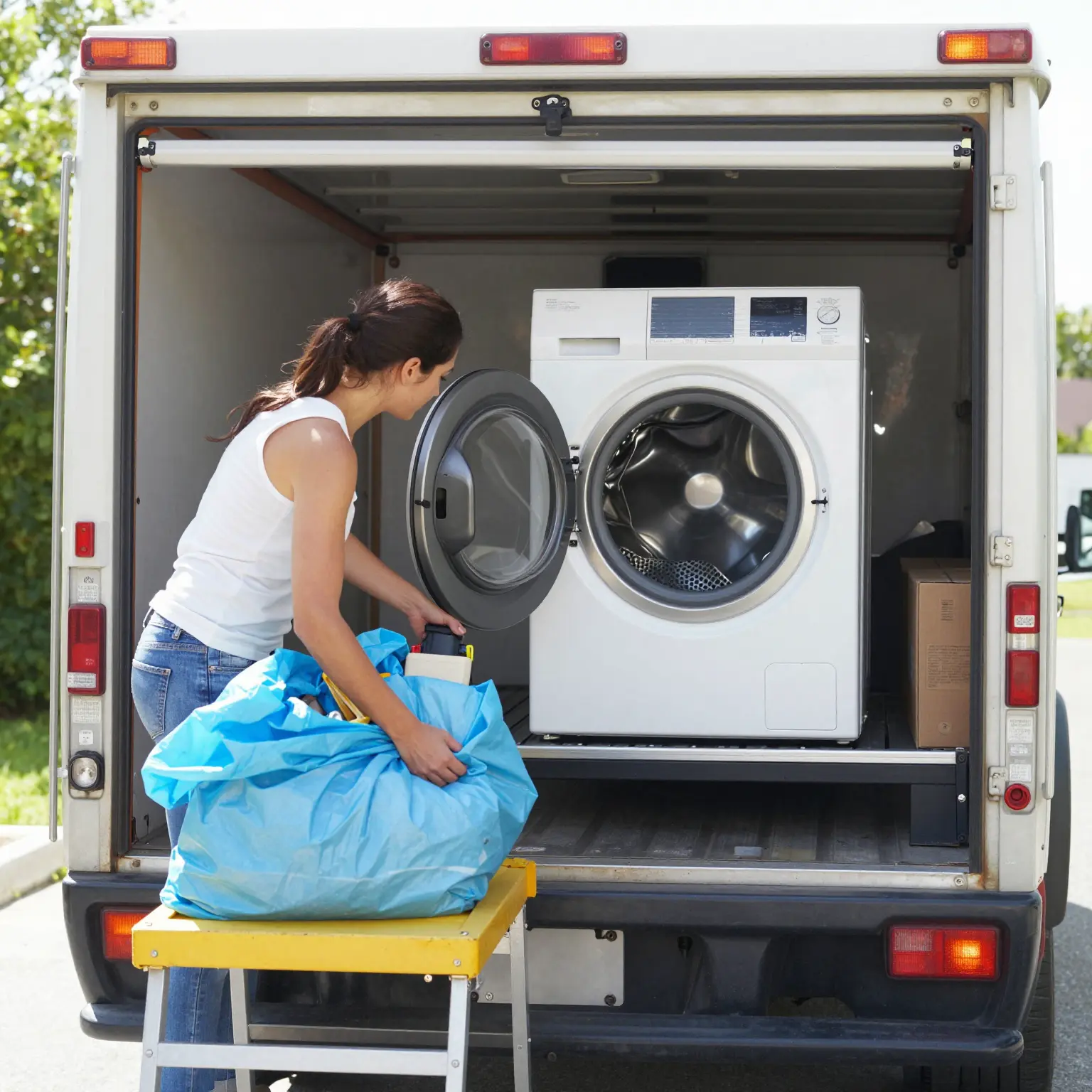

Following these steps will help ensure that the dryer is loaded safely and effectively into the truck, minimizing risks of damage both to the appliance and the vehicle.
Conclusion
In summary, the process of loading washers and dryers onto trucks necessitates a strategic approach to ensure the safe transport of these heavy and delicate appliances. The significance of employing careful loading techniques cannot be overstated for fleet managers and operators. Key considerations include:
-
Proper Equipment Handling: Utilizing specialized equipment, such as dollies designed for heavy loads, enhances safety and efficiency in loading operations. Professional movers emphasize the need for appropriate tilt angles and anti-vibration padding to prevent damage during transit.
-
Weight Distribution and Balance: Ensuring an even distribution of weight is crucial for maintaining vehicle stability and preventing accidents. Fleet managers should adopt best practices for loading, including securing appliances with adequate straps or chains and following a clear loading plan to optimize the process.
-
Attention to Detail: Conducting pre-load inspections and using transit bolts where necessary can safeguard the internal components of washing machines and dryers. Abiding by manufacturer guidelines is essential as improper loading can lead to mechanical stress and potential warranty voids, incurring significant repair costs post-delivery.
-
Training and Supervision: Involving trained personnel during loading operations ensures adherence to safety protocols and promotes an organized process. This not only minimizes the risk of injuries but also enhances operational efficiency.
Incorporating these loading techniques into your logistics operations not only prolongs the life of washer and dryer units but also mitigates potential liabilities for your fleet. For more insights on best practices for loading equipment into trucks, and enhancing fleet maintenance, visit our site.
Expert Opinion on Loading Heavy Appliances
“Using a standard flatbed trolley with large swivel casters ensures smooth movement across smooth surfaces, while utility trolleys with adjustable platforms allow for better load stabilization during transport. Always secure loose items with straps or barriers to prevent shifting and potential injury.”
- Safety Experts, Industrial Equipment Journal
This quote underscores the importance of using the right equipment and techniques for safely transporting heavy appliances, such as washers and dryers, into trucks. Proper equipment not only aids in efficiency but also significantly reduces the risk of injury during the loading process.
When it comes to loading a washer and dryer, ensuring balanced load distribution and securing the appliances will help prevent any accidents that may occur during transit.
Best Practices for Loading Large Appliances
Loading large appliances into a truck requires careful consideration of various factors to ensure safety and efficiency. Here’s a chart that illustrates the best practices for this process:
| Factor | Best Practice | Specification/Detail |
|---|---|---|
| Vehicle Type | Choose appropriate vehicle based on appliance size and weight | – Cargo Van: Suitable for smaller appliances (e.g., compact fridge, washing machine). – Box Truck (15-26 ft): Ideal for large appliances like full-size refrigerators, dryers, and ovens. Provides ample space and better stability. – Step Van or 26-ft Box Truck: Required for very large or heavy items (e.g., commercial-grade equipment). |
| Appliance Weight | Ensure total load stays within vehicle’s capacity | – Most residential appliances weigh between 135 lbs and 300 lbs. – Verify the vehicle’s Gross Vehicle Weight Rating (GVWR) and payload capacity before loading. |
| Appliance Size & Shape | Plan layout to maximize space and stability | – Measure the appliance dimensions (height, width, depth) and compare with truck interior space. – Avoid overhangs; ensure items fit securely without protruding from sides or rear. |
| Positioning | Maintain balance and prevent tipping | – Position appliances centered in the truck bed. – Keep heavier appliances lower and closer to the center of gravity. – Always keep appliances upright during transport; never lay them flat unless specifically designed for it. |
| Securing Methods | Prevent movement and damage during transit | – Use ratchet straps (rated for at least 2,000 lbs per strap) to secure each appliance to anchor points. – Place furniture pads or moving blankets between the appliance and truck walls to prevent scratches. – Use corner protectors or foam padding where straps contact the appliance. |
| Safety Measures | Minimize risk of injury and property damage | – Wear gloves and proper footwear. – Use a dolly or appliance hand truck for lifting. – Never overload the vehicle beyond its rated capacity. – Check restraints before driving and after every stop. |
Sources: