

When it comes to logistics and freight management, the significance of a clean truck cannot be underestimated. A spotless vehicle not only reflects professionalism but also enhances the brand image of a company, instilling confidence in customers and partners alike. In an industry where reliability and appearance both play crucial roles, maintaining clean trucks becomes synonymous with operational excellence. Regular truck washing extends the longevity of vehicles by preventing rust and corrosion, ultimately reducing maintenance costs and ensuring higher resale values. Fleet managers and trucking company owners might often find themselves asking, “how to wash my truck?” This question not only pertains to the physical cleaning process but also alludes to establishing best practices that keep fleets looking their best while complying with industry regulations. By investing time and resources into effective truck cleaning strategies, companies can significantly boost their visibility and reputation in a competitive marketplace. Learn more about the importance of regular trailer maintenance and how cleanliness plays a key role in compliance with emissions regulations in the logistics sector. Such practices not only promote sustainability but also showcase a commitment to quality, paving the way for long-term success in the logistics domain.
Step-by-Step Guide: How to Wash Your Truck
Washing a truck is essential to maintain its appearance and functionality. This guide delineates the recommended process, complete with preparation steps, supplies, and techniques tailored for fleet managers, trucking company owners, and construction supervisors.
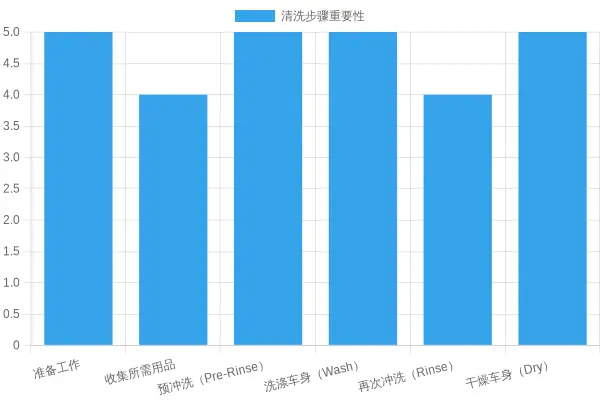
Preparation Steps
- Select a Location: Choose a shady area away from direct sunlight to prevent water spots.
- Clear the Surroundings: Remove any nearby obstacles to allow sufficient cleaning space.
- Check Water Source: Ensure that a reliable water source (like a garden hose) is available before proceeding.
Recommended Supplies
Here’s a list of essential supplies needed for effectively washing your truck:
- Pressure Washer: Choose one that offers 1500-3000 PSI for effective cleaning.
- Cleaning Detergent: Use a truck-specific non-wax soap, avoiding household products that can damage the paint.
- Brushes: Employ various brushes, including a large soft brush for flat surfaces and a small brush for intricate areas like the wheels.
- Microfiber Towels: High-water absorption towels help avoid streaking.
- Protective Gear: Gloves and goggles to keep you safe during the washing process.
Washing Techniques
-
Pre-Rinse the Truck: Begin by spraying the truck with water from the top down. This step helps remove loose dirt and debris, especially from the wheel wells, undercarriage, and seams.
-
Apply Soap: Dilute the cleaning detergent and evenly apply it to the surface of the truck. Use a foam sprayer or pour it on with a sponge. Let it sit for 3-5 minutes to effectively break down dirt and grime.
-
Wash the Body: Using a soft-bristle brush or sponge, clean the truck’s surfaces starting from the top. Pay attention to areas that collect dirt easily such as the grill and around the mirrors.
-
Rinse Thoroughly: Use the pressure washer to rinse off the soap starting from the roof down. Ensure that no soap is left on the truck, particularly in crevices that may retain moisture.
-
Dry the Truck: Use microfiber towels to pat down the surfaces, preventing streaks and potential rust formation.
-
Final Checks: Inspect for any missed spots or lingering dirt, particularly in undercarriage areas.
Additional Tips
- Wash the truck at least once a month to maintain its condition. Learn more about the importance of regular trailer maintenance.
- Apply a protective wax after washing to preserve paint quality and finish.
- If confronted with stubborn stains like tree sap or road tar, address them promptly to prevent damage.
Cleaning your truck not only enhances its appearance but also prolongs its lifespan and functionality. By following this guide, fleet managers and trucking company operators can ensure their fleets remain in pristine condition.
Comparison of Popular Truck Cleaning Products
Here’s a table comparing some of the top truck cleaning products available in 2023, highlighting their features, prices, and best uses. This comparison aims to assist fleet managers and trucking company owners in selecting the most suitable products for their maintenance needs.
| Product Name | Key Features | Price | Best Uses |
|---|---|---|---|
| Meguiar’s Truck & RV Detailing Kit | Heavy-duty grease cutting, UV protection | $39.99 | Exterior cleaning, paint and trim |
| Chemical Guys Heavy Duty Truck Cleaner | Excellent for undercarriage grime, biodegradable | $23.99 | Heavy dirt and road grime removal |
| CRC PowerClean Pro Truck Kit | Comes with foam cannon, biodegradable formula | $69.95 | Comprehensive cleaning for fleets |
| Armor All Pro Series Interior Cleaner | Safe for leather and vinyl, anti-static formula | $14.99 | Interior surfaces cleaning |
| STP Truck Wash Concentrate | Rapid suds and minimal residue, EPA-approved | $12.99 | General truck washing |
| Permatex Undercoating Cleaner | Designed for heavy oil and grease buildup | $22.50 | Chassis cleaning for heavy-duty trucks |
| 3M Truck Surface Cleaner | Effective on road tar and brake dust | $14.99 | Surface cleaning of vehicles |
| Simple Green All-Purpose Cleaner | Non-toxic and biodegradable cleaner | $10.99 | Multi-surface cleaning |
For further insights into the importance of maintaining your fleet’s appearance and compliance with industry standards, learn about regular trailer maintenance and explore truck wash industry compliance.
Safety Precautions While Washing Your Truck
Washing a truck may seem straightforward, but adhering to safety precautions is essential to ensure the well-being of personnel and the maintenance of the vehicle. Here are key safety tips focused on equipment safety and the proper use of cleaning chemicals:
Equipment Safety
- Inspect Before Use: Always check the condition of cleaning equipment, such as high-pressure washers and power tools, before operation. Ensure no parts are damaged, and repair or replace any faulty components.
- Operating Distance: Maintain a safe distance between yourself and the equipment. For high-pressure washers, keep at least a 40 cm distance from the truck surface, using a 45-degree angle to decrease impact force, which helps protect seals and trims from damage.
- Safety Gear: Employ non-slip footwear to prevent slipping on wet surfaces, and always wear waterproof gloves to shield your hands from chemicals and moisture. Consider additional protective gear like goggles if working with high-pressure equipment.
- Electrical Safety: Avoid touching any electrical components while washing, especially with wet hands. It’s advisable to use insulated gloves to prevent shocks and ensure that electrical connectors are protected from moisture.
Proper Use of Cleaning Chemicals
- Choose the Right Cleaner: Use only truck-specific, pH-neutral cleaning agents (6.5-7.5) designed for automotive surfaces. Avoid household cleaners such as dish soap or laundry detergent, as these can strip wax and damage rubber seals over time.
- Application Technique: Chemicals should be applied using a foam lance (PA gun) with a 0.4mm nozzle for uniform coverage and to minimize residue. Do not spray chemicals directly around sensitive areas like electrical connectors.
- Ventilation and PPE: Ensure good ventilation when using chemical cleaners, and always use appropriate personal protective equipment (PPE). Gloves and masks can provide necessary protection from harmful fumes.
- Post-Cleaning Care: After applying chemicals, rinse all surfaces thoroughly to remove any residue that could cause corrosion or freezing in colder climates. Pay special attention to vulnerable areas like door seals and keyholes to enhance longevity and prevent issues in extreme weather conditions.
Adhering to these safety practices while washing a truck can minimize risks and ensure that both the equipment and the vehicle remain in optimal condition. For further understanding on compliance and safety regulations, you can learn more about industry standards. Additionally, regular maintenance is crucial, which you can explore further by checking the importance of regular trailer maintenance.
Best Practices for Truck Maintenance in Fleet Operations
Maintaining a clean and functional truck is essential for fleet management, impacting performance, safety, and longevity. Here are best practices tailored for logistics and freight companies, as well as construction and mining fleet supervisors.
Regular Cleaning Schedules
- Exterior Washing: Implement a thorough wash every 7-10 days to combat the build-up of dirt, grime, and corrosive substances. After enduring long hauls or exposure to harsh conditions, ensure the truck is washed promptly to preserve paint and structural integrity. Utilize a soft sponge and a neutral cleaner to avoid scratches.
- Interior Cleaning: Perform deep cleans of the interior at least once a month to maintain hygiene and reduce odors. Regularly wipe down high-touch surfaces like the steering wheel, dashboard, and seats using EPA-approved disinfectants.
- Follow up with vacuuming to eliminate dust and allergens, critical for the health of your drivers.
Maintenance Tips
- Daily Pre-Trip Inspections: Conduct daily checks for tires, lights, brakes, fluid levels, and windshield wipers. These inspections help catch issues before they escalate, enhancing both safety and reliability on the road.
- Weekly and Monthly Inspections: Include weekly checks on air filters, belts, and hoses. Perform monthly inspections on the exhaust system and electrical connections. Consistency is key, so utilizing a standardized checklist can ensure thorough inspections across your fleet.
- Use Manufacturer-Recommended Products: Always follow OEM guidelines when selecting oils, fluids, and replacement parts, ensuring that your maintenance practices are both effective and compliant.
- Freightliner emphasizes the importance of adhering to OEM guidelines for best results.
Monitoring and Record-Keeping
Utilize telematics to monitor mileage and engine hours, scheduling required services in anticipation of needs. Use digital logs to maintain records of all maintenance activities, which can be invaluable for tracking performance and preventing costly repairs.
Conclusion
Adhering to these maintenance practices not only enhances the lifespan and performance of your fleet but also contributes to safety on the roads. Regular cleaning and inspections should be viewed as investments in your fleet’s operational efficiency, reducing downtime and repair costs in the long run. By prioritizing these practices, fleet managers can ensure their trucks remain in optimal condition.
The Impact of Clean Vehicles on Operational Efficiency and Maintenance Costs for Logistics Companies
Logistics companies are increasingly recognizing the advantages of adopting clean vehicles, particularly electric and hybrid models. These vehicles contribute significantly to operational efficiency and maintenance cost reduction.
Key Statistics:
-
Operational Efficiency: According to a recent McKinsey & Company report, companies transitioning to clean vehicle fleets see an up to 25% improvement in operational efficiency. This is primarily due to lower energy costs, predictive diagnostics, and enhanced route optimization through telematics.
-
Maintenance Costs: The same report indicates that maintenance costs for clean vehicles decrease by about 35%. This reduction stems from fewer moving parts in electric drivetrains and regenerative braking systems which lessens wear and tear.
-
Total Cost of Ownership (TCO): The International Transport Forum highlights in their study that clean vehicles, particularly in the paratransit sector, can achieve a 30-40% reduction in annual operating costs due to lower maintenance, energy expenses, and government incentives.
-
Fuel Cost Savings: Electric delivery vans are reported to cut down fuel expenditures by leveraging efficient energy sources and infrastructure. Companies can access restricted urban zones without incurring penalties, further enhancing profitability and operational scope.
-
Regulatory Compliance: With stringent emissions regulations, utilizing clean vehicles helps companies avoid fines and enables compliance, thereby securing a competitive advantage in urban logistics.
Conclusion
Maintaining a clean vehicle fleet is not just about aesthetics but also profoundly affects a company’s bottom line. Understanding how to wash my truck effectively is crucial to preserving the integrity and efficiency of these clean vehicles. Regular washing not only keeps trucks in good condition but also ensures compliance with environmental regulations, thereby optimizing operational capabilities. Moreover, investing in a clean fleet translates into sustainable practices that enhance both public perception and financial savings for logistics companies.

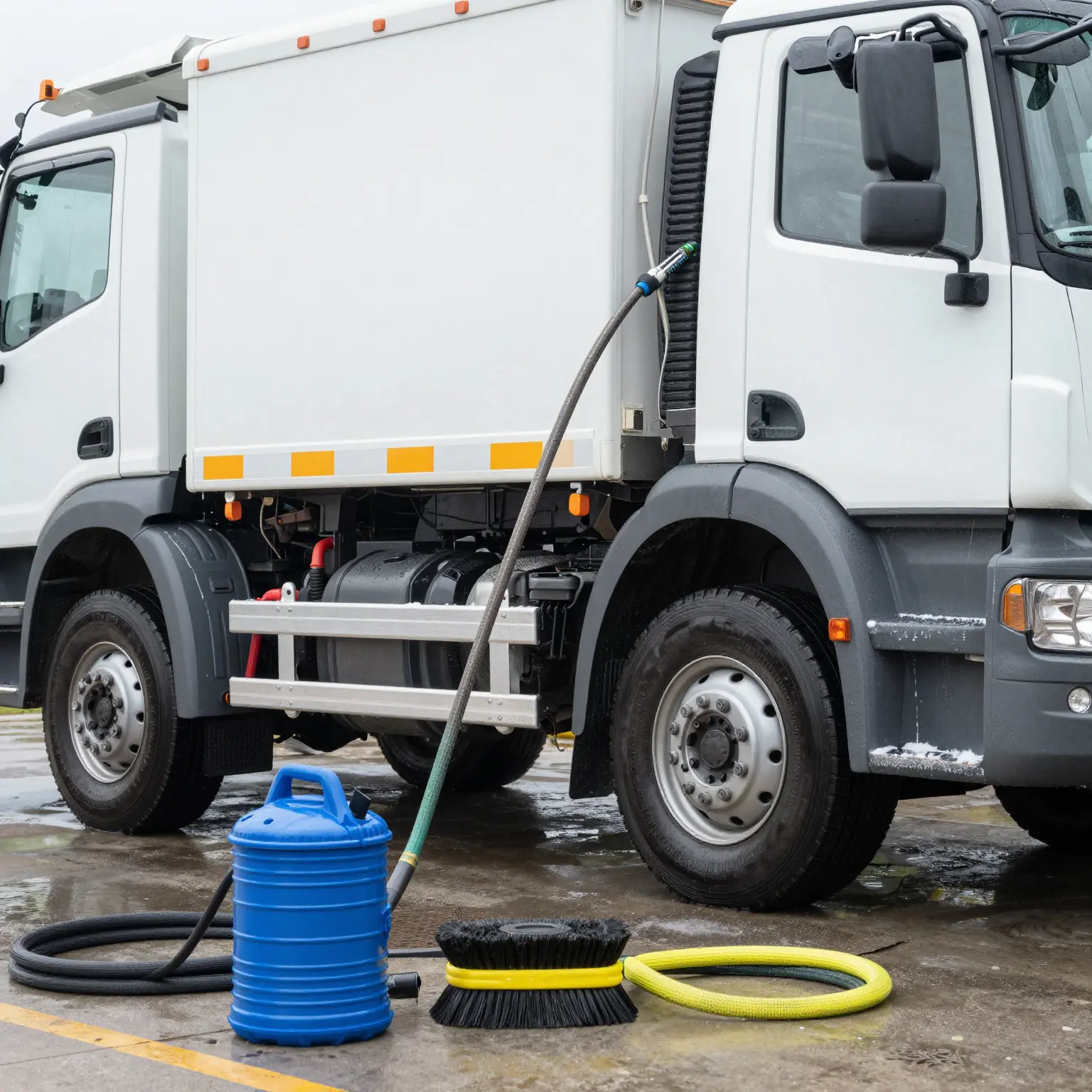
This image illustrates a truck being washed with various equipment, showcasing techniques used for an efficient wash. For detailed guidance on the importance of regular maintenance, you can learn more about the importance of regular trailer maintenance. In addition, discover proven strategies for cleaning grease and tar off your trucks fast.
The Importance of Truck Maintenance and Cleanliness
In the trucking industry, maintaining a clean and well-maintained truck is essential for safety, efficiency, and compliance with regulations. As a fleet manager wisely noted:
“A clean truck isn’t just about appearances; it’s a direct reflection of our commitment to safety and operational excellence. Regular maintenance prevents breakdowns on the road, which can lead to costly delays and potential accidents.”
- American Trucking Associations
This quote emphasizes the importance of regular maintenance and cleanliness in preventing breakdowns and ensuring safety on the road. To explore further on the topic of vehicle hygiene in trucking and its direct benefits, you may want to read about the proactive approaches recommended by experts in the field.
Additionally, investing time in maintaining your fleet’s vehicles not only contributes to operational excellence but also enhances customer satisfaction by ensuring timely deliveries and reducing unforeseen breakdowns.
To delve deeper into related topics, such as the importance of regular trailer maintenance, can further aid fleet managers in making informed decisions about their operations.
Conclusion
Washing trucks is not just about aesthetics; it’s a vital practice for fleet management that yields numerous benefits. Regular cleaning helps prevent vehicle faults by eliminating corrosive substances and dirt that can accumulate over time. By maintaining a clean fleet, managers can significantly reduce maintenance costs and extend the lifespan of their vehicles. Clean trucks can also achieve better fuel efficiency by minimizing aerodynamic drag, ultimately contributing to lower operational costs. Additionally, compliance with environmental regulations is crucial for avoiding fines and upholding your company’s reputation. Clean vehicles convey professionalism, enhancing customer perception and promoting client retention.
At Summit Fairings, we understand the importance of quality in truck maintenance services. We invite you to prioritize the cleanliness of your fleet and experience the myriad benefits firsthand. Don’t hesitate to contact us today to learn more about our truck washing solutions and how they can support your fleet management goals. Keep your trucks clean and your fleet operating efficiently!
Frequently Asked Questions About Washing Trucks
1. How often should I wash my truck?
Washing frequency generally depends on your truck’s usage and environment. Most experts recommend washing every 2 to 4 weeks to prevent dirt buildup and protect paint integrity. For trucks exposed to harsh conditions or transported through certain regions, more frequent washes may be necessary.
2. Is it safe to wash my truck in direct sunlight?
Washing in direct sunlight can lead to water spots and streaks as water quickly evaporates. It’s best to wash your truck in cooler parts of the day or in shaded areas to ensure a thorough clean without these issues. Learn more about proper washing conditions.
3. Can I use household cleaning products to wash my truck?
No, household soaps can strip wax and damage the protective coating of your truck. It’s crucial to use truck-specific cleaning products that are pH-balanced and formulated to preserve your vehicle’s finish. Explore the importance of proper truck cleaning supplies.
4. Are high-pressure washers safe for all truck surfaces?
While high-pressure washers are effective for certain areas, they can potentially damage paint and seals if not used properly. Focus on using them selectively, especially around sensitive areas like wheels and trim.
5. Does washing my truck frequently damage the paint?
On the contrary, regular washing can help prevent buildup that leads to corrosion and long-term damage. Using the correct techniques and products helps maintain paint integrity and protects your investment.
6. What is the best method for washing a truck?
The two-bucket method is highly recommended. One bucket should contain soapy water, while the other holds clean water for rinsing your wash mitt. This method prevents dirt from being reintroduced to the truck’s surface, reducing scratches and swirl marks.
7. How should I dry my truck after washing?
Using microfiber towels is optimal for drying your truck. Avoid using old towels or rags, as these can scratch the surface. Ensure that you dry thoroughly to prevent water spots, particularly in areas like the wheels and trim.