

Introduction to Tax Benefits of Truck Wash Listings
In the logistics and transportation industry, effective fleet management is vital for maximizing efficiency and profitability. Trucking company owners and fleet managers can benefit significantly by exploring the tax implications of vehicle maintenance, particularly regarding listing truck wash expenses. A dedicated truck wash service not only ensures vehicles maintain an optimal appearance but also plays an essential role in vehicle longevity and operational efficiency. By accurately categorizing and listing truck wash expenses on taxes, fleet managers can access potential tax deductions that lower overall operational costs. These tax benefits, along with the financial implications of running a clean fleet, underscore the importance of integrating truck wash services into regular fleet maintenance planning. For further insights on maintaining compliance and operational standards, explore industry regulations and regular trailer maintenance practices.
This proactive approach not only enhances vehicle performance but also contributes positively to the company’s bottom line, making understanding how to list these expenses a crucial aspect of fleet management.
Tax Deductions Relevant to Truck Washes
Managing a truck wash comes with unique financial responsibilities that may offer various tax deductions. Understanding these deductions can significantly reduce operational costs. Here’s a list of common tax deductions available to truck washes:
-
Operational Expenses:
-
Operational expenses encompass a range of costs necessary for running a truck wash. These include utilities, rent for the premises, and salaries for employees. If these expenses are directly related to the wash operations, they can be deducted to lower taxable income.
-
Maintenance Costs:
-
Regular maintenance costs, including truck washes, are deductible if the vehicles are used for business purposes. This includes costs incurred to keep the trucks clean and compliant with industry regulations. As confirmed by the IRS, maintaining vehicles in good condition can enhance safety and client impressions, further justifying these deductions.
-
Record Keeping:
-
To qualify for these deductions, it is vital for truck wash operators to maintain detailed records of all expenses. Receipts and logs substantiating the business use of the vehicles and the costs associated are essential when filing taxes. This documentation supports claims made on tax forms, particularly for self-employed individuals.
-
Depreciation:
-
Vehicles and equipment purchased for the truck wash can be depreciated over time. The IRS allows businesses to deduct the depreciation of assets, which can lower taxable income. Fleet managers should consider consulting tax professionals to optimize depreciation claims.
-
Tax Credits:
-
If any environmentally friendly practices are adopted, such as water conservation systems, truck washes might qualify for specific tax credits. These credits can reduce tax liabilities significantly. Operators should review available tax incentives with a tax professional to ensure compliance and maximum benefits.
By understanding and effectively managing these deductions, truck wash operators can significantly enhance their financial health. For more information on operational compliance and expenses, visit Truck Wash Industry Compliance.
Determining Eligibility for Truck Wash Tax Deductions
When considering whether expenses related to truck washes are tax-deductible, it’s essential to adhere to specific criteria and regulations set forth by tax authorities. The Australian Taxation Office (ATO) outlines that costs associated with washing trucks used for business are generally eligible for deduction, provided certain conditions are met.
Criteria for Eligibility
- Business Use: The truck must be utilized predominantly for business activities. A truck primarily operated for personal purposes does not qualify for deductions.
- Routine Maintenance: The expense for washing the truck should be part of regular maintenance required to maintain the vehicle’s performance and safety. Regular cleaning shows a commitment to keeping the truck in good working order, which is essential for logistics and freight operations.
- Record Keeping: It is vital to maintain proper documentation to support the claim. This includes:
- Receipts for each truck wash
- Payment records
- Logbooks documenting the business use of the truck
Relevant Tax Codes
For truck washes, costs can be categorized under “Other work-related expenses” or “Vehicle running costs” in your tax return. The ATO requires sufficient evidence linking the truck wash costs directly to the business operations of the company. You can find more details in the ATO’s guides on Work-related expenses and Deductions you can claim.
Examples
- Commercial Truck Wash: If a fleet manager schedules regular washes at a commercial facility to maintain the fleet’s aesthetic and operational condition, those costs are deductible.
- Manual Washing: Costs associated with manually washing the trucks where the operators keep logs demonstrating business usage can also be claimed as deductions.
By ensuring that these criteria are met, logistics and freight companies can effectively incorporate truck wash expenses as tax-deductible items in their financial records. This strategic approach not only enhances the fleet’s image but also supports the bottom line through potential tax savings.
Cost Comparison of Tax Services for Truck Wash Owners
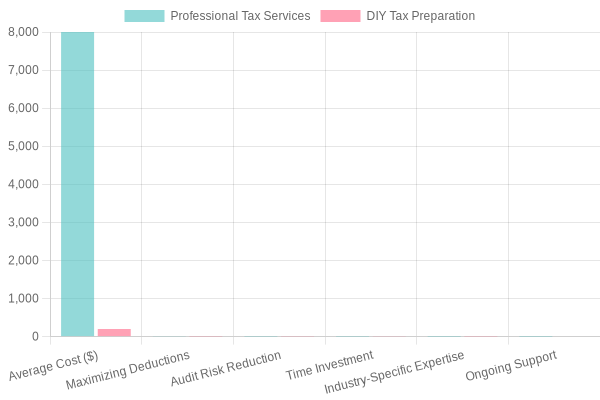
Navigating tax preparation can be quite daunting for truck wash owners, especially in understanding whether to utilize professional tax services or handle tax preparation themselves. The following table highlights the differences in costs and benefits between these two options:
| Category | Professional Tax Services (e.g., CPA, Tax Accountant) | DIY Tax Preparation (Tax Software) |
|---|---|---|
| Average Cost | $800 – $5,000 (varies by business size, complexity, and region) | $100 – $300 (one-time or annual fee for software) |
| Primary Use Case | Complex tax situations, multiple deductions, payroll taxes, multi-state operations, audit support | Simple returns, sole proprietorships with minimal expenses |
| Maximizing Deductions | High: Professionals identify industry-specific deductions (e.g., equipment depreciation, cleaning supplies, vehicle maintenance) and ensure proper documentation. | Moderate to Low: Software guides users but may miss nuanced or non-obvious deductions. |
| Audit Risk Reduction | Low: Experts ensure compliance with IRS regulations and maintain audit-ready records. | Higher: Increased risk of errors, missing documentation, or misclassification of expenses. |
| Time Investment | Low (professional handles most work; client provides data) | High (user must gather records, input data, review results) |
| Industry-Specific Expertise | Yes: Knowledge of deductible costs like water treatment systems, chemical usage, sanitation equipment, and state-specific environmental fees. | Limited: Generic templates may not reflect unique truck wash operational costs. |
| Ongoing Support & Advisory | Yes: Proactive advice on tax planning, quarterly estimates, and year-end strategies. | No: Typically limited to return filing only. |
Note: Costs are estimates based on U.S. market data as of 2026. For truck wash businesses, professional services can yield significant savings through optimized deductions and reduced audit exposure, often justifying the higher upfront costs.
For further reading on tax compliance and industry regulations, you might find this article on tax compliance helpful. Additionally, understanding the importance of regular maintenance as part of your financial strategy can be found in our post about trailer maintenance
Common Pitfalls When Listing a Truck Wash on Taxes
When fleet managers and trucking company operators list truck wash expenses on their taxes, several common mistakes can arise that may lead to audits or lost deductions. Understanding and avoiding these pitfalls is crucial for accurate tax reporting and compliance.
1. Misclassifying Expenses
One frequent mistake is incorrectly categorizing truck wash costs. Some managers classify these expenses as general administrative costs rather than operational or maintenance expenses directly tied to the fleet. Truck washes should typically be listed as a maintenance-related expense, reflecting their role in vehicle upkeep.
How to avoid: Work closely with your accountant to ensure truck wash expenses are correctly classified within your tax forms, documenting them clearly as part of vehicle maintenance.
2. Failing to Keep Detailed Records
Tax authorities require detailed records-including receipts, dates, and purpose-of truck wash services claimed as expenses. Lack of organized documentation can result in disallowed deductions during an audit.
How to avoid: Maintain meticulous records of every truck wash transaction. Use digital tools or filing systems to store receipts and link expenses to specific vehicles or fleet activities.
3. Overlooking Mixed-Use Expenses
If truck wash services are used for both personal and business vehicles, some fleet managers mistakenly deduct full costs instead of only the business-related portion.
How to avoid: Allocate the expense proportionally to business use, ensuring only the legitimate fleet-related portion is claimed.
4. Ignoring Local and Industry Compliance Regulations
Certain regions or industries may have specific rules about environmentally compliant truck washing and associated tax incentives or restrictions.
How to avoid: Stay informed on current regulations by consulting resources like the Truck Wash Industry Compliance and Emissions Regulations page, ensuring your deductions and washing practices align with legal requirements.
5. Not Separating Maintenance from Capital Improvements
Sometimes expenses related to truck wash facility improvements or large equipment purchases are improperly written off as simple expenses rather than capital investments.
How to avoid: Distinguish between routine cleaning costs and substantial capital expenditures related to your truck wash operations, and treat them according to tax rules.
By addressing these common errors, fleet managers can optimize their tax filings concerning truck wash expenses, reducing risks and maximizing legitimate deductions. Proper documentation, classification, and adherence to regulations form the cornerstone of this process.
For further best practices on fleet upkeep, refer to our article on the importance of regular trailer maintenance.
IRS Guidelines for Business Deductions on Vehicle Maintenance and Washing
Understanding the IRS guidelines related to business deductions is crucial for fleet managers, truck owners, and operators in the logistics and construction sectors. These guidelines specifically cover vehicle maintenance, including truck washes, which are vital for maintaining the professional appearance of a fleet.
Deductible Vehicle Expenses
According to the IRS, if a vehicle is used for business purposes, the costs associated with vehicle maintenance are considered deductible expenses. This includes a variety of services, such as truck washes, detailing, and waxing. The 2025 IRS Publication 463 outlines that under the actual expense method or the standard mileage rate method, maintenance costs, including washing, can be deducted from taxable income.
- Actual Expense Method: If you opt for this method, you can deduct the actual expenses incurred for maintenance, which includes washing your trucks, provided they are used for business.
- Standard Mileage Rate Method: If you choose this approach, the costs of washing and maintaining the vehicle are included in the overall rate per mile driven for business purposes. However, you cannot additionally deduct the actual costs if you select this method.
Requirements for Deductions
To qualify for these deductions, it is essential that:
- The vehicle is used for business purposes. You must maintain records that confirm the proportion of business use relative to personal use.
- You keep receipts for all expenses related to the truck washes and vehicle maintenance. These documents will support your claim in case of an audit.
Notably, the IRS stresses that expenditures must be reasonable and necessary to run a business effectively. Specifically, washing trucks not only maintains their appearance but also plays a crucial role in compliance with health and safety regulations, especially in industries dealing with food-grade transport or hazardous materials.
Professional Appearance
Regular washing of trucks helps in maintaining a positive image in front of clients and stakeholders. According to IRS guidelines, maintaining vehicles in a clean and professional condition can be crucial for business image and customer perception. Thus, expenses related to washing services can be justified as essential business expenses, ensuring vehicles operate effectively and represent the company well.
For detailed guidelines, businesses can refer to the IRS publications on travel and vehicle-related deductions. For more information and best practices regarding maintaining and washing trucks, check out the importance of regular trailer maintenance.
Conclusion
In conclusion, fleet managers and trucking operators should take advantage of these deductions as they help in managing operating costs effectively. By understanding the IRS regulations and maintaining exemplary documentation, businesses can ensure that they benefit from all allowable deductions connected to vehicle maintenance, specifically truck washing services.
Conclusion
In summary, listing a truck wash on your taxes can yield significant financial benefits for fleet managers and trucking company owners. By properly documenting truck wash expenses, including cleaning supplies, operators can take advantage of tax deductions that reduce their taxable income. This not only lowers the overall tax liability but also increases cash flow, allowing companies to allocate resources to other essential operations.
Key takeaways include:
- Deductible Expenses: The cost of truck washes and related cleaning supplies can be categorized as business expenses for tax purposes, facilitating potential savings.
- Financial Impact: For example, an annual expenditure of $2,000 on truck washes could result in savings of approximately $500 in taxes, assuming a marginal tax rate of 25%.
- Maintaining Compliance: It is imperative to keep detailed records and receipts to support claims made on tax returns. Proper documentation not only aids in audits but ensures compliance with IRS guidelines, which can be advantageous in reducing any compliance risks.
By recognizing these elements, fleet managers can optimize their financial strategies, ensuring that every aspect of their operations-from maintenance to cleanliness-is efficiently managed for both operational success and tax advantages. To dive deeper into related financial topics, consider exploring deduct truck washes as business expenses and the importance of keeping track of maintenance expenses for a more substantial tax impact.
This image visually represents the tax benefits associated with truck washes, highlighting essential expenses and potential savings. By using this illustration, owners and operators can better understand how to maximize their tax deductions effectively.
Importance of Properly Listing Business Expenses
In the world of taxes, especially for logistics and trucking companies, accurately documenting business expenses is crucial. As one tax advisor notes,
“Properly listing business expenses isn’t just about saving money; it’s about protecting your business.”
This emphasizes the role of detailed and accurate expense records in safeguarding companies during audits and proving the legitimacy of deductions. Inaccurate or incomplete listings can lead to denied deductions and potential legal issues, making meticulous record-keeping essential.
For further insights on compliance in the trucking industry, check out our article on industry compliance and emissions regulations.
Tax Deductions Impact on Truck Washing Expenses
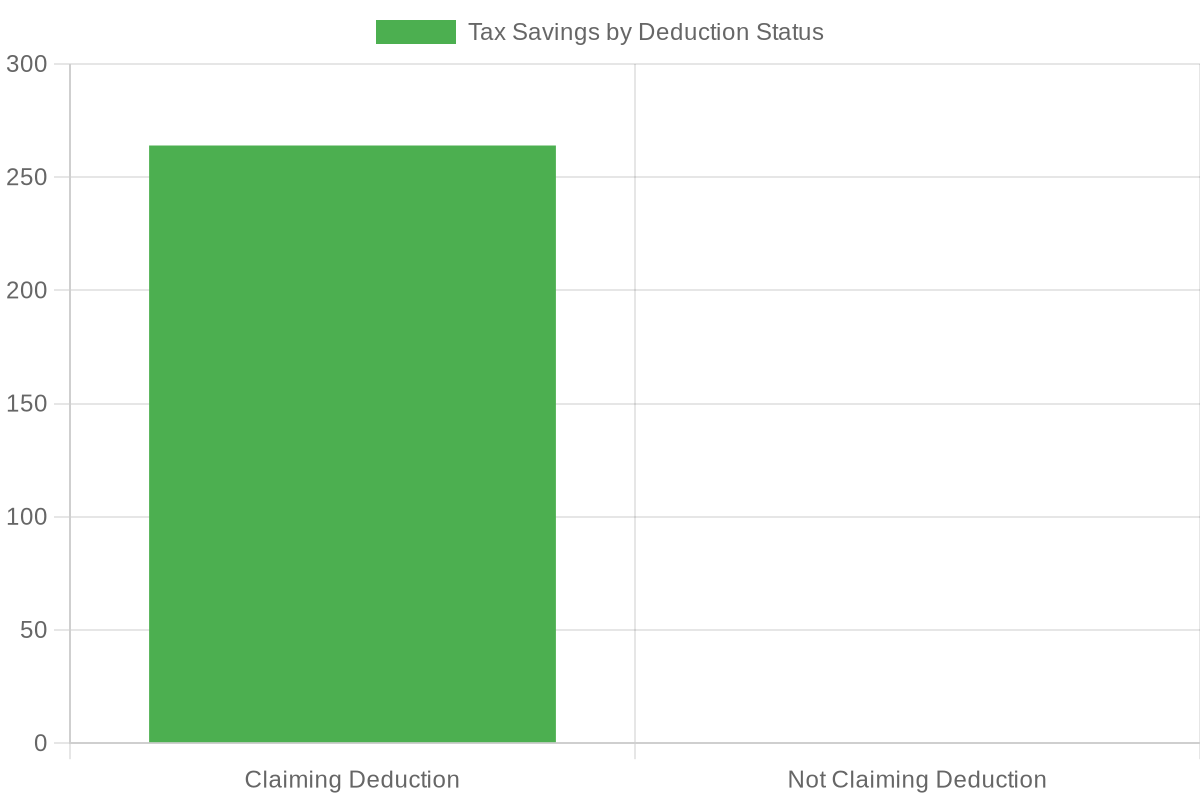
Utilizing tax deductions for truck washes can lead to substantial savings for fleet managers and trucking company operators. The following chart illustrates the financial benefits of claiming a tax deduction for truck wash expenses:
Chart: Potential Tax Savings
| Scenario | Annual Truck Wash Expense | Tax Rate | Tax Savings |
|---|---|---|---|
| Claiming Deduction | $1,200 | 22% | $264 |
| Not Claiming Deduction | $1,200 | 22% | $0 |
By claiming a deduction of $1,200 annually at a 22% tax rate, a fleet manager could save approximately $264 in taxes each year. Conversely, not claiming this deduction results in no savings, which emphasizes the importance of keeping accurate records to leverage tax benefits effectively. For more information on tax compliance, visit our page on industry regulations.
Taking advantage of these deductions is essential for managing expenses effectively in the logistics and trucking industry.