
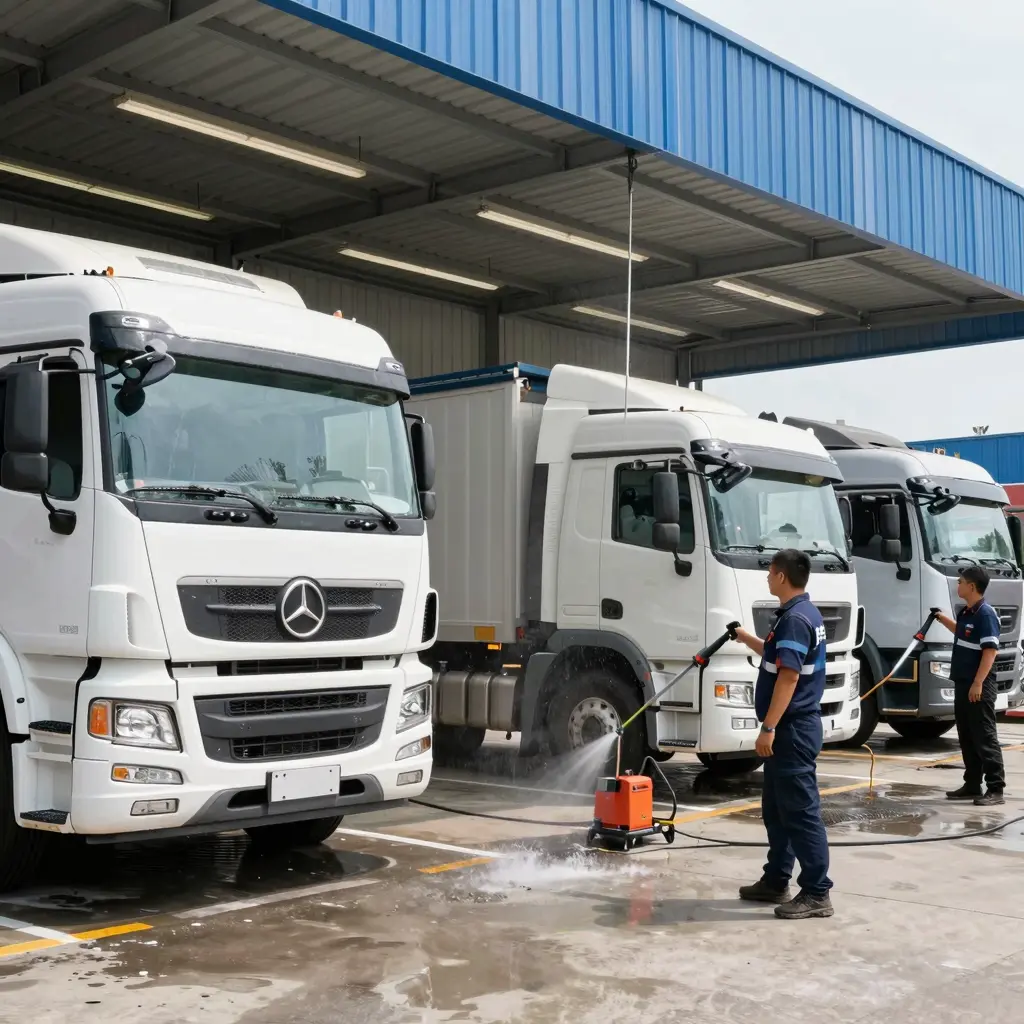
In the ever-competitive world of logistics and trucking, maintaining a clean fleet is not just an aesthetic concern; it’s a critical component of operational efficiency and image. For fleet managers and trucking company owners, a spotless truck signifies pride in their operation and adherence to industry standards. Regular washes remove dirt, grime, and harmful contaminants that can corrode equipment and hinder fuel efficiency, ultimately saving companies money in the long run. This engagement with cleanliness also fosters a positive brand image, as clients are more likely to trust companies that take their appearance seriously.
The establishment of a truck wash business presents lucrative opportunities within this context. Given the increasing demand for professional washing and maintenance services, this venture can provide a steady stream of income and cater to a broad clientele-from local businesses to large-scale fleet operators. Investing in this service not only supports fleet longevity but also promotes sustainability, particularly as regulations around emissions tighten, as discussed in current emissions regulations.
This article will explore how to run a successful truck wash business, starting from identifying the market demand and understanding regulatory requirements, all the way to effective marketing strategies designed to attract fleet managers and trucking company owners. By the end, you’ll be equipped with actionable insights and best practices to embark on your journey in the truck wash industry. Whether you’re considering starting your own truck wash business or simply seeking improved fleet management techniques, the following sections will provide clarity and guidance.
Explore the vital connection between cleanliness and performance as we delve deeper into this promising area of business opportunity.
 \nThis visual representation of a modern truck wash facility emphasizes the critical role that cleanliness plays in the logistics and freight industry. Clean vehicles not only ensure compliance with regulations but also enhance operational efficiency, thereby supporting the overall productivity of fleets. For further insights into compliance regulations, check out industry compliance regulations and to understand the importance of maintaining trailers, visit importance of regular trailer maintenance.
Running a truck wash business offers numerous advantages that can significantly enhance fleet operations, improve customer satisfaction, and create additional revenue opportunities. Below are the key benefits articulated for fleet managers and trucking company owners:
-
Improved Fleet Appearance
-
A clean truck fleet not only looks professional but also establishes a reputable image for your business. Regular washes remove dirt, grime, and contaminants that can accumulate on vehicles over time. This improvement in appearance can attract new clients and strengthen relationships with existing customers. To maximize the appearance of your fleet, regular maintenance is crucial. Learn more about the importance of regular trailer maintenance.
-
Enhanced Customer Satisfaction
-
Customers are more likely to choose businesses that present a clean and well-maintained image. A truck that appears clean is associated with reliability and professionalism, fostering trust. This can lead to higher repeat business and referrals in an industry where client recommendations are vital.
-
Vehicle Longevity
-
Consistent washing helps protect the vehicle’s paint and structure from long-term damage caused by corrosive substances like road salt, mud, and environmental contaminants. By investing in regular cleaning, businesses can prolong the life of their trucks, decreasing the frequency and cost of replacements.
-
Potential Revenue Streams
-
A truck wash business can expand into offering additional services such as detailing, waxing, and maintenance inspections. These supplementary services can generate additional income, making the business more sustainable. The growth in demand for eco-friendly and sustainable cleaning options also opens up avenues for specialized services catering to environmentally conscious clients.
-
Compliance and Regulation Adherence
-
Maintaining cleanliness in trucks is not just aesthetic; it relates to compliance with various safety and environmental regulations in the logistics industry. Clean vehicles are crucial for passing inspections and meeting regulatory requirements, ultimately avoiding potential fines and ensuring operational continuity. By staying compliant, you ensure a smooth operation for your trucking business.
Investing in a truck wash business not only benefits the fleet’s operational efficiency but also enhances overall customer perception and satisfaction. These benefits can lead to improved business reputation and sustained profitability in a competitive market.
Running a successful truck wash business demands a meticulous approach to operational requirements encompassing equipment, space, and staffing. Fleet managers and trucking company owners must be aware of these essentials to ensure that their business operates efficiently and remains compliant with industry standards.
Equipment Requirements
-
Pressure Washers: Central to the cleaning process, high-pressure washers help remove dirt and grime from truck exteriors swiftly. Investing in industrial-grade models ensures durability and performance.
-
Vacuum Cleaners: Heavy-duty vacuum systems are necessary for the effective cleaning of truck interiors, addressing carpets and upholstery to maintain a professional appearance.
-
Water Reclamation Systems: These systems play a crucial role in environmental compliance, allowing for the collection and recycling of wash water. This not only reduces water consumption but also minimizes waste.
-
Foam Cannons and Brushes: The use of foam cannons to apply soap provides thorough coverage, while soft brushes ensure a safe scrubbing process that protects the vehicle’s paint.
-
Drying Equipment: Blowers or microfiber drying towels are essential for quickly drying vehicles post-wash, preventing water spots and enhancing overall clean quality.
-
Chemical Cleaners: Various detergents and cleaning agents optimize the washing process. Choosing non-toxic, environmentally friendly chemicals can also appeal to eco-conscious clients.
-
Washing Bays: A well-designed facility with appropriate drainage is necessary to facilitate the washing process while conforming to industry regulations.
-
Safety Equipment: Providing goggles, gloves, and other personal protective equipment for workers is not merely a cautionary measure but also a legal requirement in many jurisdictions.
Space Requirements
A functional truck wash facility needs ample space not only for washing areas but also for vehicle maneuvering and parking. Facilities should ideally include:
- Multiple Washing Bays: To handle more trucks simultaneously, reducing wait times for fleet managers.
- Service Areas: Space for detailing, maintenance, and repairs encourages comprehensive vehicle care offerings.
- Customer Service Areas: Dedicated spaces for customer interaction and administrative functions can enhance client relationships.
Staffing Requirements
Proper staffing is vital to the operational success of a truck wash business. Common roles include:
- Wash Attendants: Trained personnel responsible for executing cleaning processes while ensuring quality control.
- Supervisors/Managers: Individuals who oversee operations, manage staff, and ensure compliance with safety and environmental regulations.
- Sales and Customer Service Representatives: Staff focused on managing client relationships, bookings, and inquiries, contributing to business growth.
Compliance Considerations
Fleet managers should also be aware of the legalities and regulations surrounding truck wash operations. Compliance with environmental standards, including waste disposal regulations and water usage limits, is critical. Fleet operators can learn more about compliance regulations to navigate these complexities effectively.
In conclusion, establishing a successful truck wash business requires a strategic combination of resources, effective staffing, and compliance with operational standards to cater to the needs of fleet managers and trucking operations efficiently.
Truck Wash Equipment Comparison Table
| Type of Equipment | Specifications | Costs | Pros | Cons |
|---|---|---|---|---|
| Manual Truck Wash Systems | – Labor-intensive – Variable cleaning potential |
Low initial investment | – Flexibility & control – Thorough cleaning |
– Higher operational costs – Time-consuming |
| Automatic Truck Wash Systems | – Machine-driven – Standardized process |
High initial cost | – Speed & efficiency – Consistent quality |
– Wear on trucks – Limited to machine design |
| Pressure Washers | – High-pressure spraying – Portable options |
Moderate cost | – Versatile – Can tackle tough grime |
– Requires skilled operators – Time-intensive |
| Water Reclamation Systems | – Filters & recycles water | Moderate to high cost | – Eco-friendly – Reduces water costs |
– Installation complexity – Maintenance needed |
This table outlines various equipment options, including their specifications, costs, and pros/cons. Fleet managers can utilize this information to assess the best options for their specific needs. For further insights on compliance in the truck wash industry, you may learn more here.
Effective Marketing Strategies for a Truck Wash Business
Marketing a truck wash business effectively requires a strategic approach that appeals specifically to logistics and freight companies, emphasizing solutions that meet their needs for cleanliness and compliance. Below are some marketing strategies focusing on social media marketing, local advertising, and customer referrals.
Social Media Marketing
Social media platforms can be powerful tools for attracting trucking company owners and fleet managers. Here are key strategies to implement:
- Targeted Advertising: Use platforms like Facebook and LinkedIn to create targeted ads specifically for logistics and trucking company owners. Utilize demographic targeting to reach fleet managers and decision-makers.
- Engaging Content: Share content that addresses the pain points of trucking companies, such as the benefits of regular truck washing and maintenance. Including before-and-after photos of cleaned trucks can serve as visual proof of your service’s effectiveness.
- Customer Testimonials: Share stories and testimonials from satisfied clients. This not only builds credibility but also fosters community engagement.
- Regular Updates: Keep your audience informed with regular updates about your services, promotions, and any new technology you may be incorporating into your washing process.
Implementing these tactics can help you effectively connect with trucking company owners. For more insights on maintaining truck compliance, consider learning more about industry compliance and emissions regulations.
Local Advertising
Local advertising remains an effective way to reach trucking companies that operate nearby. Consider the following strategies:
- Print Advertising: Create flyers and brochures highlighting your services and distribute them in local trucking offices, logistics centers, and via mail to businesses that operate large fleets.
- Community Events: Sponsor or participate in local trucking industry events and fairs. This offers a chance to network directly with trucking company owners and managers, allowing personal connections to form that can lead to repeat business.
- Strategic Partnerships: Form partnerships with local truck dealerships, repair shops, or logistics firms. They can refer your services to their clients, increasing your visibility within the industry.
- Local SEO: Optimize your website for local search terms such as “truck wash near me” or “best truck wash for logistics companies.” Additionally, consider listing your business on platforms like Google My Business to make it easier for potential clients to find you online.
Using effective local advertising techniques can significantly enhance your visibility among local trucking companies. To understand the importance of regular vehicle maintenance, visit this resource on trailer maintenance.
Customer Referrals
Creating a referral program can leverage your existing customer base to attract new clients. Here’s how to design an effective referral strategy:
- Incentives for Referrals: Offer discounts or free services to existing customers who refer new clients. This not only rewards loyalty but also encourages your current customers to actively promote your business.
- Engagement on Social Media: Encourage customers to share their experiences on social media. A simple mechanism for them to tag your wash center in their posts can enhance visibility and attract new business.
- Follow-Up: Regularly follow up with previous clients to solicit feedback and remind them of your services. This can lead to repeat business and increases the likelihood of referrals.
Word of mouth can be a powerful tool in the trucking industry, where trust and reliability are everything.
By integrating these marketing strategies into your business model, you can effectively attract logistics and freight companies to your truck wash. This targeted approach not only enhances your market visibility but also solidifies long-term relationships with clients, fostering loyalty and repeat business.
Benefits of Truck Washing
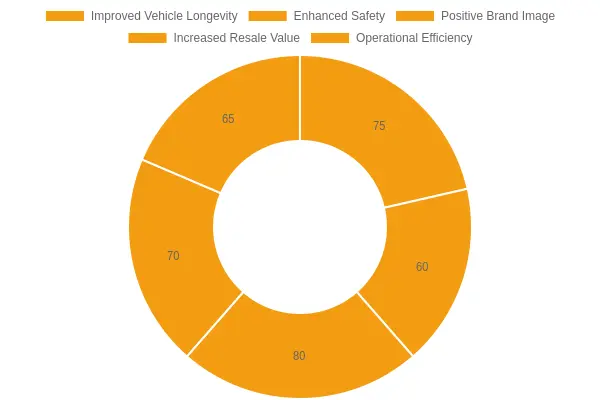
Truck washing is essential for various reasons, including extending the life of vehicles, enhancing safety, and improving company image. Here’s a chart that illustrates some key benefits with associated percentages:
| Benefit | Percentage |
|---|---|
| Improved Vehicle Longevity | 75% |
| Enhanced Safety | 60% |
| Positive Brand Image | 80% |
| Increased Resale Value | 70% |
| Operational Efficiency | 65% |
For comprehensive insights into industry compliance and maintenance, learn more about truck wash industry compliance and the importance of regular trailer maintenance.
Case Study: Titan Truck Wash – A Success Story in the Truck Wash Industry
In the competitive world of logistics and transport, maintaining cleanliness and compliance is critical for fleet operators. Titan Truck Wash has emerged as a leader in the truck wash industry by implementing strategic practices, overcoming significant challenges, and achieving enviable outcomes. This case study highlights Titan’s journey and offers valuable insights for trucking company owners, fleet managers, and supervisors in the construction and mining sectors.
Background
Founded in 2015 by seasoned truck industry veterans, Titan Truck Wash is located near major highway interchanges that cater to both local trucking companies and long-haul fleets. Their mission is to provide exceptional cleaning services for large vehicles while ensuring compliance with increasing environmental regulations. Titan focuses on using eco-friendly chemicals and state-of-the-art equipment to enhance efficiency and effectiveness in their wash processes.
Strategies Implemented
-
Adopting Technology: Titan invested in automated wash systems that use advanced robotics and high-pressure washing technology. This investment reduced wash time significantly and increased throughput, allowing them to serve more customers in less time.
-
Eco-friendly Practices: Understanding the environmental impact, Titan adopted water recycling systems, effectively reducing water waste by 70%. They also sourced biodegradable detergents to appeal to environmentally-conscious fleet managers.
-
Customer-Centric Services: Titan introduced a membership program offering discounts for frequent users, building a loyal customer base. They also implemented feedback systems to capture customer experiences, enabling continuous improvement based on direct inputs.
-
Training & Development: The company invested in comprehensive training programs for employees, focusing on both technical skills and customer service. This training has resulted in higher employee satisfaction and reduced turnover, essential for maintaining service quality.
Challenges Faced
-
Initial Capital Investment: Securing funding for high-tech equipment posed a significant hurdle in the beginning. Titan overcame this challenge by preparing a detailed business plan highlighting expected returns and cost savings, which appealed to investors and bank loan officers.
-
Competition: The truck wash industry is competitive. Titan tackled this by differentiating their services with quality, speed, and environmental consciousness, which appealed to modern fleet operators seeking to uphold their brand image.
-
Regulatory Compliance: Keeping up with changing environmental regulations was a daunting task. Titan tackled this through regular training and consultation with environmental experts, ensuring their practices always comply with local laws. For further insights on compliance, learn more about emission regulations.
Outcomes Achieved
-
Increased Revenue: Within two years of implementing these strategies, Titan Truck Wash experienced a revenue growth of 120%. The membership program contributed significantly, attracting over 5,000 fleet managers who appreciated the value of regular cleaning services.
-
Customer Satisfaction: Customer satisfaction ratings have skyrocketed to 95%, primarily due to the streamlined service process and commitment to quality. Fleet managers reported improvements in their fleet’s appearance and performance, as cleanliness directly influences maintenance costs and resale values.
-
Industry Recognition: Titan earned several local business awards, which enhanced their brand visibility in the market. Their eco-friendly approach, in particular, has received accolades, positioning them as a model for sustainable operations in the truck wash sector.
-
Long-term Partnerships: Titan’s eco-friendly practices and quality service have led to partnerships with multiple logistics companies that prioritize sustainability. This has opened doors to collaborating on joint promotions and initiatives that further boost visibility and attract new customers.
Conclusion
The Titan Truck Wash story illustrates the potential for success in the truck wash industry through strategic planning, addressing challenges head-on, and fostering customer relationships. For trucking company owners and fleet managers seeking to elevate their operations, adopting similar approaches could yield substantial benefits. Additionally, those interested in regular maintenance for fleets can find more on the importance of regular trailer maintenance.
Understanding the challenges and strategies that Titan Truck Wash has employed provides a roadmap for others in the industry. Those willing to invest in technology, embrace environmental practices, and prioritize customer needs are sure to stand out in this competitive field.
“Maintaining a clean fleet is not just about aesthetics; it’s a crucial element of operational efficiency. A clean vehicle enhances the company’s image and can lead to increased customer trust. Furthermore, the maintenance of cleanliness significantly reduces the risks of mechanical failures, which can otherwise lead to costly downtimes and diminished productivity.” – Industry Expert
Conclusion
In conclusion, venturing into the truck wash business presents numerous advantageous prospects for logistics and freight company fleet managers, trucking company owners and operators, as well as construction and mining fleet supervisors. The demand for cleanliness and maintenance is perpetual in the transportation sector, making truck washing not just a necessity but also a great business opportunity.
Key Benefits:
- Enhanced Fleet Maintenance: Regular truck washes contribute to prolonged asset life. As highlighted in our article, attentively managed fleets often sidestep unexpected costs arising from neglect.
- Compliance with Regulations: Adhering to emissions regulations is crucial for maintaining operational legitimacy-which a well-run truck wash can support seamlessly.
- Customer Satisfaction: A clean truck reflects professionalism, boosting your company’s reputation and ensuring client satisfaction. Keeping your fleet in top shape is affordable when you consider the potential for enhanced relations and customer retention.
- Cost-Effective Solutions: Through consistent services, a truck wash can effectively reduce maintenance costs related to corrosion and mechanical failure, ultimately leading to significant savings for fleet owners.
- Growth Opportunity: The truck wash industry is continuously evolving, with cutting-edge technologies transforming the landscape. By investing in the latest washing equipment and techniques, you can stand out from competitors.
Take Action
With all these factors in mind, if you’re considering entering the truck wash business or enhancing existing operations, now is the time to act. Begin researching locations, understanding compliance requirements, and investing in the right technology. To further explore best practices and strategies for optimizing your fleet’s cleanliness, learn more about regular trailer maintenance.
The potential for growth and customer satisfaction within the truck wash business is immense. By prioritizing cleanliness and maintaining high service standards, you can forge a unique position in the logistics and transport sector. Don’t miss out on this opportunity!
Start your journey towards establishing a successful truck wash business today!