
Introduction
For fleet managers and trucking company owners, maintaining the cleanliness and integrity of their trucks is paramount. Post-wash drying is not just a simple task; it’s a critical aspect of fleet maintenance that can have far-reaching implications. When you think about how to dry my truck, it’s essential to understand that proper drying techniques don’t merely enhance appearances-they prevent water spots, corrosion, and other damage that can arise from excess moisture left on the vehicles. Truck washing plays a pivotal role in preserving the longevity of a fleet, yet the drying process is often overlooked. Fleet managers must employ effective drying methods to ensure that their trucks remain in optimal condition and meet industry compliance standards. Failing to do so could lead to increased repair costs and operational inefficiencies. By investing time and resources into proper drying solutions, trucking professionals can protect their assets and improve their bottom line. Learn more about industry compliance and regulations and discover how thorough fleet maintenance creates a more efficient and responsible trucking operation.
Effective Drying Methods for Trucks After Washing
Proper drying of trucks post-wash is crucial for maintaining their condition and preventing water spots or paint damage. Here are various methods you can utilize to ensure your fleet remains in pristine condition:
- Microfiber Towels: Soft and absorbent, microfiber towels are ideal for drying to prevent scratches while effectively removing water from the surface. Ensure that they are clean and free of debris.
- Chamois Cloths: A traditional drying tool, chamois cloths are highly absorbent and can soak up a significant amount of water quickly. They provide a smooth finish when used correctly.
- Air Drying: Allowing the truck to air dry can be effective, especially in a controlled environment. It minimizes the risk of scratches but may result in water spots if used alone.
- Squeegee Drying: Using a squeegee can accelerate the drying process, especially on flat surfaces. Ensure the squeegee is clean to avoid leaving streaks.
- Blower Drying: Utilizing a high-powered blower can remove excess water from hard-to-reach areas and prevent water from pooling. This is especially useful for intricate truck designs.
- Detailing Spray: After initial drying, applying a detailing spray can help create a protective layer while enhancing shine and preventing water spots.
- Professional Drying Systems: Consider investing in advanced drying systems which provide quick, efficient drying while ensuring no surface damage occurs.
Each of these methods has strengths that align with the operational needs of logistics and fleet managers. Choosing the right one will contribute to the longevity and aesthetic of your trucks. For more information on maintenance, learn about the importance of regular trailer maintenance here.
Employing proper drying techniques ensures your fleet looks its best and operates efficiently. For more insights on vehicle care, check out this article on the importance of drying your vehicle.
Benefits of Properly Drying Trucks After Washing
Properly drying trucks after washing is a critical step in fleet maintenance that offers numerous benefits, especially for managers overseeing logistics and freight operations. Here are some of the key advantages:
Prevents Water Spots and Damage
When water is allowed to air dry on truck surfaces, it can lead to the formation of water spots. These spots are primarily caused by mineral deposits left behind as the water evaporates. Using an appropriate drying method-such as microfiber towels or air blowers-effectively eliminates water droplets, thus preventing these unsightly marks. This practice not only maintains the aesthetic appeal of the vehicles but also protects the paint from potential damage. A well-maintained paint job enhances the vehicle’s appearance and can prolong the life of the vehicle’s exterior, saving costs on repainting and repairs in the long term.
Enhances Paint Quality
Regular maintenance, including thorough drying, safeguards the quality of the paint. Quality wax or sealant can be applied post-wash to provide additional protection against environmental elements such as UV rays, contaminants, and pollutants. Maintaining high-quality paint prevents costly repairs and helps keep vehicles in optimal condition- a vital aspect of maintaining a professional fleet image.
Cost-Effectiveness in Fleet Management
For fleet managers, the benefits of proper drying directly relate to cost savings. By extending the life of the truck’s exterior, the need for premature paint jobs or repairs is reduced. According to a study on fleet management cost analysis, optimizing maintenance practices can lead to significant savings in operational costs. Moreover, maintaining the truck’s visual appeal can potentially lead to increased resale value-an important consideration for logistics and freight companies working to maximize their investment.
In summary, proper drying techniques are not merely an aesthetic concern; they play a crucial role in the overall maintenance and cost-effectiveness of fleet operations. By ensuring that trucks are effectively dried and protected, fleet managers can reduce maintenance costs, enhance durability, and maintain an attractive fleet. Utilizing regular washing along with proper drying has ongoing benefits that support the long-term health and success of any fleet.
| Tool Type | Features | Benefits | Price Range |
|---|---|---|---|
| Air Drying Blower | High-velocity air drying, portable, efficient | Dries trucks quickly, prevents water spots | $150 – $300 |
| Microfiber Towels | Soft, absorbent, machine washable | Scratch-free drying, reusable | $10 – $30 |
| Water Blade | Flexible silicone edge, quick drying | Removes water with minimal drying time | $15 – $25 |
| Chamois Leather | Natural and synthetic options, very absorbent | Excellent for drying without streaks | $10 – $40 |
| Absorber Cloth | Synthetic, highly absorbent fabric | Dries large areas quickly, lightweight | $15 – $25 |
Summary for Fleet Managers
Fleet managers should consider investing in high-velocity air blowers and microfiber towels to achieve optimal drying results with minimal risk of paint damage. The choice of drying tool will also depend on specific fleet needs and budget constraints.
For insights about regular trailer maintenance and enhancing operational efficiency, these drying tools should serve as key components of your fleet maintenance strategy.
Choosing the Right Drying Equipment for Your Truck Fleet
Selecting the appropriate drying equipment for trucks is essential for maintaining the vehicles’ performance and appearance, particularly for fleet managers and trucking operators. The choice of drying tools varies significantly based on the type of truck and the surface materials involved. Here’s how you can make informed decisions:
Understand Truck Types and Surface Material
- Vehicle Type: The design and construction of the truck significantly affect which drying equipment will be most effective. For instance, larger trucks such as semi-trailers may require more powerful air movers compared to smaller delivery trucks.
- Surface Materials: Different materials respond uniquely to drying techniques. Aluminum surfaces, commonly found on many trucks, may require a different approach than painted surfaces. The use of specialized drying cloths may minimize scratches and ensure that surfaces are dried properly without streaks.
Efficient Drying Techniques
- High-Capacity Air Movers: These are crucial for broad surface evaporation. They work best on larger areas and help speed up the drying process. Air movers are equipped with powerful fans that create a high-velocity airflow to effectively remove moisture from large surfaces.
- Dehumidifiers: These devices are essential for environments where humidity might prolong drying times. They are especially useful in humid climates and can help prevent water-related damage. For more specific scenarios, such as moisture within the truck cargo area, utilizing dehumidifiers can significantly improve drying efficiency.
- Microfiber Towels: For traditional drying methods, high-quality microfiber towels can absorb significantly more water than standard towels. They are non-abrasive and help prevent surface scratches, ensuring that the truck’s finish remains unmarred.
Equipment Compatibility
It is vital to match the equipment to the job requirements. Consideration of both the size of the truck and the drying conditions is key. For example, during warmer months, quicker drying methods may suffice, while in colder weather or in conditions with less airflow, dehumidifiers could enhance results.
Final Recommendations
Fleet managers should prioritize equipment that is adaptable and suitable for varying weather conditions and truck types. Investing in a combination of high-capacity air movers, dehumidifiers, and quality drying towels will facilitate efficient drying techniques, ultimately leading to a well-maintained fleet. For more insights, learn more about regular trailer maintenance. Additionally, understanding how to maintain your truck wash facility effectively can contribute to the fleet’s overall upkeep. For detailed strategies, check out these best practices for cleaning your trucks.
User Reviews and Satisfaction Ratings of Truck Drying Products
When it comes to drying trucks after a wash, several products have garnered noteworthy attention among fleet managers and truck operators alike. Here, we summarize user reviews, offering insights into various drying products that have proven effective in the industry.
User Experience Summaries
- Premium 1500GSM Twist Loop Truck Drying Towel
- Source: Shine Supply
- Satisfaction Rate: 80%
- Summary: This towel is designed specifically for powerful drying, making it suitable for commercial trucks and boats. Users praise its exceptional absorption capacity, which enhances the drying experience.
- Ultra Absorbent Microfiber Towel
- Source: Amazon
- Satisfaction Rate: 85%
- Summary: This product is highlighted for its rapid drying capabilities. Customers commend its ultra-absorbent qualities and lint-free drying, making it a preferred choice for a variety of vehicles.
- Tilo Pro Car Detailer Premium Microfiber Towel
- Source: Tilo the Ultimate
- Satisfaction Rate: 75%
- Summary: Known for providing a streak-free finish, users recommend this towel for ensuring that vehicles are dried without leaving water spots, contributing to a polished appearance.
User Engagement and Satisfaction Rates Chart
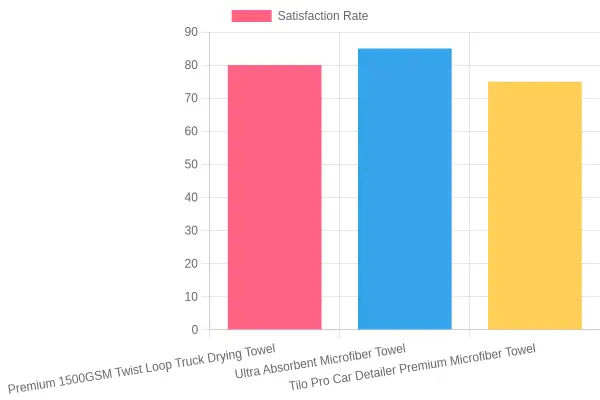
Below is a visual representation of satisfaction rates for popular truck drying products:
| Product Name | Satisfaction Rate |
|---|---|
| Premium 1500GSM Twist Loop Truck Drying Towel | 80% |
| Ultra Absorbent Microfiber Towel | 85% |
| Tilo Pro Car Detailer Premium Microfiber Towel | 75% |
Conclusion
Using effective truck drying products can significantly enhance the post-wash process for fleet managers. High customer satisfaction ratings for these products suggest they not only meet but often exceed user expectations, ensuring that vehicles maintain a polished look without water spots or lint residue. For optimal results, investing in reliable drying towels or techniques, such as those shared by forum users like F150 Ecoboost Forum, can make a substantial difference in fleet maintenance routines.
Article Section: What to Use to Dry My Truck After Washing It
When it comes to ensuring that your truck looks pristine post-wash, drying is vital. Using the right tools not only enhances the appearance of your vehicle but also plays a crucial role in maintaining its long-term condition. Here are some effective methods to dry your truck after washing:
Recommended Drying Methods:
- Microfiber Towels: These are highly absorbent and gentle on surfaces, helping to prevent scratches while ensuring a streak-free finish.
- Chamois Cloths: These traditional drying tools are effective for absorbing water and can be used multiple times with proper care.
- Blower Dryers: These devices blow air to remove water from hard-to-reach places, significantly reducing the risk of water spots.
- Squeegees: Ideal for larger surfaces, these are great for removing excess water quickly.
Incorporating a drying agent can also enhance the drying process. Vehicle drying agents help minimize water spots and contribute to the vehicle’s overall finish.
“Drying vehicles after washing is essential to prevent water spots and streaks that can damage the paint over time. This process ensures that fleet vehicles maintain their appearance and value, essential for any fleet management strategy.” – Mid South Pressure Wash
By adopting effective drying practices, fleet managers can preserve the aesthetics and functionality of their trucks, ultimately enhancing their operational efficiency. Learn more about the importance of regular trailer maintenance.
Additional Maintenance Tips After Drying
Once your truck has been thoroughly washed and dried, the next critical steps involve waxing and detailing to ensure your fleet remains in optimal condition. Regular maintenance practices not only enhance vehicle aesthetics but also significantly contribute to longevity and performance.
Waxing Your Truck
- Purpose: Waxing creates a protective barrier between the paint and environmental contaminants. This helps to prevent rust and corrosion, particularly in areas exposed to harsh weather conditions.
- Frequency: It is recommended to wax your truck every three to six months, depending on exposure to the elements. Regular waxing preserves the paint’s luster and minimizes damage from UV rays.
- Application: Choose a high-quality automotive wax and apply it evenly using foam applicators. Follow up with a soft microfiber cloth to buff the surface, ensuring a smooth and shiny finish.
Detailing Your Truck
- Benefits: Regular detailing keeps vehicles looking new and helps maintain a consistent brand image for your fleet. According to Shiny Trucks, a well-maintained exterior reduces corrosion and ensures the vehicle’s lifespan is maximized.
- Interior Care: Don’t forget the interior; vacuuming, steam cleaning, and conditioning surfaces can make a significant difference in how the overall vehicle feels and smells.
- Detailed Inspection: While detailing, use this time to inspect for any scratches or dents. Addressing minor issues early can prevent more costly repairs down the line.
Conclusion
Implementing these additional truck maintenance practices such as waxing and detailing not only enhances vehicle appeal but also safeguards against the elements, thus prolonging the life of your fleet. For insights into maintaining a reliable truck fleet, consider exploring the importance of regular trailer maintenance. Staying proactive about truck care is essential for operational efficiency and cost management.
In conclusion, maintaining the cleanliness and appearance of your truck fleet is not only essential for aesthetics but plays a crucial role in prolonging vehicle life. As discussed, drying your truck after washing is vital for preventing rust and corrosion, thus ensuring optimal performance and longevity. Making it a standard practice will reduce maintenance costs over time and uphold your company’s professional image.
Moreover, regular maintenance of your fleet is indispensable. It ensures vehicles operate efficiently, comply with industry regulations, and contribute to overall safety on the road. Proper maintenance activities, including regular cleaning and drying, help in maintaining compliance with emissions regulations and can be viewed as a proactive approach to managing your fleet’s health. To dive deeper into the importance of truck maintenance, check out our guide on the importance of regular trailer maintenance.
To ensure your fleet looks its best and operates efficiently, consider exploring custom-fit fairings at Summit Fairings. Custom fairings can improve aerodynamics, enhance fuel efficiency, and provide a sleek aesthetic that reflects your company’s promise of quality and professionalism. Learn more about Summit Fairings and take your fleet to the next level today!