
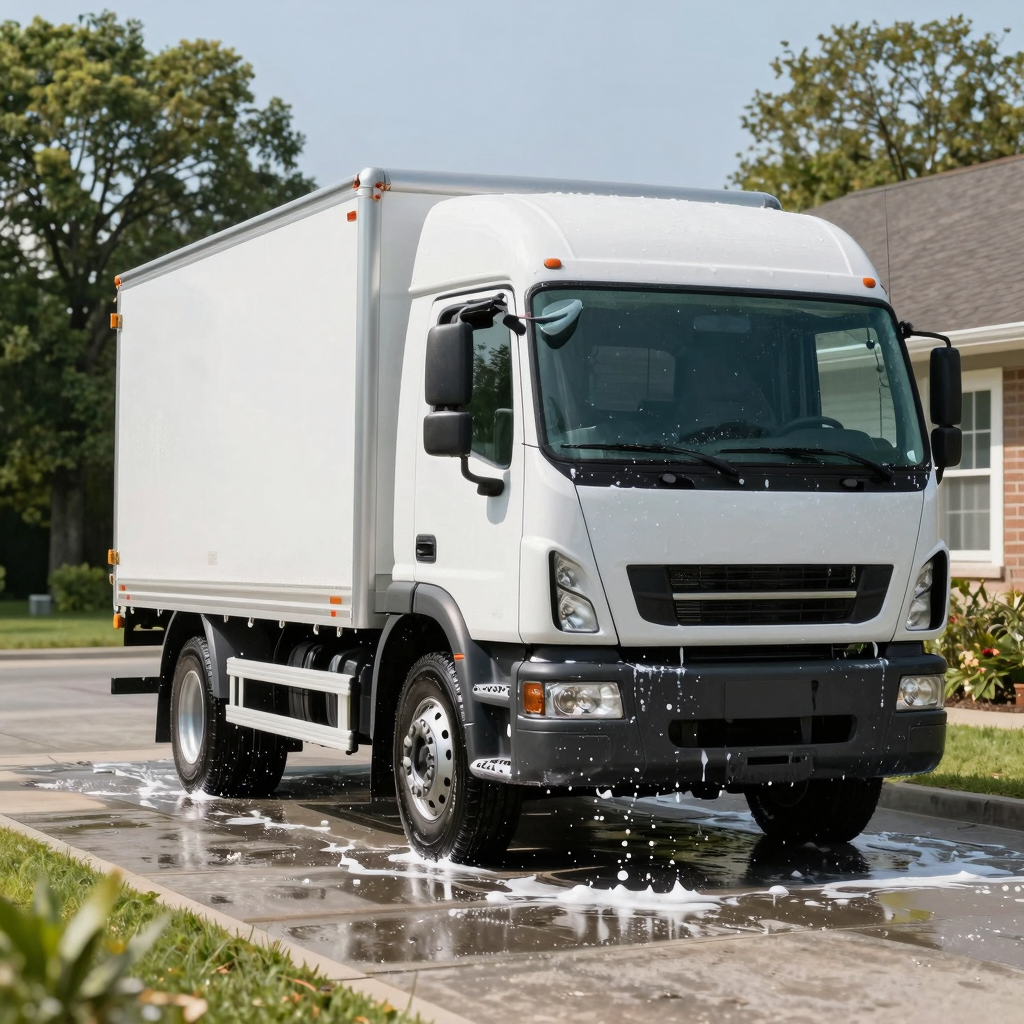
In the competitive landscape of logistics and freight, keeping trucks clean is not merely about aesthetics; it profoundly influences fleet maintenance and the overall company image. Regular washing is vital for extending the lifespan of vehicles, reducing the likelihood of costly repairs, and ensuring compliance with industry standards. When managing a fleet, understanding how to wash a truck at home is an invaluable skill for owners and operators. A clean truck not only conveys professionalism but also fosters trust and confidence among clients. Consequently, the practice also enhances driver safety by improving visibility. Additionally, a meticulous washing routine can mitigate the accumulation of grime and corrosion, ultimately securing your investment. For more insights on maintaining fleet integrity, learn more about the importance of regular trailer maintenance and why compliance is key in the truck wash industry.
Essential Materials and Equipment for Washing a Truck
Washing a truck effectively requires specific materials and equipment to ensure safety and optimal cleaning results. Here is a comprehensive list of necessary items:
-
High-Quality Soap: Use a durable, truck-specific soap that is designed to remove grease and grime without damaging the paint or surfaces. Look for biodegradable options to minimize environmental impact.
-
Brushes: Soft-bristle brushes are ideal for scrubbing off dirt without scratching surfaces. Having different sizes can help you access tight spots.
-
Pressure Washer: A pressure washer is critical for efficiently removing tough dirt and grime from trucks. Make sure to use a nozzle appropriate for vehicles to avoid potential damage.
-
Hoses: A high-pressure hose will facilitate rinsing off soap and residues. Ensure the hose is durable, flexible, and suitable for vehicle washing.
-
Microfiber Towels: For drying and detailing after the wash, microfiber towels are essential as they are gentle on surfaces and highly absorbent.
-
Protective Gear: Always wear gloves, goggles, and appropriate clothing to protect yourself from chemicals and grime.
-
Chemical Delivery Systems: If managing a fleet, consider a professional chemical delivery system for convenience and efficiency.
Using the right products and techniques is crucial to avoid damaging the truck’s finish and maintaining your fleet’s appearance. Learn more about the importance of regular trailer maintenance. For further insights on maintaining truck aesthetics, check out this guide on best practices for cleaning food-grade tankers.
How to Wash a Truck at Home: A Step-by-Step Guide
Washing a truck at home can save money and ensure your vehicle always looks in top condition. Here’s a systematic guide on how to wash your truck efficiently.
Pre-Wash Preparations
- Gather Supplies: You’ll need a bucket, hose, truck wash soap (preferably biodegradable), wheels cleaner, microfiber cloths, and sponges. Investing in a wheel brush can also be beneficial.
- Choose a Location: Select a shaded area to prevent soap from drying too fast, which can leave spots.
- Prepare Your Truck: Remove any personal items, and if possible, rinse the truck to remove loose dirt.
Step-by-Step Washing Process
- Wash Wheels First: Start with the wheels using a dedicated cleaner, and brush to eliminate brake dust and grime. Rinse thoroughly.
- Apply Soap: Mix truck wash soap with water in the bucket. Start from the top and work your way down using a sponge. This avoids dragging dirt toward cleaned areas.
- Focus on Sections: Wash the truck in sections (roof, hood, sides, etc.), rinsing each section before moving to the next to prevent soap from drying on the surface.
- Interior Cleaning: Once the exterior is clean, vacuum the inside and wipe surfaces with a suitable cleaner. Don’t forget the windows!
Final Touches
- Rinse Completely: Ensure all soap is washed off thoroughly to avoid residue.
- Drying: Use a microfiber drying towel to prevent water spots.
- Protection: Consider applying wax or sealant for extra shine and protection against elements.
For more insights, you can explore comprehensive truck maintenance practices to ensure your fleet is always in top condition. Efficient truck washing not only enhances appearance but also promotes longevity.
Best Practices for Eco-Friendly Truck Washing
Truck washing can greatly impact the environment, particularly in terms of water consumption and chemical runoff. Implementing eco-friendly practices not only minimizes environmental damage but also enhances operational efficiency. Here are some best practices to consider:
1. Water Recycling Systems
Closed-loop systems capture and filter wash water, allowing for re-use and reducing freshwater consumption by up to 90%. This method significantly lowers wastewater discharge and promotes sustainable water management. Read more about water recycling benefits.
2. Biodegradable Cleaning Agents
Utilize eco-friendly soaps and detergents that are biodegradable and non-toxic. These products help prevent chemical contamination of ecosystems while still effectively cleaning urban agricultural vehicles and fleets. Learn more about biodegradable soaps.
3. Waste Management
Incorporate oil-water separators and sediment traps to capture pollutants before they enter local waterways. This prevents hazardous contaminants like oil and heavy metals from causing ecological damage.
4. Efficient Washing Techniques
Adopting methods such as high-pressure washing systems can drastically reduce water usage while effectively cleaning the surface of trucks, ensuring vehicles maintain their operational performance.
5. Environmental Impact Awareness
Understanding the direct connection between washing practices and environmental impact helps fleet managers align their operations with sustainability goals. Regularly inspect procedures for compliance and improvement.
For further insights into eco-friendly truck washing, refer to this comprehensive guide.
Visual Summary: Eco-Friendly Practices
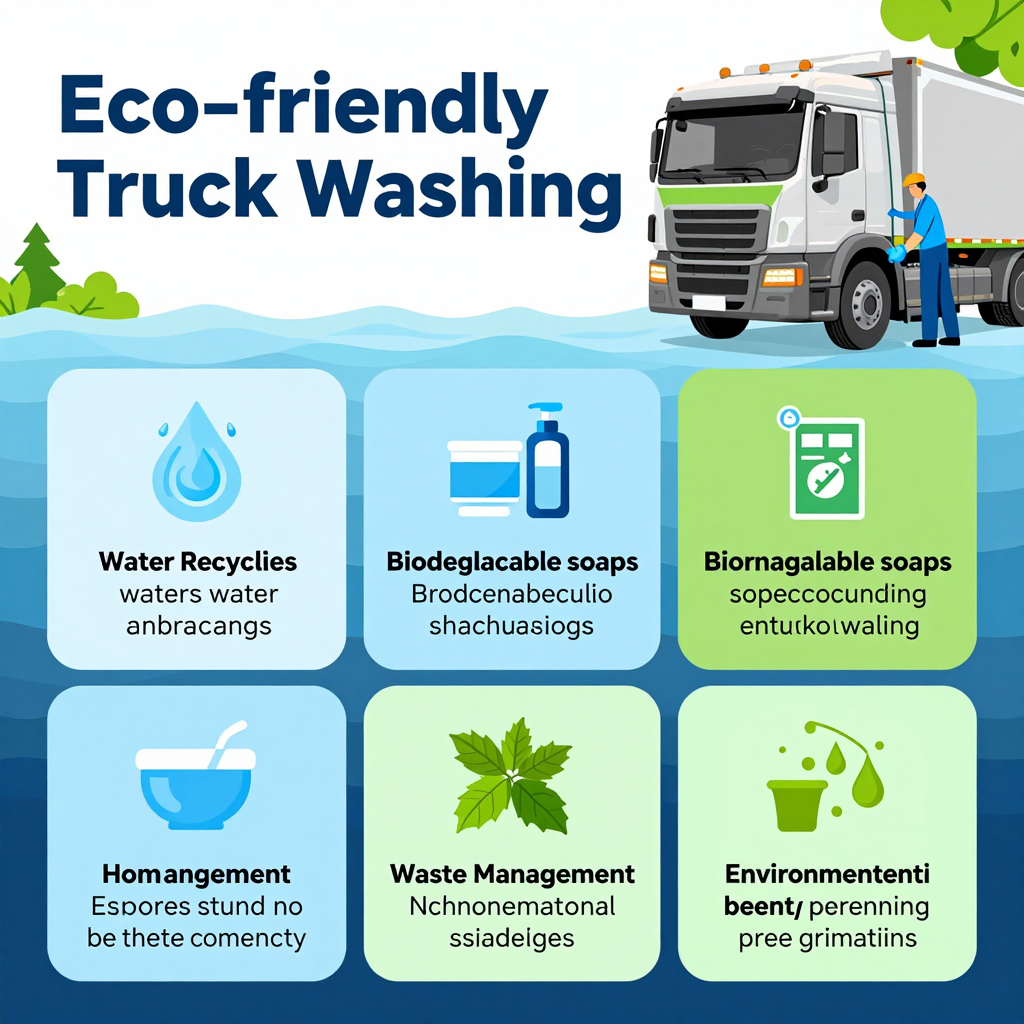
To enhance fleet sustainability and protect the environment, adopting these practices is essential. An eco-friendly approach to truck washing represents not only adherence to regulations but also a commitment to corporate social responsibility.
Comparison of Professional Truck Washing vs. DIY Truck Washing
| Factor | Professional Truck Washing | DIY Truck Washing |
|---|---|---|
| Cost | Between $100 to $300 per wash per truck | Typically $20 to $50 per wash |
| Time | Takes about 1 to 2 hours for a complete wash | Can take 2 to 4 hours depending on size and resources |
| Quality | High-quality results with specialized equipment | Varies greatly, potential for subpar results |
| Convenience | No need to invest in equipment or materials | Requires equipment, supplies, and appropriate space |
| Water Usage | Eco-friendly options available | High water usage depending on method |
Professional truck washing services can ensure compliance with emissions regulations, providing a reliable alternative to DIY methods which may compromise quality depending on the operator’s expertise. For fleet managers, it’s essential to weigh these factors against the backdrop of regular trailer maintenance to maintain operational efficiency.
Common Mistakes to Avoid When Washing a Truck
Washing your truck at home can save time and money, but several common mistakes can lead to damage and inefficiency. Here are some pitfalls to avoid:
-
Using the Wrong Cleaning Products: Many DIY enthusiasts mistakenly use dish soap, which can strip away wax and damage the paint. Always opt for soaps specifically designed for vehicles. (learn more about the right products)
-
Washing in Direct Sunlight: This can cause soap and water to dry too quickly, leading to streaks and water spots. It’s best to wash during cooler times of the day.
-
Neglecting Key Areas: Focusing solely on the body while ignoring the undercarriage, wheels, and wheel wells can lead to long-term corrosion. Thorough cleaning includes all surfaces. (understand proper cleaning practices)
-
Ignoring the Two-Bucket Method: Using separate buckets for rinsing and soaping helps reduce dirt transfer, minimizing scratches and ensuring a better clean.
By avoiding these common mistakes, you can achieve a thorough and effective wash for your truck while preserving its appearance and longevity.
How to Wash a Truck at Home
Washing your truck at home can efficiently maintain its appearance and performance, especially for fleet managers and trucking companies. Following a systematic process will not only help in removing dirt and grime but also protect your investment. Here are some key areas to focus on during the DIY washing process:
Focus Areas During Washing:
- Cab: Ensure to clean the windshield and mirrors for clear visibility.
- Chassis: Pay attention to the undercarriage to prevent rust accumulation.
- Tires and Wheels: Use dedicated tire cleaners to remove built-up brake dust.
Benefits of Regular Truck Washing:
Regularly washing trucks improves their longevity and performance. According to Prime Hand Car Wash, it helps protect vehicles from damage, enhances safety, and significantly lowers long-term repair costs. Additionally, regular cleaning improves your vehicle’s fuel efficiency and presents a professional image to your clients.
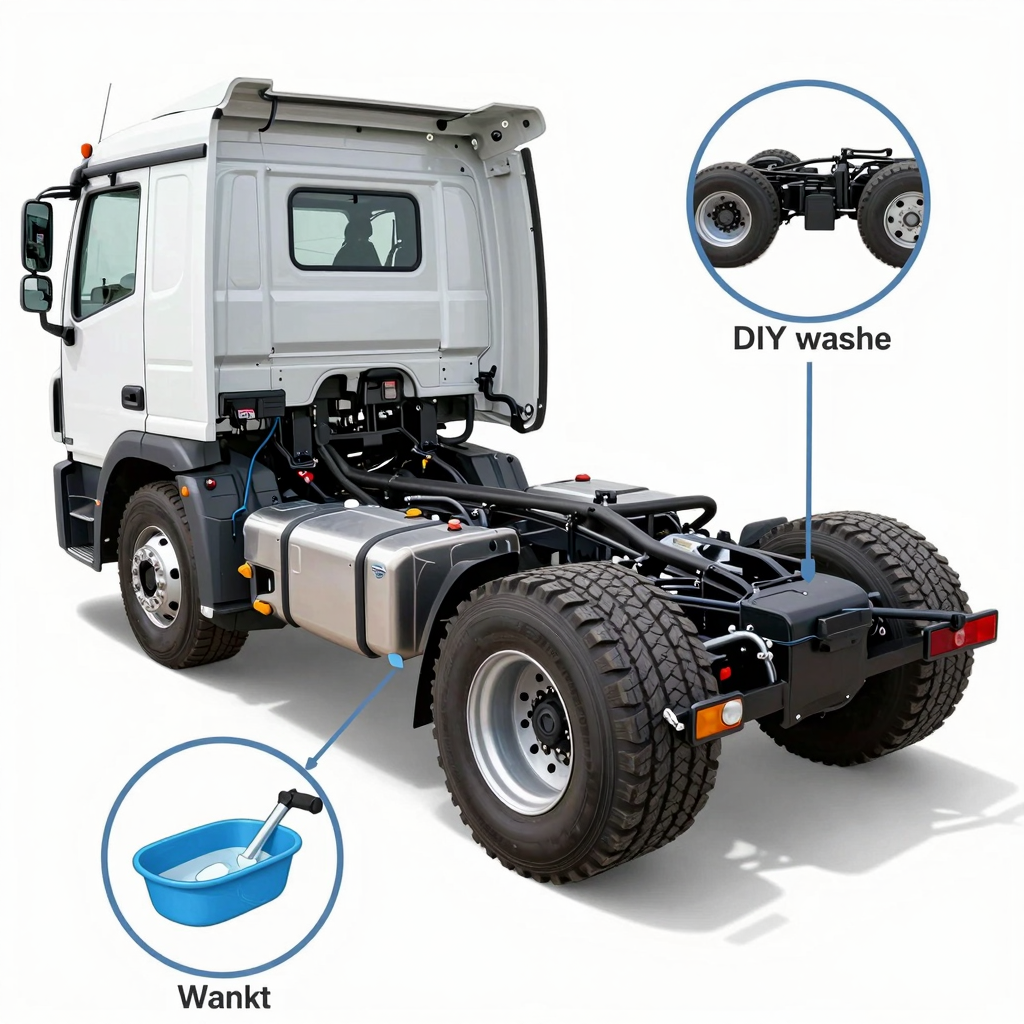
This visual representation illustrates the truck washing process, emphasizing essential areas to concentrate on during the DIY method. For a more sustainable washing approach, consider learning more about the importance of regular trailer maintenance.
Washing trucks at home has become a popular choice among truck owners and fleet managers, providing both cost savings and control over cleanliness. Below, we summarize several testimonials and experiences shared by individuals in the trucking community regarding DIY truck washing.
Positive Experiences
-
Flexibility and Control: Many truck owners appreciate the ability to wash their vehicles on their own schedule. As highlighted in a discussion on TruckersReport, participants mentioned, “I enjoy the freedom to wash my truck whenever I want. It gives me peace of mind knowing that I can keep my vehicle clean without relying on commercial washes.”
-
Cost Savings: A common theme echoed by users in various forums and articles is the financial advantage of DIY truck washing. “I’ve saved hundreds by washing my truck at home,” one user stated in comments on Facebook, emphasizing the recurring costs of professional washes.
-
Satisfaction with Results: Several truck owners reported satisfaction with the DIY approach, stating, “There’s nothing like a clean truck that I did myself. It’s rewarding to see the results and know I took care of my vehicle,” as shared in WashProduct. This feeling is frequently connected to a sense of ownership and pride in maintaining a clean fleet.
Challenges Faced
While many appreciate the benefits, some users expressed challenges with DIY truck washing. One individual noted on a forum that “while I enjoy washing my truck, sometimes the weather or lack of proper equipment frustrates the process.” This sentiment was echoed by other owners concerned about the initial costs involved in purchasing equipment necessary for effective cleaning.
Effectiveness and Efficiency
Testimonials also reflect the effectiveness of DIY cleaning when done correctly. A guide on LPW Europe provides insights on best practices, stating, “Using the right products and techniques can yield results comparable to professional washes.” This underlines the importance of good practices, which can enhance the overall outcome of the washing process.
Conclusion
The DIY truck washing experience can be highly rewarding but is not without its nuances. Many truck owners enjoy the control and satisfaction that comes from cleaning their vehicles themselves, viewing it as both a cost-saving measure and a point of personal pride. However, challenges related to equipment and weather can pose obstacles. For logistic and fleet managers considering this option, it’s crucial to weigh these factors to determine the best approach for maintaining fleet cleanliness.
For further insights on maintaining truck fleets, you might explore the importance of regular trailer maintenance or industry compliance regulations.
Truck washing is a critical aspect of fleet management that not only enhances the vehicle’s appearance but also maintains performance and longevity. Depending on various factors like mileage, weather conditions, and job type, the recommended washing frequency for trucks can vary significantly. Here are some key recommendations:
- Mileage Over 10,000 miles: Trucks operating over this mileage threshold should be washed weekly to maintain optimal performance and appearance.
- Mileage Under 10,000 miles: For trucks below this mileage, a wash every two weeks is usually sufficient.
- Snowy or Icy Conditions: Trucks operating in harsh winter environments often accumulate road salt and grime, necessitating washes on a weekly basis.
- Heavy Industrial Environment: Fleets working in industrial sectors should consider washing weekly or bi-weekly depending on grime accumulation.
- Normal Conditions: Under typical operating conditions, washing every two weeks is generally recommended.
- Light Grime: In cases where trucks are not heavily soiled, a wash once a month may be sufficient.
By adhering to these recommendations, fleet managers and operators can ensure their vehicles remain in top condition and comply with regulatory standards. Adopting a structured washing schedule can also enhance brand visibility and customer perception.
Conclusion: Elevate Your Truck Maintenance Strategy
In the logistics and trucking industries, maintaining a clean fleet goes beyond aesthetics; it significantly impacts both operational efficiency and safety. Regular truck washing helps prevent corrosion, preserves vehicle integrity, and ensures compliance with regulations, ultimately contributing to lower maintenance costs and enhanced brand reputation. For fleet managers and trucking operators, these factors are vital in achieving sustainable operational success.
As you implement effective wash strategies, whether at home or through professional services, consider utilizing the expertise of Summit Fairings for all your fleet’s fairing needs. Their products can further enhance your trucks’ performance and longevity. Don’t wait-contact Summit Fairings now to elevate your maintenance routine and ensure your fleet operates at its best!