
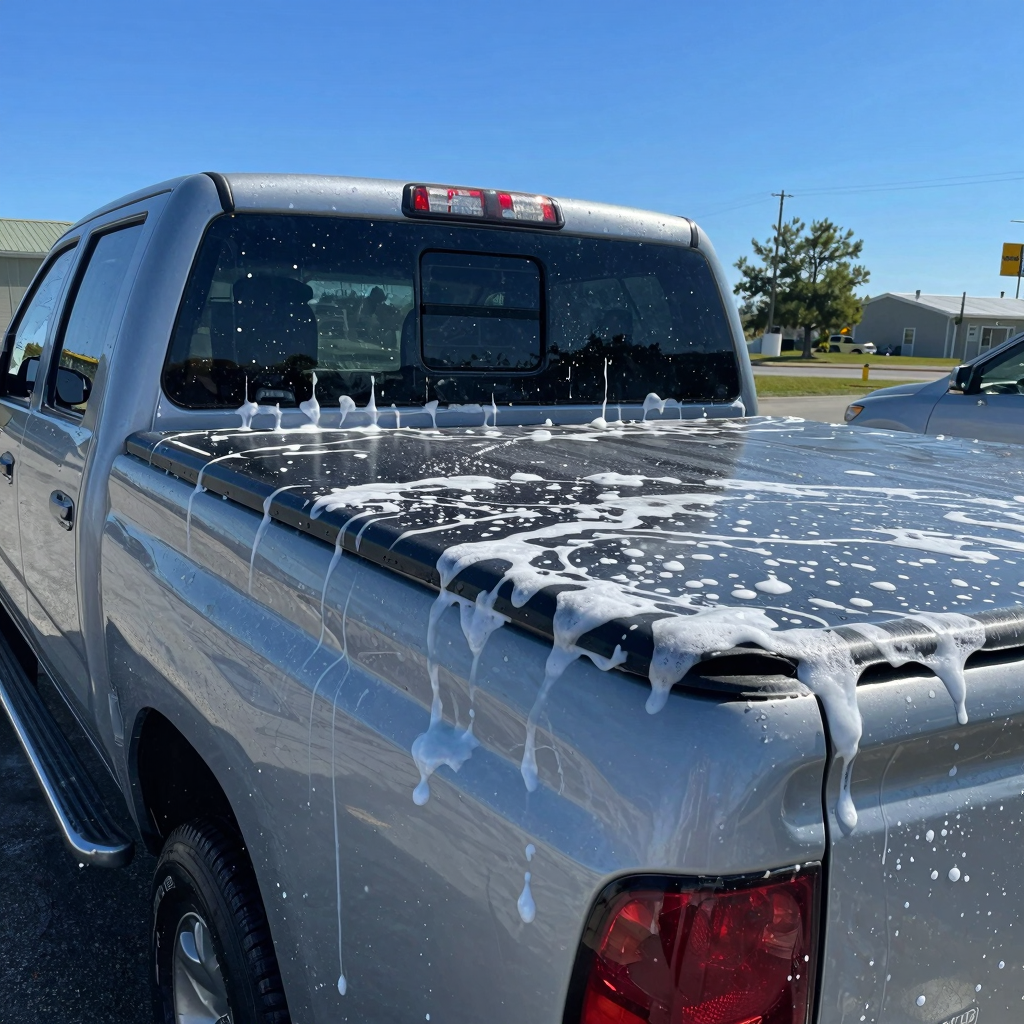
Maintaining a fleet of trucks is a multifaceted responsibility, particularly for logistics and construction companies that rely on the durability and appearance of their vehicles. One common question that arises is, “Can I wash my truck with a tonneau cover?” Understanding how to clean your truck effectively while preserving the integrity of the tonneau cover is crucial. Regular washing not only enhances the aesthetic appeal of your trucks, enabling them to make a positive impression, but it also plays a vital role in protecting the paintwork and overall structure from environmental damage. Moreover, neglecting the tonneau cover can lead to wear and tear, affecting both its functionality and lifespan. Thus, knowing the best practices for washing both your truck and its tonneau cover is essential for fleet managers who are committed to maintaining a clean and efficient fleet. For insights into regular maintenance, you can learn more about the importance of regular trailer maintenance.
Key Benefits of Tonneau Covers During Washing
Utilizing a tonneau cover on trucks during washing provides significant advantages, particularly for fleet managers and company owners. Here are the key benefits to consider:
- Enhanced Protection for Cargo: Tonneau covers shield cargo from water, soap, and debris during the washing process, ensuring that items remain dry and uncontaminated.
- Reduces Cleaning Time: By preventing dirt and grime from accumulating in the truck bed, tonneau covers minimize the time required for cleaning and maintenance, allowing for more efficient fleet management.
- Preserved Interior Condition: The cover helps to prevent the sun’s harmful UV rays and weather elements from affecting the truck bed. This preservation can reduce long-term repair costs associated with rust and damage.
- Improved Professional Appearance: A clean, well-maintained vehicle enhances the company’s image. Tonneau covers contribute to a uniform and polished look, essential for maintaining professionalism in logistics and freight operations.
- Effective in Various Washing Methods: Many tonneau covers, especially hard types, can withstand automatic and touchless washes without sustaining damage. This versatility means fleet managers can choose the optimal washing method without worrying about cover integrity.
By leveraging these advantages, fleet management can operate efficiently while keeping vehicles in optimal condition. To learn more about the operational impact of maintaining your truck fleet, explore the importance of regular trailer maintenance.
For additional insights on washing techniques, refer to best practices for washing your truck to maximize both efficiency and effectiveness.
Best Practices for Washing Trucks with Tonneau Covers
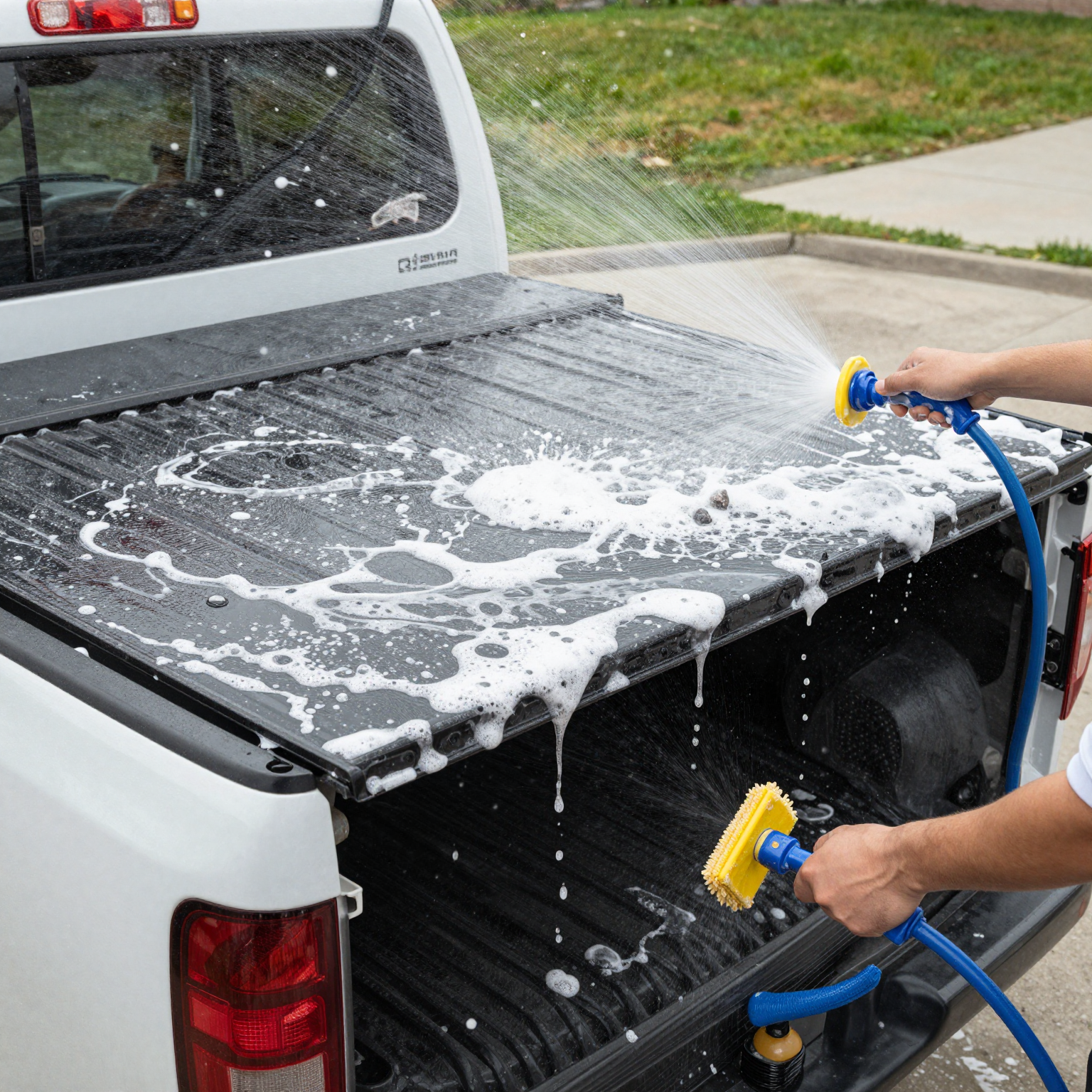
When it comes to maintaining the cleanliness of trucks equipped with tonneau covers, fleet managers and trucking company operators must adopt best practices that safeguard both the truck and the cover itself. Here are some essential guidelines for effectively washing trucks with tonneau covers:
1. Hand Wash Whenever Possible
Hand washing is the most reliable method for ensuring both the truck and tonneau cover are cleaned without risk of damage. Use a mild, pH-balanced car wash soap designed specifically for automotive surfaces. Avoid harsh chemicals and detergents that might degrade the tonneau cover material.
2. Avoid High-Pressure Washes
High-pressure washing can be detrimental, especially to soft tonneau covers. If a truck must go through an automatic wash, opt for a touchless car wash to minimize the risk of damage. Touchless washes utilize water and cleaning agents without physical brushes that could scratch or harm the cover, as noted by sources such as Gibby Car Wash.
3. Remove the Tonneau Cover If Possible
Many manufacturers suggest removing the tonneau cover before a car wash. This preventive measure helps avoid damage and allows for thorough cleaning of both the truck bed and the cover afterwards, as outlined by Elite Truck.
4. Regular Maintenance
Routine cleaning not only enhances the truck’s appearance but also prolongs the life of the tonneau cover. Seeking services that specialize in truck washing and maintenance can simplify this process.
5. Check for Seal Damage
Regularly inspect the seals of the tonneau cover for any wear or damage post-wash. Maintaining the integrity of these seals is vital to prevent water ingress and ensure optimal performance.
By following these best practices, fleet managers can maintain the aesthetic and functional quality of their trucks while ensuring the durability of tonneau covers.
| Tonneau Cover Material | Wash Resistance | Water Resistance | Chemical Resistance |
|---|---|---|---|
| Vinyl | Moderate | Good | Moderate |
| Soft Fabric | Low | Moderate | Low |
| Hard Plastic | High | Good | Good |
| Aluminum | High | Excellent | Excellent |
| Fiberglass | High | Excellent | Excellent |
When managing logistics and freight operations, clarity regarding the maintenance of truck fleets is crucial. One common misconception among fleet managers is that tonneau covers can endure the rigorous demands of automated car washes without risk. In reality, many tonneau covers, particularly soft ones, are vulnerable to damage from harsh brushes and high-pressure jets often found in these car wash systems. Not only can these forceful cleaning methods mar the surface of the tubs and compromise the integrity of the covers, but they may also damage seals that are essential for protecting cargo from elements. Experts recommend opting for hand washing as a more careful approach, allowing for detailed attention while minimizing potential harm to both the truck and the tonneau cover. Additionally, inspecting the covers for wear and damage before washing is vital. Fleet managers should also consult the specific instructions provided by the tonneau cover manufacturers to ensure that washing practices align with recommendations. For a thorough understanding of the best practices for cleaning your fleet vehicles effectively, learn more about maintaining your truck fleet while preserving essential equipment like tonneau covers.
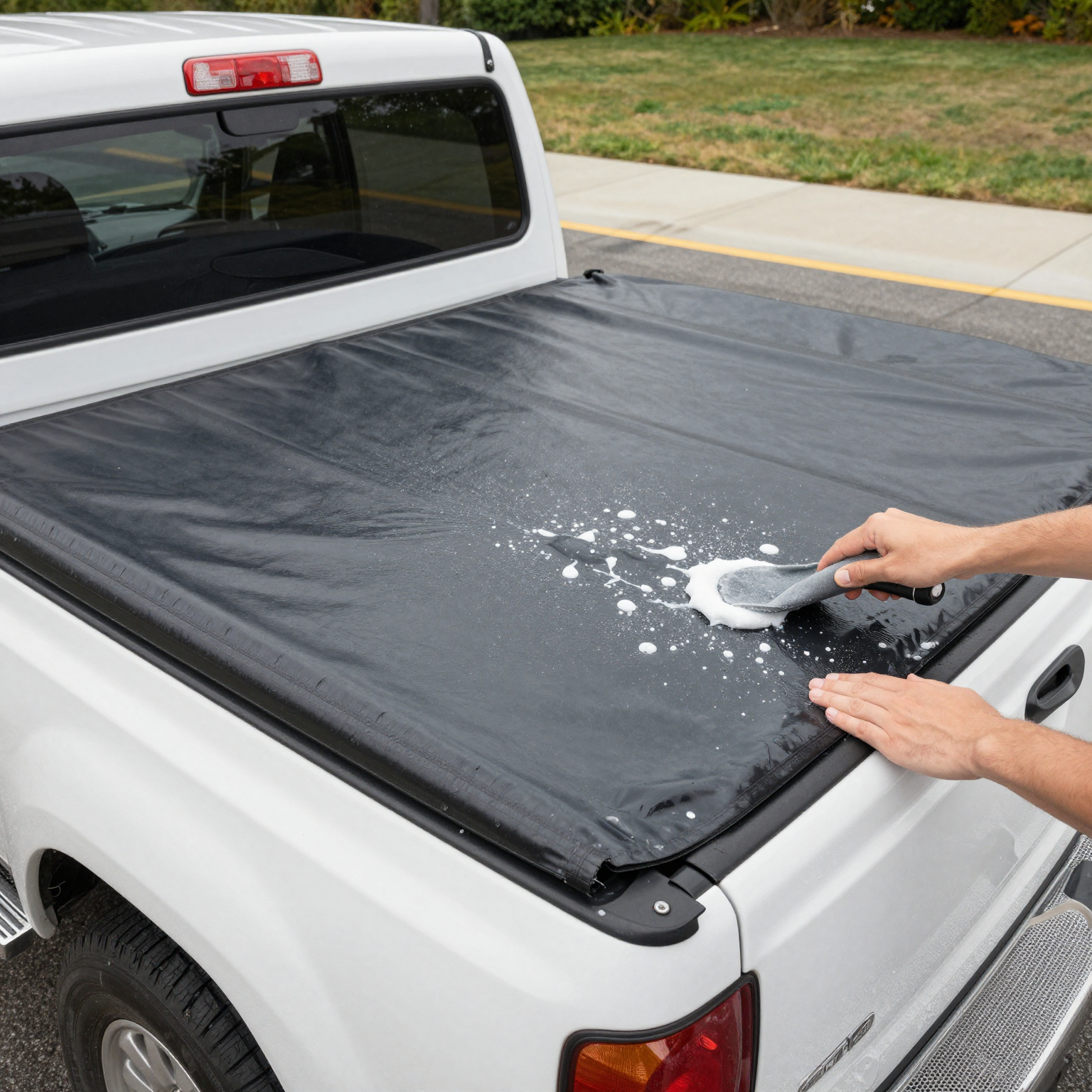
Correctly washing trucks with tonneau covers is critical for maintenance and longevity. According to Derrick Wolfe, a veteran fleet owner and community builder, “Maintaining the integrity of your tonneau cover is just as crucial as keeping the rest of the truck clean. Regular washing not only enhances the truck’s appearance but also prevents long-term damage from grime buildup and environmental factors.” For optimal care, hand washing is often recommended as it avoids the risks associated with automated car washes that may cause damage.
Additionally, experts emphasize the importance of adhering to manufacturer guidelines for cleaning and maintaining these covers to ensure they last longer and continue to serve their purpose effectively.
If you want to explore the significance of regular maintenance and compliance in the trucking industry, read more about the importance of regular trailer maintenance.
To further understand industry standards and compliance regulations, check out our article on truck wash industry compliance and emissions regulations.
Common Mistakes to Avoid When Washing Trucks with Tonneau Covers
Washing trucks is an essential part of fleet maintenance, particularly for those equipped with tonneau covers. However, fleet managers often make critical mistakes that can compromise both the vehicle and the tonneau cover. Here, we outline these common mistakes along with their potential consequences:
1. Using High-Pressure Washers Incorrectly
Many fleet managers use high-pressure washers, believing they will clean more effectively. However, high pressure can cause water to seep into cracks and seams, leading to moisture buildup under the tonneau cover. This can promote rust and deterioration of the truck’s components. Instead, utilize a moderate pressure setting and maintain a safe distance from the cover.
2. Neglecting the Tonneau Cover’s Material
Fleet managers often overlook the specific cleaning requirements of tonneau covers, assuming similar methods are appropriate for all materials. Fabrics and vinyl covers may react poorly to harsh chemicals used for washing trucks, leading to discoloration and damage. It’s crucial to consult the manufacturer’s recommendations or learn more about proper truck wash techniques.
3. Skimping on Detailing
In an attempt to save time and resources, some managers may choose a quick wash over thorough detailing, which often includes cleaning under the tonneau cover. Not doing this can trap dirt and debris, leading to mold growth and unpleasant odors. Ensuring a detailed wash that includes these areas is essential for maintaining vehicle integrity.
4. Ignoring Product Compatibility
Fleet managers might use incompatible cleaning products that can adversely affect the tonneau cover’s finish or material. Certain detergents might strip away protective coatings, leaving the cover vulnerable to UV damage and fading. Always select cleaning products designed specifically for the cover type (vinyl, canvas, etc.), which can be crucial for maintaining appearance and longevity.
5. Failing to Dry Thoroughly
After washing, if remaining moisture is not thoroughly dried, it can lead to the development of mold and mildew, particularly under the tonneau cover where ventilation is limited. Taking time to dry all areas properly is essential for preventing this issue. Fleet managers should utilize microfiber towels to absorb excess water effectively.
Conclusion
Avoiding these common mistakes can significantly enhance the longevity of trucks and their tonneau covers in any fleet. Regular and thorough maintenance not only preserves the appearance of the vehicles but also ensures operational reliability. For more insights on fleet management and maintenance practices, consider reading about the importance of regular trailer maintenance and other related topics.
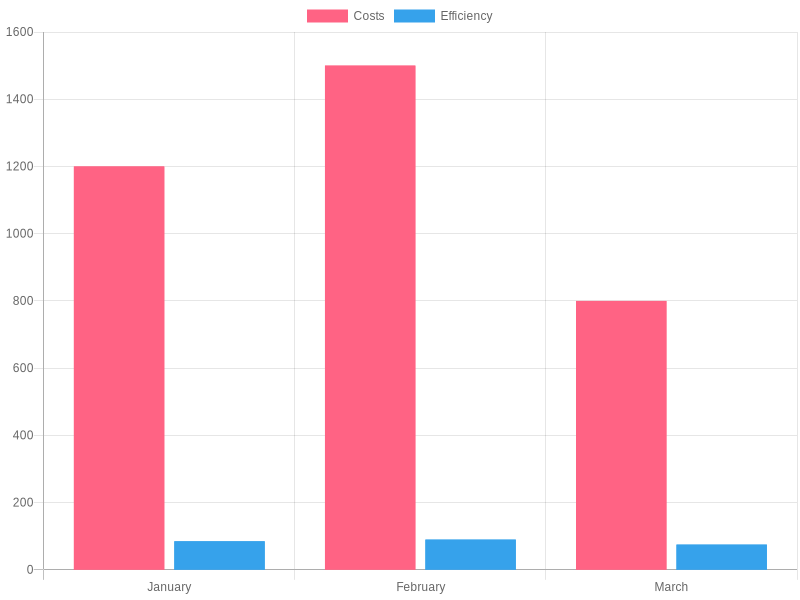
This chart illustrates the relationship between regular maintenance activities (such as washing with tonneau covers) and their impact on fleet efficiency and cost savings. Each maintenance activity is correlated with improvements in operational metrics, emphasizing the significant benefits derived from diligent fleet maintenance practices.
In conclusion, maintaining both trucks and tonneau covers is vital for ensuring the longevity and efficiency of your fleet. Regular upkeep not only preserves the aesthetics of your vehicles but also enhances operational efficiency. This is particularly important in the logistics and freight industry where vehicle condition can directly impact performance and costs.
Tonneau covers play a significant role in protecting cargo and mitigating fuel consumption, making them an essential accessory for truck owners. However, caution is advised when washing trucks with tonneau covers, as specific types may require removal to prevent damage during automated wash cycles. Adhering to manufacturer recommendations can safeguard against potential issues, ensuring your fleet remains in optimal condition. For more detailed guidance, learn about the importance of regular trailer maintenance and how to wash your truck effectively.