
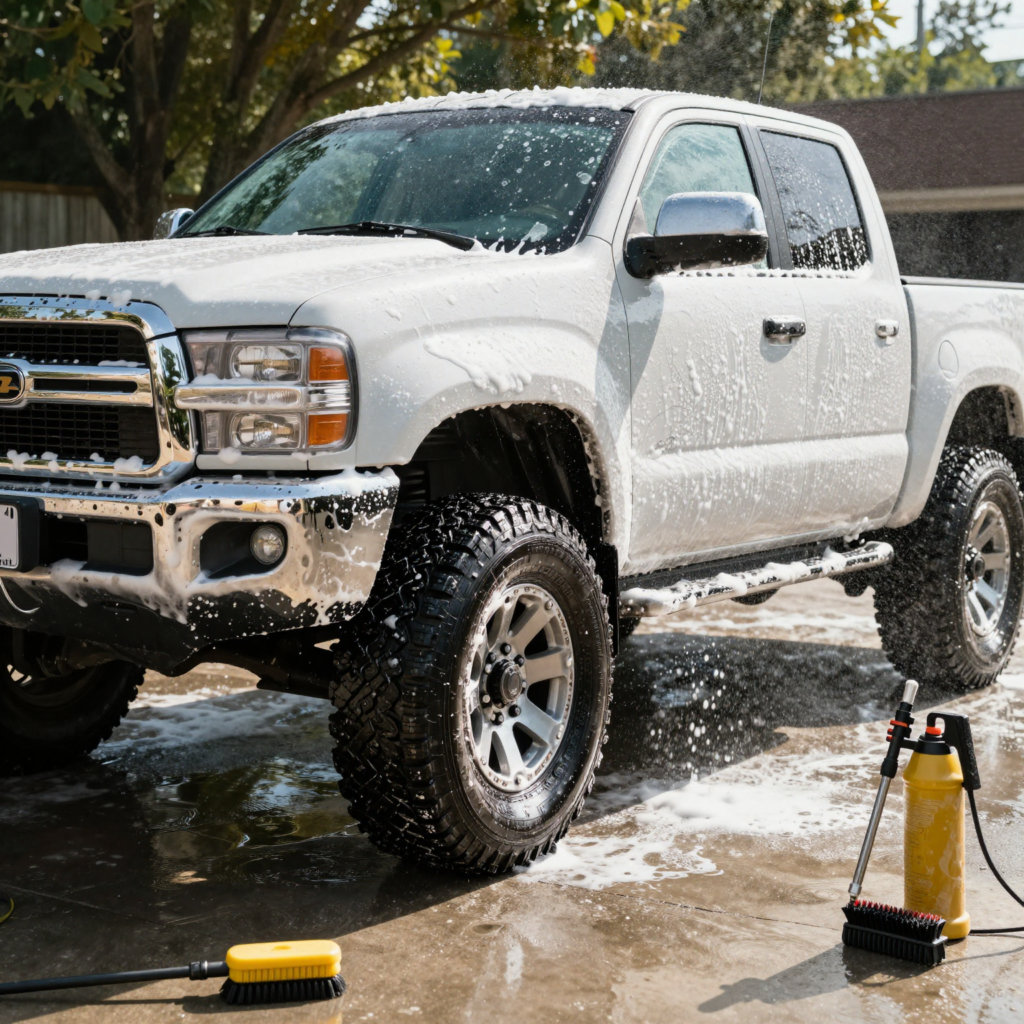
Washing a lifted truck is not merely a matter of aesthetics; it is a vital aspect of maintaining the integrity and performance of your vehicle. For fleet managers and owners in logistics, trucking, and construction sectors, understanding how to wash a lifted truck is essential to ensure both cleanliness and longevity. Lifted trucks often traverse rugged terrains, accumulating dirt, mud, and debris that can affect not only appearance but also mechanical function. Regular washing helps prevent corrosion, maintain paint integrity, and ensure optimal visibility, ultimately leading to increased safety and efficiency on the road. In this guide, we will explore effective strategies for washing lifted trucks, tailored to meet the specific needs of busy professionals in the industry who prioritize both cleanliness and maintenance. To learn more about truck wash industry regulations, check out our compliance overview. Additionally, discover the importance of regular trailer maintenance to ensure your fleet remains in top condition.
Tools and Materials Needed for Washing a Lifted Truck
Cleaning a lifted truck requires specific tools and materials to ensure effective truck wash and tackle the challenges of height and accessibility. Here’s an ordered list:
- Pressure Washer – Essential for removing dirt and grime efficiently.
- Two-Bucket Wash System – To prevent dirt reintroduction while washing.
- Microfiber Wash Mitts – Gentle on surfaces, preventing scratches.
- Non-Abrasive Sponges – For sensitive areas and detailing.
- High-Quality Truck Wash Soap – Specialized formulas (e.g., from Ecolab or Green Tropic Products) that effectively break down tough grease and dirt.
- Tire Cleaner and Brush – For getting into crevices on the tires.
- Drying Towels – For streak-free drying after the wash.
- Detailing Brushes – To clean intricate areas like grilles and wheel wells.
- Wheel Cleaner – Specific formulations for brake dust removal.
Having these tools ready will facilitate a thorough and efficient washing process for lifted trucks.
Step-by-Step Process of Washing a Lifted Truck
Maintaining a lifted truck’s exterior, undercarriage, and interior is crucial for longevity and performance. Regular washing is part of proper vehicle maintenance, ensuring that your investment remains in top shape. Here’s a comprehensive guide focusing on the best practices for washing and detailing a lifted truck.
1. Gather Necessary Supplies
Before beginning the truck washing process, gather the following supplies:
- Pressure washer
- Foam cannon
- Soft wash mitts
- Bucket with grit guard
- Tire brush
- Wheel cleaner
- Undercarriage cleaner
- Drying towels or chamois
- Car wax or sealant (optional)
Additional Cleaning Products
- Neutral car soap for the exterior
- Tire shine for the tires
- Detailing spray for hard-to-reach areas
2. Preparation
Start by parking your truck in a shaded area to prevent soap from drying too quickly. Make sure all windows and doors are closed.
3. Rinse the Truck
Use a pressure washer to thoroughly rinse the entire truck. Pay special attention to the undercarriage, tires, and wheel wells to remove loose dirt. This step helps to dislodge heavier debris before applying any soap.
4. Foam Application
Attach the foam cannon to your pressure washer and fill it with car soap. Apply a thick layer of foam to the truck’s exterior, allowing it to sit for a few minutes. This process loosens dirt and grime while protecting the paint finish.
5. Washing the Truck
Using a soft wash mitt, wash the truck in sections. Start from the top and work down to avoid spreading dirt back onto cleaner sections. For areas like the grill and bumpers, use a detailing brush to tackle tough grime.
- Tip: Use two buckets-one for soapy water and another for rinsing your mitt to avoid dirt contamination.
6. Clean the Tires and Rims
- Tires: Use a tire brush and a dedicated tire cleaner to scrub the tires, ensuring all brake dust and grime are removed. This is particularly important for lifted trucks, where tires may be exposed to mud and road debris.
- Rims: Clean the rims with a soft brush and a wheel cleaner, ensuring to get into all the grooves and crevices.
7. Undercarriage Cleaning
Performing an undercarriage wash is essential for lifted trucks due to their elevated profile. Use an undercarriage cleaner or high-pressure rinse to ensure all dirt, salt, and potential corrosion are removed. This maintenance step is crucial for vehicles operating in harsh conditions.
8. Rinse the Truck
After cleaning thoroughly, rinse the truck from top to bottom using the pressure washer. Make sure all soap is washed off completely. Double-check areas around the tires and undercarriage.
9. Drying
Use absorbent drying towels or a chamois to dry the truck thoroughly. This prevents water spots from forming. Pay close attention to areas where water may collect, like door jams and wheel wells.
10. Waxing (Optional)
To add an extra layer of protection, apply a quality car wax or sealant. This step enhances shine and further protects the paint from environmental damage.
Recommended Wash Frequency
To keep your lifted truck in great shape, follow these guidelines:
| Component | Recommended Wash Frequency | Best Practice Notes |
|---|---|---|
| Exterior Body | Weekly | Use neutral soap; avoid abrasives to maintain finish. Also, inspect for scratches or wear. |
| Tires | Bi-weekly to Monthly | Use tire cleaner to remove brake dust and grime, especially from exposed sidewalls. |
| Undercarriage | Monthly (more frequently in harsh conditions) | Essential for lifted trucks; check for rust and damage during cleaning. |
Learn more about truck detailing.
Conclusion
Washing a lifted truck requires attention to detail, especially due to its elevated components. Following this step-by-step guide will help maintain its appearance and performance, ensuring it looks good and functions optimally for all your trucking needs. For best practices and vehicle maintenance, consider implementing regular inspections and cleanings into your routine.
Time-Saving Washing Techniques for Lifted Trucks
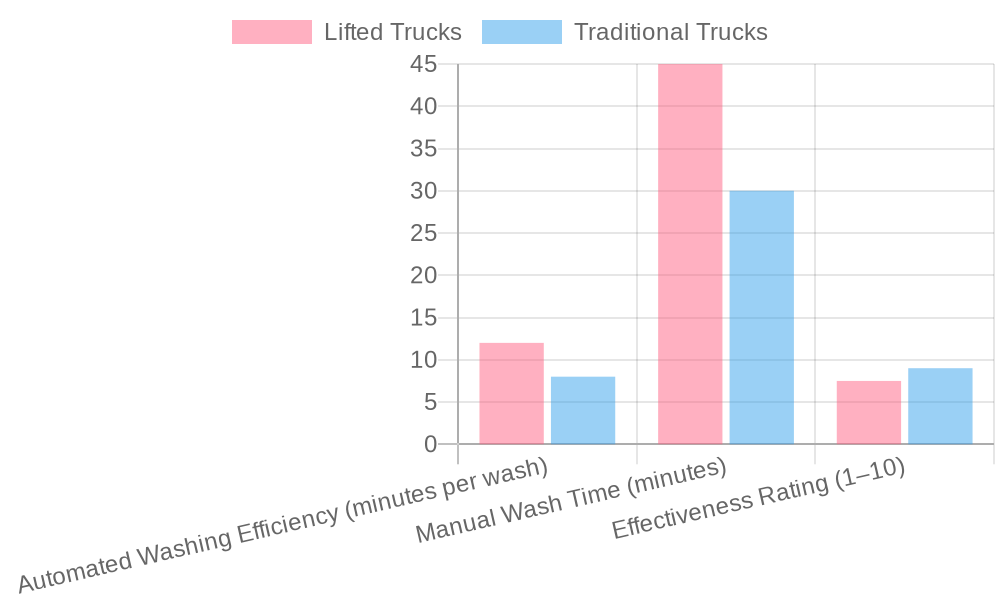
In today’s fast-paced logistics and transportation environment, efficiency is of paramount importance. Below, we compare time-saving washing techniques for lifted trucks versus traditional trucks. A recent analysis has revealed significant differences in the washing process for both vehicle types.
Chart: Truck Washing Comparison
| Category | Lifted Trucks | Traditional Trucks |
|---|---|---|
| Automated Washing Efficiency (minutes per wash) | 12 minutes | 8 minutes |
| Manual Wash Time (minutes) | 45 minutes | 30 minutes |
| Effectiveness Rating (1-10) | 7.5 | 9.0 |
Note: Automated washing is significantly faster for lifted trucks despite their complex undercarriage and larger clearance, making it ideal for fleet operations where time and consistency are critical. While traditional trucks achieve slightly higher effectiveness due to easier access, the efficiency gain from automation in lifted truck washing makes it a preferred choice for commercial fleets.
For more insights on truck wash compliance and regulations, you can learn more about industry compliance and emissions regulations. Further details on the importance of regular maintenance can be found here.
Common Mistakes to Avoid When Washing Lifted Trucks
Maintaining the appearance of a fleet of lifted trucks is essential for both aesthetics and longevity. However, fleet managers often encounter pitfalls that compromise truck care. Here’s a detailed look at common mistakes and their solutions:
- Using Harsh Sponges or Abrasive Materials
- Mistake: Many often resort to abrasive materials that can scratch paint or damage protective coatings, especially around the suspension components.
- Solution: Opt for soft wash mitts or microfiber towels specifically crafted for automotive detailing. Avoid rough sponges that trap dirt particles. This prevents surface damage while promoting effective cleaning.
- Source: Mastering Truck Wash Techniques for Fleet Managers
- Inadequate Rinsing After Washing
- Mistake: Failing to rinse off soap residues can lead to etching or mineral deposits, particularly in hard-to-reach areas like wheel wells.
- Solution: Rinse thoroughly with high-pressure water, ensuring all soap and debris are removed. Pay close attention to crevices and the undercarriage areas.
- Source: LPW Europe
- Washing in Direct Sunlight or Hot Conditions
- Mistake: Washing trucks in direct sunlight causes water to evaporate too quickly, leading to streaking.
- Solution: Schedule washes during cooler times of the day or in shaded areas to prevent spotting on painted surfaces.
- Source: Summer Fleet Washing Tips
- Skipping Undercarriage Cleaning
- Mistake: Lifted trucks are prone to collecting mud and debris beneath, which may lead to rust.
- Solution: Use a pressure washer with an appropriate nozzle to clean the undercarriage regularly and apply rust inhibitors.
- Source: When Fleet Washing Goes Wrong
- Neglecting Front-end Alignment Checks Post-Wash
- Mistake: Post-wash vibrations may affect wheel alignment, critical for lifted trucks.
- Solution: Conduct a visual inspection of all components and schedule routine alignment checks every 5,000-10,000 miles.
- Source: HydroChem Systems
By acknowledging and avoiding these common pitfalls, fleet managers can enhance their approach to truck care and ensure the maintenance of their fleet’s appearance over time. Incorporating these maintenance tips will ultimately prolong the life of lifted trucks and preserve their visual appeal.
| Product Name | Effectiveness | Cost (per gallon) | User Rating (out of 5) | Notes |
|---|---|---|---|---|
| Ultimate Truck Wash | High | $15 | 4.7 | Biodegradable and effective on tough dirt and grease. Learn more |
| Turtle Wax Professional | Moderate to High | $20 | 4.5 | Ideal for commercial operations, focuses on shine and protection. Explore here |
| RTX-9 All-Purpose Cleaner | Very High | $10 | 4.8 | Suitable for all surfaces, highly versatile cleaning solution. |
| Bio Cleaner | High | $18 | Eco-friendly option that is safe for use around animals and plants. | |
| Heavy-Duty Degreaser | Very High | $25 | Specifically designed for heavy grease removal, but may require additional water rinsing. |
Conclusion
Proper maintenance of lifted trucks is not merely a best practice; it is an essential investment in the longevity and reliability of your fleet. Regular washing not only enhances the aesthetic appeal of these vehicles but also plays a crucial role in protecting them against wear and tear caused by dirt, grime, and corrosive materials. For fleet managers, adhering to a routine washing schedule can prevent costly repairs and downtimes, ensuring that the vehicles are always ready for operation.
Furthermore, a clean truck is a testament to professionalism and commitment to safety, improving overall company image and client trust. Implementing the techniques discussed in this article will not only enhance vehicle performance but also contribute to compliance with industry regulations that prioritize environmental responsibility. Investing time and resources into a proper washing routine is vital to maximizing the potential of lifted trucks in your fleet.
Importance of Vehicle Cleanliness
Cleaning your vehicle is not just about aesthetics; it plays a significant role in maintenance and safety. According to a fleet management expert, “Maintaining cleanliness in a fleet not only improves vehicle longevity but also contributes to safety and compliance with industry standards,” (source: Essential Fleet Operator). Keeping trucks clean reduces wear and tear, which in turn enhances overall performance. This is vital for logistics and construction companies that rely on their vehicles for daily operations.
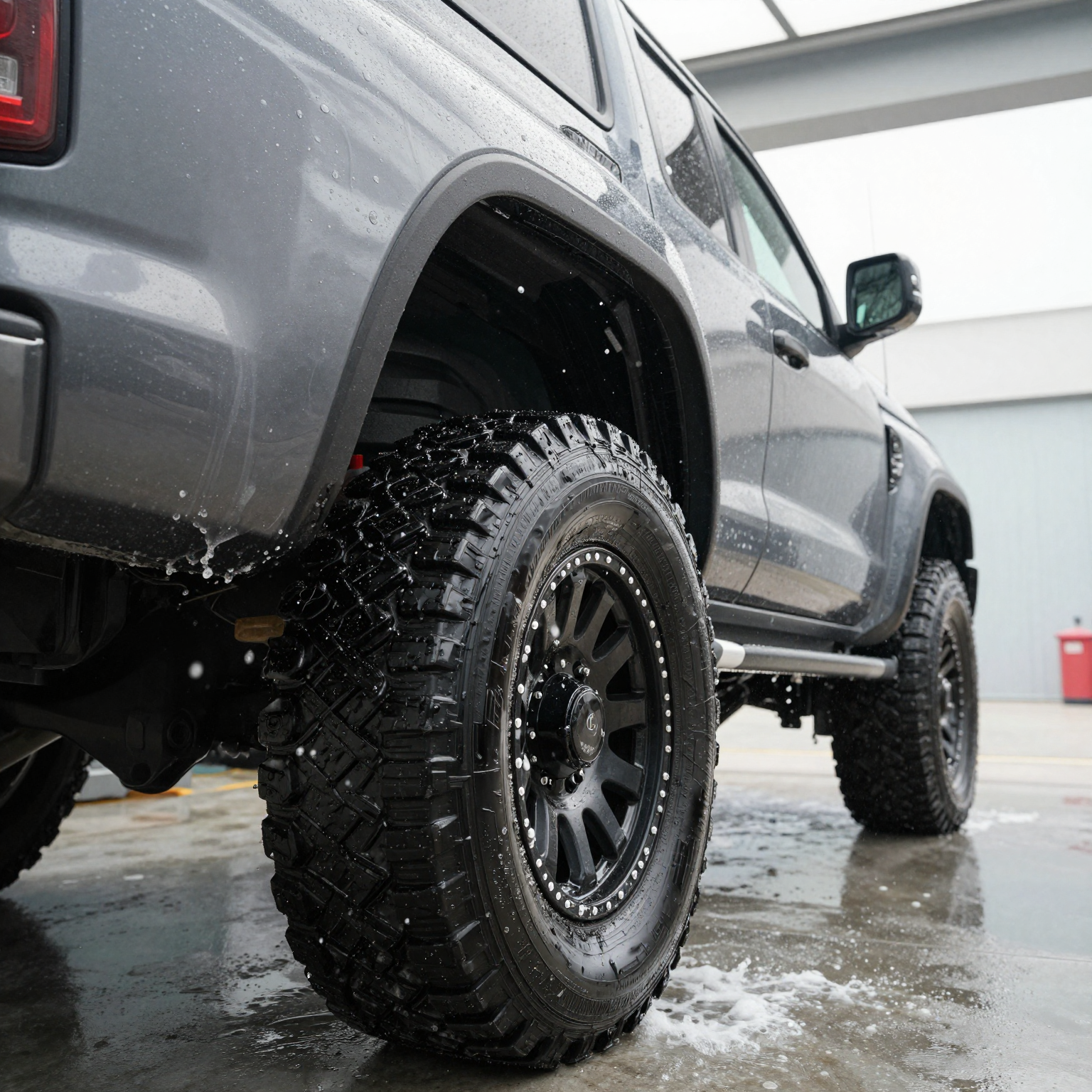
Adopting regular cleaning practices can lead to significant savings in maintenance costs over time.
Effective Washing Techniques for Lifted Trucks
Washing lifted trucks can be a challenge due to their height and the hard-to-reach areas that accumulate dirt and debris. However, several best practices have been shared by users and experts in forums and articles:
-
Pressure Washing with Foam Cannons: Many users recommend using a pressure washer paired with a foam cannon. This combination allows for an even application of soap and thorough dirt removal, particularly effective on uneven surfaces. For instance, a guide from Carwash Country highlights how foam cannons are essential in keeping the truck clean and protecting the paint.
-
Utilizing Different Brushes: The choice of brushes is significant. Users on AutoGeek Online suggest using brushes with varying bristle types and sizes to tackle different parts of the vehicle, making it easier to clean wheel wells and other intricate sections. Such variety ensures that all dirt, especially in hard-to-reach locations, is removed effectively.
-
Attention to Undercarriage: Many testimonials emphasize the importance of cleaning the undercarriage frequently, as lifted trucks are prone to collecting grime and rust. Recommendations include spraying undercarriage-specific cleaners and ensuring thorough rinsing to prevent corrosion.
-
Regular Maintenance and Cleaning Routines: It’s advisable to establish a regular washing schedule to maintain the lifted truck’s appearance and condition. Users on platforms such as Reddit have shared that consistent maintenance prevents buildup and makes each wash easier.
-
Professional Washing Services: Some users feel confident outsourcing the task to professional washing services, which are equipped with optimal tools and have trained personnel. An article on AquaSonic Car Wash reassures that it’s safe to wash lifted trucks at professional centers, as they employ methods tailored to handle various vehicle types effectively.
Conclusion
For logistics and fleet managers, understanding these washing techniques can enhance vehicle maintenance strategies. Implementing these practices not only ensures the longevity and aesthetic appeal of lifted trucks but also increases compliance with maintenance requirements in professional settings. Regular washing and utilizing the right tools are essential for keeping lifted trucks in optimal condition.