

A truck’s appearance not only reflects its owner’s pride but also its operational efficiency. For fleet managers and owners in logistics, transportation, construction, and mining, determining how much to charge for truck washing services is crucial for maintaining vehicle integrity and aesthetics while managing budgets. This article breaks down pricing into four critical categories: basic washes, premium detailing services, heavy-duty cleaning for larger trucks, and the influence of location on service pricing. Understanding these elements will empower fleet managers to make informed decisions when choosing truck wash services or setting internal pricing structures.
What to Charge for a Truck Wash: Pricing Strategies That Match Size, Service, and Market
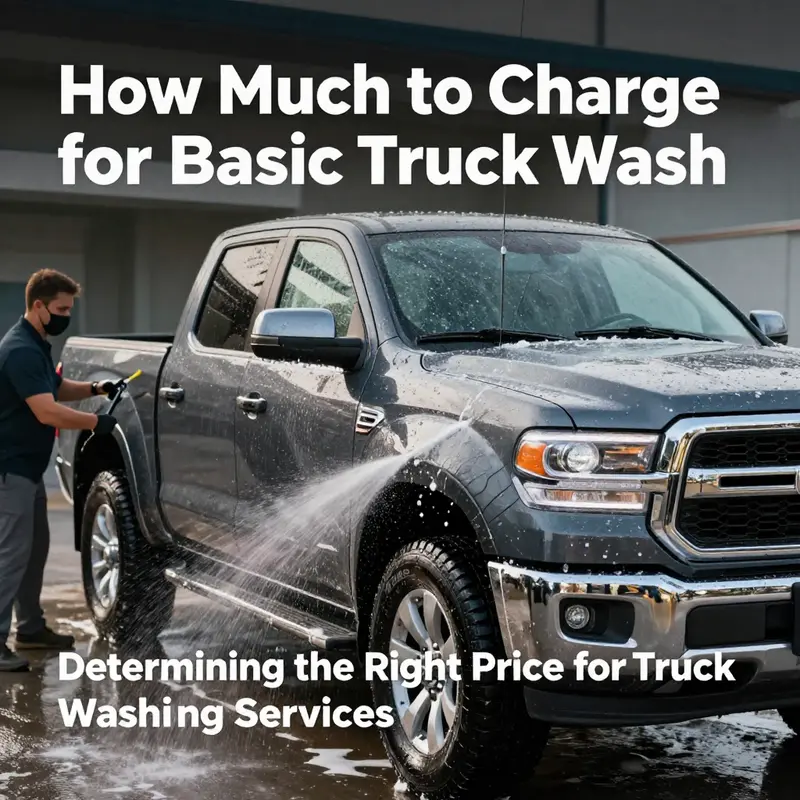
Pricing a truck wash is less about a single number and more about aligning value, cost, and market realities in a way that keeps a shop busy without eroding margins. For anyone operating a truck wash business or setting prices as a fleet service provider, the question of how much to charge is answered most reliably by a disciplined view of service levels, vehicle size, local competition, and the true cost of delivering a thorough clean. The objective is not to chase the lowest price, but to establish a credible range that customers perceive as fair and that covers overhead, labor, and the wear and tear on equipment while leaving room for investment in better processes or more capable staffing when demand rises. In practice, the pricing picture is nuanced. It depends on whether a job is a basic exterior rinse, a more comprehensive exterior scrub, or a premium package that includes interior work, detailing, and protective coatings. It also hinges on who is doing the work and where the work is performed. The same truck in two different markets can legitimately carry different price points because the cost of labor, insurance, utilities, and rent vary dramatically from one region to another. These realities help explain why sources differ on exact dollar ranges for basic truck washes. The central truth is that a basic exterior wash for a standard truck does not have a universal price tag. Some markets, especially those with self-serve or automated models, show lower price bands. In contrast, full-service shops that employ skilled technicians and use higher-quality cleaning products routinely price higher to reflect the labor intensity and the thoroughness of the process. When you stack these possibilities together, the landscape looks something like this: a basic exterior wash tends to fall somewhere in a midrange that accounts for the surface area of the vehicle and the level of effort required to reach dirt in wheels and undercarriage areas; premium detailing adds interior work, protection, and sometimes paint-care services; and heavy-duty or commercial trucks demand attention to larger surfaces, tougher grime, and sometimes undercarriage access or engine bay cleaning. These distinctions matter because they guide how a shop structures its price ladder and how a fleet customer perceives value. The numbers across the industry reflect this complexity. In many professional settings, a basic exterior wash for a standard truck can range from roughly fifty to one hundred fifty dollars, depending on where you are and what is included in the wash. In smaller markets or in self-serve contexts, you may see lower figures, particularly for automated exterior rinses that stop short of scrubbing wheels or dressing tires. Conversely, in major metropolitan areas or at high-end detailing shops that emphasize a meticulous finish and protective sealants, the same exterior-cleaning package can sit near the upper end of that range. It is not unusual for a basic exterior wash to hover around the fifty-dollar mark in rural areas and to reach into the one hundred twenty-dollar to one hundred fifty-dollar band in larger cities where operating costs are higher. The essential takeaway is that price is a function of value offered and market context. The simplest way to frame this for a chapter on charging is to anchor the price to service level first, then adjust for truck size, location, and labor intensity. A smaller pickup might consistently fall toward the lower end of the basic exterior range, while larger work trucks, cargo vans, or heavy-duty fleet vehicles push the price up due to surface area and the increased time required to achieve a complete clean. When a shop or operator moves beyond the basic exterior wash into more thorough services, the price scales up accordingly. A premium wash that adds interior vacuuming, wiping down surfaces, dashboard care, window cleaning, and sometimes waxing or sealing can fall roughly into a broad band—from about the mid-range to well into the two-hundred-dollar zone, depending on the level of interior work, the extent of exterior detailing, and whether protective coatings are applied. In some markets, this premium tier can be priced well above two hundred dollars for larger, dirtier trucks or for exceptionally thorough detailing that includes engine bay cleaning or undercarriage washing. A separate tier exists for heavy-duty or commercial trucks, where the scope expands even further. For those vehicles, owners expect a more comprehensive clean that covers undercarriages, wheel wells, and sometimes components like the engine bay or frame rails. Pricing in this category typically starts around a hundred dollars and can rise to three hundred dollars or more, particularly if the service includes extensive undercarriage power washing, rust protection, or specialized degreasing for fleets that must maintain heavy equipment and machinery in operating condition. These bands reflect a blend of service levels and vehicle realities, but the key to pricing remains consistent: define the service explicitly, set a price that covers time and labor, and be transparent about what is included. The most accurate quotes come from conversations that map the customer’s needs to a defined service scope rather than from a single, flat price that ignores size or condition. The size of the truck is a practical determinant. A compact pickup such as a mid-size crew cab might present less surface area and fewer crevices to scrub than a long-bed work truck or a crew cab with a large cargo box. This difference translates into lower labor and water usage, which, in principle, should yield a lower price. Yet the market still tests whether the customer values a fast, efficient exterior rinse or a slower, more detailed care regimen that promises a cleaner look and a longer-lasting finish. Location matters in the strongest possible way. Metropolitan markets carry higher costs—labor, rent, utilities, and insurance all climb in big cities. In those places, even basic exterior washes tend to sit higher on the price spectrum. Rural or smaller-town markets can sustain lower price points because overhead is lower and there is often less competition for premium services. The service provider type also shapes the price. A quick, automated self-service wash might be priced at the lower end or even lower, but that figure usually covers only exterior rinsing and drying with limited or no wheel scrubbing. A staffed, hands-on operation that scrubs wheels, cleans door jambs, and wipes down the glass will justify a higher price because the labor intensity and the attention to detail are greater. The numbers you see across sources reflect these realities. A widely cited range for a basic exterior truck wash is from fifty dollars up to around one hundred fifty dollars, with significant variation by truck size and market. Some sources emphasize that in high-cost markets or in shops that insist on a higher level of finish, even basic services lean toward the upper part of the range. Others point to lower ranges in self-serve or budget-conscious markets. When you add interior cleaning, window washing, and optional waxes or protective sealants, the price ladder climbs. A more detailed or premium exterior wash with interior work can sit in the range of seventy-five to two hundred dollars or more, depending on the specifics. For heavy-duty or commercial trucks, pricing expands further. The challenge for the operator is to balance the propensity of fleets to negotiate versus the genuine value of a thorough, reliable clean that keeps trucks on the road and reduces downtime caused by equipment issues or dirty exteriors. Fleets, in particular, weigh the cost of downtime and the potential impact on maintenance schedules against the price of a wash. They might front-load higher-end services if the payoff is a vehicle that looks professional and conducts business with fewer delays due to cleanliness or corrosion. A healthy pricing approach recognizes that customers interpret a price as more than a number; they see it as a signal of quality and reliability. If a shop consistently delivers a clean, time-efficient experience with dependable results, customers are often willing to pay a fair price for that reliability. Conversely, if the price is low but the service quality or turnaround is inconsistent, customers may feel they are not getting value and will shop around. To help translate these ideas into actionable pricing, operators should adopt a clear framework for quotes. Start with a service blueprint that defines what is included in a basic exterior wash, a premium detailing wash, and a heavy-duty or commercial package. Then map truck size to surface area and time requirements. A small pickup might require less labor and water, which justifies a lower price, while larger commercial trucks need more time, more water, and more effort to reach all surfaces. From there, adjust for location by applying a city or regional multiplier that reflects the local market. This multiplier is not arbitrary; it should be informed by local competition, typical wages for the region, and the cost of doing business in that area. It is also wise to keep a transparent add-on strategy. For example, when a customer requests interior detailing, window polishing, or engine bay cleaning, those tasks can be priced as separate line items or bundled as part of a premium package. This approach helps customers see what they are paying for and makes it easier to justify price increases when service levels are enhanced or when costs rise due to higher labor or material costs. In practice, operators who manage pricing must think beyond the sticker price. They should consider how to position their shop within the broader operational ecosystem. Pricing is not just about what customers are charged; it is also about how the business manages capacity, staffing, and equipment life. A well-run operation invests in efficient wash bays, reliable cleaning agents, water reclamation systems, and trained staff who can consistently deliver a high-quality finish. When these elements align, a shop can maintain healthy margins even as the market tightens or costs trend upward. For readers who are looking to connect pricing strategy with operational best practices, there is value in exploring how proper facility management supports pricing power. By aligning scheduling, staffing, equipment uptime, and safety workflows, a shop can reduce downtime and waste, which in turn helps sustain competitive prices without sacrificing quality. This broader view of operations is where pricing becomes a strategic lever rather than a simple transaction. For readers pursuing this broader perspective, consider how facility management for truck wash businesses addresses these dynamics and helps price decisions stay aligned with real costs and capabilities. facility management for truck wash businesses. In addition, market data and industry guides provide a sanity check against your own numbers. A respected external resource that aggregates pricing guidance confirms that the range for a reliable basic wash typically falls within the fifty-to-one hundred-and-fifty-dollar band, with variation driven by vehicle size and service scope. Keeping this external equilibrium in mind helps avoid pricing drift that erodes competitiveness or undermines margins. As you design your pricing, remember the value of simplicity and clarity. A clean, well-communicated price structure reduces friction when customers request work. If you offer multiple tiers, present them as distinct experiences rather than a mishmash of add-ons. A clearly defined tier path—basic exterior, premium detailing, and heavy-duty commercial—helps customers quickly understand what they get for the price and makes it easier for sales teams to upsell where appropriate. In summary, the price you set for washing a truck should reflect the service level, the truck size, and the local market context. The basic exterior wash sits within a broad band shaped by these factors, with size and location exerting meaningful influence. Premium services invite higher pricing as the scope expands, and heavy-duty or commercial packages command even more due to the increased labor and complexity. A disciplined pricing approach that ties quotes to explicit service definitions, supported by transparent add-ons and robust operations, will yield stable margins and satisfied customers. For readers who want to dive deeper into the operational side of pricing, the link to facility management resources and the external pricing guidelines can help inform decisions and support a price structure that stands up to market scrutiny. External reference: https://www.carwash.com/pricing-guide/.
Pricing the Shine: Crafting Fair and Profitable Rates for Premium Truck Wash and Detailing

Pricing the Shine requires more than guessing what the market will bear. It demands a clear picture of the work involved, the level of service promised, and the realities of operating a truck-wash or detailing business in a specific place and season. In a field where customers increasingly equate value with time saved, protection from the elements, and a spotless vehicle that signals reliability, the price must reflect both the labor required and the business costs that make compression or expansion possible. This chapter threads together the practical math of pricing with the strategic decisions that keep a truck-wash operation sustainable while still delivering the high-quality results customers expect.
A basic exterior wash for a standard truck—think a pickup or a small delivery vehicle—sits in a broad, approachable range that customers readily understand: roughly twenty to fifty dollars. This price point captures the essentials: the wash of the body, wheels, and windows, plus a quick rinse and dry. It’s a service that many fleets and individual drivers view as a routine maintenance expense rather than a premium spend. Yet even within that familiar bracket, a shop must decide how to position itself. Does it offer a budget-conscious, high-volume exterior scrub, or does it bundle in add-ons like undercarriage spray, tire dressing, or environmental-friendly cleansing agents that soften the gloss and extend the life of the finish? The distinctions begin to shape the perceived value and, crucially, the actual profitability per vehicle.
When the service deepens into premium detailing, the conversation changes. A premium package often involves interior vacuuming, surface wiping, dashboard care, and protective layers such as waxing or sealing. Here, the price range expands significantly—to roughly seventy-five to one hundred fifty dollars for vehicles of modest size and reasonable cleanliness. This tier is where customers expect not only a cleaner, shinier exterior but a refreshed interior environment and longer-lasting protection against fading, staining, and wear. Yet the premium tier is more than a price band. It signals a commitment to meticulousness, time, and the use of products and processes that demand skilled labor. The more thorough the cleaning, the more the labor input, the more protective products are applied, and the more time is needed to achieve consistent results. In this space, pricing becomes a dialogue about value rather than a simple transaction.
For larger, heavier, or more complex vehicles—think semi-trucks or sizable freight haulers—the market price climbs further. A heavy-duty or commercial truck wash can range from one hundred to three hundred dollars or more, with some facilities offering even higher quotes for undercarriage cleaning, wheel-well detailing, or engine-bay care. These services are not just scaled-up versions of a basic wash; they require specialized equipment, more labor hours, and attention to potential mechanical or electrical constraints that could complicate the cleaning process. The larger the truck and the dirt burden, the more time and care needed. A fleet operator pulling a tight maintenance schedule will value reliable, predictable pricing and consistent quality more than a low upfront price, so long as the service delivers tangible benefits in uptime, appearance, and grease-free functioning around the wheels and chassis.
Beyond the general tiers, several factors continually push price in one direction or another. Location is perhaps the most influential. Metropolitan areas and regions with high operating costs and labor rates tend to see higher prices than rural counterparts. A shop in a crowded city with expensive real estate, strict environmental regulations, and a tighter labor pool must structure pricing to cover those overheads and still present a compelling value proposition to customers who can choose among multiple providers. Service level remains a close second. The more a customer expects—interior detailing, paint protection, ceramic coatings, engine-bay cleaning—the more the price climbs. Vehicle size and condition are a natural third driver. A clean, smaller truck is quicker to process, while a vehicle caked with mud or oil requires more prep, more cycles through the wash stream, and more hands-on attention. Each of these elements is a variable in a dynamic pricing equation, and savvy operators learn to quantify their impact to avoid surprises when the day ends.
To price with confidence, a shop needs to translate these factors into a practical framework. A base exterior wash for a small truck is a straightforward benchmark, but building upward toward premium detailing requires a clear map of labor times, product costs, and facility usage. Time is a critical currency. A standard exterior wash might take thirty to forty-five minutes on a clean, mid-sized vehicle with regular maintenance needs. A premium detailing job can stretch into several hours when interior cleaning, trim restoration, wax application, and paint correction are part of the package. Estimating labor hours with a careful eye to the realities of traffic, customer expectations, and scheduling efficiency is essential. When the clock ticks, so too does the settlement between price and profit. One way to anchor pricing is to calculate a target hourly wage for shop staff and then allocate the expected productive time per vehicle, factoring in pre-inspection, staging, and post-service quality checks. The resulting hourly rate, multiplied by the expected hours per service, yields a price that supports wages, benefits, equipment upkeep, cleaning agents, and utilities while leaving room for profit.
Another practical approach is to structure pricing with a base rate plus add-ons that reflect the incremental effort and materials demanded by each customer’s specific situation. A simple schedule might include a base exterior wash, a premium interior cleaning, wax or sealant application, tire dressing, and specialized undercarriage or engine cleaning as optional extras. Such a framework helps both the business and the customer understand the value proposition. It also creates a degree of transparency that can reduce negotiation friction because the perceived value of each add-on is linked directly to tangible outcomes: a cleaner cabin, a more lustrous finish, or longer-lasting protection against road grime and weathering. In practice, this means offering a clear, itemized quote with realistic time and material estimates, while remaining flexible enough to adapt to unusual cases—vehicles with severe grime buildup, those requiring quick-turnaround services, or customers seeking a combination of services that falls outside the standard menu.
The interplay between price and perceived value is almost as important as the numbers themselves. Pricing correctly signals quality and reliability. A higher price can communicate a higher standard of care, especially when the service includes interior cleaning, paint protection, or engine-bay efforts that demand specialized procedures and tools. Conversely, an overly aggressive price can erode confidence if it is not matched by consistent outcomes or if the service experience does not align with customer expectations. The balance lies in delivering reliable, repeatable results that justify the investment. Customers who see the value in regular maintenance often become repeat clients who prefer a predictable pricing structure and a trusted partner for their vehicle upkeep.
Where does the pricing philosophy truly land for a professional operator? It lands in the space where time, expertise, and equipment costs meet the customer’s need for presentation and uptime. For a fleet manager evaluating options, the decision is less about the sticker price and more about the return on investment in terms of vehicle availability and driver morale. A well-cleaned truck contributes to safer, more efficient operation, reduces the chance of corrosion from road salt, and maintains a professional image that can influence customer perceptions where trucks are loaded and delivered. In this context, premium detailing becomes not merely a cosmetic enhancement but a sensible asset management decision. The costs may be higher upfront, but the downstream benefits—less downtime, longer vehicle life, and better resale value—can justify the investment.
For those balancing pricing with market realities, the straightforward guidance remains: for the most accurate quote, contact local truck wash or detailing businesses directly. However, operators can also cultivate pricing confidence by benchmarking against credible industry data. A widely referenced point of comparison is the range observed across professional detailing markets. Exterior-only services can span from modest to premium pricing depending on the service level and the vehicle type. Premium detailing, which adds interior care along with protective finishes, often commands substantially higher rates because it involves more labor, time, and specialized products. In some cases, the premium tier can exceed two hundred dollars, and depending on the vehicle and the service level, prices can approach four hundred dollars or more for the most comprehensive packages. These figures are consistent with industry patterns observed in recent market analyses and reflect the growing demand for high-touch care that preserves vehicle value and aesthetics over time.
In practice, the pricing decision also involves channel strategy. Some shops attract high-volume, price-sensitive customers through value-oriented exterior washes, while others cultivate a reputation for meticulous detailing and fleet-grade service. A fleet operator evaluating options will scrutinize service levels, turn times, and the reliability of the cleaning crew as much as the price. When a provider can deliver predictable scheduling, consistent outcomes, and a transparent pricing structure, the higher price often translates into lower perceived risk for the customer and steadier workflow for the business. That risk reduction—fewer re-dos, fewer complaints, and a smoother customer experience—can be worth a premium for customers who rely on trucks to keep operations flowing smoothly. The decision framework thus blends objective cost calculations with subjective judgments about trust, responsiveness, and the quality of the end result.
To bring all these threads together into a workable pricing approach, many operators find it helpful to connect with resources that map current market expectations and common service configurations. A dependable way to stay aligned with market norms is to review credible references that compile current pricing for premium detailing and related services. This external benchmark can inform conversations with customers and guide internal planning. For instance, sources that summarize professional detailing costs for 2024 provide a spectrum of prices that reflect the variety of services offered and the different levels of care customers expect. While every shop will have its own cost structure, these benchmarks help ensure pricing remains competitive without sacrificing quality. As you consider your own rates, you might also explore how your internal capabilities align with customer demand in your region. If your shop can consistently deliver the outcomes that justify premium pricing, you can position yourself as a trusted partner for fleets that need dependable, high-quality cleaning that supports uptime and image.
Internal linking can support your pricing strategy by offering readers a path to related operations insights. For example, resources on facility management for truck-wash businesses can provide a backdrop for how to scale service capacity, manage staffing, and optimize workflows to keep premium pricing sustainable. This holistic view helps explain why some shops command higher prices: they have built efficient processes, better staff training, and a robust infrastructure that minimizes turnaround time without compromising quality. See more on facility management for truck wash businesses to understand how organized operations underpin pricing resilience. facility management for truck wash businesses
Pricing, then, is not a standalone figure but a statement about capacity, reliability, and outcomes. It is about communicating to customers that every dollar spent buys more than a momentary shine; it buys peace of mind that the vehicle will perform as expected in the next mile or the next delivery. It is about building a brand promise that, when honored, creates trusted partnerships with fleets that depend on consistent, professional care. In practice, you will see two outcomes: first, a clear, predictable pricing structure that clients can budget for; and second, a service discipline that ensures the promised results are reproducible across dozens or hundreds of trucks. The combination of transparent pricing and dependable execution often proves to be the strongest competitive differentiator in a field where appearance and function intersect daily.
For readers who want a quick reference point that anchors the numbers in real-world markets, consider the broader market data on premium detailing costs. A well-regarded industry overview notes that premium detailing packages frequently exceed two hundred dollars and can rise toward four hundred dollars or more depending on vehicle size, condition, and service depth. While this range is not a universal rule, it captures the reality that premium care involves meaningful labor, time, and material costs. This benchmark should inform your pricing conversations and help you justify the value you deliver, especially when serving fleets that prize vehicle uptime and a clean, professional appearance. You can consult the external resource that summarizes these costs for 2024 to see how your local pricing compares and to ensure you aren’t leaving money on the table when clients ask for more than a standard wash.
In sum, the art of pricing a premium truck wash and detailing service rests on understanding the spectrum of services, the time and labor investment each level requires, and the broader market dynamics that shape what customers are willing to pay in a given region. By establishing a transparent base, clearly communicating add-ons, and anchoring your expectations to credible benchmarks, a shop can price for both customer satisfaction and long-term viability. The end goal is not simply to charge a higher price, but to deliver a higher value—consistently and reliably—so that customers feel the upgrade is worth the investment and return time after time. And as always, for precise quotes tailored to a specific truck, location, and condition, reach out to local professionals who can translate these principles into an exact figure.
External reference for current market rates: Car and Driver’s Guide to Professional Car Detailing Costs (2024) provides detailed insights into premium detailing packages and their associated costs. https://www.caranddriver.com/features/a48795536/professional-car-detailing-costs-2024/
Pricing Heavy-Duty Truck Washes: Balancing Service Depth, Market Realities, and Fleet Demands
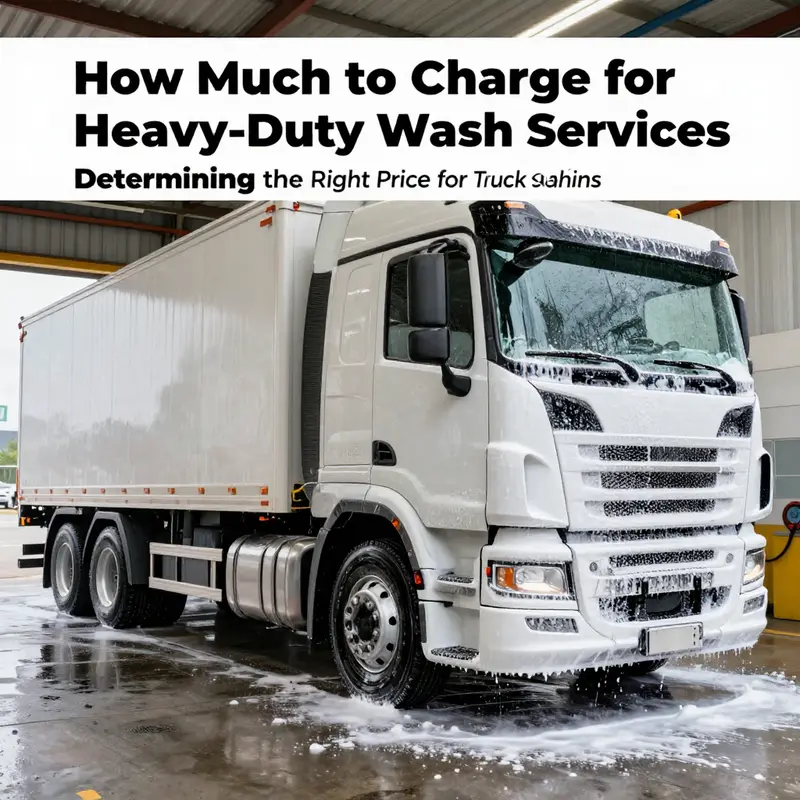
Pricing heavy-duty truck washes sits at the intersection of skill, equipment, and market intelligence. It is not enough to know a base hourly rate or a single sticker price for a click-through service. Fleet managers, owner-operators, and fleet custodians want predictable costs, reliable timelines, and measurable results. For anyone selling heavy-duty wash services, the challenge is to translate the complexity of the job—truck size, degree of dirt, and the chosen level of service—into a price that covers costs, sustains the business, and remains competitive in a busy market. The simplest way to approach this task is to see price as a designed outcome of multiple interacting factors rather than a single number that fits every vehicle. In practice, pricing a heavy-duty wash is a blend of cost calculations, value perception, and market positioning, all calibrated to the realities of where you operate and how you serve your customers.
At the core, heavy-duty truck washing covers a wide spectrum. You may offer a basic exterior wash for a semi-truck, a more thorough deep clean that includes foam washing, high-pressure rinsing, and drying, or a full-service option that adds undercarriage cleaning, wheel-well detailing, and even interior attention for fleets that demand a higher standard of hygiene. Each tier comes with different cost drivers and customer expectations. The pricing literature consistently notes a broad range: roughly from the mid-range to well into the upper end for the most comprehensive work. For a single vehicle, prices commonly span from roughly fifty dollars to well above two hundred dollars depending on size and scope. When you scale to heavy-duty fleets, it is not unusual to see per-vehicle charges from the hundreds to the lower thousands in extreme cases, especially when specialty services or rapid turnaround times are requested. These figures reflect both the physical work required and the value placed on time, efficiency, and vehicle downtime.
Size matters, and it matters more in this niche than in most consumer-focused cleaning. A standard exterior wash for a semi-truck might hover in the seventy-five to one hundred twenty-dollar range, but the same job on a fully loaded haul rig with dirt, mud, and grime packed into undercarriage crevices can push the price higher. When the dirt is stubborn, when there is road grime that has baked onto the chassis, or when sensitive components require careful handling, the labor intensity increases. In those moments, a basic exterior rinse becomes a more involved process, and the price adjusts accordingly. Overviews of the market consistently note that the deepest, most thorough cleanings—those that incorporate interior attention, protective sealants, and possibly engine-bay care—can reach two hundred dollars or more per vehicle. These arcs are not simply about manual labor; they reflect the time, equipment, and materials required to meet heightened expectations and to mitigate long-term maintenance concerns for fleets.
Geography plays a decisive role as well. Costs rise in areas with higher wages, more stringent environmental rules, or greater operating expenses for facilities and utilities. In a port-adjacent market or a city with heavy freight traffic, competition can push both up and down the scale depending on service density, customer concentration, and the ability to deliver on time. Meanwhile, markets that emphasize sustainability and efficiency may allow providers to differentiate through eco-friendly practices—biodegradable detergents, water reclamation, and automated systems—that justify premium pricing. The Tampa example illustrates a trend where market growth, strategic access points, and the demand from daily-use fleets have opened space for higher-value offerings. In such markets, a wash service can be expected to command premium prices when the provider communicates clear value: faster turnaround, less vehicle downtime, and responsible environmental stewardship through efficient water use and safe chemical management.
To price thoughtfully, a shop must separate the direct costs from the strategic choices in service depth. Direct costs include labor, materials, utilities, water disposal, and equipment depreciation tied specifically to the wash process. Indirect costs—overhead such as rent, insurance, admin support, and fleet coordination—must be allocated fairly to avoid underpricing. In many operations, labor represents the largest share of cost. The rate awarded to a technician, the shift schedule, and the percentage of time spent on different tasks (exterior wash, undercarriage scrubbing, wheel detailing, interior cleaning, or protective sealing) directly influence profitability. If a shop uses premium, eco-friendly detergents or operates a mobile unit that travels to fleets rather than requiring the vehicle to come to a fixed site, those factors add mobility costs and equipment wear that should be rolled into the price. Sharing the load across a fleet account can help stabilize cash flow, but it also demands transparent pricing and reliable service levels.
A practical framework begins with tiered service levels. A basic exterior wash provides the core value of cleanliness and protection for the vehicle, with a focus on the body, wheels, and windows. A premium exterior wash adds more attention to detail, possibly including minor rust-prevention wiping, sealant application, and a higher standard of finish. A deep clean or multi-point service adds interior vacuuming or detailing, engine-bay attention, and undercarriage care. Each tier translates into a different billable hours estimate and material cost. When you pair these service levels with typical job durations, you create a pricing ladder that customers can understand and fleets can plan around. For instance, a semi-truck might require roughly forty-five minutes for a basic exterior wash in a calm yard setting, whereas a full-service package with undercarriage work and interior detailing can stretch into two to three hours depending on the level of grime and the truck’s condition. These time estimates, though approximate, serve as essential inputs for your pricing formula and help fleets decide which level of service aligns with their maintenance budgets.
A clean and transparent pricing model invites trust. It is valuable to present a clear rationale for the price levels. Explain how size, dirt, and service depth feed into the final price, then provide a straightforward quote method for fleets with predictable needs. This might include standardized rates for common truck types and configurations, plus a few add-ons that fleets frequently request. The pricing approach must be legible to a busy fleet manager who needs to plan asset uptime and minimize ownership costs. A well-communicated pricing policy reduces back-and-forth, speeds decision-making, and improves satisfaction when the work is performed on time and to the agreed standard.
Mobile versus fixed-site operations introduce another axis of variation. Mobile services offer convenience and reduced downtime for drivers who cannot afford to leave a vehicle in the shop for hours. Those advantages, however, come at a cost: travel time, fuel, and the wear on mobile equipment. Consequently, mobile washes often carry a premium to compensate for the added complexity and the opportunity cost of being onsite at a fleet’s location. A fixed-site operation, while sometimes offering lower per-vehicle rates through volume and throughput efficiency, must manage the overhead of maintaining a large facility, water systems, and dedicated staff. Both models can coexist in a smart pricing strategy. The trick lies in aligning the price to the value delivered—speed, reliability, and safety—and ensuring that fleets see a tangible return on the premium they pay for mobile convenience or premium processing times.
In the market, value-based pricing can be a powerful tool when the customer perceives the benefit as distinct and meaningful. For heavy-duty trucks, the cost of downtime is a real, money-driven concern. A fleet that keeps semis in service during peak shipping windows will pay a premium to avoid lengthy maintenance sessions or repeated cleaning delays that can cascade into missed deadlines. In such cases, the price can reflect not only the service itself but the value of uptime, predictable delivery schedules, and reduced risk of cosmetic or mechanical issues that would otherwise require more expensive corrective work later. The integration of eco-friendly practices—water recycling, low-emission tools, and responsible waste handling—can further justify premium pricing in environmentally conscious markets, especially where regulatory pressure or corporate sustainability goals push fleets to externalize ethical considerations as part of their vendor selection.
It is worth noting how the industry communicates pricing with fleets. Detailed quotes built from a simple calculator can demonstrate that the cost per wash is influenced by the truck’s size, the grading of grime, and the depth of requested service. A tone that emphasizes predictable outcomes helps fleets budget across a quarter or year. In practice, a pricing calculator might include inputs for vehicle type, estimated dirt level, desired service tier, presence of undercarriage cleaning, and whether interior detailing is included. The output price should be accompanied by a concise description of what is included at each tier, the expected time for completion, and the conditions under which the price may adjust (for example, if extraordinary grime requires extra time or if a mobile unit must cover longer travel distances). Such clarity protects both the service provider and the customer, reducing friction and enabling sustainable profit margins across a range of fleet configurations.
There are also strategic opportunities to optimize pricing beyond simple tiering. For example, offering subscription-based maintenance plans can stabilize revenue and reward loyalty. A fleet on a monthly plan may receive a discounted per-wash rate in exchange for guaranteed volume, while the provider benefits from predictable demand and better labor planning. Bundling options—such as a standing quarterly undercarriage clean, a seasonal interior refresh, and a sealant application—can convert sporadic customers into recurring revenue, with pricing structured to reward commitment. In markets experiencing rapid growth, especially those tied to port activity and heavy freight traffic, such bundles can be particularly attractive. They deliver consistency for the fleet and a reliable workflow for the wash operation, smoothing seasonal fluctuations and enabling more efficient use of equipment and staff.
A practical illustration helps anchor these concepts. Suppose a yard services a fleet of ten semi-trucks each week. The typical exterior wash for these vehicles costs around $90 per unit, assuming moderate grime and a standard finish. If the fleet adds an interior detailing once a month and an undercarriage rinse every other visit, the per-truck price for the full service might rise to approximately $180 on higher-demand days. If the operator offers a mobile service option, they may add a travel surcharge and higher hourly labor rate to reflect on-site time and transportation costs, potentially pushing the per-vehicle price to $210 or more for the same service. These numbers are not universal; they illustrate how tiering, execution complexity, and delivery mode shape the final quote. Moreover, they underscore that pricing is a dynamic conversation with the market: as service depth increases, so does perceived value, and so should the price—provided that the customer sees a direct link between the extra cost and a tangible benefit, such as reduced downtime or extended vehicle longevity.
To support the decision-making process, it helps to keep an eye on regional realities and industry trends. In markets like certain port-adjacent or highway-heavy regions, the demand for frequent, reliable wash services is high, and fleets seek speed and consistency. Providers proactively invest in faster throughput, eco-friendly technologies, and documentation that aligns with fleet maintenance records. The premium price becomes a reflection of speed, reliability, and sustainability as much as it is a reflection of the labor involved. For readers exploring this topic, a relevant external resource discusses the broader landscape of mobile truck wash pricing and the factors that affect it, reinforcing the idea that a good price depends on service depth, location, and the value delivered. External reference: What Are Mobile Truck Wash Prices and What Affects Them? https://www.truckwashpros.com/mobile-truck-wash-prices
Even with a robust pricing framework, there is a need for continuous refinement. Feedback from fleets is invaluable. If a client consistently signals that a price is high relative to the perceived value, listen for the specific value drivers they name—reliability, speed, or a spotless finish—and adjust the offering or the price accordingly. On the other hand, if demand is soft, it is wise to revisit the cost mix, identify any inefficiencies in workflow, or explore value-added services that can be introduced without eroding margins. The best pricing strategies are not static; they evolve with the business, the market, and the needs of customers who rely on heavy-duty wash services to protect their assets and ensure smooth operations. In other words, price is not a fixed label but a lever that, when pulled thoughtfully, aligns with business goals and fleet expectations alike.
For those seeking practical, actionable insights, the conversation should not end with a price tag. The quote should be clear about what is included, what would trigger an additional charge, and how the service aligns with the fleet’s maintenance objectives. It helps to provide a reference point within internal materials and external data sources, showing that pricing is not arbitrary but grounded in observed market behavior and the cost structure of the operation. In this spirit, the following internal resource offers a detailed look at effective cleaning strategies that can influence pricing through enhanced performance and faster turnaround: proven-strategies-for-cleaning-grease-and-tar-off-your-trucks-fast. By combining rigorous technique with thoughtful pricing, a wash operation can present a compelling case to fleets that value both quality and reliability over time.
Ultimately, the goal is to arrive at a price that makes sense for the work performed and the value delivered. It requires a disciplined approach to cost accounting, a keen understanding of market dynamics, and a willingness to adapt as conditions change. The best practitioners recognize that heavy-duty truck washing is as much a service business as it is a craft. They price not only for the current job but for the long-term relationship with fleets, the stability of recurring revenue, and the reputational capital earned by delivering dependable results time after time. The result is a pricing strategy that supports sustainable growth, provides consistent service levels, and helps fleets keep their operations moving without unnecessary downtime or unexpected costs.
External reference: What Are Mobile Truck Wash Prices and What Affects Them? https://www.truckwashpros.com/mobile-truck-wash-prices
null
null
Final thoughts
Establishing the correct pricing strategy for truck washing services is essential for fleet managers and owners aiming to maintain their vehicles effectively while controlling costs. By understanding the differences between basic, premium, and heavy-duty wash services and factoring in the geographical influence on pricing, managers can make strategic decisions that enhance operational efficiency, improve aesthetics, and extend vehicle longevity. Ultimately, investing in the right washing services pays off in ensuring the reliability and appearance of fleets.