

Selecting the right truck wash soap is essential for maintaining a fleet’s appearance and prolonging vehicle life. Fleet managers, trucking company owners, and construction supervisors often face the challenge of finding products that efficiently clean large vehicles without causing damage to paint finishes. Each chapter of this article delves into significant aspects of truck wash soaps, from product options and the importance of truck-specific cleaners to avoiding household cleaners and comparing popular brands. Readers will discover key features to look for when making their choices, ensuring that their fleet remains in pristine condition.
Soap Science for Big Rigs: Choosing Powerful, Safe Wash Solutions for Trucks
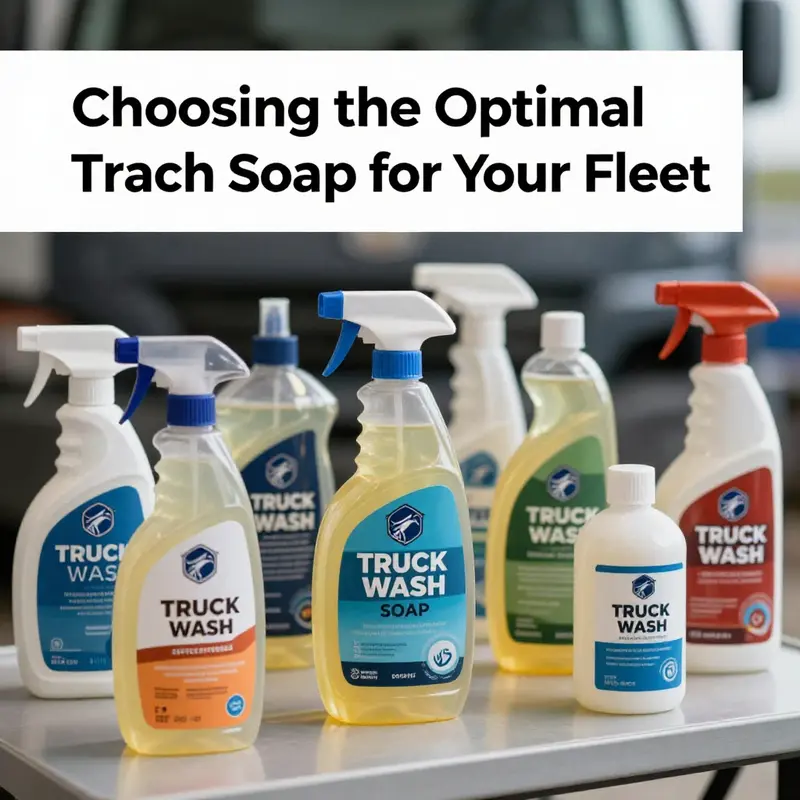
Choosing the Right Soap for Heavy-Duty Truck Cleaning
Washing a truck is not just a bigger version of washing a car. The larger surfaces, heavier soils, and varied materials demand a different approach. The soap you choose determines how much grime you remove, how much labor you save, and whether the paint, chrome, or fiberglass survives the process. Focus on three performance pillars—chemical balance, foam behavior, and surface compatibility—and the rest follows. These principles work whether you clean at home, manage a fleet, or hire a mobile service.
First, understand chemical balance. pH matters. A neutral or mildly alkaline formula lifts road film and oil without attacking paint or clear coats. Highly acidic or strongly alkaline cleaners can strip wax, dull factory finishes, and etch protective sealants over repeated use. That damage might not show after one wash, but it accumulates. For frequent washing, choose a soap that is labeled safe for automotive paints and coatings. It will remove contaminants while preserving the finish.
Foam quality is the second pillar. High-foam soaps create a lubricating layer between dirt and paint. This layer helps lift grit away from the surface and reduces the need for aggressive scrubbing. When paired with a foam cannon or foam lance, the soap clings to the vertical surface longer. That dwell time breaks down bugs, road tar, and baked-on residue so they rinse away more easily. For hand washing, a rich suds profile means your wash mitt glides across the panel with less chance of trapping abrasive particles.
Surface compatibility is the third concern. Trucks combine painted panels with chrome trim, exposed aluminum, vinyl decals, rubber seals, and fiberglass. A product that’s safe for all of these materials prevents selective damage. Avoid general household cleaners. Dish soaps and laundry detergents remove protective oils and strip wax. Truck-specific formulations account for heavy soils and diverse substrates. If you need to remove grease or tar, use purpose-made degreasers sparingly and only on targeted spots. Those heavier chemistries should be rinsed thoroughly and followed by a mild finishing soap to rebalance the surface.
Product form influences performance and cost. Concentrates let you tailor dilution ratios to the task. Light soil requires one mix; heavy mud or insect residue uses a stronger mix. Concentrates reduce shipping and storage volume for fleet operations. Ready-to-use solutions are convenient for quick touch-ups, but they cost more per wash. Touchless detergents are formulated to work with pressure washing systems. They rely on high-pressure rinse action and chemistry rather than manual agitation. Touchless options matter when you want to minimize contact and reduce swirl marks.
Compatibility with equipment is often overlooked. Not every soap is appropriate for foam cannons, pressure washers, or brush systems. Many modern soaps are labeled as foam-cannon compatible, meaning they produce stable suds and won’t damage seals in high-pressure systems. If you use a mobile pressure washer, pick a product designed for that delivery method. For fleets, standardizing on a single compatible soap simplifies training and inventory.
Application technique makes a dramatic difference. Pre-rinse to remove loose grit and salt. Apply soap from the bottom up on vertical surfaces so grime runs downward and doesn’t redeposit. Allow dwell time but do not let the soap dry on hot panels. For heavily soiled zones, a two-stage approach works best: start with a stronger presoak or touchless detergent, then follow with a foam-rich hand-wash to remove residual film. Finish with a thorough rinse and dry with a soft microfiber towel or an air blower to prevent water spots.
Cost-per-wash matters for owners and fleet managers. Calculate it based on dilution ratios and typical soil levels. Concentrates often yield the lowest cost per vehicle when mixed correctly. Factor in labor savings from faster cleaning and reduced rework due to surface damage. Using a foam-friendly concentrate can cut hand-scrubbing by half. Over time, the right soap saves both detergent costs and paint restoration bills.
Environmental and regulatory compliance is critical for commercial operations. Many jurisdictions require wastewater capture and proper disposal. Choose biodegradable formulas when possible. Confirm the product is compatible with your wastewater treatment or containment system. Some heavy-duty detergents contain builders and surfactants that upset treatment facilities. A safer chemistry simplifies compliance and reduces environmental risk.
Seasonal and regional factors influence product selection. In insect-heavy climates, you need a soap with enzymes or specialized solvents to dissolve bug protein. In winter, look for formulas that rinse free of salts and chlorides to prevent corrosion. Hard water areas benefit from soaps with water-conditioning agents. Those additives prevent mineral spotting and improve foaming performance.
Testing is essential. Before rolling out a new soap across a fleet, try it on a single vehicle. Check finish, decal adhesion, and trim compatibility. Time the dwell period and observe rinsing behavior. Perform a mild solvent or spot clean after drying to ensure no residue remains. A simple patch test prevents expensive mistakes.
Training and process standardization keep results predictable. Teach staff the right dilution, equipment settings, and safe dwell times. Label mixing containers clearly. Use the same wash routine for similar soil levels and vehicle types. For mixed fleets, create quick-reference charts showing dilution and pressure settings for cars, light trucks, and heavy rigs.
Mobile washing services offer another route. A professional mobile operation brings equipment and chemistry to your location. They often use high-performing, touchless detergents and capture runoff. For businesses with many trucks in rotation, mobile services cut downtime and centralize maintenance. If you prefer outsourcing, choose a provider that documents the detergents they use and verifies wastewater handling. For guidance on stain-specific techniques, see these proven strategies for cleaning grease and tar off your trucks fast: proven strategies for cleaning grease and tar off your trucks fast.
Finally, think long term. Prioritize products that protect coatings, maintain appearance, and simplify procedures. A balanced, foam-rich concentrate formulated for pressure washing and touchless systems tends to offer the best mix of efficiency and surface safety for large trucks. Regular use of the right soap reduces abrasive cleaning, preserves paint, and lowers overall maintenance costs. Choose carefully, test deliberately, and match chemistry to technique for consistent, professional results.
The Right Soap for Heavy-Duty Trucks: Power, Safety, and Fleet Longevity
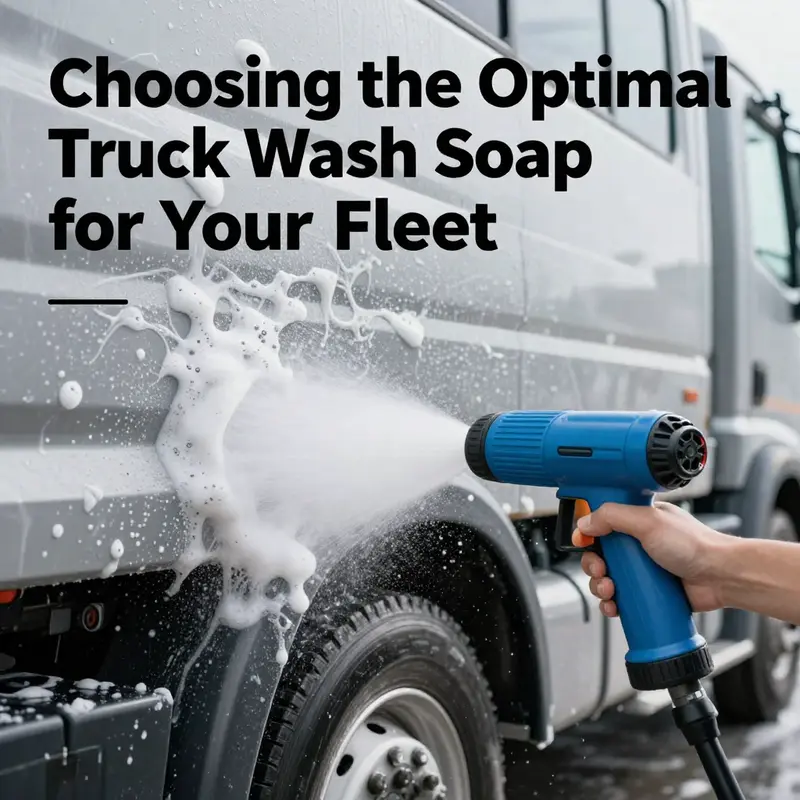
When fleets set out to choose a truck wash soap, they often confront a paradox: the market is crowded with options, yet there is no single universal best. The right answer for one fleet may not fit another, because the most effective soap depends on how it pairs with the wash system, the truck’s surfaces, and the level of grime that fleets routinely encounter. What remains consistent, however, is a shared set of criteria that separate a good truck soap from a poor choice. A truck wash soap worth its salt must deliver real cleaning power without compromising paint, seals, or trim. It must be formulated with trucks in mind, not as an afterthought borrowed from household cleaners. And it should play nicely with the equipment in the bay—especially when fleets rely on high-pressure, brushless, or touchless systems that demand a reliable chemistry to do the work between rinses and cycles.
From a practical standpoint, the pH range of the soap is one of the most important levers. The balance is delicate: a neutral to mildly alkaline formula—roughly between 7.5 and 9.5 on the pH scale—tends to deliver robust cleaning without aggressively attacking surface coatings. At the low end of that window, you gain safer interaction with vinyl, rubber seals, and rubberized trim; at the high end, you maximize dirt dissolution for stubborn soils like road grime, mud, and insect residues. The goal is to lift and suspend contaminants rather than etch the surface or strip protective layers. This is especially critical on commercial trucks, which often wear wax or sealant layers and feature a variety of finishes—from gleaming metallics to matte plastics and painted dashboards in cab interiors. A cleaner outside that is too acidic can gradually erode coatings and shorten the service life of trim, while an overly harsh foam can leave behind residues that attract new dirt after a rinse.
Yet chemistry alone does not guarantee success. The modern fleet environment increasingly relies on brushless and touchless wash bays, where cleaning power must be delivered through foam that clings and penetrates without manual scrubbing. A high-quality, brushless truck detergent creates a rich, durable foam that adheres to surfaces long enough to loosen grime, then slides away with a strong rinse. The foam’s viscosity and cling factor determine how well it lifts mud, dust, road grime, and insect remnants from doors, grilles, bumpers, and wheel wells. This means a well-designed soap should yield several benefits at once: it should foam readily when dispensed by a foam cannon or automatic system, provide ample dwell time for contaminants to loosen, and rinse cleanly without leaving a film that attracts new dirt or interferes with subsequent coatings or waxes.
An additional layer of consideration is the type of cleaning regime fleets actually use. For fleets that run automated, touchless systems, the emphasis shifts toward detergents that excel in lift and suspension without requiring scrubbing. In those environments, the foam is the primary cleaning agent verified in both lab testing and real-world fleet use. The ability to generate durable foam at the dilution rates compatible with the hydraulic flow and nozzle geometry of large wash bays is what separates a dependable product from one that merely looks effective on the label. When a foam is designed with the high pressures and rapid cycles typical of fleet wash stations in mind, it reduces abrasive contact with the vehicle surface and minimizes the risk of micro-scratches on paint and seal surfaces.
For operator-owners or rental fleets that rely on mobile wash services, the story remains the same, just with a different set of practical constraints. Mobile operators must balance cleaning power with portability, on-site safety, and the ability to deliver consistent results in variable conditions. A vehicle-specific soap—one that is safe for paint and trim yet capable of removing dust, road grime, and oily residues—can make a mobile wash service look professional and thorough. That said, mobile services often do not address deeper staining or oxidation in a single pass; those situations may require follow-up treatments or longer dwell times, which means scheduling, transport, or multiple visits. The overarching message stays constant: use a product designed for vehicles, not a generic household cleaner, and verify its performance in both lab tests and the fleet’s on-the-ground realities.
When fleets evaluate potential soaps, they should look beyond the label and seek evidence of performance in two critical domains. First is the formulation’s impact on surface integrity. Any effective truck wash soap should include safeguards—such as corrosion inhibitors and conditioning agents—that help protect metal surfaces, rubber seals, and chrome or trim components during washers’ cycles. This is especially important for fleets with aging vehicles or those that routinely operate in harsh environments—salt, grime, tar, and industrial residues can accelerate wear if the cleansing chemistry is not carefully tuned. Second is rinseability. A great detergent can lift soils but also rinse away cleanly, leaving no sticky residues that invite new dirt or interfere with waxes, sealants, or coatings. Residues, even trace amounts, can alter gloss, impede reflectivity, or dull the finish after relatively short service life.
In practice, the best truck wash soaps are formulated and tested with fleet needs in mind. They are designed to work with high-pressure pumps, long hoses, and the varied geometry of large trucks and trailers. They are not mere big-bottle versions of dish soap repurposed for vehicles. They are purpose-built products that maintain performance across dilution ranges, endure the rigors of continuous use, and support the efficiency goals of fleet operators. For fleets that want to standardize across multiple bays, brands that deliver consistent chemistry across batches and have a track record in fleet applications are particularly valuable. The ability to source a uniform product that works identically whether the wash bay is in a major distribution center or a satellite site reduces variability and speeds up operator training, ultimately supporting better outcomes at scale.
The decision to standardize on a truck-specific cleaner rather than relying on household detergents is more than a matter of paint safety. It is about preserving the vehicle’s value over time. A clean truck is a better-maintained truck, and that maintenance translates into resale value, driver pride, and operational efficiency. When a wash process is aligned with the vehicle’s materials and coatings, technicians spend less time dealing with aftercare issues and more time on productive tasks. The right soap also supports broader fleet objectives, such as reducing rinse water usage and speeding up cycle times without compromising cleanliness. In jurisdictions with strict environmental or water-use regulations, a soap that works well at the recommended dilution and contributes to efficient wash cycles can have a measurable impact on a fleet’s compliance and overhead costs.
For those who manage fleets or operate truck-wash facilities, the choice of soap is part of a larger system. It interacts with wash equipment, water quality, nozzles, foam-generation hardware, and the maintenance cycles of pumps and hoses. The best practice is to integrate product selection with equipment specifications and site conditions. A well-documented maintenance program that includes routine checks of chemical feeders, dilution accuracy, and contact times helps ensure the chosen cleaner performs as expected, day in and day out. It also provides a basis for training staff to recognize signs of inadequate cleaning or potential residue buildup, such as streaking, white hazing on trim, or a persistent film on glass and chrome fixtures. In short, the right soap is not a stand-alone decision; it is a central piece of a holistic, reliability-driven approach to fleet cleaning.
A final point ties the discussion back to practical implementation. Fleet managers who want to maintain consistency across multiple sites should consider documenting a standard cleaning protocol that specifies the vehicle types in the fleet, the soil profiles most commonly encountered, and the dilution and contact times proven effective in their bays. This protocol should be living data, updated as fleets gain experience with different soils and as new formulations enter the market. It should also reflect a willingness to test and compare products in controlled conditions before committing to a fleet-wide rollout. In parallel, facilities can benefit from embracing the broader business context of cleaning—safety training, crew scheduling, and maintenance planning—that ensures soap choices translate into real, measurable gains in appearance, protection, and efficiency. For readers seeking concrete examples of practical industry practices, a deep dive into facility management for truck wash businesses offers a comprehensive view of how the cleaning system fits into the broader operational picture. facility management for truck wash businesses
In sum, the best soap for heavy-duty trucks is not a single name on a label but a blend of chemistry, engineering, and process. It is a vehicle-specific formulation with a pH calibrated to clean without abuse, a foam profile that supports touchless and high-pressure cleaning, and a track record of delivering consistent results across fleets and environments. It respects the surfaces it cleans while empowering operators to do their work efficiently and safely. For fleets that aim to protect paint, extend coating life, and maintain presentable equipment for as long as possible, choosing a vehicle-focused detergent—tested and proven in real-world fleet contexts—remains the most sensible path. External evidence and product tests continue to reinforce this approach, underscoring the advantage of a tailored solution over a one-size-fits-all detergent.
External resource: https://www.amazon.com/dp/B0C1XQZ6FJ
Why the Right Truck Wash Soap Matters: Protect Paint, Wax, and Seals by Avoiding Household Cleaners

A single wrong wash can erode days of care. For trucks that see long highway miles, salt, road grime, and diesel soot, the cleaning product you choose does more than tidy up appearance. It either preserves protective layers and finish, or chips away at them. Truck wash soaps formulated for vehicles are engineered to remove stubborn contamination while leaving waxes, sealants, and clear coats intact. Household cleaners are not.
Household detergents and multipurpose cleaners are designed for dishes and floors. They cut grease aggressively because that’s necessary in kitchens. That cutting action is exactly what attacks the thin, polymer-based layers that protect automotive paint. Dish detergents and many all-purpose cleaners are alkaline and contain surfactants that break down oils quickly. On a truck, that means removal of protective wax and deterioration of factory-applied clear coats over repeated use. The result is dull finish, faded color, and greater vulnerability to oxidation and corrosion. Rubber trim and window seals also suffer; they can dry and crack when exposed to strong detergents and solvents.
Choosing a wash soap designed for trucks prevents that outcome. The right product balances cleaning power with gentleness. Look for formulations described as pH-balanced or pH-neutral for automotive surfaces. Those products remove dirt without stripping protective layers. They contain lubricants and foaming agents that lift grit away from the paint surface. That lubrication matters: grit suspended in suds reduces the chance of micro-scratches when you touch the surface with a mitt or cloth. Concentration and dilution ratios are also important. Concentrated soaps stretch further and often allow you to adjust strength based on how dirty the truck is. But following label dilution instructions is essential. Over-concentrating accelerates the chemical action and can negate the product’s safe profile.
Compatibility with protective coatings is another key attribute. Many trucks now carry factory ceramic-infused finishes or aftermarket sealants. A safe truck wash keeps those layers intact so they continue to repel water and dirt. Some vehicle-specific soaps are explicitly labeled safe for wax, sealants, and ceramic coatings. If the label is unclear, do a spot test on an inconspicuous area or consult the coating manufacturer. A brief test wash followed by a comparison of water beading and surface sheen will quickly reveal whether a soap is compatible.
Equipment matters too. Many truck owners and fleets use pressure washers and foam cannons to speed up the process and improve coverage on large surfaces. Not every soap behaves the same under high pressure or in a foam cannon. Vehicle-grade soaps formulated for foam application produce thick clingy foam that adheres to vertical areas and works contaminants loose. This foam time reduces the need for aggressive scrubbing. When selecting a soap, verify that it is labeled safe for pressure washers and foam systems. That ensures it will dilute and dispense correctly, and that it won’t harm pump seals or hoses.
Wheels, tires, and undercarriage areas often need different chemistry. Heavy brake dust, tar, and road film can demand stronger detergents or specialized wheel cleaners. However, avoid using harsh wheel products on painted surfaces. Either use separate cleaners for wheels and rims, or rinse and protect painted areas before applying heavier chemistry. For sticky residues like tar and asphalt, targeted treatments formulated for automotive use remove the deposit without attacking paint. For fleets or operators who face these challenges regularly, established cleaning protocols and pre-treatment steps cut down on overall chemical use and reduce risk of damage. Practical tips and step-by-step strategies for tackling stubborn grease and tar can be especially useful when planning wash routines for trucks and trailers; a resource on proven cleaning strategies outlines methods that preserve finish while restoring appearance (Proven strategies for cleaning grease and tar off your trucks fast).
Environmental and regulatory considerations also shape your choice. Many regions require truck wash facilities to manage runoff and to use biodegradable, low-toxicity products. Even for individual owners washing on private property, choosing biodegradable formulations reduces the chance of harming vegetation and soil. Read product safety data sheets to confirm biodegradability and environmental impact. For commercial operations, following local wastewater rules often means selecting soaps that separate easily in oil-water separators and do not introduce stubborn phosphates or heavy solvents.
Performance expectations should be realistic. No single wash will restore a neglected finish to showroom condition. A proper soap will, however, safely remove day-to-day grime and preserve protective coatings, extending the interval between more intensive detailing. When inspecting a wash soap, consider cleaning strength, foaming action, dilution range, compatibility with waxes and coatings, equipment compatibility, and environmental profile. Also pay attention to scent and residue. A soap that leaves a slippery residue or film can indicate surfactants that interfere with future waxing or water-beading.
Practical use tips reduce risk and improve results. Start with a full rinse to remove loose grit. Use a two-bucket method: one bucket with soapy water and one with clean rinse water to avoid reintroducing grit. Use soft, high-lint microfiber mitts, and work from the top down. Rinse frequently and finish with a short final rinse using low-pressure water to remove any remaining detergent. For foam cannon users, apply foam, let it dwell briefly, agitate gently where needed, then rinse. When working on a fleet, standardize dilution ratios and washing steps to maintain consistent finish and to simplify training for staff.
Product labeling and testing are simple safeguards. If a product claims paint safety, look for clear language about wax, sealant, and coating compatibility. Avoid labels that use vague marketing phrases without substance. When in doubt, test on a low-visibility area and compare before and after. Monitor the surface over several washes to ensure no cumulative damage.
Finally, think in terms of long-term value rather than short-term savings. A cheap household detergent may seem cost-effective per bottle, but repeated damage to wax and clear coat means more frequent repainting, polishing, or sealant replacement. A vehicle-specific truck wash soap preserves value and reduces maintenance costs over years of service. For truck owners and fleet managers, investing in the correct wash chemistry aligns with broader maintenance practices that keep vehicles safer, more efficient, and more valuable over time.
For additional guidance on safe truck wash choices and why household cleaners should be avoided, see this in-depth external resource: https://www.carpro.com/blog/best-truck-wash-soap-avoiding-household-cleaners
Choosing the Right Truck Wash Soap: How to Judge Foam, pH, and Surface Safety for Heavy-Duty Cleaning
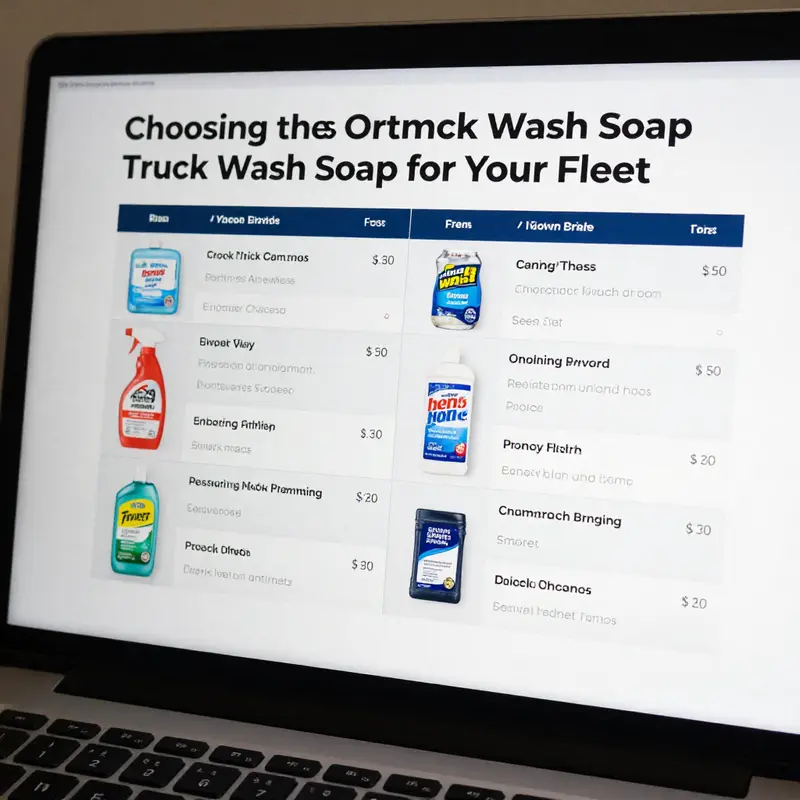
A smart choice of truck wash soap starts with understanding what the product must do and what it must avoid. Trucks face road film, salt, diesel soot, insect residue, brake dust, and occasional tar or grease spots. The ideal cleaner removes these contaminants without stripping protective wax, degrading clear coat, or etching aluminum and chrome. That balance rests on three core characteristics: pH profile, surfactant formulation and foam behavior, and demonstrated surface safety. These form the backbone of any comparative evaluation.
pH matters because it determines how aggressively a formula interacts with coatings and metals. Alkaline cleaners strip oils and break down heavy road grime quickly, but repeated use can dull factory or aftermarket finishes. Acidic products remove mineral deposits and oxidation, yet they can pit aluminum or damage chrome if misused. A truck wash soap formulated near neutral pH, or mildly alkaline when heavy soils demand it, gives the best compromise. Those products are engineered to lift soils while preserving waxes and sealants. When selecting a concentrate, inspect the label for pH guidance and recommended dilution. A product that lists a safe pH range or states compatibility with clear coats signals a design aimed at regular fleet care rather than one-off deep stripping.
Foam quality and foam retention reflect more than aesthetics; they indicate how long surfactants remain in contact with the surface. Thick foam cushions dirt and helps prevent re-deposition during rinsing. For large trucks, foam that clings lets active ingredients soften grime before physical agitation. If you use a foam cannon or pressure-washer foam lance, match the soap’s concentrate and viscosity to the equipment. Some formulations are optimized for high-pressure injection and will produce clingy, long-lasting foam when metered through a cannon. Others are meant for bucket-and-mitt washing and prioritize lubrication to protect paint during hand contact.
Surfactant selection determines cleaning power and rinsability. Non-ionic and amphoteric surfactants tend to be gentler on waxes and coatings while still releasing oily soils. Anionic surfactants deliver strong grease-cutting action but can leave residues if overused. Many truck-focused concentrates blend surfactant types to balance grease removal with easy rinsing. Look for products that emphasize rinsability in hard or mineral-heavy water. If your facility operates in an area with hard water, choose a soap formulated to mitigate spotting and film; otherwise, you’ll spend more time detailing and towel-drying.
Concentration and cost-per-wash are practical considerations for fleets. A highly concentrated detergent offers lower cost per wash when diluted correctly. However, concentration is only beneficial if dilution guidelines are clear and repeated staff training ensures consistent mixing. A misdiluted concentrate can either underperform or become abrasive to coating systems. A solid labeling system, color-coded dilution charts, or pre-measured dosing can eliminate guesswork and protect finishes. When assessing cost, compute the cost per gallon of ready-to-use solution and then the cost per average truck wash. This approach gives a real comparison between competing concentrates and ready-made formulas.
Compatibility with protective coatings and waxes is critical. Many modern trucks rely on factory-applied clear coats, ceramic or polymer sealants, and wax layers. A soap that aggressively strips these protections will leave paint vulnerable to UV and abrasion. Conversely, a product marketed as ‘‘safe for sealants’’ usually contains milder surfactants and sometimes conditioning agents that preserve hydrophobicity. If preserving a wax or sealant is a priority, choose a neutral or pH-balanced wash and avoid strong degreasers for routine washes. Reserve heavy-duty degreasers for targeted spot treatments.
Specialty soils like grease, tar, and asphalt need a different approach. Rather than using the general wash soap to tackle heavy tar, combine a pH-safe truck wash for overall cleaning with targeted solvents or citrus-based spot removers for stubborn spots. Follow manufacturer guidance for applying tar removers, and always test on an inconspicuous area first. For operational guidance on dealing with greasy or tar-laden trucks efficiently, consult proven strategies for cleaning grease and tar off your trucks fast. Using a multi-step process—pre-rinse, targeted solvent, foam contact, gentle agitation, and final rinse—reduces the chance of overexposure to harsh chemicals.
Application method also affects product choice. Foam cannon systems demand soaps formulated to produce dense, clinging suds under pressure. Hand washing benefits from lubricious formulas that reduce swirl marks when mitts or brushes contact paint. Pressure washing without foam benefits from higher alkalinity formulas designed to emulsify road film quickly. If you alternate between methods, consider a versatile concentrate labeled for both foam cannon and manual washing. That flexibility reduces inventory while supporting different operational needs.
Environmental and regulatory factors influence selection. Many jurisdictions limit discharge of phosphate-rich or highly alkaline waste. Biodegradability and low aquatic toxicity are increasingly required by municipal discharge permits. Select soaps with clear environmental declarations or third-party certifications where applicable. Also consider worker safety: solvents and strong alkaline cleaner fumes can create hazardous conditions in enclosed facilities. A milder, worker-friendly formula minimizes personal protective equipment needs for routine washing and lowers health risks.
Testing protocols will protect trucks and budgets. Perform a compatibility test on a small area before fleet-wide use. Mix the soap at recommended dilution and apply to a hidden panel, let it dwell, then rinse and inspect for staining, etching, or finish dulling. Track results over several washes to catch gradual effects. For fleet decision-making, run side-by-side washes using the same water temperature, same rinse pressure, and identical drying method. Measure time to remove typical soils, foam cling time, amount of water used for rinsing, and perceived finish quality after drying. Log these metrics to compare products objectively rather than relying on subjective impressions.
Storage, handling, and supply logistics matter for operational continuity. Concentrates reduce storage volume but require secure handling and accurate dispensing. Ready-to-use blends simplify staff training and reduce dilution errors but consume more storage space. Evaluate supplier reliability, availability in bulk sizes, and compatibility with your dispensers. Clear labeling and spill containment plans will protect staff and the facility.
When forming a practical recommendation, prioritize a truck wash soap that is specifically formulated for heavy-duty vehicles, balanced in pH, and optimized for your primary application method. Ensure it cleans road film and salt effectively while preserving protective coatings and minimizing water and labor costs. Confirm environmental compliance for your jurisdiction and test compatibility before large-scale adoption. For a deeper comparison of ingredients, user feedback, and performance rankings across widely used truck wash soaps, see this external resource: https://www.automotiveexpert.com/truck-wash-soap-comparison
What Defines the Best Truck Wash Soap: A Practical Guide to Features, Safety, and Finish for Large-Vehicle Cleaning
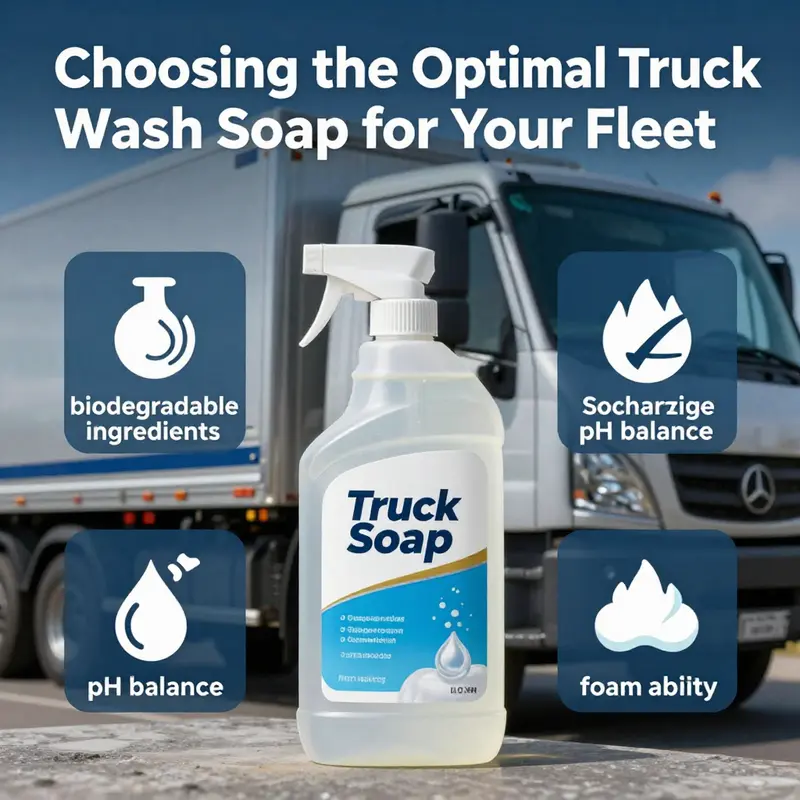
Choosing a truck wash soap goes beyond picking a bottle off the shelf or selecting whatever’s on sale. For fleet operators, independent drivers, and mobile wash teams, the chemistry inside that bottle translates directly into paint protection, water and time efficiency, and the bottom line. The best truck wash soap is not a marketing slogan; it is a balanced formulation that cleans heavy-duty surfaces without sacrificing finish. In practical terms, this means a product that is non-abrasive, pH-balanced, and biodegradable, with a concentrated formula that makes sense for the scale of trucks, trailers, and other large vehicles. Those attributes matter because trucks carry unique demands: vast flat surfaces, stubborn road grime, insect residue along the cab, diesel soot in the exhaust plume, and the potential for subtle wear on waxes and sealants that keep fleet finishes looking new longer.
Non-abrasive action is foundational. A truck’s paint and clear coats are engineered to resist casual scrapes and swirls, but repeated exposure to grit, mud, and caked-on grease can accumulate micro-scratches if the cleaning approach is too aggressive. The ideal soap uses lubricants and surfactants that loosen dirt without grinding it into the finish. It should also help the dirt release readily under rinse conditions typical of large exterior surfaces. This is especially important for mobile operations where the operator must balance speed with protection. When you’re using a high-pressure system, the cleaning chemistry should do the heavy lifting while the water jet finishes the job without forcing the system to compensate for abrasive residues.
Equally critical is pH balance. A wash soap with a neutral or gently alkaline profile that won’t disrupt waxes or polymer sealants preserves gloss and extends the life of protective coatings. A pH that’s too harsh can strip surface protection or dull the shine after repeated cleanings, especially on trailers, skirts, and other painted components that endure a lot of exposure. In practice, a well-formulated truck wash soap maintains its cleaning power while keeping the finish intact across different cleaning cycles, whether you’re detailing a cab in a fleet yard or performing a rapid wash in a mobile operation parked at a customer site.
Biodegradability is more than a buzzword. Fleet managers increasingly weigh environmental stewardship alongside performance. Biodegradable formulations reduce the ecological footprint of wash cycles, especially when wash water drains into storm systems or when effluent is captured for proper disposal. The advantages go beyond policy compliance: biodegradable cleaners often feature milder, safer rinses that help protect operators’ skin and reduce chemical sensitivities among crew. This is particularly relevant for mobile teams that operate in variable climates and conditions, where exposure to cleaning agents is frequent and contact time with skin is unavoidable.
A concentrated formula matters, perhaps more than most fleets realize. Concentrates stretch across larger volumes of cleaning power with less product, lowering per-vehicle cost and reducing the logistical burden of stocking several dilutions. For mobile wash services, concentrates are a practical answer to water-use constraints and time pressures. They let teams mix a fresh batch tailored to the day’s workload, whether nudging through a light rinse after a spill or tackling a truck’s heavy exterior grime before a photoshoot or client handoff. The ability to dilute to a workable strength means you can calibrate cleaning intensity to the task at hand, avoiding overuse while maintaining consistent results.
Commercial-vehicle focus is another essential filter. Soap manufacturers that cater to trucks, RVs, and other heavy-duty fleets design detergents to cut through the grime that is typical of long-haul travel, highway tar, road grit, mud, oil residue, and insect matter along the front fascia. These products are engineered with the realities of road transportation in mind, including the need to lift stuck-on soils without relying exclusively on aggressive scrubbing. That approach makes sense for fleets that schedule regular maintenance washes and need predictable outcomes across dozens or hundreds of vehicles.
In an ideal world, you’d pair the right soap with the right equipment. A high-quality soap should foam generously, lifting dirt into a suspension that rinses away cleanly with minimal residue. Foam depth matters because it creates a protective buffer between dirt and the finish, giving the rinse a better chance to carry away contaminants rather than dragging them across the surface. For operations that rely on touchless systems, a soap designed to generate a rich, stable foam without depending on physical agitation reduces the risk of surface damage caused by brushes or abrasive components. The goal is a clean that feels easy, safe, and repeatable every time.
The decision about which soap to choose also hinges on practical usage and the environment in which the truck wash operates. In a stationary bay, a slightly longer dwell time with a milder formula can provide exceptional results without requiring excessive agitation. In mobile settings, where operators depend on high-pressure delivery and limited contact time with each panel, the soap must deliver rapid dirt loosening and strong rinsing power. A great option in this space is a commercial-grade, water-efficient detergent concentrate designed for touchless or minimal-contact cleaning. The blend should strike a careful balance: it should be robust enough to deal with road grime yet gentle enough to preserve finish and sealants.
Understanding these features helps explain why the best choice isn’t a single brand or a one-size-fits-all solution. It’s about matching the product’s chemistry to the fleet’s needs, the local water quality, and the typical soil load. For fleets with frequent long-haul operations, a tough-but-tolerant formula that can ceramically cut through grease and tar while preserving protective coatings is invaluable. For daily maintenance in a busy fleet yard, a milder, more forgiving option that rinses cleanly and minimizes residue can support faster turnover and reduced rework. And for mobile wash teams, the priority shifts toward a highly concentrated, touchless-ready solution that delivers strong foaming action, quick dirt lift, and reliable rinse performance without brushes, minimizing surface disturbance.
If you want to explore practical strategies that connect chemistry to results, consider exploring established guidance on grease and tar removal in heavy-truck contexts. Proven strategies for cleaning grease and tar off your trucks fast offers perspectives on approach and technique that can inform your soap choice and the setup you deploy in the field. While that resource covers broader removal approaches, the underlying message remains clear: the best soap is the one that complements the technique, the equipment, and the environmental and safety constraints you operate under.
In short, the best truck wash soap is defined by three interlocking ideas: a formulation that is non-abrasive and pH-balanced to protect finishes, biodegradable to minimize environmental impact, and highly concentrated to maximize efficiency for large surfaces and variable work contexts. The ideal product behaves well across conditions, resists leaving behind film or streaks, and works harmoniously with the cleaning method you trust—whether that method is touchless, brush-assisted, or a hybrid approach. When you assess a soap against these criteria, you can chart a more reliable path through a crowded marketplace and toward a choice that supports faster jobs, longer-lasting paint, and safer, more sustainable wash practices for every mile of your fleet. For managers and crews who want to maintain consistency across dozens of trucks, establishing a standard specification that prioritizes finish protection, efficiency, and environmental responsibility helps ensure that every wash supports the vehicle’s appearance and its value over time. External research resources can supplement this decision by providing real-world testing and field-use insights; you’ll find a practical reference linked above that aligns with these priorities.
Final thoughts
Identifying the best truck wash soap is crucial for the maintenance of any fleet. Throughout this article, key product options, the necessity of using truck-specific cleaners, and the consequences of household cleaners have been discussed. Additionally, a comparative look at popular brands and the essential features to seek out empowers fleet managers and trucking operators to make informed choices. Ultimately, selecting the right wash soap not only preserves the aesthetic value of the vehicles but also extends their operational life, fostering a robust investment into fleet maintenance.