
In the competitive world of logistics and fleet management, maintaining a clean semi truck is crucial not only for operational efficiency but also for projecting a professional image that instills confidence in clients and partners. A well-maintained truck reflects the commitment of a fleet towards safety, hygiene, and regulatory compliance, which are essential in today’s market. As a fleet manager or owner, understanding the cost associated with a semi truck wash can significantly impact budget allocation and service quality. In this article, we will explore various pricing structures and services related to semi truck washing, ensuring that you make informed decisions that align with your fleet’s operational needs. From standard washes to specialized detailing services, we will uncover the factors influencing costs and the benefits of investing in regular truck cleaning to enhance your fleet’s longevity and reliability. Learn more about industry compliance and the importance of maintaining your fleet’s reputation in the logistics sector.
The Importance of Truck Washing
Regular truck washing is a vital practice for fleet managers and operators in the logistics and transportation industry. It goes beyond mere aesthetics; it plays a critical role in vehicle longevity, safety, and compliance with industry regulations. Below are the key benefits of maintaining a clean fleet:
- Improved Aesthetics: A well-maintained truck fleet enhances the company’s brand image and professionalism. Clients and partners are more likely to trust a company that values cleanliness and presentation, directly impacting business opportunities.
- Vehicle Longevity: Regular washing prevents dirt and grime build-up, which can lead to corrosion and mechanical issues. According to The Hidden Benefits of Regular Truck Washing, maintaining a clean vehicle extends its lifespan significantly.
- Safety Compliance: Compliance with Department of Transportation (DOT) standards requires that commercial vehicles be maintained in a clean state. Dirty trucks can result in fines and legal issues, as discussed in DOT Compliance and Fleet Washing.
- Enhanced Visibility: Clean windows and mirrors improve driver visibility, which is crucial for road safety. Regular washing minimizes accidents and improves overall safety ratings for the fleet.
- Operational Efficiency: Regular truck washing can enhance fuel efficiency by reducing drag on vehicles, thus saving on fuel costs.
In conclusion, prioritizing regular truck washing is essential for fleet managers, ensuring vehicle longevity, compliance with regulations, and a polished professional image.
Understanding the Costs of Semi Truck Wash Services
When managing a fleet of semi trucks, understanding the pricing structure of wash services is crucial. The costs for semi truck wash services vary significantly based on several factors, including the type of wash service and the geographical region.
Average Pricing Overview
Based on recent research, here are the typical price ranges for various semi truck wash services:
| Service Type | Average Cost Range (USD) |
|---|---|
| Basic Exterior Wash | $30 – $70 |
| Hand Wash (Cab & Trailer) | $50 – $150 |
| Trailer Washout | $30 – $80 |
| Fleet Washing | $40 – $120 |
The above table provides a snapshot of average costs across the industry, reflecting data compiled from multiple service providers. Learn more about the costs associated with fleet washing.
Factors Influencing Costs
Several factors contribute to variations in semi truck wash pricing:
- Service Type: The specifics of the wash (e.g., hand wash vs. automatic) can greatly influence the cost. Hand wash services typically include additional labor, leading to higher prices.
- Vehicle Size and Condition: Larger or dirtier trucks may incur additional charges due to the increased time and resources needed for effective cleaning.
- Location: Pricing can also vary based on location, with services in urban areas generally commanding higher fees compared to rural settings due to operational costs.
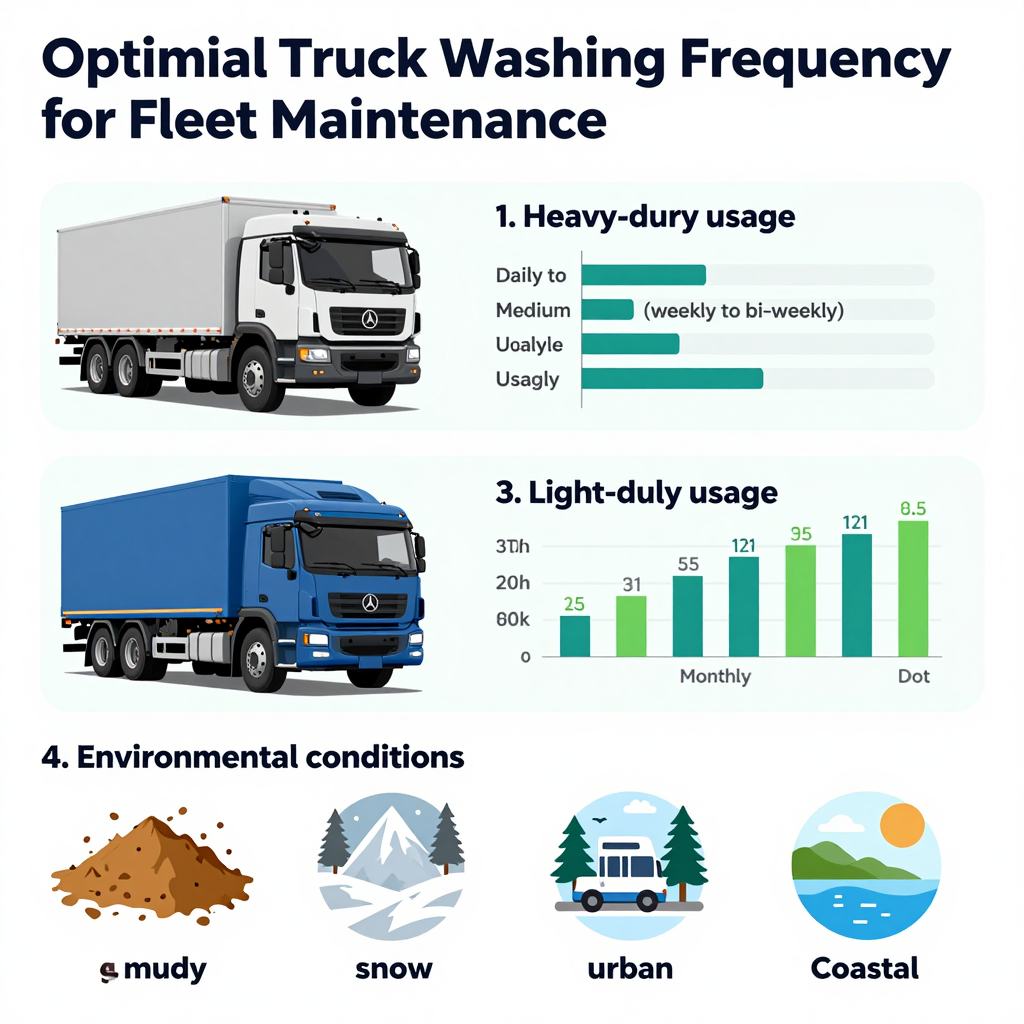
- Frequency of Washing: Regular customers may benefit from discounts or bundled services, reducing overall costs.
Understanding these cost factors can assist fleet managers in budgeting for maintenance and ensuring high operational standards. For more information about the importance of regular fleet maintenance, read here.
Conclusion
In conclusion, while semi truck wash costs can vary widely, awareness of the average pricing and influencing factors can help logistics and fleet managers make informed decisions about their washing services. Regular maintenance is essential for preserving vehicle integrity and enhancing overall fleet efficiency.
Comparison of Truck Wash Services
When considering truck wash options, it’s essential to understand the services, costs, and what each provider offers. Below is a comparison table of various truck wash services that can help in decision-making.
| Service Type | Company/Provider | Offering Details | Price Range (USD) | Average Cost (USD) |
|---|---|---|---|---|
| Basic Exterior Wash | Tampa Truck Wash | Drive-through system; full exterior wash in under 10 minutes; includes rinse, soap, and dry. | $30 – $70 | $50 |
| Hand Wash for Cab and Trailer | Shell Global | On-demand booking; professional cleaning of cab interior and trailer exterior; contamination-free service for tankers and silo trucks. | $50 – $150 | $100 |
| Trailer Washouts | Customized Logistic Truck Washing Systems | Soft touch or touchless wash; ideal for sensitive trailers; includes high-pressure rinse and decontamination. | $30 – $80 | $55 |
| Detailed Truck Cleaning | Qingdao Risense Mechatronics Co., Ltd. | Fully automatic roll-over brush system with ozone disinfection, micro high-pressure cleaning, polishing wax, and drying; suitable for buses and trucks up to 18m long. | ~$250 | $250 |
Note: Prices are based on available data from product listings and service descriptions as of April 2026. Actual costs may vary by location and customization.
For an insightful understanding of compliance and emissions regulations in truck washing, learn more about industry compliance and emissions regulations here.
Visual Representation of Average Truck Wash Costs
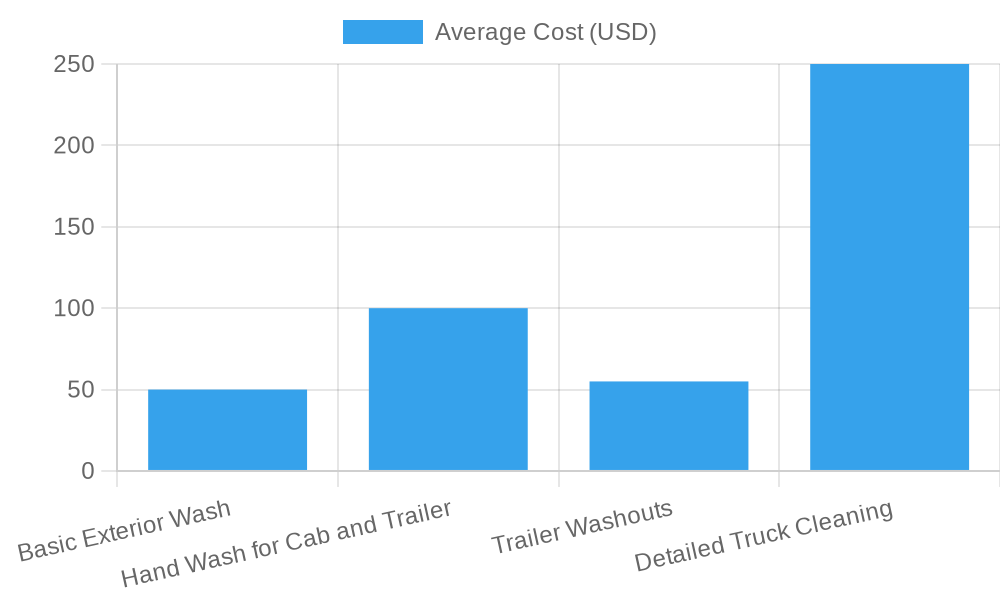
This visual chart illustrates average costs associated with different truck cleaning services, helping you identify the most cost-effective option for your needs.
DIY Truck Washing: Costs and Considerations
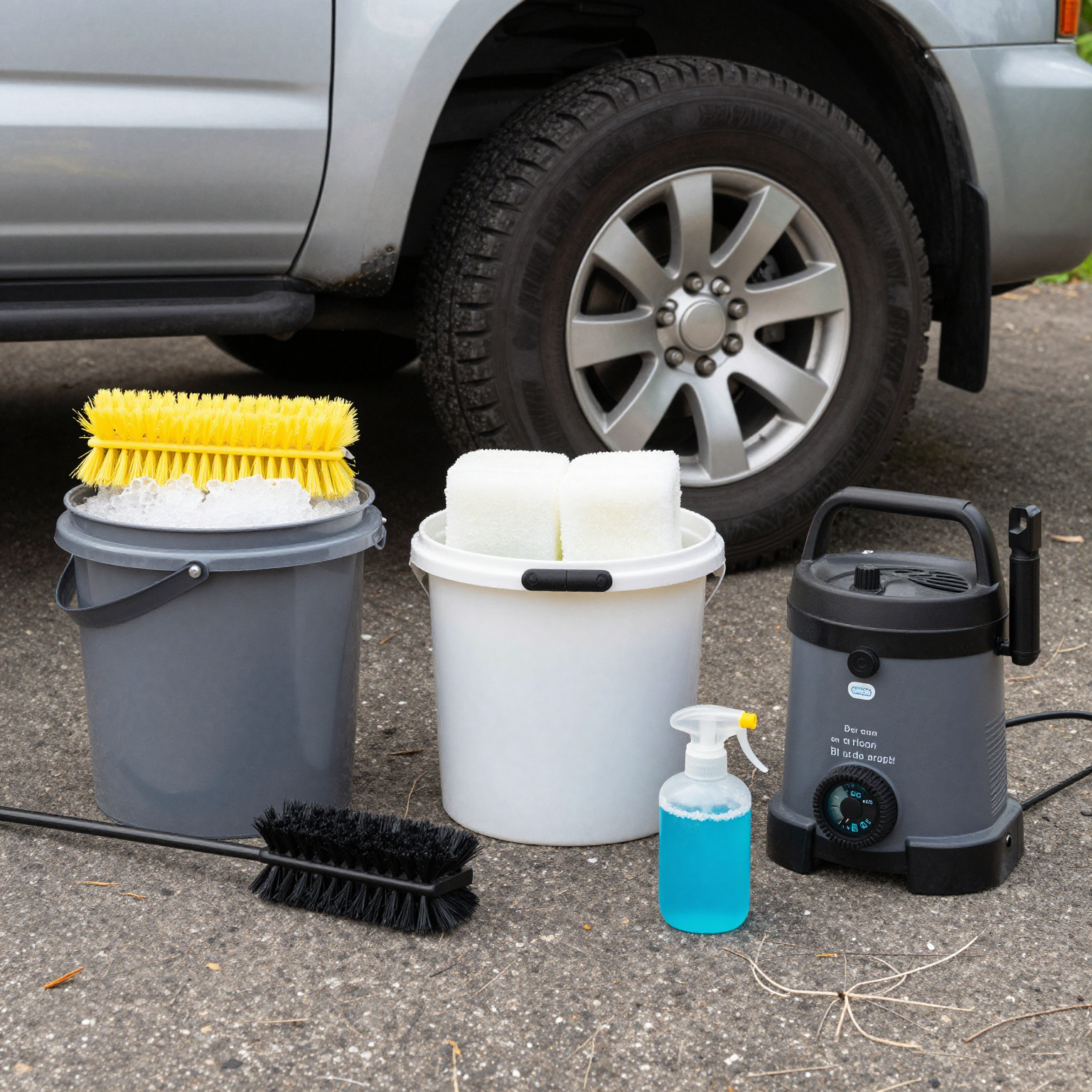
When it comes to maintaining a clean fleet, many logistics and trucking professionals consider DIY truck washing as a viable option. The associated costs for DIY washing can vary widely based on equipment and supplies needed:
| Category | DIY Truck Washing | Professional Truck Washing Services |
|---|---|---|
| Average Cost per Wash | $15 – $30 | N/A (service fee includes all supplies and equipment) |
| Initial Equipment Investment | $100 – $500 | N/A (no upfront equipment cost) |
| Average Service Cost per Truck | N/A | $50 – $120 per wash |
| Time Required per Wash | 1 – 2 hours | 30 minutes – 1 hour |
| Water Usage | High (uncontrolled runoff) | Lower (efficient systems with water recycling) |
| Environmental Impact | Higher (chemical runoff, unregulated water discharge) | Lower (compliance with regulations, water recycling) |
Advantages of DIY Truck Washing
- Cost Savings: With an average supply cost between $15 and $30 per wash, DIY can reduce overall washing expenses significantly, especially for larger fleets.
- Control Over the Process: Fleet managers can ensure thorough cleaning to meet their standards, as well as choose eco-friendly products to mitigate environmental impact.
Disadvantages of DIY Truck Washing
- Time Consuming: DIY washing typically takes longer-about 1 to 2 hours compared to 30 minutes to an hour for professionals.
- Effort and Skill Level: Effective cleaning may require specific techniques and tools that not all employees may possess, which could lead to less satisfactory outcomes compared to the specialized expertise of professional services.
In conclusion, while DIY truck washing presents cost-effectiveness and greater control, it may come with time and quality trade-offs compared to professional services. For more information on the importance of maintaining your fleet, learn more about trailer maintenance.
Expert Insights on Fleet Cleanliness
“Investing in truck wash services not only enhances the aesthetic appeal of your fleet but also protects your vehicles from long-term damage. A clean truck reflects professionalism, fosters trust with clients, and ultimately contributes to the viability of your operations. Consider it an essential part of your fleet management strategy.”
- An expert from Clean My Trucks
Maintaining a clean fleet is not just about appearances; it’s a strategic move that affects brand image, compliance, and operational efficiency. Regular truck washing significantly reduces long-term repair costs and enhances safety. Learn more about the role of cleanliness in fleet management and the benefits of proper truck wash services.
Pros and Cons of Various Truck Wash Methods
Truck washing is essential for maintaining fleet performance and compliance with industry standards. Fleet managers and truck operators often face the dilemma of choosing between different truck wash methods. Here’s a balanced analysis of the pros and cons of the most popular truck washing methods, ensuring decision-makers can make informed choices for their operations.
1. Automated Truck Washes
Pros:
- Time-efficient: Quick wash cycles (typically 5-10 minutes) allow for fast turnaround, ideal for fleet operations.
- Consistent cleaning: Uniform application of detergents and pressure ensures repeatable results.
- Reduced labor costs: Requires minimal staff compared to manual methods.
- Water efficiency: Modern systems recycle water, reducing overall consumption.
Cons:
- Limited customization: May not effectively clean hard-to-reach areas like undercarriages or wheel wells.
- Potential damage risk: High-pressure jets and brushes can scratch paint or damage trim if not properly maintained.
- Initial investment cost: High upfront cost for equipment and installation.
- Sensitivity to dirt level: Heavily soiled trucks may require multiple passes or pre-treatment.
2. Hand Washing
Pros:
- Thorough cleaning: Allows for detailed attention to all areas, including wheels, undercarriage, and intricate parts.
- Gentle on surfaces: No high-pressure water or abrasive brushes; less risk of paint or finish damage.
- Customizable process: Can adjust detergent type, water temperature, and technique based on truck condition.
- Immediate inspection opportunity: Workers can identify damage, leaks, or maintenance issues during washing.
Cons:
- Labor-intensive: Requires significant time and manpower, increasing operational costs.
- Inconsistent results: Quality depends heavily on the skill and diligence of the person washing.
- Higher water usage: Typically uses more water per wash than automated systems.
- Downtime: Trucks are out of service longer during the wash process.
3. Mobile Washing
Pros:
- Convenience and flexibility: Service comes to the truck, minimizing downtime and allowing work to continue nearby.
- On-site cleaning: Ideal for remote locations or sites where moving a truck is impractical.
- Tailored service: Providers often customize cleaning based on vehicle needs and conditions.
- Reduced need for infrastructure: No need to build or maintain a fixed wash bay.
Cons:
- Variable quality: Results depend on the mobile service provider’s standards and equipment.
- Higher per-wash cost: Generally more expensive than in-house options due to travel and logistics.
- Weather dependency: Outdoor washing can be disrupted by rain, extreme heat, or cold.
- Limited equipment: May lack the power or tools for heavy-duty cleaning tasks like undercarriage scrubbing.

In conclusion, selecting the right truck washing method depends on the specific needs of your fleet. Automated washes may provide efficiency for larger fleets, while hand washing ensures thoroughness and care for individual vehicles. Mobile washing offers unmatched convenience, albeit at a potential higher cost. It’s vital to assess your operational requirements and budget before making a choice. For insights on maintaining compliance and industry standards, learn more about truck wash compliance.
Whether you decide on automated, hand, or mobile washing, keeping your fleet clean is critical to enhancing operational efficiency and prolonging vehicle life.
Impact of Cleanliness on Fuel Efficiency
Maintaining cleanliness in semi trucks is not merely about aesthetics; it plays a crucial role in enhancing fuel efficiency and operational cost savings. Research highlights the direct correlation between clean vehicles and their aerodynamic performance. According to studies published by LPW Europe, clean trucks exhibit lower drag, which results in improved fuel consumption.
How Cleanliness Affects Fuel Efficiency
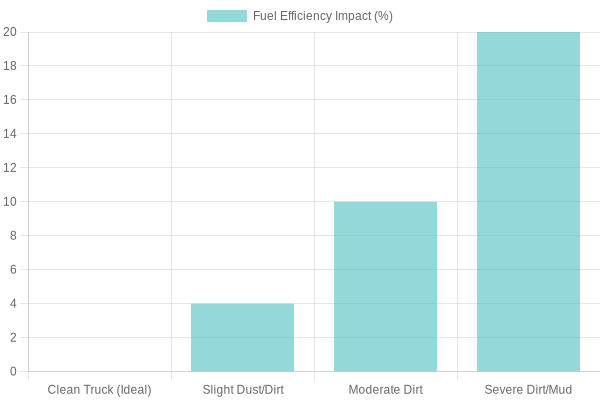
- Aerodynamics: Dirt and grime accumulate on truck surfaces, disrupting airflow and increasing drag. Even a small accumulation can lead to significant fuel inefficiencies. For instance, trucks that are moderately dirty can suffer a fuel efficiency decline of 10-12%, while severely dirty vehicles can see reductions of up to 20% in fuel economy. This relationship is illustrated in the chart below.
Cost Implications
- Operational Savings: Maintaining a clean fleet can translate to substantial savings. When trucks operate at peak efficiency, fuel costs decrease significantly. According to the U.S. Department of Energy, cleaning a truck regularly can save up to 10-15% on fuel expenses. In a fleet of trucks, these savings can amount to thousands of dollars annually.
- Enhanced Longevity: Keeping trucks clean not only improves fuel efficiency but also reduces wear on components, leading to lower maintenance costs and a longer lifespan for the vehicle.
In conclusion, the practice of keeping semi trucks clean is pivotal for enhancing fuel efficiency. Regular washing is a crucial step toward reducing operational costs and promoting sustainability within the logistics industry. Fleet managers and operators should prioritize cleanliness as part of comprehensive maintenance strategies. For more insights, explore the importance of regular trailer maintenance for optimal fleet performance.
Conclusion and Call to Action
In the realm of fleet management, maintaining semi trucks’ cleanliness is not just a matter of aesthetics but a crucial part of operational efficiency. Keeping trucks clean enhances brand reputation, boosts driver morale, and significantly lowers maintenance costs over time. As outlined in the articles on the importance of regular trailer maintenance, the costs associated with proper maintenance, which can average between $15,000 and $25,000 annually, can be mitigated by regular washing and maintenance practices.
To invest in your fleet’s longevity and performance, consider Summit Fairings for top-of-the-line cleaning solutions that not only protect your assets but also create a professional image on the road. Start prioritizing cleanliness today and see how it transforms your fleet’s operations!