

When it comes to vehicle maintenance for fleet managers, one pressing question frequently arises: can a pickup truck go through a car wash? This dilemma is not merely a matter of vehicle aesthetics but ties into broader challenges faced by logistics and trucking operations. Fleet managers must regularly assess the best practices for maintaining the appearance and functionality of their vehicles to promote safety and efficiency on the road. With various types of pickup trucks in service, weighing the pros and cons of using car washes versus manual cleaning methods is crucial. The unique features and dimensions of these vehicles can complicate the decision, as many traditional car wash systems may not accommodate larger or specialized trucks. Moreover, the subject carries significant relevance not only for operational efficiency but also for compliance with industry standards and regulations. Understanding how to effectively clean and maintain a diverse fleet can help ensure compliance with emissions regulations while traveling through programs aimed at extending vehicle life. The intricacies of this topic can lead to meaningful operational improvements for trucking company owners and fleet supervisors alike.
Overview of Car Wash Types for Pickup Trucks
When it comes to maintaining the cleanliness and integrity of pickup trucks, fleet managers and trucking company owners must understand the types of car washes available. The three primary types are touchless car washes, brush car washes, and self-service car washes, each with distinct advantages and disadvantages.
Touchless Car Wash
A touchless car wash uses high-pressure water jets and detergents to clean the vehicle without touching it. This method is advantageous as it minimizes the risk of scratches on the truck’s paintwork. However, touchless systems may struggle to remove heavy dirt and grime effectively, particularly if it’s baked onto the surface.
Brush Car Wash
In contrast, a brush car wash utilizes rotating brushes to scrub the vehicle clean, offering a thorough cleaning experience ideal for stubborn dirt and grime. The main disadvantage of this method is the potential to scratch or damage the paint, especially if the brushes are not properly maintained, or if abrasive materials are trapped in the brushes.
Self-Service Wash
The self-service wash offers the most control for truck owners, allowing the selection of cleaning products and techniques. This type can be highly effective, as it accommodates specific cleaning needs. However, the process is more time-consuming, requiring physical effort from operators, which may not be feasible for busy fleet managers.
Summary of Advantages and Disadvantages
| Car Wash Type | Advantage | Disadvantage |
|---|---|---|
| Touchless Car Wash | Gentle on paint, reduces risk of scratches | May not effectively remove heavy or baked-on dirt |
| Brush Car Wash | Provides thorough cleaning, effective on tough grime | Risk of scratching or damaging the paint surface |
| Self-Service Wash | Fully customizable wash process and intensity | Time-consuming, requires manual effort |
In conclusion, the choice of car wash type for pickup trucks should align with the maintenance schedule and operational requirements of the fleet. Understanding these differences will help fleet owners in selecting the appropriate method to ensure trucks remain clean and properly maintained.
For further insights on compliance and maintenance in the trucking industry, learn more about industry regulations and the importance of regular trailer maintenance.
Comparison of Car Wash Types for Pickup Trucks
When determining the best car wash method for pickup trucks and fleet vehicles, it’s essential to consider factors such as effectiveness, cost, and specific suitability for the vehicles involved. Below is a comprehensive comparison of various car wash types tailored for pickup truck needs, especially regarding fleet considerations.
| Car Wash Type | Effectiveness (Cleaning Quality) | Cost (Per Wash) | Suitability for Pickup Trucks & Fleet Vehicles | Key Advantages | Key Limitations |
|---|---|---|---|---|---|
| Automatic Car Wash | High | $5-$10 | Moderate to High | Fast, consistent cleaning; suitable for regular fleet maintenance. | May not handle large or dirty pickup trucks well; limited customization. |
| Self-Service Car Wash | Medium to High (depends on user) | $10-$20 (equipment rental) | Low to Moderate | Full control over cleaning process; good for heavily soiled vehicles. | Labor-intensive; time-consuming; requires user skill and effort. |
| Mobile Car Wash | High | $30-$60 | High | Convenient for fleet operations; can be scheduled at depot or job site. | Higher per-wash cost; limited equipment capacity for large fleets. |
| Hand Car Wash | Very High | $40-$80+ | High | Customized, thorough cleaning; ideal for high-value or specialized fleets. | Most expensive; slowest method; requires skilled labor. |
| In-Bay Automatic Wash | Very High | $15-$25 | High | Designed for larger vehicles; advanced systems handle heavy-duty dirt and grime. | Higher upfront installation cost; less flexible scheduling. |
For further insights into fleet standardization and effective maintenance solutions, you can learn more about best practices and how maintaining a clean fleet supports branding efforts here.
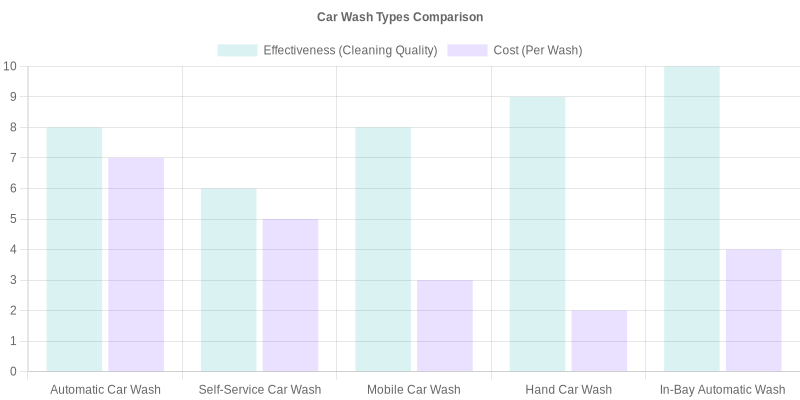
An illustrative comparison of various car wash types for fleet managers.
Fleet managers play a crucial role in maintaining the efficiency and longevity of their pickup truck fleets. When considering sending these trucks through automatic car washes, specific concerns often arise related to potential damage, maintenance, and associated costs. Here, we delve into these concerns and provide solution-oriented advice to mitigate risks.
Potential Damage to Vehicles
One of the most significant worries for fleet managers is the risk of damage when a pickup truck undergoes a car wash. Damage can occur in various forms, including:
- Scratches and Dents: The use of harsh brushes or abrasive cleaning materials can scratch the vehicle’s paintwork or even dent body panels.
- Water Intrusion: Car washes may not always effectively seal doors and windows, leading to unwanted water entry that could damage the interior electronics and upholstery.
- Undercarriage Damage: The undercarriage is often neglected, and debris from crowded wash paths can scratch or damage crucial components.
To address these concerns, fleet managers can:
- Choose High-Quality Car Washes: Opt for reputable car washes known for using gentle cleaning techniques and products that minimize risk.
- Routine Inspections: Before and after washing, conduct visual inspections to identify pre-existing damages and ensure no new issues arise post-wash.
Maintenance Concerns
Maintaining the fleet’s operational integrity is a non-negotiable priority for fleet managers. Automatic washes can scrutinize the mechanical aspect of trucks, such as:
- Potential Harm to Vehicle Sensors: Many modern trucks come equipped with sensors and cameras that can be misaligned or damaged in a car wash.
- Cleaning Products Compatibility: Some cleaning agents may not be suitable for specific materials on a truck, potentially leading to wear and tear.
To assist in maintenance:
- Regular Maintenance Schedule: Implement structured maintenance schedules that align washing cycles with mechanical check-ups. This ensures that vehicles stay in optimal condition between washes. Learn more about regular trailer maintenance here.
- Educate Staff: Train drivers to be aware of potential risks associated with car washes, emphasizing safe driving practices when entering and exiting the wash facilities.
Cost Management
Fleet managers are under constant pressure to control costs. Poor washing practices can introduce avoidable expenses, such as:
- Frequent Repairs: If washing leads to damages, the indirect costs of repairs can rise significantly.
- Downtime: If a vehicle requires servicing due to washing-related issues, it will result in lost operational time and income.
To manage costs effectively:
- Cost-Benefit Analysis: Calculate the long-term cost savings of regular washing against potential repair costs due to damage or neglect. Implementing a preventive maintenance plan can also help in reducing truck operation costs significantly. Explore effective fleet maintenance tips.
- Utilize Data: Harness telematics to monitor vehicle conditions pre-and post-wash, so fleet managers can gather data on performance and make informed decisions about washing frequency and methods.
Conclusion
While sending pickup trucks through car washes may lead to concerns regarding potential damage, maintenance, and costs, fleet managers can employ strategic approaches to mitigate these risks. Selecting high-quality washes, maintaining a rigorous schedule, and making data-driven decisions can enhance the overall efficiency of fleet operations. For more tailored advice, fleet managers can benefit from looking into specialized resources and communities.
Ultimately, keeping trucks clean is essential not just for aesthetics but for preserving their value and performance in the long run.
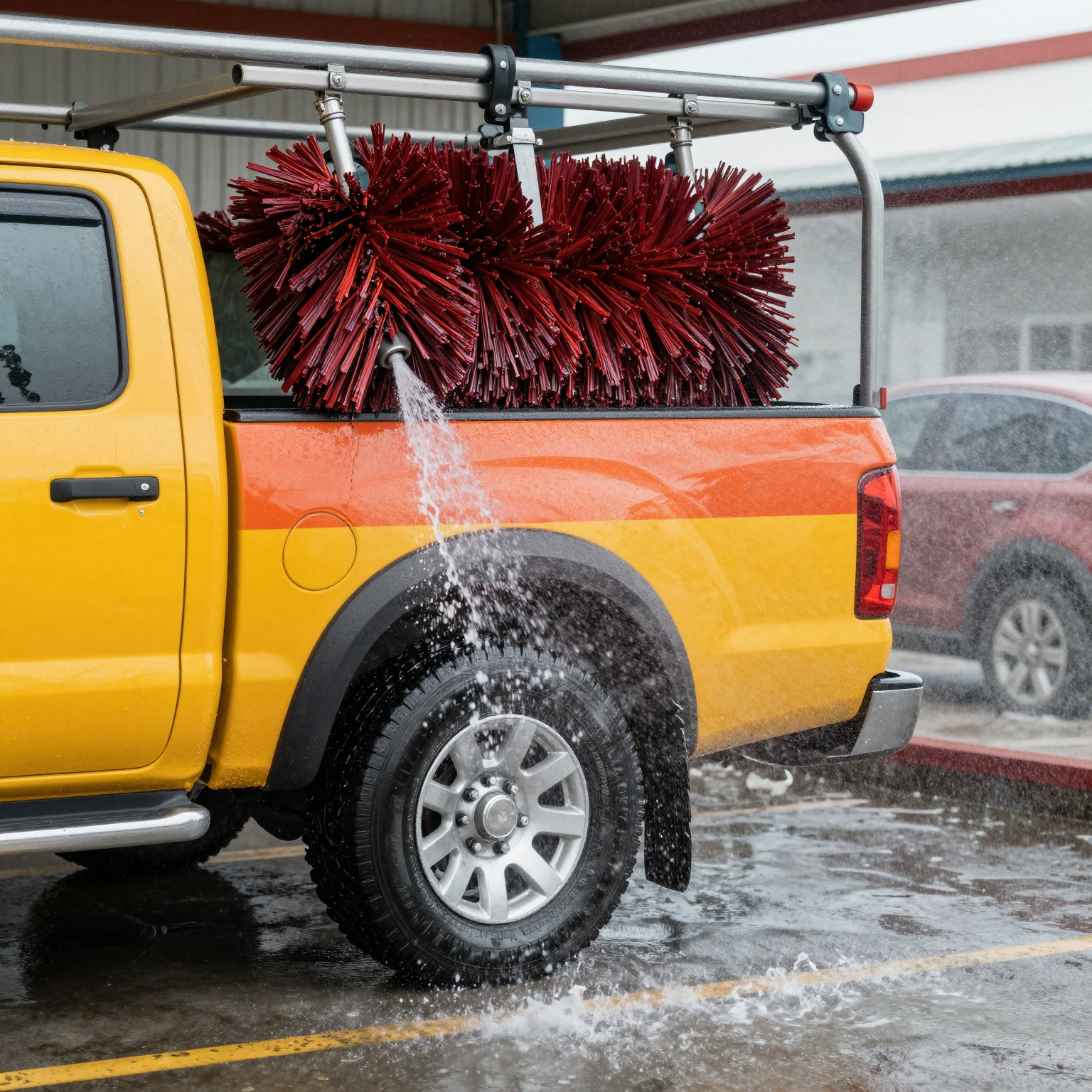
Case Studies on Truck Washing
Washing pickup trucks in commercial car washes is more than just an aesthetic choice; it plays a critical role in maintenance and cleanliness. Numerous case studies and industry insights validate the numerous benefits associated with implementing regular washing as a core maintenance strategy for pickup trucks, especially in industry sectors like logistics, construction, and mining.
Benefits of Regular Washing
-
Corrosion Prevention: A case study by Indiana Wash and Seal states that washing trucks regularly helps prevent corrosion. Dirt and road salt can accumulate on the vehicle, leading to structural damage over time. Keeping the vehicle clean minimizes these risks, extending the truck’s lifespan and reducing the frequency of costly repairs.
-
Fuel Efficiency: According to Turtle Wax Pro, the aerodynamic efficiency of trucks can be compromised when they are covered in dirt. A cleaner truck, through regular washing, tends to have better fuel efficiency due to reduced drag, leading to cost savings on fuel. This insight is crucial for fleet managers looking to optimize operational costs.
-
Enhanced Safety: Keeping trucks clean not only helps in maintenance but also enhances safety. Debris on the windshield or headlights can severely impair visibility. Regular washing ensures that the vehicles are in optimal condition, thus improving the safety of both drivers and cargo.
-
Brand Reputation: Cartrack emphasizes that a clean fleet can significantly contribute to brand trust. Customers often associate cleanliness with reliability; hence, maintaining a clean fleet can enhance a company’s image. This is particularly important for logistics and freight companies that rely on their reputation to attract and retain clients.
Cost Implications
Investing in a regular washing routine can lead to savings in the long run. Prime Hand Car Wash notes that while there may be upfront costs associated with regular car washing, it can effectively lower long-term repair costs and prolong the life of the vehicle, thereby maximizing the return on investment (ROI). In contrast to neglecting vehicle cleanliness which can lead to unforeseen maintenance costs, consistent washing proves to be cost-effective.
- Resale Value: According to the research from Turtle Wax Pro again, well-maintained and regularly washed trucks retain a higher resale value compared to those that have been neglected. This is particularly relevant for fleet managers planning to upgrade their vehicles periodically.
In conclusion, evidence suggests that washing pickup trucks in car washes offers substantial maintenance and cleanliness benefits. By implementing regular washing schedules, fleet managers and truck owners can significantly enhance vehicle longevity, reduce repair costs, and maintain a positive brand image, ultimately driving operational success.
Practical Guide for Fleet Managers: Best Practices for Washing Pickup Trucks in Car Washes
Maintaining a fleet of pickup trucks requires strategic management, particularly when it comes to cleanliness and upkeep. A clean truck is not only more presentable but also extends the vehicle’s life by protecting the paint and components. This guide outlines best practices for washing pickup trucks, focusing on frequency, recommended products, and additional tips to streamline the process.
Washing Frequency
The frequency of washing your trucks depends on various factors, including environmental conditions and the type of work the trucks perform. Here are some general guidelines:
-
Standard Conditions: It is recommended to wash pickup trucks every 1-2 weeks. Fleets that operate in cleaner environments may stretch this to every two weeks. Learn more about the ideal washing frequency here.
-
Harsh Conditions: In more challenging environments, such as construction sites or areas where vehicles are exposed to dirt and debris, washing may be required every 3-5 days. This frequency prevents buildup that can damage the truck’s finish and components.
-
Seasonal Considerations: During winter months, where salt is used for road maintenance, weekly washings are advisable to prevent corrosion. In spring and autumn, the weather may also demand more frequent washes due to pollen and rain exposure.
-
Cab Maintenance: Regardless of the washing schedule, a cab wipe-down at least once a week is highly recommended, emphasizing areas like the steering wheel and door handles, which can collect significant dirt and germs.
Recommended Products
Choosing the right products for washing pickup trucks is paramount in ensuring that the vehicles maintain their appearance and protective coatings. Here are some recommended products tailored for truck washing:
- Car Wash Soap: Use a soap specifically formulated for automotive finishes to avoid damaging the paint. Some highly rated options include:
- McGuire’s Car Soap: Effective for removing grime without stripping wax protection. Find out more here.
- Chemical Guys Signature Series Orange Degreaser: Ideal for tackling grease and road grime, especially on tires and wheels. Explore more cleaning techniques here.
-
Microfiber Wash Mitts: Use high-quality wash mitts designed to lift dirt away from the surface, minimizing the risk of scratches.
-
Grit Guards: Placing grit guards inside your wash buckets helps to trap dirt and debris at the bottom, preventing them from coming into contact with the truck’s surface during washing.
-
Spotless Rinse Systems: Consider using RV water filters or deionization systems for a spotless rinse that prevents water spots and mineral buildup, especially beneficial in hard water areas.
Additional Tips
-
Training Staff: Ensure that all personnel responsible for washing the trucks are trained on proper washing techniques to avoid damaging the vehicles.
-
Use of Automatic Car Washes: If using automatic car washes, ensure they are equipped to handle the size and weight of pickup trucks. Some car washes have specific programs designed for larger vehicles to avoid mishaps.
-
Documentation: Keep a maintenance log that includes washing dates and any additional services performed. This will help in tracking the overall upkeep and service history of the fleet.
-
Emphasize Signage: If washing the trucks at a facility, consider placing signage detailing the proper procedures for washing large vehicles to help maintain cleanliness standards.
Conclusion
Implementing a thorough washing regime for pickup trucks is essential for maintaining their aesthetic and functional integrity. Fleet managers should not only focus on the frequency but also ensure that quality products are used in the process. For the latest in compliance and maintenance tips, consider reviewing industry regulations here. By following these guidelines and using the correct products, fleet managers can ensure their trucks remain in prime condition.
Recommended Washing Frequency for Pickup Trucks
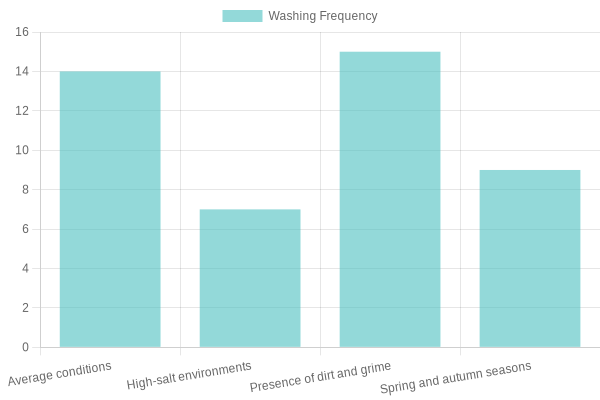
Understanding the correct washing frequency for pickup trucks is crucial for maintaining their condition, especially in varying environmental conditions. Below is a chart illustrating the recommended washing frequency based on different usage scenarios:
| Condition/Usage | Recommended Washing Frequency |
|---|---|
| Average conditions | Every 2 weeks |
| High-salt environments | Weekly |
| Presence of dirt and grime | Twice a month |
| Spring and autumn seasons | Every 7-10 days |
For fleet managers, adhering to these recommendations will not only keep your vehicles looking clean but will also help prolong the lifespan of essential components and maintain regulatory compliance. Learn more about emissions regulations and compliance here and understand the importance of regularly maintaining your fleet.
In summary, the ability of a pickup truck to undergo a car wash is a crucial consideration for fleet managers and operators. Regular washing not only enhances the aesthetic appeal of vehicles but also plays a significant role in preserving their longevity and operational efficiency. Fleet managers should routinely evaluate their washing practices, as regular maintenance is integral in maintaining a professional image and reducing long-term repair costs. Important benefits from consistent truck washing include enhanced driver morale, improved fuel efficiency, and protection against environmental elements, such as grime and salt.
To further optimize the performance and reliability of your fleet, consider investing in tailored truck wash systems designed to meet the unique needs of your operations. Such systems can significantly reduce chemical usage and water waste while effectively maintaining your vehicles’ cleanliness. For comprehensive solutions tailored to your fleet’s specific washing needs, learn about the importance of regular trailer maintenance and how it can contribute to your overall operational success.
Ultimately, a thorough assessment of your current washing practices is imperative. This proactive approach will ensure that your fleet remains in peak condition and operates efficiently, thereby reducing costs and boosting overall productivity. Embrace the opportunity to implement a consistent washing routine to enhance your fleet’s image, performance, and value.
The Importance of Pickup Truck Maintenance
Here’s a blockquote from an industry expert emphasizing the importance of maintaining pickup trucks, particularly concerning their washing and overall appearance:
“Regular truck washing is not just about aesthetics; it plays a vital role in preventing corrosion and rust, which can significantly impair a truck’s lifespan and operational efficiency. A clean truck not only presents a professional image but also enhances fuel efficiency by reducing drag. Thus, investing in routine washing is an essential strategy for long-term fleet maintenance.”
In addition to the insights provided by the expert, maintaining the cleanliness of pickup trucks is crucial for several reasons:
- Rust Prevention: Regular washing removes contaminants that can lead to corrosion.
- Cost Efficiency: A clean truck reduces repair costs and prolongs the vehicle’s life.
- Brand Image: Appearance impacts customer impressions, making truck cleanliness essential for business reputation.
- Operational Performance: A clean vehicle can improve fuel efficiency and overall performance.
For those managing fleet operations, understanding how washing affects trucks’ functionality can help in making informed maintenance choices. If you want to delve deeper into fleet maintenance, learn more about the importance of regular trailer maintenance.
This content is engaging, informative, and directly addresses the concerns and responsibilities of logistics and fleet management professionals.