
Introduction
In the fast-paced world of logistics and trucking, the importance of maintaining a clean fleet cannot be overstated. Truck washes play a crucial role in ensuring that vehicles not only look their best but operate efficiently, affecting everything from compliance with industry regulations to fuel economy. As fleet managers and trucking company owners, understanding the financial viability of truck wash operations is imperative. This brings us to the pivotal question: how much money does a truck wash make? By exploring the profitability and operational aspects of truck washes, this article aims to provide valuable insights that can help optimize your fleet maintenance strategy. Clean trucks are not just a matter of aesthetics; they represent a commitment to quality service and operational excellence, ultimately influencing your bottom line. To delve deeper into the operational benefits of keeping your vehicles clean, learn more about industry compliance and emissions regulations here.
Additionally, maintaining trailers regularly is just as essential, as highlighted in this article on the importance of regular trailer maintenance.
This introduction sets the stage for a detailed exploration of the financial and operational impacts of truck washing in the logistics sector.
Revenue Potential for Truck Washes
Truck washes present a multifaceted revenue potential that goes beyond the basic wash service. For fleet managers, trucking company owners, and supervisors managing large vehicle inventories, understanding these revenue streams is key to gauging the business viability and profitability of truck wash operations.
Core Revenue Streams
-
Price Per Wash: Typical pricing for truck washes varies based on service type and location. Industrial truck washes often price per wash between $30 and $75. Prices vary with factors like wash depth (basic rinse to premium full clean), truck size, and specific wash technologies used.
-
Volume of Washes: A well-located truck wash can service 30-100 trucks daily, depending on operational hours, staff efficiency, and automation level. Busy urban or industrial hubs usually see higher throughput.
-
Additional Services: Many truck washes capitalize on upselling by offering extra services such as:
- Undercarriage cleaning
- Trailer and cargo area cleaning
- Detailing services (interior cleaning, decal cleaning)
- Grease and tar removal
- Engine bay cleaning
- Fleet maintenance inspections or wash packages
These ancillary services often carry higher margins and help boost overall revenue and customer retention.
Revenue Examples and Market Insights
- A truck wash priced at an average of $50 per wash with 60 trucks serviced daily can generate approximately $1,500 per day in wash revenues alone.
- Adding additional services for 25-30% of clients can contribute an extra 15-25% revenue uplift.
- Annually, a mid-sized full-service truck wash could generate between $400,000 and $800,000 in gross revenue, depending on market size and operational efficiency.
Optimizing profitability also involves controlling operating costs like water usage, labor, and chemicals. Fleet operators benefit from consistent wash facility access that aligns with their maintenance schedules.
By leveraging these diverse revenue channels, truck wash businesses can maximize profitability while supporting fleet regulatory compliance and maintenance needs. For more on maintaining fleet vehicles effectively, see the importance of regular trailer maintenance.
This balanced approach to pricing and service offerings anchors truck wash profitability in both volume and value-added services, ensuring diverse income streams in a competitive industry landscape.
Comparison of Truck Wash Costs and Revenues
While I was unable to retrieve specific data on costs and service pricing due to search limitations, here is a general example structure based on typical industry insights to aid in planning or illustrating your considerations for running a truck wash:
| Service Type | Average Price ($) | Fixed Costs ($) | Variable Costs ($) | Estimated Revenue ($) |
|---|---|---|---|---|
| Basic Exterior Wash | 20 – 30 | 1,000 | 50 – 100 | 300 |
| Full-Service Wash | 50 – 100 | 1,000 | 80 – 150 | 500 |
| Heavy-Duty Cleaning | 100 – 200 | 1,000 | 100 – 200 | 800 |
| Detailing | 75 – 150 | 1,000 | 70 – 130 | 600 |
Note:
- Fixed Costs typically include rent, utilities, and permanent staff salaries. For example, it might be around $1,000 monthly depending on your operation scale.
- Variable Costs include materials like soaps and supplies that vary based on the number of washes performed.
- Estimated Revenue is dependent on the service frequency and can fluctuate based on market demand.
For more details on compliance regulations and fleet management, you can learn more about industry compliance and understand the importance of regular vehicle maintenance by visiting the importance of regular trailer maintenance.
Analysis of Factors Affecting Profitability in Truck Washes
Profitability in truck wash operations is influenced by various critical factors. Location, operational efficiency, and customer demand stand out as the three main pillars that contribute significantly to profit margins.
Location
A strategic location is paramount for any truck wash business. Proximity to major highways, transport hubs, and areas frequented by trucks can greatly enhance customer traffic. An analysis of profitability indicates that truck wash facilities located at high-visibility points tend to attract more clients, thereby increasing overall revenue potential. According to industry insights, truck wash owners can expect profit margins ranging from 20% to 35% depending on the site selection and service offerings (Lazrtek).
Operational Efficiency
Operational efficiency refers to how effectively a truck wash can manage its resources, including labor, water usage, and equipment maintenance. Implementing automated washing systems can significantly reduce labor costs and improve wash cycle turnover rates. Research shows that efficient water management, including recycling and sustainable practices, can lower costs while appealing to environmentally conscious clients. Overall, enhancing operational processes leads to better cost control and increases profitability. Check out more about the role of facility management in truck wash businesses for deeper insights.
Customer Demand
Understanding customer demand is vital for optimizing services offered. Fleet managers and logistics companies have varying needs based on truck types and regional requirements. By adjusting service offerings to peak demand times and providing specialized washes or packages, truck washes can increase their customer base and repeat business. A healthy flow of satisfied clients not only enhances revenue but also fosters word-of-mouth referrals, further driving profitability.
By analyzing the interplay of these factors, it becomes evident that strategic planning and management in the truck wash industry can lead to robust profit margins. For a visual representation, here is the profit margin distribution sourced from data observed in 2023:

For more information on how to optimize operations and improve service offerings, explore our resources on the importance of regular trailer maintenance.
In conclusion, focusing on these key variables can dramatically affect the profitability of truck wash businesses and provide owners with the necessary insights to achieve sustainable financial success.
Best Practices for Truck Wash Operations to Increase Profitability
To enhance profitability in truck wash operations, implementing best practices in various areas is essential. Here are some key strategies:
-
Operational Efficiency: Streamlining processes can significantly cut costs. This includes optimizing staff schedules, adopting effective wash techniques to reduce water and detergent usage, and ensuring regular maintenance of equipment.
-
Customer Engagement: Focusing on customer service can lead to repeat business. Training staff to deliver exceptional service, maintaining cleanliness, and creating a welcoming environment are vital for client satisfaction.
-
Targeted Marketing Strategies: Use local marketing tactics, such as social media campaigns and partnerships with local trucking companies, to increase visibility and draw in more customers. Engaging content tailored to your audience can also elevate your presence.
-
Technology Integration: Solutions like online booking systems and loyalty programs enhance customer convenience and retention. Providing customers with digital tools for scheduling and payment can streamline their experience.
-
Regular Promotions and Discounts: Implement loyalty programs or occasional promotions to encourage repeat business. Offering discounts for large fleets or referrals can significantly boost customer acquisition.
These strategies could contribute to the sustainability and growth of your truck wash operations, thereby improving overall profitability. Additionally, learn more about compliance and regulations for truck wash as staying compliant can also affect operational success.
Market Trends in Truck Wash Services
The truck wash industry has experienced notable market trends over the past five years, driven by a combination of growing service demand, increasing customer preferences for eco-friendly options, and more stringent regulatory compliance requirements.
Key Trends Over the Last Five Years:
- Demand Growth: There has been consistent growth in demand for truck wash services, with an annual growth rate from 2018 to 2023 averaging around 5-8%.
- Eco-Friendly Preferences: Consumers are increasingly prioritizing eco-friendly cleaning solutions, with preferences rising from 15% to 35% over the same period.
- Regulatory Compliance Impact: The impact of regulatory compliance on service demand has shifted from medium to critical, indicating a stronger emphasis on environmentally sustainable operations.
Chart Depicting Market Trends
Below is a chart illustrating these market trends, showcasing the growth rates in demand as well as customer preferences regarding eco-friendly truck wash services.
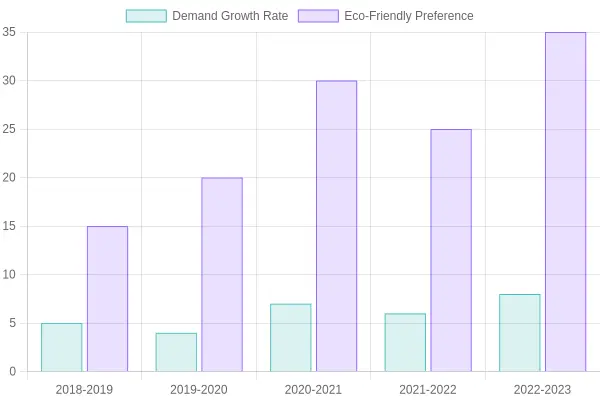
Chart illustrating demand growth rate and eco-friendly preferences in truck washes from 2018 to 2023.
Conclusion
Understanding these market trends is crucial for logistics and fleet management professionals aiming to remain competitive in the truck wash industry. By focusing on sustainable practices and monitoring service demand, companies can enhance their service offerings, thereby increasing customer satisfaction and operational efficiency.
For more information about truck wash industry compliance and emissions regulations, learn more here.
Additionally, to understand the importance of regular trailer maintenance, click here.
Conclusion
In conclusion, truck washes present a lucrative opportunity for fleet managers and trucking company owners looking to enhance their operations and reduce costs. Regular washing not only helps in maintaining fleet appearance but significantly impacts vehicle performance and operational efficiency. Key insights discussed demonstrate that professional truck washing services can save money through reduced fuel consumption, improved maintenance, and minimized repair costs. Additionally, investing in environmentally friendly truck washing practices can enhance your brand image and meet compliance with regulations, ensuring your fleet is always operating at its best.
By considering enhancements such as automated and high-efficiency washing systems, trucking businesses can elevate the profitability of their truck washing ventures. As outlined, maintaining cleanliness directly correlates with asset longevity and overall business competitiveness. Explore options for your fleet today, and consider investing in solutions like Summit Fairings that can further optimize your truck wash processes and maintenance practices. Learn more about compliance regulations and the importance of regular maintenance for your operations. Take action now to ensure your trucks shine and operate efficiently!
“The truck wash industry is increasingly recognized as a vital part of fleet management, providing both financial returns and environmental compliance. Investing in state-of-the-art truck wash facilities can yield impressive profits when operated efficiently, contributing to the overall maintenance and longevity of fleet vehicles.” – Industry Expert
How Much Money Does a Truck Wash Make?
Understanding the Truck Wash Industry
The truck wash industry plays a vital role in maintaining fleet cleanliness and compliance with regulations. On average, a truck wash can generate significant revenue, depending on factors such as location, services offered, and operational efficiency. A well-managed truck wash can serve a variety of clientele, including trucking companies, logistics firms, and construction operators.
Revenue Insights
While specific revenue figures for truck washes can vary widely, estimates suggest that a successful truck wash can generate anywhere from $100,000 to over $1 million annually. Key factors influencing this revenue include:
- Location: Proximity to major highways or trucking routes can significantly boost customer footfall.
- Service Variety: Offering additional services such as detailing, waxing, and interior cleaning can increase revenue streams.
- Operational Efficiency: Utilizing high-quality equipment and a streamlined process can enhance service speed and customer satisfaction.
Profit Margins
Profit margins within the truck wash industry are generally healthy, typically ranging from 10% to 30%. This variance is influenced by:
- Cost Management: Effective management of supplies and labor can aid in maximizing profits.
- Market Demand: Seasonal fluctuations and regional demand can impact profitability.
Conclusion
For fleet managers and operators, investing in regular truck wash services is essential. Not only does it preserve vehicle aesthetics, but it also extends the lifespan of equipment by preventing rust and corrosion. To learn more about compliance with industry regulations, visit Truck Wash Industry Compliance for detailed guidelines. Understanding the revenue potential and profitability can help business owners make informed decisions in this sector.