

Introduction
Maintaining cloth seats in trucks is crucial for fleet managers and owners, as it directly influences vehicle longevity and driver comfort. Proper care for truck seats can significantly reduce wear and tear, prolonging the lifespan of the interior and enhancing the overall driving experience. The practice of washing cloth seats in trucks not only keeps them looking fresh and inviting but also plays a vital role in eliminating odors and allergens that can accumulate over time. Fleet managers focusing on truck seat care often discover that a clean and comfortable environment boosts driver satisfaction and productivity. Additionally, routine fabric seat cleaning can prevent damage that may require costly repairs. Investing in regular maintenance of truck interiors is therefore an essential strategy for optimizing fleet performance and protecting valuable assets. For further insights on maintenance practices, learn more about the importance of regular trailer maintenance and how compliance affects your fleet’s efficiency.
Materials List for Washing Cloth Seats
To effectively wash cloth seats in your truck, gather the following materials:
- Vacuum Cleaner – For thorough dirt and debris removal.
- Microfiber Towels – Soft and absorbent for wiping surfaces.
- Cleaning Solution – Such as mild detergent or upholstery cleaner.
- Brushes – Soft-bristle brushes for scrubbing without damaging fabric.
- Spray Bottle – For easy application of cleaning solutions.
For best practices, learn more about truck maintenance.
Step-by-step Guide to Washing Cloth Seats in Trucks
Cleaning cloth seats in trucks isn’t merely a matter of aesthetics; it plays a critical role in maintaining overall hygiene and prolonging the lifespan of the upholstery. Proper cleaning can prevent bad odors and keep your fleet looking professional. Here’s a detailed step-by-step guide to effectively wash cloth seats in your trucks while addressing common challenges faced by fleet managers.
Step 1: Gather Your Materials
- Vacuum cleaner with upholstery attachment
- Cleaning solution designed for fabric upholstery
- Soft brush or microfiber cloth
- Baking soda (optional, for deodorizing)
- Warm water
- Towels or cloths for drying
Step 2: Prepare the Area and Seats
- Remove All Items: Start by removing everything from the seats, including seat covers, headrest covers, and floor mats. This allows you full access to the cloth surfaces needing attention.
- Vacuum Thoroughly: Use the vacuum cleaner with the upholstery attachment to remove dust, crumbs, and debris from the seats. Pay particular attention to crevices where dirt often accumulates learn more about regular maintenance.
Step 3: Treat Stains
- Identify Stains: Check for any visible stains or spots on the cloth seats. Common challenges include grease, food spills, and dirt.
- Pre-treat Stains: If you find stains, apply a small amount of your cleaning solution directly to the affected area. Let it sit according to the product instructions.
- Gently Scrub: Use a soft brush or microfiber cloth to scrub the stains gently. This helps lift the stain without damaging the fabric.
Step 4: Clean the Seats
- Apply Cleaning Solution: Mix the cleaning solution according to the instructions, often diluted in warm water. Using a clean cloth or soft brush, apply the solution to the seats. Don’t soak the fabric; a damp application works best.
- Work in Sections: Clean one section at a time, working the solution into the fabric. This ensures thorough cleaning and prevents the solution from drying too quickly, which can leave residue.
Step 5: Rinse and Extract Excess Moisture
- Rinse with Water: Use a clean, damp cloth to wipe down the seats, removing any leftover cleaning solution. This step is crucial to prevent residue accumulation.
- Extract Excess Moisture: Utilize a clean towel to blot the seats and absorb excess moisture. This helps speed up the drying process and minimizes the risk of mold or mildew, a common challenge in humid conditions.
Step 6: Dry the Seats
- Air Dry: Allow the seats to air dry completely before using the vehicle. You can leave the windows open or use fans to promote airflow. Avoid direct sunlight, which may fade the upholstery.
- Baking Soda for Deodorizing: If odors persist, sprinkle a light layer of baking soda over the seats while they are drying. After a few hours, vacuum it up to neutralize any lingering smells.
Common Challenges & Solutions
- Mold and Mildew: In humid conditions, ensure seats are fully dried. If mold does develop, use a mixture of vinegar and water (1:1 ratio) to clean the area.
- Stubborn Stains: For tough stains, consider using an enzyme-based cleaner specific for fabric upholstery. Regular cleaning can prevent the buildup of difficult stains.
Conclusion
Regular maintenance and proper washing techniques for cloth seats not only enhance the comfort level but also reflect the commitment to maintaining a professional appearance in your fleet. By following this guide, fleet managers and truck owners can effectively tackle common challenges while ensuring upholstery integrity and cleanliness. learn more about compliance regulations
Taking these proactive measures can lead to longer-lasting seats and a better overall experience for drivers.
Cleaning Solutions for Cloth Seats
When washing cloth seats in trucks, utilizing the appropriate cleaning solution is vital for effectiveness, eco-friendliness, and cost-effectiveness. Below is a comparison of common cleaning solutions:
| Cleaning Solution | Effectiveness | Eco-friendliness | Cost |
|---|---|---|---|
| Baking Soda and Water | High | Eco-friendly | Low |
| Vinegar and Water | High | Eco-friendly | Low |
| Commercial Upholstery Cleaner | Moderate | Biodegradable | Moderate |
| Mild Dish Soap and Water | Moderate | Moderate | Low |
Key Features:
- Baking Soda and Water:
- Acts as a deodorizer and removes stains effectively.
- Vinegar and Water:
- Known for its cleaning and deodorizing properties.
- Commercial Upholstery Cleaner:
- Specifically designed for cleaning cloth materials.
- Mild Dish Soap and Water:
- Safe for various fabrics but generally less effective on tough stains.
Ensuring you choose the right cleaning solution for your cloth seats maintains the interior condition of your trucks and enhances overall fleet appearance. Learn more about cleaning techniques here.

User Experiences in Fabric Care and Maintenance for Truck Fleets
Fleet managers in the trucking and logistics industry face specific challenges related to fabric care and maintenance of their vehicles. From user reviews and expert insights, it is evident that proper maintenance of cloth seats is an essential part of fleet management. The following summarizes common practices and insights that emerged from recent feedback and studies.
Common Practices
-
Regular Cleaning Protocols: Many fleet managers emphasize the importance of implementing a cleaning protocol that includes regular vacuuming and spot cleaning of fabric seats. Regular maintenance prevents dirt accumulation and maintains the aesthetic appeal of the trucks.
-
Use of Professional Services: Numerous fleet owners recommend utilizing professional cleaning services at regular intervals to ensure a thorough clean. This not only enhances the truck’s interior but also helps prolong the lifespan of the upholstery. Some cited success with companies that specialize in vehicle upholstery cleaning.
-
Protective Measures: Several experts suggest using fabric protectors that repel stains and spills as a preventive step. This approach significantly reduces the time and effort spent on future cleaning while maintaining a fresh appearance.
-
Training Drivers and Staff: Educating drivers and maintenance staff on how to handle and clean fabric interiors is crucial. Many fleet managers noted that providing training led to better maintenance practices and reduced wear and tear.
-
Regular Inspections: Conducting routine inspections to identify and address wear on fabric upholstery was highlighted as a best practice. Early detection of wear can save costs by preventing more extensive damage, according to expert evaluations from maintenance organizations learn more about regular maintenance.
Results and Insights
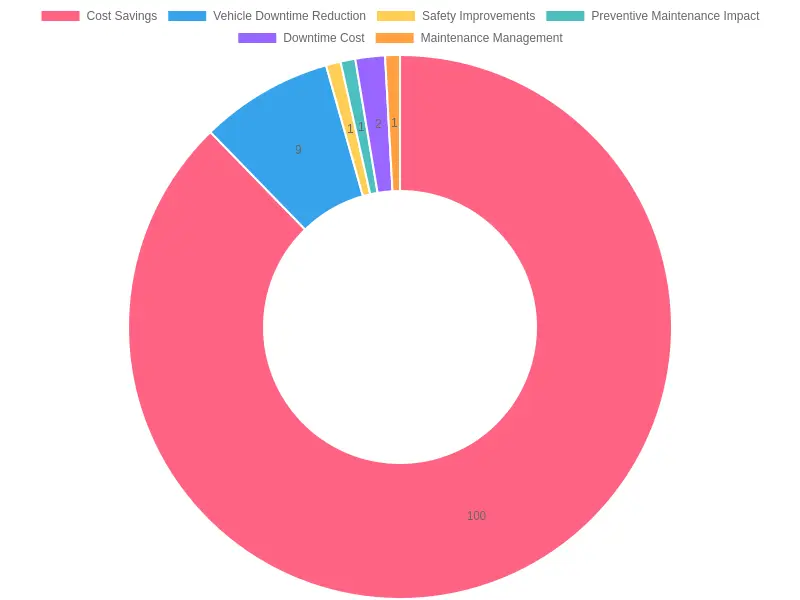
User reviews have reflected a consistent positive outcome resulting from these practices. For instance, a notable fleet maintenance supervisor shared their experience of lowering upholstery replacement costs significantly by adhering to a dedicated cleaning and maintenance regime. The realization of over $1 million in savings within the first months indicated that prioritized maintenance not only improves aesthetics but creates substantial cost efficiencies (source: Uptake).
Additionally, the reduction of vehicle downtime by using advanced maintenance technologies was mentioned frequently. Reports indicate that proactive maintenance practices help save about 9% in technician efficiency by minimizing diagnostic time (source: Uptake). This efficiency translates into better service delivery and reduced operational costs for logistics companies.
Visualizing Fleet Efficiency Metrics
Here’s a chart summarizing the benefits of effective maintenance practices in relation to fabric care and overall fleet management:
Conclusion
The experiences shared by fleet managers underscore that effective fabric care and maintenance procedures are integral to optimizing fleet operations. Collective actions like regular cleaning, protective measures, educating staff, and monitoring standard protocols lead to significant positive results. Emphasizing such practices not only safeguards investments in fleet interiors but also enhances overall safety and performance. For more detailed guidance on maintenance strategies, consider exploring this comprehensive maintenance guide.
References
Final Thoughts
Integrating robust maintenance practices into fleet operations can transform not just the longevity of fabric care but overall fleet efficiency. As the trucking industry evolves, these insights will continue to play a pivotal role in management strategies for fleet owners and operators.
Common Mistakes to Avoid When Washing Cloth Seats
Cleaning cloth seats in trucks can be an important part of maintaining the vehicle’s interior. However, fleet managers and truck operators often make mistakes that can lead to damage. Below are some common pitfalls and solutions to ensure effective cleaning without compromising the seat’s integrity.
1. Over-Wetting the Fabric
One of the most common mistakes is using too much water during the cleaning process. Over-wetting can lead to mold growth and unpleasant odors as the fabric does not dry thoroughly.
- Solution: Use a damp cloth rather than soaking the seats. Ensure that your cleaning tools, such as upholstery cleaners, are recommended to be used with minimal moisture. Consider using products specifically designed for fabric that minimize oversaturation, such as those highlighted in sources like Lake Forest Car Wash.
2. Ignoring the Vacuuming Step
Before applying any cleaning solution, many skip the essential step of vacuuming. This can result in dirt particles being ground into the seat fabric during cleaning.
- Solution: Always vacuum the seats thoroughly to remove dirt and debris. Focus on seams and crevices, where debris often accumulates, as suggested in guides such as those from ManMadeDIY.
3. Using Harsh Cleaning Chemicals
Using the wrong type of cleaner can lead to discoloration or fabric damage.
- Solution: Stick to mild detergents or specially formulated fabric cleaners. Avoid bleach or other harsh chemicals that can reduce the quality of the seats over time, and refer to recommendations from resources like Fresho.qa.
4. Neglecting Regular Maintenance
Failing to regularly clean and maintain truck seats can lead to accumulated stains and a discolored appearance.
- Solution: Implement a routine cleaning schedule that includes vacuuming and spot cleaning as necessary to prolong the life and appearance of cloth seats.
Expert Insight on Truck Seat Care
“Proper maintenance of truck interiors, including seat care, is not just about aesthetics; it significantly impacts driver comfort and safety. Regular upkeep leads to greater efficiency and operational longevity.”
- Derrick Wolfe, Industry Expert and Fleet Management Consultant
This statement highlights the necessity of proper truck seat hygiene as an essential component of overall fleet management. For further reading on maintenance practices, check out our article on the importance of regular trailer maintenance.
| Use Type | Recommended Cleaning Frequency |
|---|---|
| Daily Use | Clean every 1-2 weeks |
| Weekly Use | Clean every 2-4 weeks |
| Occasional Use | Clean at least once a month |
| Off-Road Use | Clean every 2 weeks or as needed |
Conclusion and Call to Action
Maintaining clean cloth seats in trucks is not just about aesthetic appeal; it’s crucial for hygiene, comfort, and the longevity of your vehicle. Regular cleaning can prevent stains and grime from setting in, thereby prolonging the life of the upholstery and enhancing the overall driving experience for operators. For fleet managers and trucking company owners, investing the time and resources into proper seat care assures that vehicles remain in tip-top shape, ultimately reflecting your company’s professionalism.
Furthermore, keeping your vehicles in prime condition extends beyond just clean interiors. It is essential to consider enhancements such as fairings, which can significantly improve your truck’s aerodynamics. By reducing drag, fairings help in lowering fuel consumption, saving costs on long hauls, making them a smart investment for any organization involved in logistics or trucking. Learn more about truck fairings and how they can benefit your fleet.
For high-quality fairings and related products, visit summitfairings.com. Elevate your trucking operations with efficiency and performance in mind – your fleet deserves it!