
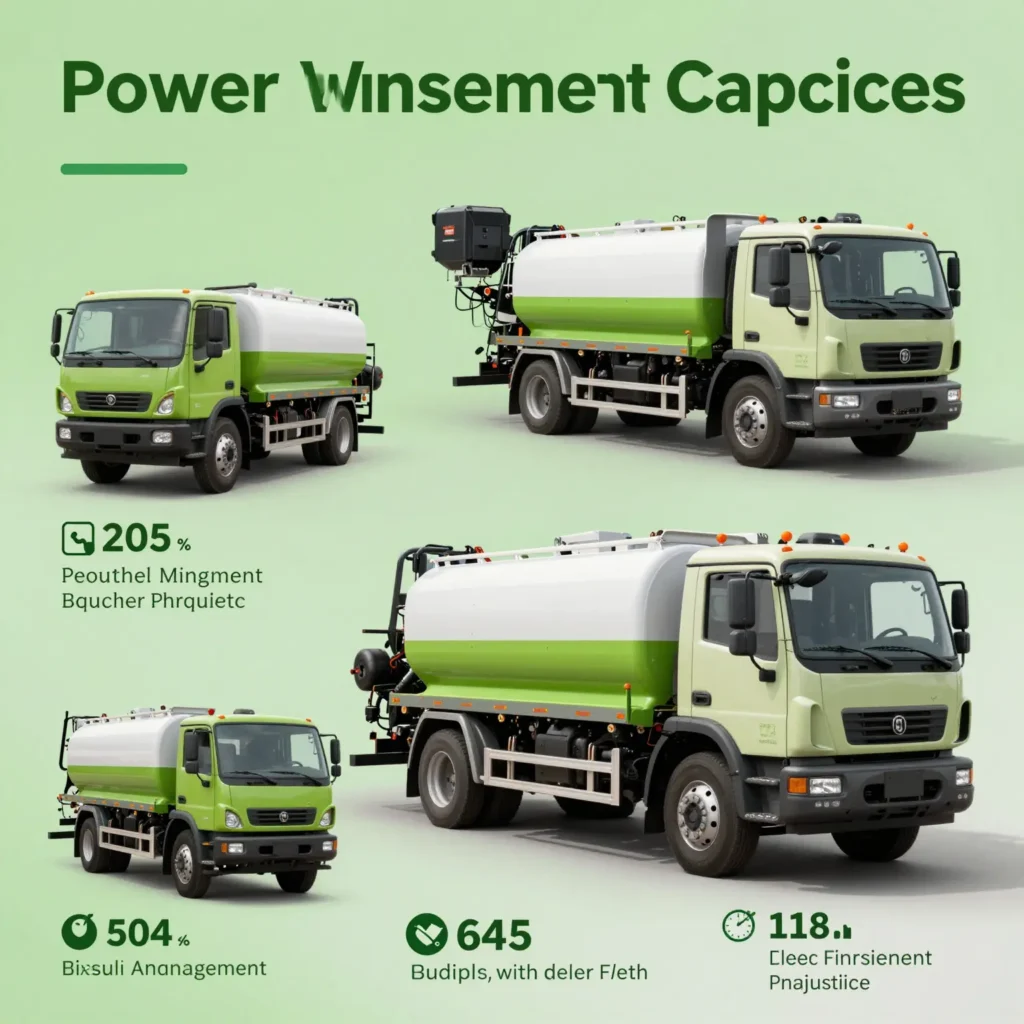
In logistics and fleet management, the gallon capacity of power washing trucks emerges as a crucial factor that can significantly influence operational efficiency and resource management. With an average pressure washer consuming between 2 to 5 gallons of water per minute, fleet managers must prioritize effective water management strategies to minimize costs and environmental impact. Surprisingly, power washing services for truck fleets often require up to 100 gallons of water per truck, making it vital for logistics companies to accurately assess water usage in their operations. Understanding these figures is not only integral to maintaining compliance with environmental regulations, such as those outlined by the truck wash industry compliance emissions regulations, but also aids in making informed decisions regarding fleet maintenance and overall sustainability.
Average Gallon Capacity of Power Washing Trucks
Understanding the capacity of power washing trucks is crucial for logistics and fleet managers, as it affects operational efficiency and cost-effectiveness. Below, we outline the average gallon capacities for various types of power washing trucks commonly employed in the industry:
Key Sizes of Power Washing Trucks
-
225 Gallons
-
Common size for smaller industrial trucks designed for local cleaning jobs.
-
Typical applications include small fleet wash services.
-
500 Gallons
-
Standard capacity for medium-sized power washing trucks.
-
Suitable for onsite cleaning of moderate-sized fleets or construction equipment.
-
Often used in city maintenance and commercial cleaning applications.
-
Learn more about the importance of regular trailer maintenance.
-
1000 Gallons
-
Often adopted for larger power washing jobs requiring extended use and quicker water replenishment.
-
Provides flexibility for various cleaning operations, especially those involving larger machinery or extensive surface areas.
-
Check out proven strategies for cleaning grease and tar off your trucks fast.
-
2000 Gallons
-
Frequently utilized for heavy-duty cleaning tasks, such as those in mining and construction.
-
Ideal for extended operational periods without the need for frequent refills.
-
5000 Gallons
-
Employed in larger municipal cleaning operations and large-scale industrial water transportation.
-
This capacity allows for broad operational areas, minimizing downtime for refills.
Water Tank Capacity Comparison
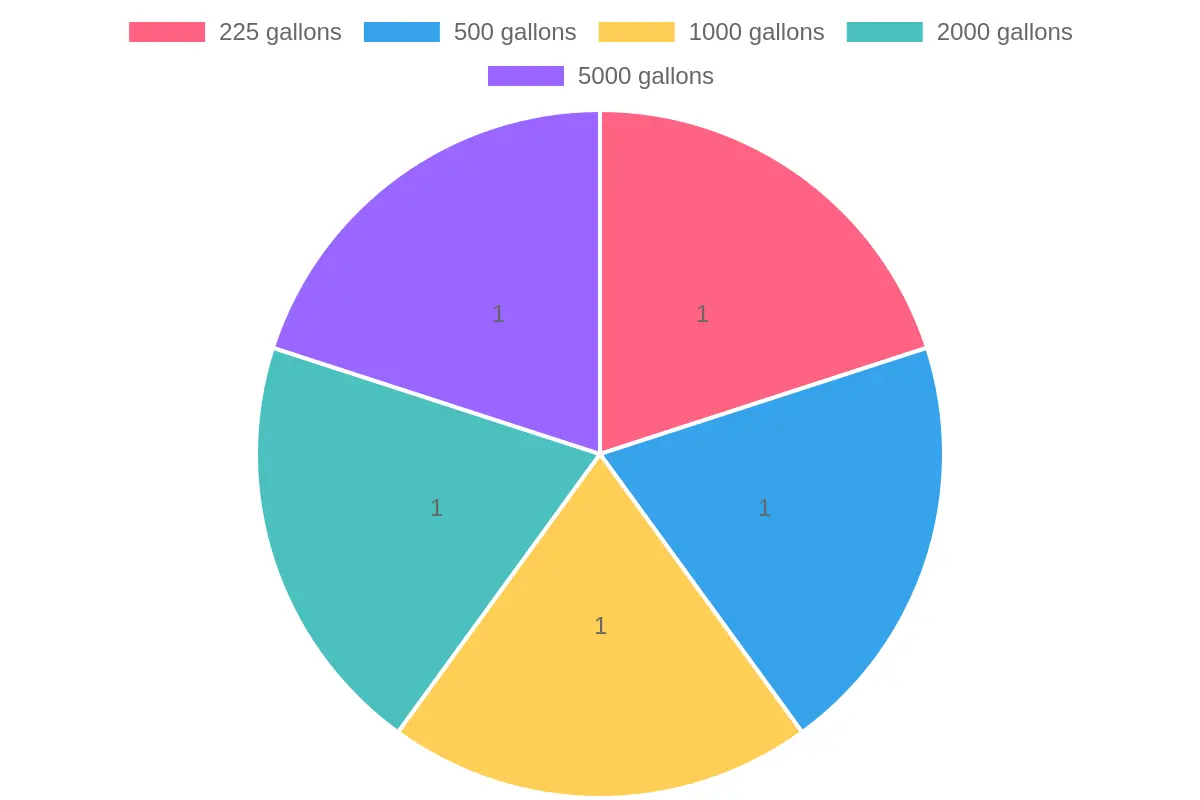
This chart summarizes the typical capacities of power washing trucks, emphasizing their suitability for different operational requirements.
Overall, selecting the right gallon capacity truck depends on the specific needs of your operational tasks. Fleet managers must consider the scale of their operations and the types of jobs to streamline cleaning processes efficiently.
| Model/Type | Capacity (Gallons) | Usage/Application | Source |
|---|---|---|---|
| Standard Water Tank Truck | 5,000 | Cleaning roads, watering, water transportation | Truck Camper Fanatic |
| Mobile Truck Washing | 200-300 (per vehicle) | Onsite fleet cleaning, pressure washing | Mobile Truck Washing |
| General Tank | 5,000 – 20,000 | Various industrial uses | General Info |
| 12 Wheel Truck | 5,000 | Maintenance of green belts, dust control | Truck Camper Fanatic |
| Hydraulic Water Tank Truck | 5,000 | Industrial and municipal use | Aoman Truck |
| Truck Model | Gallon Capacity | Ideal Use Cases | Key Features |
|---|---|---|---|
| Ford F-550 Super Duty | 400 gallons | Construction, large fleet maintenance | Robust engine, customizable setups |
| Ram 5500 | 300 gallons | Heavy-duty cleaning, rooftop work | Durable body, strong towing capacity |
| Chevrolet Silverado 3500 | 350 gallons | Agricultural, industrial applications | Smooth ride, advanced tech features |
| Isuzu NPR | 250 gallons | Urban cleaning, small fleet operations | Compact design, easy maneuverability |
| Freightliner M2 | 500 gallons | Large scale washing, municipal services | High-capacity tanks, powerful engines |
Factors Impacting Gallon Capacity in Power Washing Trucks
When determining the appropriate gallon capacity for power washing trucks, several critical factors come into play, influencing operational efficiency and effectiveness. Here, we explore the main considerations:
1. Water Tank Design
The design of the water tank is fundamental to the overall performance of a power washing truck. An optimized tank design can lead to improved stability of pressure and flow rate, ensuring that the washer operates effectively over longer periods.
- Capacity Variability: Tanks can vary widely in size, with capacities generally ranging from 5 gallons for light duties to upwards of 65 gallons or more for heavy-duty usage, depending on the needs of the operation. For example, Universal Trailer describes mobile systems designed specifically for professional applications, emphasizing the need for larger tanks in commercial settings.
- Shape and Configuration: The tank’s shape can also affect how water flows. A well-designed tank will allow for even distribution and minimize sloshing that can impact pressure.
2. Engine Power
The truck’s engine power plays a significant role in determining how effectively it can utilize the water tank capacity. A powerful engine ensures that the pump operates at optimal performance levels while maintaining the necessary pressure for effective cleaning. Insufficient engine power can lead to underperformance, even if the tank capacity is adequate.
3. Intended Use
The primary purpose of the truck influences how much water you’ll need. For routine cleaning tasks, a moderate tank size may suffice, while larger commercial operations may demand maximum capacity.
- For more intense jobs requiring sustained water flow, larger tanks become essential. This alignment between the task requirements and the truck’s specifications ensures that fleet managers and supervisors make informed choices to enhance their operations. The Ultimate Guide to Pressure Washer Truck Rig Setups highlights how the right setup can improve operational effectiveness.
In conclusion, understanding these factors-water tank design, engine specifications, and intended use-will guide fleet managers in selecting the most appropriate power washing truck configurations for their operational needs. This not only enhances cleaning efficiency but also optimizes resource management in fleet operations.
Water Usage Trends in Power Washing Trucks: A Summary
As the logistics and transportation industries continue to prioritize sustainability, the water usage trends in power washing operations have become increasingly significant. Fleet managers must stay informed about these trends to optimize their operations and comply with environmental regulations.
Water Consumption Insights
Recent reports suggest that high-pressure power washing trucks commonly operate at a flow rate of 6.5 gallons per minute (GPM). This translates to approximately 50 gallons of water per wash, depending on the specific area being cleaned. This data underlines the importance of water conservation in washing processes, especially amidst growing regulatory scrutiny over water usage. According to the Power Washing Authority, understanding these consumption levels is crucial for fleet managers who aim to adopt more efficient washing practices.
Adoption of Eco-Friendly Practices
The demand for water-efficient washing technologies is on the rise. A report highlighted that the adoption of automated eco-friendly cleaning solutions is becoming more prevalent, particularly in North America. Although specific adoption rates were not detailed, the general trend indicates a growing preference for clean technology that aims to minimize water consumption. According to recent analysis on LinkedIn, the industry is shifting towards solutions that align with water conservation measures.
Challenges and Future Perspectives
The backdrop of drought conditions and increased regulatory pressure, such as in Houston where water restrictions have been implemented, further complicates the landscape for power washing operations. Fleet managers must not only focus on compliance but also on strategically managing water use to ensure operational efficiency.
In summary, as water resources become more constrained, embracing innovative washing technologies that prioritize efficiency is not just beneficial but essential for fleet sustainability. By leveraging eco-friendly systems, fleet managers can ensure they are ahead of legislative trends and contribute positively to environmental conservation.
Benefits of Optimal Gallon Capacity
Choosing trucks with optimal gallon capacities can lead to significant advantages in efficiency, cost-effectiveness, and productivity for fleet managers and operators. Below are the key benefits:
-
Enhanced Efficiency: Trucks designed with optimal gallon capacities can travel longer distances without frequent fuel stops. Semi trucks typically have dual tanks that hold between 120 to 150 gallons each, enabling them to maximize mileage and operational efficiency. This feature is crucial for long-haul operations where minimized downtime is essential. Learn more about truck fuel capacities.
-
Cost-Effectiveness: An optimally sized fuel tank balance allows trucks to effectively manage fuel consumption. By improving fuel efficiency, fleets can save money on fuel expenses. Studies indicate that heavy-duty trucks account for a significant portion of fuel use, highlighting the importance of optimizing fuel capacity to reduce operational costs, benefiting the bottom line significantly.
-
Productivity Gains: With larger fuel tanks, drivers spend less time refueling. This leads to increased productivity, as longer continuous operations improve schedule adherence. Fleets can complete more jobs with the same workforce, effectively maximizing resource use.
Incorporating these considerations when selecting trucks can lead to improved operational performance and overall cost savings, contributing to long-term fleet success.
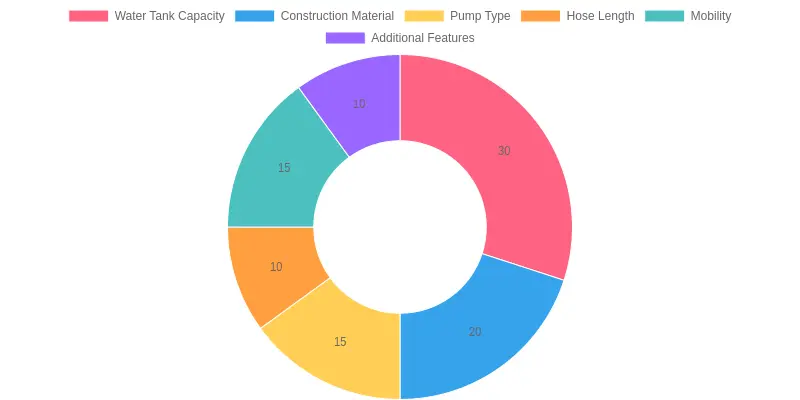
This image visually represents a power washing truck, highlighting its water tank. This truck is essential for effective cleaning operations, emphasizing the importance of maintaining the right water storage capacity for fleet operations.
The Importance of Water Capacity in Power Washing Trucks
In the logistics and construction industries, efficient power washing of fleet vehicles is crucial for maintaining appearance and compliance with regulations. Key to successful power washing operations is understanding water capacity. Proper water management not only enhances cleaning performance but also optimizes operational efficiency.
As noted by an industry expert, “The amount of water used in fleet washing directly impacts fuel efficiency and operational costs. Efficient water usage reduces unnecessary wastage while improving the overall cleaning capability of the wash system.” This underscores the significance of evaluating water capacity in power washing trucks, as it plays a vital role in maximizing fleet efficiency.
- Water Capacity Considerations:
- Trucks typically hold between 50 to 400 gallons of water for power washing, depending on their design and purpose.
- An adequately sized water tank allows for fewer refills and minimizes downtime during operations.
- Efficient use of water not only preserves resources but also aligns with environmental regulations.
For fleet managers and supervisors, ensuring that power washing trucks have the right water capacity is essential for effective cleaning routines and operational success. Learn more about fleet management best practices.
Conclusion and Call to Action
In conclusion, understanding the capacity of power washing trucks, which often requires around 100 gallons of water or more, is crucial for logistics and freight companies aiming for efficient fleet maintenance. Regular cleaning not only enhances aesthetics but also improves vehicle longevity and compliance with industry standards. As outlined, best practices for maintaining power washing operations include routine inspections and adhering to effective cleaning techniques, which can significantly impact operational efficiency.
To elevate your fleet’s maintenance strategies and ensure your power washing operations are up to standard, consider Summit Fairings for your fleet needs. We are dedicated to providing tailored solutions that meet the specific requirements of logistics and transport companies. Don’t wait-learn more about our services today and take the first step towards a more efficient fleet management approach.
Chart: Cost vs. Water Capacity of Power Washing Trucks
The following bar chart illustrates the relationship between the cost (in USD) and the water capacity (in gallons) for various models of power washing trucks. This visual aid is essential for budget-conscious fleet managers who need to make informed decisions regarding their fleet investments.

Data Summary
| Model | Cost (USD) | Water Capacity (Gallons) | Source URL |
|---|---|---|---|
| Example Model A | 5,000 | 300 | Source |
| Example Model B | 8,000 | 500 | Source |
| Example Model C | 12,000 | 800 | Source |
| Example Model D | 15,000 | 1000 | Source |
| Example Model E | 20,000 | 1500 | Source |
This comprehensive view enables logistics and freight company fleet managers, as well as trucking company owners and operators, to evaluate their options carefully and align them with their operational needs and budgetary constraints.