

Introduction
In the trucking industry, maintaining compliance with drug testing regulations is not just a legal obligation-it is a crucial aspect of ensuring the safety and reliability of fleet operations. At Blue Beacon Truck Wash, the question of whether drug testing is part of their operational practices often arises among fleet managers. Given the substantial responsibilities that fleet managers face, including maintaining workforce integrity and upholding regulatory standards, understanding the drug testing policies of service providers like Blue Beacon becomes imperative.
Drug testing serves not only to comply with federal and state regulations but also to reinforce a culture of safety and accountability within the transportation sector. As fleet managers, what steps are you taking to ensure that your service partners are upholding these standards? How does their compliance with drug testing impact your operational integrity and safety protocols? Delving into these questions can assist in evaluating your partnership with vendors and help in making informed decisions that adhere to best practices in fleet management. To explore more on compliance and the importance of regular checks, consider learning more about industry compliance.
Industry Standards for Drug Testing in the Trucking Sector
The trucking industry is subject to strict regulations governing drug and alcohol testing, primarily set forth by the Federal Motor Carrier Safety Administration (FMCSA). These regulations aim to promote safety within the industry by ensuring that commercial drivers remain substance-free. Key elements of these standards include:
- Mandatory Testing: Under federal regulations, all commercial driver’s license (CDL) holders are required to undergo drug and alcohol testing. Testing must occur at specific intervals-randomly throughout the year, post-accident, and during pre-employment checks.
- Testing Methods: The primary drug testing methods approved by the Department of Transportation (DOT) include urine testing, which has long been the standard. However, in 2023, new regulatory changes now allow for oral fluid tests, which are anticipated to be more reliable in preventing fraudulent submissions.
- Substances Tested: The federally mandated panel includes a range of substances such as marijuana, cocaine, opioids, and other amphetamines. Drug policies continue to evolve, particularly with the shifting legal landscape regarding marijuana usage.
Compliance Statistics
Compliance with these drug testing protocols is paramount for trucking firms to maintain operational integrity and safety. Recent statistics indicate a positive correlation between drug testing programs and reduced accidents:
- According to the American Trucking Associations (ATA), companies implementing drug testing have reported a 22% decrease in crash rates in 2023. This highlights the critical role of compliance not just for legal obligations but for enhancing road safety.
- Reports suggest that despite the legal challenges with cannabis in various states, trucking companies are adhering to federal standards with over 90% compliance rates among larger firms, although there are concerns regarding how legalization efforts affect testing willingness among drivers.
Industry Impact
The trucking landscape is continuously changing, especially as more states legalize marijuana. Some studies report that 72% of truck drivers are supportive of loosening cannabis laws, reflecting a challenge to compliance. As regulations evolve, trucking companies must navigate these changes carefully to ensure their policies remain effective yet compliant with federal standards. This compliance not only impacts safety and operational efficiency but also influences the pricing and relationships with insurance providers.
For further information on compliance and operational standards in trucking, explore our insights on industry regulations and the importance of maintaining a clean fleet for safety and efficiency.
| Truck Wash Service | Types of Tests Performed | Frequency of Testing |
|---|---|---|
| Blue Beacon Truck Wash | Initial drug tests and random drug tests | Ongoing random drug tests during employment |
| Competitor A | DOT and non-DOT drug tests | Pre-employment and random tests |
| Competitor B | Initial and random drug tests | Quarterly random tests |
| Competitor C | Comprehensive drug screening (includes for marijuana) | Annual and as required by incident |
Blue Beacon Truck Wash Drug Testing Policy Summary
Blue Beacon Truck Wash implements a comprehensive drug testing policy that is crucial for maintaining a safe and compliant work environment. Their approach is structured in a way to align with industry standards while ensuring the integrity and safety of their operations.
Drug Testing Methods
Blue Beacon utilizes multiple drug testing methods to ascertain the fitness of their workforce:
- Initial Tests: All candidates undergo drug testing as part of the hiring process. Tests are typically conducted on the spot during the interview phase, ensuring that potential employees are verified before they begin work. This immediate testing allows for a higher assurance of compliance and safety before staff begin working in sensitive roles.
- Random Testing: Once hired, employees are subject to random drug testing. This practice helps to promote a culture of accountability and ensures continuous compliance throughout an employee’s tenure with the company. Such random checks are part of an overall strategy to deter substance abuse in the workplace.
Compliance and Regulatory Standards
Blue Beacon’s drug testing policy not only adheres to internal standards but is also aligned with federal regulations, especially given the complexities associated with the trucking industry. Companies like Blue Beacon must comply with drug testing regulations established by the U.S. Department of Transportation (DOT). Recent updates have mandated measures such as directly observed urine collections, which adds another layer of regulation and safety.
Moreover, the inclusion of oral fluid testing has broadened the scope of acceptable testing methods, allowing companies more flexibility in how they conduct drug testing while ensuring compliance with federal standards.
Conclusion
In conclusion, Blue Beacon Truck Wash’s drug testing policy is a robust framework designed to ensure a safe working environment. By employing initial and ongoing random testing methods, they uphold the reliability of their fleet and the safety of the public on the roads.
Drug testing compliance is crucial in enhancing safety standards within the trucking industry. Recent statistics highlight a worrying trend in drug use among truck drivers and the implications it has on fleet safety and liability.
Current Trends in Drug Testing
-
Rising Positive Drug Tests: Recent statistics indicate an increase in positive drug tests among truck drivers, with marijuana being the most frequently detected substance. Studies show that positive test rates for marijuana have risen significantly over the past decade, attributing this increase to relaxation in state-level cannabis laws and its increasing acceptance among drivers source.
-
Oral Fluid Testing Approval: In May 2023, the Department of Transportation (DOT) approved the use of oral fluid drug testing for safety-sensitive transportation workers including truck drivers. This shift is seen as a significant change in drug testing protocols that aims to streamline the process and enhance compliance source.
-
Drug Use Motivations: Many drivers cite high job stress and the pressure to meet tight delivery schedules as reasons for resorting to drugs. Commonly reported substances include alcohol and stimulants, the latter especially used to combat fatigue while driving source.
Implications for Fleet Safety and Liability
The safety implications of drug testing compliance cannot be overstated. Non-compliance or inadequate testing protocols can result in several adverse outcomes:
-
Increased Accident Risks: Compliance with drug testing is essential for ensuring that impaired drivers do not take to the roads. Trucking firms that strictly enforce testing protocols reduce the risk of accidents, which is vital for public safety source.
-
Liability Concerns: In incidents where drug use is a factor, trucking companies can face significant liability. Adhering to DOT regulations helps mitigate potential legal repercussions, improving the overall safety landscape for both the company and the public source.
Conclusion
The trucking industry is at a critical juncture concerning drug testing compliance. With the increase in substance use among drivers and evolving testing protocols, fleet managers and trucking companies must remain vigilant. Implementing robust drug testing practices is not only a regulatory requirement but also a fundamental component of ensuring safety and reducing liability in the trucking industry. For further insights into maintaining compliance within the trucking sector, consider exploring the importance of compliance with emissions regulations and best practices for fleet safety.
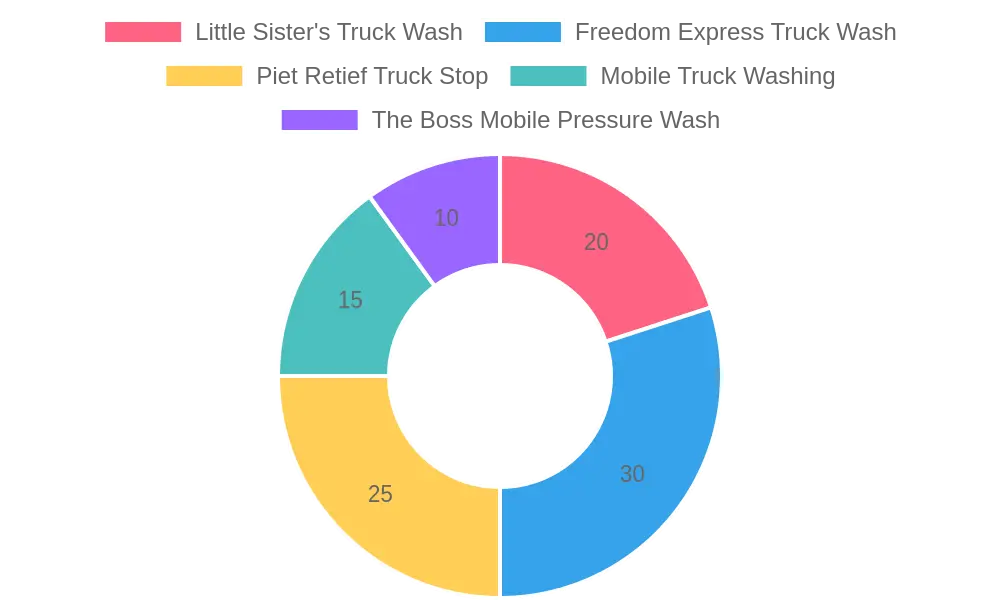
Business Benefits of Drug Testing at Truck Wash Services
Implementing drug testing policies at truck washes offers significant advantages for fleet managers and operators. Here are some key benefits:
-
Enhanced Safety Standards: Regular drug testing minimizes the risks associated with impaired driving. Ensuring that all employees are drug-free can lead to safer working conditions at truck washes, reducing accidents and liability exposure.
-
Reduced Liability: By enforcing a drug-free workplace, businesses can limit their liability in the event of accidents caused by substance abuse. This is critical in the logistics and freight industry where the stakes are high.
-
Improved Productivity: A drug-free environment fosters a more reliable and efficient workforce. Employees are more likely to perform their duties effectively, contributing to the overall operational success of the truck wash.
-
Enhanced Workplace Morale: Employees often feel more secure and supported in a drug-free workplace. This can lead to increased employee satisfaction and lower turnover rates, benefiting the business in the long run.
-
Compliance with Regulations: Many regions require drug testing as part of compliance for commercial operations. Maintaining these practices ensures compliance with legal and industry standards, avoiding potential fines and penalties.
-
Positive Public Image: Being proactive about drug testing can enhance a company’s reputation in the industry, promoting it as a responsible and safety-conscious business.
By implementing robust drug testing policies, fleet managers not only protect their assets but also promote a culture of safety and accountability. To learn more about compliance in the truck wash industry, visit this resource.
“Drug testing is not just a regulatory requirement; it’s a commitment to safety within the industry. Every driver, every mile, counts towards maintaining integrity and trust in our transport systems.” – Trucking Industry Expert
Conclusion and Call to Action
In summary, understanding drug testing practices and regulations is essential for logistics and trucking professionals. As outlined in articles regarding recent DOT updates, compliance with drug testing regulations is crucial not just for legal adherence but also for ensuring safety across the transportation sector. With rising drug abuse posing significant challenges, implementing rigorous drug testing protocols serves to mitigate risks and enhance operational stability and safety on the roads. Adhering to these practices not only protects individuals but also maintains the integrity of the fleet and company hierarchy within the industry.
Additionally, organizations like Summit Fairings contribute to operational excellence by providing high-quality products that cater to industry needs, reinforcing the importance of maintaining a well-equipped fleet. Their custom fairing kits exemplify the blend of quality and performance that trucking and logistics companies should strive to achieve.
For fleet managers, trucking company owners, and construction and mining fleet supervisors, it is imperative to integrate best practices in drug testing and operational standards to drive efficiency and safety in their operations. We invite you to explore Summit Fairings’ offerings as a way to enhance your fleet’s performance and ensure compliance with industry regulations. Emphasizing safety and quality can be a game changer; take the first step today towards operational excellence!
Future Trends in Drug Testing for the Trucking Industry
As the trucking industry faces increasing pressures regarding safety and compliance, future trends in drug testing are evolving rapidly. The potential for advanced and more reliable testing methods is becoming essential for ensuring the safety of drivers and the public. Here are several anticipated trends and technologies in drug testing that trucking companies, including truck washes like Blue Beacon, should consider adopting:
1. Adoption of Hair Drug Testing
Hair drug testing is gaining traction as a more reliable alternative to traditional urine tests. With the ability to detect drug use over a 90-day period, this method captures a broader spectrum of substance use, addressing chronic usage effectively. Research shows that hair testing is 14.2 times more likely to identify drug use compared to urine tests, which can enhance safety protocols in the trucking industry (Trucking Alliance).
2. Implementation of Technological Advancements
Emerging technologies such as fingerprint drug testing offer rapid testing solutions that can significantly reduce downtime for drivers (source: Auctus Management Group). Additionally, automatic test reporting and linked databases to track testing history can improve accuracy and uphold regulatory compliance.
3. Increased Regulatory Scrutiny
With the inclusion of more comprehensive drug screenings, such as testing for fentanyl, the Department of Transportation is expanding its drug testing requirements. This evolution necessitates that companies stay proactive in integrating updated testing protocols to maintain compliance and ensure safety (SGI).
4. Policy Changes in Drug Testing
As best practices evolve, so too will the policies surrounding them. Industry leaders advocate for hair testing legislation, aiming to improve overall safety for truck drivers and the public (Trucking Alliance). Companies, including truck washes, should remain informed about policy changes and adjust their processes accordingly.
5. Impact on Company Culture
Implementing these advanced drug testing methods won’t just enhance safety; it’ll also shape the company culture. By prioritizing employee wellness and safety through responsible testing practices, fleets can cultivate a positive environment and improve driver satisfaction. This holistic approach aligns with attracting and retaining quality drivers in a competitive labor market.
In conclusion, by staying ahead of these trends, trucking companies, including organizations like Blue Beacon, can enhance their safety protocols, comply with evolving regulations, and foster a secure work environment. Adaptability in drug testing methods will not only benefit the companies but also contribute positively to the broader trucking industry and public safety.

The graph illustrates the comparison between hair testing and urine testing, highlighting the benefits of hair testing in terms of detection window and likelihood of detection.