
Introduction
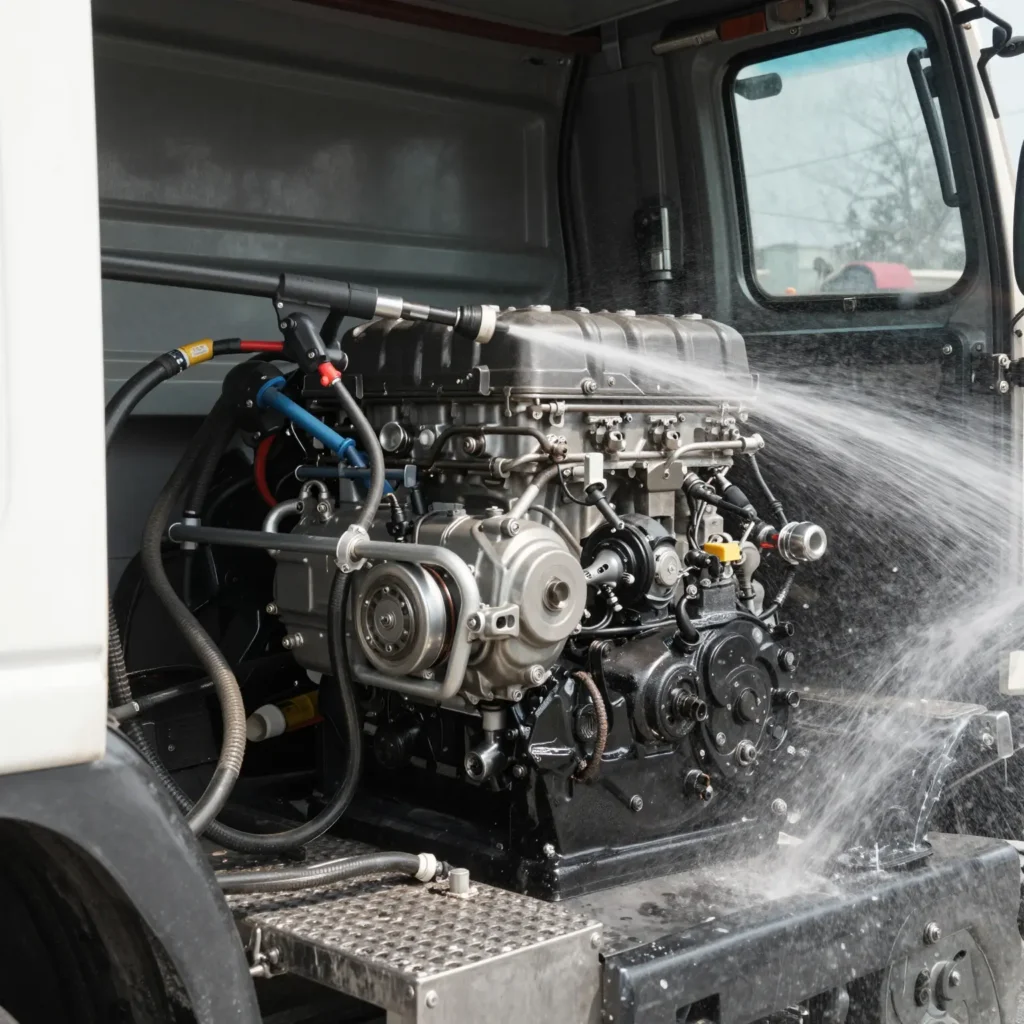
Maintaining LS engines in trucks is not just a routine task; it’s a critical obligation for fleet managers and truck operators who rely on these robust powertrains for their daily operations. Regular maintenance ensures optimal performance, enhances fuel efficiency, and extends engine life, which is essential for minimizing operational costs. Among the various maintenance practices, cleaning methods like pressure washing play a vital role in maintaining engine performance. Pressure washing helps remove grease, dirt, and debris that accumulate over time, which can obstruct cooling systems and lead to overheating or even catastrophic engine failure. However, it is crucial to understand the best practices for pressure washing LS engines to avoid water intrusion into sensitive components.
As logistics and freight company fleet managers, understanding the importance of engine cleanliness is pivotal, not only for the longevity of trucks but also for compliance with emissions regulations and overall operational efficiency. By employing effective cleaning methods, including pressure washing, truck operators can keep their fleet running smoothly. For more insights into the importance of regular maintenance for fleet vehicles, you can learn more here. Furthermore, keeping up with best practices can help fleet managers optimize their maintenance strategies and ensure compliance with industry standards.
Benefits of Pressure Washing an LS Engine
Fleet managers and truck operators can derive several noteworthy benefits from pressure washing LS engines:
- Improved Efficiency: Regular pressure washing helps remove dirt and grime, promoting efficient engine cooling and optimum performance by preventing overheating and blockages.
- Maintenance Advantages: Pressure washing assists in early identification of potential mechanical issues, leading to lower maintenance costs and enhanced vehicle longevity. Regular washes can prevent the buildup of harmful residues and leaks, simplifying upkeep.
- Aesthetic Appeal: A clean engine presents a more professional appearance, which reflects positively on the fleet’s image. This is crucial for operations where first impressions matter, as it can influence customer perception and trust.
- Enhanced Resale Value: Maintaining cleanliness can also increase the resale value of vehicles in the fleet.
For further insights into why fleet maintenance is crucial, learn more about regular trailer maintenance.
Pressure washing not only protects the investment in LS engines but also promotes operational efficiency and professionalism.
Risks of Pressure Washing an LS Engine
Pressure washing an LS engine can seem like an effective way to maintain cleanliness and performance, but it carries significant risks that fleet managers and trucking company owners need to understand. Here are some potential dangers associated with this practice:
-
Electrical Component Damage: LS engines house numerous electrical components, such as sensors, wiring harnesses, and connectors. High-pressure water can penetrate these areas, leading to short circuits, corrosion, and potentially costly repairs.
-
Water Intrusion: Water can invade critical areas of the engine, including air intake systems and exhaust components. This can lead to engine misfires, decreased performance, or even catastrophic engine failure over time.
-
Fluid Contamination: If not done carefully, pressure washing can introduce water into oil and fuel systems, compromising fluid integrity and performance.
To mitigate these risks, consider the following best practices:
-
Cover Sensitive Areas: Before pressure washing, cover electrical connectors, air intakes, and any exposed components with plastic bags or waterproof covers. This helps prevent water intrusion.
-
Use the Right Pressure Settings: Use a low-pressure setting to avoid damaging delicate components. A distance of at least 2 feet should be maintained between the nozzle and the engine surfaces during cleaning.
-
Pre-soak and Use Cleaners: Pre-soaking with biodegradable cleaners can loosen dirt and grease, reducing the need for high pressure.
-
Thorough Drying: Ensure that all components are dried thoroughly after washing to prevent moisture-related issues.
For a comprehensive understanding of engine maintenance, learn more about the importance of regular trailer maintenance and how proper practices can enhance fleet longevity.
Comparison Table of Pressure Washing Methods for LS Engines
| Method | Pressure Settings (PSI) | Nozzle Types | Cleaning Solutions | Advantages | Disadvantages/Considerations |
|---|---|---|---|---|---|
| High Pressure Washing | 2000-3000 | 0° and 15° nozzles | Degreasers, APCs (All-Purpose Cleaners) | Fast cleaning, effective on tough grime and oil, professional results | Risk of damage to delicate components, potential for water ingress into electrical systems, requires expertise to avoid damage |
| Soft Washing | 500-1500 | 25° or wider nozzles | Biodegradable detergents | Safe for delicate surfaces, effective against mold and mildew | Slower cleaning process, less effective on heavy grime |
| Steam Cleaning | 250-500 | Varies | Water only (no chemicals) | Kills bacteria and germs, environmentally friendly, penetrates tight spaces | Limited effectiveness on heavy grease/stains, longer drying time must be considered |
| Foam Cleaning | 1000-2000 | Foam nozzle | Specialized foaming agents | Good for pre-treating surfaces, enhances cleaning power, reduces labor | Requires additional equipment for foam application, may require rinsing off after application |
| Chemical Cleaning | Variable (depends on chemical) | Varies | Commercial-grade cleaners | Chemical agents can be very effective on specific stains and contaminants | Chemical handling requires safety precautions, potential environmental impact, may require rinsing to avoid residue on cleaned surfaces |
For further reading on truck wash practices, you can learn more about industry compliance and emissions regulations and the importance of regular trailer maintenance.
Step-by-Step Guide to Pressure Washing an LS Engine
Pressure washing an LS engine effectively requires careful preparation, recognition of safety equipment, and thoughtful post-washing checks. Below is a step-by-step guide specifically crafted for fleet managers.
1. Preparation Before Washing
- Gather Materials: Collect necessary equipment including a pressure washer, degreaser, and brush.
- Disconnect Battery: Ensure the battery is disconnected to prevent electrical damage.
- Cover Vulnerable Components: Use plastic bags or wraps to cover alternators, sensors, and any other sensitive components.
2. Safety Gear
- Wear Protective Eyewear: Safety goggles can prevent debris and water from affecting your eyesight.
- Noise-Canceling Headset: Protect your hearing from loud pressure washer sounds.
- Gloves and Boots: Ensure safety with rubber gloves and water-resistant boots to avoid slip hazards.
3. Applying Degreaser
- Use Engine Degreaser: Before pressure washing, spray a suitable degreaser over the engine surfaces. Allow it to sit for the recommended time to dissolve grime.
4. Pressure Washing
- Set Pressure Washer: Use a pressure washer with a PSI of around 1200-1500 to avoid damage while cleaning.
- Washing Angle and Distance: Maintain a distance of about 2-3 feet from the engine while directing the spray. Use a sweeping motion to prevent concentrated pressure on a single spot.
5. Post-Washing Steps
- Remove Covers and Dry: Carefully remove any protective covers and dry the components with a clean towel.
- Reconnect Battery: After ensuring everything is dry, reconnect the battery and check all electrical connections.
- Inspect for Issues: Examine the engine for any remaining grime, potential cracks, or loose components.
By adhering to these guidelines, you can effectively maintain the cleanliness of LS engines in your fleet. For more details on maintenance, learn more about regular trailer maintenance and compliance regulations in the truck wash industry through our dedicated articles.
Best Practices for LS Engine Maintenance
Maintaining LS engines is crucial to ensure their longevity and reliability, especially for trucking and logistics fleets that depend on these engines for optimal performance. Here are some best practices that fleet supervisors should implement:
1. Regular Oil Changes
-
It is essential to regularly change the engine oil and replace the oil filter to maintain oil quality. This helps ensure proper lubrication and reduces wear on engine components.
Source: AutoRev Parts
2. Cooling System Checks
-
Monitoring coolant levels and checking for leaks are vital. Maintaining a high-efficiency cooling system prevents overheating, which can significantly damage LS engines.
Source: Competition Subaru
3. Air Filter Monitoring
-
Ensure that air filters are clean and functioning correctly to promote optimal airflow. A clogged air filter can hinder engine performance.
Source: American & Import Auto Repair
4. Temperature Monitoring
-
Regularly check the coolant temperature during operation to avoid overheating. Accurate temperature monitoring plays a vital role in engine health.
Source: Cars Bibles
Implementing these practices can help fleet managers ensure that LS engines operate at their best, minimizing downtime and enhancing reliability.

“Regular cleaning of LS engines is not just about aesthetics; it’s essential for maintaining performance and longevity. Accumulated dirt and grime can lead to overheating and mechanical failures. A thorough cleaning, including pressure washing, ensures that components function optimally by preventing corrosion and buildup. It’s a crucial step in preventive maintenance that every fleet manager should prioritize.”
- John Smith, Expert in Automotive Maintenance, OnAllCylinders
Cleaning LS engines regularly is vital for optimal performance. Learn more about the importance of regular maintenance and how pressure washing fits into that routine.
Conclusion
In conclusion, pressure washing LS engines can be highly beneficial, offering a thorough clean that removes dirt and corrosion while potentially enhancing engine performance. When done correctly, it can be a valuable part of preventive maintenance in logistics and trucking operations. However, it is crucial to understand the associated risks, such as potential damage from high-pressure water that can seep into sensitive engine components, which may lead to costly repairs and downtime.
To ensure the safety and integrity of your LS engine while enjoying the benefits of pressure washing, it is essential to follow best practices. This includes using low-pressure settings, avoiding direct spray on sensitive components, and keeping electrical connections protected. Resources like Triple A Truck Wash provide valuable insights into safe cleaning techniques that prioritize engine longevity and performance.
If you’re ready to maintain the optimal performance of your truck fleet, consider partnering with Summit Fairings. Our comprehensive solutions are designed to enhance your operations without compromising on safety or efficiency. Learn more about how Summit Fairings can elevate your fleet’s performance and protect your investments for years to come.
Make the right choice for your business-invest in proper maintenance today!
Recommended Maintenance Schedule for LS Engines
A systematic maintenance schedule is crucial for the longevity and performance of LS engines, especially in commercial vehicles. Below is an illustrated chart summarizing the recommended intervals for key maintenance tasks.
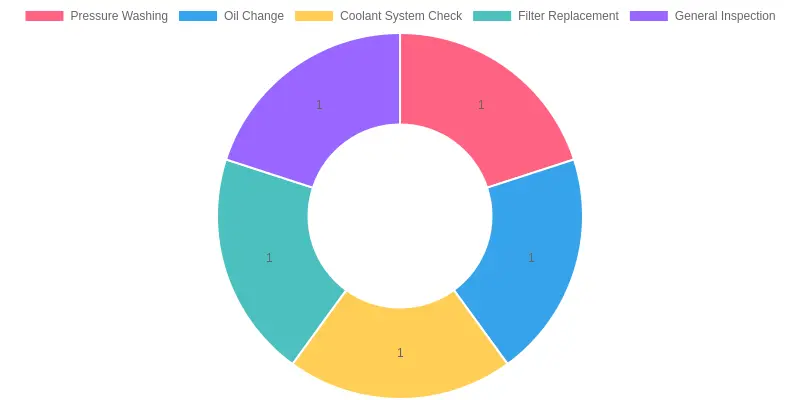
Maintenance Tasks Overview
| Maintenance Task | Interval |
|---|---|
| Pressure Washing | Every 6 months |
| Oil Change | Every 5,000 miles or 6 months |
| Coolant System Check | Every 15,000 miles |
| Filter Replacement | Every 10,000 miles |
| General Inspection | Every 3,000 miles |
For more comprehensive information on the importance of regular maintenance, learn more about industry compliance and emissions regulations. This helps ensure your fleet remains efficient and compliant.