
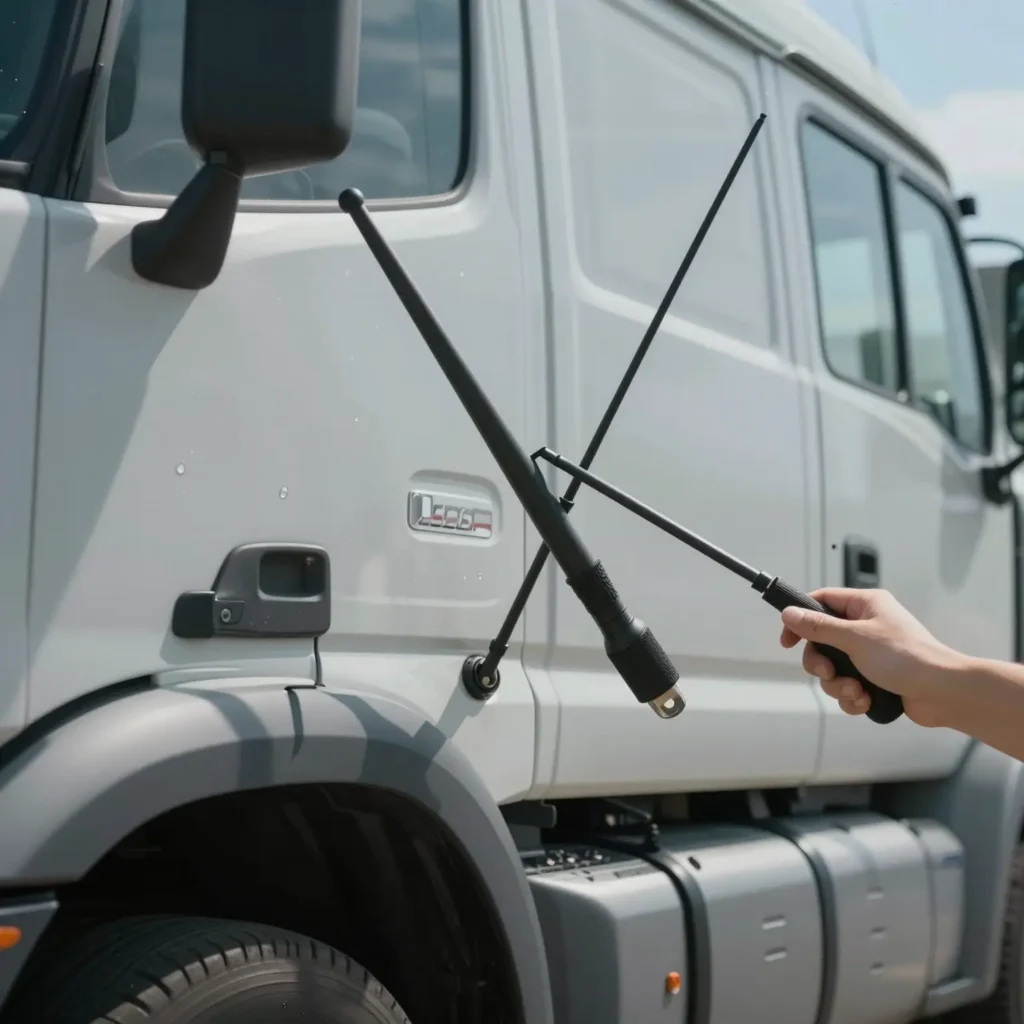
Importance of Truck Maintenance and Antenna Care
For fleet managers and truck operators in the logistics and transportation sectors, upholding high standards of maintenance is crucial for the efficiency and longevity of their vehicles. Regular truck maintenance not only ensures safety on the road but significantly reduces operational costs. Neglected vehicles can lead to unexpected breakdowns, resulting in costly repairs and delays that affect logistics operations. Particularly, components like the truck antenna might seem insignificant compared to more prominent parts, yet they play a vital role in communication, navigation, and even safety features.
A specific concern arises when it comes to preparing trucks for a car wash; many truck owners question whether to remove their antennas before undergoing this routine cleaning process. The answer is complex: while some automatic car washes employ gentle processes, many utilize brushes and high-pressure systems that can potentially damage or dislodge a truck’s antenna. Thus, taking precautions by removing antennas can save fleet managers from unnecessary repairs and replacements.
In a fast-paced world where logistics operations depend on reliability and efficiency, understanding the intricacies of truck maintenance – like antenna care during car washes – is essential for trucking company owners, fleet managers, and construction and mining fleet supervisors. The choice to maintain good practices not only protects assets but also fosters a culture of responsibility and care that can enhance a company’s reputation in a competitive market.
For further insights into the necessity of regular maintenance for operational success, check out our article on the importance of regular trailer maintenance.
Risks of Leaving Your Truck Antenna During a Car Wash
When it comes to maintaining your truck, some seemingly minor details can lead to significant repercussions, especially when it comes to the antenna. Here are the key risks associated with not removing the truck antenna before a car wash:
- Damage to Antenna: The force from washing brushes and high-pressure water can easily bend or break the antenna, leading to costly replacements that could have been avoided.
- Wear and Tear: Continuous exposure to the harsh conditions of a car wash can cause the antenna to deteriorate faster than expected, compromising its function over time.
- Vehicle Surface Scratches: Brushes used in automatic car washes can accumulate debris, which, when combined with water pressure, might scratch the truck’s surface, especially if the antenna catches any of the bristles. This can lead to additional maintenance costs.
- Structural Risks: Depending on the truck model, leaving a high antenna in place may increase the risk of it hitting overhead structures, especially in tight spaces typical of many car washes.
- Distraction While Driving: A damaged or improperly secured antenna can create distractions, potentially affecting driving and safety.
To ensure the longevity of both your truck and its antenna, it is essential to prioritize proper truck care by removing unnecessary accessories like antennas before washing. For an in-depth understanding of vehicle maintenance, learn more about regular trailer maintenance.

The Effects of Car Washes on Truck Antennas
When considering vehicle maintenance, understanding how a truck antenna can be affected by car washes is crucial for fleet managers and operators. Truck antennas are often exposed to harsh conditions during automatic washing procedures, where various techniques such as brushes, high-pressure water jets, and foaming agents are employed to clean the exterior. These methods can impose significant strain on the antenna, especially if it is not designed to withstand the force of these washing techniques.
In automatic car washes, antennas that are not robustly secured can become dislodged or damaged. Research shows that antennas made from materials like aluminum, commonly used in vehicles such as Ford F-150s, are particularly vulnerable. The friction and pressure exerted by the wash equipment can lead to the complete destruction of these components, as they are often directly impacted by rotating brushes and high-pressure sprays. Furthermore, if the antenna is flexible or poorly mounted, the continuous motion of the truck through the wash can lead to bending or snapping under the mechanical stress.
Industry experts recommend that truck owners consider removing their antennas prior to entering a car wash. Alternatively, opting for touchless car washing systems can minimize physical contact with sensitive parts like antennas. This proactive approach not only preserves the integrity of the truck antenna but also enhances the longevity of the vehicle itself. By understanding the dynamics at play in car washes, logistics and fleet supervisors can make informed decisions and maintain high standards of vehicle care. To delve deeper into vehicle maintenance practices, learn more about regular trailer maintenance that can enhance fleet longevity.
| Antenna Type | Durability | Suitability for Car Washes | Description |
|---|---|---|---|
| Rigid Antennas | Medium | Usually Require Removal | Made from hard materials, can be prone to breaking in car washes. They typically offer better signal reception. |
| Flexible Antennas | High | Suitable Without Removal | Made from flexible materials like rubber; designed to bend and withstand impacts without breaking. |
| Stubby Antennas | Medium to High | Suitable Without Removal | Shorter profiles reduce the risk of damage during washes; retain good signal strength. |
| Whip Antennas | High | Use Caution | Long antennas that can scrape and bend; often require removal before car wash due to height. |
| OTR (Over-the-Road) | High | Suitable Without Removal | Designed for durability on the road; flexible fiberglass shafts resist environmental challenges. |
Key Points:
- Durability: Flexible antennas, often made from high-quality materials like rubber and anodized aluminum, generally outlast rigid ones.
- Car Wash Suitability: Many flexible and stubby antennas can remain on during car washes, reducing the hassle for fleet managers.
Selecting the right truck antenna can optimize performance while minimizing damage and maintenance costs during regular operations such as car washes. For further information on maintenance and other relevant practices, you can check out the importance of regular trailer maintenance and best practices for cleaning food-grade tankers.
With the right knowledge, fleet managers can make informed decisions regarding durability and functionality, enhancing the longevity and performance of their vehicles.
Ensuring the proper maintenance of truck antennas is crucial for fleet operations. Effective communication is essential for logistics, making regular antenna upkeep vital. Here are some best practices that fleet managers should follow to maintain truck antennas efficiently:
Regular Inspections
- Conduct Routine Checks: Schedule regular visual inspections of antennas to spot any signs of wear or damage such as cracks, rust, or loose fittings. This helps in maintaining optimal performance and avoiding signal loss.
- Check Connections: Ensure that all connections are secure and not corroded. Loose or rusty connections can significantly degrade signal quality, impacting communication reliability.
Removal Techniques
- Safe Removal: When removing antennas, follow the manufacturer’s guidelines to prevent damage. Use appropriate tools and take care not to strip threads or damage mounting surfaces.
- Consider Environment: If operating in areas prone to heavy winds or extreme weather, consider using removable antennas to reduce the risk of damage during adverse conditions.
Cleaning Tips
- Regular Cleaning: Clean antennas with a soft cloth and mild detergent to remove dirt and grime. Avoid using abrasive materials that can scratch surfaces.
- Use Isopropyl Alcohol: For connectors, use isopropyl alcohol and lint-free swabs to clean and prevent oxidation. This not only ensures better signal integrity but also prolongs the life of the connectors (Learn more about proper truck care).
Professional Consultations
- Engage Professionals: If signs of serious wear or damage are noted during inspections, consult professional maintenance services. They can provide specialized care and ensure compliance with industry standards.
Documentation and Logs
- Maintain Records: Keep logs of inspection dates, maintenance actions taken, and any issues noted. This documentation can help track patterns over time and guide future maintenance decisions.
Conclusion
By following these best practices, fleet managers can enhance the longevity and functionality of truck antennas. Regular maintenance not only improves communication reliability but also safeguards investments in equipment. For more on truck maintenance and compliance, see our guide on industry compliance and emissions regulations.
User Experiences with Truck Antennas in Car Washes
When it comes to washing trucks, fleet managers often grapple with the question: Should you remove the truck antenna before a car wash? This concern stems from various user experiences and testimonials that provide real-world insights.
Common Concerns
-
Potential Damage: Many users have expressed their concerns that antennas can be damaged or broken off by the washing equipment. For instance, a discussion on the Toyota Nation Forum highlights experiences where owners contemplated removing their antennas to avoid any friction-related damage to the vehicle’s paint and the antenna itself.
-
Incidents of Breakage: A TikTok video highlighted an incident where a truck’s antenna broke off during a wash, causing damage to neighboring vehicles. This underscores the risks involved with automated washes. Fleet managers should consider these incidents when deciding their car wash procedures.
Testimonials on Removal
-
An article from The Offroading discusses various challenges truck owners face when it comes to antenna removal. It emphasizes preventive strategies, such as inspecting the antenna and ensuring it is secured, to avoid unnecessary damage during the wash process.
-
According to a feature from Triple A Truck Wash, modern car wash systems, equipped with soft brushes and advanced sensors, have made significant strides in minimizing risks. However, the structural design of antennas and their exposure can still make them vulnerable in certain situations.
Conclusion
In conclusion, the removal of truck antennas before car washes is often advised based on user experiences that highlight potential damage risks. Fleet managers should weigh these risks against the operational efficiency of leaving antennas on, particularly in the context of modern car wash technology. Understanding these user experiences is crucial for developing preventative strategies and ensuring the longevity of vehicle components while maintaining cleanliness in fleet operations.
Antenna Breakage Statistics in Relation to Car Washes
In the logistics and trucking industry, it is essential to understand the risks associated with car washes, particularly concerning antenna breakage. Although comprehensive statistics specific to antenna damage from car washes are scarce, related discussions in the industry suggest notable concerns.
Key Insights
- Traditional Automatic Car Washes: There is a risk of antenna breakage due to the mechanical interactions that occur, potentially leading to damage. Past articles highlight that antennas can become dislodged or broken during these washes.
- Touchless Car Washes: While these minimize contact, antennas can still be at risk, albeit to a lesser extent compared to traditional washes.
Chart on Antenna Breakage Incident Reports
To provide a visual perspective on the potential risks of antenna breakage related to different types of car washes, the chart below summarizes reported incidents:

| Type of Car Wash | Number of Incident Reports | Source |
|---|---|---|
| Traditional Automatic | Data not found | MDPI Risks |
| Touchless Wash | Data not found | MDPI Risks |
Conclusion
Given the potential risks, fleet managers should consider removing truck antennas before utilizing a car wash, particularly traditional automatic washes, to prevent unnecessary damage. For further insights into maintaining logistics and fleet standards, explore our articles on importance of regular trailer maintenance and fleet standardization.
Conclusion
In summary, removing your truck antenna before a car wash is not just a recommended practice but an essential one for fleet managers and operators. It helps to prevent potential damage to the antenna, ensuring it remains intact and functional for communication. By taking this simple precaution, you can also ensure a more thorough cleaning of the truck, leading to enhanced maintenance and longevity of the vehicle’s exterior. Given the substantial costs associated with repairs or replacements, such maintenance practices are critical for optimizing fleet performance.
Additionally, considering the use of summit fairings can be a game-changer for your trucks. These aerodynamic enhancements not only improve fuel efficiency by reducing drag (often by 5-10%) but also provide greater stability during transit. The integration of summit fairings supports sustainability efforts by lowering emissions, thus fulfilling regulatory obligations and promoting a greener logistics operation.
Ultimately, investing in the right preventative measures is imperative for maintaining your fleet’s efficiency and safety on the road. For tailored solutions that integrate both truck antenna management and aerodynamic enhancements, consider reaching out to experts who understand the intricacies of your fleet’s needs. Explore how Summit Fairings can transform your operational effectiveness and ensure that your trucks are always in peak condition. Don’t wait-enhance your fleet’s performance today!


Importance of Truck Maintenance
“Regular maintenance ensures a safe working environment for drivers, reducing hazards associated with mechanical failures.”
Proper truck maintenance is essential for ensuring the safety and longevity of our vehicles. Especially when it comes to the maintenance of components like antennas, one must consider the impact it might have on the truck’s function and safety during washing or maintenance routines.