

The Vital Role of Brush Truck Washing in Fleet Maintenance
In the dynamic world of the trucking industry, maintaining a clean and efficient fleet is paramount for success. Brush truck washing stands out as a crucial element in fleet maintenance, ensuring that vehicles not only look impeccable but also function optimally. Fleet managers and supervisors know that regular washing can significantly enhance vehicle longevity by preventing the buildup of harmful contaminants that can lead to rust and mechanical issues. Moreover, a clean fleet reinforces your brand’s image and fosters safety on the roads. As competition intensifies, investing in proper truck washing processes becomes essential for operators who want to maximize their assets. Emphasizing the importance of regular maintenance not only improves performance and reliability but also exemplifies your commitment to excellence. Unlock the full potential of your fleet with effective brush truck washing – it’s not merely a service, but an investment in your operational success.
Key Benefits of Regular Brush Truck Washing
Regular brush truck washing is essential for logistics and trucking companies, providing several key benefits that address the pain points of fleet managers and operators. Here are some of the main advantages:
-
Improved Safety: Clean trucks reduce the risk of accidents by ensuring that operating systems, such as lights and mirrors, remain visible and functional. According to a source from Napolin Law, well-maintained vehicles are significantly less likely to get involved in mechanical failures during operations.
-
Increased Vehicle Lifespan: Regular washing prevents the buildup of corrosive substances such as dirt, salt, and grime that can lead to premature wear and tear. Such maintenance practices not only enhance aesthetics but also protect significant components like brakes and suspension systems (LPW Europe).
-
Cost Savings on Repairs: By removing harmful debris and facilitating smoother operations, regular washing decreases maintenance costs and prolongs the time between repairs (Prime Hand Car Wash).
-
Enhanced Company Image: A clean fleet reflects professionalism and commitment to quality, enhancing customer trust and attracting potential clients. A presentable fleet is integral for establishing a reputable brand (Buckeye Mobile Power Wash).
-
Compliance with Regulations: Maintaining a clean fleet is often necessary to meet local regulations regarding vehicle emissions and road safety. A truck that is regularly washed tends to garner fewer penalties (tripleatruckwash.com).
-
Environmental Responsibility: Regular washing can be coupled with eco-friendly practices, showcasing a company’s commitment to sustainability in their operations, which is increasingly important in today’s market.
By integrating regular brush washing into maintenance schedules, logistics and trucking companies can improve safety, extend vehicle life, and maintain a professional appearance, ultimately contributing to operational success.
Essential Equipment for Effective Brush Truck Washing
To maintain the cleanliness and appearance of brush trucks, having the right equipment is paramount. The essential tools needed for effective brush truck washing include various brushes, specific soaps, and pressure washing systems, each playing a key role in achieving optimal results.
Types of Brushes
- Hand Brushes
- Effectiveness: Good for accessible areas.
- Pros: Versatile, easy to use, and inexpensive.
- Cons: Labor-intensive and may not reach deep grime.
- Foam Brushes
- Effectiveness: Moderate to High.
- Pros: Soft bristles that minimize scratches.
- Cons: Limited reach and requires more effort to clean thoroughly.
- Rotary Brushes
- Effectiveness: Very High.
- Pros: Fast and thorough cleaning, saves labor.
- Cons: More expensive and may be overly aggressive on some truck finishes.
These brushes are essential for applying cleaning products effectively and reaching all surfaces of the truck. Here’s a chart summarizing the various brush types and their effectiveness:
| Brush Type | Effectiveness | Pros | Cons |
|---|---|---|---|
| Hand Brushes | Good | Versatile, easy to use, inexpensive | Labor-intensive, may not clean deeply |
| Foam Brushes | Moderate to High | Soft bristles, minimizes scratches | Limited reach, may require more effort |
| Rotary Brushes | Very High | Fast and thorough cleaning, labor-saving | Expensive, may be too aggressive on some surfaces |
Soaps and Cleaning Agents
Using the right soaps is crucial for optimal wash outcomes. The most effective cleaning agents include:
- All-Purpose Cleaners
- Applications: General cleaning of trucks and vehicles.
- Effectiveness: Effective against dirt and grease.
- Eco-friendly: Yes.
- Citrus Oil Cleaners
- Applications: For oily, greasy contaminants.
- Effectiveness: Good on dirt, oil, and grease.
- Eco-friendly: Yes.
- Degreasers
- Applications: Targets tough contaminants like tar and oil.
- Effectiveness: Very effective for heavy grime.
- Eco-friendly: Yes.
- Truck Wash Chemicals
- Applications: Designed specifically for truck body and undercarriage cleaning.
- Effectiveness: Excellent against grime and dirt.
- Eco-friendly: Yes.
- Soft Wash Soaps
- Applications: Gentle on delicate finishes.
- Effectiveness: Good on light dirt.
- Eco-friendly: Yes.
Here’s a chart comparing the effectiveness of different soaps:
| Type of Soap | Applications | Effectiveness in Removing | Eco-friendly |
|---|---|---|---|
| All-Purpose Cleaners | General cleaning of trucks and vehicles | Effective against dirt and grease | Yes |
| Citrus Oil Cleaners | Removal of oily, greasy contamination; all-purpose | Good on dirt, oil, grease | Yes |
| Degreasers (e.g., TarX) | Target tar, oil, and built-up dirt | Very effective for tough contaminants | Yes |
| Truck Wash Chemicals | Specific for truck body and undercarriage cleaning | Excellent for oil, dirt, grime | Yes |
| Soft Wash Soaps | Gentle wash for delicate finishes | Good on light dirt | Yes |
Pressure Washing Systems
Integrating a pressure washing system allows for a deep cleansing experience. Systems that combine hot water and high-pressure settings can effectively remove contaminants without damaging the truck surfaces. High-pressure nozzles and adjustable settings enhance the cleaning process, ensuring that stubborn grime is eliminated without unnecessary scrubbing.
Overall, brush truck washing requires careful selection of cleaning equipment and techniques. Adopting a holistic cleaning approach will improve fleet appearance while extending the lifespan of the vehicles. For more insights on compliance and regulations, check this resource. For more about maintenance, learn about regular trailer maintenance.
Best Practices for Brush Truck Washing: A Comprehensive Guide
Maintaining the cleanliness and operational efficiency of brush trucks is crucial for fleet managers in the logistics, construction, and mining industries. Implementing effective cleaning regimens not only enhances the vehicle’s longevity but also improves safety and compliance with industry regulations. Here are a few key best practices for brush truck washing derived from industry insights.
1. Establish a Routine Washing Schedule
Regular washing of brush trucks is essential to prevent the buildup of dirt, grime, and corrosive substances. Fleet managers should develop a proactive maintenance schedule that includes washing or inspections at least every two weeks, with increased frequency in harsher conditions. According to a LazrTek report, regular washing extends the lifespan of trucks and prevents mechanical wear.
2. Utilize the Right Techniques and Tools
Employing appropriate techniques and tools is fundamental to effective cleaning. A three-step method is recommended:
- Pre-rinsing: This step loosens stubborn dirt and prepares the surface for cleaning.
- Washing: Use soft bristle nylon brushes to avoid scratches. The PowerWash guide emphasizes the importance of using the correct brushes for different surfaces to ensure thorough cleaning without damage.
- High-pressure rinsing: Concluding with a high-pressure rinse removes any leftover soap residue and protects the paint.
3. Prioritize Safety During Operations
Safety is a critical consideration during the washing process. Fleet managers should ensure that all personnel are trained in both equipment operation and safety protocols to reduce accidents. According to Gibson Pressure Wash, maintaining a clean and organized washing area minimizes hazards, while compliance with legal standards safeguards both operators and the vehicles.
4. Emphasize Compliance with Regulations
It is imperative to adhere to environmental regulations concerning water usage and chemical runoff. LazrTek highlights that incorporating eco-friendly detergents and touchless washing technologies can enhance compliance while preserving the integrity of the vehicles. These practices also contribute to a company’s commitment to sustainability.
Conclusion
By implementing these best practices, fleet managers can significantly enhance the effectiveness of their brush truck washing regimens. Regular washing schedules, proper techniques and tools, prioritizing safety, and complying with environmental regulations can lead to a more efficient and longer-lasting fleet. Adopting these strategies will not only improve the cleanliness of the trucks but also safeguard investments and ensure operational success.
For more insights on maintenance practices, check out our importance of regular trailer maintenance and fleet standardization guidance.
| Cleaning Product | Advantages | Disadvantages | Pricing | Recommended Uses |
|---|---|---|---|---|
| Steam Cleaners | – Kills germs and viruses – Environmentally friendly |
– Requires regular maintenance – Not effective on heavy dirt |
$200 – $600 | Ideal for sanitizing interiors and light cleaning |
| High-Pressure Washers | – Efficiently removes dirt and grime – Convenient for on-site use |
– May waste water – Risk of damaging sensitive areas |
$100 – $1,500 | Best for heavy-duty dirt removal and exterior cleansing |
| Chemical Detergents | – Versatile and effective on various surfaces – Fast action |
– Can be harmful to the environment – May damage paint if used improperly |
$10 – $50 per gallon | Suitable for routine washes and deep cleaning |
| Foam Cannon Systems | – Covers surfaces evenly – Reduces manual scrubbing |
– Requires compatible pressure washer – Foam may need rinsing |
$20 – $200 | Great for detailing and pre-soaking contaminants |
| Biodegradable Soaps | – Eco-friendly – Effective on light to moderate grime |
– Might not work well on heavy build-up – Often requires more product |
$15 – $70 per gallon | Excellent for regular maintenance without harming the environment |
When managing fleets in logistics, trucking, or construction, environmental considerations for brush truck washing are crucial. These practices not only ensure compliance with regulations but also demonstrate social responsibility and commitment to sustainability.
Water Usage and Management
Brush truck washing can consume significant amounts of water, potentially leading to wastage and inefficiencies. Traditional washing methods often use large quantities of water without recycling, potentially leading to environmental harm. According to some practices, it’s estimated that truck washes can use up to 70 gallons of water per truck wash. Implementing advanced washing technologies can help reduce water consumption considerably. For instance, water recycling systems can reclaim and filter used water, allowing it to be reused for multiple washes. This can not only minimize water use but also lower operational costs.
Chemical Runoff Concerns
The use of harsh chemicals in truck washing can lead to chemical runoff that harms local ecosystems, particularly if these substances enter stormwater systems. Biodegradable soaps and eco-friendly cleaning agents are essential alternatives that minimize environmental impact. Their use helps mitigate pollution and align washing operations with eco-conscious practices. According to guidelines from industry experts, adopting eco-friendly chemicals ensures that the wash process is far less harmful to the surrounding environment.
Best Practices for Eco-Friendly Washing
To enhance sustainability in truck washing, several best practices should be considered:
- Utilize Biodegradable Products: Focus on using environmentally safe cleaning agents to reduce toxic runoff.
- Implement Water Recycling: Invest in systems capable of filtering and reusing wash water to decrease fresh water usage.
- Optimize Washing Techniques: Techniques such as pressure washing with less water and employing foam systems can improve efficiency and cleanliness without excess water.
- Follow Regulatory Compliance: Adhere to local, state, and federal regulations regarding wastewater management, thereby avoiding potential penalties. Learn more about compliance and emissions regulations.
By prioritizing these practices, fleet managers and operators can effectively reduce the environmental footprint of their washing processes and foster a more sustainable operational model. Embracing such practices showcases a strong commitment to the environment, appealing to both stakeholders and eco-conscious clientele alike.
In sum, adopting sustainable washing practices not only benefits the environment but can also enhance the reputation of a fleet operation, ultimately leading to long-term benefits in compliance, efficiency, and customer satisfaction.
Cost Savings from Regular Brush Truck Washing
Regular brush truck washing can significantly impact cost savings for trucking and logistics fleets. Below is a chart that illustrates the potential financial benefits of maintaining a consistent washing schedule versus infrequent washes.
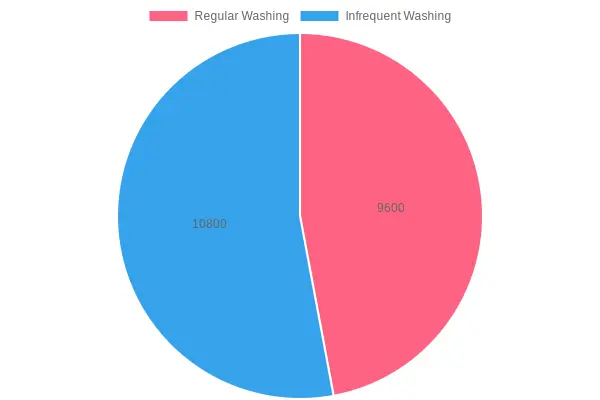
Chart Details:
- Regular Washing: $200 per month, Total Cost over 12 Months: $2400, Cost Savings: $9600
- Infrequent Washing: $600 every 6 months, Total Cost over 12 Months: $1200, Cost Savings: $10800
Key Takeaway:
Investing in regular wash services not only prolongs the life of the trucks but also ensures substantial savings in the long run. This data supports the argument for implementing regular maintenance washes, as they preserve vehicle value and reduce repair costs related to dirty vehicles.
For further insights into the importance of vehicle maintenance, learn more about the importance of regular trailer maintenance.
“Regular cleaning schedules for fleets significantly enhance operational efficiency. This ensures that vehicles not only look their best but also last longer and operate more effectively.”
- An expert from Sublime Cleaning
In today’s competitive landscape, maintaining clean fleets is not just about aesthetics; it is crucial for operational efficiency and vehicle longevity. As highlighted by industry experts, a clean fleet can lead to improved fuel efficiency due to reduced drag from dirt, which directly contributes to better operational performance and cost savings.
For fleet managers and operators, investing in regular wash schedules can yield significant returns on investment. Clean vehicles reflect professionalism and are crucial for safety, given that they ensure clear visibility through windows and mirrors. For more insights into operational compliance and regulation regarding fleet maintenance, you can learn more here.
In conclusion, prioritizing fleet cleanliness is a strategic decision that impacts the bottom line, vehicle longevity, and overall safety.
Conclusion
In summary, the significance of brush truck washing for fleet managers cannot be underestimated. This practice aids in enhancing fleet maintenance, promoting vehicle longevity by preventing corrosion from dirt and debris. Clean trucks also operate more efficiently, which reduces the risk of mechanical failures and minimizes downtime. Moreover, cleanliness supports safety compliance and enhances the professional appearance of the fleet, fostering a positive reputation among clients and within the community.
Effective maintenance through regular washing services ensures that your fleet remains reliable and ready for any challenges ahead. As fleet managers, prioritizing these essential practices will not only protect your investment but also optimize your operations.
To elevate your fleet and discover high-quality fairings designed specifically for your trucking needs, visit Summit Fairings today. Enhance your ride and ensure your trucks stand out on the road!