

Introduction
Washing tinted truck windows is a topic of significant concern for fleet managers and truck owners alike. As tinted windows offer both aesthetic appeal and considerable sun protection, many in the logistics and transportation sectors are increasingly opting for this enhancement. However, a common question arises: can trucks be washed right after tinting? Understanding the best practices for maintaining these windows after installation is essential for preserving both their functionality and appearance. This article will delve into post-tint care, providing solutions to common concerns such as how to effectively wash tinted windows without compromising the quality of the tint. By ensuring proper care, fleet managers can extend the life of their vehicles, maintain compliance with industry standards, and ultimately optimize operational efficiency. Learn more about industry compliance and discover best practices for maintaining your fleet’s appearance and equipment.
Benefits of Window Tinting for Trucks
Window tinting offers a plethora of advantages specifically beneficial for trucks in the logistics and trucking industries. Not only does it enhance operational efficiency, but it also contributes to the comfort of drivers and preserves the longevity of the vehicles, making it a wise investment for fleet managers and trucking company owners.
Enhanced Visibility
Window tinting significantly reduces glare from the sun, thus improving visibility for drivers. Reduced glare results in fewer distractions and better focus on the road, which is critical for long-haul trucking. According to reports, the clearer visibility provided by tinted windows enhances safety and encourages more secure driving practices. Learn more about the importance of visibility for truck drivers.
Increased Comfort
Tinted windows help regulate interior temperatures, maintaining a cooler environment during warm weather. This reduction in heat diminishes the need for air conditioning, which can lead to fuel savings and a more economical operation. Furthermore, a comfortable driving environment can improve driver efficiency and satisfaction, crucial for retaining valuable drivers in the competitive logistics industry.
Prolonged Vehicle Lifespan
One of the standout benefits of window tinting is its ability to protect the interior of trucks from UV damage. Prolonged exposure to sunlight can fade upholstery and damage various components inside the vehicle. By shielding the interior, window tinting plays a key role in enhancing the lifespan of these materials, thus improving the overall resale value of the trucks. According to research, vehicles with window tinting can last significantly longer in terms of maintaining aesthetic appeal and functionality. Discover more on how to care for your fleet.
Various Other Benefits
- Security: Tinted windows make it harder for outsiders to see inside the vehicle, thereby protecting cargo and valuable instruments used in logistics operations.
- Heat Reduction: Effective heat reduction from window tinting leads to less strain on the vehicle’s air conditioning system, contributing to fuel efficiency.
- Legality and Compliance: Ensuring compliance with local regulations regarding window tinting can enhance operational legitimacy in various jurisdictions.
In conclusion, incorporating window tinting into fleet management not only enhances truck performance but also contributes to safer and more efficient logistics operations. With tangible benefits such as improved visibility, increased comfort, and extended vehicle lifespan, investing in window tinting is a strategic move that pays dividends in the long term.
Visual Representation of Benefits
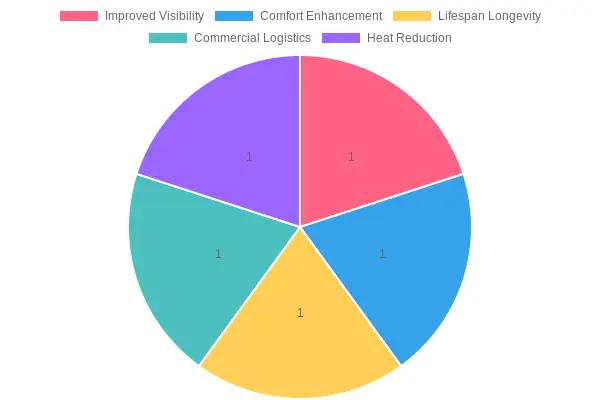
The above chart further illustrates the diverse benefits associated with window tinting for trucks, emphasizing its significance in enhancing logistics efficiency.
Window Cleaning Products Suitable for Tinted Windows
When it comes to maintaining tinted windows, using the right cleaning products is crucial. Below is a comparison of various window cleaning products that are safe for tinted surfaces, including their pros and cons:
| Product Name | Pros | Cons |
|---|---|---|
| Invisible Glass Cleaner | Ammonia-free, great for tinted windows | May leave streaks if not applied correctly |
| Sprayway Glass Cleaner | Fast-acting, strong cleaning power | Can be expensive compared to others |
| Titan Glass Gleam 3 | Mild, efficient, specifically designed for tint | Availability may vary, not as widely known |
| Chemical Guys Window Cleaner | Tint-safe formula, good for all glass types | Might not be as effective on heavy grime |
| Adam’s Polishes Glass Cleaner | Safe for tints, easy application | Slightly more expensive than typical cleaners |
These products have been selected based on their effectiveness on tinted surfaces and recommendations from Wash Masters and other reliable sources.

Guidelines for Washing a Truck After Tinting Windows
Tinting windows is a popular choice for many truck owners and fleet managers, offering benefits such as UV protection and heat reduction. However, proper care in the days following window tint installation is critical to maintaining the quality and longevity of the tint. Here are detailed, step-by-step instructions on how and when to wash a truck after window tinting.
1. Understand the Curing Process
After tinting windows, it is essential to understand that the adhesive used in window tints takes time to cure properly. Experts recommend waiting 3 to 5 days before washing your truck, as this allows the tint to adhere completely. Some guidelines even suggest waiting longer in humid conditions, or up to 7 days depending on specific weather factors.
- Source: Garage Slick
2. Timing Matters
Initial Waiting Period
- 24 Hours: Some sources suggest that you can wash the exterior of your truck after 24 hours, provided that you take care to avoid spraying water directly on the edges of the tinted windows.
- 3 to 5 Days: It is generally safer to wait 3-5 days as this timeframe allows the window tint to set fully without risking damage.
- 7 Days in Humid Conditions: In particularly humid conditions, a longer curing period may be necessary.
Tip: Always confirm the specific recommendations from your tint installer.
3. Safe Washing Techniques
When you are ready to wash your truck, follow these guidelines to ensure that the tint remains intact:
A. Exterior Washing
- Use a Soft Cloth or MIT: When washing, use a microfiber cloth or a wash mitt that is soft to avoid scratching the surface.
- Gentle Soap: Choose a mild automotive soap. Avoid harsh chemicals or ammonia-based products, as they can damage the tint.
- Two-Bucket Method: Implement the two-bucket washing method-one for rinsing the mitt and one for soap-to minimize dirt and scratches.
- Low Pressure: Use low-pressure water when rinsing, and avoid high-pressure washes that can force moisture under the tint, leading to peeling.
B. Interior Window Care
- Avoid Cleaning Immediately: For the interior windows, it is best to wait 3 to 7 days before using cleaning products. During this time, resist the urge to touch or clean the tinted windows.
- Use Ammonia-Free Cleaners: When you do clean, use a cleaner that is ammonia-free to prevent damage to the tint.
- Soft Cloths: Always use soft, lint-free cloths to avoid scratching the surface.
4. Maintenance Tips for Tinted Windows
Maintaining window tint is essential for its longevity:
-
Avoid Abrasives: Do not use abrasive materials or brushes that could scratch the tint.
-
Regular Cleaning: Clean tinted windows regularly with soft cloths and proper cleaning solutions.
-
Control UV Exposure: Keeping the truck parked in shaded areas if possible can help maintain the effectiveness of the tint and prevent fading.
-
More on care practices: Check Leo’s Touch Window Tinting for the do’s and don’ts of maintaining window tint.
Conclusion
In conclusion, proper care following the installation of window tint on your truck is important to avoid damage and ensure longevity. Wait the appropriate amount of time before washing, use safe techniques, and maintain the tinted windows with gentle care. Following these guidelines will help you get the most out of your tint investment, ensuring your fleet of trucks remains professional and functional.
For more insights into truck maintenance, visit our importance of regular trailer maintenance page for additional best practices.

Consequences of Premature Washing of Tinted Windows
When it comes to maintaining tinted windows, especially in fleet vehicles such as trucks, timing is everything. Washing tinted windows too soon after application can lead to a range of complications that can be expensive and frustrating to deal with. Below, we outline the key risks and consequences associated with washing tinted windows prematurely.
1. Bubbling
One of the most immediate consequences of washing tinted windows too soon is the formation of bubbles. If the adhesive used to apply the tint film has not had sufficient time to cure, introducing moisture from washing can lead to air pockets trapped between the film and the glass. These bubbles can be unsightly and may require reapplication, especially if they are significant.
2. Peeling
Another serious risk is the peeling of the tint film. When the tint is freshly applied, the adhesive needs time to bond securely to the glass. Washing your vehicle exposes the film to water and pressure, which can cause the edges of the film to lift away from the glass, leading to peeling. Once the film starts to peel, it not only affects the aesthetics but also the performance characteristics of the tint.
3. Moisture Trapping
Washing the vehicle too soon can trap moisture between the film and the glass. This issue can exacerbate bubbling and also affect visibility through the tinted windows, which is particularly crucial for commercial vehicles. If moisture becomes trapped, it may promote further adhesion issues and the necessity for replacement.
4. Reduced Lifespan of Tint Film
Premature washing can significantly shorten the lifespan of your tint film. When the film is exposed to conditions for which it was not prepared-such as harsh chemicals or high-pressure water-the bond can weaken. This weakness not only impacts the immediate installation but may also void warranties provided by tint manufacturers.
5. Quality of the Tint
Finally, not allowing proper drying and curing time can compromise the overall quality of the tint. A poorly adhered film is susceptible to fade, discoloration, and additional damage from UV exposure. Fleet managers must prioritize quality to ensure that their vehicles maintain a professional appearance and effective window tint properties.
Recommendations
To avoid these risks, it is generally recommended to wait at least 3 to 7 days after tint installation before washing your vehicle. Depending on weather conditions and the type of tint, waiting longer can be beneficial. Proper guidelines can help fleet managers maintain the integrity of their vehicle fleet while ensuring compliance with industry standards.
For more information on maintaining vehicle cleanliness, consider visiting this article on the importance of regular trailer maintenance for effective maintenance strategies.
Being cautious with washing your vehicles soon after tint application not only protects the investment but also enhances the longevity of the tint, preserving both its appearance and functional properties.
Common User Feedback on Washing Tinted Windows: Insights for Truck Owners
Washing tinted windows requires a careful approach to maintain the integrity and effectiveness of the tint, especially for truck owners who seek to combine aesthetics with functionality. Based on a thorough review of user experiences and expert recommendations, here’s a summary of the most common advice and issues faced by truck owners when it comes to washing tinted windows:
Key Considerations
- Avoid Ammonia-Based Cleaners: Users frequently report that ammonia can deteriorate the tint film over time. It’s advisable to use tint-safe cleaning solutions specifically designed for this purpose. Instead, many recommend using a mixture of mild soap with water or diluted distilled white vinegar as both safe and effective.
- Proper Cleaning Tools: It is crucial to use microfiber cloths for cleaning tinted windows. These materials are soft and non-abrasive, preventing scratches that could compromise the tint. Other tools, such as soft sponges, are also regarded favorably over harsher materials that can inflict surface damage.
User Experiences
- Timing After Tinting: Many truck owners express concern regarding the appropriate time to wash their vehicles after window tinting. Experts suggest waiting at least 48 hours before the first wash to allow the tint to cure effectively, particularly since failure to do so may lead to issues like peeling or bubbles.
- Gentle Methods Preferred: Operators highlight the importance of gentle cleaning techniques. Aggressive scrubbing or the use of pressure washing can lead to damage. Many trucks are washed in commercial settings that utilize professional services, which typically adhere to these gentler methods to protect window tint integrity.
Common Issues Faced
- Streaking and Haze: Some users have reported issues with streaking and haze appearing after cleaning. This often occurs when improper products are used or when windows are not dried properly. A tip shared by pro cleaners is to dry windows thoroughly after washing, using a clean microfiber towel to avoid such concerns.
- Long-term Maintenance: For fleet management, keeping tinted windows clean not only maintains aesthetics but also enhances visibility and safety. Regular maintenance practices can help trucks look their best and decrease the need for extensive cleanup projects after harsh weather conditions.
By adhering to the outlined best practices and understanding common issues, truck owners can effectively maintain their tinted windows and ensure a professional appearance as well as safe driving conditions. For more tips on vehicle maintenance, you can also learn about the importance of regular trailer maintenance. This reinforces the overall upkeep of your fleet and ensures sustainability in operations.
Comparison of Cleaning Methods for Tinted Windows
When it comes to maintaining tinted windows, fleet managers and truck owners often find themselves choosing between DIY cleaning and hiring professional services. Each option presents its unique set of benefits and drawbacks, particularly regarding the quality and longevity of the tint.
Benefits and Drawbacks of DIY vs. Professional Cleaning
The following chart provides a concise comparison:
| Cleaning Method | Benefits | Drawbacks |
|---|---|---|
| DIY Cleaning | – Cost-effective | – Risk of improper cleaning leading to bubbles or scratching |
| – Flexibility in scheduling | – Lack of expertise in proper techniques and products | |
| Professional Cleaning | – Expertise and experience result in a better finish | – Higher cost |
| – Use of specialized tools and products | – Less flexibility in scheduling compared to DIY options | |
| – Warranty for work done, ensuring longevity |
For further insights on the importance of proper cleaning techniques and materials, learn more about best practices for cleaning food-grade tankers.
In conclusion, while DIY cleaning may save costs and offer scheduling flexibility, professional services ensure a higher quality and durability of the tint, which can potentially justify the investment. A well-maintained fleet is crucial for logistics and freight companies, so consider the best method that suits your operation’s needs.
“To preserve the integrity of your window tint, always use mild soap or vinegar-based cleaners and avoid ammonia-based products, which can degrade the film. Regular gentle cleaning protects against scratches and ensures clarity.” – Nuview Window Tinting
When washing your truck after tinting the windows, consider the following best practices:
- Wait at least 48 hours post-tinting before washing the vehicle.
- Use soft cloths or microfiber towels to avoid scratching the tinted surface.
- Avoid high-pressure washes that could lift the edges of the tint.
For more insights on maintaining your fleet, you can read about the importance of regular maintenance to enhance your vehicle’s longevity.
Conclusion
In summary, proper care following the tinting of truck windows is crucial for maintaining their performance and longevity. As highlighted throughout this article, avoiding immediate exposure to harsh cleaning methods and understanding the tint curing process can prevent irreversible damage. Fleet managers and operators must ensure that team members are educated about the specific care requirements immediately after installation, such as refraining from rolling down windows for at least 2-4 days to allow the adhesive to fully cure.
Moreover, regular cleaning and appropriate maintenance practices are essential for keeping tinted windows in prime condition. Utilizing ammonia-free cleaners and gentle techniques helps avoid scratching or peeling the tint, preserving its clarity and protective benefits such as UV shielding and glare reduction.
Companies investing in proper maintenance can significantly enhance the lifespan of their tinted windows, thereby protecting the integrity of their vehicles and ensuring a professional appearance. For fleet longevity, it’s imperative to adopt these best care practices. Investing in quality truck washing services tailored for tinted windows can further aid in maintaining the aesthetics and functionality of your fleet’s vehicles.
By implementing these strategies, logistics and fleet supervisors can confidently manage their vehicles while maximizing their tint investments.