
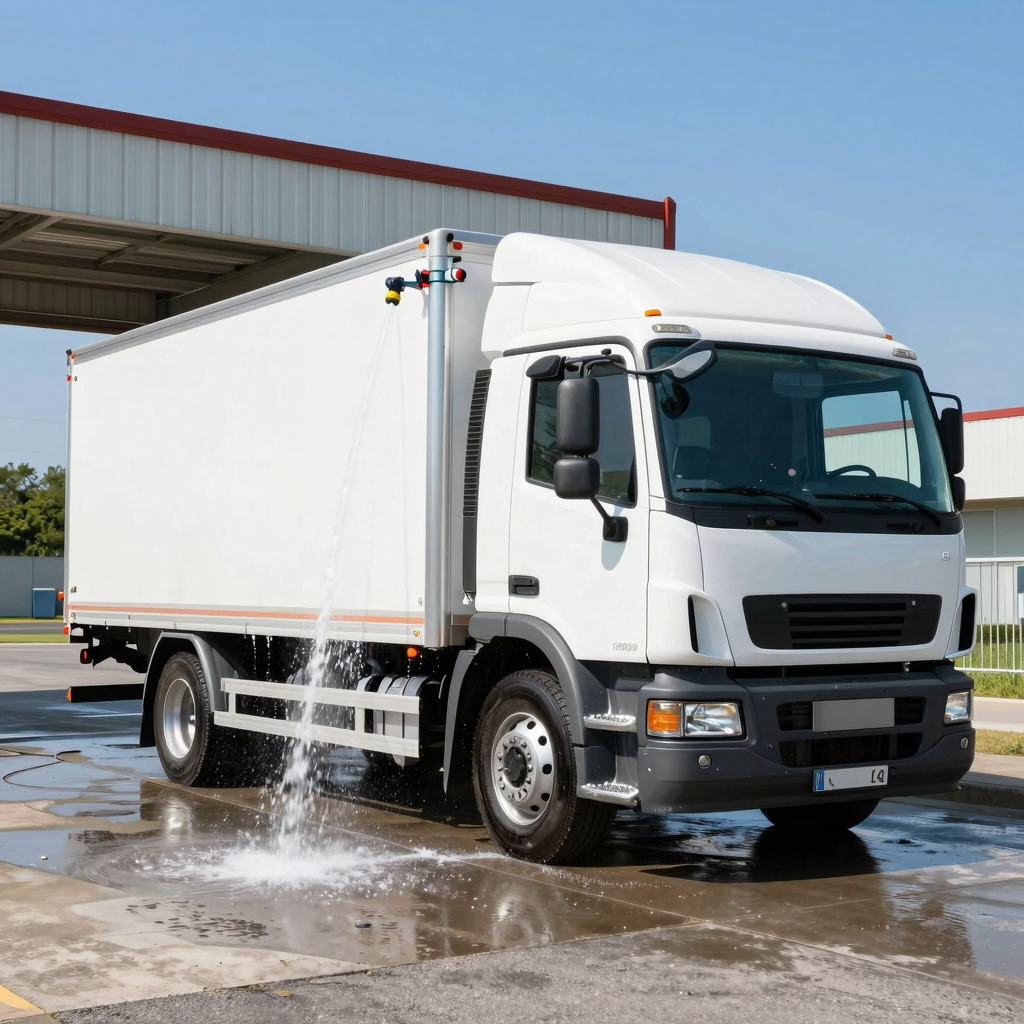
Truck washes, essential facilities in the logistics and trucking industry, play a crucial role in maintaining fleet integrity and compliance. These specialized wash services are designed to effectively clean, disinfect, and protect large commercial vehicles such as trucks and trailers. By ensuring trucks are clean, companies not only enhance their fleet’s appearance but also uphold industry standards and regulations that safeguard public safety and environmental health. A well-maintained fleet fosters positive brand perception and can lead to reduced operational costs associated with vehicle repair and maintenance. Moreover, regular washing contributes to compliance with emissions regulations and overall fleet durability. As logistics and trucking companies increasingly recognize the value of keeping their vehicles in optimal condition, understanding the importance of regular maintenance becomes pivotal for sustainable operations. This article delves into how truck washes operate and why they are indispensable for fleet managers and operators alike.
Overview of Truck Wash Types
Truck washes are essential for maintaining the aesthetics and functionality of vehicles. Several types of truck washes cater to the diverse needs of fleet owners and operators. Below is a detailed overview of the main types:
1. Automatic Truck Washes
- Function: Automated systems that wash trucks with minimal human intervention.
- Advantages:
- Speed: Can wash a vehicle in less than one minute, significantly enhancing turnaround time for logistics operations (Truckers News).
- Efficient Water Use: Uses water recycling systems, reducing water consumption by up to 50% (American Trucking Association).
- Consistency and Quality: Provides uniform cleaning results, eliminating human error that can lead to variability in cleaning quality.
- Reduced Labor Costs: Automated washes decrease staffing needs, operating effectively around the clock to meet high-demand schedules.
2. Manual Truck Washes
- Function: Hand washing by technicians who use various tools and techniques.
- Advantages:
- Thorough Cleaning: Offers meticulous attention to detail, ideal for specialized vehicles with unique shapes that require special care (LazrTek).
- Flexibility: Human operators can adjust cleaning intensity and methods as needed for sensitive areas, thereby minimizing the risk of damage.
- Customization: Can adapt to the specific needs of the vehicle, making it suitable for non-standard sizes and shapes.
3. Mobile Truck Washes
- Function: Portable services that come to the vehicle’s location for cleaning.
- Advantages:
- Convenience: Vehicles can be washed on-site at job locations or depots, reducing downtime and improving operational efficiency (TruckWash Solutions).
- Eco-friendly Practices: Employs water-conserving technologies, often using up to 70% less water than traditional washes. Many operations also utilize biodegradable detergents and low-flow technologies (Fleet Equipment Magazine).
- On-Site Scheduling Flexibility: Services can be customized around the driver’s schedule, ensuring minimal impact on daily operations.
- Advanced Technology: Many mobile units are equipped with real-time scheduling and tracking features, improving service efficiency and customer experience (Transport Topics).
Conclusion
Choosing the right type of truck wash depends on fleet needs, vehicle types, and operational requirements. Understanding these options can assist fleet managers in making informed decisions that enhance vehicle maintenance and compliance with cleanliness regulations. For more insights on maintaining fleet standards and vehicle cleanliness, learn more about industry compliance and the importance of regular maintenance.
| Type | Cost (approx.) | Efficiency (Trucks/Hour) | Water Usage (Gallons) | Typical Applications |
|---|---|---|---|---|
| Automatic | $30,000 – $200,000 | 15 – 30 | 80 – 100 | Fleet maintenance, fixed locations, large companies |
| Manual | $10,000 – $50,000 | 5 – 10 | 150 – 300 | Small fleets, detailed cleaning, non-commercial applications |
| Mobile | $20,000 – $100,000 | 10 – 20 | 50 – 80 | On-site cleaning, flexible operations, service industries |
How Truck Washes Function Mechanically
Truck washes utilize sophisticated mechanical processes to ensure the thorough and efficient cleaning of large vehicles. The entire washing procedure typically involves several key components: high water pressure, specialized cleaning agents, and advanced drying techniques.
Water Pressure
High-pressure water systems are at the core of truck washes. Water is often delivered at pressures exceeding 2000 PSI, which effectively dislodges dirt, grime, and grease from truck surfaces. Modern automatic washing systems often employ multiple nozzles to maximize coverage and efficiency. This pressure can be calibrated depending on the type of material being cleaned, ensuring that sensitive areas of the truck are not damaged during the wash.
Cleaning Agents
Cleaning agents play a critical role in the washing process. Many truck washes use biodegradable and environmentally friendly detergents that are specifically formulated to break down tough residues such as oil and tar, depending on the nature of the trucks being cleaned. Some advanced systems feature foaming capabilities that allow the cleaning agents to adhere longer to surfaces, enhancing the cleaning action before they are rinsed away.
Additionally, various products are available that target specific types of soils, ensuring that all areas, from tires to windshields, are addressed effectively. It is essential for fleet managers to choose washing solutions compliant with environmental regulations, which is crucial for learn more about industry compliance.
Drying Techniques
After the cleaning process is complete, drying the trucks is equally important to prevent water spots and corrosion. Many truck washes integrate high-efficiency drying systems that use forced air to quickly remove residual water. Some systems utilize a combination of air blasts and traditional blow dryers to ensure a thorough drying process. Additionally, utilizing good ventilation during this phase is vital to reduce the risk of moisture accumulation on vehicle surfaces.
These mechanical processes are designed to maximize cleaning efficiency while ensuring customer satisfaction. By investing in high-quality truck washes, fleet managers can enhance their operational efficiency and improve the overall appearance of their vehicles, addressing maintenance needs promptly to avoid more significant repair costs later. For more insights into the maintenance of fleet vehicles, consider checking out the importance of regular trailer maintenance as part of your broader fleet care strategy.
Case Studies of Effective Truck Washing in Fleets
Implementing effective truck washing processes has transformed the operations of various logistics companies, yielding significant benefits in terms of maintenance costs and fleet aesthetics. Here are a few notable examples:
-
Automated Washing Systems: According to a study from FleetMaintenance.com, multiple logistics companies that adopted automated truck washing systems reported a reduction in annual maintenance costs by an average of 18%. This reduction is attributed to decreased corrosion and damage on chassis and brake systems due to regular washing, thus enhancing operational efficiency.
-
Increased Washing Frequency: Transportation Weekly noted that companies that increased their washing frequency from once a month to once a week experienced a 23% decrease in vehicle failure rates. The clean vehicles not only presented better aesthetics to clients but also improved safety by ensuring clearer visibility through clean windshields and lights.
-
Positive Client Impact: Improved truck cleanliness led to a 23% increase in customer satisfaction ratings, particularly concerning the exterior appearance of vehicles. A clean fleet indicates reliability and professionalism, indirectly boosting brand perception.
Summary of Key Benefits:
| Benefit | Percentage Improvement |
|---|---|
| Maintenance Cost Reduction | 18% |
| Customer Satisfaction Improvement | 23% |
| Vehicle Failure Rate Reduction | 23% |
These studies highlight the multifaceted advantages of integrating effective truck washing processes within fleet management, showcasing how they contribute to not only maintenance cost savings but also enhanced client relationships and operational safety. For those looking to optimize their fleet maintenance, understanding the importance of regular trailer maintenance is crucial.
Environmental Considerations of Truck Washing
Truck washing is essential for maintaining fleet aesthetics and operational efficiency, but it can have substantial environmental impacts if not managed responsibly. Traditional truck washing methods often involve high water consumption and the discharge of contaminants, leading to local water pollution and regulatory violations. Therefore, implementing sustainable practices is crucial for conscientious fleet managers.
Water Conservation Methods
The logistics and trucking industries have made strides in water conservation, focusing on technologies that significantly reduce water usage. According to a report by the U.S. Department of Energy, modern rollover and conveyor truck wash systems consume less than 75 gallons (approximately 283 liters) of water per wash, a commendable reduction from outdated methods, which can use over 600 gallons (around 2271 liters) per wash. Fleet operators are encouraged to adopt features like high-pressure low-volume nozzles, scheduled wash cycles, and flow meters to monitor water usage. Implementing closed-loop water recycling systems can recover and treat up to 90% of wash water, allowing it to be reused multiple times, which is not only cost-effective but also mitigates freshwater demand.
Eco-Friendly Cleaning Products
A critical aspect of environmentally responsible truck washing is the selection of cleaning products. Traditional cleaning agents often contain harsh chemicals that can negatively impact aquatic ecosystems upon entering local water sources. Eco-friendly products, on the other hand, are designed to be biodegradable, phosphate-free, and non-toxic. Companies like Green Seal certify cleaning products that meet strict environmental standards without compromising on cleaning efficiency. By employing plant-based degreasers and pH-neutral cleaners, fleets can minimize chemical runoff and ensure compliance with environmental regulations.
Summary
Incorporating these sustainable practices not only preserves natural water resources but also supports a company’s green initiatives. Fleet managers looking to enhance their environmental stewardship should consider investing in modern washing systems and eco-friendly products. This not only fosters compliance with regulations-like those discussed in this EPA guide-but also significantly reduces the ecological footprint of their operations.
Truck Wash Procedures Flowchart
The following flowchart outlines the standard procedure for washing a truck, from pre-wash considerations to final quality checks.
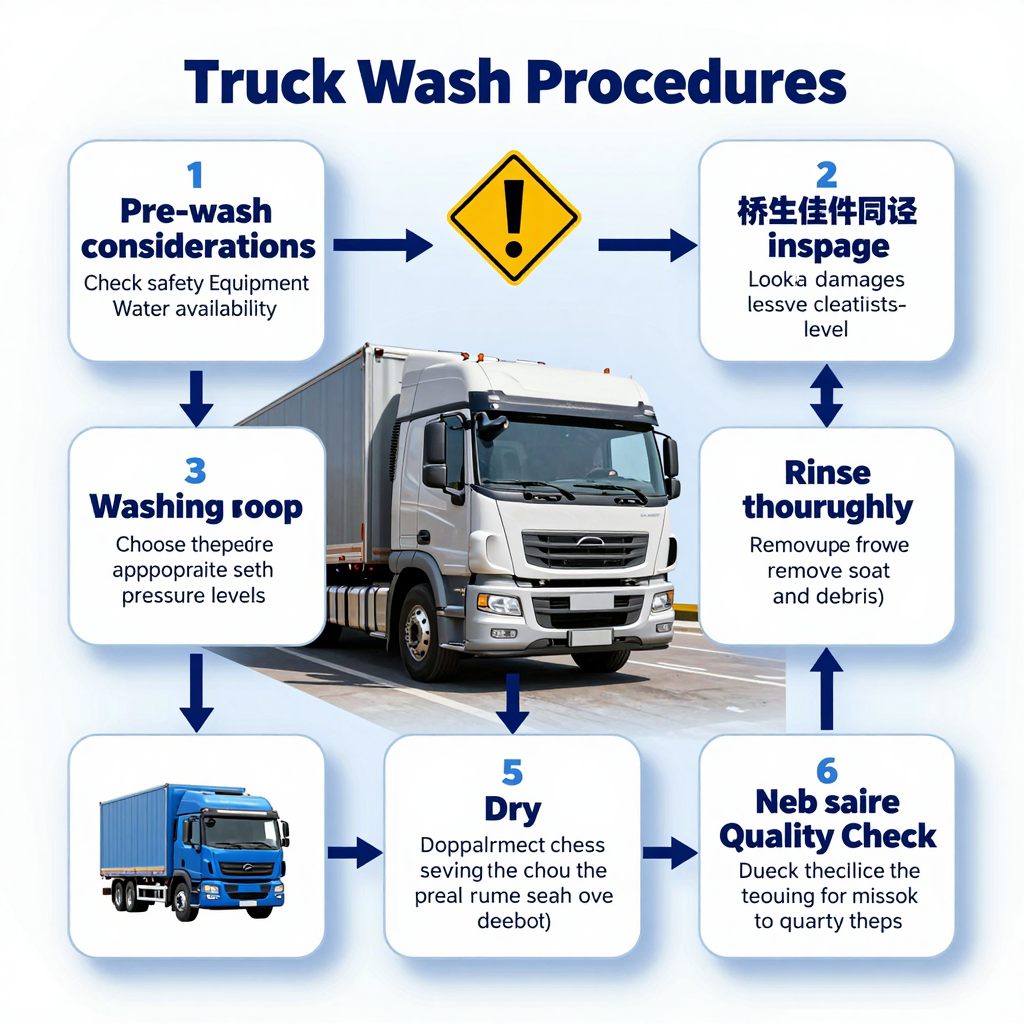
This systematic approach ensures that every truck is thoroughly cleaned and maintained, contributing to fleet longevity and compliance with industry regulations. For more insights on maintenance, read about the importance of regular trailer maintenance.
How Do Truck Washes Work?
Regular truck washes play an essential role in maintaining the value and performance of fleet vehicles. Not only do they enhance aesthetic appeal, but they also contribute significantly to operational efficiency and longevity. In fact, the impact of neglecting routine washes can be substantial.
“Neglecting routine washing can reduce a vehicle’s lifespan by up to 30%. Consistent cleaning not only preserves the paint and body integrity but also improves fuel efficiency by reducing aerodynamic drag from accumulated grime.”
- Dr. Elena Rodriguez, Fleet Maintenance Consultant
Fleet Maintenance Insights
Additionally, regular washes can prevent costly repairs. Marcus Smith, operations director at a leading logistics company, noted that after implementing a strict wash schedule, their trucks exhibited fewer mechanical issues and retained up to 20% more value at resale compared to those washed irregularly. This shows that investing in regular truck washes is not just about cleanliness; it’s about safeguarding your fleet’s assets.
Moreover, the transition to automated pressure washing systems has been highlighted by experts indicating notable financial benefits. According to industry analyst James Chen, fleets that employ these systems see a 25% reduction in maintenance costs and a 15% increase in resale value within three years.
Finally, integrating mobile washing solutions can yield additional efficiencies. As Sarah Lin, CEO of a national mobile detailing provider, puts it, “On-site washing minimizes vehicle downtime-critical for fleets operating on tight schedules.”
For more insights on the importance of regular trailer maintenance, check out our article on the importance of regular trailer maintenance.
By implementing a regular wash regimen, fleet managers and operators can enhance vehicle performance and maintain a strong market value, ensuring a positive return on investment for their fleets.
Best Practices for Incorporating Truck Washes into Fleet Maintenance Schedules
Incorporating truck washes into your fleet maintenance schedule is vital for enhancing vehicle longevity and maintaining compliance with industry regulations. Here are some best practices:
-
Regular Scheduling: Establish a routine wash schedule based on vehicle usage. Fleets operating daily in harsh conditions may require washing as frequently as weekly, while others can opt for bi-weekly or monthly washes. Align these washes with regular inspections to save time and ensure thorough checks.
-
Focus on Critical Areas: Pay particular attention to the undercarriage and chassis. These areas are prone to corrosion and mechanical issues. Ensuring they are regularly cleaned reduces the risk of accidents and costly repairs, enhancing overall fleet safety and reliability.
-
Use Eco-Friendly Products: Adopt washing solutions that are gentle on the environment to comply with the latest regulations regarding emissions and runoff. You can learn more about industry compliance to stay updated.
-
Train Your Staff: Ensure your team is trained in using washing equipment effectively and safely. Proper techniques prevent damage to the trucks and maximize the cleanliness achieved.
Implementing these practices ensures your fleet remains clean, safe, and compliant, setting a positive standard in fleet management.
Regular truck washing is not just a matter of aesthetics for fleet managers and operators; it is a pivotal aspect of maintenance that ensures operational efficiency, safety, and compliance with industry regulations. By implementing a routine washing schedule, companies can achieve significant benefits, including:
-
Improved Fuel Efficiency: Maintaining a clean truck can reduce fuel consumption by 3% to 7%, as dirt and grime contribute to increased aerodynamic drag. This translates directly into cost savings for logistics companies navigating narrow profit margins. According to a 2024 EPA study, clean vehicles also contribute to reduced emissions, supporting environmental compliance.
-
Enhanced Brand Image: A clean fleet enhances visibility and promotes a professional image. Clients and partners perceive organizations with well-maintained trucks as reliable, thereby building trust and improving customer satisfaction.
-
Early Detection of Issues: Regular washing allows fleet personnel to inspect vehicles for minor damages or maintenance needs, such as cracked seals or worn tires, substantially reducing long-term repair costs. A 2024 report noted that one company achieved an 18% reduction in maintenance costs through consistent washing practices.
In conclusion, the benefits of regular truck washing extend far beyond mere cleanliness; they directly impact profitability, safety, and fleet longevity. For those looking to enhance their truck maintenance strategies, Summit Fairings offers comprehensive solutions tailored to meet all your fleet washing needs. Explore our services today to ensure that your fleet remains in peak condition and contributes to your company’s success!