Introduction
Washing a black truck is more than a routine maintenance task; it’s an essential practice that enhances its appearance and preserves its value over time. For fleet managers, owners, and operators in the logistics and trucking sectors, maintaining a pristine vehicle is critical not only for aesthetics but also to uphold the reputation of their businesses. A clean truck reflects professionalism and can play a vital role in client perceptions, potentially influencing contracts and partnerships.
Moreover, regular washing protects the paintwork from contaminants, road salt, and harsh environmental factors that can lead to corrosion and depreciation in truck value. Understanding the unique challenges of washing a black truck-such as the tendency for water spots and swirl marks-is crucial for achieving a showroom finish.
For those overseeing logistics, construction, and mining fleets, investing time in cleaning procedures contributes to a sustainable operation that enhances both employee morale and equipment longevity. Keeping a black truck in top condition not only represents the company’s brand but also ensures compliance with industry standards and regulations. For further insights on vehicle maintenance in the trucking industry, learn more about the importance of regular trailer maintenance as well as how to ensure compliance with industry regulations and emissions.
Washing a black truck poses unique challenges due to the nature of the paint and its tendency to show imperfections. Here are common challenges faced by fleet managers and truck operators:
-
Swirl Marks: Black truck paint is particularly susceptible to swirl marks. These are fine scratches that become highly visible on the dark surface, often resulting from improper washing techniques, like using dirty sponges or towels. To minimize swirls, it is crucial to use dedicated microfiber wash mitts and a two-bucket method for washing, with one bucket for soapy water and another for rinsing.
-
Water Spots: Water spots can form when mineral-rich water evaporates, leaving behind unsightly spots. This is particularly problematic for black trucks, as the contrast makes them more noticeable. To combat this, truck owners should dry the vehicle immediately after washing and consider using deionized water for rinsing.
-
Fading Paint: Prolonged exposure to UV rays and environmental contaminants like acid rain can cause black paint to fade quicker than lighter colors. Regular washing with a pH-neutral soap and the application of quality wax or ceramic coatings every 6-12 months can help protect the paint and maintain its depth and shine.
-
Dust and Dirt Visibility: Black trucks tend to show dust and dirt more prominently than lighter colors. This necessitates more frequent washes to maintain a clean appearance, ideally at least once a week using appropriate washing products (learn more about regular maintenance here).
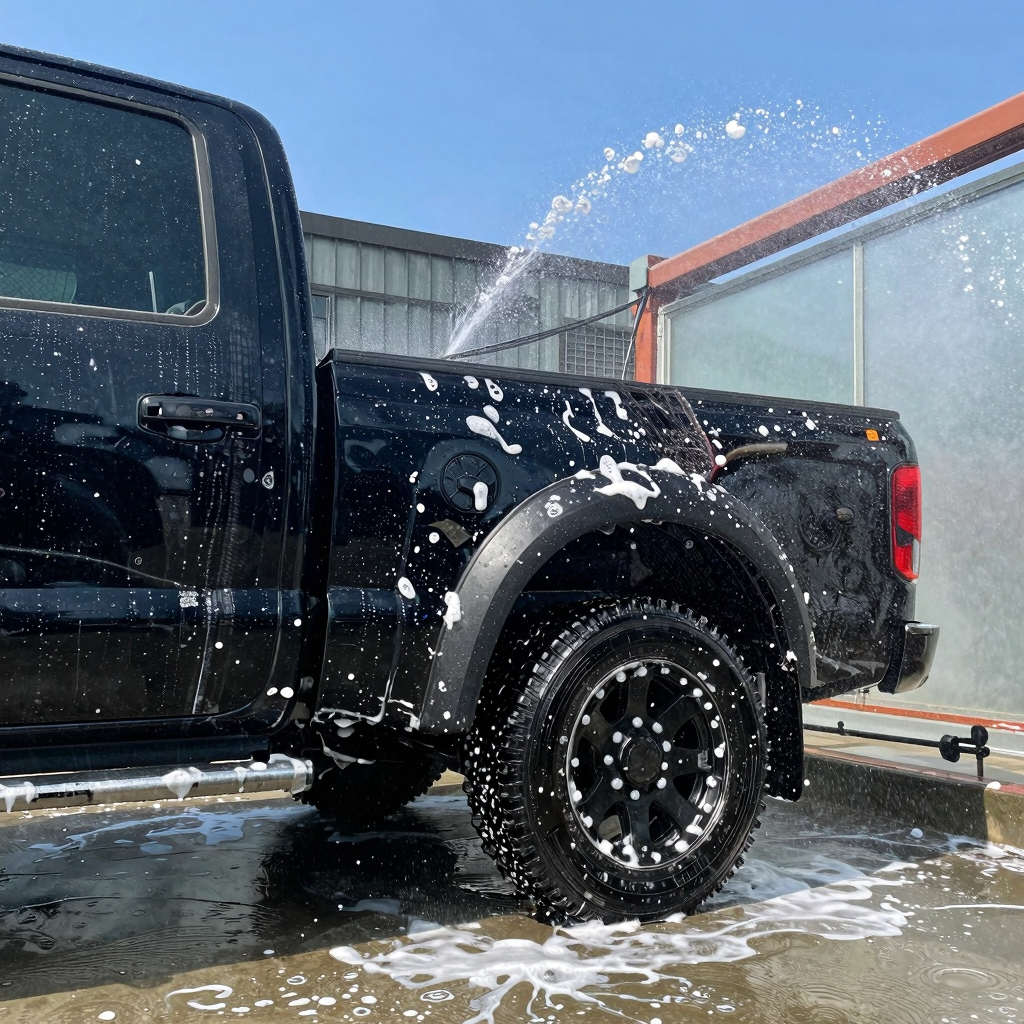
Washing a black truck requires specific materials designed to effectively clean and protect its surface while avoiding damage. Below is a list of essential materials needed for this task:
1. High-Pressure Washer
A pressure washer (1500-3000 PSI) is essential for removing dirt, grime, and any stubborn contaminants from the truck’s surface. It efficiently rinses off soap and debris without manual scrubbing.
2. pH-Neutral Truck Wash Soap
Use specialized pH-neutral wash soaps such as Meguiar’s Gold Class Car Wash Soap or Chemical Guys Truck & RV Wash & Wax. These soaps enhance gloss and help repel dirt, making them ideal for black surfaces. Avoid household detergents as they can strip protective wax and harm paint. Learn more about the best wash soaps here.
3. Soft Foam Wash Mitts or Microfiber Towels
Utilizing soft wash mitts or high-quality microfiber towels is crucial for preventing scratches on the paint. These materials gently lift dirt without causing swirl marks.
4. Dedicated Brushes
A set of specialized brushes with PBT bristles is necessary for cleaning tough areas like wheels and grilles. Use a soft wheel brush to clean without damaging the rims.
5. Wheel Cleaner
Use a truck-specific wheel cleaner for diesel vehicles to break down brake dust and grime effectively. It’s essential for maintaining the appearance and longevity of wheels.
6. Drying Kit
A drying kit consisting of microfiber drying towels will prevent water spots on the black paint. Make sure to dry the truck thoroughly after washing.
7. Protective Wax or Sealant
After washing, a quality wax or sealant, such as Pinnacle Ceramic Coating Sealant, helps provide protection against future dirt and environmental contaminants. It also enhances shine.
8. Protective Gear
Finally, protect yourself with gloves and goggles while washing to prevent chemical irritation and ensure safety.
Using these materials appropriately will ensure your black truck maintains a pristine appearance while minimizing the risk of paint damage.
Step-by-Step Guide to Washing a Black Truck Properly
Washing a black truck requires attention and care to maintain its glossy finish. Using the correct techniques and products will help avoid scratches and maintain the truck’s aesthetic appeal. This guide will provide a comprehensive approach to washing your black truck effectively, from preparation through to drying and sealing.
1. Preparation
Park and Gather Supplies
- Shade: Find a shaded area to wash the truck. This prevents water spots and soap from drying too quickly on the paint.
- Tools: Collect the necessary equipment:
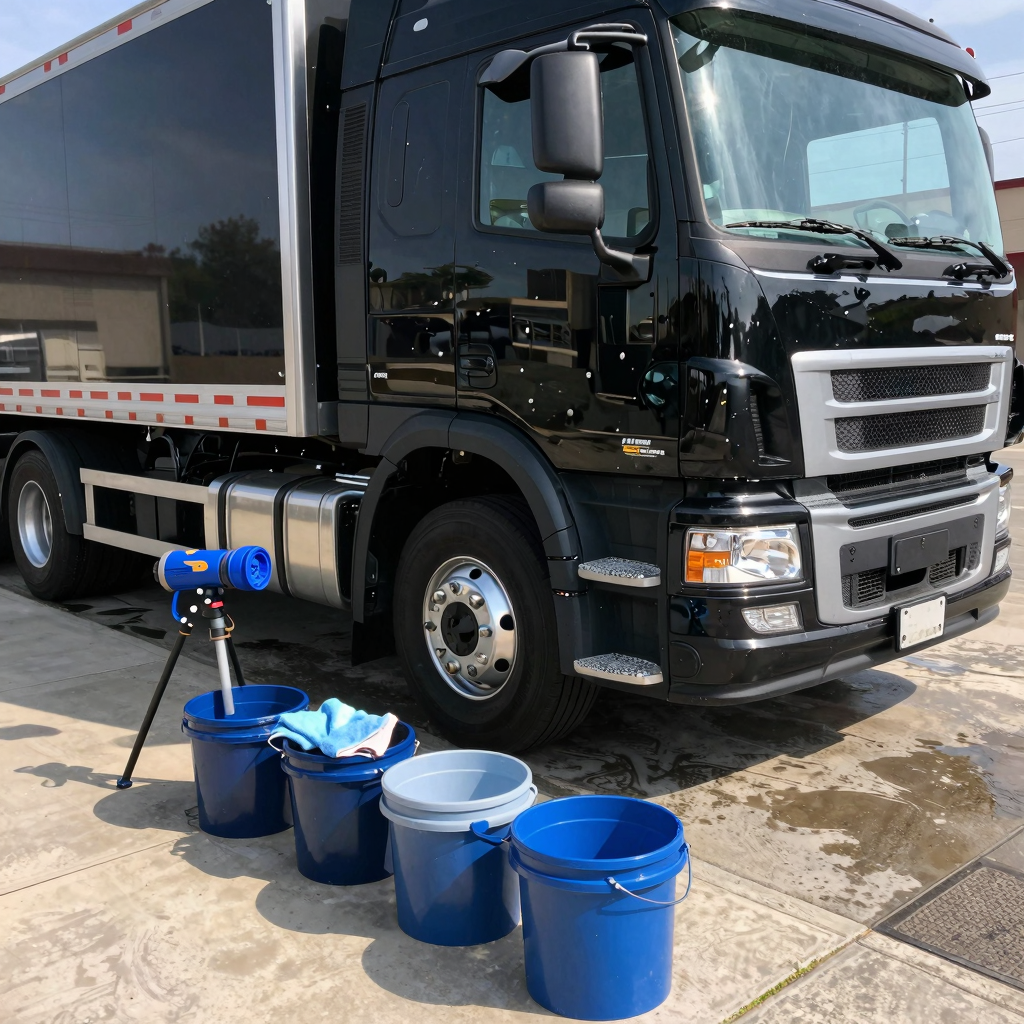
- Two buckets (one for soapy water, one for rinsing)
- Microfiber wash mitts
- Soft-bristle brush for wheels
- Hose with an adjustable nozzle
- Microfiber drying towels
- pH-neutral car shampoo (specifically formulated for black paint)
- Optional: Ceramic wax or paint sealant for protection.
2. Pre-Wash (Debris Removal)
Rinse Off Loose Dirt
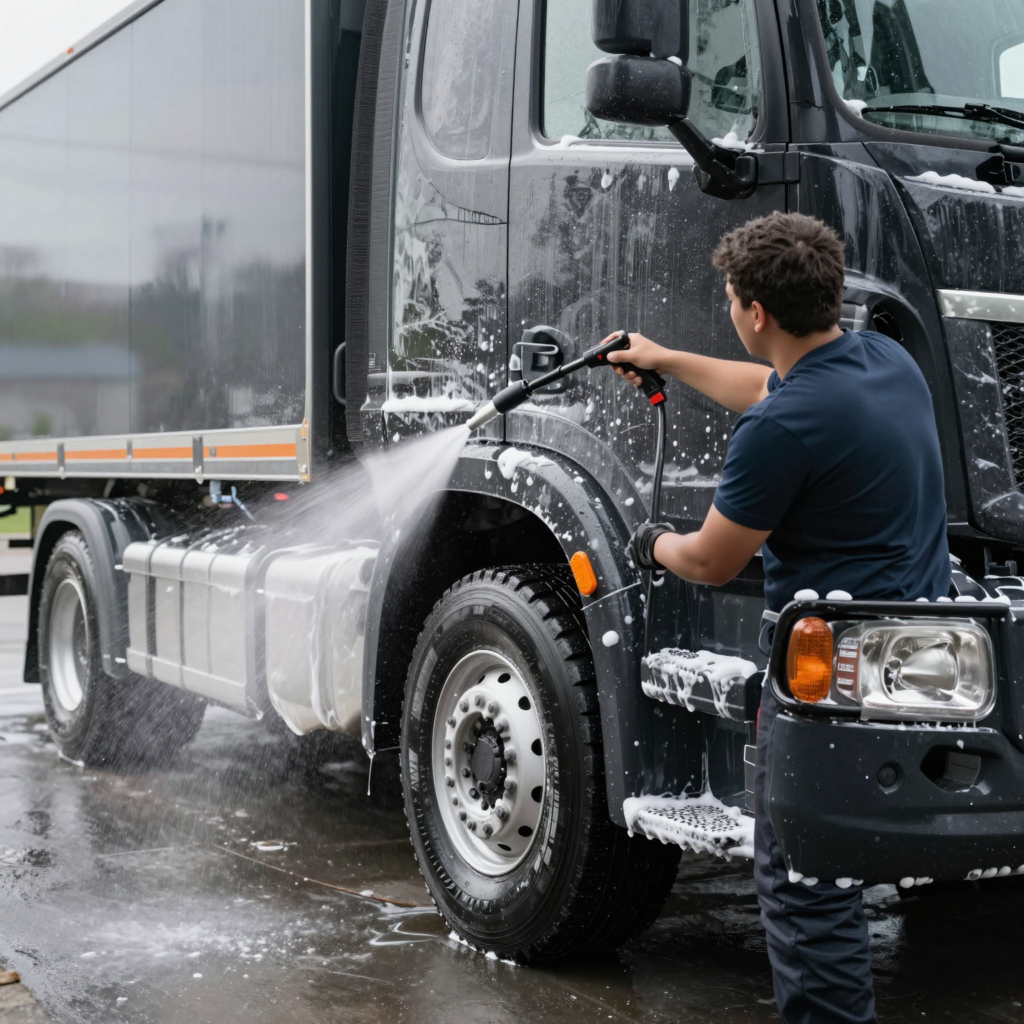
- Use a low-to-medium pressure setting on your hose or pressure washer to remove dirt, mud, and grime. Start at the top of the truck, moving downwards.
- Give special attention to areas like wheel wells and undercarriage where debris accumulates.
- Avoid directing high-pressure water jets at the paint surface to prevent lifting the clear coat.
Pro Tip: Consider using a clay bar before washing to remove embedded contaminants and enhance smoothness.
3. Main Wash
Two-Bucket Method
- Fill the Buckets: Fill one bucket with clean water and the other with a pH-neutral truck shampoo.
- Washing Technique: Soak your wash mitt in the soapy solution and wash the truck in sections:
- Start with the roof, then the windshield, sides, and end with the rear. Always wash downward to avoid dragging debris upward creating swirl marks.
- Separate Mitt for Wheels: Use a different mitt or brush for wheels and tires to prevent cross-contamination.
- Rinse each section immediately after washing to avoid soap drying on the surface.
4. Rinsing
Thoroughly Wash Off Soap
- Use a hose or pressure washer set to a gentle stream to completely rinse off all soap suds.
- Ensure that no soap is left in seams, around trim, or mirrors, as residual soap can lead to streaks.
5. Drying
Use Microfiber Towels
- Opt for clean, soft microfiber drying towels. Do not use paper towels or terrycloth, which can cause scratches.
- Dry the truck in sections, following the washing order. Keep consistent pressure without excessive rubbing to avoid swirl marks.
- Regularly change towels if they become saturated or dirty.
6. Sealing (Optional but Recommended)
Protecting the Paint
- After drying, consider applying a high-quality ceramic wax or paint sealant to enhance shine and protect the paint.
- Follow the product’s application instructions, typically using a foam applicator to apply in thin, even layers.
- Allow the recommended curing time before exposing the vehicle to water or driving.
Importance of Regular Washes
Consistent washing helps uphold the truck’s appearance and can prevent difficult cleaning scenarios in the future. Aim for every 2-4 weeks, depending on environmental exposure.
Conclusion
Regular washing of your black truck not only improves its aesthetic appeal but also contributes to its longevity. By following these steps, fleet managers and truck company operators can ensure that their vehicles look professional while safeguarding their investment.
For more information on proper truck maintenance, visit our article on the importance of regular trailer maintenance.
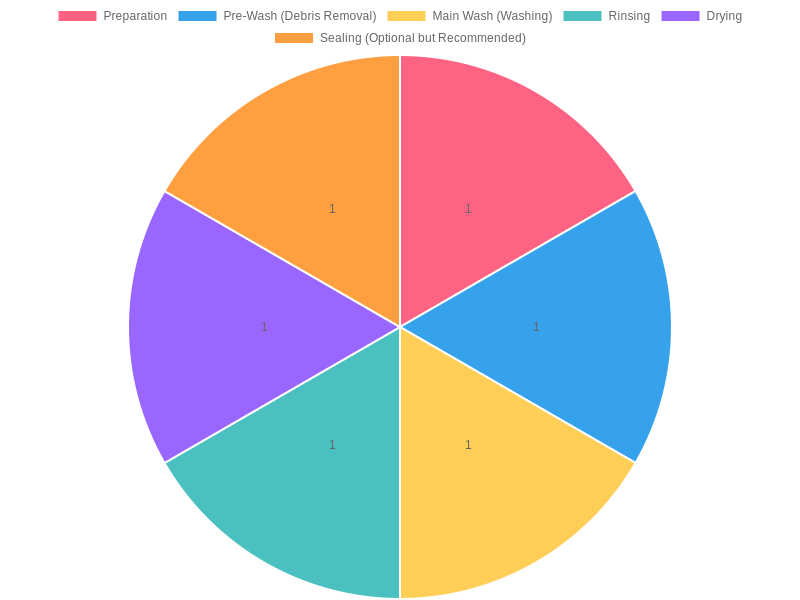
| Step | Process | Best Practices |
|---|---|---|
| 1 | Preparation | – Park the truck in a shaded area. – Check for loose debris. – Gather washing supplies. |
| 2 | Pre-Wash | – Rinse off dirt with a hose. – Start at the top. – Avoid high pressure on painted surfaces. |
| 3 | Main Wash | – Use a two-bucket system. – Wash in sections, starting from the roof. |
| 4 | Rinsing | – Rinse thoroughly with minimal pressure. – Make sure no soap residue remains. |
| 5 | Drying | – Use microfiber towels. – Dry in sections, changing towels as needed. |
| 6 | Sealing | – Apply protective sealant post-wash. – Allow cure time before exposure. |
Regular washing is key to maintaining your black truck’s value and appearance!
| Washing Method | Pros | Cons |
|---|---|---|
| Hand Wash | – Thorough cleaning with control | – Time-consuming |
| – Less risk of scratches and swirls | – Requires skill and may need more labor | |
| – Best for maintaining paint integrity | – More effort and requires proper tools | |
| Automatic Wash | – Fast and convenient | – May cause scratches from brushes or debris |
| – Generally cheaper per wash | – Might not clean as thoroughly as hand wash | |
| – Consistent service quality | – Risk of leaving soap residues if not rinsed | |
| DIY with Foam Cannon | – Good balance of control and efficiency | – Requires additional equipment (foam cannon) |
| – Can effectively remove grime without contact | – Setup and cleanup can be cumbersome | |
| Professional Detail | – Offers deep clean and protection | – Most expensive option |
| – Best for maintaining shine and paint protection | – Availability may be limited | |
| – Often includes additional services (waxing, etc.) | – Less frequent service possible due to cost |
For more in-depth techniques and practices, you can learn more about regular trailer maintenance and compliance with emissions regulations to keep your fleet in optimal condition.
Insights from Automotive Care Experts
In the realm of vehicle maintenance, expert insights underscore the significance of proper washing techniques for maintaining a vehicle’s aesthetics. Mark Thompson, an automotive detailing expert, states:
“Using the wrong technique or tools can cause micro-scratches, swirl marks, and paint degradation that are nearly impossible to fully remove. Proper washing involves using a dedicated vehicle wash soap, a two-bucket method, and soft microfiber towels to prevent contamination and damage. Regular maintenance with correct methods preserves the paint’s finish, protects against UV rays and environmental contaminants, and maintains resale value.”
This highlights the need for fleet managers and truck operators to adopt effective washing practices to extend the lifespan and visual appeal of their vehicles. Learn more about proper maintenance strategies to ensure your fleet remains in optimal condition.
Wax Application for Black Trucks
After thoroughly washing a black truck, the next crucial step is waxing. This process not only enhances the truck’s shine but also provides essential protection for the paint. Waxing should be performed right after washing because this maximizes the wax’s adherence to a clean surface, allowing it to form a durable barrier against harmful environmental factors like UV rays, acid rain, and road salts. According to Car and Driver, applying wax immediately after washing ensures an optimal protective layer which significantly reduces the risk of oxidation and fading.
Best Types of Wax for Black Trucks
For black trucks, choosing the right wax is vital for achieving a deep, reflective shine. Here are a few top recommendations:
- 3M Black Crystal Wax: Designed specifically for dark finishes, this wax enhances gloss and offers long-lasting protection against UV damage.
- Sonax Nano Polish Black: Known for its nano-ceramic formula, this wax delivers a high-gloss finish along with water-repellent properties.
- Turtle Wax Ice Wax Black Blade: A user-friendly option that restores luster without causing swirl marks, making it ideal for quick applications.
- Meguiar’s Ultimate Black Wax and Chemical Guys Black Diamond Wax are also noted for their durability and enhanced color depth.
These products can be found in reviews and guides from sources like MotorTrend and Popular Mechanics.
How to Apply Wax Correctly
- Preparation: Ensure the truck is clean and dry. Use a microfiber towel for drying to avoid leaving any lint.
- Application: Apply the wax using a foam applicator, working in small sections. Use a circular motion to ensure even coverage.
- Buffing: Allow the wax to dry to a haze, then buff it off using a clean microfiber cloth to achieve a brilliant shine.
- Final Inspection: Check for missed spots and touch up if necessary.
By consistently following this process every 2 to 3 months, you maintain the truck’s aesthetic and protect its exterior, ultimately prolonging its lifespan.
The Financial Benefits of Proper Vehicle Care for Trucks
Maintaining trucks is an integral part of managing fleet operations, not only to ensure safety and efficiency but also to preserve financial value. Regular cleaning and maintenance can significantly extend the life of a truck and enhance its resale value, providing a substantial return on investment for fleet managers and trucking company owners. In this section, we delve into recent statistics that outline these benefits.
Impact on Lifespan
Research conducted by the American Trucking Associations (ATA) in 2023 found that trucks which are routinely cleaned and maintained show remarkable longevity compared to those that receive minimal care. Specifically:
- Trucks cleaned bi-weekly have a 22% increase in service life expectancy.
- A separate industry report by TruckersNews noted that well-maintained trucks with documented service records can last 42% longer than neglected vehicles.
Consistent maintenance activities like oil changes, brake inspections, and undercarriage cleaning play a crucial role in minimizing wear and tear, thus allowing trucks to operate efficiently for much longer periods.
Positive Effects on Resale Value
The financial implications of proper vehicle care extend beyond simply keeping trucks operational; they also translate into higher resale values. Notably:
- Trucks that are well-maintained and regularly cleaned fetch an average of $14,200 more at auction compared to those that lack such upkeep.
- Fleet managers reported transactions where trucks with complete maintenance histories commanded resale prices 10-20% higher than those without adequate records, as potential buyers perceive greatly improved value in vehicles that have been well cared for.
A 2023 survey involving 1,200 fleet managers confirmed that thorough documentation of maintenance and cleaning can lead to an additional $18,500 premium during resale, highlighting the importance of maintaining a transparent and detailed service history.
Conclusion
Proper vehicle care is not just about maintaining operational capabilities; it is a strategic financial decision impacting the longevity and resale potential of trucks. Fleet managers are encouraged to implement rigorous cleaning and maintenance schedules to leverage these benefits and protect their assets.
For additional insights on the value of regular maintenance, consider exploring resources such as the importance of regular trailer maintenance and the benefits of compliance with industry standards.
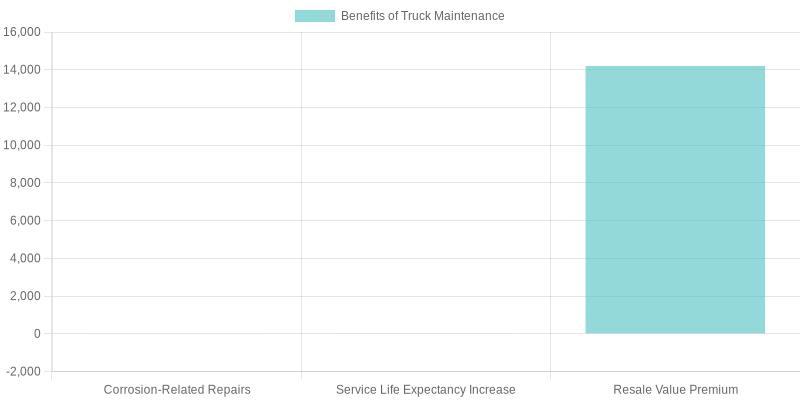
| Category | Data Point |
|---|---|
| Corrosion-Related Repairs | Trucks with regular washing have 28% fewer repairs |
| Service Life Expectancy Increase | Trucks cleaned bi-weekly show 22% higher life expectancy |
| Resale Value Premium | Well-maintained trucks fetch an average of $14,200 more |
Conclusion
In conclusion, washing a black truck may seem daunting, but with the right techniques and tools, it can be a straightforward process that preserves the vehicle’s appearance and maintains its value. Throughout the article, we emphasized the importance of using high-quality cleaning products, the effectiveness of proper washing techniques, and the necessity of detailing to address specific issues like scratches and swirl marks. Furthermore, ensuring that the truck remains in excellent condition is crucial for fleet managers in logistics, trucking, and construction, where appearance directly impacts professionalism and brand reputation.
One of the best ways to elevate the visual appeal and aerodynamics of your trucks after a thorough wash is by investing in professional styling solutions such as Summit Fairings. These aftermarket accessories not only enhance the truck’s aesthetics but also improve airflow, which can lead to better fuel efficiency. By embracing such innovations, fleet operators can achieve a sleek, modern look while providing their vehicles with enhanced functionality.
If you’re ready to take your black truck’s styling to the next level, consider Summit Fairings as a premium solution. Learn more about how to enhance your fleet’s appearance with Summit Fairings and see how these additions can redefine not just the look of your vehicles but also their performance. Don’t wait any longer to make your trucks stand out on the road!