
Keeping semi trucks clean is essential for various reasons, including safety, compliance with regulations, and maintaining a professional image within the trucking and logistics industries. A well-maintained fleet not only enhances efficiency but also prolongs the life of vehicles. However, the semi truck wash cost can vary significantly based on factors such as location, size, and the construction of the wash facility. For fleet managers and trucking company owners, understanding these costs is crucial for budgeting and ensuring optimal vehicle maintenance. As logistics and construction operations demand high standards of cleanliness, investing in proper truck wash infrastructures can lead to substantial long-term benefits, including reduced operational delays and better environmental compliance. Learn more about industry compliance and the importance of regular trailer maintenance to ensure your fleet remains at peak performance.
Key Factors Influencing Semi Truck Wash Construction Costs
When considering the construction of a semi truck wash, several key factors can significantly influence overall costs. Understanding these factors is essential for logistics managers, trucking company owners, and fleet supervisors to develop a realistic budget and avoid unexpected expenses. Below is a concise list of factors that are crucial in determining the construction costs:
- Size and Capacity
- The dimensions of the facility directly correlate with construction costs. Larger washes that can accommodate multiple trucks at once will typically have higher costs associated with their construction and equipment.
- Equipment
- The type and sophistication of equipment chosen for the wash system (e.g., high-pressure washers, water recycling systems, and chemical dispensers) impact both initial outlay and operational efficiency.
- Design Complexity
- Facilities with multi-stage wash cycles and automation features will incur higher construction costs due to the complexity of installation and required technology.
- Location
- Construction costs can vary based on geographical location due to land prices and regional labor costs. If the site requires special permitting or compliance with local regulations, this can significantly add to expenses. For more on compliance and regulations, learn more about industry compliance.
- Permits and Regulations
- Acquiring necessary construction permits and adhering to environmental regulations often requires additional time and budget allocation. The process can vary widely from state to state.
- Labor Costs
- Labor expenses can fluctuate significantly based on the skill level needed and the local job market. Skilled labor may demand higher wages, yet is crucial for quality construction and management of sophisticated wash systems.
- Material Quality
- The choice of construction materials (e.g., steel types, coatings that resist corrosion) impacts durability and future maintenance, thus influencing overall costs. Opting for higher-quality materials can reduce long-term expenses, especially in harsh environments.
- Miscellaneous Costs
- Additional costs such as utilities, transport fees, and unexpected site challenges can arise, necessitating a contingency budget for flexibility.
Understanding these factors is paramount for fleet managers and company owners as they prepare to invest in building an effective semi truck wash facility. By strategically addressing these aspects, they can facilitate smoother construction and operational efficiency.
Incorporating these considerations will ensure a more efficient planning process and facilitate successful project execution.
Average Cost of Building a Semi Truck Wash
Constructing a semi truck wash facility involves significant investment, dictated primarily by location, design, and the type of wash system implemented. Here’s a detailed overview of the costs associated with this undertaking:
Land and Infrastructure Costs
- Land Costs: Investing in land represents one of the largest upfront costs, estimated between $100,000 to $500,000 depending on geographical location and zoning restrictions.
- Site Preparation: This can comprise grading, drainage, and utility installations, ranging from $25,000 to $100,000.
Equipment Costs
Equipment is essential for determining the effectiveness and efficiency of the truck wash. The following are key types and their associated costs:
- Touchless Wash Systems: These advanced systems, which feature automation and high-pressure applications, can cost anywhere from $20,000 to $50,000 initially.
- Brush Wash Systems: These systems require an investment of $30,000 to $60,000, including additional infrastructure such as drying zones and water recycling systems.
Operational Costs
Once established, operational costs, including water, detergent, and labor, are ongoing considerations. For example, maintaining a touchless system could average $3,000 per month based on operational efficiency and customer volume.
Summary of Average Costs by Type
| System Type | Estimated Initial Cost |
|---|---|
| Touchless Wash | $20,000 – $50,000 |
| Brush Wash | $30,000 – $60,000 |
Overall, the total estimated cost to build a semi truck wash facility-land, equipment, and infrastructure-can range from $250,000 to over $750,000, depending on the layout and technology used. This significant upfront investment is balanced by potential revenue streams from regular fleet maintenance and compliance with industry standards, as discussed further in this article about industry compliance.
With the increasing demand for efficient and eco-friendly solutions, many companies are realizing the benefits of investing in modern truck wash facilities.
Benefits of Having an In-House Semi Truck Wash
Establishing an in-house semi truck wash offers a multitude of operational and financial benefits that can significantly enhance a logistics company’s bottom line. Here are some compelling advantages:
Cost Efficiency
By owning a semi truck wash, companies can reduce recurring costs associated with outsourcing this service. According to American Trucking Associations, fleets that implement regular washing programs experience reductions in maintenance expenses by removing contaminants that contribute to rust and damage. A clean truck not only operates more efficiently but can also improve fuel economy by up to 7%, allowing for significant savings on fuel costs.
Improved Truck Longevity
Regular washing prevents corrosive elements such as salt and grime from accumulating, thus extending the lifespan of the vehicle’s body and components. As reported by Truck Maintenance Pro, well-maintained trucks can see longer service life, translating into fewer repairs and earlier resale value, both of which are crucial for fleet managers focused on long-term planning.
Enhanced Appearance
A clean and polished truck enhances the company’s professional image, boosting customer satisfaction and retention. Businesses with visually appealing fleets are often perceived as more reliable, fostering trust and securing repeat contracts. Overall, an in-house semi truck wash represents a strategic investment into fleet management that pays dividends in performance and reputation.
Comparative Table of Truck Wash Options
| System Type | Initial Cost (USD) | Maintenance Cost (Annual) | Washing Time (Minutes) | Efficiency Rate (%) | Notes |
|---|---|---|---|---|---|
| Automatic Truck Wash Tunnel System | $150,000 – $300,000 | $10,000 – $25,000 | 8 – 12 | 90% – 95% | High throughput; requires significant space and infrastructure. Ideal for high-volume commercial operations. |
| Soft Touch / Touchless (Brushless) System | $50,000 – $150,000 | $5,000 – $15,000 | 6 – 10 | 85% – 90% | Reduces brush wear and repair costs; suitable for fleets with moderate volume. Common in modern commercial washes. |
| Rollover Truck Wash System | $40,000 – $45,000 | $8,000 – $12,000 | 5 – 8 | 80% – 85% | Compact design; ideal for smaller facilities or maintenance yards. Typically used for medium-duty trucks. |
| Self-Service Truck Wash System | $15,000 – $30,000 | $3,000 – $7,000 | 10 – 20 | 70% – 80% | Low upfront cost; relies on customer operation. Best for low-to-moderate volume locations with minimal staff. |
Note: Costs and efficiencies are estimates based on 2023-2025 market data from industry sources including LazrTek, equipment suppliers, and commercial fleet management reports.
Visual Representation
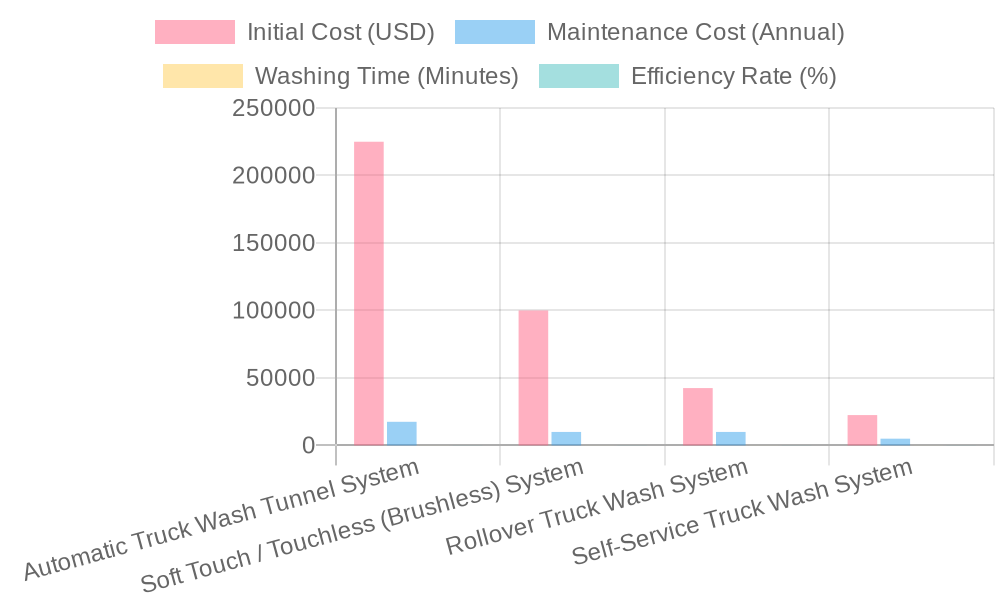
Click here for the detailed comparison chart
For further insights on compliance and regulations in the truck wash industry, learn more about compliance and emissions regulations. Additionally, keeping your fleet maintained is critical; understand the importance of regular trailer maintenance.
Financing Options for Construction of a Semi Truck Wash
When it comes to building a semi truck wash, understanding your financing options is crucial for fleet managers and trucking company owners. Each financing method carries its own set of benefits and can significantly impact your cash flow and overall project viability. Here are some of the most practical solutions available:
1. Bank Loans
Traditional bank loans are often a go-to option for financing construction projects. They typically offer lower interest rates compared to other financing methods. To secure a bank loan, you’ll need a solid business plan and potentially collateral. You can learn more about loan requirements here.
2. Equipment Financing
This type of financing is specifically designed for purchasing machinery and equipment necessary for your truck wash. Instead of borrowing the total project cost, you can finance the equipment and use its value as collateral, making it easier to secure the loan.
3. SBA Loans
Small Business Administration (SBA) loans are backed by the government, making them accessible and favorable for small to medium-sized businesses. Although the application process can be lengthy, the benefits often include lower down payments and flexible terms. Find more insights on SBA loan options here.
4. Leasing Options
Leasing can be an attractive alternative to outright purchasing equipment. It involves lower upfront costs and allows for flexibility in terms of upgrading to newer models as needed. However, you won’t own the equipment at the end of the lease.
5. Lines of Credit
A business line of credit provides financial flexibility, allowing you to draw on funds as needed rather than receiving a lump sum. This is especially useful for covering unexpected expenses during the construction process.
6. Grants and Subsidies
Depending on your location and the specifics of your construction project, you may qualify for government grants or subsidies that can lower overall costs. Research available options to see if you meet the criteria.
In conclusion, exploring multiple financing options can enhance your chances of successfully funding a semi truck wash construction project. By carefully assessing and selecting the right mix for your needs, you can ensure both short-term feasibility and long-term success in managing your logistics operations.

Understanding the right financing options is not only a step toward successful project completion but also a vital component in maintaining your fleet’s operational efficiency.
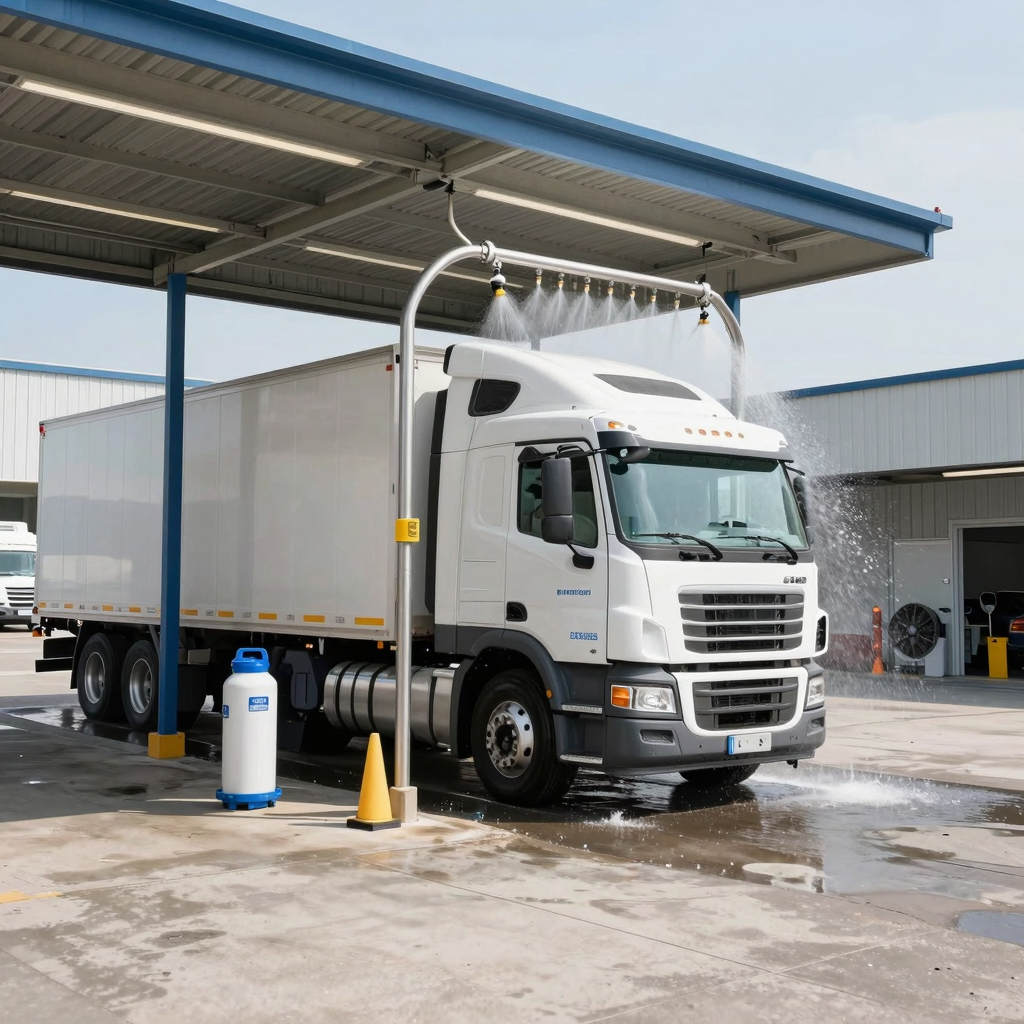
In the trucking industry, maintaining cleanliness is not merely an aesthetic concern but a vital operational strategy. Tom Stene, general manager of the Polar Service Center, emphasizes, > “You just can’t let a layer of dust create or mask problems.” Regular washing and maintenance are paramount for safety, efficiency, and reliability in operations. learn more about regular trailer maintenance and its benefits.
In conclusion, building a semi truck wash demands significant initial investments, typically ranging from $100,000 to $150,000, influenced by factors such as location, equipment, and operational costs. Various reports highlight equipment costs, indicating that customized truck washing equipment can range between $40,000 and $45,000 per unit, showcasing the need for rigorous planning and budgeting. Understanding these financial implications can help logistics and trucking fleet managers make informed decisions about establishing their wash facilities.
Moreover, maintaining a clean fleet not only enhances vehicle longevity but also promotes a positive brand image. As evidenced by case studies, fleets like Brent Higgins Trucking attribute their operational success to high cleanliness standards, leading to improved customer perceptions and overall reliability. Advanced fleet cleaning solutions significantly reduce maintenance costs and ensure compliance with hygiene standards, reinforcing the requirement for regular truck cleaning.
As a call to action, fleet managers and trucking company owners must prioritize the cleanliness of their vehicles. Regular washes not only uphold industry standards but also enhance brand trust and customer loyalty. For more insights on maintaining the quality of your fleet, learn more about the importance of regular trailer maintenance.
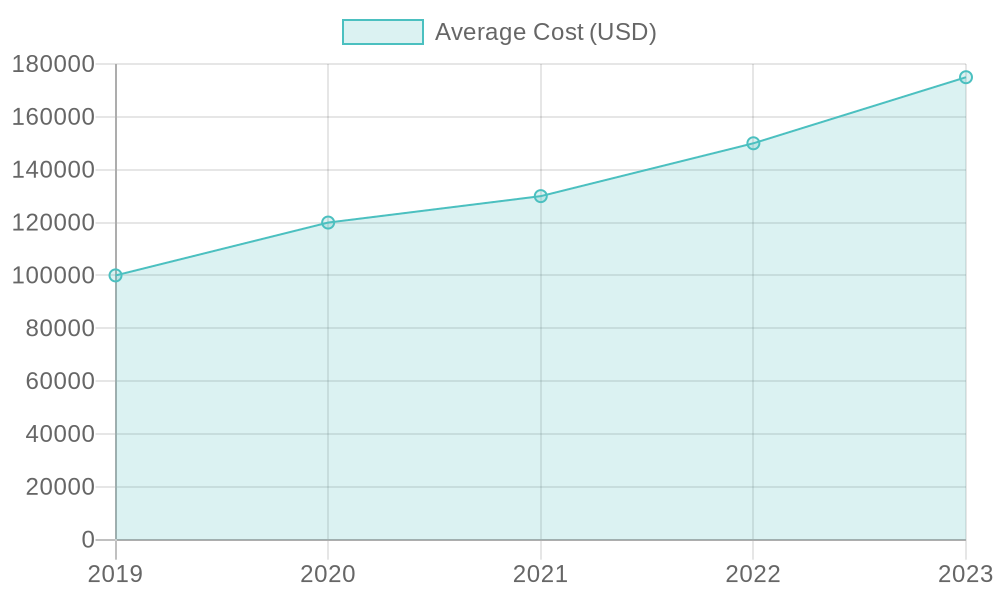
The chart above illustrates the average costs associated with the construction of semi truck wash facilities from 2019 to 2023. This visual representation aids fleet managers and trucking company owners in understanding the financial trends and making informed decisions regarding investments in truck wash infrastructures. As observed, the costs have shown a steady increase over the years, reflecting inflation and industry growth.