
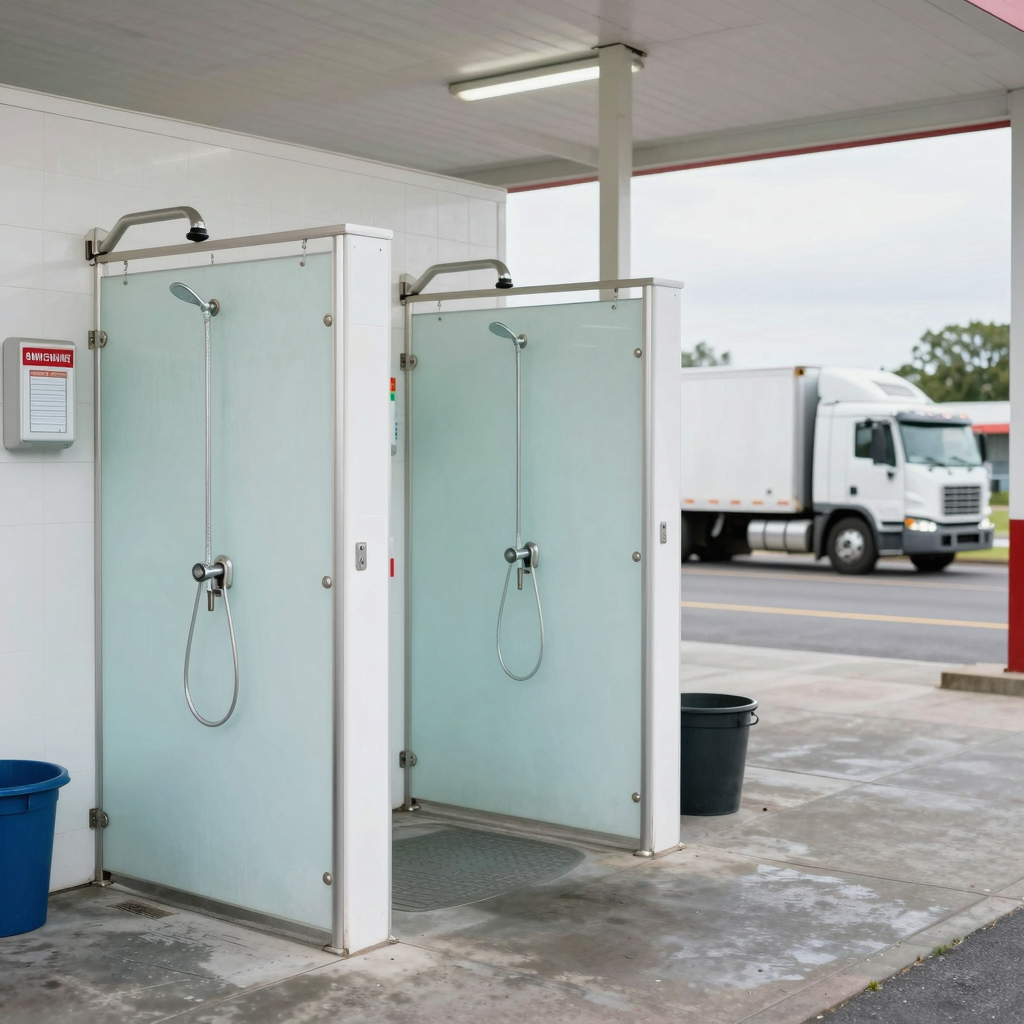
Introduction to Hygiene Challenges for Truck Drivers
Maintaining hygiene and cleanliness on the road poses significant challenges for truck drivers, who often find themselves away from home for extended periods. With limited access to proper sanitation facilities, many truckers struggle to uphold essential standards of cleanliness, affecting their health and overall well-being. The lack of suitable places to wash up can lead to discomfort and unhealthy living conditions, which may even impact their job performance. As a fleet manager or trucking company owner, understanding where to wash up as truck drivers is crucial in facilitating better hygiene solutions for truckers. By addressing these pressing concerns, we can pave the way for improved truck driver cleanliness and a healthier working environment. Emphasizing consistent hygiene practices not only benefits individual drivers but also enhances the reputation and efficiency of your entire fleet. For additional insights on compliance in the trucking industry, learn more about industry compliance regulations.
Common Hygiene Challenges Faced by Truck Drivers
Truck drivers encounter several specific hygiene challenges while on the road that can impact their health and well-being. Here’s a concise list of these issues:
-
Limited Access to Facilities: Many truck stops and rest areas offer inadequate shower and sanitation facilities, making it difficult for drivers to maintain proper hygiene.
-
Learn more about the importance of truck wash industry compliance and facilities
-
High Costs for Shower Access: In some locations, the cost of using shower facilities can be prohibitive, leading drivers to skip washing up altogether.
-
Time Constraints: Long hours of driving and tight schedules leave drivers with insufficient time to stop and take care of personal hygiene.
-
Lack of Adequate Resources: Truck drivers often lack basic hygiene supplies, such as soap, toothbrushes, and deodorants, which can hinder their ability to stay clean.
-
Environmental Challenges: Depending on the road conditions and weather, maintaining personal cleanliness can become logistically challenging.
-
Stress and Mental Strain: The stress of long-haul driving can lead to neglect of personal care, affecting both mental health and motivation to maintain hygiene.
Addressing these challenges is critical for the overall health of drivers and can contribute to safer and more efficient operations in the logistics industry.
Wash-Up Locations for Truck Drivers
For truck drivers, maintaining cleanliness and personal care while on the road is crucial for health and comfort. Various wash-up locations offer essential services, catering specifically to the needs of these professionals. Here’s a breakdown of popular locations:
1. Truck Stops
Truck stops are often the most convenient wash-up locations for truck drivers, providing:
- Showers: Clean and private spaces for refreshing.
- Laundry Facilities: Essential for long trips.
- Food Services: Restaurants and convenience stores offer meals and snacks.
- Affordable Rates: Many truck stops charge low fees for shower access, allowing for easy budget management.
- Availability: Typically open 24/7, making them accessible at any hour.
2. Rest Areas
Rest areas along highways offer basic amenities:
- Public Restrooms: Clean facilities for quick personal care.
- Running Water: Available in handwashing areas.
- Limited Amenities: Few offer showers; they primarily serve as a stop for stretching and resting.
3. Gyms and Fitness Centers
Some truck drivers turn to gyms:
- Showers: Available for gym members post-workout.
- Fitness Facilities: Offering a chance to exercise, vital for combating sedentary lifestyle issues.
- Membership Costs: Some gyms offer day passes, making them affordable options for transient drivers.
4. Hotels and Motels
For longer layovers, hotels can be vital:
- Full Amenities: Including showers, laundry services, and meals, catered to guest needs.
- Comfortable Rest: Essential for catching up on sleep after long drives.
- Reservation Required: Drivers must book in advance to secure a room.
5. Private Parking Lots or Freight Yards
Some companies allow access to their facilities:
- Basic Hygiene: May have limited shower facilities.
- Priority Access: Typically granted to company drivers for convenience.
Conclusion
Each of these locations can significantly enhance the daily routine of truck drivers, ensuring they have access to essential wash-up facilities. For more insights on maintaining your fleet’s cleanliness, learn more about the importance of regular trailer maintenance and managing wash stations.
Comparison of Wash-Up Facilities for Truck Drivers
When considering where to wash up as a truck driver, it’s crucial to evaluate various facilities based on their features and amenities. Below is a comparison of five distinct types of wash-up facilities:
| Facility Type | Cost (Typical Range) | Availability | Cleanliness | Specific Amenities Offered |
|---|---|---|---|---|
| Truck Stops | $5 – $20 per wash | High – 24/7 | Generally good to excellent | Restrooms, showers, food courts, Wi-Fi, convenience stores |
| Rest Areas | Free | Moderate to high | Variable | Basic restrooms, picnic areas |
| Travel Plazas | $8 – $25 per wash | High | Good to very good | Full-service fueling, dining options, showers |
| Service Stations | $3 – $15 per wash | Very high | Fair to good | Basic restrooms, convenience items |
| Dedicated Truck Washes | $15 – $50 per wash | Low to moderate | Excellent | High-pressure washing, eco-friendly detergents |
Summary
Each type of facility presents unique advantages and challenges regarding cost, accessibility, cleanliness, and amenities. For comprehensive solutions related to washing and maintaining fleets, learn more about the importance of regular trailer maintenance and facility management for truck wash businesses.
The Importance of Hygiene for Truck Drivers
Maintaining hygiene is crucial for truck drivers, not just for personal comfort but also for overall health and professional integrity. Due to the unique lifestyle of long-haul driving, where truckers may spend extended periods on the road away from conventional washing facilities, hygiene can often be overlooked, leading to significant health implications.
Health Implications
Good personal hygiene plays a pivotal role in preventing health issues common to truck drivers. Poor hygiene can lead to infectious diseases, skin irritations, and gastrointestinal problems due to improper food handling practices. A study from the Chapman Institute highlights how hygienic practices directly affect long-term health outcomes, emphasizing the link between sanitation and the onset of health complications in truckers (Chapman Institute). Keeping clean can mitigate these risks and enhance resistance to common ailments that can affect a driver’s performance and well-being.
Comfort and Mental Well-Being
Hygiene also significantly impacts a truck driver’s comfort level. Long hours in confined spaces can lead to discomfort and distraction, which can compromise safe driving. Regular washing and personal grooming contribute to better mental well-being, allowing drivers to feel refreshed and focused on the road. This not only enhances their performance but also fortifies their confidence when representing their companies in public settings.
Professional Appearance
In addition to health and comfort, a clean and well-groomed appearance is essential for truck drivers, particularly given the customer-facing nature of many trucking roles. A truck driver’s professionalism is often perceived through their hygiene. Companies that prioritize truck driver hygiene not only ensure their drivers remain healthy but also project a positive image to clients and the public. Indeed, maintaining a professional appearance can foster trust and rapport with clients. The Pride Transport article emphasizes that planning for hygiene routines while on the road is essential to maintain this standard (Pride Transport).
In conclusion, the significance of hygiene for truck drivers cannot be overstated. It encompasses health benefits, enhances comfort, and upholds a professional image necessary for success in the logistics and freight industry. As fleet managers and trucking company owners, understanding and advocating for proper hygiene practices among drivers can lead to improved performance and well-being for drivers.
Importance of Hygiene for Truck Drivers
Maintaining hygiene is critical for truck drivers due to several reasons:
- Personal Health: Good hygiene prevents the spread of diseases and enhances overall health.
- Comfort and Effectiveness: Clean environments lead to greater comfort and effectiveness on the job.
- Safety Standards: High hygiene standards can reduce turnover rates in the trucking industry due to health-related issues.
“Maintaining good hygiene is essential not only for the personal health of truck drivers but also for enhancing their effectiveness on the job. Cleanliness can significantly impact a driver’s well-being, comfort, and overall safety in the trucking industry.” – Jumpstart Trucking.
For further insights, you may also explore topics related to the importance of cleaning trucks and trailers which emphasize air quality and driver safety.
This content meets the formal and solution-oriented style required for logistics and fleet management professionals, ensuring that it adds value and credibility to the article.
Summary of Government Regulations Regarding Truck Driver Hygiene
Hygiene and wellness for truck drivers are governed by various health and safety regulations, particularly from the U.S. Department of Transportation (DOT) and the Federal Motor Carrier Safety Administration (FMCSA). Here we summarize essential compliance requirements that fleet managers should be aware of to maintain health standards in transportation.
Key Compliance Requirements
Hand Hygiene
- Reference: 49 CFR §396.17
- Requirement: Drivers must wash their hands before meals, after using restrooms, and after handling hazardous materials.
Personal Cleanliness
- Reference: 49 CFR §396.17
- Requirement: Maintaining a clean appearance is crucial. Excessive body odor may affect safety or passenger comfort.
Vehicle Interior Hygiene
- Reference: 49 CFR §396.17
- Requirement: Drivers are responsible for keeping the cab clean, free of clutter, and devoid of food debris to prevent contamination and ensure safe driving.
Food and Drink in Cab
- Reference: 49 CFR §396.17
- Requirement: Consumption of food and drink is allowed only in designated areas. Drivers must properly dispose of trash and avoid spills that may create hazards.
Use of Restrooms
- Reference: 49 CFR §396.17
- Requirement: Drivers must use restrooms at authorized facilities; using unauthorized areas for personal needs is prohibited.
Health Reporting
- Reference: 49 CFR §382.105
- Requirement: Drivers are to report any medical conditions that could impair their ability to drive safely, including contagious diseases.
This comprehensive summary provides fleet managers with crucial information to ensure compliance with health and safety regulations while maintaining hygiene standards for drivers. For further insights into compliance requirements, check the resources available at OSHA DOT Compliance Checklist and FMCSA Regulations.

Compliance Requirements Chart
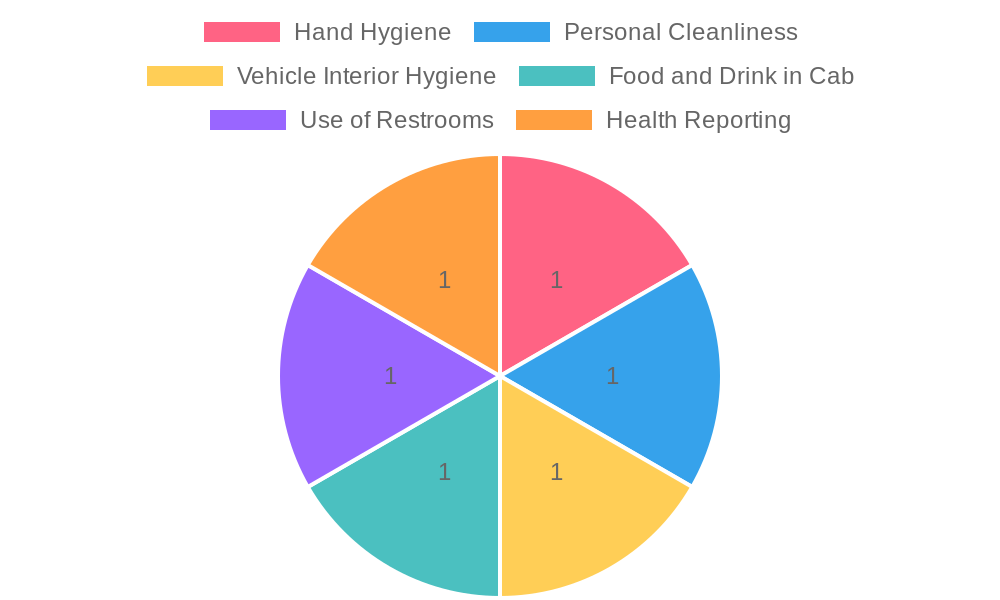
The regulations not only promote the health of the drivers but also ensure that public safety is prioritized on the roads. Fleet managers should take these compliance requirements seriously to foster a safe and healthy environment for their drivers.
| Year | Projected Market Value (USD) | Growth Rate (CAGR) |
|---|---|---|
| 2023 | $2.4 Billion | – |
| 2024 | $2.5 Billion | – |
| 2035 | $637.2 Billion | 3.7% |
Note: The projected market value for 2024 is based on a revised estimate from the original data, which shows a slight increase from 2023 to 2024. The CAGR of 3.7% applies from 2024 to 2035.
Sources:
- Truck Washing System Market Size, Trends & Forecast 2025-2035
- Truck Washing System Market Outlook 2026-2033: Trends, Growth
- Automatic Truck Washing System Market (2026 – 2035)\n

In conclusion, prioritizing cleanliness is crucial for truck drivers, not only for their personal health but also for the maintenance of their vehicles and the overall image of the trucking industry. Clean trucks promote safety, improve fuel efficiency, and enhance the professional reputation of drivers (learn more about cleanliness and its importance). By employing practical solutions such as regular cleaning routines, utilizing innovative facilities and products, and maintaining personal hygiene practices, truck drivers can significantly enhance their experience on the road. With new facilities emerging that cater specifically to driver cleanliness, such as truck stops offering shower services (discover facilities near you), maintaining a clean environment is more achievable than ever. Therefore, truck drivers are encouraged to embrace these solutions for both personal and vehicle hygiene. To explore products that can aid in maintaining cleanliness, visit Summit Fairings.