
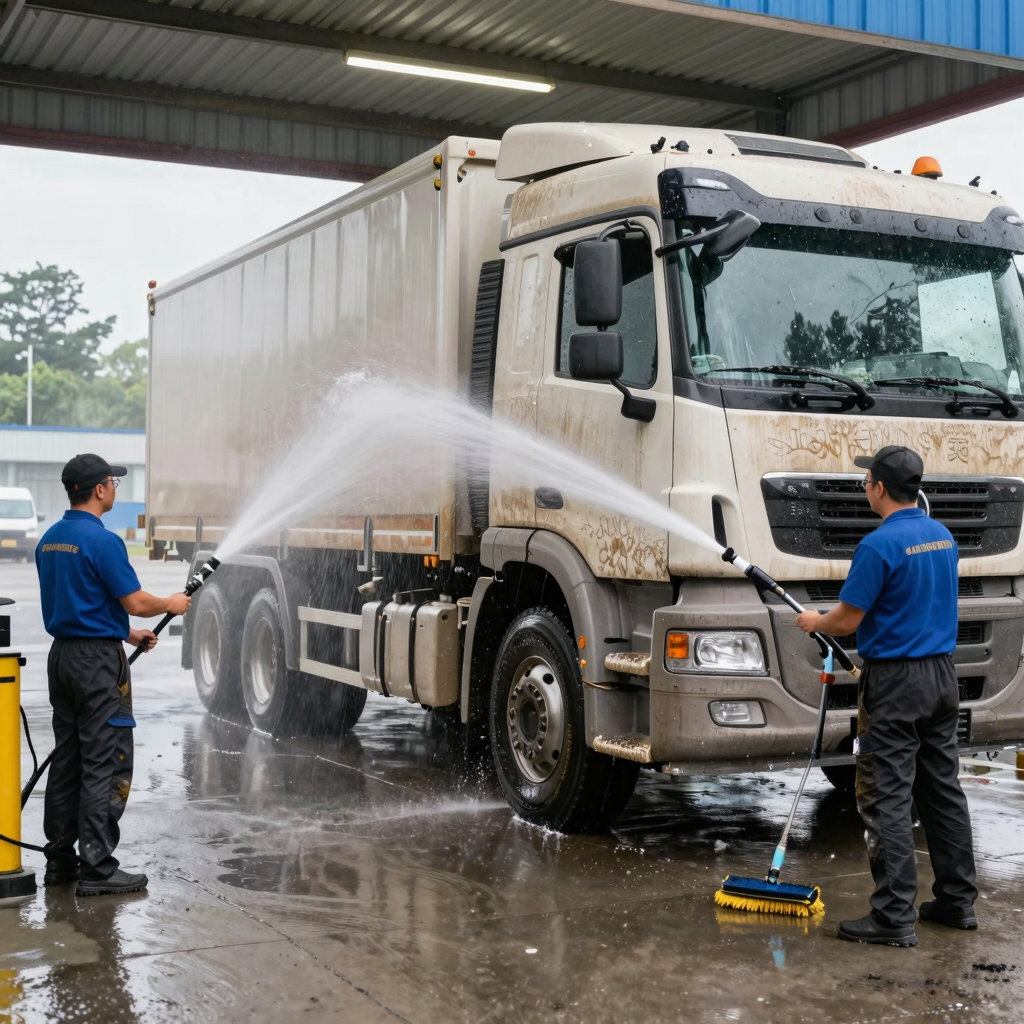
Step-by-Step Process to Wash a Muddy Truck (Practical Tips for Fleet Managers)
- Pre-Rinse
Use high-pressure water to remove loose dirt and mud from the truck’s surface, starting from the top and working downward.
- Install automatic pre-rinse systems at wash bays to save time and labor.
- Ensure water pressure is sufficient (2000-3000 PSI) but avoid damaging paint or seals.
- Schedule pre-rinsing before chemical application to prevent scratching.
- Apply Detergent
Spray a heavy-duty truck-specific detergent (e.g., biodegradable, pH-neutral) onto the vehicle using a foam cannon or pressure washer wand.
- Choose detergents that are safe for all surfaces (paint, plastic, rubber).
- Use concentrated formulas to reduce chemical usage and storage needs.
- Agitate with Brushes/Tools
Use soft-bristle brushes, foam pads, or rotary brush tools to scrub wheels, undercarriages, mud flaps, and other heavily soiled areas.
- Provide fleet staff with durable, non-abrasive cleaning tools.
- Let Soak (Optional)
Allow detergent to sit for 3-5 minutes to break down stubborn mud and grease.
- Use timed timers in wash bays to ensure consistent dwell time.
-
Rinse Thoroughly
Rinse off all soap and loosened debris using high-pressure water, starting from the top. -
Dry the Vehicle
Use compressed air, microfiber towels, or automated drying systems to remove excess water.
- Use quick-dry microfiber cloths to prevent water spots.
- Inspect & Maintain
Conduct a post-wash inspection for damage, leaks, or wear on body panels, lights, and undercarriage.
Necessary Tools and Equipment for Washing a Muddy Truck
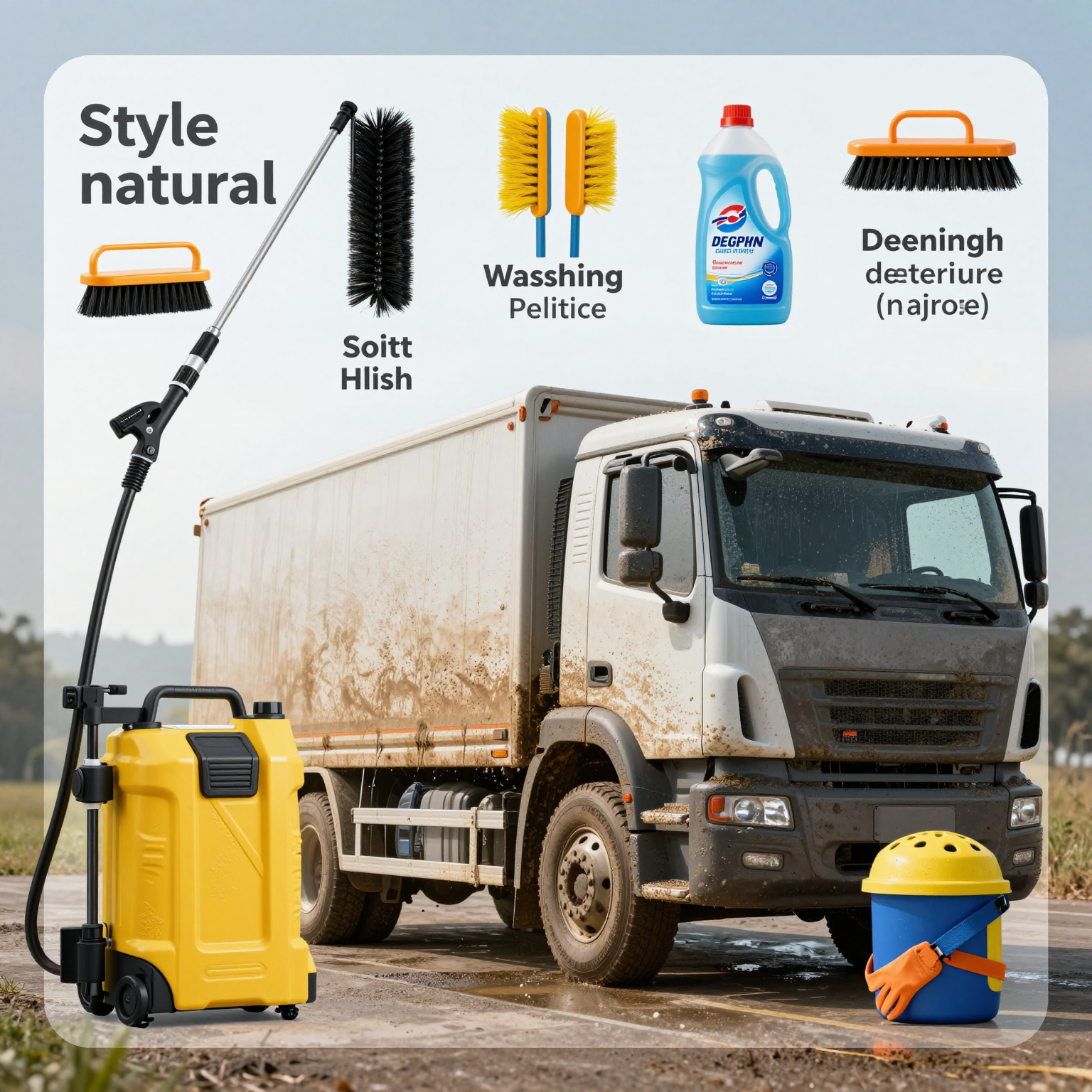
Washing a muddy truck requires specific tools and equipment to ensure efficiency and effectiveness in achieving a spotless finish. Both professional fleet managers and individual truck owners should be prepared with the right cleaning supplies for trucks to tackle tough dirt effectively. Below are the essential items needed:
- Pressure Washer: A powerful pressure washer is vital for removing heavy mud and grime. Models rated between 2000 to 3000 PSI are generally effective for trucks.
- Brushes:
- Soft Bristle Brush: Ideal for washing the truck’s sensitive surfaces without scratching the paint.
- Stiff Bristle Brush: Useful for scrubbing away tough dirt on more durable surfaces, such as the undercarriage.
- Buckets: Two buckets are recommended-one for clean water and soap, and another for rinsing your brushes.
- Foam Cannon: Attaching a foam cannon to your pressure washer can help apply soap evenly across the truck’s exterior, making it easier to scrub off grime.
- Cleaning Solutions: Use specialized truck washing detergents, degreasers, or eco-friendly cleaning soaps that effectively break down mud without harming the vehicle’s finish. Eco-Friendly Truck Wash Detergent is a great option.
- Protective Gear: Gloves and eye protection are essential for safety, especially when handling harsh chemicals.
- Drying Towels: Microfiber towels or chamois help prevent water spots and ensure a polished look after washing.
Incorporate these tools into your regular fleet maintenance and washing routines to maintain the appearance and longevity of your trucks. For more information on maintaining your fleet, learn about the importance of regular trailer maintenance or check out our guide on cleaning grease and tar off your trucks fast.
Safety Precautions for Truck Washing
Washing trucks is fundamental for maintaining a fleet’s professional appearance and operational efficiency. However, it also poses various risks that necessitate stringent safety precautions. Here are essential steps to ensure a safe truck washing process:
Personal Protective Equipment (PPE)
- Gloves: Protect your hands from harsh cleaning chemicals and hot water.
- Safety Goggles: Prevent eye injuries from splashes or debris during washing.
- Steel-Toed Boots: Provide foot protection against heavy equipment and potential slip hazards.
- Coveralls: Shield against exposure to chemical spills and dirt.
It is critical to ensure that all personnel involved in the cleaning process are equipped with these safety gear to mitigate health risks and improve overall safety. For a visual guide to PPE, see the image below.

Best Practices
- Training: Ensure all team members are adequately trained on safety procedures and equipment handling.
- Pre-Job Check: Inspect the washing area and equipment beforehand to identify any hazards.
- Chemical Handling: Follow guidelines on the proper use of cleaning agents, and never mix different chemicals.
- Emergency Preparedness: Have first aid kits readily available and ensure staff are trained in emergency response.
By adopting these safety tips for truck washing, fleet managers can protect their staff and assets while ensuring efficient truck maintenance.
Best Practices for Mud Removal from Trucks
Mud can accumulate on trucks, especially in industries such as logistics, freight, and construction. Therefore, implementing effective mud removal techniques is crucial for maintaining the longevity of your fleet and ensuring operational efficiency.
Effective Methods for Mud Removal
Here are some best practices, techniques, and recommended products to efficiently remove mud from trucks:
| Method | Description | Effectiveness (Scale 1-5) | Common Use Cases | Source |
|---|---|---|---|---|
| Pressure Washing | High-pressure water jets to dislodge mud and debris. Often combined with detergents. | 4.5 | Heavy-duty trucks, garbage trucks, construction vehicles | EPA |
| Soap and Water (Manual Cleaning) | Application of soap or detergent followed by scrubbing with water. | 3.0 | Light to moderate mud accumulation | EPA |
| Automated Truck Wash Systems | Fully/semi-automated systems with various cleaning stages. | 5.0 | Fleet operations, logistics companies | EPA |
| Vacuum and Suction Systems | Industrial vacuums to remove wet or semi-dry mud before washing. | 4.0 | Pre-cleaning step | EPA |
Recommended Products
- Tough Mudder Truck Wash: This product is effective for its foaming action, which helps to tackle dried mud thoroughly. Mix 1-3 ounces with water for optimal results (Chemical Guys).
- Slick Products Off-Road Wash: This premium wash is designed for quickly removing tough dirt and mud from trucks and off-road vehicles (Automotive Guides).
Utilizing these cleaning methods and products, fleet managers can maintain clean trucks, reducing maintenance costs associated with mud buildup and prolonging the life of the vehicles.
In conclusion, washing a muddy truck involves essential steps such as pre-rinsing to loosen dirt, scrubbing the undercarriage, meticulously cleaning the wheels, and using a two-bucket method to preserve the truck’s paint. By adopting these practices, fleet managers can ensure their vehicles are not only visually appealing but also functionally efficient. Regular cleaning is more than maintaining aesthetics; it protects against corrosion and enhances safety and fuel efficiency, leading to reduced operational costs and an improved brand image. As noted in this article on fleet washing, the return on investment from clean trucks can positively affect driver morale and operational efficiency. In addition, for an added touch of professionalism and enhanced appearance, consider custom-fit fairings from Summit Fairings. Investing in quality fairings not only contributes to a sleek truck design but also improves aerodynamics and fuel efficiency, bringing significant benefits to your fleet management strategy.
Comparison of Truck Cleaning Products
When it comes to maintaining the cleanliness of trucks, logistics and fleet managers require effective cleaning products that are not only efficient but also environmentally friendly. Below is a comparative table of recommended truck cleaning products, including various price points, effectiveness ratings, and their types.
| Product Name | Price (USD) | Effectiveness (1-10) | Type | Features |
|---|---|---|---|---|
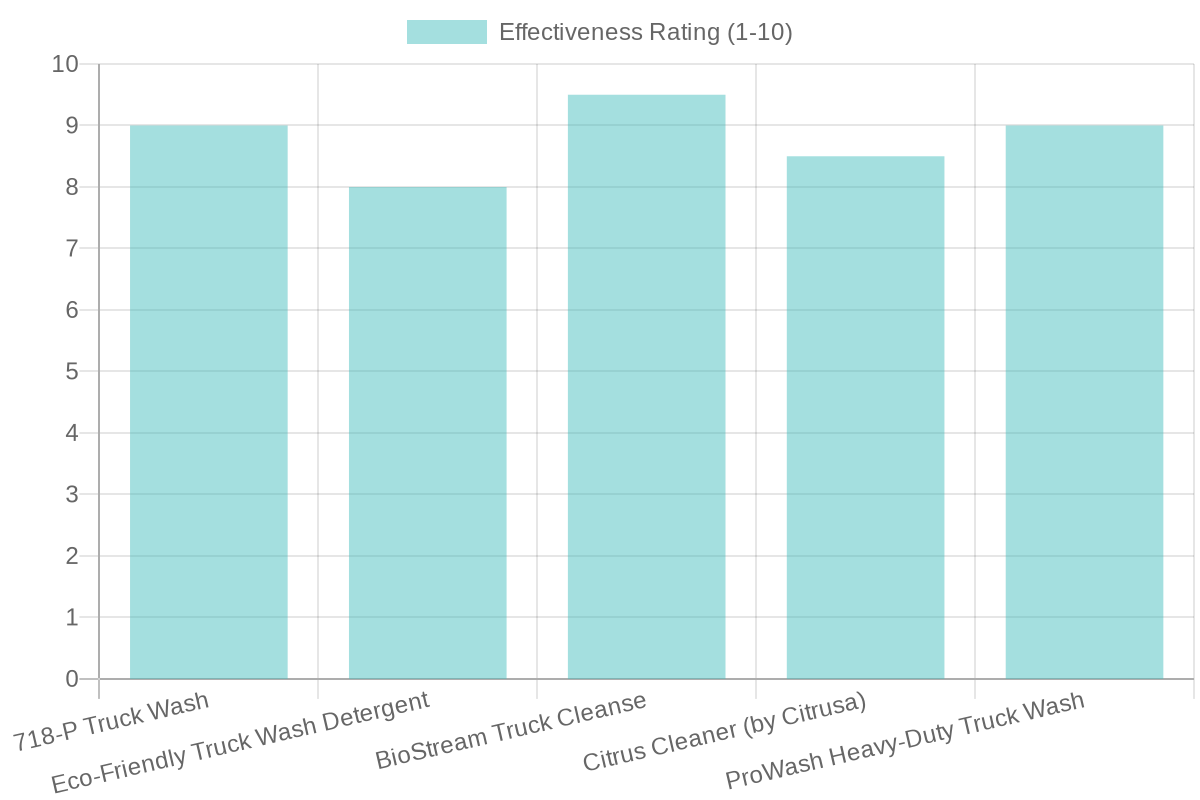
| 718-P Truck Wash | $24.99 (per gallon) | 9 | Economical | High foaming, heavy-duty cleaner; biodegradable; concentrated solution; lasts up to 50 washes per gallon. |
| Eco-Friendly Truck Wash Detergent | $29.95 (per gallon) | 8 | Biodegradable | Plant-based, non-toxic; effective on mud and road film; low-suds formulation for efficient rinsing. |
| BioStream Truck Cleanse | $32.50 (per 2-gallon) | 9.5 | Biodegradable | Advanced enzyme-based cleaning technology; eco-certified; breaks down organic matter; pH-balanced. |
| Citrus Cleaner (by Citrusa) | $26.00 (per gallon) | 8.5 | Biodegradable | Natural citrus extracts; powerful degreasing; safe for various surfaces; ideal for pre-wash applications. |
| ProWash Heavy-Duty Truck Wash | $27.50 (per gallon) | 9 | Economical | Industrial-strength; excellent for tough grime; reduces spotting; designed for pressure wash systems. |
Sources:
Additionally, the effectiveness of these products varies significantly. Here’s a visual representation comparing their effectiveness ratings:
This comprehensive comparison will assist fleet managers in making informed choices regarding cleaning supplies for their trucks. For more on the importance of maintaining fleet standards, you can learn more about trailer maintenance.
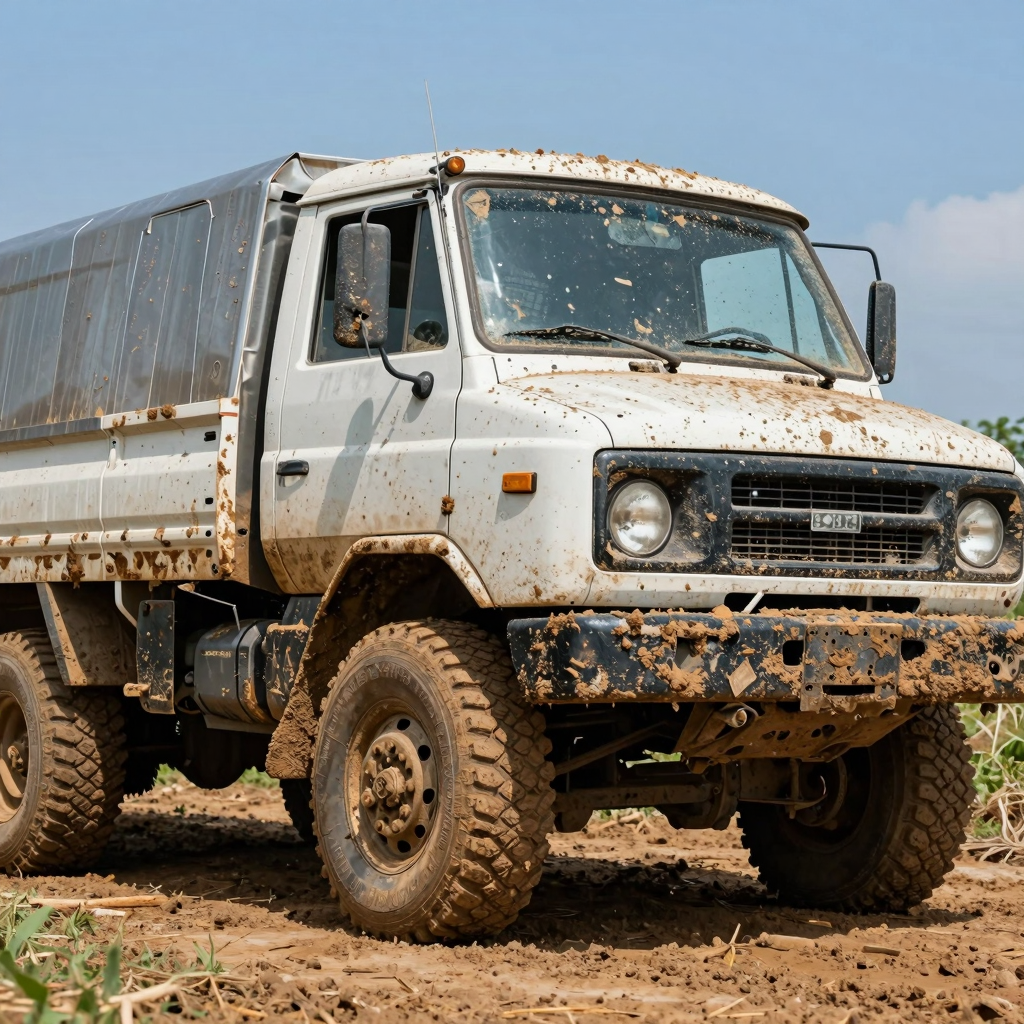
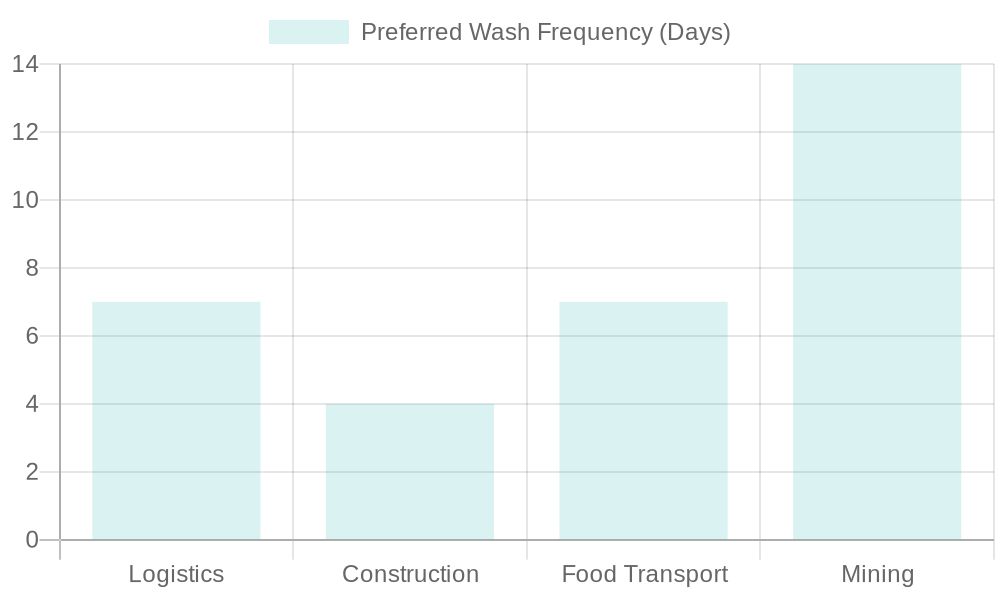
This chart illustrates the preferred frequency of truck washes across different industries, highlighting the importance of regular cleaning in fleet maintenance. Fleet managers are advised to follow these cleaning schedules based on industry standards to maintain vehicle integrity and satisfy operational requirements.
Frequently Asked Questions about Washing Muddy Trucks
1. How often should I wash my muddy truck?
It is generally recommended to wash your truck every 1-2 weeks under standard conditions to prevent the buildup of dirt that can lead to rust and degradation. However, for trucks frequently exposed to mud, particularly in the construction and mining industries, washing could be necessary on a daily basis or after each shift to maintain their operational integrity and appearance. For in-depth insights on maintenance, you can learn more about the importance of regular maintenance.
2. What techniques should I use to wash a muddy truck?
- Pre-Rinse Thoroughly: Before applying any soap, thoroughly rinse the truck to remove loose dirt and mud.
- Use the Right Tools: Equip yourself with a snow foam cannon or a pressure washer to effectively tackle the mud. Ensure to work from the top down when washing to prevent dirt from re-soiling cleaned areas.
- Select Appropriate Soap: Use a specialized truck wash solution that can break down tough mud without harming the paint. For a detailed guide, refer to the article on how to wash a muddy truck from Chemical Guys.
- Dry Properly: After rinsing off the soap, dry the truck using microfiber towels to prevent water spots and streaks.
3. Are there maintenance tips to keep my truck in top condition?
To maintain your truck’s appearance and performance after washing:
- Clean the undercarriage regularly to prevent rust.
- Use all-weather floor mats for the interior to protect against dirt and mud.
- Vacuum the interiors often to avoid accumulation of mud and debris. For more maintenance tips, check out the guide on cleaning advice for muddy environments.
By following these practices, you can keep your fleet looking professional and extend the lifespan of your vehicles.