
The rise of medium-duty electric vehicles marks a pivotal shift in the sustainable transportation landscape. As the world urgently seeks alternatives to fossil fuels, electric trucks are emerging as key players in this transformation, promising not only reduced emissions but also operational efficiencies for businesses. The recent merger between Workhorse Group Inc. and Motiv Electric Trucks amplifies this momentum, combining their respective strengths to establish a formidable force in the medium-duty truck market. With an anticipated value of around $105 million, this merger could redefine industry standards and drive significant growth in a segment poised to reach $23 billion. The collective capabilities of these two innovative companies could lead to enhanced product offerings and operational scale, significantly impacting the future of electric logistics and transportation.
A Historic Merger Agreement: Empowering the Future of Electric Trucks

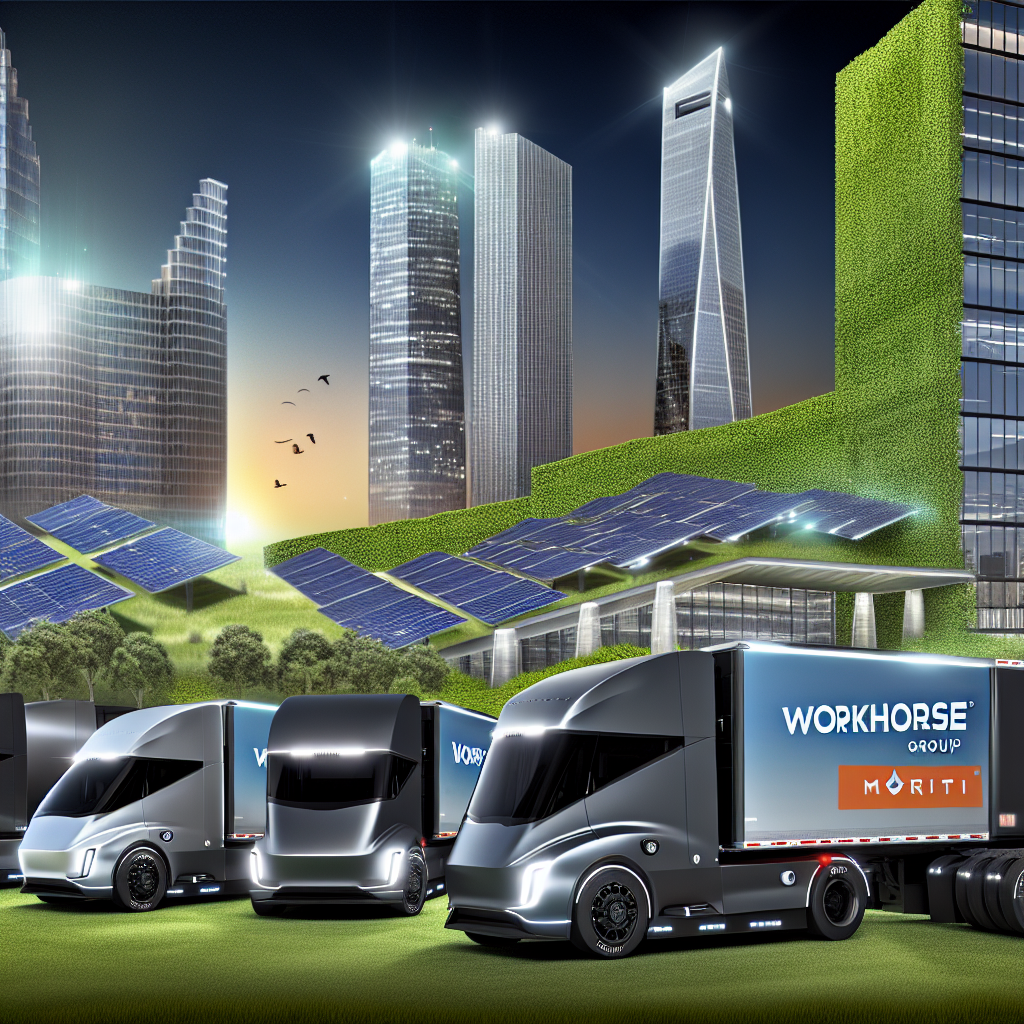
Image illustrating medium-duty electric trucks, showcasing a Workhorse and a Motiv truck side by side to emphasize the emerging market for electric trucks and their application in real-world scenarios.
The merger agreement between Workhorse Group and Motiv Electric Trucks represents a significant strategic move within the evolving landscape of medium-duty electric vehicles. Valued at an estimated $105 million, this all-stock transaction is anticipated to culminate in early 2026 with cost synergies projected to exceed $20 million. These synergies are expected to arise from improved operational efficiencies, shared resources, and streamlined production capabilities. Workhorse’s manufacturing facility in Union City, Indiana, which can produce up to 5,000 trucks annually, further bolsters the merger’s manufacturing capacity, positioning the combined entity to meet accelerating demand. By integrating their product lines and market reach, the merger aims to offer a more comprehensive and competitive alternative to traditional diesel trucks, ultimately enhancing their overall market competitiveness in a growing segment estimated to be worth $23 billion. With both companies collectively boasting relationships with some of North America’s largest medium-duty fleets, the merger is poised to fortify their footprint in commercial EV production, enabling them to navigate the challenges and opportunities presented in the green transportation sector.
| Key Financial Metrics | Details |
|---|---|
| Estimated Valuation | $105 million |
| Expected Cost Synergies | $20 million |
| Anticipated Closing Date | Q4 2025 |
| Manufacturing Capacity | Up to 5,000 trucks annually |
| Market Segment Value | $23 billion |
Implications of the Merger for the Medium-Duty EV Truck Market
The merger between Workhorse Group and Motiv Electric Trucks will significantly reshape the medium-duty electric truck market. By combining their strengths, the new entity can improve production efficiency and enhance products. Expected cost synergies, projected to surpass $20 million by 2026, will likely come from shared manufacturing resources, better logistics, and effective procurement strategies. This consolidation reduces costs and improves the company’s financial appeal for investors and stakeholders.
Additionally, the merger may create a new competitive dynamic in the medium-duty EV sector. By leveraging technology and market insights, the new company can challenge existing competitors. This shift may drive innovation and enhance electric truck designs, helping fleet operators find more efficient and sustainable solutions.
For industry stakeholders, the merger presents various implications. Fleet operators will likely access a broader range of electric truck models, which can be customized for different uses, enhancing operational flexibility. Consumers may enjoy improved competition, resulting in better prices and service options as manufacturers strive for market share.
As the combined entity establishes itself in the $23 billion medium-duty truck sector, stakeholders can expect increased investment in EV technologies and infrastructure. This investment is critical for boosting production and developing support systems, like charging networks, essential for expanding electric truck use. The focus on sustainable logistics in light of this merger emphasizes its importance for future transportation.
In closing, the merger represents a strategic and transformative step for the medium-duty electric truck market. With operational efficiencies and a stronger financial position, the combined company is set to lead toward a more competitive and sustainable future in electric transportation, showcasing clear advantages for electric trucks.
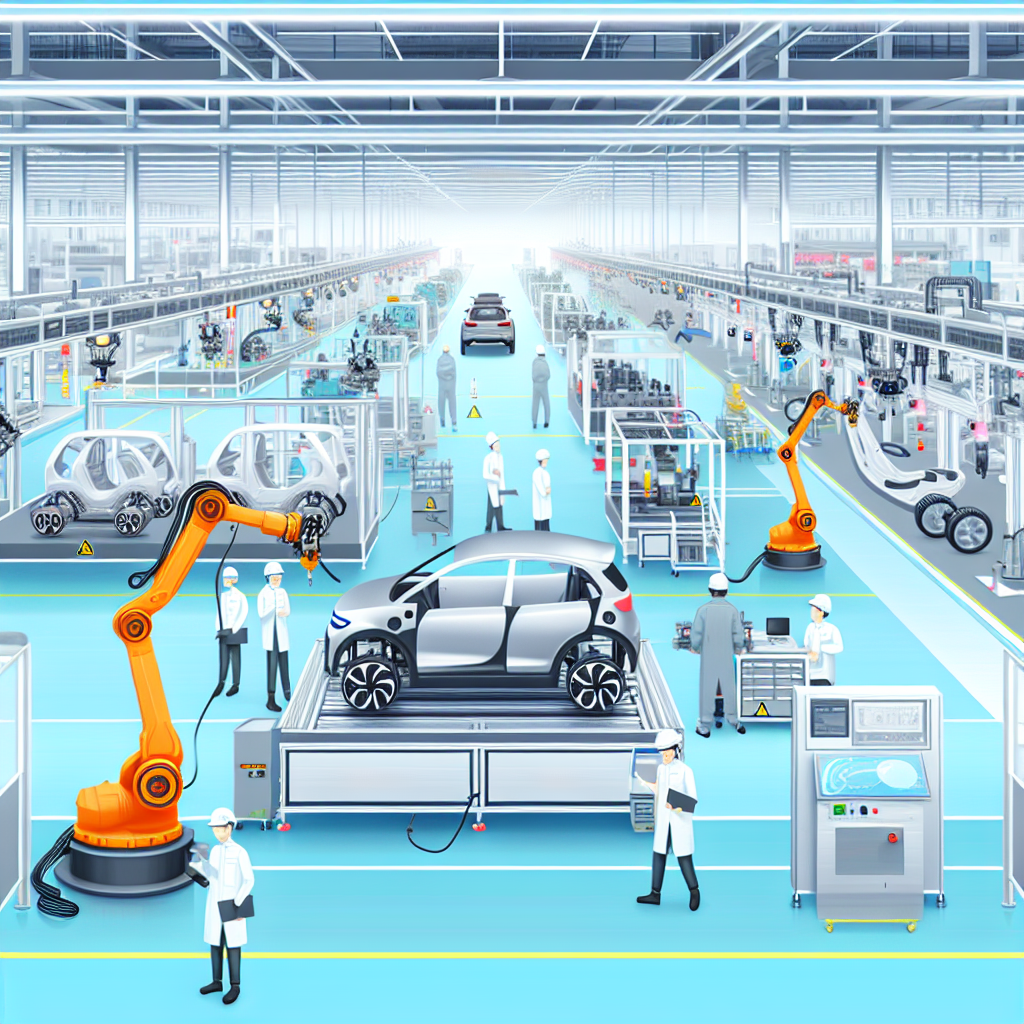
Image illustrating operational efficiencies in electric vehicle manufacturing, depicting a modern production line with advanced technology and robotics, emphasizing innovation and efficiency.
Conclusion: Growth Prospects in the Medium-Duty Electric Truck Segment
In conclusion, the merger between Workhorse Group and Motiv Electric Trucks presents a compelling opportunity for growth within the booming medium-duty electric truck market, which is poised to reach $23 billion. With both companies combining their strengths, expertise, and resources, the new entity is strategically positioned to take advantage of the increasing demand for electric vehicles in logistics and transportation.
Quotes highlighting the merger’s potential emphasize how it will enhance the financial profile of the company and establish a stronger market presence. As the combined company continues to innovate and expand its operations, it is expected to not only capture a significant share of this lucrative segment but also drive forward the transition to sustainable transportation.
Investors and stakeholders can look forward to seeing how this merger catalyzes growth and sets new benchmarks in the industry, ultimately benefiting fleet operators and consumers alike in the evolving electric vehicle landscape.
Medium-Duty Electric Trucks Adoption Trends
The medium-duty electric truck market is undergoing remarkable growth, thanks to a combination of technological advances, supportive governmental regulations, and an increasing demand for sustainable transportation options. Research indicates that this segment, which primarily encompasses Class 4 to Class 6 vehicles, is expected to grow at a compound annual growth rate (CAGR) of 36.16% until 2030, reaching a projected market value of $23 billion. This acceleration in adoption is largely driven by decreasing battery costs, improved vehicle performance, and an overarching trend toward environmental sustainability.
Notably, the first half of 2025 witnessed a staggering 175% year-over-year increase in electric heavy truck sales in China, comprising around 25% of all new truck sales during this period. Concurrently, analysts foresee a significant reduction in diesel demand in the Chinese market, predicting that the country’s oil consumption will peak in 2025, earlier than anticipated. In the U.S., electric vehicle (EV) adoption is set to follow suit, with projections that EVs will contribute between 100 to 185 terawatt-hours (TWh) to electricity demand by 2030. This shift indicates a robust acceleration in adoption patterns that aligns perfectly with the strategic merger of Workhorse Group and Motiv Electric Trucks.
The merger positions the newly formed entity to leverage its combined strengths to capitalize on these growth trends, offering an expanded product line and enhanced manufacturing capacity, while also achieving cost parity with internal combustion vehicles. Moreover, the anticipated cost synergies exceeding $20 million by 2026 from improved operational efficiencies will further bolster this growth. As the market for medium-duty electric trucks expands, this merger is timely and sets the stage for enhanced innovation and competitiveness in the EV sector.
For authoritative insights on these trends, you can refer to:
- International Energy Agency (IEA) – Global EV Outlook 2025
- Work Truck Online – 2024 Work Truck Trends
- Gobal Newswire – Electric Truck Market Analysis
Operational Efficiencies in Electric Vehicle Manufacturing
Medium-duty electric trucks (MDETs) are increasingly recognized for their operational efficiencies, offering significant fuel savings, reduced maintenance costs, and environmental benefits. Companies are achieving these efficiencies through various strategies, including the adoption of advanced electric powertrains, integration of telematics systems, and strategic partnerships.
For insights on how companies are enhancing operational efficiencies, consider:
- Workhorse Group: Achieves over 30 miles per gallon equivalent (MPGe) with its electric delivery trucks, contributing to significant savings. Workhorse Group
- Gatik: Utilizes autonomous trucks for middle-mile deliveries to enhance efficiency and reduce labor costs. Gatik
- Orange EV: Offers electric terminal tractors with zero emissions and reduced maintenance costs. Orange EV
- REE Automotive: Develops modular electric vehicle platforms aimed at enhancing operational efficiency. REE Automotive
These companies exemplify diverse approaches to operational efficiencies in medium-duty electric trucks, enhancing vehicle design and performance while integrating advanced technologies.
Input from Industry Leaders
To further reinforce the optimism surrounding the merger, both Scott Griffith, CEO of Motiv Electric Trucks, and Rick Dauch, CEO of Workhorse Group, have shared their thoughts on the strategic implications and benefits of this agreement.
Scott Griffith noted the merger’s potential impact on costs:
“Bringing together two leading OEMs in the medium-duty space strengthens our ability to reduce the cost of electric trucks and make the total cost of ownership even more compelling.”
He further stated, “We believe this is a coming-of-age moment—not just for Motiv and Workhorse, but for the industry as a whole, and that widespread adoption of medium-duty electric trucks will come from achieving cost parity vs. ICE and diesel trucks and offering compelling long-term value.”
Griffith expressed excitement about leading the new entity, emphasizing the need for collaboration:
“I’m excited by the opportunity to lead the combined company, work closely with the Motiv and Workhorse teams to capture the opportunities ahead, and deliver for our customers, our shareholders and the communities in which our trucks operate.”
Rick Dauch also highlighted the significance of the merger, stating:
“This transaction represents a significant milestone for Workhorse, our customers, our stakeholders and our shareholders.”
He described the broader product offering brought about by the merger:
“By combining with Motiv and completing the related transactions, we are creating a broader product offering, strengthening our near- and long-term financial position and providing Workhorse shareholders with the opportunity to participate in the upside of a leader in the medium-duty EV commercial vehicle market.”
Dauch expressed confidence in the partnership, saying:
“We believe Motiv is the right partner to support the advancement of our combined product roadmap and capture new growth opportunities. Together, we are confident we will be even better positioned to win the commercial EV transition and create value for shareholders.”
These statements encapsulate both leaders’ optimistic outlook and strategic vision for the merger, emphasizing its potential to transform the medium-duty electric truck market and benefit all stakeholders involved.
| Company | Market Position | Key Products | Notable Initiatives |
|---|---|---|---|
| Workhorse Group Inc. | Major manufacturer | C-Series Electric Trucks | Focus on last-mile delivery solutions |
| Motiv Electric Trucks | Key player | E-100 and E-600 Models | Partnership with fleet operators |
| Tesla | Industry leader | Tesla Semi | Push for electric freight transportation |
| Rivian | Emerging competitor | R1T and R1S Electric Trucks | Focus on adventure and utility markets |
| Lion Electric | Niche provider | Lion8 and LionC | Emphasis on sustainable energy solutions |
| BYD | Global leader | BYD 8TT and BYD 6F | Investments in battery technology |
The merger agreement between Workhorse Group and Motiv Electric Trucks represents a significant strategic move within the evolving landscape of medium-duty electric vehicles. Valued at an estimated $105 million, this all-stock transaction is anticipated to culminate in early 2026 with cost synergies projected to exceed $20 million. These synergies are expected to arise from improved operational efficiencies, shared resources, and streamlined production capabilities. Workhorse’s manufacturing facility in Union City, Indiana, which can produce up to 5,000 trucks annually, further bolsters the merger’s manufacturing capacity, positioning the combined entity to meet accelerating demand. By integrating their product lines and market reach, the merger aims to offer a more comprehensive and competitive alternative to traditional diesel trucks, ultimately enhancing their overall market competitiveness in a growing segment estimated to be worth $23 billion. With both companies collectively boasting relationships with some of North America’s largest medium-duty fleets, the merger is poised to fortify their footprint in commercial EV production, enabling them to navigate the challenges and opportunities presented in the green transportation sector. This consolidation also aligns well with current commercial EV market trends, which favor sustainable operational models.
| Key Financial Metrics | Details |
|---|---|
| Estimated Valuation | $105 million |
| Expected Cost Synergies | $20 million |
| Anticipated Closing Date | Q4 2025 |
| Manufacturing Capacity | Up to 5,000 trucks annually |
| Market Segment Value | $23 billion |
Implications of the Merger for the Medium-Duty EV Truck Market
The merger between Workhorse Group and Motiv Electric Trucks is set to reshape the medium-duty electric truck market significantly. By combining their strengths, the newly formed entity is poised to harness operational efficiencies that can streamline production processes and enhance product offerings. The expected cost synergies, projected to exceed $20 million by 2026, will likely stem from shared manufacturing resources, improved supply chain logistics, and better procurement strategies. This operational consolidation not only reduces costs but also enhances the financial profile of the company, making it a more attractive option for investors and stakeholders.
Furthermore, the merger could introduce a new competitive dynamic in the medium-duty EV landscape. By leveraging combined technology and market expertise, the new company could present a formidable challenge to existing players. This shift may encourage innovation and drive improvements in electric truck designs and capabilities, benefiting fleet operators looking for more efficient and sustainable solutions.
For industry stakeholders, the implications of this merger are multifaceted. Fleet operators will likely gain access to a wider range of electric truck configurations, which can be customized for various applications, increasing operational versatility. Meanwhile, consumers may benefit from enhanced competition, leading to better pricing and service options as manufacturers vie for market share.
Moreover, as the combined entity establishes itself in the $23 billion medium-duty truck segment, stakeholders can expect increased investment in EV technology and infrastructure. This investment is crucial not just for scaling production but also for developing necessary support systems, such as charging networks, which are essential for the widespread adoption of electric trucks. The focus on sustainable logistics in light of this merger reinforces its importance in the future of transportation.
In summary, the merger between Workhorse Group and Motiv Electric Trucks signifies not only a strategic move but a transformative step for the medium-duty electric truck market. With operational efficiencies and a strengthened financial positioning, the combined company is likely to lead the charge towards a more competitive and sustainable future in electric transportation, showcasing clear electric truck advantages.
Medium-Duty Electric Trucks Adoption Trends
The medium-duty electric truck market is undergoing remarkable growth, thanks to a combination of technological advances, supportive governmental regulations, and an increasing demand for sustainable transportation options. Research indicates that this segment, which primarily encompasses Class 4 to Class 6 vehicles, is expected to grow at a compound annual growth rate (CAGR) of 36.16% until 2030, reaching a projected market value of $23 billion. This acceleration in adoption is largely driven by decreasing battery costs, improved vehicle performance, and an overarching trend toward environmental sustainability.
Notably, the first half of 2025 witnessed a staggering 175% year-over-year increase in electric heavy truck sales in China, comprising around 25% of all new truck sales during this period. Concurrently, analysts foresee a significant reduction in diesel demand in the Chinese market, predicting that the country’s oil consumption will peak in 2025, earlier than anticipated. In the U.S., electric vehicle (EV) adoption is set to follow suit, with projections that EVs will contribute between 100 to 185 terawatt-hours (TWh) to electricity demand by 2030. This shift indicates a robust acceleration in adoption patterns that aligns perfectly with the strategic merger of Workhorse Group and Motiv Electric Trucks.
The merger positions the newly formed entity to leverage its combined strengths to capitalize on these growth trends, offering an expanded product line and enhanced manufacturing capacity, while also achieving cost parity with internal combustion vehicles. Moreover, the anticipated cost synergies exceeding $20 million by 2026 from improved operational efficiencies will further bolster this growth. As the market for medium-duty electric trucks expands, this merger is timely and sets the stage for enhanced innovation and competitiveness in the EV sector.
For authoritative insights on these trends, you can refer to:
- International Energy Agency (IEA) – Global EV Outlook 2025
- Work Truck Online – 2024 Work Truck Trends
- Gobal Newswire – Electric Truck Market Analysis
Conclusion: Growth Prospects in the Medium-Duty Electric Truck Segment
In conclusion, the merger between Workhorse Group and Motiv Electric Trucks presents a compelling opportunity for growth within the booming medium-duty electric truck market, which is poised to reach $23 billion. With both companies combining their strengths, expertise, and resources, the new entity is strategically positioned to take advantage of the increasing demand for electric vehicles in logistics and transportation. Quotes highlighting the merger’s potential emphasize how it will enhance the financial profile of the company and establish a stronger market presence. The electric truck advantages stand out as key factors in attracting customers as the combined company continues to innovate and expand its operations. Investors and stakeholders can look forward to seeing how this merger catalyzes growth and sets new benchmarks in the industry, ultimately benefiting fleet operators and consumers alike in the evolving electric vehicle landscape, especially in the arena of sustainable logistics.