

The trucking industry is experiencing a technological revolution. The merger between Workhorse Group and Motiv Electric Trucks is a major part of this change. Companies are adopting advanced technologies to streamline operations, cut costs, and meet environmental standards. This merger is crucial as it can reshape the medium-duty electric truck market and promote sustainability in fleet operations.
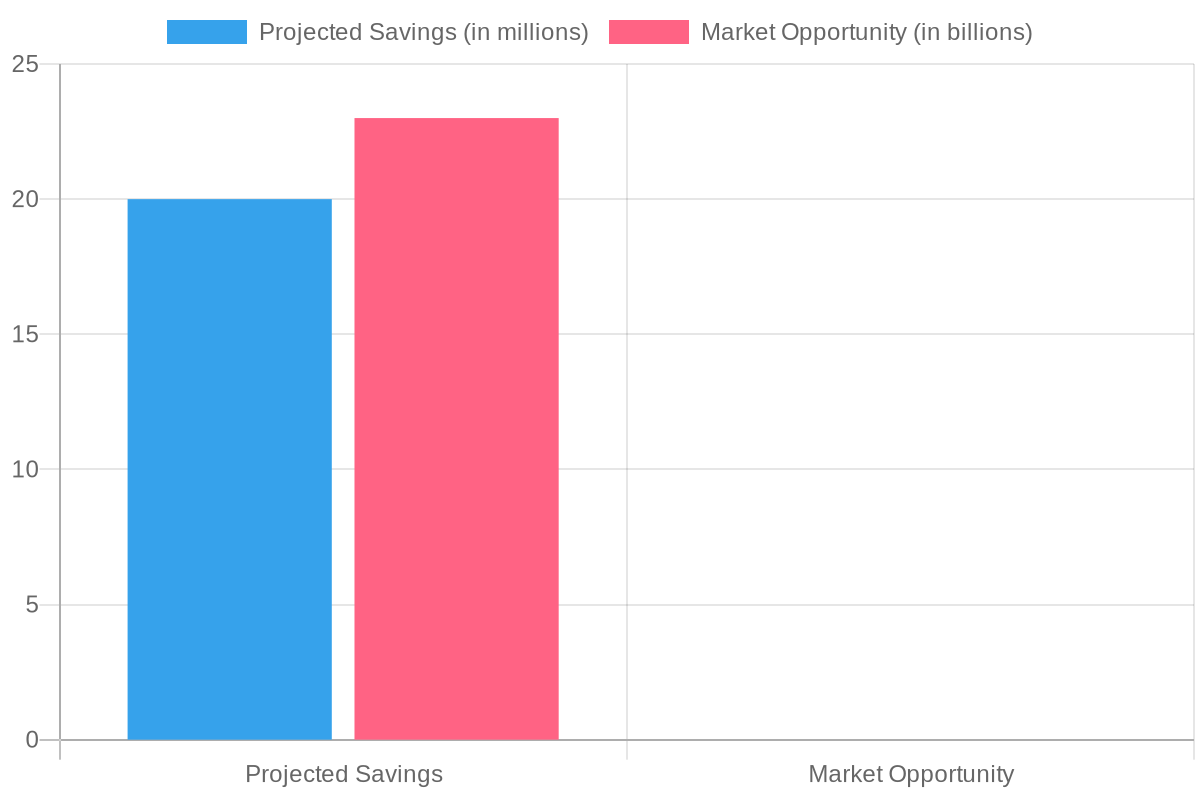
By joining forces, Workhorse and Motiv aim to improve operational efficiency and tap into a market worth around $23 billion. The merger positions these companies to lead in the transition to cleaner solutions. With expected cost synergies of at least $20 million by 2026, they can redefine the capabilities of electric trucks and set a new industry standard.
The future for medium-duty trucks looks bright, and this merger may outline paths for future advancements.
The merger between Workhorse Group and Motiv Electric Trucks is a significant development for the trucking industry, marking a transformative step into the medium-duty electric truck segment valued at around $23 billion. This merger is strategically important as it not only strengthens the financial position of both companies but also creates opportunities for synergies that can enhance operational efficiencies and reduce costs.
Scott Griffith, the CEO of Workhorse, stated,
“The merger positions the company for growth in the $23 billion medium-duty truck segment.”
This sentiment reflects the collective vision for the future of the merged entity, which aims to lead in electric truck manufacturing by tapping into both companies’ strengths.
On the other hand, Rick Dauch, CEO of Motiv Electric Trucks, emphasized the operational benefits by saying,
“The companies expect at least $20 million in cost synergies by 2026 through operational efficiencies.”
Such projections underscore the potential for enhanced productivity by streamlining operations, consolidating research and development, and optimizing administration.
Additionally, the merger will result in a combined entity that boasts an increase in production capacity. The Union City facility owned by Workhorse is set to produce up to 5,000 trucks annually, which is essential in meeting the expected rise in demand for electric trucks in the coming years.
This strategic consolidation not only promises to elevate the market positions of both companies but also aims to foster innovation and growth within the industry. With greater financial stability and operational integration, the Workhorse and Motiv merger is well-positioned to navigate the rapidly-changing landscape of electric vehicle technology and meet the evolving needs of commercial fleet operators.
| Criteria | Before Merger | After Merger |
|---|---|---|
| Cost Reduction | Separate operational costs for each company | Expected cost synergies of at least $20 million by 2026 |
| Customer Base Expansion | Individual customer bases | Combined customer reach increasing market share |
| Operational Efficiencies | Independent operational processes | Streamlined operations and improved productivity |
| Technology Integration | Limited shared technology development | Enhanced R&D opportunities with shared resources |
| Production Capacity | Up to 5,000 trucks annually (Workhorse alone) | Increased production flexibility through merged facilities |
| Competitive Advantage | Competing separately in the market | Stronger position to lead in the medium-duty electric segment |
Financial Implications of the Workhorse and Motiv Merger
The merger between Workhorse Group and Motiv Electric Trucks introduces significant financial implications for the newly formed entity. With a combined company valuation of approximately $105 million, this strategic alliance is positioned to leverage economies of scale and operational efficiencies within the burgeoning medium-duty electric truck market.
Cost Synergies
One of the primary financial advantages expected from this merger is the achievement of cost synergies amounting to at least $20 million by the year 2026. This is anticipated through the streamlining of operations, consolidation of administration functions, and improved supply chain efficiencies. Historically, mergers in the trucking industry showcase varied realizations of projected cost synergies, often dependent on effective integration strategies. Reports suggest that overestimation of synergies occurs in nearly 25% of cases, with resulting valuation adjustments thereof, reinforcing the importance of prudent financial assessments.
Implications for Shareholders
In terms of shareholder value, the merger is designed to benefit existing stakeholders significantly. Motiv’s controlling investor will own approximately 62.5% of the combined entity, which maintains a strong equity stake for Workhorse shareholders as they retain a sizable portion of ownership. Historically, target company shareholders have seen substantial valuation increases post-merger, ranging from 16% to 45%, signifying potential wealth creation for those invested in Workhorse. Conversely, it is essential for shareholders to weigh mergers critically, as acquiring companies sometimes yield modest returns post-transaction.
Strategic Growth Perspective
The combined financial weight of Workhorse and Motiv not only enhances their competitive positioning in the $23 billion medium-duty truck segment but also places them on a trajectory for growth in alignment with the industry’s transition toward electric solutions. This merger stands as a testament to the prospective long-term benefits while remaining cognizant of the financial, operational, and market alignment challenges inherent in such large-scale consolidations.
Recent Advancements in X-ray Inspection Technology
Recent advancements in X-ray inspection technology have significantly enhanced commercial vehicle compliance and operational efficiency in the trucking industry. Key developments include:
-
Integration of AI-Powered Inspection Systems: Companies like UVeye have expanded their AI-driven inspection technologies to support heavy-duty fleets, including Class 6–8 trucks and buses. Their drive-thru scanners perform comprehensive 360° scans, detecting issues such as tire wear, leaks, rust, and exterior flaws within seconds. These systems generate digital inspection reports with annotated images, seamlessly integrating with fleet management workflows and third-party systems, thereby maximizing uptime and ensuring compliance.
Source -
Implementation of X-ray Technology by Regulatory Authorities: The Ontario Ministry of Transportation (MTO) has deployed X-ray scanners to enhance the efficiency and effectiveness of cargo inspections. This innovative approach aims to improve road safety by enabling enforcement officers to conduct more thorough and rapid inspections of commercial vehicles.
Source -
Development of Advanced Inspection Frameworks: Research has led to the creation of multi-scale feature fusion frameworks that integrate frequency domain and cross-view attention mechanisms for dual-view X-ray security inspections. These frameworks enhance the accuracy of detecting contraband in complex scenarios, such as densely packed cargo, by improving feature representation and interaction.
Source -
Adoption of Enhanced Inspection Programs for Autonomous Vehicles: The Commercial Vehicle Safety Alliance (CVSA) has introduced the Enhanced Commercial Motor Vehicle Inspection Program, designed for vehicles equipped with automated driving systems. This program establishes inspection standards and procedures to ensure the safety and compliance of autonomous trucks, facilitating their integration into existing operational systems.
Source -
Operational Testing of In-Motion Inspections: The Federal Motor Carrier Safety Administration (FMCSA) is conducting operational tests of Level VIII electronic inspections, which allow for in-motion compliance checks of commercial motor vehicles. This initiative aims to improve roadway safety and operational efficiency by enabling real-time data collection and validation without requiring vehicles to stop, thus reducing downtime and enhancing compliance monitoring.
Source
These advancements collectively contribute to more efficient inspections, reduced operational downtime, and enhanced compliance within the trucking industry.
The Merger between Workhorse Group and Motiv Electric Trucks
The merger between Workhorse Group and Motiv Electric Trucks is poised to create a leading North American medium-duty electric truck manufacturer, emphasizing technological advancements that enhance compliance and operational efficiency in the trucking industry.
Technological Integration and Compliance
By combining their expertise, the merged entity plans to standardize software, hardware, and electrical systems across product lines. This includes shared powertrain control strategies and modular components, which are expected to simplify servicing, reduce downtime, and lower unit costs. Such standardization not only streamlines operations but also ensures that vehicles meet evolving regulatory standards, thereby enhancing compliance.
Source
Operational Efficiency and Cost Reduction
The merger is projected to achieve at least $20 million in cost synergies by 2026 through consolidated research and development, streamlined general and administrative expenses, and optimized facilities. Additionally, the combined company intends to utilize a product and engineering approach to maximize the use of common software, hardware, and intellectual property across its Class 4-6 platforms. This strategy aims to pursue additional cost savings, enhance the technology baseline, and provide a best-in-class customer experience with limited downtime and optimized total cost of ownership.
Source
Manufacturing Scalability
Workhorse’s Union City facility has the capacity to eventually produce up to 5,000 trucks per year. This scalability is crucial for meeting the anticipated demand for medium-duty electric trucks and supports the combined company’s goal of reducing unit costs through increased production volumes.
Source
Financial Strength and Market Position
The merger is expected to strengthen the combined company’s financial position, creating opportunities for margin expansion and greater flexibility to pursue future growth initiatives. With a simplified capital structure, the combined company also expects to be better positioned to raise additional capital post-close.
Source
In summary, the Workhorse and Motiv merger is strategically designed to integrate technological advancements that improve compliance and operational efficiency, positioning the combined company as a formidable player in the medium-duty electric truck market.
Expected Market Impact of the Workhorse and Motiv Merger
The merger between Workhorse Group and Motiv Electric Trucks is expected to significantly impact the medium-duty electric truck market. By leveraging synergies, both companies are poised to enhance their competitive positioning while contributing to overall market growth.
Competition
This merger comes at a crucial time as the electric truck sector is evolving rapidly. The combined value of approximately $105 million will allow Workhorse and Motiv to enhance their competitive stance in a medium-duty segment valued at around $23 billion. This strategic consolidation enables them to streamline operations and tap into broader dealer networks. As stated by Scott Griffith, CEO of Workhorse, “The merger positions the company for growth in the $23 billion medium-duty truck segment.” This assertion underscores a shared vision for an aggressive market approach against competitors, who may struggle to match the scale and efficiency offered by the newly merged entity.
Market Growth Potential
Analysts project that the electric truck market is anticipating a remarkable compound annual growth rate (CAGR) of 14.5%, potentially reaching a valuation of $78 billion by 2033. Factors driving this growth include government incentives for electric vehicle adoption, advancements in battery technology, and increasing emphasis on sustainable transport solutions. Mergers like this not only foster operational scaling but also align product offerings with market demands, thereby positioning the combined company advantageously to capture this expanding market segment.
Technological Advancements
One of the most promising outcomes of this merger is the potential for accelerated technological advancements. By merging resources, Workhorse and Motiv can pool their R&D capabilities, which is expected to catalyze innovation in areas such as autonomous driving and battery efficiency. The collaboration is set to benefit from integrated technology solutions, resulting in enhanced vehicle performance and compliance with evolving regulatory standards. A comprehensive approach to technological integration is critical as companies respond to the growing demand for electric trucks equipped with cutting-edge features.
In conclusion, the Workhorse and Motiv merger is anticipated to positively impact the medium-duty electric truck market by reinforcing competitive dynamics, enhancing market growth potential, and accelerating the pace of technological innovation. The air of optimism surrounding this merger positions both companies to seize emerging opportunities in an expanding electric vehicle landscape, ultimately setting higher standards within the industry.
As the trucking industry embarks on this transformative journey through the merger of Workhorse Group and Motiv Electric Trucks, we witness a convergence of innovative technology, robust financial strength, and expansive market potential. This partnership is not merely a strategic business move; it symbolizes a profound shift toward more sustainable and efficient transportation solutions. By pooling resources and expertise, both companies are poised to lead in the medium-duty electric truck segment, tapping into the princely market valued at approximately $23 billion.
The anticipated cost synergies of at least $20 million by 2026 represent more than just a figure—they underscore the envisioned operational efficiencies that this merger promises to deliver. This financial fortitude will empower the newly formed entity to invest in groundbreaking technologies that will enhance vehicle performance and compliance, all while pushing the envelope on innovation.
Moreover, the landscape of the trucking sector is rapidly evolving, and with this merger, Workhorse and Motiv are well-positioned to not only capitalize on current market trends but to set new benchmarks for the future. Stakeholders should reflect on this pivotal moment as an opportunity to embrace the changes ahead and consider how emerging technologies will redefine the logistical landscape.
In conclusion, the Workhorse and Motiv merger stands as a beacon of what is possible in the realm of trucking technology. As we look to the horizon, it is vital to remain engaged and informed about the advancements this partnership will generate. The future of electric trucking is not just a destination; it is a journey that invites all of us—manufacturers, consumers, and fleet operators—to consider how we can contribute to a greener, more efficient tomorrow. Let us embrace this momentum and follow the evolution of technology in the trucking industry, as together we can drive toward a sustainable future.
Introduction
The trucking industry is on the brink of a technological revolution, and the recent merger between Workhorse Group and Motiv Electric Trucks highlights this pivotal transformation. As companies increasingly adopt advanced technologies to streamline operations, reduce costs, and meet environmental standards, the significance of this merger cannot be overstated. By combining their resources and expertise, Workhorse and Motiv aim to reshape the medium-duty electric truck segment, emphasizing the importance of sustainability in fleet operations. This collaboration not only seeks to enhance operational efficiency through innovative technologies but also represents a strategic move into a growing market valued at approximately $23 billion. As the transportation sector faces mounting pressure to adopt cleaner solutions, the Workhorse and Motiv merger positions these companies at the forefront of an electrifying change. With anticipated cost synergies of at least $20 million by 2026, the combined support could redefine the capabilities of electric trucks and set a new standard in the industry. The road ahead for medium-duty trucks is promising, and the impact of this merger may well serve as the blueprint for future industry advancements.
Significance of the Merger
The merger between Workhorse Group and Motiv Electric Trucks is a significant development for the trucking industry, marking a transformative step into the medium-duty electric truck segment valued at around $23 billion. This merger is strategically important as it not only strengthens the financial position of both companies but also creates opportunities for synergies that can enhance operational efficiencies and reduce costs.
Scott Griffith, the CEO of Workhorse, stated, “The merger positions the company for growth in the $23 billion medium-duty truck segment.” This sentiment reflects the collective vision for the future of the merged entity, which aims to lead in electric truck manufacturing by tapping into both companies’ strengths.
On the other hand, Rick Dauch, CEO of Motiv Electric Trucks, emphasized the operational benefits by saying, “The companies expect at least $20 million in cost synergies by 2026 through operational efficiencies.” Such projections underscore the potential for enhanced productivity by streamlining operations, consolidating research and development, and optimizing administration.
Additionally, the merger will result in a combined entity that boasts an increase in production capacity. The Union City facility owned by Workhorse is set to produce up to 5,000 trucks annually, which is essential in meeting the expected rise in demand for electric trucks in the coming years.
This strategic consolidation not only promises to elevate the market positions of both companies but also aims to foster innovation and growth within the industry. With greater financial stability and operational integration, the Workhorse and Motiv merger is well-positioned to navigate the rapidly-changing landscape of electric vehicle technology and meet the evolving needs of commercial fleet operators.
Benefits Comparison Table
| Criteria | Before Merger | After Merger |
|---|---|---|
| Cost Reduction | Separate operational costs for each company | Expected cost synergies of at least $20 million by 2026 |
| Customer Base Expansion | Individual customer bases | Combined customer reach increasing market share |
| Operational Efficiencies | Independent operational processes | Streamlined operations and improved productivity |
| Technology Integration | Limited shared technology development | Enhanced R&D opportunities with shared resources |
| Production Capacity | Up to 5,000 trucks annually (Workhorse alone) | Increased production flexibility through merged facilities |
| Competitive Advantage | Competing separately in the market | Stronger position to lead in the medium-duty electric segment |
Financial Implications
Financial Implications of the Workhorse and Motiv Merger
The merger between Workhorse Group and Motiv Electric Trucks introduces significant financial implications for the newly formed entity. With a combined company valuation of approximately $105 million, this strategic alliance is positioned to leverage economies of scale and operational efficiencies within the burgeoning medium-duty electric truck market.
Cost Synergies
One of the primary financial advantages expected from this merger is the achievement of cost synergies amounting to at least $20 million by the year 2026. This is anticipated through the streamlining of operations, consolidation of administration functions, and improved supply chain efficiencies. Historically, mergers in the trucking industry showcase varied realizations of projected cost synergies, often dependent on effective integration strategies. Reports suggest that overestimation of synergies occurs in nearly 25% of cases, with resulting valuation adjustments thereof, reinforcing the importance of prudent financial assessments.
Implications for Shareholders
In terms of shareholder value, the merger is designed to benefit existing stakeholders significantly. Motiv’s controlling investor will own approximately 62.5% of the combined entity, which maintains a strong equity stake for Workhorse shareholders as they retain a sizable portion of ownership. Historically, target company shareholders have seen substantial valuation increases post-merger, ranging from 16% to 45%, signifying potential wealth creation for those invested in Workhorse. Conversely, it is essential for shareholders to weigh mergers critically, as acquiring companies sometimes yield modest returns post-transaction.
Strategic Growth Perspective
The combined financial weight of Workhorse and Motiv not only enhances their competitive positioning in the $23 billion medium-duty truck segment but also places them on a trajectory for growth in alignment with the industry’s transition toward electric solutions. This merger stands as a testament to the prospective long-term benefits while remaining cognizant of the financial, operational, and market alignment challenges inherent in such large-scale consolidations.
Technological Integration
Recent advancements in X-ray inspection technology have significantly enhanced commercial vehicle compliance and operational efficiency in the trucking industry. Key developments include:
- Integration of AI-Powered Inspection Systems: Companies like UVeye have expanded their AI-driven inspection technologies to support heavy-duty fleets, including Class 6–8 trucks and buses. Their drive-thru scanners perform comprehensive 360° scans, detecting issues such as tire wear, leaks, rust, and exterior flaws within seconds. These systems generate digital inspection reports with annotated images, seamlessly integrating with fleet management workflows and third-party systems, thereby maximizing uptime and ensuring compliance. (uveye.com)
- Implementation of X-ray Technology by Regulatory Authorities: The Ontario Ministry of Transportation (MTO) has deployed X-ray scanners to enhance the efficiency and effectiveness of cargo inspections. This innovative approach aims to improve road safety by enabling enforcement officers to conduct more thorough and rapid inspections of commercial vehicles. (trucknews.com)
- Development of Advanced Inspection Frameworks: Research has led to the creation of multi-scale feature fusion frameworks that integrate frequency domain and cross-view attention mechanisms for dual-view X-ray security inspections. These frameworks enhance the accuracy of detecting contraband in complex scenarios, such as densely packed cargo, by improving feature representation and interaction. (arxiv.org)
- Adoption of Enhanced Inspection Programs for Autonomous Vehicles: The Commercial Vehicle Safety Alliance (CVSA) has introduced the Enhanced Commercial Motor Vehicle Inspection Program, designed for vehicles equipped with automated driving systems. This program establishes inspection standards and procedures to ensure the safety and compliance of autonomous trucks, facilitating their integration into existing operational systems. (cvsa.org)
- Operational Testing of In-Motion Inspections: The Federal Motor Carrier Safety Administration (FMCSA) is conducting operational tests of Level VIII electronic inspections, which allow for in-motion compliance checks of commercial motor vehicles. This initiative aims to improve roadway safety and operational efficiency by enabling real-time data collection and validation without requiring vehicles to stop, thus reducing downtime and enhancing compliance monitoring. (fmcsa.dot.gov)
These advancements collectively contribute to more efficient inspections, reduced operational downtime, and enhanced compliance within the trucking industry. The merger between Workhorse Group and Motiv Electric Trucks is poised to create a leading North American medium-duty electric truck manufacturer, emphasizing technological advancements that enhance compliance and operational efficiency in the trucking industry.
Expected Market Impact
Expected Market Impact of the Workhorse and Motiv Merger
The merger between Workhorse Group and Motiv Electric Trucks is expected to significantly impact the medium-duty electric truck market. By leveraging synergies, both companies are poised to enhance their competitive positioning while contributing to overall market growth.
Competition
This merger comes at a crucial time as the electric truck sector is evolving rapidly. The combined value of approximately $105 million will allow Workhorse and Motiv to enhance their competitive stance in a medium-duty segment valued at around $23 billion. This strategic consolidation enables them to streamline operations and tap into broader dealer networks. As stated by Scott Griffith, CEO of Workhorse, “The merger positions the company for growth in the $23 billion medium-duty truck segment.” This assertion underscores a shared vision for an aggressive market approach against competitors, who may struggle to match the scale and efficiency offered by the newly merged entity.
Market Growth Potential
Analysts project that the electric truck market is anticipating a remarkable compound annual growth rate (CAGR) of 14.5%, potentially reaching a valuation of $78 billion by 2033. Factors driving this growth include government incentives for electric vehicle adoption, advancements in battery technology, and increasing emphasis on sustainable transport solutions. Mergers like this not only foster operational scaling but also align product offerings with market demands, thereby positioning the combined company advantageously to capture this expanding market segment.
Technological Advancements
One of the most promising outcomes of this merger is the potential for accelerated technological advancements. By merging resources, Workhorse and Motiv can pool their R&D capabilities, which is expected to catalyze innovation in areas such as autonomous driving and battery efficiency. The collaboration is set to benefit from integrated technology solutions, resulting in enhanced vehicle performance and compliance with evolving regulatory standards. A comprehensive approach to technological integration is critical as companies respond to the growing demand for electric trucks equipped with cutting-edge features.
In conclusion, the Workhorse and Motiv merger is anticipated to positively impact the medium-duty electric truck market by reinforcing competitive dynamics, enhancing market growth potential, and accelerating the pace of technological innovation. The air of optimism surrounding this merger positions both companies to seize emerging opportunities in an expanding electric vehicle landscape, ultimately setting higher standards within the industry.
Conclusion
As the trucking industry embarks on this transformative journey through the merger of Workhorse Group and Motiv Electric Trucks, we witness a convergence of innovative technology, robust financial strength, and expansive market potential. This partnership is not merely a strategic business move; it symbolizes a profound shift toward more sustainable and efficient transportation solutions. By pooling resources and expertise, both companies are poised to lead in the medium-duty electric truck segment, tapping into the princely market valued at approximately $23 billion.
The anticipated cost synergies of at least $20 million by 2026 represent more than just a figure—they underscore the envisioned operational efficiencies that this merger promises to deliver. This financial fortitude will empower the newly formed entity to invest in groundbreaking technologies that will enhance vehicle performance and compliance, all while pushing the envelope on innovation.
Moreover, the landscape of the trucking sector is rapidly evolving, and with this merger, Workhorse and Motiv are well-positioned to not only capitalize on current market trends but to set new benchmarks for the future. Stakeholders should reflect on this pivotal moment as an opportunity to embrace the changes ahead and consider how emerging technologies will redefine the logistical landscape.
In conclusion, the Workhorse and Motiv merger stands as a beacon of what is possible in the realm of trucking technology. As we look to the horizon, it is vital to remain engaged and informed about the advancements this partnership will generate. The future of electric trucking is not just a destination; it is a journey that invites all of us—manufacturers, consumers, and fleet operators—to consider how we can contribute to a greener, more efficient tomorrow. Let us embrace this momentum and follow the evolution of technology in the trucking industry, as together we can drive toward a sustainable future.
Related Keywords for SEO
To enhance the visibility of this article and attract more organic traffic, several related keywords can be integrated:
- Electric Trucking Solutions: Highlighting the advancements and innovations in electric trucking can attract readers interested in the latest technologies.
- Sustainability in Transportation: This keyword emphasizes the growing focus on eco-friendly practices in the trucking industry, appealing to environmentally conscious audiences.
- Fleet Management Technology: Covering technology that improves fleet efficiency aligns well with the audience looking for management solutions in transportation.
Incorporating these keywords throughout the article will improve the SEO performance, driving more traffic and engaging a wider readership interested in electric trucking, sustainability, and fleet management technologies.
The merger of Workhorse Group and Motiv Electric Trucks signifies not just a strategic business union but a hopeful leap into a future filled with promise. Picture the executives, hearts racing, as they step into the boardroom, surrounded by the hum of innovative ideas and aspirations. Inside those four walls, a shared vision unfolds—a world where electric trucks glide silently along highways, powered by clean energy, reshaping the landscape of the trucking industry for generations to come.
This partnership carries an emotional weight; it embodies the aspirations of those who long for progress, for a transportation solution that not only drives business forward but also safeguards the planet. The narrative of electric trucks isn’t just about cutting costs or increasing market share; it is about the lives of the drivers who spend long hours on the road, the communities affected by pollution, and the young generations who deserve to inherit a cleaner world.
As we delve deeper into the significance of this merger, we can almost touch the excitement that permeates the industry—a tactile force propelling change onward. The technological advancements that Workhorse and Motiv intend to pursue do more than enhance operational efficiencies; they paint a brighter future filled with opportunities and innovation. Each electric truck built is a step towards reducing carbon footprints, with the added emotional charge that each mile traveled is a commitment to sustainability.
This journey toward electric trucking is a shared one—a collective endeavor that invites everyone in the industry to join in. Imagine young engineers pouring their hearts into research and development, each breakthrough sparking hope and determination. Envision company leaders expressing genuine enthusiasm as they unveil their plans for greener operations, not just for profit, but for the greater good.
In a world where change often feels daunting, the merger of Workhorse and Motiv symbolizes a beacon of hope—a testament that collaboration can lead to revolutionary advancements. It reassures us that there are pathways to creating a sustainable future, pathways filled with the promise of innovation, the allure of progress, and the unyielding drive for a better tomorrow. Let this merger be seen as not just a transaction, but as the start of a narrative steeped in hope, a chapter in the ongoing story of how technology can reshape transportation and contribute to a healthier planet.