
For fleet managers, trucking company owners, and construction supervisors, maintaining the cleanliness of trucks is pivotal to upholding professionalism and vehicle longevity. This article addresses the practicality of finding nearby truck wash services, exploring the types available, evaluating options based on price and customer feedback, and emphasizing the benefits of regular washing. Each chapter serves to provide a comprehensive understanding, ensuring your fleet remains in top condition both aesthetically and mechanically.
Finding a Truck Wash Near Me with Digital Maps: A Fleet Driver’s Practical Guide to Clean Stops
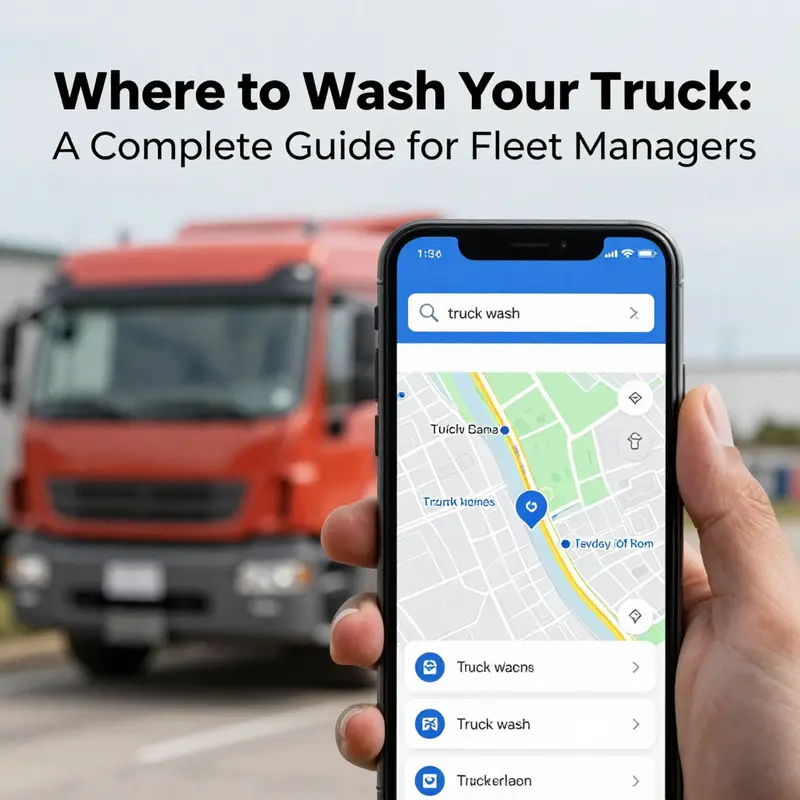
When a long haul stretches your truck across miles of highway, the next clean window on the day becomes more than a vanity stop. It’s a practical checkpoint that can cut downtime, protect the vehicle’s finish, and keep your operation running smoothly. Digital maps have turned this routine necessity into a precise, time-saving part of route planning. With a few taps, you can scan a landscape of options, compare reviews, verify hours, and plot a course that minimizes backtracking. The process isn’t about a single click. It’s about reading live data, filtering for the right kind of wash service, and choosing a facility that fits the rig you’re driving at that moment. From the first search to the moment you roll away, the map becomes a companion in fleet reliability rather than a mere utility on the dashboard. This is not about chasing the nearest wash by distance alone. It’s about finding a place that can actually handle a large vehicle, with the right hours and the right kind of wash for your needs, whether you’re slowed by a rainstorm, clocking precious hours of rest, or chasing a strict delivery window.
Google Maps and Apple Maps have become the two most common gateways to this information, and they work well together because they leverage live data from users, business owners, and the communities that rely on these services daily. In practice, a driver starts by opening the app, ensuring location services are enabled, and typing in a few simple terms: truck wash, commercial car wash, or large-vehicle wash. The search returns a curated array of options, each pinned to a precise location. From there, you can click into a listing and read what others have said. The reviews reveal more than just a star rating; they reveal patterns—whether a place handles oversized rigs, whether the bays are clean and functional, whether attendants understand the needs of a driver who arrives with a rolling toolbox and a full tank, and whether the facility respects your schedule. Photos help to mitigate uncertainty. A quick glance at the bay layout, the presence of high enough doorways, and the overall condition of the wash area can save a lot of time once your wheels are in view.
The practical value of these apps is most evident when you’re juggling multiple constraints. A wash that charges a premium but saves you an hour of downtime can be worth it if your schedule is tight. Conversely, a lower price point can be appealing, yet if the bays are undersized or the wash stalls are always occupied, you end up spending more time circling the lot or making detours. This is where the filtering tools built into the apps become indispensable. Open now is a common filter that aligns with the realities of hauling: you might be finishing a delivery late at night, or you might be pulled into the next city after a shift change. A 24-hour wash can be a lifesaver for teams that operate across different time zones or that must respect strict rest periods while keeping maintenance on the schedule. Other filters—such as wet wash versus dry wash, or even a preference for touchless or traditional soap-and-brush methods—let drivers tailor the experience to the truck’s current needs. In a landscape that emphasizes efficiency, having that level of choice matters as much as the proximity itself.
As you scan results, you’ll notice a few practical cues beyond the hours and price. Bay width and height become visible in some listings, especially when the description area is thorough. The last thing a driver wants is to pull into a stall that can’t accommodate a 14-foot cab height or a trailer with a tall air dam. If the bay dimensions aren’t listed, a quick call to the facility can save wasteful trips. The map’s click-to-call feature streamlines that step, letting you confirm size restrictions, payment methods, and whether the wash can handle the kind of grime that builds up on heavy equipment. For fleets, a plan that includes a handful of trusted washes along different corridors can prevent breakdowns in service if one location experiences peak traffic or weather-related closures. In those moments, having a known, reliable option that appears clearly in your map keeps the operation flowing rather than grinding to a halt.
To maximize reliability, it pays to cross-reference between maps. Apple Maps often presents a dense set of details for nearby facilities, including phone numbers and hours, while Google Maps tends to showcase a broader palette of user-generated photos and reviews. If you’re planning a leg that moves across state lines or through metropolitan corridors, checking both apps can surface small but meaningful differences—such as a facility that recently updated its hours, or a location that added an express lane for big rigs. In some circumstances, dedicated vehicle-service apps or fleet management tools offer enhanced filters designed for heavy-duty operations. They can reveal who’s open now, who offers 24-hour access, or who provides specific services—such as a self-serve bay for high-mileage drivers who want to control the wash process themselves. These filters provide a sharper lens for the realities of trucking, where time is money and every minute counts when a schedule demands precision.
The value of a map-driven approach isn’t simply in locating a wash; it’s in building confidence for what happens next. Once a few promising options are identified, the driver can compare distances against fuel stops, weigh the value of one option’s open hours against another’s proximity, and select a stop that aligns with the immediate logistics of the route. The navigation feature, integrated or linked, then becomes a critical companion. It doesn’t merely point the way; it coaches the journey, guiding you to the entrance, through any required security checks, and toward a stall that fits the truck’s dimensions. When a wash offers clear, up-to-date signage about lane assignments, payment methods, and the expected duration of the wash cycle, it minimizes the mental overhead that can accumulate during a long drive. Clear signage, predictable throughput, and a reasonable turnaround time become as important as cleanliness itself in determining whether a given wash is a good fit for the fleet today.
This is where the social signal of reviews becomes more than a ritual. On the road, a bad wash experience can throw a planned delivery into disarray. A few consistent patterns in reviews—praise for quick service, gratitude for a well-lit lot that improves safety during late-night visits, or notes about helpful attendants who understand the needs of big vehicles—are as informative as the facility’s stated capabilities. In practical terms, a driver learns to value facilities that emphasize transparency: clear pricing, posted service options, and visible safety practices. The best truck washes aren’t just clean; they’re predictable. They provide a dependable routine for fleets that move with the cadence of a schedule. As you accumulate experiences across different routes, these digital maps become your personal library of reliable stops. A single tap on your preferred map can retrieve last-used wash options, making repeat stops quicker and more consistent, which is essential for fleet management where time and predictability translate into reliable on-time deliveries.
In some regions, the density of truck washes is higher, allowing for easier decision-making on the fly. In others, you might need to plan a stop well in advance. The digital map ecosystem supports both. It can reveal a cluster of facilities near a major highway exchange, suggest a practical detour through a service plaza with a compatible wash, or recommend a 24-hour option that makes sense if your clock runs outside standard business hours. The key is to view the map as a planning tool rather than a one-off lookup. When you carry that mindset, each wash stop becomes a well-considered node in a larger logistics network, contributing to vehicle care, driver welfare, and fuel-time optimization. And for drivers who work within a fleet framework, the ability to document your wash visit in a shared log—whether through the app itself or through fleet software—adds a layer of traceability and accountability that improves overall fleet health.
To connect this practice with broader fleet knowledge, consider a resource that examines how people manage fleets with a people-centric approach to growth and maintenance. For deeper fleet-management perspectives, see Scott Smithler: Veteran Fleet Owner Community Builder. This perspective emphasizes how routine maintenance stops, including washes, intersect with long-term fleet performance and crew engagement. Scott Smithler: Veteran Fleet Owner Community Builder.
As with any tool, there is no single correct method. The map is a guide, not a guarantee. It tells you what exists and what others think about those options. It helps you anticipate issues before you arrive and shapes contingency planning for the unexpected. The most dependable approach combines map-driven discovery with a small repertoire of pre-identified, trustworthy wash locations along your most frequently traveled corridors. By repeating this process, you’ll reduce the cognitive load at the moment you pull into a yard, and you’ll free up mental bandwidth to focus on safety, equipment integrity, and timely communication with dispatch. In the end, a driver’s effectiveness is not only about what’s behind the wheel; it’s also about how smartly you use the digital tools at your disposal to protect the vehicle, honor the schedule, and keep the wheels turning.
External resource for broader context on navigation and vehicle service stops: https://www.google.com/maps/place/%E6%B8%A9%E5%B7%9E%E6%81%90%E5%BF%83%E8%87%AA%E5%8A%A9%E6%B4%A9%E8%BD%A6%E5%9C%BA/
Finding the Right Truck Wash Near Me: A Fleet Manager’s Guide to Service Types and Smart Local Choices
When a truck rolls out of a long haul bearing a coat of dust and road grime, the decision about where to wash it becomes more than a quick rinse. For fleets and owner operators alike, the washing choice is a balance of time, cost, and the kind of clean that your customers and regulatory partners expect. The modern route to discovery begins with a map app. Open a map, type in truck wash or commercial vehicle wash, and you will see a landscape of options. The results come with reviews, hours, and directions; they also offer clues about what each facility specializes in and how they handle large vehicles. As you scan the list, a few patterns emerge that help you separate the incidental wash from the service that truly fits your needs. You may find facilities that can handle a big exterior scrub with a quick interior wipe, others that offer full interior detailing, and some that arrive at your site with the same gear and a plan tailored to the job at hand. This approach works whether you are refreshing a single daily driver or coordinating a fleet that keeps a dozen trucks on the road every week. The proximity of a wash bay is essential, but the service profile is equally important, especially for fleets that must maintain hygiene standards, operator comfort, or regulatory compliance. In practice, the search structure becomes the backbone of a cleaner, more efficient operation: you map the options, then you measure each against what your trucks demand and what your team can manage in terms of downtime and budget.
One of the most useful frameworks is to understand the four broad categories of truck wash services that commonly appear near most major corridors and regional hubs. First is the full service truck wash. This is the comprehensive option that couples exterior washing with interior detailing. The exterior wash is usually robust, with an option for wax or a sealant that adds protection against road films and weathering. The interior side often includes a thorough vacuum, dashboard wipe down, and a careful interior sanitize that helps keep dust, allergens, and odors at bay. For businesses that meet clients in the field or sell a polished image to new customers, the full service option is appealing because it acts as a one stop shop for vehicle appearance and driver comfort. It is also a strong value proposition for those who plan on reselling or leasing their trucks, as a well maintained interior can lift perceived value.
The second category is the mobile truck wash. This service brings the cleaning crew to your location, a factor that saves travel time and reduces the downtime of a vehicle in your schedule. Mobile washing is particularly appealing for fleets that run rugged routes or operate in urban environments where moving the vehicle is a hassle. It is also a practical choice for fleets that need to keep vehicles on the road or in a customer-facing role while maintaining hygiene standards between visits to fixed facilities. The equipment used by mobile teams, including foam brushes and foam cannons, blends detergent, water, and air to create a thick, clingy foam. That foam attaches to the dirt, lifts it from the surface, and allows for a gentle rinse that preserves paint. The advantage here is convenience; the drawback is that the level of clean and the scope of service can vary depending on the bay size, the truck’s condition, and the time allocated for the visit. It is ideal for quick refreshes or for maintenance between more thorough cleans.
A third category is the professional fleet and tanker cleaning service. This is a specialized solution designed for certain vehicle types where cross-contamination and load integrity are critical concerns. Tankers and certain bulk carriers require dedicated cleaning protocols to avoid cross-contact of residues between loads. In these settings, the service goes beyond a simple wash to include inside and outside cleaning with attention to load-specific cleanliness. Real-time oversight may be provided through dashboards, and weekly or monthly reports can be generated for compliance and auditing purposes. Payment is often handled via regular invoicing, which helps fleet managers integrate cleaning into budgeting cycles and procurement workflows. The importance of this category lies in industries that must comply with strict standards such as food safety, chemical handling, or pharmaceutical manufacturing. In those contexts, a professionally managed cleaning program is not merely cosmetic; it is part of the operational control system that protects product integrity and regulatory standing.
The fourth category is the quick-refresh or routine maintenance wash. This is a lighter touch that keeps a truck looking respectable between deeper cleans. It typically focuses on exterior wash and a quick interior wipe or vacuum, prioritizing speed and cost performance. For fleets with high mileage, or drivers who spend long days on the road, these brief cleans are essential to maintain professional appearance and hygiene without significant downtime. The quick option is a practical tool in a broader maintenance strategy, allowing more time for full service washes at scheduled intervals or as required by contract terms with customers and regulators.
To determine the best option near you, start with the practical question of what the fleet demands on a weekly or monthly basis. A full-service wash brings substantial value if trucks regularly meet clients in person or if the vehicle’s interior must be ready for long-haul or multi-shift use. The interior cleaning can improve driver morale and health, a factor that echoes into performance and safety. For fleets that operate in remote areas or must limit downtime, a mobile wash can reduce the time vehicles spend out of service and reduce the logistical overhead of moving a big rig to a fixed location. When dispatch nodes require exacting cleanliness and cross-contamination control, the specialized fleet and tanker cleaning option becomes not only desirable but necessary. Finally, for vehicles that endure frequent exposure to weather and road grime, the quick-refresh wash acts as a reliable maintenance partner, keeping appearance and hygiene at a level where more thorough services can be scheduled without delay.
Finding services near you is as much about the process as it is about the wash itself. Digital tools and map apps offer more than a list of addresses. They present a narrative of a service ecosystem: opening hours, contact options, user feedback, and often a sense of the facility’s capacity to handle large vehicles. Many modern car wash venues now accommodate trucks, SUVs, and vans, and some will advertise their ability to handle longer wheelbases or double-trailer configurations. When you search for truck wash near your current location, filter by distance to reduce travel time and by hours to ensure you can fit a wash into a busy schedule. Read through recent reviews with a goal of spotting patterns about facility readiness, staff professionalism, and the consistency of the exterior and interior work. Look for notes about bay size, water disposal or recycling practices, and any mention of standard cleaning procedures that align with your fleet’s requirements. If a facility notes that it can tailor a service to the load type you carry, that is a signal to consider it for a more formal cleaning plan.
For fleets that operate under regulated conditions or that must document cleaning as part of a broader quality assurance program, the idea of standardized cleaning protocols becomes more than a preference. A connected approach to washing involves documented procedures, consistent checklists, and the ability to verify the work performed. The concept of fleet standardization and emergency response is a valuable frame of reference for leaders who want their cleaning to integrate with other safety and compliance measures. If you are exploring this deeper topic, you can explore related resources that discuss standardization and emergency planning for fleet operations in more detail. fleet-standardization-emergency-response This link is a gateway to a framework that helps align cleaning with broader fleet governance, ensuring that every wash is part of a repeatable, auditable process rather than a one-off service.
No single wash category will fit every driver or every route, and that truth makes preparation essential. Before you go, prepare a compact checklist. Confirm bay access for the truck’s length and height. Check whether the facility can accommodate any special equipment or loads you carry, such as hazardous materials or oversized configurations. Consider whether the interior cleaning is included or optional, and whether the interior service covers sanitization, upholstery protection, and odor control. If you rely on a maintenance window between dispatches, calculate the maximum minutes you can spare for a wash and align that with the expected time of service. When it comes to cost, estimate not just the per-vehicle price but the overall impact on productivity and the subsequent availability of drivers. A full-service wash can offer a high return on investment if it reduces downtime, extends the life of interior components, and contributes to driver well-being. A mobile wash choices trading off some depth for speed can be ideal for a fleet with tight schedules and geographic coverage that would otherwise impose multiple layovers.
In practice, the decision often resembles a risk-balanced equation. You weigh the risk of vehicle downtime against the risk of delivering a dirty, unprepared asset to a customer or a loading dock. You balance the risk of paint and trim damage from aggressive scrubbing against the need to remove road grime and contaminants that could expedite corrosion or degrade visibility. You consider the risk of cross-contamination when transporting different loads, especially in industries with high hygiene or safety expectations. The right answer emerges when the service profile aligns with the load profile, the schedule, and the fleet’s broader governance framework. It is not simply about finding a wash that is nearby; it is about selecting a partner that understands the vehicle’s function, the driver’s needs, and the stakes attached to the vehicle’s cleanliness and readiness.
To navigate this landscape effectively, you can rely on a practical pattern: locate nearby facilities using a map app, review the services they advertise, and check whether they routinely handle large vessels and interior detailing. Look for facilities that clearly describe exterior wash with optional wax, interior detailing, or specialized cleaning for tanks, silos, or other specialized equipment. Ask about queue times, appointment options, and whether you can purchase a block of service hours or set up a recurring schedule. In many fleets, a standing agreement with a nearby facility or a preferred provider ensures predictability in cost, quality, and downtime. It also supports easier reporting and budgeting, which can be crucial for a fleet’s monthly statements and audits.
If you are uncertain about the precise service mix, a practical rule is to start with a basic exterior wash complemented by a quick interior refresh, then layer on additional options as needed. A routine maintenance wash keeps trucks looking professional and can serve as a catalyst for scheduling more thorough cleans at a time that minimizes disruption. For vehicles with special cleaning needs, a specialized fleet and tanker cleaning service is the most reliable route, delivering the discipline and traceability required to meet industry standards and customer expectations. The key is to treat the wash as a modular capability rather than a single event. A fleet manager benefits from a small portfolio of service types that can be deployed across routes and seasons, maximizing both hygienic outcomes and asset longevity.
For readers who want to anchor this guidance in a broader sense of fleet cleanliness, consider how the process integrates with other maintenance workflows. Cleaning is not an isolated practice; it complements and reinforces preventive maintenance, cab hygiene, paint preservation, and load integrity. A well-chosen wash service can extend the life of interior materials, reduce wear from abrasive dust, and help maintain visibility by keeping glass and lights clear. It also demonstrates a professional standard to customers who value reliability and a well-presented fleet. When drivers see consistent cleaning routines, it bolsters morale and encourages careful scheduling to ensure the vehicles stay in peak condition. The overall effect is a more dependable operation with fewer last-minute delays and a clearer path to compliance and quality assurance for the fleet as a whole.
To close this overview, remember that the search for a wash near you benefits from a steady, informed approach. Begin with a map search using the terms truck wash or commercial vehicle wash, then read the operational details and review notes. Prioritize facilities that offer the service mix you need, whether that means full service interior work, mobile care at your doorstep, or specialized cleaning for sanitation and load integrity. Probe bay dimensions and scheduling options to minimize downtime. Weigh the cost against the potential gains in driver comfort, asset longevity, and regulatory alignment. And when the situation calls for it, lean on a framework that connects cleaning to broader fleet governance. A well chosen partner in the wash bay can become a regular part of your fleet’s performance engine, not merely a roadside task.
External resource for additional context on cleaning standards and regulatory considerations is provided at the end of this chapter for readers who want to explore hygiene and compliance frameworks in more depth. For official guidelines and structured best practices related to cleaning and load integrity, you can consult widely recognized sources that outline hazard analysis critical control point approaches and related safety controls.
External resource: https://www.fda.gov/food/haccp/hazard-analysis-critical-control-point-haccp-guidelines
null
null
Shine, Safety, and Savings: The Benefits of Regular Truck Washing and Maintenance for Every Route
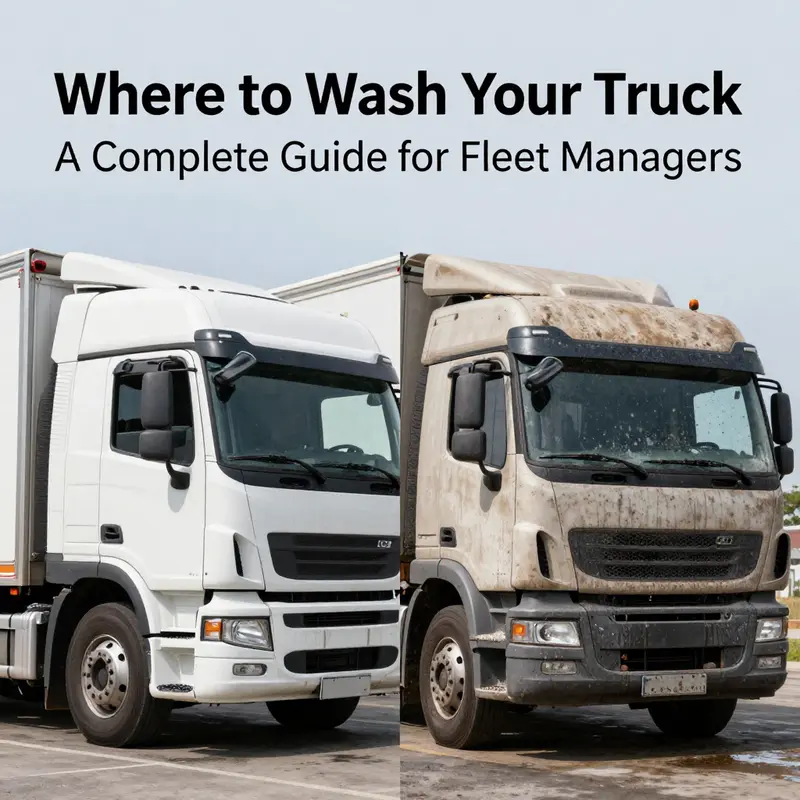
A clean truck is more than a gleaming asset in a fleet’s photos. It is a working tool that keeps routes efficient, safety intact, and costs predictable. Regular washing and maintenance are strategic practices that protect investment, extend vehicle life, and keep drivers on the road. They help prevent issues caused by dirt, salt, and road grime, which can be abrasive and accelerate corrosion. Washing combined with inspections makes it easier to spot potential failures before they result in breakdowns.
Performance benefits include reduced aerodynamic drag, better cooling, and optimal operating temperatures when grime is removed. Safety improves as lights, reflectors, and mirrors remain unobstructed, while compliance with cleanliness and equipment standards becomes routine rather than reactive. Cost savings arise from catching minor issues early, reducing downtime, and integrating wash facilities into a maintenance workflow. Modern wash bays can process multiple trucks efficiently, keeping fleets cleaner with minimal schedule disruption.
Choosing where to wash a truck is as important as how often to do it. Fleet managers consider location convenience, bay size, service offerings like undercarriage washing, and compatibility with route schedules. Facilities that accommodate large rigs and offer specialized cleaning services help reduce detours and maintain availability. Different operations have varying needs based on routes and environments; some prefer self-serve bays for quick cleans, while others use full-service centers for tough grime.
Effective cleaning strategies match wash type and timing to the conditions a truck faces, such as more frequent undercarriage rinses during winter or thorough washes after heavy urban routes. Decisions about washing should align with maintenance schedules, maximizing efficiency. Specialized methods for removing grease and tar reduce labor and keep trucks in service longer.
Ultimately, regular washing and maintenance preserve assets, protect operators, and enhance operational reliability. Selecting well-equipped wash stations and integrating them into route planning turns cleanliness into a strategic advantage. For practical cleaning methods, refer to proven strategies for cleaning grease and tar off trucks fast: https://tripleatruckwash.com/proven-strategies-for-cleaning-grease-and-tar-off-your-trucks-fast/. For broader maintenance insights, see: https://www.transwest.com/blog/regular-truck-maintenance-schedule-benefits.
Final thoughts
Understanding where to wash your truck is essential for fleet efficiency and upkeep. Utilizing digital tools provides quick access to nearby services, ensuring options fit various washing needs and budgets. Regular washing not only enhances aesthetics but also prolongs vehicle life and maintains compliance with cleanliness standards in logistics and construction sectors. By prioritizing these practices, fleet managers can significantly contribute to operational effectiveness and brand reputation.