
Maintaining a clean and polished truck is essential for logistics and transportation efficiency, especially for fleet managers and operators in the trucking and construction industries. Regular washing and waxing not only ensure your trucks look professional but also prolong their lifespan and improve compliance with industry standards. This guide explores five effective solutions for getting your trucks washed and waxed locally—from dedicated commercial truck wash facilities to mobile services and auto detailing shops—each segment will provide insights into the best practices for keeping your fleet in top condition.
Commercial Truck Wash Facilities: Locating Local Solutions for Washing and Waxing Your Truck
Finding a reliable place to wash and wax a truck locally is more than a matter of convenience; it is a strategic choice that can extend the life of your fleet’s finish and keep downtime to a minimum. Commercial truck wash facilities have evolved well beyond simple soap and rinse bays. Today, many hubs rely on automated, drive-through systems that blend speed with care, delivering a consistent finish while safeguarding paint and undercarriage components. The most common setups are designed to handle large vehicles and heavy road grime, offering a balance between aggressive cleaning power and gentleness on sensitive surfaces. The beauty of these facilities lies in their throughput: fleets can show up, move through the wash cycle, and exit with a polished exterior in a fraction of the time it used to take. In practice, this means you can schedule a wash during a lunch break or between deliveries, minimizing disruption to your daily operations while ensuring a professional look for your fleet.
When you step into a modern commercial truck wash facility, you will encounter a sequence of automated stages that work together to deliver a thorough yet paint-safe result. Most systems begin with a pre-soak to loosen stubborn dirt, followed by a high-pressure wash that uses detergents formulated for heavy-duty contamination typical of highway travel and urban grime. A foam or brush stage can apply a wax-like layer or sealant, which helps shed water and resist future staining. Finally, a drying phase uses powerful air jets to remove moisture quickly, reducing the chance of water spotting and minimizing the need for manual towel work. The emphasis on automation isn’t about replacing human care; it’s about providing a consistent baseline finish that can be enhanced by manual detailing if desired. For owners who manage fleets, this consistency matters: you know what your trucks will look like after a routine visit, which improves fleet image and resale value over time.
Eco-conscious practices have become a selling point for premier facilities. Modern operators increasingly adopt biodegradable detergents and closed-loop water reclamation systems that reduce runoff and conserve capacity at the plant. Energy-efficient air movers and recycled-dryers speed up the process while cutting down on energy use. For fleets with regular cleaning schedules, some centers offer subscription-based maintenance programs. These plans bundle a series of washes and basic waxing at predictable intervals, simplifying budgeting and enabling you to lock in favorable rates as your usage grows. The drive-through design itself is a key efficiency driver. With a well-designed lane layout and clear traffic flow, even a full wash-and-w wax cycle can wrap in under ten minutes, which is particularly valuable for fleets running tight timetables.
Yet speed should never compromise the ability to tailor services to your vehicle. Heavy-duty trucks can present unique challenges, including larger wheel wells, exposed chrome, and off-road grime that hides in undercarriage valleys. The best commercial facilities are equipped to handle these realities. They may include pre-rinse stations for vehicles that emerge from construction sites or rural roads, followed by more robust rinses and targeted cleaning of wheels and brakes. If your truck has built-up grease, tar, or road film, you’ll want to confirm that the facility can extend the cleaning cycle or perform a focused treatment, either as part of a premium wash or as an add-on service. For fleets that operate across varied geographies, it is worth asking whether the facility also offers on-site detailing for mobile or on-site work. While not every location provides this, having a partner who can mobilize a crew to your yard or fuel depot is a significant convenience when downtime matters as much as finish quality.
Location and service scope go hand in hand with the specifics of your vehicle and your operational needs. A simple test is to verify whether a chosen facility can handle your truck’s size, configuration, and load. Some centers are optimized for semi-trucks and long-haul configurations, while others are better suited to lighter commercial vehicles or mixed fleets. If you operate in a city with tight lanes or variable weather, you may encounter a pre-rinse requirement for extremely dirty or off-road rigs. In some markets, facilities maintain mobile detailing units that can visit your site at a scheduled interval, offering an appealing hybrid of on-site convenience and professional finish. When you are evaluating options, consider not only the raw wash time but also the overall value—the quality of the wax or sealant, the thoroughness of the dry phase, and the potential for additional services like interior detailing, engine bay cleaning, or bumper-to-bumper shine. These add-ons can provide a comprehensive fleet appearance overhaul without pulling trucks from service for extended periods.
Finding the right commercial truck wash near you often starts with clear search terms and local maps, but it benefits from a disciplined comparison of service scope and reliability. Look for facilities that emphasize automated touchless or low-contact cleaning, as these options reduce the risk of surface scratches and paint damage, a concern for fleets investing in long-term aesthetic and resale value. A practical approach is to identify several nearby centers and compare three core dimensions: throughput speed, scope of waxing and protective coatings, and the capacity to handle your typical load. Fleet managers should also assess whether the facility offers drive-through capability, whether they provide an express wash option for quick-turn visits, and whether they publish consistent pricing that reflects wash complexity and service level. For teams that rely on regular maintenance, subscribing to a predictable schedule can simplify operations. This approach not only streamlines budgeting but also helps maximize uptime by guaranteeing a recurring, trusted partner for exterior upkeep.
In the broader ecosystem of fleet maintenance, commercial wash facilities serve as a critical touchpoint. A clean exterior is more than cosmetic; it is part of a broader preventive strategy that reduces drag, helps with lighting reflectivity, and signals professionalism to customers and partners. Consistency matters. When your trucks roll into a facility that adheres to standardized processes, your drivers experience fewer surprises, and your fleet manager gains confidence that the wash won’t become a bottleneck in the day’s schedule. The interplay between washing, waxing, and maintenance planning is where a lot of value lies. A well-chosen facility can be part of a more extensive program that includes regular waxing, rust mitigation strategies for undercarriage components, and alignment with emissions and environmental-regulations considerations—areas where some operations publish compliance updates and performance metrics. For readers seeking an integrated view on how professional wash operations align with fleet management, a related resource on facility management for truck wash businesses offers practical guidance on coordinating workflows, staffing, and throughput to maximize reliability across a fleet. facility management for truck wash businesses
When you map your local options, an important courtesy is to verify that the facility can accommodate your unique needs. If you manage a small or mid-size fleet, a mobile detailing alternative can be attractive, especially for at-hub servicing or at a central depot. If you manage larger operations or longer routes, a dedicated, in-house wash facility that can handle multiple bays and drive-through lanes may offer greater predictability. Regardless of format, the aim is to secure a partner that can deliver two consistent outcomes: the exterior finish you expect and the logistical reliability you require. That means clear communication about timing, vehicle access, and any preparatory steps you must take before arrival, such as removing oversized antennas or ensuring adequate space for drying fans in your facility yard.
For readers who want to expand their understanding beyond the local options and explore the technical underpinnings of automatic truck wash systems, an external resource provides a comprehensive overview of grades, properties, and engineering applications. This deeper dive can help fleet managers grasp why certain wash configurations perform better on specific surfaces and how to interpret the promises offered by different facilities. You can find that detailed guide here: https://www.carinterior.com/find-truck-wash-near-me. The study of these systems informs better decision-making and helps you advocate for the right mix of speed, safety, and surface protection when selecting a local partner.
Shine at Your Site: How Local Mobile Truck Wash Services Bring Wash and Wax Direct to Your Fleet
When a fleet manager or independent contractor asks where to get a truck washed and waxed locally, the answer is no longer limited to fixed-location bays and idle time spent driving to a wash. The rise of mobile truck wash services has reshaped the traditional timetable of maintenance, turning a chore into a scheduled, on-site routine. These services arrive at your depot, rest stop, or terminal with portable gear and trained staff who can perform exterior washes and waxing without you having to move a single axle. The convenience is more than a time-saver; it’s a way to keep a fleet looking sharp while maintaining its value and protecting its paint over the long haul. For operators who juggle tight schedules, this model aligns with a disciplined maintenance calendar, turning a once-infrequent touch-up into a regular, proactive practice that fits around the cycle of freight moves and loading windows.
Mobile truck wash offerings span a broad spectrum. At the simplest level, you can expect an exterior spray to remove road grime, dust, and light staining. On the more comprehensive end, a crew can include wheel and tire cleaning, undercarriage rinsing, and targeted detailing that brings the truck’s exterior to a showroom-like finish. Waxing, when included, provides a protective layer that helps repel water and contaminants, slows oxidation, and enhances gloss. The timing and depth of service depend on the vehicle’s exposure, paint condition, and a customer’s goals. A fleet that runs through dusty corridors or high-salt routes will benefit from a more thorough schedule, whereas a single-vehicle owner might opt for periodic touch-ups that preserve finish without interrupting daily operations.
The operation behind mobile washes is as important as the service itself. Modern mobile units bring professional-grade washing equipment—high-pressure, low-damage spray systems, integrated rinse and rinse-down capabilities, and water containment measures—directly to the vehicle. Some teams use compact, high-efficiency water systems that dramatically cut throughput time. Others employ steam or gentle agitation to loosen stubborn grime without harming paint, followed by clean, even wax application with attention to uniform coverage. In every case, the goal is a finish that looks clean and lasts longer, not just a quick rinse. The wax or sealant applied at the end adds a protective film that helps resist rain, road salts, and environmental pollutants, preserving color depth and clarity while simplifying maintenance in the weeks ahead.
Sustainability is not an afterthought in this space. Eco-conscious operators increasingly demand water-conserving approaches. Many mobile outfits use systems that claim up to 80 percent less water than traditional washes by recycling, capturing, and reusing rinse water where feasible. They favor biodegradable cleaning agents that minimize toxic runoff and support compliance with local environmental regulations. This combination of water efficiency and safer cleaning solutions appeals to corporate clients who themselves prioritize green practices in supplier selection. It also matters to operators who want to project a responsible image to customers and stakeholders while keeping maintenance costs predictable.
Flexibility defines the practical appeal of on-site washing and waxing. Some providers offer subscription-based maintenance plans that nest neatly into a fleet’s budgeting cycle. Others operate on an on-demand schedule, able to slot in between loading and unloading windows or during long idle periods. The convenience of this model is real: you coordinate a visit, and the team arrives with the right mix of equipment and products to complete the job. Heavily soiled trucks may require longer sessions or multiple passes, and experienced crews will communicate expectations and timeframes up front to minimize downtime. This transparency helps avoid surprises and keeps the rest of the day’s operations on track.
From a fleet-management perspective, the move to mobile service has several practical benefits beyond cleanliness and protection. Reducing downtime is a significant asset. If a truck can be serviced at the depot instead of being towed or driven to a distant wash, the mission-critical flow of freight continues with less interruption. Space at the yard matters, too; a mobile crew can operate in a designated area away from loading bays, keeping traffic flowing smoothly for drivers and dockworkers alike. For operators who want to optimize maintenance workflows, integrating wash visits into a preventive maintenance calendar makes sense. This is where the value of knowledge-sharing comes into play. For operators looking to optimize wash operations, see facility management for truck wash businesses.
Choosing the right mobile service requires a balance of price, capability, and reliability. It’s sensible to confirm what is included in a wash-and-wax package: whether the wax is a basic polymer sealant or a more durable coating, how many coats are applied, and whether additional detailing—such as cabin cleaning or interior conditioning—can be bundled. It’s also important to verify the crew’s credentials and insurance, especially for fleet operations where liability and safety are paramount. Some clients want to see a brief pre-service assessment that notes paint condition, any existing defects, and areas that require particular care, such as chrome accents, decals, or rubber seals. Clear communication about expectations up front prevents misunderstandings and protects the long-term appearance of the vehicle.
The practicalities of locating a local mobile provider are straightforward but deserve a moment of planning. Start with a simple search for terms like truck wash and wax near me or mobile truck detail service in your city. Then consult maps, review sites, and portfolios to gauge availability, responsiveness, and consistency. Because you’re evaluating a service that comes to your site, choose partners that can commit to punctual arrivals and predictable lead times, especially during peak seasons when fleets scale up for seasonal service demand. A good mobile operator will tailor visits to your schedule, offer flexible durations, and provide a clear invoice reflecting labor, materials, and any add-ons. Finally, ask for references from other fleets with a similar profile to yours. Real-world feedback is the most reliable gauge of whether a provider can maintain your trucks’ appearance across a demanding route network.
As you weigh options, consider how the on-site wash integrates with broader maintenance practices. The environmental, time-saving, and cosmetic benefits should align with your company’s standards for vehicle appearance and asset protection. The decision isn’t merely about whether a truck can be cleaned at the dock; it’s about whether a mobile service can deliver consistent results with minimal disruption to daily operations. When the right crew arrives, your fleet looks the part and performs at its best—shine that translates into professional image and longer paint life. For operators looking to optimize wash operations, see facility management for truck wash businesses. This reference can help you structure a maintenance plan that treats washing and waxing as a scheduled, repeatable process rather than an ad hoc task.
This approach also invites a broader perspective on the science of washing systems themselves. An external resource provides a deeper technical look at how modern automatic truck washes—whether fixed-location or mobile—engineer the interaction between water, detergents, and abrasive action to achieve effective cleaning without compromising finishes. By understanding the grading, properties, and engineering applications of these systems, you can better communicate with providers about your needs and expectations, ensuring that wax finishes and protective coatings are applied in ways that maximize durability and value. For a broader look at how automatic truck wash systems operate, see the external resource linked at the end of this chapter.
In practice, the choice between mobile and stationary options often comes down to a combination of fleet size, schedule rigidity, and environmental priorities. Small fleets or independent operators may find mobile services particularly attractive because they eliminate travel time and can be slotted between shifts. Larger fleets with fixed maintenance yards may prefer a hybrid approach, pairing on-site, regular washes with periodic visits to a traditional facility for deeper detailing or coating refreshes. The key is consistency: a predictable cadence of washing and waxing that keeps trucks looking formidable and maintains metal and paint integrity across thousands of miles of exposure. When you strike the right balance, every vehicle in the lineup contributes to a professional image and a durable, resale-friendly finish, and the job of keeping that finish pristine becomes a core, routine part of fleet success.
External resource: Understanding Automatic Truck Wash: Grades, Properties, and Engineering Applications
Beyond the Suds: Auto Detailing Shops as Comprehensive Care for Your Locally Washed and Waxed Truck
When a truck rolls into a local wash and wax, the immediate goal is clear: clean the exterior and restore some gloss. But a true finish—one that protects value and stands up to highway grime, sun, and industrial dust—often requires a deeper, more deliberate approach. This is where auto detailing shops step in, offering comprehensive care that goes well beyond a gleaming surface. A professional detailing session treats your truck as a system of surfaces that interact with the road, the elements, and your daily routine. The result is not just a brighter paint job, but layers of protection, targeted restoration, and interior care that together preserve what you’ve invested in your vehicle over time.
The core of detailing rests on a purposeful sequence of surface preparation, correction, protection, and upkeep. It begins with an assessment—an experienced eye scanning the paint for embedded contaminants, micro-marring, dull spots, and areas where wax or sealant has begun to fail. The prep stage is where experts address issues that a run through a standard wash can miss. A clay bar or clay mitt is used with a lubricating compound to lift embedded particles from the paint surface. These contaminants—often parked unseen in the clear coat—cannot be fully removed by soap and water alone. Removing them matters because every microscopic particle left behind can contribute to a chalky feel, hinder light reflection, and set the stage for faster dulling or new marring.
Following decontamination, paint correction takes center stage. Depending on the level of imperfection, technicians use a sequence of progressively finer compounds and polishing pads to reduce swirl marks, light scratches, and hazing. This step is where the truck’s color truly wakes up, revealing depth and clarity that a basic wash cannot achieve. The process is meticulous, not rushed, and it requires an observer’s patience; a good detailer will transition from heavy cuts to finer cuts, then to a finishing polish that makes the surface slick and reflective. The goal isn’t to erase every tiny trace of history from the paint but to restore the best possible finish without removing excessive material. When completed, the panels invite a new assessment—what the eye sees now is better light return, sharper reflections, and a surface ready for protection.
Protection comes next. After correction, shops typically apply a durable layer that guards the refreshed surface from future contamination and UV damage. There are several paths here. Sealants offer robust protection and relatively ease of use, while ceramic coatings create a harder, longer-lasting barrier that can resist chemical exposure and make future cleanings easier. The choice depends on your truck’s use, your climate, and how much maintenance you’re willing to perform between visits. Either way, the protective layer is more than cosmetic; it forms a shield that helps maintain the improved clarity and gloss achieved during correction. A thorough protective finish also makes subsequent cleans quicker and more effective, allowing you to lift stubborn grime with less effort over time.
Protection, of course, is only part of the story. A comprehensive detailing session extends to the interior and exterior, ensuring the truck’s whole environment is refreshed. Exterior attention includes wheels and tires, which receive dedicated cleaning and dressing to restore contrast and curb appeal. Trim pieces—rubber seals, plastic accents, and chrome or faux chrome—are treated to guard against fading and cracking. The wash routine itself on the exterior is more than a rinse; it often involves meticulous hand washing of panels where water spots and road film accumulate, followed by careful drying to prevent new marring. Inside, the focus expands beyond vacuuming. Upholstery and carpets are deep-cleaned, sometimes with hot-water extraction, to remove odors and stains. Leather or vinyl surfaces are conditioned, while dashboards and console surfaces receive cleaning and UV protection to keep colors from fading. Glass is cleaned with attention to streak-free clarity, improving visibility and the overall perceived quality of the finish.
For fleets and busy owners, timing and logistics matter as much as technique. A reputable detailing shop understands your schedule and can adapt—offering a single-session appointment that fits a lunch break or a longer, multi-hour turnaround when you’re away at a service stop. For larger vehicles, like many trucks, the availability of equipment matters. Shops with large lifts, advanced lighting, and a full range of polishing tools can manage long reach areas and high, hard-to-reach panels more effectively. Mobile detailing services answer the same call for convenience, arriving at your location with a compact, capable kit and a plan that mirrors the shop’s standard procedures. The choice between a stationary facility and a mobile service hinges on access, downtime, and vehicle size, yet both paths deliver the same end result: a level of finish that exceeds a routine wash and wax.
A skilled detailing session also introduces a learning moment. The right detailer will explain the why behind the steps: why clay decontaminates the surface, how paint correction reveals the true depth of color, why certain protection layers suit particular climates, and what maintenance steps you can perform between visits to sustain the work. This educational component helps you manage expectations and plan future care. It’s not merely about making the truck look good for a month; it’s about extending the time between major restoration steps and preserving resale value by maintaining paint integrity and interior condition.
From a fleet-management perspective, the decision to pursue professional detailing reflects a broader commitment to asset care. A well-detailed truck is less susceptible to accelerated wear, because contaminants are removed and protective layers minimize damage from sun and acids. It also means drivers encounter a cleaner, more comfortable cabin, which can influence morale and ride quality. The value of this care compounds over time: fewer nagging cosmetic issues, better visibility and safety, and a vehicle that can command a higher resale price when it’s finally time to upgrade. If your operations include multiple vehicles, you may find it worthwhile to establish a regular detailing cadence, balancing cost against long-term protection. And for those who manage multiple locations or fleets, there are established practices around coordinating detail schedules, assuring consistent service quality, and keeping records of treatments and outcomes—efforts that align with broader facility management strategies for truck wash operations. For more on this integration, you can explore resources focused on facility management for truck wash businesses: facility management for truck wash businesses.
Choosing a shop should be a considered process. Look for a facility with demonstrated experience handling large, commercial vehicles. Ask to see before-and-after photos or test sheets, if available, and request a written outline of the steps they plan to perform on your truck. Inquire about the products they use, the guarantees they offer on finishes, and the expected duration of the service. You should also confirm whether the shop provides a mobile option if you cannot spare yard space or if downtime needs to be minimized. A reputable operation will not pressure you into unnecessary services but will tailor the plan to the truck’s condition and your goals—whether you are aiming for a showroom gloss, enhanced protection against a harsh climate, or a pristine interior for long hauls. As you gather options, compare not only price but the perceived rigor of the process, the experience of the technicians, and the shop’s willingness to invest time in explaining the plan and results.
Ultimately, the route you choose—whether a mobile detailer who brings the expertise to your parking lot or a dedicated detailing facility that can dedicate a long block of time to your truck—should align with your schedule, the truck’s duty cycle, and the level of finish you want to achieve. The payoff is a vehicle that looks and feels closer to new, with a preserved surface and a maintained interior that can withstand repeated exposure to sun, road grime, and varying weather. It is the difference between a good wash and a lasting, curated care program that protects your investment day after day.
External resource for deeper context on wash-system technology: Understanding Automatic Truck Wash: Grades, Properties, and Engineering Applications. This resource delves into the technical underpinnings of wash systems, helping you appreciate how the machines behind the shine influence your results. https://www.washworld.com/blog/understanding-automatic-truck-wash-grades-properties-and-engineering-applications/
Hubs on the Highway: Gas Stations and Fleet Centers as the Frontline for Truck Wash and Wax
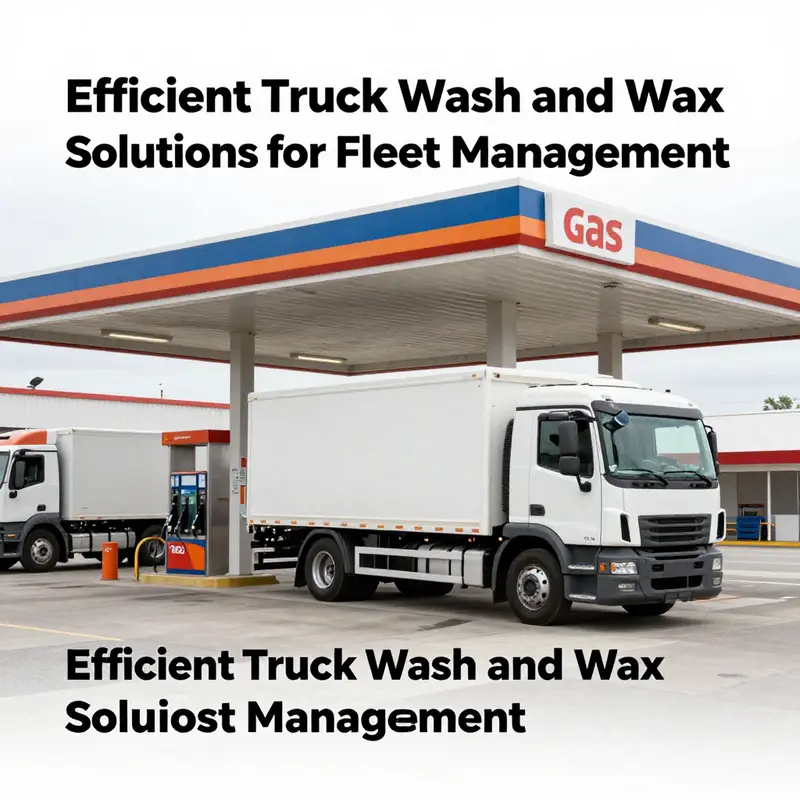
When a fleet travels a corridor, the maintenance touchpoints that matter most are often the places that also keep fuel flowing. Gas stations and fleet maintenance centers have quietly become one-stop hubs for truck care, where a routine wash can be paired with a protective wax and a quick detailing session without deviating far from the route. For operators managing dozens or hundreds of miles of daily movement, these locations offer more than convenience; they provide reliability in the maintenance cadence and reduce downtime that can complicate delivery windows and customer promises. The old image of a gas station as merely a refueling stop has shifted toward a broader service footprint designed to support the economics of a well-run fleet. In this context, a wash and wax at a familiar stop becomes not a luxury but a strategic routine that keeps equipment looking sharp and performing at peak levels between longer visits to a dedicated shop. The result is a smoother workflow, a more predictable maintenance cadence, and a straightforward way to extend the lifespan of paint and metal beneath the rig’s weathered exterior.
Modern facilities at these sites are engineered to handle the demands of large commercial vehicles. The wash bays are sized for semi-trailers, buses, and heavy delivery trucks, with lighting, drainage, and safety provisions tailored to high-volume use. Operators can choose between automated and touchless systems, depending on the fleet’s preference for agitation, contact, and potential paint wear. Automated brushes and high-pressure water jets deliver a rapid, thorough cleaning that strips away road grime, exhaust residue, and salt deposits that accumulate during winter operations. The best centers pair this with eco-conscious detergents and efficient water management, turning a standard stop into a responsible part of the fleet’s environmental footprint. The emphasis on speed is not about rushing a job; it’s about aligning the wash with the vehicle’s core mission—maximizing uptime while ensuring the exterior remains in a condition that reflects well on the fleet’s brand. The same logic applies to wax services, where a durable sealant or traditional wax is applied to shield the paint from UV rays, chemical exposure, and the constant assault of road moisture. Waxing at a fueling stop can seem like a small extra, but it creates a barrier that resists micro-scratches and spidering caused by debris kicked up on highways. For fleets operating through regions with heavy salt use in winter, the wax layer also reduces corrosion risk at vulnerable seams and undercarriage panels. The combination of wash and wax at a single point of contact helps fleets preserve resale value and maintain a professional appearance that supports client confidence, whether the truck is meeting a customer at a loading dock or arriving at a regional depot for a quick turnover.
The wash process itself is a careful balance between efficiency and quality. Most stations start with a pre-rinse that loosens grime—mud, grease, and the stubborn bits of roadway that cling to chrome and side panels. The next phase uses a calculated blend of detergents and water pressure to lift contaminants without compromising the integrity of seals and gaskets. In a fleet setting, the schedule is king. Trucks often arrive during a fuel stop that already fits into the driver’s route plan, so time management becomes a tangible part of the service: the vehicle is in and out within a predictable window, leaving enough buffer for a quick wax or a finish polish if the fleet demands it. Wax, when offered, is typically a rapid-sealant application or a light polishing cycle that can be completed within minutes and cured as the vehicle exits the bay. Some centers provide additional detailing options, such as engine bay cleaning or undercarriage wash, which can be particularly valuable for trucks that traverse dusty corridors or winter roadways. While not every stop will include every add-on, the option is there for fleets that want to maximize protection with minimal downtime.
The operational efficiency of these sites hinges on more than the speed of the wash. It rests on the integration of services with fueling routines, inventory control, and driver management. When a fleet is regularly routed through a particular chain of stations, the operator can leverage loyalty programs, volume pricing, and scheduled maintenance slots. A manager might coordinate a quarterly wax cycle with the same location that routinely handles tire pressure checks, air reservoir inspections, or coolant top-offs. This level of coordination reduces the number of separate stops a driver must make and can save hours per month in total downtime. It also creates an accountability loop: a vehicle that looks clean and polished is easier to inspect for minor paint chips or surface rust, and those issues can be flagged early before they escalate into more expensive repairs. The wraparound service model—fueling, wash, wax, and minor detailing—becomes a practical ecosystem within the fleet’s broader maintenance framework.
For operators wrestling with multi-site management, consolidating care at a single point of contact is more than convenience; it is a strategic asset. The concept of facility management for truck wash businesses, a practice that focuses on consistency, scheduling, and quality control across locations, becomes essential as fleets scale. This is where the value of a formal approach to maintenance becomes evident: standardized wash protocols, uniform wax applications, and consistent safety practices across sites create a predictable baseline for the entire fleet. It reduces variability, which in turn translates into more reliable maintenance outcomes and easier budgeting. The practical benefit extends to drivers as well. A routined stop at a familiar location minimizes the cognitive load on the operator, someone who already knows the lay of the land, the best bays to use during peak hours, and the quickest path to the cashier. The driver experience matters, and at well-run stations, it is designed to be straightforward and non-disruptive—a small but meaningful advantage when schedules are tight and every minute counts. For fleet managers who need to coordinate service across multiple trucks with different routes, the ability to book a wash and wax at a particular time and place simplifies dispatching and reduces last-minute scrambles, letting operations stay on plan.
Choosing the right site becomes a question of proximity, reliability, and the quality of the service mix offered. Proximity means less detour time, a critical factor for on-time delivery and predictable driver hours. Reliability comes from a track record of on-time service, clean facilities, and staff trained to handle large vehicles with the same care given to passenger cars. The service mix—wash with or without wax, optional detailing, undercarriage treatment, or engine bay cleaning—should be aligned with the fleet’s risk tolerance and budget. Some fleets prefer a no-nonsense approach with a focused exterior wash and wax, while others invest in mid-level detailing that can extend paint life and keep company livery looking fresh after months on the road. In all cases, the location’s ability to integrate with fueling, maintenance checks, and record-keeping is a decisive factor. Digital receipts, maintenance logs, and customer feedback systems contribute to a transparent 360-degree view of each vehicle’s care history. This transparency is not just administrative; it supports warranty claims, resale planning, and the overall health monitoring of the fleet. When a driver can pull into a familiar station, see a familiar process, and leave with a consistent result, the operational advantage compounds across the entire network of vehicles.
As fleets weigh where to allocate wash-and-wax budgets, the benefits of gas stations and fleet maintenance centers become increasingly apparent. The value proposition rests on the speed of service, the integration with fueling, and the potential for standardized, repeatable results across multiple sites. The presence of a quick-service option—often able to complete within an hour or less—appeals to managers who measure productivity in miles per hour rather than in hours spent in a shop. Operational disciplines, such as appointment-based throughput and clear maintenance checklists, ensure the center delivers consistent outcomes. And because these centers are accustomed to handling heavy, high-mileage vehicles, the staff bring a practical expertise that translates into better surface protection and longer-lasting finishes for a fleet’s trademark livery. In a world where modal shifts and supply chain pressures demand more reliable and efficient logistics, the humble wash and wax at a fueling stop prove to be a surprisingly influential piece of the overall fleet equation.
For fleet operators seeking practical steps, the path is straightforward. Start by mapping your primary travel routes and identifying fueling stations or fleet centers along those corridors that offer not just a wash but a well-publicized, standardized service package. Evaluate the available options by looking for consistent bay availability, evidence of staff training for heavy vehicles, and any environmental certifications or water-reclamation practices. Check whether the center can align with your scheduling needs, whether that means a fixed quarterly wax cycle or a flexible, per-visit option tied to your drivers’ route plans. If you manage multiple sites, consider establishing a centralized contact point or a simple standard operating procedure that ensures uniform expectations across locations. In practice, this reduces the chance of a subpar wash or inconsistent wax coverage and helps you keep a uniform appearance on every rig. The goal is not to push every vehicle through the same ritual, but to create a predictable, high-quality maintenance rhythm that supports on-time delivery and professional image.
To learn more about how a structured, facility-wide approach to truck wash and maintenance can transform fleet operations, see the broader discussion of facility management for truck wash businesses. facility management for truck wash businesses. And for fleets looking to deepen their understanding of automatic wash technology and how it applies to large vehicles, a broader technical resource explains the grades, properties, and engineering behind these systems. For a closer look at how these integrated services work and their benefits, visit Truck Wash Station: How It Works. https://www.carinterior.com/truck-wash-station-how-it-works/
Tracing the Route to Local Truck Wash and Wax: Finding Reliable Services Near You
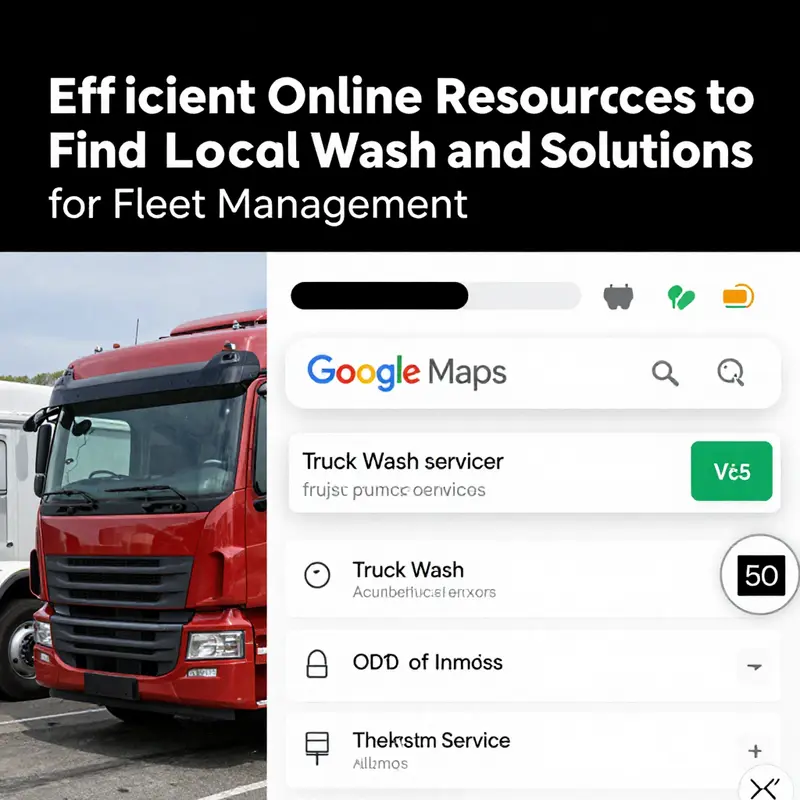
Locating a local truck wash and wax is more than a quick search for the nearest bay. It’s an assessment of time, capacity, and finish, all shaped by how your fleet operates and what your drivers expect. In many regions, the options span from purpose-built truck wash facilities to on-site mobile teams, with auto detail shops and fleet service centers offering a blend of convenience and quality. Each option serves a different operational reality. A fleet that runs through industrial corridors may benefit from a dedicated commercial wash facility that can handle high volumes and provide waxing as part of a maintenance package. For those pressed on time or space, mobile truck wash services bring the wash to the vehicle at the dock, the fueling island, or the yard. Auto detailing shops can deliver a premium finish, especially on fleets that emphasize appearance and paint protection, while gas stations or fleet maintenance centers offer quick, reliable touch-ups on the way through a route. The art of choosing then becomes a matter of alignment: what service level do you need, what is your truck’s size, and how important is the finish to your branding and long-term maintenance?
The mechanics of the wash matter almost as much as the logistics. Commercial truck wash facilities commonly deploy high-pressure water jets and detergents in either automatic bays or touchless systems. Automatic washes can process multiple rigs in a single hour, a pace that keeps a fleet moving on a tight schedule. Touchless washes, using strong jets and chemical cleaners rather than brushes, reduce the risk of marring sensitive paint finishes, which is a critical consideration for modern coatings and clear coats. Waxing, when offered, typically complements the exterior clean with a protective layer that helps repel road film and contaminants between sessions. Some facilities package waxing with minor polishing, while others treat it as a premium add-on. In either case, trucks can leave with a brighter finish and a shield that lasts longer under harsh conditions. Planning around wax services means understanding whether you want a full wax, a spray sealant, or a maintenance coat that requires different drying times and curing windows.
Mobile truck wash services occupy a different value proposition. The appeal lies in convenience and fleet continuity. A mobile team can wash and wax a tractor and trailer while you keep operations humming, often bringing their own water supply and power. This setup is particularly attractive for fleets that operate in tight spaces, remote yards, or facilities with limited access to stands and cleaning bays. The trade-off tends to be cost and scheduling complexity. On-site teams demand coordination and unbroken access to the vehicle, and the premium for the mobility is reflected in the price. Yet the time saved—from halting production to moving a truck through a wash—can translate into tangible gains in daily throughput. When you are evaluating mobile options, verify what exactly is included in the service, whether they offer interior cleaning, and what waiver or insurance terms apply if a vehicle remains on-site after a session.
Auto detailing shops present another pathway to quality and consistency. These operations often bring advanced polishing, paint protection, and clay-bar treatments that go beyond basic washing and waxing. Large, multi-vehicle shops may still be fully equipped for big rigs, though it is wise to confirm their capacity for heavy-duty vehicles and their experience with commercial coatings. If the fleet depends on a showroom-ready appearance or needs to protect high-value paint schemes, a detailing shop can provide a premium finish along with a durable protective layer. The key here is to establish the level of detail you require and whether the shop can maintain this standard across the fleet’s annual cycle. It’s simple to underestimate the value of a well-executed polish and sealant when you’re weighing short-term costs against long-term asset preservation.
Gas stations and fleet maintenance centers serve as accessible, pragmatic options for routine cleaning and light waxing, especially when drivers are stepping through on-route stops. The convenience of a quick exterior wash paired with a basic wax can be sufficient to curb corrosion risk in certain climates and road conditions. These facilities often operate on fixed schedules and provide a reliable, friendly touchpoint for drivers who need a fast turnaround and minimal downtime. However, the degree of finish and the longevity of the wax can be less robust than what a dedicated truck wash or detailing shop delivers. When your needs border on the everyday maintenance side and you want predictable pricing, these sites can be an efficient choice.
No matter which path you choose, the real payoff comes from disciplined use of online resources to locate options and verify quality. Start with search terms that reflect your exact location and needs: “truck wash near me,” “mobile truck wash [your city],” or “professional truck waxing services [your location].” Gmail maps and review platforms add a crucial layer of context, showing you live driver feedback, observed conditions, and even the facility’s layout through photos. The map view is particularly handy because it links to hours of operation, contact information, and, in many cases, real-time updates on availability. When assessing a potential provider, look for images of the bays, trucks in process, and the waxing steps. These images offer tangible assurance about equipment standards, the cleanliness of the facility, and the overall professionalism of the operation.
Beyond maps, dedicated automotive detailing websites and community review platforms can provide nuanced insights. You can read about scheduling options, how long a typical wash and wax session lasts, and what kind of aftercare is recommended. Some providers publish their service menus online, so you can compare whether waxing is a stand-alone service or bundled with a full wash package. Industry-specific forums and trade associations can also offer trusted recommendations. While online research is powerful, never overlook the value of a quick phone conversation. Asking about the types of wax or sealants they use, drying times, and whether they can accommodate oversized equipment is often the fastest way to confirm suitability for your fleet’s needs.
When you’re ready to book, consider the confidence you have in the provider. Verify credentials and insurance, especially for mobile services that come to your site. It is reasonable to request proof of liability and workers’ compensation coverage, and to confirm that the team is trained in handling the particular coatings your trucks require. If you have a preferred protection protocol, discuss whether the shop can adhere to it consistently across visits. A reliable partner will be transparent about limits, recommended maintenance intervals, and the potential impact of climate on wax longevity. If you are building a long-term relationship with a wash and wax provider, you may want to explore a recurring service agreement that aligns with your fleet’s maintenance calendar and budget.
For fleets seeking practical continuity and strategic care of their paint and finish, a balanced approach often works best. Combine the reliability of a dependable commercial wash facility or a trusted mobile team with the value-added options offered by detailing specialists when a premium finish is required. Use your online reconnaissance to shortlist providers that demonstrate capacity, accessibility, and a track record of satisfied customers. When you decide on a partner, document a clear service protocol—what is included in each visit, the expected turnaround, and the condition of your vehicles before and after service. This clarity protects the fleet’s maintenance plan and helps drivers understand when a wash and wax is scheduled and why.
For readers who want deeper operational insight into managing wash facilities as part of a broader fleet support system, see this resource on facility management for truck wash businesses. It provides practical considerations on workflow, staffing, and process optimization that complement the decision-making described above. facility management for truck wash businesses
As you map your route to a local wash and wax, remember that the goal is not simply cleaner and shinier trucks but steadier protection and a clearer brand image. The right partner will align with your schedule, offer transparent pricing, and deliver consistent results across your fleet. With a strategic approach, you can reduce the friction of maintenance, extend the life of your paint, and keep your drivers moving with confidence.
External resource: For a broader sense of locating providers and evaluating options, you can explore general mapping resources and reviews at Google Maps. https://www.google.com/maps
Final thoughts
Understanding the various local options for truck wash and wax services can greatly enhance the maintenance of your fleet, ensuring it remains presentable and compliant with industry standards. From commercial facilities dedicated solely to truck washing to flexible mobile services and thorough detailing shops, you have a variety of solutions at your disposal. By leveraging these resources, fleet managers and operators can maintain their vehicles’ appearance and functionality, ultimately contributing to better overall operations.