
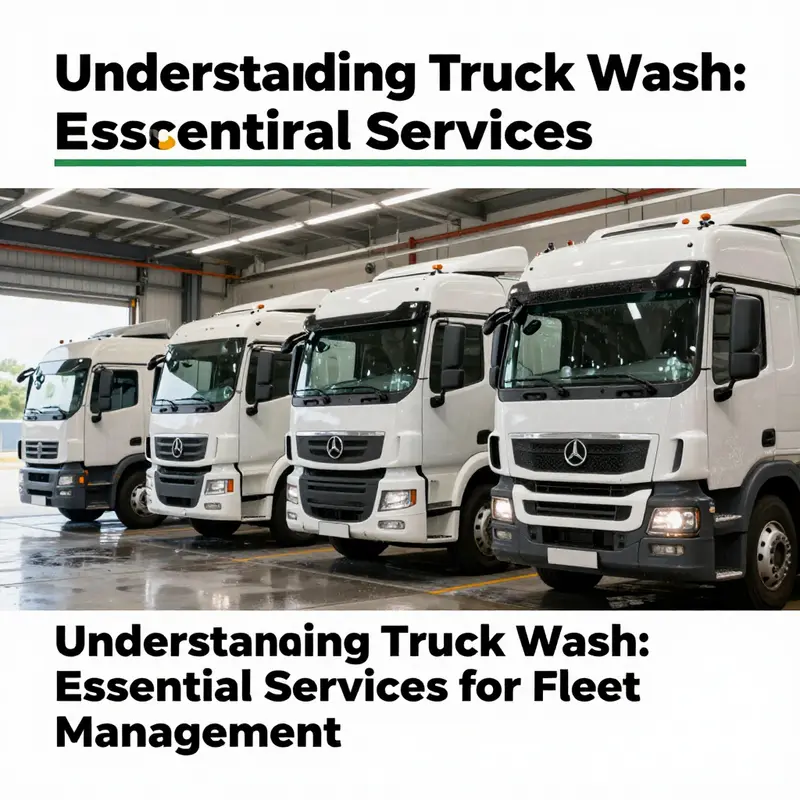
Truck washing plays a critical role in the logistics and transportation sectors, ensuring the cleanliness and operational efficiency of large vehicles. With rising concerns about vehicle maintenance and hygiene, truck wash services are more essential than ever. This article delves into the multi-faceted concept of truck washing, discussing its definitions, the vital importance of these services, advanced washing technologies available, and the contrasting experiences between commercial and recreational truck washing. Each segment aims to equip fleet managers and trucking professionals with the knowledge needed to optimize their fleet maintenance strategies.
Truck Wash Demystified: Definitions, Systems, and the Fleet Hygiene Imperative
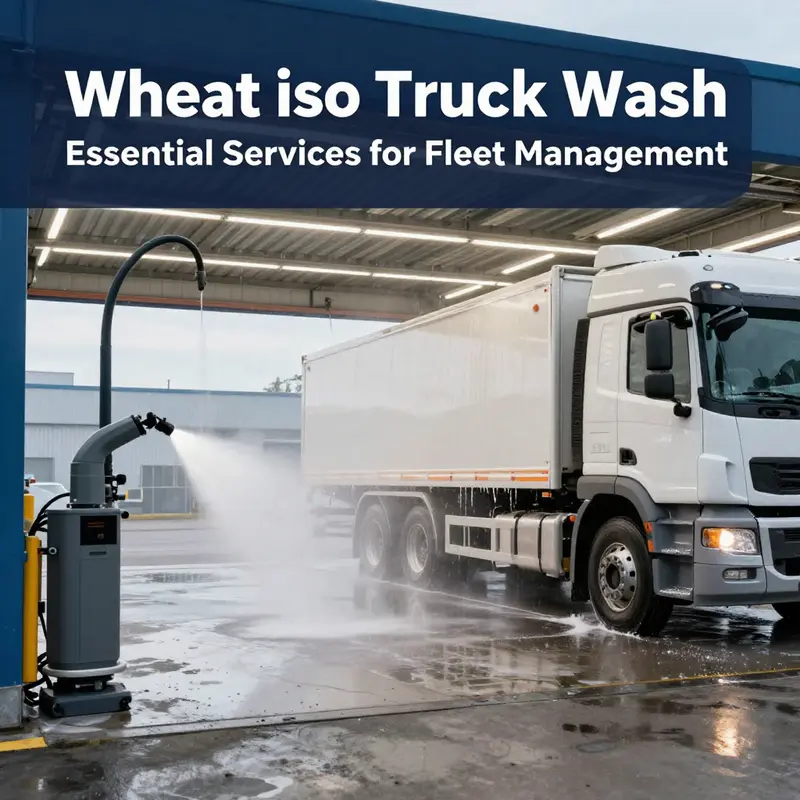
A truck wash is more than a wash bay and a spray wand. It is a carefully engineered part of the heavy-vehicle ecosystem, designed to restore look, function, and safety to some of the most demanding machines on the road. In practical terms, a truck wash refers to the process of removing dirt, mud, salt, diesel residue, tar, and other contaminants from large vehicles such as semi-trucks, freight haulers, delivery vans, and construction or mining equipment. Yet the word encompasses a spectrum of realities: a single manual wash at a roadside stop, a dedicated facility at a logistics hub, or a fully automated system that moves dozens or hundreds of trucks through in a single shift. In this sense, truck wash is both a service and a technology package, one that scales with the needs of fleets across transport, warehousing, public transit, and industrial sectors.
The value of cleaning heavy vehicles goes beyond cosmetics. Dirt and grime can obscure lights and reflectors, reduce fuel efficiency, and hide safety-critical components from a driver’s view. Debris lodged in wheel wells or undercarriages can accelerate wear on brake lines, suspension, and steering linkages. Salt and moisture contribute to corrosion, while mud and organic matter encourage microbial buildup that, over time, can lead to odors and hygiene concerns in vehicles that transport food-grade products or passengers. In these ways, the truck wash acts as a preventive maintenance step, supporting safety, compliance, and the longevity of paintwork and armor against the harsh realities of road use. The chapter that follows this opening section will treat these concerns not as separate tasks but as a unified system—one that blends chemistry, engineering, operations, and environmental stewardship.
What distinguishes a truck wash from a simple garden hose and bucket routine is the scale, the equipment, and the thinking behind it. A truck wash facility is typically a dedicated space—often located at a truck stop, a depot, a fleet maintenance center, or an industrial site—where cleaning is integrated with other fleet services. The core idea is throughput and consistency. High volumes require systems that can handle repeated cycles with minimal downtime, and the most efficient setups use a combination of water management, chemical dosing, mechanical action, and drying to deliver a reliable, repeatable result. Over the years, modern automatic truck washing systems have evolved to include adjustable spray arrays, heated water options to improve cleaning under cold conditions, biodegradable detergents to minimize environmental impact, and sophisticated wastewater treatment to ensure compliance with local and regional standards. The objective is to maximize cleaning effectiveness while controlling water use, chemical discharge, and energy consumption, all within a footprint that fits the site constraints and local regulations.
This is where the distinction between automatic, semi-automatic, and manual approaches becomes meaningful. In a fully automated system, a conveyor or shuttle mechanism moves the vehicle through a sequence of spray zones, pre-soaking or pre-wetting, detergent application, high-pressure rinses, and a final drying stage. A semi-automatic setup might rely on operator-guided spray arms or rotating nozzles, with the vehicle prize being to complete the exterior wash and leave a dry, ready-to-operate surface. Manual washes, still common in smaller fleets or remote locations, depend on trained staff wielding hoses and brushes, with more discretion in choosing detergents and wash duration. Each method has its advantages and trade-offs. Automation delivers consistency and speed, which is essential for fleets that operate on tight schedule windows. Manual washing offers flexibility for unusual soil conditions or specialized cleaning tasks, but it requires more labor and can introduce variability in result and downtime.
In practice, most modern truck wash facilities blend approaches. They may use automated wash bays for the bulk of the fleet, while reserving manual touch-ups for stubborn spots, undersides, or areas where the vehicle geometry complicates automated access. This hybrid model helps fleets balance cost, speed, and cleaning quality. It also supports nuanced needs, such as the meticulous treatment of wheel rims and tires, undercarriages, and chassis components where dirt tends to accumulate or where soil types vary seasonally. The wheel area, in particular, has gained recognition as a critical focal point for wash design. Wheel wash machines and targeted spray programs address mud, salt, and other residues that are intentionally or accidentally tracked onto road surfaces and infrastructure. The emphasis on wheels aligns with broader safety and environmental goals: clean wheels reduce road spray, protect brake and steering components, and limit the dispersal of contaminants into stormwater systems.
From a planning perspective, the choice of a truck wash system hinges on several core factors. Fleet size and wash frequency determine throughput requirements and the ideal blend of automation versus labor intensity. Soil type—heavy mud after off-road work, dust from dry climates, or tar and resin from industrial sites—shapes the chemical strategy, including the selection of detergents and rinsing sequences. Space constraints, water supply reliability, and energy costs influence the footprint and operating costs of the wash facility. And, perhaps most importantly, environmental considerations and regulatory expectations shape the design from the outset. Regions with strict stormwater, waste water, and emission rules push operators toward closed-loop water recycling, drag-reducing nozzles that minimize water use, and precise chemical dosing to avoid overflows or discharges. These standards are not mere compliance theater; they define the practical viability of a wash operation, affecting capital investment, ongoing maintenance, and long-term operational security.
As facilities modernize, operators increasingly turn toward system optimization that encompasses facility management as a core competency. This means thinking about layout, traffic flow, and maintenance schedules in ways that minimize downtime while maximizing wash quality. It also means investing in monitoring and control technologies that adjust water pressure, chemical concentration, and spray cycles to the soil load and vehicle type. The result is a cleaner fleet with a faster turnaround, fewer wash-related bottlenecks, and a documented trail of compliance that can be audited by regulators or customers. For managers looking to optimize such an operation, a practical consideration is the overall lifecycle of the wash system—from initial design choices and capital expenditure to the ongoing costs of water, energy, chemicals, and equipment upkeep. The aim is to harmonize all these elements so the service remains predictable, scalable, and safe across changing fleet needs.
In this landscape, a single, simple decision can carry long-term implications: the extent to which a facility integrates a wheel wash function within the broader washing workflow. Wheel wash is increasingly recognized not as a novelty but as a necessity in regions where environmental rules and infrastructure protection demand rigorous mud and sediment control. These machines use targeted spray and, in some cases, air jets to flush away material that would otherwise cling to wheels and axles, potentially damaging roads or entering drainage systems. The operational logic is straightforward: by actively removing the burden from wheels before a vehicle exits the wash area, operators reduce downstream contamination and simplify post-wash handling for customers who rely on surface cleanliness for safety or efficiency. In addition to the mechanical benefits, such integration demonstrates a holistic approach to fleet hygiene—one that acknowledges how every part of the vehicle contributes to the overall cleanliness narrative.
The broader environmental dimension cannot be separated from the mechanics of washing. Modern truck wash facilities often feature closed-loop water systems, where treated effluent is recycled back into the wash circuit after a sequence of filtration, clarification, and natural or mechanical treatment steps. This reduces fresh water consumption, lowers effluent volume, and curbs the environmental footprint of high-volume washing operations. Detergent choices are guided by biodegradability and compatibility with the equipment materials, helping prevent residue buildup that could compromise performance or cause foaming issues in the circuits. Wastewater treatment and monitoring also align with regulatory expectations, providing operators with data trails that support compliance and continuous improvement. In some jurisdictions, this attention to water stewardship is connected to broader programs for stormwater quality, road safety, and public health. The environmental narrative, then, becomes as central as the mechanical narrative, shaping how wash centers are designed, operated, and perceived by customers and communities alike.
To the fleet manager, the decision to install or upgrade a truck wash is a strategic investment. It is an investment in uptime and reliability, in branding and customer perception, and in the resilience of the fleet’s maintenance program. A well-conceived wash strategy supports predictable scheduling, reduces the risk of delayed departures, and minimizes the need for last-minute, labor-intensive spot cleaning. It also supports downstream operations, such as loading and unloading, by ensuring that vehicles arrive at docks in a consistently clean state, which streamlines handling and reduces the chance of contamination in sensitive cargo areas. The operational boost comes not only from the physical act of cleaning but from the data and workflow improvements that accompany modern systems. Sensors and control software can log wash cycles, track chemical usage, and flag maintenance needs before they become problems. In turn, maintenance teams can plan preventive tasks around wash cycles rather than reacting to unexpected breakdowns, thereby extending the service life of wash equipment and reducing downtime.
For readers seeking a deeper, more technical perspective on standards and the properties that underpin wheel wash and other heavy-vehicle cleaning systems, a comprehensive guide to the standards and industrial applications of truck wheel wash machines offers valuable context. It explains how materials, spray dynamics, and system design converge to deliver reliable cleaning while protecting equipment and infrastructure. See the external resource linked at the end of this chapter for a thorough treatment of these standards and applications. In the meantime, this chapter has sketched the landscape: truck wash is a spectrum of services and technologies, and its value lies in how well it integrates with the vehicle’s life cycle, from pre-trip inspections to post-wash data capture.
From a practical standpoint, the path to an effective wash program begins with a clear assessment of fleet needs. A fleet that runs heavy off-road work might prioritize powerful undercarriage cleaning and robust wheel washing, while a city-based delivery operation may emphasize quick turnarounds and consistent exterior cleanliness with gentle handling of sensitive paint finishes. The cost calculus then includes capital expenditure for equipment, ongoing operating costs for water, energy, and chemicals, and the intangible but real benefit of improved safety and regulatory compliance. The best-fit solution balances these elements in a way that is sustainable over the long term and adaptable to evolving fleet profiles and regulatory expectations. The industry’s direction toward automation, environmental stewardship, and data-driven management suggests that the truck wash will continue to evolve as a central pillar of modern fleet maintenance rather than a peripheral convenience.
As this topic threads through the broader article, the next sections will explore how different fleet profiles influence wash system selection, how sites can optimize layout and throughput, and what the future holds for automation and environmental performance in truck washing. The integration of wheels, undercarriages, and surfaces into a cohesive cleaning strategy is not just about keeping trucks looking sharp; it is about sustaining the reliability and safety of the entire transportation ecosystem. For managers and operators who want to translate these ideas into concrete practice, the practical steps outlined here—assessing soil profiles, matching capacity to demand, and embracing closed-loop water management—provide a framework to begin the thoughtful modernization of any truck wash operation. As with all complex operational systems, the payoff comes with disciplined execution, continuous learning, and a willingness to adapt to regulatory expectations and customer needs. By keeping the vehicle, the site, and the surrounding environment in alignment, a truck wash becomes more than a service—it becomes a strategic capability that supports safe, efficient, and responsible fleet operation.
External resource: For a technical, standards-focused exploration of wheel wash machinery and its industrial applications, see the complete guide at https://www.ninaflores.com/truck-wheel-wash-guide. This resource unpackes material properties, performance criteria, and the role of wheel wash in modern infrastructure protection and environmental compliance. Internal link reference: managers seeking practical optimization insights can explore dedicated facility management considerations for truck wash businesses through the following internal resource: facility management for truck wash businesses.
Shine, Safety, and Fleet Smarts: Unpacking What Truck Wash Really Means
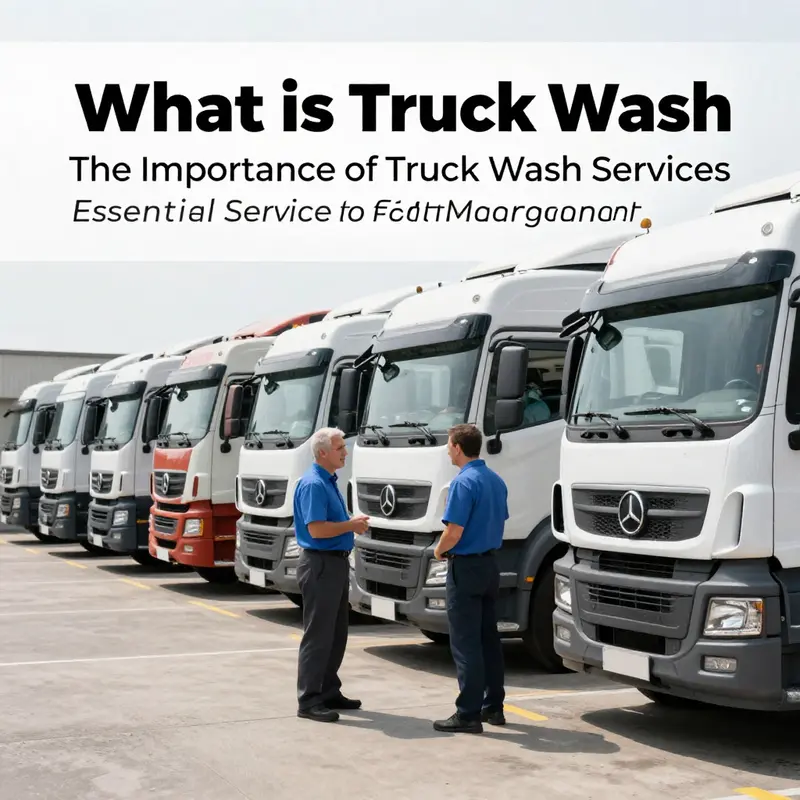
A truck wash is more than a quick rinse. It is a deliberately engineered process that treats large vehicles as moving assets, not just as transportation. When we talk about a truck wash, we are describing a system built to clean and protect heavy vehicles such as semi-trucks, trailers, and fleets that keep goods moving across towns and countries. The scope spans exterior cleansing, undercarriage rinsing, wheel and tire detailing, and, in many cases, interior vacuuming and sanitizing. It requires robust equipment, purpose-built cleaning agents, and trained operators who understand how a fleet lives in the real world. The goal is not merely to remove visible dirt but to remove corrosive salt, baked-on grime, tars, and brake dust that can silently shorten a vehicle’s life. In a practical sense, the truck wash becomes a central node in fleet maintenance, integrating hygiene with longevity, safety, and operational efficiency.
The mechanics of a modern truck wash are as thoughtfully designed as any other industrial system. High-pressure sprays deliver a thorough exterior rinse, while detergents tailored for hard-wearing metals and paints help lift stubborn residues without harming surfaces. The most effective facilities combine multiple stages: a pre-rinse to loosen grit, an alkaline wash to dissolve oil and grease, a rinse that flushes away loosened particles, and a post-wash treatment that neutralizes residue and prepares surfaces for drying. For vehicles that see severe exposure—think road salt, mud from construction sites, or sticky residues from tank washing—an additional undercarriage wash and wheel-well cleaning step can be essential. And since water is a resource within any blueprinted process, the best operations manage it with precision: recirculation systems, filters to remove contaminants, and wastewater practices designed to protect the environment while meeting regulatory expectations.
The value of professional truck wash services goes beyond the shoulders of a gleaming finish. Regular, thorough cleaning preserves the integrity of paint, chrome, and seals, strengthening the body against corrosion and prolonging the life of vital components. Dirt acts like a magnet for moisture and road chemicals; it traps moisture in hidden crevices and accelerates rust, which can undermine structural integrity over time. By removing this debris, the wash process acts as a preventive measure that reduces the frequency of costly bodywork and component replacements. Fleet managers know that the cost of a well-executed wash is typically far lower than the cumulative expenses of corrosion damage, component wear, or accelerated aging caused by neglect. The payoff is measurable: longer paint life, fewer emergencies on the road, and a truck that holds its market value better when it returns to the yard.
Beyond longevity, safety sits at the heart of why truck washes matter. Clean windows, mirrors, and lights ensure visibility on busy highways and in rain or fog. A clean undercarriage helps reveal tire wear and brake conditions that could otherwise go unnoticed. Clean wheels and brakes contribute to better stopping performance and reduced chances of debris-induced failures. In the logistics world, where fleets operate on tight schedules, even small improvements in safety translate into fewer incidents and less downtime. Clean vehicles also reduce the risk of regulatory penalties during inspections, because proper maintenance and hygiene meet established standards in many jurisdictions. This is not only about compliance; it is about reliability and trust—two commodities that customers value as fleets interact with partners, dispatch centers, and service bays every day.
A well-executed truck wash also contributes to a company’s professional image. In industries where trust and reliability drive business, a clean, well-maintained fleet signals organization, discipline, and pride. It communicates to clients that the operator takes care of assets, people, and schedules, which in turn reinforces confidence in service delivery. This is especially true for owner-operators who present themselves as a brand on wheels. The impression of professionalism travels beyond appearance; it’s a reflection of the care that goes into every step of the operation—from loading and routing to maintenance and customer interactions. When a truck appears trim and polished, it signals that this fleet understands the bigger picture: minimizing downtime, protecting cargo, and respecting road safety for all road users.
But a truck wash is seldom a standalone ritual. It sits within a broader ecosystem of fleet maintenance, scheduling, and environmental stewardship. Cleanliness feeds into maintenance records, which then support proactive service planning and regulatory audits. Modern fleets often tie wash events to digital maintenance logs, so every vehicle carries a traceable history of exterior health, interior sanitation (where applicable), and timing. This linkage to broader maintenance data enhances decision-making. It helps fleet managers identify recurring issues, schedule deep-clean sessions between long-haul legs, and align wash cycles with other preventive services. In an era when data drives efficiency, the truck wash becomes a data-generating process—capturing information about wash times, chemical usage, water consumption, and cycle duration that can be analyzed for optimization.
The operational side of truck washing has evolved to meet demand for speed, reliability, and sustainability. A typical fleet operation values consistency: predictable wash times, uniform results, and a repeatable process that minimizes breakage risk. The best facilities implement automated or semi-automated systems that deliver a dependable level of clean while safeguarding sensitive surfaces like chrome trims, decals, or weather seals. Touchless or brush-based approaches each have roles, depending on vehicle type, contamination level, and the desired outcome. Touchless systems rely on high-pressure water and detergents to remove grime without physical contact, reducing the risk of brush wear or paint scuffs. Brush-based methods can offer more aggressive cleaning for stubborn residues in areas that are hard to reach with water alone, yet they require careful maintenance to prevent surface damage. The choice between these approaches is not a one-size-fits-all decision; it hinges on fleet needs, environmental considerations, and the long-term cost of ownership for the wash equipment itself.
Environmental responsibility has become a defining thread in modern truck wash operations. The most forward-thinking facilities treat water as a limited resource and pride themselves on waste management. Detergents are chosen for biodegradability and lower ecological impact, while wastewater treatment and filtration systems ensure contaminants are captured before any effluent is discharged. Reuse and recycling strategies, when properly designed, can dramatically reduce fresh-water consumption. In many contexts, the full cycle—from wash to rinse to drying—occurs within a closed or semi-closed loop to minimize waste, while still meeting the cleaning performance required to keep fleets in peak condition. This emphasis on sustainability does not dilute effectiveness; it elevates the standard of care and aligns with corporate environmental goals that many operators now weave into annual reporting and compliance documentation.
As the trucking industry evolves, so do the models by which truck wash services are delivered. Some fleets favor regular, subscription-like arrangements that simplify budgeting and ensure timely cleanings between hauls. Others rely on full-service packages that include exterior washing, interior detailing, sanitization, and even protective waxing in periodic cycles. The market is increasingly shaped by automation, compact and mobile detailing units, and modular facilities that can be scaled up or down to match demand. Fleet managers appreciate the ability to schedule washes at depots or remote locations, which keeps trucks off the road for as little time as possible while still maintaining the standards their customers and regulators expect. In essence, the truck wash has become a strategic touchpoint in fleet hygiene, efficiency, and reputational stewardship.
For operators seeking guidance on building such operations, see facility management for truck wash businesses. This resource outlines how to structure workflows, maintain equipment uptime, and optimize space and staffing. It emphasizes how a well-managed facility can deliver consistent results, reduce downtime, and support broader maintenance objectives without duplicating effort across departments. The interdependence of wash quality and fleet reliability becomes visible when one considers how quickly a clean, well-kept vehicle can return to service and how readily it can attract repeat business because of its professional presentation. The relationship between hygiene, safety, and customer confidence is not incidental; it is a core competency that supports the entire supply chain and the bottom line.
In sum, a truck wash is a complex, carefully orchestrated system that blends science, craft, and logistics. It cleans with purpose, protects with foresight, and aligns with broader fleet strategies that prioritize uptime, safety, and brand integrity. The modern truck wash answers real-world needs: removing the grime that slows a vehicle down, extending its useful life, helping crews work more efficiently, and projecting a professional image that resonates with customers and partners. It is neither glamorous nor cosmetic alone; it is a foundational practice in the modern, data-informed, environmentally conscious world of freight and logistics. When done well, it supports quicker turnarounds, safer journeys, and longer-lasting equipment—benefits that ripple through the entire operation and across every mile of road that follows.
External resource for broader context on market trends and automated fleet cleaning solutions can be found here: https://www.alibaba.com/product-detail/Tampa-Truck-Wash-Advanced-Fleet-Cleaning-Solutions_1601037894717.html
Beyond Bubbles: The High-Tech Transformation of Truck Washing for Modern Fleets
Cleaning a truck wash is no longer a simple matter of soap and elbow grease; it is a pinnacle of industrial hygiene where engineering, automation, and sustainability converge. In the world of freight, logistics, mining, and public transit, fleets comprise thousands of heavy vehicles that journey across cities and continents. The cleanliness of these machines is inseparable from safety, efficiency, and the life cycle of the equipment itself. Debris and grime can obscure taillights or mirrors, reduce visibility, and hasten wear on paint and components. Therefore, the act of washing has evolved from a manual chore into a coordinated, technology-driven operation that aligns with the broader goals of modern fleet management. When viewed through this lens, a truck wash becomes less about the momentary appearance of a vehicle and more about the reliability of a fleet’s daily performance, uptime, and long-term value.
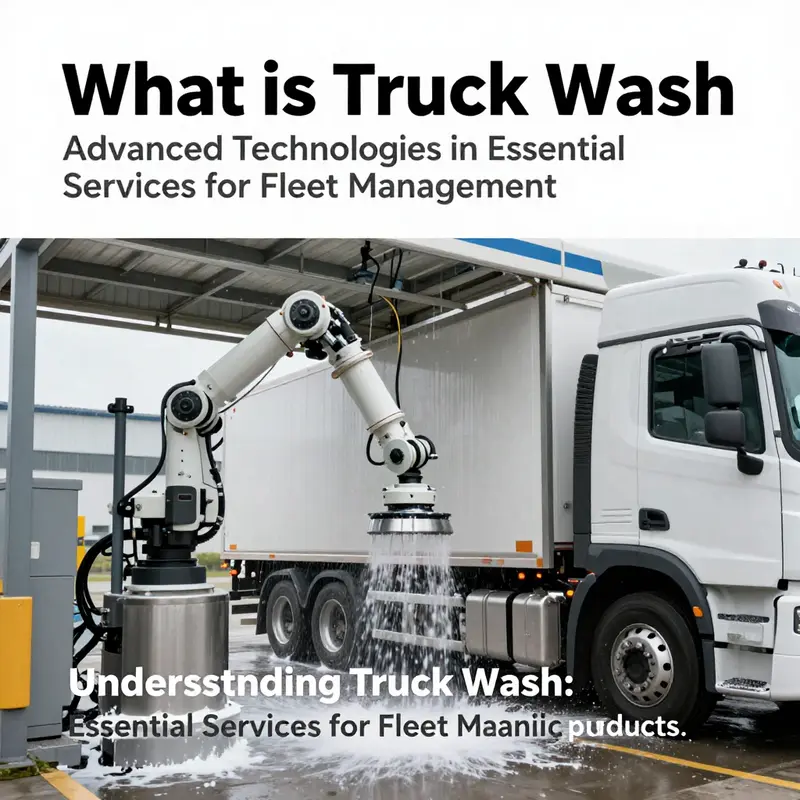
As fleets have scaled up, so too have the expectations placed on wash facilities. The first steps toward sophistication involved moving away from ad hoc cleaning toward standardized processes that could be replicated across dozens or hundreds of vehicles each day. The most visible manifestation of this shift is the fully automated in-bay automatic system, often anchored by an overhead gantry that travels along rails while a truck remains stationary. Rather than relying on a large team of manual workers to scrub every panel, these systems execute a carefully choreographed sequence of actions: high-pressure water jets rinse away loose soil, rotating brushes engage stubborn grime, and precision chemical application loosens and dissolves contaminants. The result is a consistent, repeatable clean that minimizes human error and accelerates throughput. The gantry’s mechanical precision ensures uniform coverage on long-haul trailers and oversized vehicles where manual access is challenging, making the process faster and safer for operators and drivers alike.
Yet even as automation drives efficiency, there is a philosophy of care embedded in the design of modern wash systems. Touchless technologies—where water jets and detergents do the work without physical contact—represent a principled approach to preserving surface integrity. In fleets where appearance translates to brand perception or where resale value matters, a touchless wash reduces the risk of micro-scratches or swirl marks that can accumulate over time with abrasive brushes. This method uses high-pressure cleaning coupled with specially formulated detergents to lift dirt from the surface without the risk of abrasion. It is not a universal solution, as deeper soiling may require targeted brushing or pre-soaks, but as a general strategy, touchless washing prioritizes finish preservation while keeping cycle times competitive. The interplay between brushing and touchless modes often appears in a well-designed facility as a dynamic decision tree: light-duty cleaning might rely on a quick touchless pass, while moderate to heavy soiling could trigger a more thorough automation sequence that incorporates gentle brushing and rinse stages.
Central to these capabilities is smart automation, which brings the operator into a new relationship with the wash cycle. Modern interfaces—whether touchscreens or keypad-driven controls—offer presets tailored to vehicle type, soil level, and the level of finish required. Operators can select from a menu of wash configurations designed to balance cleanliness with resource use, enabling rapid decisions during peak hours or when processing fleets with varying vehicle profiles. The intelligence behind these interfaces is not merely convenience; it is a deliberate design choice to minimize water and chemical usage, reduce energy consumption, and shorten dwell times without sacrificing outcomes. In practice, the system can automatically adjust spray duration, nozzle pressure, and brush contact based on the detected load, a capability that underscores the shift from human-guided to data-guided cleaning. This transition reflects a broader trend in fleet operations where digital dashboards monitor performance, track maintenance needs, and support predictive planning.
Sustainability sits at the core of contemporary truck washing. Integrated water management—especially closed-loop recycling systems—offers a practical answer to the volume of water used by high-throughput facilities. Wastewater treatment and reuse reduce fresh-water demand, cut discharge volumes, and mitigate the environmental footprint of fleet maintenance. Automated dosing systems ensure that detergents and cleaners are applied precisely where needed, avoiding overuse and lowering chemical runoff. These features address not only regulatory expectations but also the corporate responsibility that many operators now embed in their operating models. The interplay between water management and chemical handling is a delicate balance of physics and chemistry: the wash cycle must deliver enough energy to move contaminants from the surface while the treatment loop ensures that contaminants remain contained and manageable. In this way, the modern truck wash becomes a microcosm of circular resource practices within the fleet.
Sensors and real-time monitoring further elevate the reliability and uptime of wash operations. Size and geometry sensors can detect the truck’s profile, enabling dynamic adjustment of spray paths and brush engagement to optimize coverage. When a vehicle deviates from anticipated dimensions, the system responds with appropriate tolerances so that cleaning remains thorough without risking contact with sensitive components. Real-time diagnostics alert maintenance teams to potential equipment issues before they translate into downtime, which is especially valuable in high-demand environments where every minute of vehicle downtime translates into missed mileage and higher operating costs. This sensor-driven feedback loop creates a proactive maintenance culture, where the wash system itself becomes a diagnostic partner rather than a one-off cleaning device. The result is an ecosystem in which cleaning, safety, and reliability reinforce one another, enabling fleets to maintain a professional image while preserving vehicle integrity across thousands of washes.
The integration of wash operations with broader fleet management is another hallmark of modern practice. Data streams from wash cycles—cycle duration, chemical usage, water consumption, and environmental metrics—can feed into centralized fleet dashboards. Operators gain visibility into trends that might otherwise remain hidden: whether certain vehicle configurations consistently require more aggressive cleaning, or which shifts produce peak wash demand. When data is integrated with maintenance scheduling, wash histories contribute to a richer view of vehicle health and lifecycle planning. The most forward-thinking fleets use this information not only to optimize current operations but also to inform future investments in infrastructure, staffing, and equipment upgrades. In short, washing is not a back-end task; it is a visible, data-informed component of a fleet’s vitality.
Implementing advanced washing technologies inevitably raises practical considerations that warrant careful thought. Space constraints and structural requirements must accommodate gantries, conveyors, or turret-style wash arms. Capital outlay is substantial, though the return comes in faster cycle times, higher uptime, and longer asset life. Staff training remains essential; operators must understand which wash programs fit which vehicles and soiling patterns, how to interpret on-screen diagnostics, and how to respond to alarms or sensor warnings. Safety cannot be sacrificed for speed, so facilities implement layered safety protocols and clear procedures for lockout-tagout, chemical handling, and fall protection where overhead equipment operates. The most successful sites treat these concerns not as hurdles but as design challenges to be solved through thoughtful layout, accessible maintenance access points, and robust service agreements. In this way, a truck wash ceases to be merely a service line and becomes a strategically managed asset that supports a fleet’s reliability and reputation.
Embedded in this technical evolution is a sense of purpose that extends beyond the wash bay itself. Facilities and operators increasingly view the wash as a component of a larger system—one that supports driver safety, roadworthiness, and environmental stewardship. The aesthetic of a clean, well-maintained vehicle communicates professionalism to customers and partners, while the underlying engineering ensures that washes are predictable, repeatable, and compliant with evolving emissions and wastewater regulations. In regions with stringent environmental expectations, the closed-loop water systems and precise chemical dosing models are not optional luxuries but essential features that align operations with legal frameworks and community standards. The result is a holistic approach to maintenance where the act of cleaning is inseparable from the responsibilities of fleet stewardship. A well-designed wash facility can thus be a cornerstone of a fleet’s operational discipline, one that harmonizes speed, safety, sustainability, and service quality.
For organizations seeking practical guidance on tying wash operations to broader facility strategy, there is value in examining facility management practices for truck wash businesses. This approach emphasizes how wash infrastructure, equipment life cycles, and human resources intersect with broader business objectives: safety, reliability, and cost control. By treating the wash bay as an integrated node in the fleet ecosystem—capable of delivering consistent results, providing diagnostic signals, and contributing to sustainability goals—operators can optimize both their service offerings and their long-term investment plans. It is not just about washing more vehicles per hour; it is about orchestrating a disciplined workflow that respects environmental limits while protecting the assets that drive revenue. When such an approach is adopted, a truck wash becomes a scalable, repeatable, and future-ready operation that can adapt to changing fleets, evolving regulations, and rising expectations from customers and drivers alike. In that sense, the modern wash is less a standalone service and more a strategic instrument in the ongoing pursuit of fleet excellence.
For readers seeking a deeper technical perspective, a detailed, external reference offers a comprehensive overview of automated truck wash concepts, including system grades, properties, and engineering applications. This resource complements the practical perspectives above by unpacking the physics of high-pressure cleaning, material interactions, and the engineering tradeoffs that govern modern wash design. https://www.truckwashjournal.com/understanding-automatic-truck-wash-grades-properties-and-engineering-applications/
What is Truck Wash: From Fleet-Scale Precision to Personal-Scale Convenience
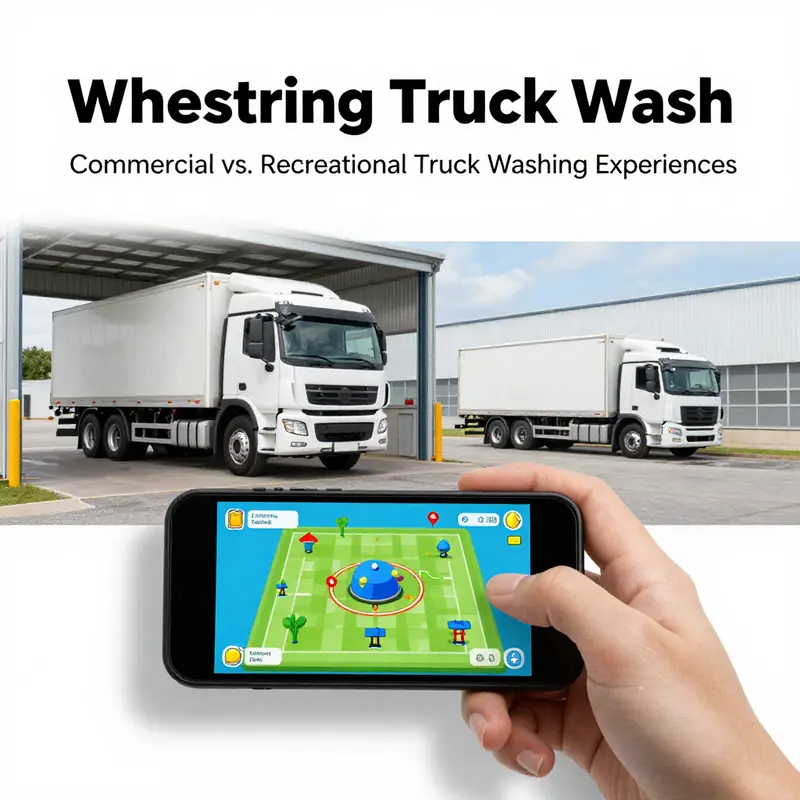
A truck wash is a purpose-built service that protects safety, value, and uptime for heavy vehicles. It spans fleets and individual use, from large-scale facilities designed for speed and reliability to smaller bays that welcome owners of motorhomes and utility trucks. The core idea is to remove dirt and contaminants without harming surfaces, while considering water use, chemical safety, and worker protection.
In commercial operations, cleanliness helps prevent corrosion, keep sensors clear, and support predictable maintenance. High-throughput rigs use automated or semi-automated processes to deliver consistent results in minutes, with filtration and water recycling reducing environmental impact. On the recreational side, customers prioritize convenience and affordability, choosing self-serve bays or assisted washing to fit schedules and budgets.
Technically, a reliable wash rests on three pillars: pre-treatment, mechanical action, and careful drying. Pre-treats loosen grime; jets, brushes, or rollers remove contaminants; drying minimizes water spots and rust risk. Even in automated settings, human oversight ensures safety and quality.
Finally, the broader point is that truck washing is a logistics and stewardship task, not just dirt removal. It supports uptime, asset value, road safety, and a professional image for fleets, while offering accessible care for personal vehicles and travelers.
Final thoughts
The importance of truck washes extends beyond mere aesthetics; they are essential to maintaining vehicle efficiency, safety, and longevity. For fleet managers and owners, investing in high-quality truck wash services and understanding the latest technologies can lead to significant savings and better operational performance. By combining commercial cleaning with emerging technologies, companies are well-positioned to enhance their fleet management strategy. As the demand for clean, reliable vehicles continues to rise, embracing truck wash innovations will ensure that fleets remain competitive.