
Winter presents unique challenges for fleet managers and trucking supervisors when it comes to maintaining the cleanliness and integrity of vehicles. As road salt, grime, and harsh weather conditions can significantly influence truck performance and longevity, a thorough and strategic approach to washing trucks during this season is vital. This guide will provide comprehensive insights into how to wash your truck in the winter, focusing on optimal timing and conditions, the significance of using warm water, selected cleaning supplies, key areas to target, and best post-wash practices. By implementing these strategies, fleet managers can ensure that their vehicles remain in peak condition, reducing long-term maintenance costs while enhancing safety on the roads.
Timing, Shelter, and a Dry Path: Mastering Winter Truck Washing
Washing a truck in winter is less about chasing a spotless finish and more about preserving the finish and protecting metal from salt and moisture. The act becomes a careful balance of temperature, shelter, and technique. When approached with a plan, winter washing can be done effectively without inviting ice to form in seams or seals. The core idea is simple: pick the right moment, choose a protective environment, and use the right products and tools to move water off the surface quickly and completely. This approach not only keeps your truck clean but also extends the life of rubber seals, wheel wells, and the undercarriage, where corrosion tends to start unseen.
The best time to wash in cold weather hinges on moisture and warmth. The goal is to keep the water from freezing on contact or lingering long enough to frost up on you. In practical terms, aim for a window when the air and surface temperatures are at or above freezing, ideally around 32°F (0°C) or higher. Midday is the sweet spot because the sun adds warmth, helping water evaporate faster and reducing the risk of ice forming on mirrors, door seams, or the windshield wiper blades. Washing first thing in the morning or late in the day can backfire when late sun exposure isn’t enough to push water off the metal and glass before temperatures dip again. The timing isn’t about chasing a perfect, mirror-like finish; it’s about creating a dry path for water to escape and evaporate while the vehicle is still warm from the engine and the sun.
Shelter matters just as much as timing. When the forecast allows, a sheltered environment—a heated garage, a carport, or a covered wash bay—can dramatically reduce the risk of wind-driven snow or cold air blasting water back onto a just-washed surface. A warm microclimate around the vehicle ensures that water won’t freeze in door seals, on window gaskets, or inside the crevices of the wheel wells. If indoor options aren’t available, look for a sunny, calm day and position the truck to maximize sun exposure while keeping wind to a minimum. The goal is to minimize the amount of time water sits on metal and paint; shelter helps speed up drying and reduces the chances of ice forming in hidden gaps.
Beyond the timing and shelter, a winter wash demands the right products and a deliberate approach to tools. Use a neutral, pH-balanced wash solution designed for automotive finishes. Household detergents and dish soaps strip wax and can dull the protective films on paint and rubber seals, especially when used repeatedly in cold conditions. A purpose-made, winter-specific car wash helps manage low-temperature cleaning and often includes ingredients that resist freezing and promote water beading. For the actual washing, opt for soft microfiber wash mitts or sponges. These materials lift grime without scratching the surface, which is crucial when road salt is baked onto the finish. Have plenty of clean microfiber towels on hand for the drying stage; the goal is to remove water in a controlled, thorough motion so droplets don’t have time to freeze in seams or crevices.
As you move across the vehicle, pay particular attention to areas that accumulate salt, grime, and moisture. The wheels and brake components require a dedicated approach, including a wheel cleaner and a stiff brush to break loose baked-on brake dust. Salt tends to cling to the inner wheel arches and the undercarriage, so a targeted rinse in those zones helps prevent corrosion. Door seals, window frames, and lock cylinders are notorious trouble spots. After washing, dry these areas thoroughly using a clean towel or a quick pass with compressed air to blow out any residual moisture from the pocketed seals. The undercarriage deserves the same vigilance; the salt that splashes up from salted roads can cause metal to corrode if left damp. A thorough rinse and a final wipe-down with a damp microfiber to remove remaining salt deposits is worth the extra minutes.
A practical tip that often saves time and trouble is to view the wash as part of a broader maintenance rhythm. A well-planned approach, described in facility management for truck wash businesses, can help fleets coordinate indoor wash bays, scheduling, and staff to minimize cold-weather exposure and improve efficiency. facility management for truck wash businesses links the idea of a sheltered, controlled environment to consistent results. This isn’t about luxury; it’s about reducing risk and ensuring that each wash supports the truck’s long-term protection rather than a quick, imperfect dry.
Drying is where winter washing truly earns its keep. After the final rinse, dry immediately with clean microfiber towels. Don’t let water droplets linger in door seams, trunk gaps, or around the windshield wipers, because those droplets can freeze and seize the hardware or hinder door operation. If the surface is tricky to dry, a high-pressure air blower or a compressor can push water from tight crevices where towels might miss. The combination of quick wipe-downs and careful air removal prevents small pockets of moisture from becoming ice sheets along gasket lines or inside cavities that are difficult to access later.
A cautious touch is essential when considering how you apply water. High-pressure washing has its place for certain areas, but it must be used carefully to avoid forcing water into sensitive components. Do not spray directly at sensitive sensors, door gaskets, air intake vents, or the engine compartment unless the equipment is specifically designed to withstand exposure. Water wedged into electrical connectors, sensors, or filters is a frequent winter hazard. Even when you’re indoors, never assume a bay is perfectly dry; wipe and inspect all exposed panels and seals after washing. The aim is to create a film-free surface that can shed water quickly as the truck resumes its duties in cold air.
Once the wash is complete and the surface is dry, consider post-wash protection as part of a winter strategy. A fresh coat of wax or a durable sealant adds a hydrophobic layer that helps water bead and roll off, taking with it residual salt. This protective layer makes future rinses easier and reduces the time water sits on bare metal. Waxing or sealing in winter doesn’t require a long process; the real benefit is in having a cleaner surface that resists water penetration and frost buildup. This is especially valuable for doors and hinges that see frequent exposure to damp, chilly air.
Beyond the immediate wash, winter maintenance should be aligned with the washing routine. Check fuel system components and oil-water separators if the vehicle uses a diesel engine, and inspect antifreeze levels and battery health regularly. Cold weather places an extra strain on fuel lines and battery performance, so early attention to these systems lowers the risk of a breakdown that could leave a dirty truck stranded. In many fleets, a synchronized approach to wash days and maintenance checks reduces downtime and ensures the vehicle is ready for the next stretch of winter driving. The rinse-and-care cycle becomes part of a disciplined maintenance calendar rather than a one-off task.
Incorporating these practices creates a wash routine that respects the season while preserving the truck’s appearance and core systems. It’s not about solving every problem with one wash; it’s about using the wash as a protective ritual that prepares the truck to meet winter’s challenges—salt, moisture, freezing temperatures, and road grime—without inviting damage or costly repairs. The result is a cleaner vehicle that remains more resistant to the wear induced by cold weather and a driver who can rely on the truck to perform when conditions demand it.
For readers seeking a broader understanding of winter operations in the truck-wash ecosystem, this approach aligns with the broader discipline of facility management for truck wash businesses, which emphasizes shelter, scheduling, and process consistency as keys to reliability. The idea is to build a repeatable, safe, and efficient routine that can be scaled to fleets of any size, while still honoring the personal care of each individual vehicle. The winter wash becomes a dependable anchor in an ongoing cycle of maintenance and protection, rather than a risky, last-minute effort that occurs only when the thermometer drops.
External resources can offer additional context on how other guides frame winter washing, including more nuanced cautions and scenarios. For broader insights beyond this guide, see the external reference: https://www.autos.com/car-care/winter-truck-washing-tips/.
Warm Water, Clear Roads: The Essential Role of Temperature in Winter Truck Washing
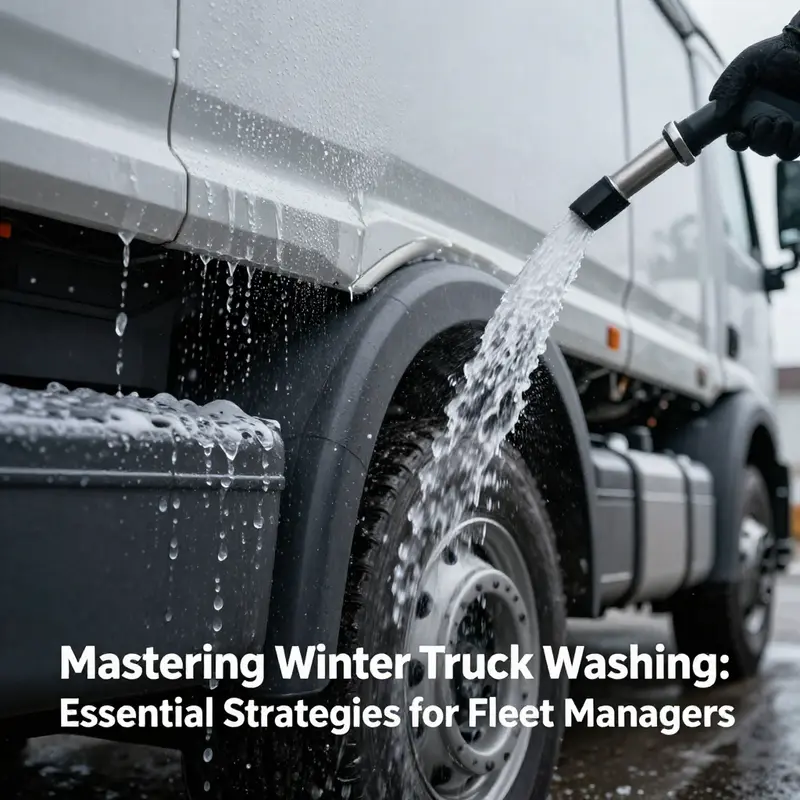
Washing a pickup, a workhorse, or a fleet truck in the depths of winter is a task that demands more than a routine rinse. The cold air and freezing water don’t just make the process uncomfortable; they introduce real risks to paint, rubber seals, and the metal beneath. Temperature matters as surely as the soap and the brush. This chapter centers on a simple, practical truth: using warm water at the right modest temperature unlocks a safer, more efficient clean and helps protect the vehicle long after you roll back into the yard. When the day is at its coldest, the right water temperature changes the entire dynamic of how salt, road grime, and melt chemicals adhere, come loose, and rinse away. It is a difference you can feel in the way the wash runs, the tempo at which you work, and the certainty you gain that you are not inviting the ice to settle in the gaps of your truck.
Warm water lowers the viscosity of cleaning solutions and loosens grimy deposits in a way cold water simply cannot. Road salt and deicing residues don’t just sit on the surface; they etch into microtextures in the paint and under the wheel wells. Warm water helps these contaminants dissolve more readily, allowing the soap to work with greater efficiency. In practical terms, that means fewer passes over the same spot, less scrubbing, and less exposure of sensitive seals to repeated water contact. The goal is a thorough clean with a gentler touch. If you push cold water through a stubborn winter film, you risk scraping the surface or forcing moisture into seams where it can freeze later, creating a stubborn jam or a door that won’t open smoothly. A modestly warm wash reduces that risk by maintaining a steady cleaning action while the water remains effective but not aggressive.
The benefits ripple beyond cleanliness. Freezing water around door seams, window frames, and lock cylinders is a common winter hazard. Warm water helps prevent those rapid temperature swings that trigger ice formation in tiny crevices. When you keep the water at a safe, comfortable level—typically around 30C (86F), never hot enough to soften or warp rubber seals—you give the entire process more control. This is especially important in a damp environment or when the weather fluctuates during the day. A rinse that cools quickly can trap moisture in areas like door edges or under seals. Warm water, paired with prompt drying, minimizes that risk and means you can finish with confidence rather than with worries about moisture turning to ice overnight.
Expert guidance from automotive care bodies emphasizes that winter washing should be a regular habit rather than an occasional luxury. Corrosion is not a theoretical risk; it’s a reality when salt, brine, and chemical deicers cling to metal surfaces and undercarriage components. Regular washing helps neutralize corrosive residues. Warm water enhances this protective rhythm because it remains effective across multiple wash cycles in a single outing. The cleaning solution stays active longer in warmer conditions, continuing to break down residues as you rinse and scrub. This synergy—warm water plus a proper car wash soap—delivers a cleaner vehicle with less mechanical wear on brushes and mitts. It also reduces the chance of leaving deposits in joints and crevices that could later trap moisture or ice, complicating maintenance and door operation when temperatures fall again.
To put this into a practical routine, begin by choosing a time and a setting that supports a warmer wash. Midday when the sun is highest is ideal, especially if you are washing outdoors. If possible, select an indoor or covered bay to shield the truck from wind and blowing snow. The protective roof of a facility helps keep the water temperature closer to the target level and reduces heat loss to cold air. This keeps the soap and rinse working effectively and minimizes the amount of solution you need to use to achieve a thorough rinse. In a cold climate, a controlled environment is not simply a convenience; it is a safeguard for the finish and working components. The intended result is a clean, dry surface with minimal risk of frost forming in places you cannot easily reach after the wash.
The choice of cleaning supplies matters as much as the temperature. Use a neutral, pH-balanced truck wash solution designed for automotive finishes. Harsh household detergents or overly alkaline cleaners can strip wax, dull paint, and degrade rubber and seal materials over time. The goal is to preserve the protective layer you already have on the vehicle while removing road debris and chemical residues efficiently. Soft microfiber wash mitts or sponges are essential tools in winter washing. They lift grime without scratching the clearcoat or micro-scratching the paint’s surface. Have a plentiful supply of clean, absorbent microfiber towels on hand for drying, because the moment you remove the water, you want to stop it from freezing in creases or seams. In this same vein, consider a light, thorough finish with a dedicated drying technique that emphasizes rapid water removal from gaps, joints, and under the hood line. A high-pressure air blower can be invaluable here, enabling you to push residual moisture out of tricky crevices where towels may not reach.
A critical part of the winter wash is focusing on areas that attract salt and moisture the most. Wheels and brake rotors accumulate a heavy layer of brake dust, road grime, and brine. Clean, dedicated wheel cleaner solutions with a brush designed for rims help remove stubborn deposits before they set. Then move to door seals, window frames, and lock cylinders. These components often collect moisture that can later freeze, locking you out or creating resistance in the door edges. After washing, wipe these areas thoroughly with a dry towel or use a quick puff of air to remove any dampness. The undercarriage deserves equal attention. Salt and debris accumulate here as you drive through slush and salted roads. A careful underside wash is essential to extend the life of metal parts and reduce corrosion risk. Do not neglect the frame rails, exhaust hangers, and any exposed fasteners, which can corrode when salted road runoff sits against them.
Drying thoroughly immediately after rinsing is more than a finish-line ritual. Any residual moisture left on paint or metal creates a window for ice. The best practice is to dry with multiple clean microfiber towels to avoid reintroducing water into seams. For tight spots around the door edges, around the windshield wipers, and inside the latches, a high-pressure air blower is an excellent companion. It forces water out of gaps where towels cannot reach and reduces the chance of later freezing. The aim is not to towel-dry the truck to a glossy perfection, but to remove the majority of surface and internal moisture so that everything else can finish dry when the sun or synthetic warmth returns.
As you dry and inspect, be mindful of sensitive components that do not tolerate aggressive washing strategies. High-pressure sprays on delicate areas like sensor covers, door gaskets, air intake vents, or the engine compartment (unless the system is designed for it) can force water into places where it can cause malfunction or freezing. The winter wash should be assertive in removing contaminants while remaining gentle with these parts. A moderate rinse, targeted brushing, and controlled air drying are the safer combination for protecting your truck’s electronics, sensors, seals, and hoses. If in doubt, back off the pressure and focus on careful, methodical cleaning rather than blasting away stubborn grime in a single pass.
Post-wash care is a phase that many neglect but should not. Drive the truck for about 10 to 15 minutes with the engine running to leverage heat generated by the cooling systems, exhaust, and engine to evaporate residual moisture trapped inside doors and under the hood. This quick heat cycle helps ensure moisture does not linger and turn into ice in the first hours after washing. Following a wash with a light coat of wax or sealant provides a protective barrier. In winter, a fresh protective layer can repel moisture and reduce ice formation on the paint. It also makes future washes more efficient by loosening and lifting grime so it slides off rather than adheres. The key is to apply a product compatible with winter conditions and not to over-wax or layer products in ways that can trap moisture inside seams.
Beyond the wash itself, winter maintenance supports your wash effort. Clean fuel system components and ensure the fuel heater system is functioning if your truck is equipped. Keep the battery in good shape and verify antifreeze levels. A well-maintained vehicle is less susceptible to the cascading effects of salt and moisture: corrosion on metal, degraded rubber parts, and electrical hiccups that are harder to address once the cold sets in. The primary goal is to arrive at a clean, protected vehicle that remains reliable under winter’s challenges. A wash performed with warm water, attentive technique, and proper drying is a practical act of maintenance, not simply a cosmetic routine. It preserves the integrity of the finish, reduces the risk of ice-related problems, and supports safer, more dependable operation on slippery winter roads.
For readers who want to explore how to handle stubborn grime that can accumulate on trucks—grease, tar, or other heavy residues—there are proven strategies that complement a winter wash. These methods work best when the temperature is managed and the rinse remains careful. See the detailed guidance here: Proven strategies for cleaning grease and tar off your trucks fast. The techniques reinforce what warm water enables: easier dissolution of tough residues and a thorough removal without overtaxing the vehicle’s seals or finish. For readers seeking broader winter care resources, the Car Care Council provides practical, official recommendations on winter car care tips, including temperature considerations and safe washing practices: https://www.carecarecouncil.org/vehicle-care/winter-car-care-tips
Winter-Wise Cleaning: Choosing Cleaning Supplies That Protect Your Truck in Cold Weather

Washing a truck in winter is less about scrubbing away a routine stain and more about safeguarding a metal shell that hunkers down against freezing temperatures, road salt, and the kind of grime that clings to wheel wells and undercarriages. The right cleaning supplies do more than make the paint shine; they form a protective shield that helps prevent chemical etching, paint canting, and corrosion. In this season, a careful choice of soaps, cleaners, degreasers, and towels becomes as important as the wash technique itself. When you select winter-ready products, you reduce the risk of thermal shock, softening of seals, or salt-induced pitting, and you set the stage for a dry, thorough finish that withstands repeated cold starts and periodic snowfalls. The focus here is not on flashy gear or high-pressure sprays but on a thoughtful kit that aligns with the realities of winter washing: low air temperatures, salty roads, and the need to dry fast and completely so every crevice remains free of moisture that could turn to ice overnight. With this mindset, washing becomes a proactive maintenance ritual rather than a reactive chore, a ritual that keeps the truck looking good and operating safely through the season.\n\nThe first pillar is selecting a winter-grade car wash soap. In cold weather, ordinary cleaners can struggle to separate grime from the surface, leaving behind streaks or requiring multiple passes that expose the paint to repeated exposure to cold water. A winter-specific or all-season formula designed to work effectively at lower temperatures is your best ally. These soaps are formulated to cut through brake dust, salt residue, and mud without relying on aggressive alkalinity, which can strip wax and dull plastics over time. The goal is a solution that dissolves the toughest winter grime while staying gentle on the finish. In practice, you’ll notice that the soap lathers more slowly in cold water than in warm water, but a well-engineered winter soap maintains lubricity and lift, letting you lift off grime with fewer passes. This reduces the chance of dragging grit across the clearcoat, which is especially important when your mitts and towels are more prone to stiffer handling in the cold. A clean, well-lubricated wash helps you avoid surface micro-scratches that can trap salt and moisture, ultimately slowing the onset of corrosion.\n\nSecond, you want a pH-neutral cleaner for exterior surfaces. The exterior of a truck—painted panels, chrome accents, plastic trim—relies on a balanced chemistry to stay pristine over winters. Harsh acidic or alkaline cleaners can erode wax layers, soften seals, or degrade rubber gaskets over time. A pH-neutral cleaner strips away the grime without compromising the protective coatings or the rubberized surfaces around doors and seals. This is especially important if you’re washing in a covered bay or garage, where the cleaner has less breeze to carry away vapors and where residue can settle into seams. When you select a pH-neutral option, you’re investing in long-term appearance as well as functional durability. It’s a small but meaningful step that preserves elasticity around door seals and keeps window frames from drying out after repeated exposure to moisture.\n\nA practical wash routine in winter also benefits from applying a snow and ice remover before you start the rinse. Freezing water on metal and rubber pockets can quickly turn simple snow into a troublesome sheet that adheres to wiper blades and trim. A dedicated snow and ice remover breaks down the ice, loosening it so that the wash water can do its job. The combination keeps you from forcing water into frozen seals, which can cause inconsistent openings or wiper jamming. If you’re attentive, you’ll notice that pre-treating with an ice-softening product reduces the amount of mechanical agitation needed to remove stubborn buildup, a real win when your mitts or towels are stiff and less responsive in the cold.\n\nWinter weather also demands equipment that remains effective when temperatures drop. Regular microfiber towels and standard wash mitts can stiffen and lose their plush performance in freezing conditions, which increases the risk of scratching paint or missing damp crevices. Look for microfiber wash mitts and towels designed for cold-weather use. These textiles stay soft and highly absorbent even as the air chills, so you can lift salt crusts and moisture without dragging grit across the surface. A clean, well-plied mitt also lets you reach into the wheel wells and undercarriage with confidence, reducing the chance that salt-laden droplets will linger after you finish. The goal is a gentle but effective removal action that leaves every panel damp-free and ready for drying.\n\nAfter washing, a winter-ready wax or sealant is more than a cosmetic choice. It acts as a sacrificial barrier against the elements, repelling water, salt, and grime while providing a smoother surface that dries faster. A durable sealant with winter-appropriate properties helps keep moisture from clinging to panels and reduces the need for aggressive scrubbing in future washes. It’s worth noting that this layer should be applied on a thoroughly clean surface, since dirt trapped under a wax film can cause micro-marring over time. The protective layer also makes post-wash dries easier, which is a practical advantage when you’re dealing with icy mornings and short daylight hours.\n\nWithin the undercarriage, the salts and grit accumulate with particular intensity, and this region benefits from a dedicated approach. A robust, biodegradable degreaser designed for undercarriage cleaning is a smart choice. It targets road salt, grease, and trapped debris that accumulate on steps, frame rails, and exhaust heat shields. Degreasers designed for winter use tend to be less volatile and safer to handle in cooler environments, while still offering enough strength to cut through salt crusts and baked-on grime. When you’re in the throes of a wash, flushing the undercarriage with a controlled stream helps prevent rust and corrosion earlier rather than letting those salts linger until spring. It’s a small investment that pays dividends with a quieter, more reliable chassis as you navigate slippery roads and indirect heat from road salt sprays.\n\nA word about temperature management is essential. Hot water seems like a quick fix for melting ice or dissolving sticky salt. Yet in winter washing, hot water can be a double-edged sword. It can accelerate thermal shock to paint, glass, and seals if it contacts cold surfaces. If you must employ warmer water, keep it below a safe threshold—roughly a temperature that feels comfortably warm but not scorching—and avoid applying it directly to cold sheet metal or to glass. The aim is to balance the need to dissolve grime with the safety of the materials. The better approach is to rely on the winter soap’s chemistry and your mitt’s lifting action, combined with thorough drying, to complete the cleanup without exposing the structure to abrupt temperature changes.\n\nThe choice of supplies should also reflect an awareness of how the wash will be executed. In a winter context, a controlled spray, a well-lubricated mitt, and careful drying are more important than raw scrubbing power. A high-quality, soft microfiber towel used for drying is vital; damp residual moisture can form ice on seams and in door gaps, which can later complicate opening or cause door seals to seize. A high-quality air blower or a dry towel used to blow or blot moisture from crevices—such as around door seals, window frames, and under the windshield area—helps ensure that no water remains where it can freeze. The synergy among the cleaning soap, pH-neutral detergent, ice remover, winter towels, and the drying methods creates a smoother, safer process that reduces the risk of future corrosion and keeps the finish looking fresh.\n\nIn weaving together these elements, you can view your winter wash as a preventative maintenance moment rather than a one-off cleaning task. For stubborn grime that requires more than routine washing, a tested approach exists: consult proven strategies for cleaning grease and tar off your trucks fast, which offers a tactical playbook for dealing with tougher residues while preserving the integrity of the paint and undercarriage. This guidance complements the supplies you’ve chosen, giving you a practical path to tackle especially persistent build-up without resorting to harsher chemicals or aggressive tools. By focusing on winter-grade soaps, pH-neutral exterior cleaners, pre-wash ice-breakers, cold-weather microfiber gear, winter wax or sealants, and a dedicated undercarriage degreaser, you build a wash routine that stands up to a winter’s worth of road treatment, road spray, and snowmelt.\n\nThe broader aim is simple: protect the truck, preserve its appearance, and extend the vehicle’s life through deliberate product selection and mindful technique. The kit you assemble should be portable, easy to maintain in cold weather, and compatible with the ways you wash—whether in a covered bay, outside with a shelter, or at a fleet facility. Keep your cleaning products organized in a dedicated bin that won’t freeze shut and ensure you have enough soft towels on hand for rapid drying. When you walk through the steps with this gear, the wash becomes not only safer for the vehicle but more efficient for you, allowing you to complete the task in a single pass rather than returning to battle stubborn spots after a cold, tiring day. In the end, the right supplies make the winter wash feel less like a chore and more like a careful act of vehicle stewardship, one that keeps the truck resilient, presentable, and ready for what winter throws its way.\n\nExternal reference for broader winter car care guidance and recommended products can be found at Car Care Pros, which offers detailed tips on winter car wash techniques and safe cleaning practices: https://www.carcarepros.com/winter-car-wash-tips.
Winter Wash, High-Impact Areas: Protecting Your Truck by Cleaning Undercarriage, Wheel Wells, and Door Jambs

A winter wash is more than a quick rinse and a pass with a towel. It’s a protective ritual that defends the metal, seals the finish, and keeps your truck from turning into a salt-stained relic before spring. In cold months, the elements are unrelenting: road salt, wet slush, freezing nights, and the ever-present threat that a little bit of moisture will linger where it shouldn’t. The most vulnerable places—undercarriage, wheel wells, and door jambs—collect salt and grime with unusual persistence. When you approach a winter wash with a focused mindset, you’re not just cleaning; you’re preventing rust, preserving seals, and making future maintenance easier. This chapter digs into why those zones demand extra attention and how to give them the care they need without inviting new problems from the cold.
Winter conditions constrain the way you wash, so the timing and setting matter as much as the technique. If you can, choose the warmest part of the day, typically between mid-morning and mid-afternoon, and seek shelter from wind and blowing snow. An indoor or covered facility shields the truck from wind chill and minimizes rapid freezing of water on surfaces. Warmth matters not only for comfort but to keep water from seizing on hinges, seals, and creases where it can freeze and swell. Warm water, not hot, is the ally here: it dissolves road grime and salt more effectively, reduces surface tension, and lowers the chance of shocking the paint with sudden temperature shifts. The goal is to rinse, scrub, and dry before any water has a chance to freeze in a way that could expand and compromise joints or metal components.
The undercarriage is the frontline of winter aggression. Salt that rides up from treated roads finds every gap in the chassis, every seam in the exhaust, every drain hole, and every rubber bushing, and it can accelerate corrosion if given time. A thorough approach begins with a pre-rinse to loosen the worst of the gunk, followed by a biodegradable degreaser that’s tough enough to cut through greasy film yet gentle on paint and rubber when used as directed. A high-pressure washer can be invaluable here, but it must be used with care. The heat shield, brake lines, fuel lines, suspension components, and exposed wiring demand a conservative touch. Too much pressure aimed directly at sensitivity points can force water into seals or crevices where it will later freeze and crack. If a high-pressure sprayer is used, keep the nozzle moving in a sweeping pattern and maintain a safe distance from vulnerable elements. A stiff brush and a robust but gentle cleaner can do much of the heavy lifting when you’re near critical hardware. For stubborn grime, a second targeted pass with more attention to the textured surfaces around the subframe and crossmembers is often necessary. The key is to dislodge the salt and road grime without driving water deeper into areas that should remain dry.
The wheel wells deserve the same deliberate approach but for slightly different reasons. They are a natural trap for road salt, slush, and mud. Salt can cling to every inner lip of the wheel arch, hiding in nooks and crannies that are not easily visible from the top, and it lingers where moisture converts to crusty ice. A stiff brush paired with an automotive cleaning solution designed for tough grime does a better job here than a soft mitt, especially in the corners where salt caked onto the sheet metal and plastic liner. Focus on the inner arch where grit piles up and the outward-facing edges that throw spray onto the fender. Rinse from the outside toward the inside to push loosened debris away from moving parts and seals rather than toward them. If you notice stubborn salt behind the wheel, a second pass with a brush after a brief dwell can help dislodge it without requiring repeated scrubbing that could wear away protective coatings. In many shops and on professional fleets, this area is treated as a dedicated zone because neglect here translates quickly into rust preventive problems that can show up years later.
Door jambs, seals, and the surrounding frames are not glamorous, but they are essential to winter maintenance. Water and salt can seep into gaps at door seams, around windows, and into lock cylinders. These areas are prone to freezing when temperatures drop, which can lock doors shut or grind the mechanism over time. A damp cloth—followed by a careful, thorough dry—helps move residual water out of the crevices and away from the seal. It’s not enough to wipe the visible surfaces; you must address the channels where moisture tends to hide. After cleaning, a quick pass with a dry microfiber or a blast of clean, warm air to blow out the crevices helps prevent moisture from lingering and freezing. In some environments, forcing a little airflow into the jambs using a compact air blower or a heated dryer can be worth the extra minute of effort, especially around door openings where people place hands and pockets during entry and exit.
The narrative of a good winter wash is not just what you remove, but how you manage what remains. After you’ve addressed the specific zones, drying becomes a critical step, not an afterthought. Water trapped in small recesses will freeze and expand, potentially pulling seals or dislodging paint. A set of clean microfiber towels, used with a patient, methodical approach, is worth more than a single wipe. The best practice is to finish every nook and cranny with a dry towel, followed by a short pass with a high-pressure air blower aimed at the most stubborn gaps—door seams, trunk gaps, and around the windshield wipers. This two-pronged approach—careful wiping plus targeted air drying—reduces the chance of residual moisture turning into ice on metal surfaces or within the hinges.
In balancing thoroughness with safety, the avoidance of high-pressure washing on sensitive components is essential. The sensors that read parking proximity, the gaskets around doors and windows, the intake vents, and the engine compartment all represent potential failure points if water is forced into them. The winter wash is a disciplined exercise in staying clear of those zones while still delivering a deep clean where it counts. If you’re working in a conventional wash bay, communicate with the operator about which sections require gentle attention and whether you’ll need to park in a position that gives you a vantage on the undercarriage and wheel wells without compromising wheels or electronics.
As you move through the process, there is value in a final, proactive flourish. Post-wash care in winter is not optional; it’s part of the maintenance discipline. Driving the truck after a wash, for ten to fifteen minutes with the engine running, helps heat circulate through the underbody and interior cavities, aiding evaporation of any residual moisture. The heat generated in this short drive reduces the odds of ice forming inside door seams or under engine compartments when temperatures dip again. A fresh coat of wax or a sealant is an excellent insurance policy in winter. A sealant can form a hydrophobic layer on the paint, reducing the likelihood that salt will bond as aggressively and making future washes more efficient. Even a light application helps, especially after a heavy cleaning, because the wax acts as a sacrificial barrier against moisture and salt buildup. The goal is to preserve the finish while simplifying upcoming maintenance cycles, not to mask the signs of wear.
Beyond the wash itself, winter maintenance benefits from a broader, proactive mindset. Ensuring that the fuel system remains clean, especially when diesel fuels and additives interact with cold climates, is part of a comprehensive plan. The oil-water separator and the diesel filters need attention before winter, and the vehicle’s battery deserves a careful look to confirm it remains charged and capable of delivering the current needed for starting in freezing conditions. Antifreeze levels don’t just protect the engine; they help safeguard cooling passages and plumbing where sudden temperature changes can create stress. A truck that starts reliably and runs smoothly in cold weather is less likely to neglect its own cleanliness and protective coatings, since maintenance is more predictable when the vehicle is operating as it should. This integrated approach—cleaning with a focus on the vulnerable zones, followed by protective sealing and pre-winter maintenance—creates a cycle of care that keeps the truck resilient through the cold months.
For those who want deeper, field-tested guidance on dealing with stubborn grime, there are proven methods that address grease, tar, and tough road residues without sacrificing the finish or the integrity of sealing surfaces. Consider exploring proven strategies for cleaning grease and tar off your trucks fast, a resource that consolidates the practical know-how needed to tackle bumper-to-bumper gunk in challenging conditions. Proven strategies for cleaning grease and tar off your trucks fast.
This focused attention on undercarriage, wheel wells, and door jambs links directly to broader winter-care principles. The U.S. Department of Transportation, in its guide to vehicle care in cold weather, underscores the value of regular washing and targeted cleaning as a cornerstone of winter maintenance. While the specifics may vary by vehicle type and climate, the underlying philosophy remains constant: remove the grime where it hides, dry thoroughly, and protect susceptible surfaces with wax or sealant to reduce future corrosion and ice formation. For authoritative guidance and ongoing best practices, consult the federal resource dedicated to winter vehicle care.
External resource: For additional official guidance, see the U.S. Department of Transportation’s vehicle care in winter guide at https://www.transportation.gov/vehicle-care-winter.
null
null
Final thoughts
In summary, washing your truck during winter requires meticulous planning and execution to protect your fleet from the harsh elements of the season. By choosing the right time and environment, utilizing warm water, selecting appropriate cleaning supplies, focusing on critical areas, and adopting best practices post-wash, fleet managers can effectively maintain the condition of their trucks. This not only enhances safety for drivers but also prolongs vehicle life and reduces maintenance costs. Ensuring that every truck in your fleet is clean and well-maintained during winter is an investment in performance and efficiency that pays off throughout the year.