
Proper maintenance of fleet vehicles is crucial in ensuring their longevity and appearance. Washing your car or truck not only enhances aesthetic appeal but also prevents long-term damage from dirt and contaminants. In Raleigh, where weather can fluctuate, understanding the right conditions, tools, and techniques for washing your fleet is vital. This guide delves into optimal local conditions for washing, essential tools to gather, and effective washing techniques to keep your fleet in pristine condition.
Raleigh’s Weather-Wise Wash: Mastering Local Conditions for a Pristine Car or Truck
In Raleigh, washing a car or truck is as much about understanding local weather as it is about technique. Aim for mild temperatures, moderate humidity, and light winds—conditions that prevent soap from drying too quickly and reduce the chance that airborne grit will settle on a wet surface. Early morning or late afternoon in the shade is often ideal: it gives you time to rinse and dry before the sun heats panels and causes spotting.
Begin by checking the forecast for temperature, humidity, wind, and precipitation. A calm day with temperatures in the mid-50s to mid-70s Fahrenheit (roughly 13–24 °C) and low chance of rain gives the best window for a careful wash. If breezy conditions exceed about 10 mph, consider postponing to avoid dust and grit being blown onto wet paint. Local sources such as the National Weather Service Raleigh page are reliable for short-term conditions.
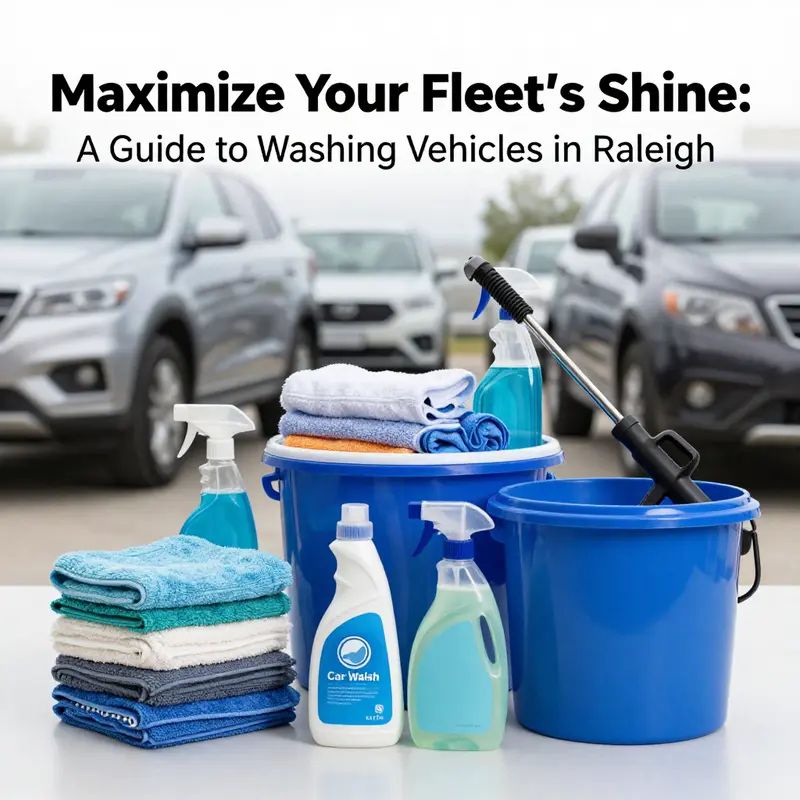
Assemble a concise kit: two buckets (one with diluted, pH-neutral soap and one with clean rinse water), a soft microfiber wash mitt, a separate wheel brush, clean microfiber drying towels, glass cleaner, and a tire dressing if desired. The two-bucket method is key to protecting your finish—rinse the mitt in the clean bucket frequently to avoid dragging grit across paint and creating swirl marks.
Wash from the top down, starting with a gentle pre-rinse to remove loose dirt and brake dust, especially in wheel wells. Use a hose with an adjustable spray or a pressure washer on a low setting, angling the spray to avoid forcing water into seals. Work panels systematically: roof, hood, doors, fenders, and finally lower body panels and rocker areas where road grime accumulates. For trucks, pay extra attention to the bed, tailgate, and lower cab areas.
Rinse thoroughly as you go and finish with a full top-to-bottom rinse to flush soap from seams and crevices. Dry promptly using clean microfiber towels—pat or blot first if water pools, then gently wipe to avoid drag marks. Change drying towels frequently to keep them dirt-free. Address door jambs and mirrors where water can collect to prevent spotting.
Tend to wheels and tires with a dedicated cleaner and brush; rinse thoroughly and apply a UV-protectant tire dressing if you want a refreshed look. Optionally, perform a light interior detail: vacuum, wipe common-touch surfaces, and clean glass for a cohesive finish that complements the exterior.
Keep environmental and local rules in mind—many Raleigh neighborhoods encourage water conservation. The bucket-over-hose approach minimizes water use while still producing excellent results. Choosing shaded locations slows drying enough for a more controlled rinse and reduces the risk of sun-driven streaks.
Finally, combine local awareness with sound technique: plan washes for favorable weather windows, use the two-bucket method with soft microfiber tools, and dry promptly and carefully. These habits will help you achieve a durable, streak-free finish that respects both your vehicle’s paint and Raleigh’s seasonal rhythms.
Raleigh-Ready Car Care: The Essential Toolkit for Washing Cars and Trucks Without Water Woes or Scratch Marks
In Raleigh, where sun climbs high and weather can shift quickly, a proper wash is more than a routine detail. It is a patient, deliberate art that protects a vehicle’s finish from heat, humidity, and the grime that clings to every curve after miles of city streets and rural connectors. A Raleigh ready approach starts with the right toolkit and a mindset that combines care with conservation. The goal is to lift dirt without scratching the paint, to remove brake dust from wheels without over-scrubbing delicate metals, and to finish with a surface that shines without water spots or residue. This chapter follows that path by weaving together the essential tools, the best practices, and the local considerations that make washing a car or a truck in Raleigh effective and satisfying.
Central to any successful wash is having the right tools at hand. The core kit centers on a two bucket system, a soft microfiber wash mitt or sponge, a pH neutral automotive soap, a hose or pressure washer with an adjustable nozzle, a dedicated wheel brush, and a selection of clean towels or chamois for drying. The two bucket method is not simply a ritual; it is a safeguard against swirl marks and micro-scratches. One bucket holds the soapy water, the other holds clean rinse water. The wash mitt never returns to the soapy bucket after it has touched the dirt on the vehicle. Instead, it first goes into the rinse bucket to release captured grit before dipping back into the soap. This simple discipline preserves gloss and prevents the abrasive debris from grinding into the finish as you move from panel to panel.
Choosing the soap is a quiet but critical decision. Use a soap that is specifically formulated for automotive finishes and labeled as pH neutral. This type of soap cleans effectively while preserving waxes and sealants that protect the paint. Avoid household cleaners, dish soaps, or laundry detergents, which can strip protective layers and create dullness over time. In Raleigh’s climate, the soap’s formulation matters even more because lingering soap on hot panels can dry rapidly under the sun, leaving those stubborn water spots that mar a glossy look. A well rinsed surface is essential, but preparation begins with the right mix of soap and water and the patience to apply it correctly.
The physical tools deserve equal attention. A high-pressure hose or a pressure washer with an adjustable nozzle makes pre rinsing efficient without forcing water into seals or door edges. A brush or mitt with a gentle but effective nap lifts dirt without abrading the paint. Wheels demand a slightly different approach. Brake dust accumulates in crevices and between spokes, so a dedicated wheel brush paired with a wheel cleaner helps lift the heaviest grime. For larger vehicles such as trucks, the same principles apply but the scale changes. The bed sides, tailgate, and cab area accumulate more deposits and require deliberate passes to avoid missed spots. A stiff-bristled brush can help with tougher grime, but you must rinse thoroughly to ensure the cleaner does not linger where it can cause dullness or staining.
The drying stage is where the finish truly reveals itself. Drying too slowly invites water spots, especially on Raleigh days when humidity can linger as the sun starts to descend. Use clean, dry microfiber towels and blot rather than scrub; moving in sections helps manage moisture and prevents drips from settling into crevices. Think of the car as a clockwork of panels: hood first, then the roof, then the doors, with special attention paid to door jambs, mirrors, and the lower body lines where water tends to pool. A common mistake is to skip the drying stage or to use towels that have already collected dirt. Swapping towels as they pick up grit is not wasteful—it is essential to protect the surface and keep the finish pristine.
Raleigh’s environment also nudges behavior toward efficiency and care. Temperature and sun exposure influence the timing of a wash. Early morning or late afternoon washes take better advantage of shade, reducing the risk of rapid soap drying and water spots. The city’s climate can tempt quick washes after a run to the job site, but the best results emerge when you park in the shade and give the vehicle time to cool. If you are planning a fleet wash for multiple vehicles, the same two bucket discipline applies, but you may need larger containers, more mitts, and extra towels to maintain the same level of care across many surfaces. In those scenarios, it helps to designate a wash station with its own rinse water supply and a clear workflow so that each vehicle moves through a repeatable process without cross contamination between panels.
Beyond the basics of washing, there are more specialized tools and supplies that become particularly valuable when working with trucks and fleet vehicles. In semi trucks and large pickups, the sheer area of paint and metal surfaces increases the potential for stubborn film such as road grime, tar, and oil residues. For those conditions, commercially designed heavy duty soap and targeted cleaners are useful for break dust, insect residue, and stubborn grime. A separate set of degreasers can handle engine bays and undercarriages when you choose to address those areas. If you own or operate a fleet, keep in mind that some metal components benefit from mild brighteners or protective sprays to maintain a bright look on aluminum or chrome accents. When using any potent cleaner, follow the manufacturer guidelines, apply sparingly, and rinse thoroughly because remnants can dull finishes over time if left behind.
A well stocked shop space in Raleigh also includes the practical extras that keep the process smooth. A pair of clean microfiber towels dedicated to drying, a glass cleaner for spotless windows, and a detailing spray to restore subtle luster after drying can make a big difference in the final appearance. If you plan interior attention as part of the same project, a compact vacuum and suitable interior cleaners allow you to freshen up dashboards, door panels, and mats. Leather or vinyl surfaces can benefit from a conditioner or protectant—applied in small, controlled amounts—to maintain suppleness and resist cracking in the heat. For the windshield and windows, a dedicated glass cleaner helps maintain clarity, reduce streaks, and improve visibility once you step back to appraise the result. The goal remains consistent: a car or truck that looks cared-for, with a finish that reflects the effort you invested rather than the elements you faced.
As you assemble your toolkit, it is natural to think about the option of professional services in Raleigh. A local wash facility or mobile detailing service can provide convenience and consistency, especially when time is tight or you are managing a fleet that requires dependable turnaround. When choosing a service, prioritize those that emphasize finishing techniques that respect paint and clear coats, use eco friendly products, and commit to protecting trim and glass throughout the process. A DIY wash and a professional option are not opposing paths; they are complementary tools in a balanced approach to vehicle care. Depending on your schedule, you may alternate between a thorough home wash and an occasional professional detailing to refresh the deep finish and maintain resale value.
For readers who want a handy nearby reference point, consider a local DIY hub that offers on site supplies and guidance. You can check a Raleigh based facility that supports both personal and commercial washes. The anchor is the idea that you can plan ahead, gather your supplies, and perform the wash at your own pace without rushing. This approach aligns with the two bucket method and the careful, panel by panel strategy that keeps finishes looking new longer. If you choose this route, you can also benefit from any on site advice or demonstrations that help you adapt the process to your vehicle’s specific needs, whether you drive a compact sedan or a long wheelbase work truck. For more on ease and accessibility, you may look into a nearby resource described in the linked content below. See the Wash Your Car reference for practical guidance and a model that supports careful DIY washing while keeping environmental considerations in mind.
In the spirit of practical learning, it helps to keep a single guiding philosophy in mind: treat your vehicle as a surface worth preserving. The gentle lift of grime and the careful restoration of gloss are the rewards. With the right tools, a patient wash, and an eye on Raleigh’s climate and regulations, you can achieve a finish that shines in sunlight and holds up against road grime, brake dust, and the occasional bug splatter that comes with long drives on rural byways and highway corridors alike. As you move through the routine, you will notice that the process becomes less about chasing perfection and more about sustaining a finish that remains resilient to the heat, humidity, and occasional downpour that are part of life in this region. The results speak for themselves as you step back from each panel and see a true carryover of care, not a temporary gloss.
For a nearby DIY hub and guidance that aligns with this approach, you can explore a local option described through a practical link. This resource provides planning ideas, on site supplies, and a pathway to ensure you have everything needed for a successful wash. Wash Your Car offers a framework you can adapt to your vehicle and schedule, reinforcing the two bucket discipline, the importance of rinsing thoroughly, and the benefit of a focused, shade friendly wash window. The link below anchors this idea in a real world context while keeping the narrative rooted in the Raleigh experience of performing a careful, thorough wash that protects the finish while respecting water use goals. Wash Your Car.
As you move forward, always keep in mind that your toolkit is a living part of your car care routine. Replace worn mitts, confirm that the soap remains pH neutral, and regularly refresh towels. The cost of neglect is measured not just in dollars but in the diminishing gloss and depth of color that you worked hard to reveal. The goal is steady maintenance: a car or truck that looks as though it has just rolled off the showroom floor, even as you drive in and out of Raleigh traffic, over gravel paths, and through the seasonal wash of pollen, dust, and rain. When you plan a wash, think through the sequence, prepare the space, protect the edges, and keep your surface in motion from top to bottom with a calm rhythm. The practice becomes less about the moment of cleaning and more about the ongoing habit of care that extends the life and beauty of the vehicle you drive every day.
To expand your practice beyond the basics, consider the broader discipline of vehicle maintenance that supports clean finishes over time. Routine washings are the first line of defense against contaminants that can embed themselves in crevices and micro imperfections. A thoughtful sequence—pre rinse, wash from top to bottom, dedicated wheel cleaning, thorough rinse, and careful drying—minimizes the risk of water spotting and paint dullness. In Raleigh, where you may encounter seasonal pollen, tree sap, or urban dust, the habit of regular cleaning helps prevent long term buildup that can require more intensive remedial work later. The tools you buy and the routines you adopt become long term allies in the ongoing effort to protect paint, preserve value, and enjoy the sense of pride that comes with a vehicle that looks cared for and well maintained.
In sum, assembling the right toolkit for washing your car or truck in Raleigh is less a one time purchase and more an ongoing practice. It is about choosing pH neutral soaps that respect finishes, about maintaining a careful two bucket workflow, and about applying a top to bottom discipline that travels with you across every season. It is about recognizing Raleigh as a place where climate matters and water use is a practical consideration, which makes shade, timing, and rinsing logic crucial components of the plan. And it is about balancing DIY discipline with professional options when time or scale warrants them. With these principles in hand, you can approach every wash with confidence, delivering a finish that gleams in the late afternoon sun and endures through Raleigh’s roads, weather, and routines. For further perspective and to see how this framework fits larger fleet and professional contexts, consult the external resource linked below for broader guidance on safe and effective vehicle washing practices.
External resource for broader context: Auto Care Association car washing tips. https://www.autocare.org/car-washing-tips
Raleigh Clean, Scratch-Free: A Comprehensive Guide to Washing Your Car or Truck in the Capital City
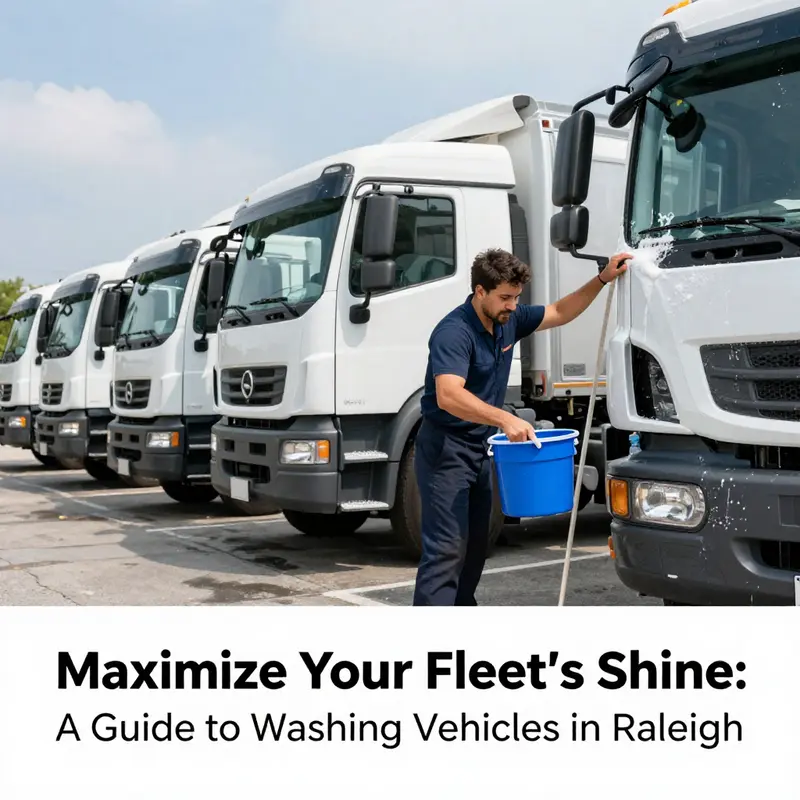
In Raleigh, where the sun leans warm over brick streets and the humidity can cling to a finish, a careful hand wash becomes more than a routine. It is a deliberate act of care—protecting clear coats and coatings from the grit of road grime while preventing water spots that can mar a ride after a long day on the coast-to-houston-like corridors of North Carolina’s capital. The goal is simple in vision but requires discipline in practice: clean the vehicle thoroughly without inviting scratches, swirls, or residue that dulls paint, all while using water and products that respect the local climate and law. The timing matters as much as the technique. Washing in cooler parts of the day—early morning or late afternoon—lets soap and rinse stay on the surface long enough to work, but not so long that they dry into streaks on hot pavement or in bright sun. In Raleigh, where drought conditions and water restrictions can crop up with little warning, adopting a measured approach to water use is not merely prudent; it is responsible. Even the simplest step, rinsing with a garden hose at a gentle flow, should be framed by awareness of local guidelines that favor efficiency. A two-bucket method, paired with a soft wash mitt and pH-balanced car wash soap, remains a cornerstone of effective, paint-safe washing locally and beyond. This approach minimizes the transfer of abrasive dirt from the road into the clean water you apply to the painted surface, reducing the risk of micro-scratches as the mitt glides over curves and contours.
Begin with preparation rather than panic. Gather two clean buckets, one filled with soapy water and another with clear rinse water. Select a microfiber wash mitt or a soft sponge that won’t shed fibers. Keep a high-pressure hose or a pressure washer with an adjustable nozzle handy, but avoid blasting water into door seals or hinges. A dedicated wheel brush and cleaner are essential for Raleigh’s mix of brake dust and road grime, especially on trucks and heavy-use vehicles. Have a supply of clean microfiber towels or chamois for drying, plus a dedicated glass cleaner and a detailing spray for trim and mirrors. If you are detailing the interior, a vacuum and appropriate cleaners for the dash, mats, and seats will complete a thorough job—though the interior step can be saved for when the exterior is pristine.
With the car or truck cooling in the shade, loosen the surface dirt with a light pre-rinse. Start at the top and work down toward the wheels and undercarriage. The top-down approach minimizes gravity-driven dirt being dragged across freshly cleaned sections. In Raleigh, the grime that accumulates along fenders and wheel wells is often the most stubborn, and that is precisely where your attention should dwell. A 45-degree angle with the nozzle helps prevent water from forcing its way into seals or door edges while still lifting debris away. This careful pre-rinse reduces the amount of dirt the mitt must pick up as you begin the two-bucket wash, which in turn reduces the chance of dragging gritty particles across the clear coat.
The wash itself should proceed from top to bottom in manageable sections. Dip the mitt into the soapy bucket, work a panel or two, then rinse the mitt in the clear-water bucket before returning to the next area. This keeps the mitt clean and prevents the introduction of road grit into the soapy water and back onto the paint. Focus on the front grille, the side mirrors, and the large body panels that define the silhouette of the vehicle. For trucks, give extra attention to the bed sides, tailgate, and cab area where dirt tends to accumulate in grooves and seams. A dedicated wheel brush is used to target rims and spokes, scrubbing away brake dust and baked-on grime. Once each area receives attention, the rinse bucket receives the soapy-soiled mitt and becomes the source of a clean rinse for the next pass. There is a rhythm to this method—the quiet confidence of a clean mitt gliding across a surface, followed by a crisp rinse that removes loosened dirt before it can settle again.
Wheels and tires deserve their own, focused action. Apply a wheel cleaner to the rims and use a stiff-bristled brush to lift brake dust and road grime from intricate wheel details. Rinse thoroughly before moving back to the body. After the wheels, apply a tire dressing or a rubber cleaner to restore a deep, black finish and to help protect against UV degradation. The sequence matters: dirty wheels can redeposit debris onto a freshly washed body if left to dry on contact patches around the fender edges. A patient rhythm—rinse, wash, rinse, dry—ensures the entire vehicle emerges free of soap residue and streaks.
Rinsing is the critical bridge between washing and drying. After you finish the body panels, rinse the entire vehicle with a gentle stream from top to bottom. Ensure there is no soap residue anywhere—especially in crevices such as door seals, window edges, and wheel wells. The goal is a surface that feels slick to the touch rather than sticky, a sign that the soap has done its job and has been fully rinsed away. A thorough final rinse also prevents soap from drying into micro-layers that could trap dust or mineral deposits on the surface. The water itself should be clean and free of additives that can leave white mineral marks if the sun finds the vehicle before it’s dry. Drying is the next crucial step, and in Raleigh’s climate a quick but meticulous approach is best.
Drying is not a step to rush; it is a finishing touch that prevents water spots and towel-induced scratches. Use clean, dry microfiber towels and blot rather than rub. Work in sections, and change towels frequently to avoid transferring dirt back onto the surface. Pay extra attention to door jambs, mirror edges, and any area where water tends to pool. The goal is a uniform, silky finish that looks as if the surface was just revealed from a protective layer rather than wiped dry with a rough cloth. In addition to the exterior, consider light interior detailing as a complement to the wash if you have the time and inclination. Vacuum the seats and mats, wipe down the dashboard and center console with a lint-free cloth, and use a glass cleaner for the windows. A careful interior wipe-down reduces dust and keeps visibility clear for the drive ahead.
For those who run fleets, manage a personal vehicle, or simply want a broader understanding of how to conduct washes with efficiency and care, there is value in looking beyond the driveway. Facility management for truck wash businesses provides insight into workflows, water reuse, and the allocation of space and tools to ensure that repeated washes—whether in a home driveway or a professional setting—are both efficient and safe for the finish. This broader perspective helps the individual car owner appreciate the science behind a good wash and the business logic that keeps professional washes running smoothly. Facility management for truck wash businesses
When you consider Raleigh specifically, a few practical realities shape the process. The city’s occasional drought advisories mean every drop of water counts, so adopting water-smart practices is prudent. It is wise to check local regulations or restrictions regarding outdoor water use, especially during dry spells or summer heat when municipal guidance may tighten. The pro tip remains: use a bucket rather than a continuous hose stream when possible, and limit rinse water to what is necessary to remove soap and dirt. A little planning in advance, including a full set of washing supplies and a routine that minimizes water waste, makes the difference between a casual sparkle and a long-lasting, glaze-free finish that resists the daily grind of Raleigh roads.
If you prefer the convenience of a professional option, Raleigh offers a range of wash facilities that cater to different needs. You can opt for a full-service, self-serve, or touchless approach, each with its own benefits. A touchless system, for instance, can protect the paint and finish by removing the need for physical contact with the surface, thereby reducing the risk of swirl marks and light marring that sometimes arise from cloth or mitts. A hybrid approach—combining a touchless wash with a quick hand-dry or spot-clean at home—can offer the best of both worlds: efficient cleaning with careful post-wash attention to detail. For those who value control and customization, self-serve bays give you the option to select high-pressure streams and eco-friendly cleaning agents, letting you tailor the wash to the vehicle’s needs and the grime accumulated on Raleigh’s roads.
In keeping with the spirit of continuous improvement, it can be helpful to explore user experiences and opinions about local truck washes. Checking reputable listings in Raleigh can provide a snapshot of what customers value in a wash facility—timeliness, thoroughness, and the eco-friendliness of products used. While it is natural to seek out convenience, the underlying care for the vehicle’s finish remains constant: use the proper soap, avoid household detergents that strip wax, and follow a systematic, gentle approach that preserves gloss and paint integrity. If you want to connect the practice you apply on leaf-strewn suburban streets to a more systemic approach, the linked guidance on facility operations offers a broader context for how professional shops organize their services and keep vehicles looking their best between visits. For readers seeking more information on fleet care and wash best practices across the industry, a well-regarded resource offers a trusted baseline for safe, effective vehicle washing techniques that translate well from the driveway to the shop floor. The connection between careful home washing and professional standards is not merely academic; it reinforces the principle that good technique scales with use, environment, and the expectations of Raleigh drivers who want their vehicles to look sharp on the street and in traffic.
As you finish the process, remember that the aim is a finish that is visually smooth and even, with no halos of soap or water spots catching the sun. The overall effect should be a vehicle that looks cared for, with paint that reflects light rather than dulls it. The habit of performing a consistent wash on a regular basis—especially after winter road treatments or during the spring pollen season—helps maintain resale value and reduces the likelihood of corrosion and etching that can occur when dirt remains embedded in the paint. A well-executed wash is not a one-off act; it is part of a broader commitment to preserving the vehicle’s appearance and longevity. When done with attention to cool weather, proper technique, and limited water use, washing a car or truck in Raleigh becomes a straightforward ritual: deliberate, gentle, and effective, with a finish that shows you care about the road and the ride ahead.
External resource: For further guidance from a trusted source on car washing techniques, see the Auto Care Association car washing tips external resource: https://www.autocare.org/car-washing-tips
Final thoughts
Maintaining the cleanliness of your fleet in Raleigh not only ensures a professional appearance but also minimizes damage and prolongs the life of vehicles. By aligning washing activities with optimal local conditions, using the right tools, and employing effective washing techniques, fleet managers and operators can sustain their vehicles in prime condition. Prioritizing vehicle maintenance is essential to enhancing overall fleet performance and value.