
Maintaining a truck fleet in optimal condition is paramount for logistics and freight companies. Fleet managers and owners often face the question of how best to wash their vehicles efficiently without compromising their integrity. While some may consider dish soap as a convenient cleaning solution, understanding its impact is crucial. This article delves into the effects of using dish soap on truck finishes, offers effective alternatives, and outlines best practices for maintaining a truck fleet over time. Each chapter builds on the last to provide comprehensive insights into making informed washing choices.
Dish Soap on the Truck: The Hidden Costs of a Quick Clean
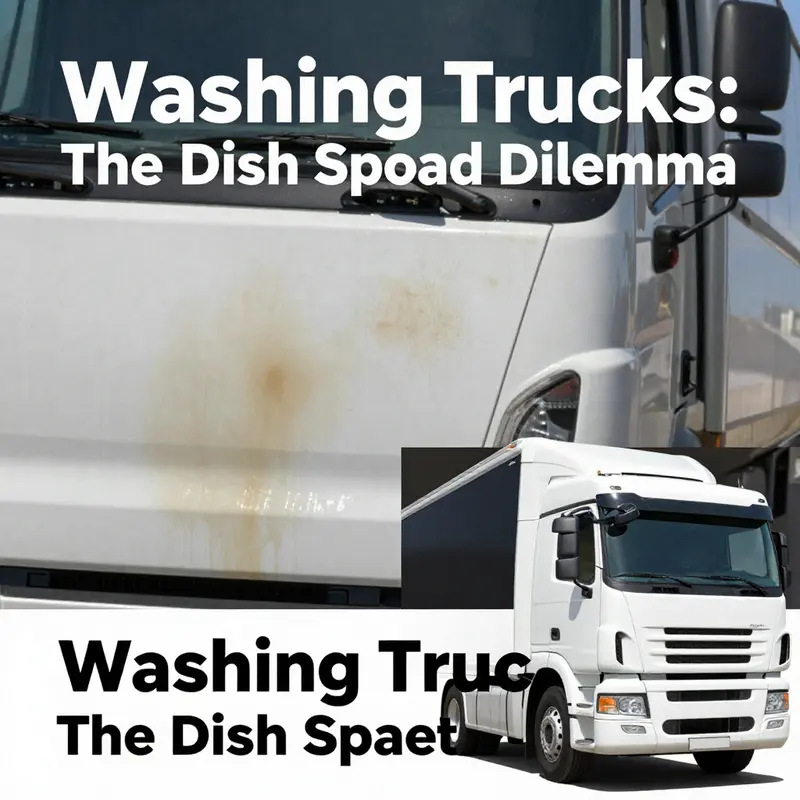
A spill of sunlight across a long line of chrome wheels can make a rushed wash feel urgent. If you’ve ever stood at a truck wash bay with a bottle of dish soap in hand, the impulse to reach for it is understandable. Dish soap is designed to cut grease, lift food residues, and leave kitchens sparkling. It’s cheap, readily available, and seemingly practical for a quick cleanup when grime accumulates after a long haul. Yet the very properties that make it so effective for dishes also make it a poor long-term choice for a vehicle. The cleaner you reach for in a pinch, the more you may pay later in finish clarity, protective layers, and ease of future cleaning. This isn’t a moral judgment about convenience; it’s a careful look at chemistry, physics, and the way automotive finishes are engineered to hold up against the elements, road spray, and the daily assaults of weather, sun, and grime.
Dish soap excels at breaking grease because it uses strong degreasers and surfactants designed to emulsify oils and lift residues from nonporous kitchenware. In the context of a vehicle’s paint and clear coat, that same capability translates into a different kind of problem. The expanse of a truck’s painted surface is more like a delicate film than a dish rack. The film carries a protective layer—wax, sealant, or a clear coat—that is meant to reflect UV rays, resist adherent contaminants, and present a glossy finish that signals care and durability. When dish soap is applied with vigor, its alkaline components and potent detergents can strip away this protective shield. The effect might not be obvious after one wash, but repeated exposure accumulates.
In practical terms, the moment dish soap meets a painted surface, the first consequence is often a loss of shine. The soap’s detergents can dull the luster, washing away the wax or sealant that keeps the finish bright and resilient. The gloss that makes a truck look clean is not simply cosmetic; it also helps resist micro-scratches and ultraviolet damage. Without it, the paint relies more heavily on the bare coating underneath, which is more vulnerable to fading and color shifts over time. You may notice a subtle, chalky drift in the color of the clear coat or a more apparent dulling after a season of exposure. While a single wash may not erase a finish, a pattern of repeated dish-soap cleanings can contribute to a perception of aging—loss of depth, reduced clarity, and a finish that looks wore rather than freshly serviced.
Beyond aesthetics, the risk to protection is more insidious. The protective wax or polymer sealant acts as a sacrificial barrier. It beads water, reduces surface friction, and helps contaminants slide off rather than bonding to the paint. When dish soap strips that layer, the paint is left exposed to what follows: bird droppings, tree sap, acid rain, road grime, and mineral deposits. Each of these contaminants adheres more securely to unprotected paint, and the next wash has to work harder to remove them. The cycle of scrubbing to remove stubborn residues while already lacking protection can become a self-perpetuating problem. The risk isn’t only cosmetic; with time, exposed paint can show increased sensitivity to UV rays, which accelerates oxidation and can dull color. The long view here is not just about a single wash, but about how a casual, frequent use of dish soap can silently accelerate finish aging.
Another practical concern is the physical interaction between a wash mitt and the painted surface. Dish soap’s emphasis on aggressive degreasing means it often comes with a higher level of lubrication deficiency in the wash routine. A typical wash mitt glides across the surface with the intention of lifting dirt away. If the surface isn’t well-lubricated by the cleaning solution, the mitt can create micro-scratches. These tiny scratches accumulate, pleasing no one but visible to the eye as fine swirl marks or light spiderweb patterns, especially when sunlight catches them at an angle. The friction heat generated during vigorous scrubbing can also contribute to micro-damage, particularly if the mitt is worn or the dirt trapped within it is gritty. In short, the same property that makes dish soap efficient for greasy pans reduces its suitability for a smooth, intentional, paint-safe wash.
The risk, however, isn’t just about the finish. A car’s protective layers also help in preventing small-scale corrosion and in maintaining seal integrity around rubber components. Repetitive exposure to alkaline cleaners can alter the elasticity of door gaskets, windshield wipers, and other rubber seals. These components live at the interface of metal and environment; they tolerate a lot, but not constant chemical stress. Over time, you may observe cracks, shrinkage, or hardening of these seals, leading to leaks or wind noise—issues that begin as small irritants and can become significant maintenance concerns. While it’s unlikely that a single dish-soap wash will create catastrophic seal failure, the pattern matters. The more frequently these cleaners are used, the greater the cumulative risk to both the paint and the rubber components that keep the truck watertight and quiet.
A broader consideration is the pH balance and residue left behind by dish soap. Many dishwashing formulations sit on the pH scale in a more alkaline region, which is not ideal for routine vehicle maintenance. Alkaline cleaners can neutralize the wax or sealant more quickly than neutral or slightly acidic alternatives. Even if you don’t immediately notice residue, the film left by these cleaners can attract dirt more readily. Dirt clings to film more than to a properly cleaned surface, so you end up with a dirty look even after a wash, and you’ve already spent more effort removing it in the next round. Over time, this residue can create a matte layer that dulls the paint’s clarity and gives the vehicle a neglected appearance. In the worst cases, the combination of alkaline exposure and contaminants can contribute to a slow, indirect aging of the surface that may mimic sun damage or weathering.
The research angle here isn’t merely theoretical; it’s grounded in practical automotive maintenance guidance. The core message from industry experts is consistent: dish soap cleans, but it does not protect. Its lack of lubricants, absence of wax-preserving agents, and potential for alkaline action make it a mismatch for regular vehicle washing. The result is not a dramatic catastrophe but a gradual erosion of finish and protective layers, a subtle loss of radiance, and a higher risk of micro-damage that becomes noticeable only after a pattern of washes. Acknowledging this helps in choosing a washing approach that respects the vehicle’s needs while accommodating real-world schedules and constraints.
From a maintenance planning perspective, the best approach for most truck owners is to think of wash routines as a spectrum. At one end is a proper car wash—specifically formulated, pH-balanced, and designed to protect paint and coatings while providing effective cleaning power. At the other end sits dish soap, highly effective for its intended kitchen task but ill-suited for protecting automotive surfaces over time. There are legitimate, everyday scenarios where spot-cleaning with dish soap might seem tempting, such as a stubborn grease spot or a tar smear that burger grease or road film cannot easily lift with a standard wash. In those moments, use of dish soap should be treated as a temporary measure, not a standard practice. Dilution matters. A heavily diluted solution, rinsed thoroughly, reduces some risk but does not cancel it entirely. Even with dilution, the absence of lubricants and wax-preserving agents remains a vulnerability. For most owners, the prudent path is established: routine use of a dedicated automotive wash solution, paired with regular waxing or sealing to maintain the protective layers and gloss.
There are credible, more accessible avenues to improve cleaning outcomes without sacrificing protection. A dedicated automotive wash soap is formulated with a balanced pH and surfactants that work with a lubricated wash mitt to minimize friction and abrasion. These products often include conditioning agents that help maintain a slick surface, which reduces the chance of micro-scratches during cleansing. They may also incorporate mild wax or sealant components that contribute to an ongoing shield against contaminants, weather, and UV exposure. The benefit is twofold: a cleaner appearance and a longer-lasting protective baseline that supports easier future washes. In practice, this translates into a smoother wash process, lower risk of surface damage, and a finish that remains more vibrant for longer.
If you ever find yourself in a moment where dish soap seems like the only option, there is a cautious, disciplined way to proceed. Begin with a heavy dilution, followed by a thorough rinse. Work in a shaded area to minimize water spotting as the surface dries. Use a two-bucket method: one for soapy solution and one for rinsing. A clean wash mitt that is rinsed frequently with the rinse bucket helps keep dirt from re-depositing on the paint. Start at the top and work downward to minimize the chance of dragging dirt across cleaner areas. Rinse frequently during the wash to remove loosened grime, and avoid scrubbing vigorously when the surface appears clean; the goal is to clear the surface, not to aggressively scour it. After washing, dry with clean microfiber towels to prevent water spots and mineral deposits, and assess the finish. If the wax layer looks thin or uneven, schedule a wax reapplication or sealant refresh as soon as practical. A single dish-soap wash may be manageable in a pinch, but a routine that relies on such products rarely yields the best long-term protection.
For role-specific contexts—such as fleets that contend with heavy grease, road grime, or tar—the approach is even more conservative. Heavy-duty cleaning may require targeted solvent-based removers or specialty products designed to lift tough contaminants while preserving coatings. Those options should be selected with care and applied according to manufacturer instructions, emphasizing safety for both the vehicle and the operator. In this arena, the value of professional-grade car wash products becomes even clearer. They’re designed to deliver cleaning power where needed while preserving the vehicle’s protective layers. The long-term cost of restoration or reapplication of coatings can be more significant than the incremental savings of skipping proper products in a single wash.
A practical takeaway for developers of truck maintenance programs and for individual operators alike is to align washing routines with the vehicle’s protective strategy. If a truck carries a high-gloss paint job, a fleet with ongoing exposure to sun and salt, or a schedule that requires frequent wash sessions, a dedicated car wash solution paired with regular wax or sealant maintenance yields measurable benefits. It enhances appearance, supports resale value, and reduces the risk of paint degradation over time. The discipline of regular maintenance—washing with appropriate products, drying with care, and refreshing protective layers—creates a cycle of durability rather than an ongoing accumulation of minor damages that quietly erode aesthetics and resilience. In other words, the best practice is not merely about getting the dirt off; it’s about preserving the surface’s integrity and beauty over the life of the vehicle.
If you want a concise, field-tested reminder on how to approach washing without compromising protection, there is a path that many fleets have found effective. It centers on using products that are specifically formulated for vehicles, applying them with proper technique, and reaffirming protection after sessions that involve heavier cleaning. For those who want a quick refresher that translates into real-world results, a practical, vendor-neutral guide focuses on technique—top-to-bottom washing, two-bucket efficiency, gentle mitt handling, careful drying—and on the philosophy of maintenance that prioritizes longevity over convenience. This approach isn’t about stiff rules; it’s about a sustainable habit that keeps trucks looking good and performing well, even after thousands of miles and months of exposure to road grime. And while dish soap holds a place in the kitchen and around the shop in certain contexts, its role in routine vehicle washing is not a long-term partner for a polished, protected finish.
For those who want to explore practical strategies that align with this philosophy, consider the broader body of guidance that addresses how to keep trucks clean while protecting their coatings. See the practical insights in proven strategies for cleaning grease and tar off your trucks fast, which offer field-tested methods that balance cleaning effectiveness with surface care. This resource emphasizes techniques that minimize friction and protect finishes while managing tough contaminants, providing a grounded framework you can apply without compromising the shield that guards your paint and seals. It’s a reminder that sound maintenance blends chemistry, technique, and a small amount of discipline, yielding long-term benefits that extend beyond a single wash. https://tripleatruckwash.com/proven-strategies-for-cleaning-grease-and-tar-off-your-trucks-fast/
Ultimately, the question may circle back to the same practical point: can you wash a truck with dish soap? Yes, you can, but it is not ideal for regular cleaning. It’s a tool with specific uses in a broader toolkit, where the right choice is a mild, pH-neutral car shampoo designed for vehicles. It’s a safeguard for the finish, a shield for the coatings, and a smarter use of time and labor in the long run. If you want the surface to stay vibrant and the maintenance to stay straightforward, reserve dish soap for occasional, light defect removal or quick spot cleaning, and rely on purpose-built car wash products for routine care. The result is not simply a cleaner truck but a vehicle that retains its gloss, resists wear, and remains easier to maintain as miles accumulate and seasons change. For ongoing guidance and evidence-based best practices, the broader literature on proper washing techniques and protective coatings can be a valuable companion, starting with the idea that the right product makes the difference between a surface that looks clean now and a finish that keeps looking clean years later. External resources like Car and Driver’s discussion on dish soap usage further reinforce this point, highlighting the consensus that suspension of routine protection invites longer-term costs.
External resource: Why You Should Never Use Dish Soap to Wash Your Car – Car and Driver
Beyond the Bubbles: Safer, Smarter Alternatives to Dish Soap for Cleaning a Truck
The impulse to reach for dish soap when a truck needs a wash is understandable. It’s a familiar, kitchen-tested product that seems to cut grease with little effort. But the quick fix of a soapy splash can come with longer-term costs. Dish soap is designed to remove stubborn fats from dinner plates, not to protect the finish of a vehicle that endures sun, wind, salt, tar, and a thousand little contact events every day. Its detergents are robust, its hydrophobic and hydrophilic agents designed to separate oil from water, and its pH profile is often more aggressive than what most automotive finishes were meant to endure on a regular basis. When you apply dish soap to a truck coat after coat of wax or sealant and over time, you are treading a line between clean and cared-for. You may see the dirt lift away quickly, yet you may also notice dullness returning sooner, more pronounced at the edges of panels, or a subtle fading of the coating that once protected the finish from UV rays and bearing up against road grime. It is a distinction that becomes clearer the longer a fleet operates under heavy use, in variable climates, and with vehicles that see more miles and more exposure than a typical household car.
What makes dish soap so potent for cleaning grease is precisely what makes it risky for automotive finishes. The detergents have strong degreasing properties. They break the bond between oily soils and paint by lowering surface tension and emulsifying oils so they can be rinsed away with water. That same effect, if applied repeatedly and without care, can strip waxes and sealants designed to sit on the paint. A wax layer is not just cosmetic. It adds a sacrificial layer that helps repel water, reduce micro-scratches, and slow the onset of oxidation. When that layer is thinned or removed, the paint loses an ally in the fight against UV exposure, industrial fallout, and the relentless assault of dust and road debris. The result can be a finish that looks fine after washing but wears down more quickly, becoming more susceptible to fading and chalking with continued exposure. In trucks, where the environment is harsher and the coatings more complex, the risk compounds. The combination of repeated cleaning cycles, exposure to salt and brine in winter, and the accumulation of tar and industrial grime creates a tipping point where the convenience of dish soap begins to give way to costlier maintenance needs later.
There is a practical middle ground, one that respects the need to remove grease while protecting the vehicle’s long-term finish. This is where the idea of specialized cleaners comes into sharp focus. A dedicated truck wash product or a pH-balanced vehicle shampoo is designed to bridge that gap between aggressive cleaning and careful preservation. These products are formulated with the chemistry of automotive finishes in mind. They clean effectively, but they do so with minimal impact on wax, sealants, and the clear coat. The difference may seem subtle in a single wash, yet it becomes meaningful across dozens or hundreds of washes over the life of a fleet. When you step back from the convenience of a kitchen sink chemical and into the world of vehicle-specific formulations, you begin to see how the right balance of detergency, pH, and lubricity can keep miles of paint looking newer, longer.
For operators seeking a sustainable approach to maintenance, the idea is to establish a wash routine that delivers reliability without compromising the investment in the surface finish. The best practice is to use a mild, pH-neutral car shampoo designed specifically for vehicles. These products are engineered to lift dirt and grime without stripping wax or penetrating the clear coat. They often offer the added benefit of lubricity, which reduces the friction on the paint during the washing process and lowers the risk of micro-scratches. In a fleet setting, this translates into fewer touchpoints with abrasive forces and a lower likelihood of dulling the shine that makes a truck’s appearance part of a professional impression.
Yet there are times when the fleet manager faces a stubborn build-up that seems impervious to ordinary washing. For those moments, the guidance turns to safer, more controlled alternatives to dish soap. In the sequence of options, one can start with a professional-grade, water-based cleaner that targets heavy grease and grime without dissolving protective layers. This class of cleaner is designed to be rinsed away easily and is formulated to be compatible with a wider range of surfaces found on heavy-duty vehicles, including metals, plastics, and rubber components. The aim is to optimize cleaning effectiveness while minimizing potential damage to coatings and seals. The concept is not to abandon the basics of pre-rinse and thorough rinsing but to pair them with a product that respects the vehicle’s protective plans.
Alongside these cleaners, there are specialized car and truck shampoos that bring together cleansing power with surface protection. These shampoos are typically pH-balanced to preserve waxes and sealants while still delivering a high degree of soil removal. The advantage here is not merely cleaner paint but a more consistent appearance across the fleet, with less risk of solvent-heavy residues that can attract dust or encourage water spots. This approach aligns with the broader ethos of professional vehicle care: treat the paint as a durable finish rather than a disposable layer that can be scrubbed away with aggressive products. The goal is a wash routine that enhances the existing protection and minimizes the need for frequent re-waxing or re-sealing, which over time contributes to a cleaner, more efficient fleet operation.
If a wash scenario is truly urgent and options are limited, there is a cautious path that can be taken with dish soap—one that emphasizes dilution, limited use, and meticulous rinsing. A mild dish soap, noticeably gentler than the heavy-duty kitchen varieties, can be employed as a temporary measure in a pinch. The key is dilution: a small amount of soap dissolved in a large volume of water so that the solution is weak enough not to strip coatings or leave a heavy soap film. The emphasis must be on thorough, repeated rinsing with clean water to remove any lingering residues, followed by a careful drying to avoid water-spotting. It is critical to avoid using this approach on waxed surfaces or areas that have recently been coated with sealant. Even with dilution, frequent use of dish soap can accumulate over time and increase the risk of coating degradation, especially if left to dry on the surface or combined with aggressive airflow that can drive film into micro-scratches.
In addition to the chemical choices, the washing technique matters a great deal. The old adage about washing from the top down remains sound for a reason. Dirt tends to accumulate on the upper panels first, running downward and potentially dragging grit across softer surfaces if you work from the bottom up. A proper wash cycle involves a pre-rinse to loosen the heavy soils, a two-bucket method to keep soap and rinse water separate, and a final thorough rinse to remove all residues. A microfiber wash mitt or a soft lambswool mitt can help lift dirt without applying excessive pressure. The rinse should be abundant and meticulous, with attention paid to areas where road grime is stubborn, such as behind wheel wells, around bumper corners, and along door bottoms where grime tends to accumulate. Drying, too, should be deliberate and thorough. A clean microfiber towel or a chamois can minimize water spots and reduce the risk of micro-scratches that a hurried air dry can cause when deposits are still present on the surface.
The broader context for all of this is maintenance and protection. A fleet that prioritizes protection of finishes—whether through regular waxing, dedicated sealants, or professional-grade protective coatings—will benefit from a cleaning regime that respects those coatings. Wax and sealants act as barriers against environmental aggressors, but they require care to maintain their integrity. Regular washing with pH-balanced shampoos supports this protective work, while harsh soaps can erode it. The interplay between cleaning and protection is a continuous conversation: cleaning keeps the dirt from dulling the finish, and protection helps keep the finish resistant to dirt sticking and weathering roughness. When you view washing as a complement to protection rather than as a substitute for it, the choice of products becomes an investment in the vehicle’s appearance and longevity.
To illustrate the practical decision-making that operators face, consider a common scenario on a cold, damp winter road where tar, salt, and grime accumulate. Dish soap may seem tempting because it can break down tar and grease, but repeated exposure can gradually compromise the wax and sealant layers that already endure severe conditions. In such conditions, a milder, vehicle-specific shampoo becomes a more reliable partner, and when tar is particularly stubborn, a targeted tar-removal strategy using a specialized cleaner applied with a soft cloth can be employed. The idea is to respect the finish while removing the contaminant as efficiently as possible. It is not about abandoning the approach to cleansing but about refining it so that the result is both cleaner and more durable over time. The same logic applies to mineral deposits and water spots, which vinegar solutions can help address—again in moderation and not as a routine substitute for proper coatings.
For regions where mineral-rich water leaves frequent spots, a separate rinse aid or a pre-treatment that softens minerals may be worth considering as part of a complete wash plan. In any case, knowledge about the surface you are washing—whether it is bare metal, painted surfaces, or plastic trim—helps you choose the safest option. The lesson is not to view dish soap as a universal solvent for all truck cleaning tasks, but to recognize it as a specific tool with limited scope and potential drawbacks. The better approach is to build a cleaning routine around products that are designed for the surface you intend to protect and to use the least aggressive option that achieves the job. This practice reduces the risk of wear, preserves protective layers, and keeps the truck’s finish looking sharp for longer, which in a fleet context translates into a more professional appearance and a potentially longer lifespan for expensive coatings and seals.
In this vein, it is worth noting that many authoritative maintenance guides emphasize the importance of using pH-balanced products that are explicitly designed for automotive paint. CarCare.org, a widely consulted reference in the industry, outlines the core principles of proper car washing, including the value of using the right cleaners, maintaining the integrity of wax and sealants, and applying proper washing techniques. The guidance emphasizes that while dish soap can be a temporary solution in a pinch, it should not form the backbone of routine maintenance. Treating vehicle finishes with care, following manufacturer recommendations, and choosing cleaners that align with the chemistry of your coatings all contribute to a longer-lasting shine and a more resilient surface against the elements.
When fleets seek to optimize their processes, they look for guidance beyond single-wash decisions. The conversation extends to how wash routines fit into broader fleet maintenance, scheduling, and even the economics of coatings. A wash that preserves protective layers helps reduce the frequency of re-waxing or re-coating, which in turn reduces downtime and maintenance costs. A well-chosen cleaning regimen also supports the efficiency of the operation, helping drivers or maintenance personnel complete washing tasks quickly and effectively, without sacrificing quality. In practice, this means training and standard operating procedures that emphasize the stepwise approach: pre-rinse, targeted cleaning with a vehicle-specific shampoo, careful attention to seams and high-contact areas, a thorough rinse to remove residues, and a controlled drying process. The rhythm of this routine becomes second nature with repeated use and becomes an operational advantage as the fleet scales up.
For readers who want to dive deeper into the practical side of cleaning grease and tar and to see how these strategies apply to heavy-duty fleets, consider exploring proven strategies for cleaning grease and tar off your trucks fast. This resource offers guidance on the specific techniques and products that address stubborn soils without compromising surfaces. It serves as a practical companion to the general advice outlined here and helps fleets tailor their approach to their unique operating conditions. (proven strategies for cleaning grease and tar off your trucks fast)
In summary, while dish soap can be found in many garages and service bays as a quick fix, it is not the best long-term solution for maintaining a truck’s finish and protective coatings. The risks of wax stripping, coating degradation, and increased vulnerability to UV damage and rubber seal wear outweigh the short-term cleaning benefits for most regular use cases. Instead, a disciplined approach that employs pH-balanced car and truck shampoos, dedicated heavy-duty cleaners, and careful washing techniques offers a more sustainable path. If you must resort to dish soap, dilute it heavily, limit its use, and ensure you rinse thoroughly to minimize residues. Pairing the wash with a robust maintenance plan — including periodic re-waxing or re-sealing, and thoughtfully scheduled cleanings that align with the vehicle’s exposure and usage — will deliver cleaner appearances and more durable finishes for the life of the fleet.
For readers seeking further guidance, the broader literature and industry walkthroughs underscore the value of using purpose-built products designed for vehicle finishes. Best practices also emphasize the importance of avoiding household detergents, which tend to be too alkaline for routine use on painted surfaces or sealants. In a fleet context, the economic logic aligns with choosing efficiency and longevity: the right cleaner, used correctly, reduces maintenance costs, minimizes downtime, and preserves appearance, which matters for client-facing fleets and compliant, well-managed operations. The message is clear: dish soap belongs in the kitchen, not as a routine vehicle wash solution. When used judiciously as a temporary measure, it can serve a purpose; when used as a default, it risks compromising the very finishes fleets rely on to project a professional image and maintain asset value. The smarter path is to lean into dedicated truck wash products and surface-specific cleaners that respect the chemistry of the finish while delivering dependable cleaning outcomes. And for those who want a concise blueprint that ties the cleaning method to the surface you aim to protect, the recommended routine remains straightforward: start with a pre-rinse, switch to a mild, vehicle-specific shampoo, apply targeted cleaners for stubborn soils when needed, rinse thoroughly, and dry with care. In the end, the goal is not just a clean truck, but a surface that continues to look polished and protected mile after road-worn mile.
External resource for further reading: https://www.truckwashpro.com
Best Practices for Truck Maintenance and Washing: Navigating Dish Soap, Coatings, and Lasting Shine
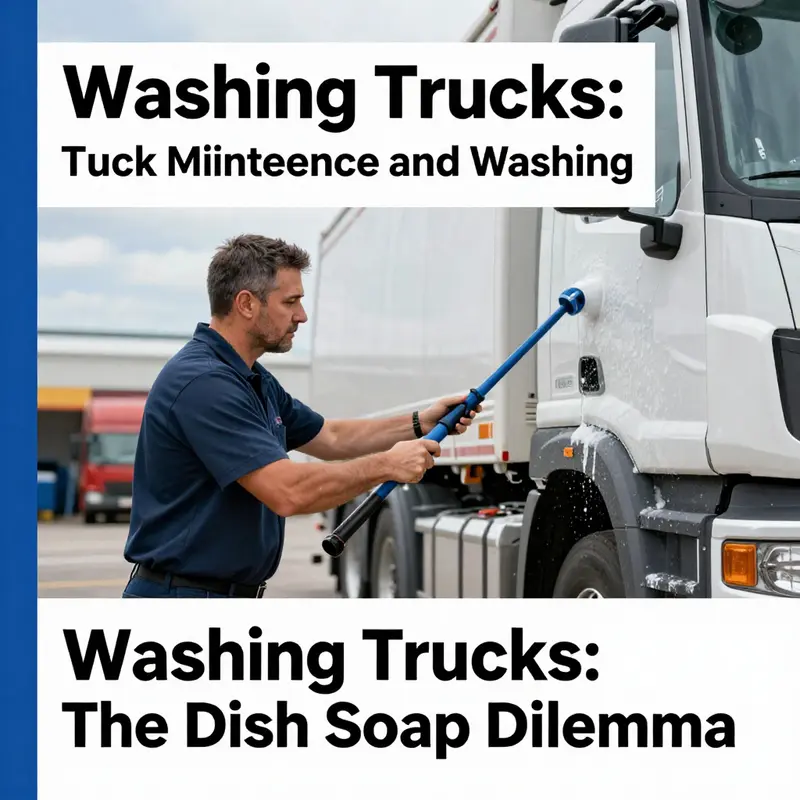
Washing a truck is more than a cosmetic chore. It is a maintenance ritual that guards against corrosion, preserves visibility, and protects the investment that a fleet represents. The question of whether dish soap can be used on a truck hovers at the intersection of convenience and long-term care. Dish soap is adept at cutting through grease and lifting stubborn grime, which makes it tempting for spot-cleaning oil stains or quick overviews after a long trip. Yet the same properties that make dish soap effective—strong detergents, surfactants, and often a slightly alkaline pH—can, over time, compromise a vehicle’s paint, wax layers, and protective coatings. The difference between a one-off cleanup and a routine washing routine lies in understanding the chemistry, applying the right technique, and choosing the right products for regular use. When you see a truck as a mobile workplace rather than a rolling canvas, the logic of proper washing becomes a blend of science and sensible habit, a discipline that keeps the finish bright, the seals supple, and the undercarriage resilient against salt, mud, and road grime.
There is a clear distinction between spot-cleaning with dish soap and establishing a consistent washing regimen using products formulated for vehicles. Dish soap often contains surfactants that aggressively lift oils, which is exactly what is needed for kitchen grease but not ideal for automotive finishes that rely on wax and sealants to act as a protective shield. Repeated exposure to such formulations can gradually strip waxes, thin the clear coat, and dull the paint’s luster. The consequences aren’t always visible after a single wash. They accumulate over time, especially in fleets that operate in environments with salt spray, winter road use, or frequent exposure to strong sunlight. The result can be more frequent refinishing needs, faded color, and reduced protection for rubber gaskets and seals that rely on smooth, conditioned surfaces to seal out moisture and contaminants.
If you’re facing a stubborn stain—oil drips, heavy road grime, or tar—let the challenge guide the approach rather than defaulting to a harsh cleaning agent. The prudent path begins with prevention and preparation. Before you reach for a wash mitt, consider the condition of the surface. Is there a wax layer or a sealant that is still providing a bead on water? Are there areas that have seen repeated exposure to road salt or UV radiation, which can make coatings more susceptible to degradation? Answering these questions shapes the washing strategy. A quick rinse with clean water removes loose dirt and reduces the risk of scratching during washing. This step also helps to soften encrusted grime so that you don’t have to scrub harder than necessary. A high-quality car shampoo, specifically formulated for automotive finishes, tends to be gentler on paint than household detergents. These products are designed to lift dirt while preserving protective coatings, and their pH is carefully balanced to avoid harshness on the clear coat and color layers. While a dedicated car wash soap is often the recommended standard, there is always room for judgment in the field. When a decision to use dish soap arises, it should be with significant dilution and a commitment to thorough rinsing and reapplication of protective layers afterward. In practice, many operators reserve dish soap for truly exceptional circumstances, such as removing an exceptional oil spot that would otherwise require heavy agitation with a cleaning solvent. Even then, the follow-up is essential: rinse, rewash with vehicle-specific soap, and re-protect with wax or sealant to restore the lost barrier.
The wash process itself is a system, not a single action. It begins with water alone, a pre-rinse that loosens soil and reduces friction on the paint. A two-bucket method can dramatically reduce the risk of transferring dirt back onto the surface. One bucket holds the soapy solution, the other holds clean water for rinsing the mitt. The wash mitt should be plush and non-abrasive—cotton or microfiber—that lifts dirt rather than grinding it into the surface. Wash from the top down, allowing gravity to carry loosened grime away from fresh areas. This order minimizes dragging dirty water across clean panels and reduces the likelihood of introducing fine scratches. The marvel of a good wash lies not in energy but in technique; a gentle touch, steady strokes, and deliberate rinsing yield a better finish with less risk of swirl marks. After washing, a thorough rinse is essential. Soap residue collects in seams, around trim, and along panel gaps. Leftover residue can be mildly abrasive as it dries and can attract impurities the next time you wash. A careful final rinse eliminates this risk.
Drying is the final act that completes the routine. Air drying can leave water spots, especially in areas with high mineral content in the water. A soft microfiber drying towel or a chamois-like cloth removes water without leaving streaks. Some fleets also use quick-dry towels or forced air from a blower to expedite the process. The goal is to minimize water spots and limit moisture that can promote rust on vulnerable metal surfaces and in exposed undercarriage components. For trucks that regularly navigate winter conditions, drying is not merely cosmetic; it reduces moisture that could seep into seals and creases, where freezing temperatures can cause expanding water to create micro-cracks over time.
A central pillar of good washing practice is selecting the right products for the job. Dedicated car wash soaps are formulated to be pH-balanced, a critical attribute when you want effective cleaning without aggressive solvent action that strips protective layers. The philosophy behind these products rests on preserving the integrity of paint, clear coats, and sealants while delivering the cleansing power needed to remove road grime, grease, and salts. The protective layers—whether wax, ceramic, or polymer sealants—do more than shine. They form a barrier against UV rays, moisture, and contaminants that can dull finishes and accelerate aging. When those layers are compromised, the underlying paint and primer become more susceptible to micro-marring and oxidation, especially in regions with intense sun exposure or repeated salt usage. In practice, the best outcome is achieved by choosing a mildly alkaline-free cleanser that respects the finish and then restoring protective coatings on a regular schedule.
However, the reality of fleet operations means that sometimes convenient shortcuts appear unavoidable. In such moments, the decision to use dish soap should be guided by a disciplined protocol: dilute heavily, use a gentle application method, and, crucially, perform a thorough rinse to remove all soap residues. The aftermath should include a reapplication of the vehicle’s protective coating or wax to replace any protective film that may have been stripped during the wash. This routine minimizes the negative consequences of dish soap and maintains the vehicle’s appearance and protection. It is also essential to avoid laundry detergents or hand soaps in this context. They are typically more alkaline and can leave residues that attract dirt or degrade polymer coatings over time. The overarching message is simple: dish soap should not be treated as the default wash solution for a truck; it is a tool for specific, limited circumstances that are followed by careful remediation.
As with any maintenance activity, consistency matters. The broader best practice is to adopt a schedule for regular washing that aligns with the vehicle’s usage and the environment in which it operates. A truck that travels on salted roads or crosses arid, sandy landscapes will accumulate different forms of grime than one that runs in milder climates. In all cases, washing should be part of a comprehensive maintenance rhythm that includes inspection, lubrication, and protection. The first line of defense is prevention. Regular washing reduces the buildup of road salts, tar, and organic debris that can harbor moisture and promote corrosion. Periodic inspection after washing helps catch issues early—cracks in seals, loose trim, or signs of rust that may require attention before they become expensive repairs. This approach—wash, inspect, protect—establishes a repetitive loop that reinforces the truck’s longevity and uptime.
To bridge practice with strategy, many operators rely on digital tools that help orchestrate maintenance across a fleet. Fleet management software that tracks service intervals, mileage, and repair history can automate reminders for wash cycles and inspections. This systematic approach ensures that washing does not drift into neglect and that protective measures are not skipped when schedules get busy. The integration of data helps fleet owners optimize cleaning frequency according to actual use, environmental exposure, and the vehicle’s condition. In turn, this reduces downtime, extends the life of coatings and rubber seals, and preserves visibility and safety across all operations.
When we consider the trade-offs, the practical guidance becomes clear. If dish soap must be used, it should be a highly exceptional case, not the norm. Dilute it extensively with water, avoid applying it to waxed or recently sealed surfaces, and never reuse the same mitt on multiple sensitive areas without rinsing it properly. After any dish soap usage, perform a dedicated wash with a vehicle-specific shampoo to re-establish the protective layer and ensure that no soap residues linger. Reapplication of wax or sealant should follow to rebuild the protective barrier. This discipline is not about fear of chemicals but about stewardship of the vehicle’s finish and components. The goal is a consistent, reliable wash that preserves shine and resilience while protecting critical systems such as the undercarriage, seals, and electrical connections from moisture and corrosion.
In environments where heavy grime is common—salt spray, tar, or greasy road film—there may be value in using a degreasing step or a dedicated remover designed for automotive use. The key is to follow with a neutralizing rinse and a return to vehicle-specific soap for finishing. In such cases, it is prudent to test any new product on a small, inconspicuous area before broad application. This conservative approach reduces the risk of unintended staining or dulling, which can be particularly costly for fleets that prize a uniform appearance across multiple vehicles. The sensory cues—shine, smoothness, and a uniform color tone—offer simple, immediate feedback: a well-executed wash yields a surface that resists water spotting and appears vibrant, while a misstep can leave a cloudy, uneven finish that betrays neglect rather than care.
An often-overlook dimension of washing is its effect on the vehicle’s mechanical surfaces. Aggressive washing techniques, especially with high-pressure spray directed at bearings, electrical connections, and seals, can cause more harm than good. The careful practice is to minimize spray directly at these vulnerable zones and to keep the spray at a distance and angle that discourages forceful intrusion into gaps and crevices. Undercarriage washing deserves special attention because it is where salt and road grime accumulate most aggressively. A careful, targeted rinse of the undercarriage helps slow corrosion and reduces the chance of particulate buildup that can lead to rust. Yet the undercarriage should not be subjected to indiscriminate blasting; the aim is to dislodge salt and grime without driving water into joints or mechanical housings where it can linger and cause issues later.
For operators who want to navigate the balance between practicality and protection, there is value in a blended approach: reserve dish soap for occasional, targeted use on truly tough spots, but anchor the routine in products designed for vehicle finishes. Regular washing with vehicle-specific products aligns with the broader maintenance philosophy represented by professional fleets. It is a philosophy that emphasizes the quality and consistency of care as a determinant of uptime, safety, and long-term asset value. The combination of proper product choice, thoughtful technique, and a structured maintenance cadence helps ensure that the truck remains not only clean but resilient against the daily demands of the road. The aim is to preserve the finish, maintain the integrity of seals, and provide a surface that responds to washings with a steady, bright look rather than a dull or marred appearance.
In the spirit of practical guidance, consider the following practical cue: if the job requires aggressive cleaning due to a spill, choose a targeted cleaner appropriate for the material and finish, apply it with minimal dwell time, and rinse thoroughly. Then, immediately follow with a vehicle-safe wash to remove any residue and to restore the protective layer. This approach embraces a clear sequence: targeted treatment, thorough rinsing, vehicle-appropriate washing, and protective reapplication. It is a rhythm that supports both short-term cleanliness and long-term protection. For the fleet operator who seeks to optimize maintenance, this rhythm becomes a daily habit rather than a disruptive ritual, transforming washing from a chore into a predictable and beneficial routine.
In this context, the best practice is not simply to avoid dish soap but to embed washing in a broader maintenance framework. The framework includes regular inspections of brakes, tires, lights, fluids, and suspension systems—elements that are vital for safety and uptime. It also includes a wash protocol that protects the paint and coatings, ensures thorough removal of contaminants, and minimizes the risk of damage to seals and rubber components. It is a holistic approach that recognizes that clean surfaces contribute to safety by preserving visibility and reducing the likelihood of stress fractures or wear in protective layers. It also recognizes that the long-term costs of poor washing practices can exceed the immediate savings of skipping the right products or techniques.
For those who want a concrete, externally validated reference to guide fleet practices, the Federal Highway Administration has published best practices for fleet maintenance and vehicle washing. This resource provides a framework for maintaining reliability and safety, reinforcing the idea that washing is not an isolated task but part of a comprehensive maintenance program. Reading and applying such guidance can help fleet managers calibrate their routines to achieve consistent outcomes across fleets of varying sizes and operating environments. As always, the practice should be adapted to local conditions, the truck’s age, its paint and coating history, and the climate in which it operates. This nuanced approach ensures that the wash remains an ally in the quest for performance and longevity, rather than a purely cosmetic exercise that yields diminishing returns over time.
To connect practice with real-world application, consider the avenue of internal resources that provide actionable, field-tested insights. For example, many operators find value in resources dedicated to removing stubborn grime with proven strategies that balance effectiveness and surface care. Proven strategies for cleaning grease and tar off your trucks fast offers one such perspective. It emphasizes the value of choosing targeted approaches for tough soils while keeping the broader goal of protection in view. This kind of insight can complement the broader, official guidance by offering on-the-ground techniques that fleet teams can adapt to their own circumstances. An integrated approach—combining formal guidelines with field-tested practices—helps ensure that washing routines deliver reliability and a durable, glossy appearance that stands up to the demands of the road.
Ultimately, the best approach to washing a truck blends science, habit, and prudence. It recognizes that dish soap has a place, but only within a disciplined framework that prioritizes regular maintenance, surface protection, and careful technique. It reinforces that vehicles are dynamic systems that require consistent care across paint, coatings, seals, and mechanical components. It invites fleet operators to design a washing program that aligns with maintenance schedules, environmental exposure, and the vehicle’s role within the operation. When this aligned approach is in place, washing becomes less a question of whether dish soap is appropriate and more a question of how to preserve a vehicle’s capability, appearance, and value over time.
External resource: For a broader external reference on official best practices and fleet maintenance standards, see the following document: https://www.fhwa.dot.gov/operations/ops2013/presentations/12-05-13_04.pdf
Final thoughts
In conclusion, while dish soap may seem like an easy option for washing trucks, its long-term effects can lead to costly damage and reduced longevity of your fleet. By switching to dedicated car wash soaps designed specifically for vehicles, fleet managers can ensure their trucks maintain a superior finish and are less susceptible to environmental damage. Implementing best practices for truck maintenance not only enhances the appearance of your fleet but also extends its lifespan. Stay informed and make choices that support the long-term health of your vehicles.