

Maintaining the cleanliness of your truck is essential for fleet managers and trucking operators aiming to uphold professionalism while ensuring the longevity of their vehicles. A tonneau cover, while providing protection to your truck bed and cargo, often raises questions about proper care, especially during washing. This article delves into crucial guidelines for washing your truck with a tonneau cover, covering general practices, specific precautions based on cover types, and vital safety tips. By adhering to these practices, fleet supervisors can maintain both the aesthetic and functional integrity of their vehicles.
Washing a Truck with a Tonneau Cover: A Gentle, Thorough Routine That Protects the Cover and the Bed
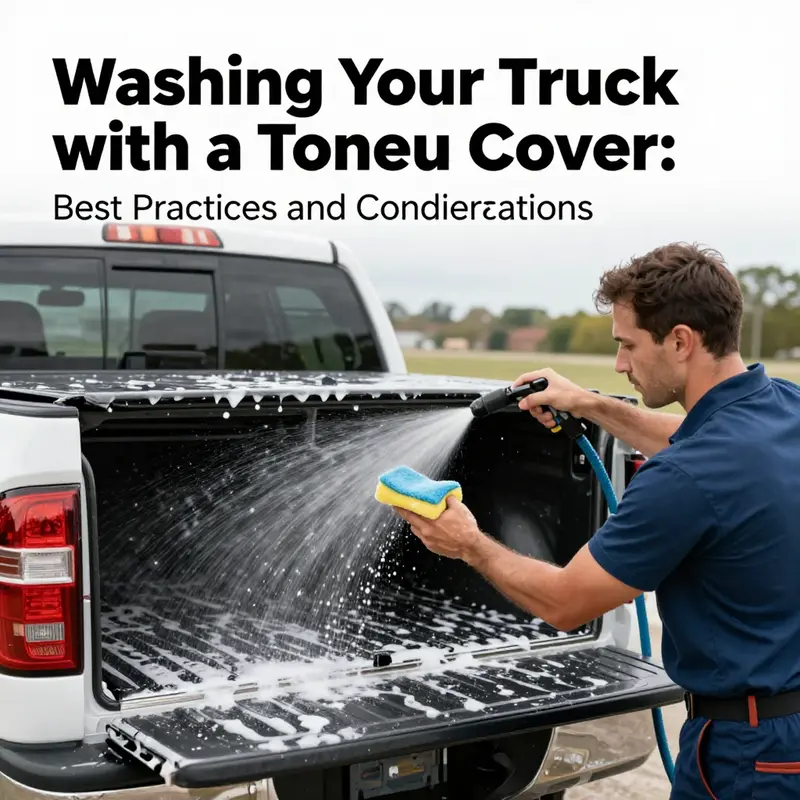
Washing a truck with a tonneau cover in place is a practical, almost etiquette-like task. It invites a quiet discipline: respect for the cover’s seals, care for the bed’s finish, and an eye for the long view—protecting cargo, preserving resale value, and keeping the whole assembly looking sharp. It’s tempting to slide into a routine that feels quick and efficient, perhaps blasting away dirt with a high-pressure hose or scrubbing with vigor in search of immediate shine. But the right approach is more steady and deliberate. The goal isn’t just cleanliness in the moment; it’s safeguarding the cover, its seams, and the bed’s elements so they perform as a unified system for years to come. When you wash with a tonneau cover installed, you are, in essence, giving a small, ongoing maintenance performance to an integrated setup rather than a one-off cleanliness sprint. The method that follows blends simplicity with care, offering a durable routine that can be repeated with predictable results, whether you value a pristine truck, a protected bed full of cargo, or both.
Begin with a clear sense of the cover type you’re dealing with. Tonneau covers come in soft fabric, vinyl, and hard composite or aluminum forms. Each type carries its own sensitivities. Soft fabric and vinyl coatings are more vulnerable to agitation, harsh chemicals, and aggressive pressure. Hard covers, while generally tougher, still demand restraint around joints, latches, and any sealing surfaces. The cleanest, most reliable outcome emerges when you tailor your approach to the cover’s material and its mounting hardware. That starts with a pre-check of the manual. If the manufacturer outlines any special instructions—like the recommended cleaning detergents or a specific drying method—those notes should shape your plan. The practical takeaway is simple: you don’t need a rigid, one-size-fits-all protocol. You need a method that respects your cover’s construction while delivering a thorough wash to the truck body itself.
A good wash begins long before water meets paint or fabric. Choose a time of day when the sun isn’t blazing down and the air isn’t bone-dry. Shaded or partly overcast conditions keep temperatures comfortable, which helps soaps work without drying too quickly and makes drying less strenuous. Temperature matters because hot water can degrade certain fabrics and accelerated drying can lead to water spots on metal if you rush. A mild, cool-to-warm wash solution is forgiving and effective. Gather the right tools: a bucket of warm water with mild automotive soap, a dedicated wash mitt or soft sponge, a microfiber towel or a chamois for drying, a separate microfiber or soft brush for stubborn dirt, and a hose with a nozzle that lets you control spray pattern and pressure. If you use a two-bucket method, one bucket contains soapy water and the other is clean water for rinsing your mitt. This small discipline keeps dirt from being reintroduced to the vehicle during washing. For the tonneau cover itself, a separate, soft brush or a dedicated wash cloth can help you lift embedded grime without grinding it into the seams.
Preparation also means anticipating potential water intrusion. Tonneau covers, especially the soft and vinyl varieties, have seams and edges where water can seep beneath if the pressure and angle are misused. That is not a hard rule, but a steady caution. When you rinse, keep the spray at a broad angle and a low pressure around the seams and fasteners. Think of the water as a partner rather than a weapon. If your spray comes in a concentrated jet, a broad fan pattern will knock away surface dirt and dust without forcing water into crevices. If you own a spray gun with adjustable pressure, dial it down when you approach the cover’s edges, and keep the nozzle several inches away from the surface. It’s not only about protecting the cover; it’s also about preventing water from collecting underneath or wicking into the bed system, which can create damp odors or, in worse cases, mold.
With supplies ready and a plan in mind, you can begin the wash in earnest. Start with a gentle pre-rinse of the entire vehicle, including the tonneau cover, to remove loose dirt and gravel clinging to the surface. The goal at this stage is not to scrub away caked grime but to loosen it. A high-pressure stream aimed directly at seams, seams, or fasteners is precisely what you want to avoid. Instead, use a wide-angle spray or a lower-pressure setting as you approach those sensitive areas. This initial rinse prepares the surface for washing soap without driving grime into the fabric or into the bed’s seals.
Next comes the washing solution. Apply a dedicated automotive wash through a soft sponge or microfiber mitt. The two-bucket method shines here: one bucket holds the soapy mixture, the other holds clean rinse water for reloading the mitt. Begin scrubbing with light, overlapping strokes across the truck’s panels, then move to the tonneau cover. On the cover, lift any crevices where grime tends to accumulate and give special attention to edges and folds. For vinyl or composite covers, the same gentle approach applies—mild detergents only, no bleach or abrasive cleaners that could degrade the material. If stubborn dirt clings to the cover, a soft brush can be used, but do not push hard. The aim is to lift grime away, not grind it into the surface or seams. If your cover has repeated creases or a weathered seam, you should treat those areas with a bit more patience and a lighter touch. A quick wipe-down with a damp cloth is often sufficient for regular maintenance; more aggressive scrubbing should be reserved for rare cases when dirt resists typical cleaning.
As you wash, remember the bed is part of the same system as the cover. Don’t neglect the truck bed’s sides, rails, and any crevices where grit collects. Rinse those areas after scrubbing to ensure all soap residues are washed away. Soap residue left to dry can attract more dirt and, over time, may degrade coatings or finishes. Rinsing should be thorough but gentle—again, avoid blasting the bed’s edges or the cover’s seals directly with a jet that could push water under the cover. A steady stream from a hose with a mist or spray setting works well for final rinsing.
After the washing stage, you’ll move to the drying phase, a critical step when a tonneau cover is involved. Air-drying is best, but in practice, most people use a combination of towels and squeegees to reduce water spots and to prevent mold formation under the cover. A microfiber drying towel or a soft chamois can soak up the majority of surface moisture from both the cover and the bed. A squeegee can be particularly useful along horizontal surfaces for quick removal of pooled water. The goal is to ensure no moisture sits long on top of the cover or beneath any folds. For fabric components, the drying step doubles as a check for trapped moisture. If you can, leave the cover open slightly or prop it in a way that encourages airflow. Moisture trapped beneath a closed cover can lead to musty smells or even mold growth; allowing air to circulate helps avert those issues.
There is also a moment for final checks that goes beyond aesthetics. Ensure the tonneau cover is completely dry before you close it. Moisture can freeze into seams or tempt mold to form in hidden corners. If you have a fabric component, periodic UV-protective sprays or conditioners can help maintain flexibility and longevity. This isn’t a mandatory step every wash, but it may be worthwhile as part of a broader care routine for fabrics. If you’re unsure about the right conditioner or spray for your specific cover, refer to the manufacturer’s care instructions. While the routine described here is broadly applicable, your cover’s design and materials have the final say on what products will remain safe in the long term.
As you practice this sequence, you begin to notice how the routine supports the vehicle as a whole. The tonneau cover is not merely a cosmetic addition; it’s a functional shield that moderates how dirt, moisture, and air interact with the truck bed. A careful wash protects the cover’s seals and maintains the bed’s structural integrity by reducing the chance of moisture intrusion and rust formation on exposed metal surfaces. This is why the emphasis on gentle cleaning and thorough drying receives such emphasis. It’s not about vanity; it’s about preserving a cohesive, efficient system that serves you well over time.
Incorporating a broader perspective can also help you optimize the process if you wash trucks regularly or operate a small fleet. When the routine remains consistent, the crew develops muscle memory: where to start, how to angle spray around seams, how to rinse, and how to dry without rushing. A simple, repeatable method reduces the chance of mistakes and speeds up the task without compromising care. If you manage a shop or a fleet wash operation, you might find value in integrating these practices into a standard operating procedure. For broader process efficiency and fleet-wide best practices, you can consult resources on facility management for truck wash businesses. This reference emphasizes the importance of standardized routines, safety considerations, and equipment maintenance that align with the kind of careful washing described here. facility-management-for-truck-wash-businesses.
Common sense and courtesy toward the equipment you rely on are the quiet drivers of long-term performance. The tonneau cover is not disposable gear; it’s a component designed to last and to protect cargo, climate, and the interior finish of the truck. Treat it as a living part of the vehicle’s ecosystem. Gentle cleaning methods, avoidance of high-pressure direct work on the cover’s seams and fasteners, and thorough drying are not merely tips; they are commitments. They reflect a cautious, practical approach to vehicle care that recognizes the interdependence of cover material, bed hardware, and body paint. The more you internalize this interconnectedness, the easier it is to preserve the entire system across seasons and road conditions.
To close, remember that cleaning your truck with the tonneau cover installed is entirely feasible and can be done safely with the right approach. The key is to avoid high-pressure water near seams, to use gentle, vehicle-specific cleaning solutions, and to ensure complete drying before closing the cover. If you follow the sequence described, you’ll protect the cover’s appearance, extend its life, prevent water intrusion under the cover, and keep the truck bed and paintwork looking finished and solid. For any cover-specific quirks or maintenance recommendations, always return to the manufacturer’s care instructions. The careful routine you adopt today becomes the foundation for reliable, long-term protection of both the cover and the truck beneath it. And if you’re looking to deepen your understanding of how coordinated wash processes can benefit a business that relies on consistency, the broader body of industry guidance on facility management for truck wash businesses provides a useful map for aligning individual vehicle care with the health of an entire operation. facility-management-for-truck-wash-businesses.
For readers seeking practical, hands-on details beyond the general guidelines, a trusted external reference offers concrete steps and cautions that echo the approach outlined here. How you clean a tonneau cover can vary with material and climate, but the core principle remains: gentle, thorough, and deliberate care yields the best long-term results. See the comprehensive guidance at this external resource for additional context and actionable techniques: How to Clean a Tonneau Cover – Car Care Pros.
Tailored Cleaning for a Tonneau-Covered Truck: Care Across Vinyl, Fiberglass, and Soft Roll-Up Styles

Finally, for readers who want a quick external reference to validate the approach or expand on best practices, there is a respected resource that outlines safe, practical cleaning methods for tonneau covers without damaging them. Car and Driver offers a straightforward guide to washing a tonneau cover that avoids the common pitfalls of high pressure, inappropriate cleaners, and incomplete drying. https://www.caranddriver.com/features/a40526837/how-to-clean-a-tonneau-cover/ In practice, combining the general guidelines with cover-specific care creates a robust, adaptable washing routine that protects the cover, the bed, and the truck’s overall condition across seasons and miles.
Washing with Confidence: A Cohesive Guide to Cleaning Your Truck While Respecting a Tonneau Cover
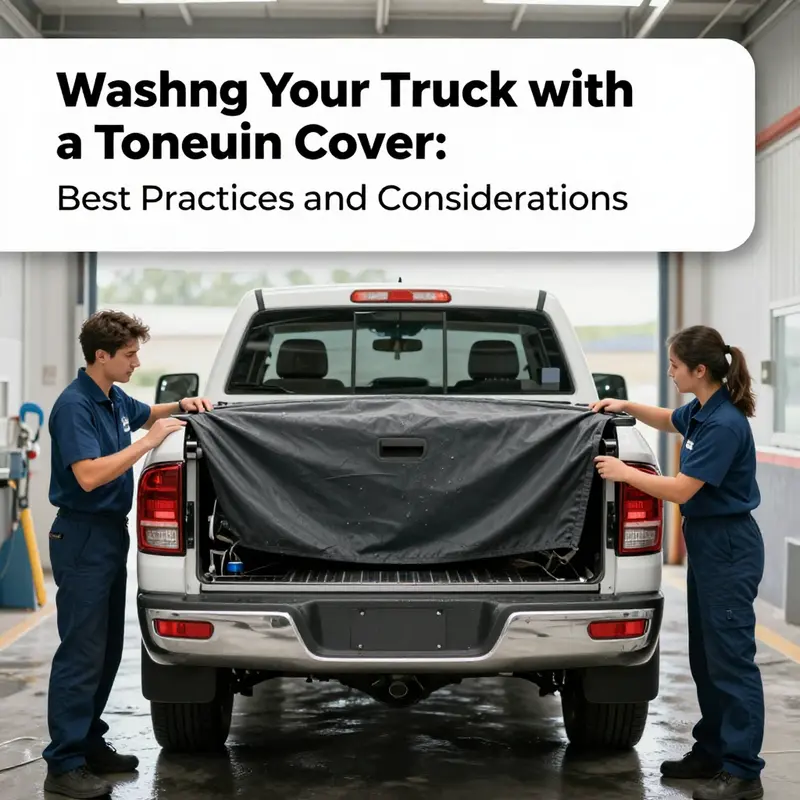
Washing a pickup with a tonneau cover installed is not a contradiction in care and practicality. It is a way to keep both the exterior and the protective bed cover looking and performing well, without inviting leaks, mold, or premature wear. When done thoughtfully, washing your truck with the cover on becomes less about choosing between protection and cleanliness and more about integrating maintenance routines that honor the design and function of both components. The core idea is simple: treat the cover with the same respect you give to the chrome, paint, and seals, and adjust your approach to the cover’s material and construction. The cover is not a decorative afterthought but an engineered barrier designed to shield cargo and bed from the elements. Respecting that role means recognizing how it interacts with water, soap, heat, and time, and then adjusting your technique so that you preserve its seals, its fabric or panels, and its overall integrity for seasons to come.
To begin, the most important step is to know the material composition of your tonneau cover and to consult the care guide provided by the manufacturer. Soft fabric covers, vinyl, and polyethylene or aluminum hard covers each respond differently to moisture, cleaners, and pressure. A soft fabric cover, for example, can be more vulnerable to high-pressure jets and harsh chemicals. The same force that cleans dirt from a fabric surface can lift fibers, disturb the seal, or push water into the seams where mildew hides. A hard composite or aluminum cover is more durable, yet still benefits from restraint. It can tolerate a touch more effort, but joints, latches, and seals are still sensitive. The care guide for your specific model will spell out allowances and warnings that generic advice can’t capture. If you ever question whether a product-specific instruction exists, the manufacturer’s manual is the safest compass for the right approach.
In practice, the washing process should begin with a cleansing plan that centers on mild solutions and gentle tools. Harsh detergents, bleach, or abrasive cleaners are counterproductive for tonneau covers. They can degrade the surface, strip protective coatings, or compromise the seal channels that keep rain out. A mild soap or a cleaner designed specifically for tonneau covers is the prudent choice. The application should be gentle, using a soft sponge, microfiber cloth, or a soft-bristled brush. The goal is to lift dirt without abrading the surface. It’s a small but meaningful distinction: cleansing rather than scrubbing. When dirt is stubborn, a light touch is more effective than brute force, and it preserves the substrate beneath the surface for longer.
A pre-wash step is worth its weight in prevention. Rinse the entire cover with a steady, clean water stream before applying any soap. This initial rinse removes loose dust and debris that could scratch the surface during scrubbing. It also helps identify any areas that have stubborn contaminants, such as sap, road film, or bird droppings, so you can target them without rubbing harder on the whole surface. The sequence—rinse, apply soap, scrub gently, rinse again—keeps the process under control and reduces the chance of water pooling and soap drying unevenly on the material.
As you proceed, it is wise to work in sections. Clean one panel or one seam area at a time, then rinse immediately before moving on. This method minimizes opportunity for soap to dry into stubborn spots and helps you keep track of any water that could find its way under the cover if a seal gap exists. Even when the cover seems to be sealed, water management matters. If you see water accumulating in the truck bed, take a moment to dry the area around seals and edges with a damp cloth and ensure the cover is properly positioned before washing continues. The key is steady, mindful progress rather than a rapid, all-at-once wash that can drown the cover in spray and pressure.
Avoid high-pressure water or power washing directly on the tonneau surface. It is tempting to reach for a high-pressure nozzle when a stubborn spot refuses to lift, but the consequences can be expensive and time-consuming. The force can dislodge seals, push water into seams, or distort fabric in soft-cover configurations. If a stubborn area requires more attention, switch to a damp cloth and a light brush with minimal pressure. For hard covers, you can sometimes use a slightly stronger wipe, but you should still avoid the joints and latches where a tight, direct stream could loosen fittings or push moisture into the bed. The overarching rule is simple: pressure is rarely your ally on the cover; gentleness, control, and methodical cleaning are.
After the cleansing phase, a thorough rinse is crucial. Soap residue is not just an unsightly finish; it can attract more dirt and, over time, degrade the surface or linger in seams and channels. Rinse with a gentle stream from a hose, carefully guiding the water to flush away soap without forcing water under the cover. It’s worth repeating that the goal is complete rinsing while maintaining a calm, controlled water flow. You should not rely on a single, quick spray from a distance. Move along each section, ensuring that soap suds vanish and every seam and edge is reset to a clean, dry strip of surface.
Drying is not an afterthought but a critical step. Moisture trapped beneath or within the cover can lead to odors, mildew, and, in some cases, mold growth. The best practice is to allow the cover to air dry completely before you close it and drive away. If the weather permits, keeping the cover open during drying promotes air circulation and reduces moisture buildup inside the bed. When you must use towels, a clean microfiber cloth is ideal for blotting excess water from the surface. While a gentle pat-dry can help, avoid aggressive rubbing that might stress seams or abrade fabric. It is not unusual to see small, damp pockets around seals at the edges; these should be lifted with a light wipe, then allowed to finish drying in the open air.
An important moment of vigilance comes with inspecting the cover during and after washing. Take stock of any signs of wear: cracks in fabric, tears at seams, loose hardware, or any seal integrity issues. Early recognition of wear leads to timely maintenance or professional service, preventing a small crack from becoming a leak that compromises cargo protection. This inspection is not a chore reserved for the end of the season; it is an ongoing habit that aligns with the broader practice of preventive maintenance for your truck and its protective accessories. While you may not see a dramatic issue after a single wash, repeated exposure to moisture, heat, and dirt can reveal latent vulnerabilities over time. A quick, attentive check after every wash keeps you from being surprised by rust, mold, or seepage when you least want it.
Edge care deserves particular attention as well. The sealing channels and the perimeters where the cover meets the bed rails are frequently the first lines of defense against leaks. Clean these areas with a damp cloth, avoiding soaking the seals directly with spray or chemical cleaners. If you notice residue accumulating in the channels, wipe it away gently and be mindful not to dislodge any sealant or gasket material. The same discipline applies to any latches or hinges on a hard cover. A well-lubricated, clean latch not only operates smoothly but also preserves a tight seal that keeps water out of the bed. If the cover requires lubrication, use products recommended by the manufacturer and apply sparingly to avoid attracting dirt.
Weather conditions matter, too. Cool, shaded days are preferable for washing because direct sunlight can accelerate surface drying and lead to uneven streaking or heat-related distortion, especially on soft fabrics. If you must wash in sunlight, pace the process and ensure thorough rinsing and controlled drying to avoid water spots and potential material stress. The goal is uniform moisture removal and a gentle finish, not a rushed, sun-dried surface that hides a damp underside. This conscientious approach to timing ensures your cover does not experience rapid cycles of drying and re-wetting, which can cause micro-cracks or edge warping over time.
As a finishing touch, consider how your routine might fit into a broader maintenance calendar. Washing the truck with the tonneau cover in place can be integrated with other care tasks, such as drying the bed and checking for debris around the tailgate and weather seals after heavy rains. A quick wipe-down of the entire area—paint, chrome, seals, and the cover exterior—can be done in one session without feeling like a separate maintenance ritual. When you view care as an integrated practice rather than a list of disjointed steps, you gain clarity about how each action protects the truck’s longevity and the cover’s performance. If you want a deeper look at how this philosophy translates into everyday business practice for wash facilities, a related resource on facility management for truck wash businesses offers broader context on process reliability and customer care, which are equally valuable when you manage a personal or fleet washing schedule. You can explore this resource here: Facility management for truck wash businesses.
Ultimately, the central message remains straightforward: washing your truck with the tonneau cover on is not only possible but prudent when you proceed with care. The emphasis on mild cleaners, gentle tools, careful rinsing, thorough drying, and vigilant inspection creates a durable routine. The cover’s material dictates nuances, so your adherence to the manufacturer’s guidance is non-negotiable. If you need more structured guidance that aligns with professional upkeep, the official care guide for tonneau covers provides comprehensive recommendations and should be consulted as a primary reference. It is a reliable companion to the practical steps outlined here and reinforces the idea that maintenance is most effective when it combines disciplined technique with informed caution. For those who want direct access to such guidance, an external resource is available that compiles best practices for tonneau cover care and can augment your personal routine with additional insights. To see a detailed care guide from a dedicated manufacturer source, visit the external resource linked here: https://www.truckaccessoriespro.com/care-guides/tonneau-cover-care.
If you are reading this chapter as part of a broader discussion on the safety, efficiency, and longevity of truck care, you will appreciate how the simple act of washing—done with respect for the tonneau cover—becomes part of a disciplined maintenance mindset. The practice not only preserves the cover’s appearance but also protects the cargo area from moisture intrusion, reduces the likelihood of mold and mildew, and supports the overall reliability of protected storage. The discipline also extends to how you store and manage the cover when it is not in use. By ensuring the cover dries completely and by keeping seals clear of debris, you reduce the risk of long-term damage and preserve the protective barrier that the cover provides. It is a small set of routines with outsized payoff: a clean truck, a durable cover, fewer leaks, and greater confidence that your cargo remains secure, dry, and ready for its next journey.
In sum, washing a truck with a tonneau cover installed can be a straightforward, repeatable process when you approach it with care, knowledge, and patience. The approach aligns with the broader ethos of vehicle maintenance where every surface—paint, chrome, bed, and cover—receives thoughtful attention. The result is not only a better-looking vehicle but a more reliable and durable system of protection for your cargo and the investment you have made in your truck. The guidance in this chapter is designed to blend practical, hands-on steps with a respect for the cover’s design, honoring its protective role while keeping it accessible and functional for the long haul. If you wish to explore related concepts that extend beyond the immediate washing routine, you can consult the internal resource on facility management for truck wash businesses for a broader perspective on process fidelity and operations, which often translate into more consistent, high-quality care for individual vehicles as well.
Final thoughts
By implementing the outlined guidelines, logistics and freight company managers can ensure their trucks remain in top condition while protecting the tonneau cover’s performance and longevity. Regularly washing your vehicles not only enhances their appearance but also prevents costly repairs and maintains their durability over time. Following best practices tailored to the specific type of tonneau cover installed will further safeguard your investment and ensure compliance with fleet maintenance standards.