
Introduction
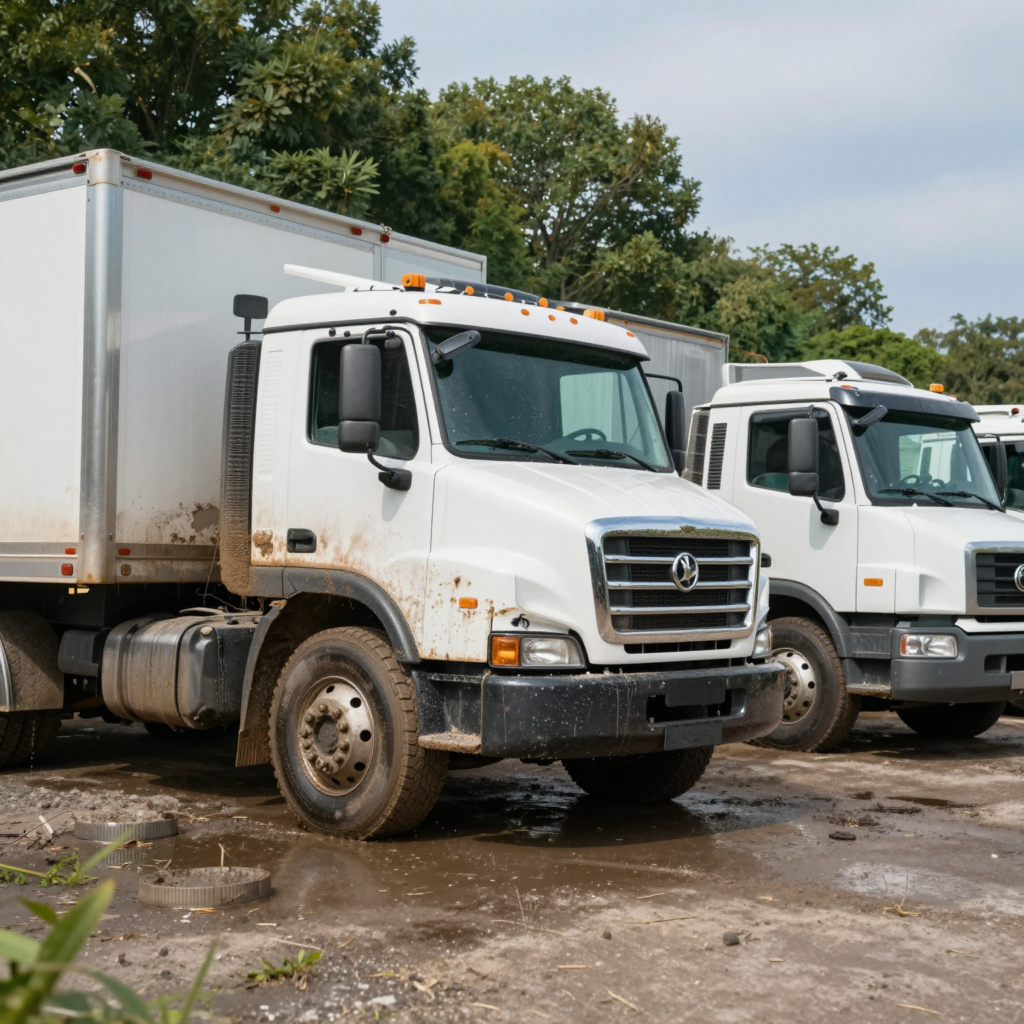
In the logistics and trucking industry, maintaining a clean fleet is essential not only for aesthetics but also for operational efficiency. Mud and debris accumulation on trucks can negatively impact various functions, such as fuel economy, aerodynamic performance, and overall vehicle longevity. Fleet managers and trucking company owners understand that a clean vehicle is a mobile advertisement, reflecting professionalism and care. Regularly washing mud off trucks is a critical maintenance aspect that not only enhances appearance but also supports compliance with industry regulations. This article will explore effective strategies for washing mud off trucks, ensuring your fleet remains in peak condition and maximizing your operational investment. To understand how it ties into compliance and maintenance, learn more about industry regulation impacts and the importance of regular trailer maintenance.
Common Sources of Mud Affecting Trucks
Fleet managers and trucking operators often encounter various sources of mud that can affect their vehicles, leading to additional cleaning and maintenance needs. The most prevalent sources include:
- Construction Sites: Heavy machinery and ongoing earthworks can lead to mud accumulation on access roads and trucks.
- Off-Road Routes: Logistics involving terrain outside of paved roads significantly increases mud exposure, especially in rural areas.
- Seasonal Weather Conditions: During rainy seasons, mud becomes prevalent due to saturated ground conditions.
- Agricultural Areas: Farms often have muddy paths, especially after rain, which can be transferred onto trucks during pickups and deliveries.
- Quarries and Mines: These locations typically present muddy conditions that can easily coat vehicles.
- Landscaping Jobs: Mud from landscaping works can cling to trucks even after exiting job sites.
Understanding these common sources can aid in better planning for maintenance and washing schedules to ensure trucks are kept clean and operational. For further insights into maintaining your fleet’s performance, you can learn more about the importance of regular trailer maintenance.
Pre-wash preparation is crucial, especially for logistics and fleet operatives, as it sets the foundation for an effective and safe truck washing process. Here are detailed steps to follow:
1. Assessing Mud and Debris Levels
Before initiating any washing operations, evaluate the extent of mud and debris accumulation on the truck:
- Conduct a Visual Inspection: Start by visually examining the entire surface of the truck for any heavy mud, dirt, or grime. Pay special attention to the wheel wells, undercarriage, and areas prone to dirt accumulation.
- Determine the Cleaning Approach: Based on the mud level assessed, decide whether a simple rinse will suffice or if a more thorough wash with detergents and specialized cleaning agents is necessary.
For a detailed role of inspections in cleaning protocols, you can learn more about best practices for vehicle washing.
2. Gathering Necessary Equipment
Having the right tools and materials at hand streamlines the washing process and enhances efficiency:
- Essential Washing Equipment: Ensure that you have access to high-pressure hoses, foam applicators, brushes, and other cleaning devices. Check for any obstructions in these tools before use.
- Cleaning Chemicals: Verify that the correct type and quantity of detergents are in stock, particularly those suitable for heavy-duty mud and grime removal.
It’s crucial to understand the importance of regular maintenance for cleaning chemicals and equipment, ensuring they work effectively during operations.
3. Safety Measures
Implementing safety protocols is vital to protect workers and ensure a hazard-free operation:
- Use Personal Protective Equipment (PPE): Equip staff with appropriate gear such as gloves, goggles, and slip-resistant footwear to safeguard against chemical exposure and accidents.
- Follow Lockout/Tagout Procedures: Before starting any maintenance on the washing equipment, ensure adherence to lockout/tagout processes to prevent accidents.
- Maintain a Safe Environment: Keep the washing area clean and well-lit, and ensure that slip-resistant mats are in place to reduce the risk of slips and falls.
To further reinforce your understanding of safety protocols in truck washing, refer to the comprehensive guidelines provided by OSHA.
Conclusion
Proper preparation before washing trucks not only enhances the effectiveness of the washing process but also ensures safety for operators. Visual inspections, adequate equipment preparation, and strict adherence to safety protocols are essential steps that logistics and fleet operatives must follow for optimal outcomes.
Comparison of Manual vs Automatic Truck Washing Methods
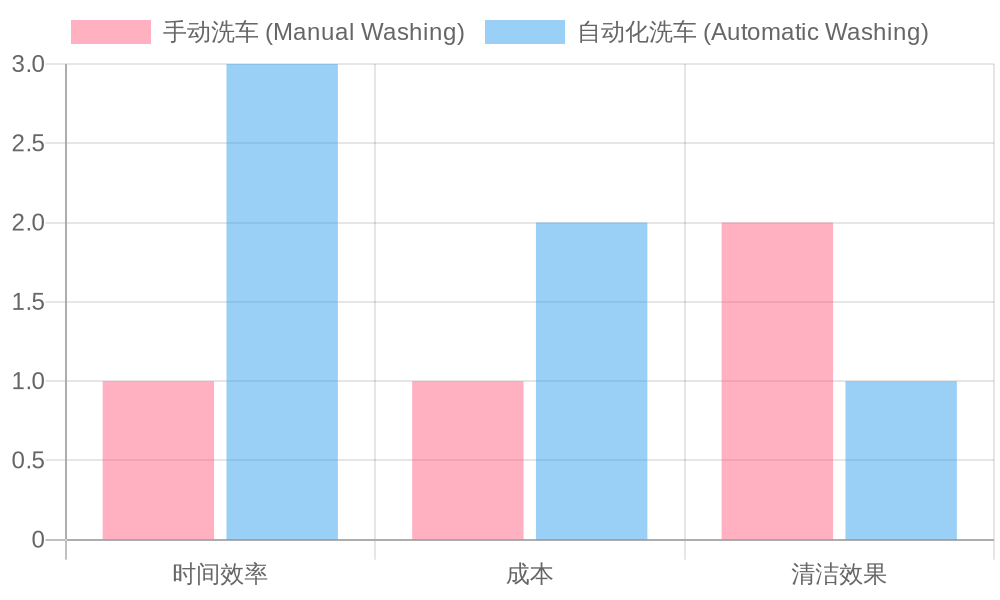
To choose the best washing method for your trucks, it’s important to understand the advantages and disadvantages of both manual and automatic washing methods. Below, we provide a chart that compares these two approaches based on time efficiency, cost, and cleaning effectiveness.
Pros and Cons Chart
| 特性 | 手动洗车 (Manual Washing) | 自动化洗车 (Automatic Washing) |
|---|---|---|
| 时间效率 | 耗时,清洗一辆卡车可能需要30-60分钟或更久。 | 高效,通常在5-15分钟内完成一次清洗。 |
| 成本 | 劳动力成本高,且需支付人工工资。 | 初始安装成本高,但长期看可显著降低劳动力和水/化学品消耗。 |
| 清洁效果 | 优点:能深入清洁难以触及的角落(如轮毂、底盘),灵活性强,适合深度清洁和细节处理;对顽固污渍(如泥浆、油污)有更强的针对性。 | 缺点:对于严重污染的车辆,清洁效果可能不如手动;无法进行精细的局部清洁或细节处理。 |
Conclusion
Choosing between manual and automatic washing methods depends on your specific needs. For in-depth knowledge, refer to our article on the importance of regular trailer maintenance and proven strategies for cleaning grease and tar off your trucks fast.
Visual Representation
Manual Washing Techniques for Removing Mud from Trucks
Manual washing of trucks, particularly when they have accumulated mud, requires a systematic approach to ensure thorough cleaning while protecting the vehicle’s finish. Below is a step-by-step guide to effectively wash mud off trucks, emphasizing appropriate tools, soaps, and techniques.
1. Preparation
- Gather Necessary Supplies:
- Soaps: Select a biodegradable truck wash soap; options include Chemical Guys Truck & Trailer Wash Soap or Meguiar’s Heavy Duty Truck Wash for their effective mud-lifting properties.
- Tools: Use soft-bristle brushes to minimize scratching, as well as high-pressure hoses or pressure washers rated between 2,500 to 3,000 PSI.
- Safety Gear: Wear gloves and goggles to protect against soap and high-pressure spray.
2. Pre-Wash Preparation
- Rinse with Water: Begin with a pre-rinse using a pressure washer to remove loose dirt and mud. Maintain a distance of 3-4 feet to avoid damaging sensitive parts of the truck. Aim for rinsing from top to bottom to let gravity assist in the removal of debris.
3. Apply Soap
- Mix Soap Properly: Dilute the truck wash soap according to the manufacturer’s instructions, ideally using a two-bucket method (one for soap, one for rinse water).
- Apply Generously: Use a wide-bristled brush to apply the soapy solution, starting at the top surfaces and working downwards, ensuring even coverage over all surfaces.
4. Scrubbing Techniques
- Use Brushes Wisely: For wheels and undercarriage, employ stiff nylon brushes that can effectively lift stubborn mud without damaging the paint. For flat surfaces, use a back-and-forth motion with a wide brush to ensure thorough cleaning.
- Attention to Detail: Pay special attention to crevices and areas where dirt tends to accumulate, such as the wheel wells and around badges.
5. Rinsing
- Thorough Rinsing: After scrubbing, rinse with high-pressure water again from top to bottom, ensuring all soap residues are washed away. For final rinsing, adjust the pressure to avoid forcing water into electrical compartments and seals.
6. Drying
- Use Microfiber Towels: After rinsing, dry the surfaces with microfiber towels to prevent water spots and protect the finish. Always employ a blotting technique rather than dragging the towel across the surface to minimize scratches.
Additional Considerations
- Regular Maintenance: Implement regular washing schedules to avoid heavy mud build-up and prolong the lifespan of truck exteriors. Learn more about the importance of regular trailer maintenance.
- Tool Hygiene: Always clean your brushes and equipment after use to prevent cross-contamination of soaps and particles that might scratch the paint in future washes.
Using these manual washing techniques will ensure your trucks not only look their best but maintain their integrity and value. With the right approach, even the toughest mud can be handled efficiently and effectively.
The Advantages of Investing in Automatic Washing Systems for Truck Fleets
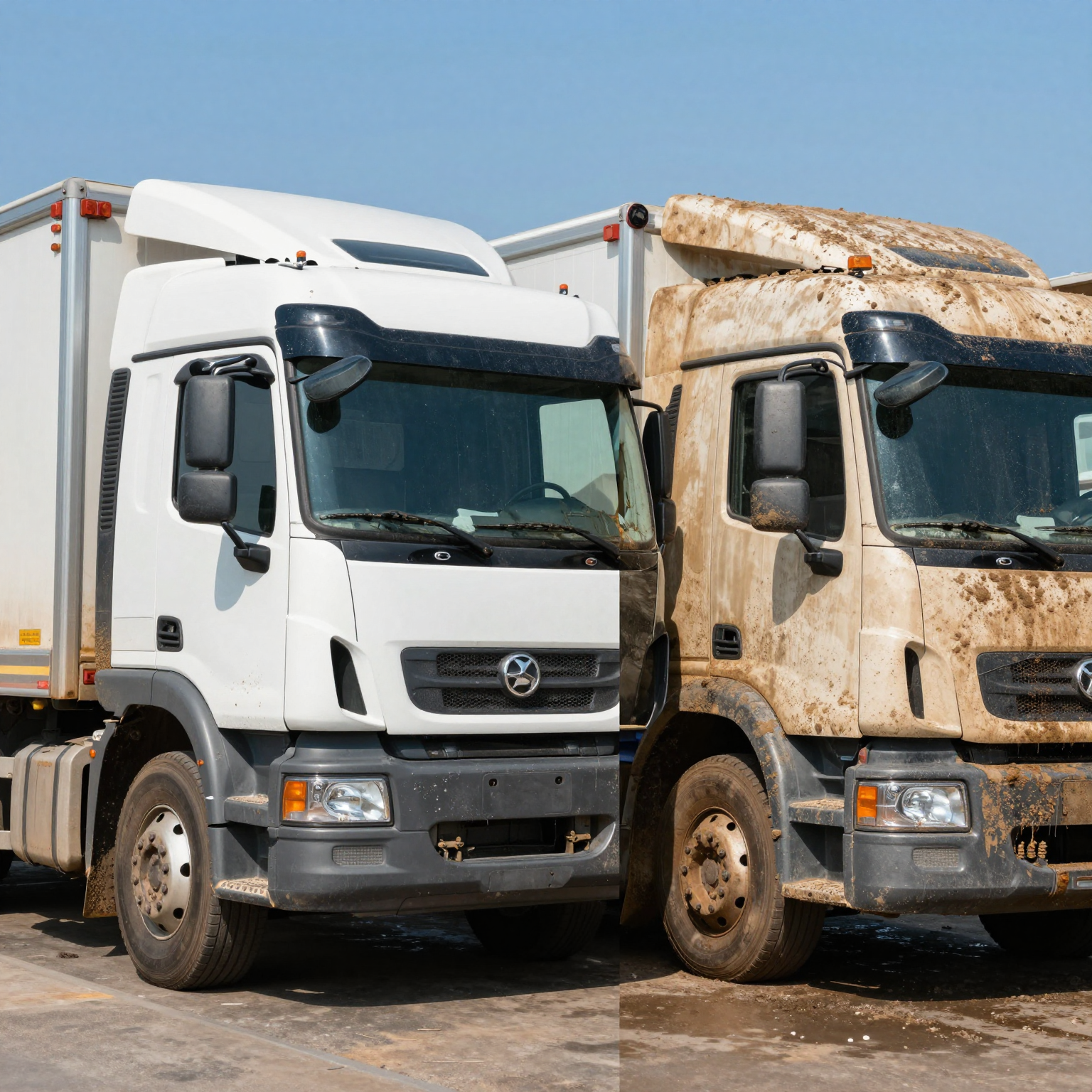
Automatic washing systems are transforming the sanitation landscape for trucking companies, particularly for logistics managers and fleet supervisors focused on efficiency and performance. Investing in these advanced washing systems offers numerous benefits, foremost among them being time savings and consistency in results.
Time Savings
Automatic washing systems can wash trucks in as little as 3 to 5 minutes, which is significantly faster than manual washing methods that often take much longer. The systems operate with high efficiency, utilizing intelligent 3D scanning technology to adjust cleaning processes based on vehicle contours and dirt distribution. This automation can reduce cleaning times by up to 70% compared to traditional methods, thus enhancing fleet turnaround times and allowing trucks to get back on the road quickly, as noted in a recent report on truck wash efficiencies.
Consistency in Results
Another standout advantage of automatic washing systems is their ability to deliver consistent cleaning results. These systems incorporate automated processes that minimize human error, ensuring each vehicle is cleaned thoroughly. The integrated chemical dosing systems control detergent usage precisely, simplifying fleet management and reducing overall cleaning costs significantly. This consistency not only enhances the appearance of the fleet but also contributes to better maintenance of the trucks’ surfaces over time, promoting longer vehicle lifespans and better operational productivity.
Additionally, automatic washing systems aid in environmental compliance by managing runoff and minimizing water usage, which is crucial for fleets operating in sensitive areas such as construction sites and urban environments. With these tools, logistics managers can ensure efficient cleaning while maintaining sustainability goals. For further insights on maintaining operational efficiency, check out the importance of regular trailer maintenance.
In the trucking industry, the appearance and maintenance of vehicles significantly impact a company’s reputation. James Carter, a senior logistics analyst at the American Trucking Associations (ATA), states:
“A well-maintained, spotless rig sends a clear message: this company values professionalism, reliability, and safety. In an industry where trust is everything, first impressions start with the vehicle.”
This sentiment underscores the importance of clean vehicles not just for visual appeal, but also for building customer trust and fostering strong relationships with shippers. As noted in a recent article in Trucking Magazine, fleets that implement consistent cleaning programs tend to enjoy higher customer retention rates and fewer delivery complaints. Furthermore, maintaining a clean fleet demonstrates a commitment to sustainability, which can enhance a company’s public perception and align with rising environmental standards. Clean vehicles are also less likely to experience hidden corrosion or mechanical issues, reducing potential breakdown costs and increasing overall operational efficiency.
To explore more about the correlation between truck cleanliness and business success, you can learn more about industry compliance and emissions regulations or discover the importance of regular trailer maintenance.
Conclusion
Washing mud off trucks is essential for operational efficiency, safety, and longevity of your fleet. Here are key steps and tips:
- Preliminary Rinse: Always start with a low-pressure rinse to loosen caked-on mud. Rinse from top to bottom to prevent spreading dirt to cleaner areas.
- Use Appropriate Cleaning Agents: Opt for biodegradable truck-specific cleaners that are pH-neutral to protect the paint and finish.
- Gentle Scrubbing: Use soft brushes or sponges, particularly on sensitive areas, and reserve higher pressure settings for the undercarriage where mud accumulates thickly.
- Thorough Drying: After rinsing, dry the vehicle using microfiber cloths to avoid water spots.
- Regular Maintenance: Implement a consistent cleaning schedule to reduce buildup and prevent corrosion. This not only enhances vehicle aesthetics but can improve fuel efficiency by up to 5% as well as extend component life. Learn more about the importance of regular maintenance and its impact on safety and efficiency.
By prioritizing cleanliness, fleet managers and owners enhance operational capacity and compliance with maintenance standards. Clean trucks foster a positive brand image and customer satisfaction, ultimately benefiting company profitability.
Enhance Your Fleet’s Aesthetic and Performance with Premium Fairings
As a fleet manager or trucking company owner, maintaining an efficient and appealing vehicle fleet is crucial for productivity and brand image. Investing in premium fairings from Summit Fairings not only enhances the aesthetic appeal of your trucks but also plays a vital role in vehicle upkeep and performance.
The benefits are multifaceted:
- Improved Fuel Efficiency: Premium fairings reduce drag, leading to better fuel economy and lower operational costs.
- Durability and Protection: These fairings protect your trucks from road debris and harsh weather, reducing the frequency of repairs.
- Enhanced Company Image: A clean, well-kept fleet reflects professionalism and attention to detail, which can attract more clients.
In an industry where first impressions are significant, don’t overlook the aesthetic enhancements that can set your fleet apart. Investing in premium fairings signals to your customers that you value quality and reliability.
By prioritizing both maintenance and aesthetic appeal, you maximize your investment in your fleet. For more information on how regular maintenance can improve your vehicle management, check out our article on the importance of regular trailer maintenance.
Invest Today
Make the wise choice for your company’s future. Reach out to Summit Fairings today and transform your fleet with premium fairings. Elevate your vehicles’ performance while enhancing their look!