
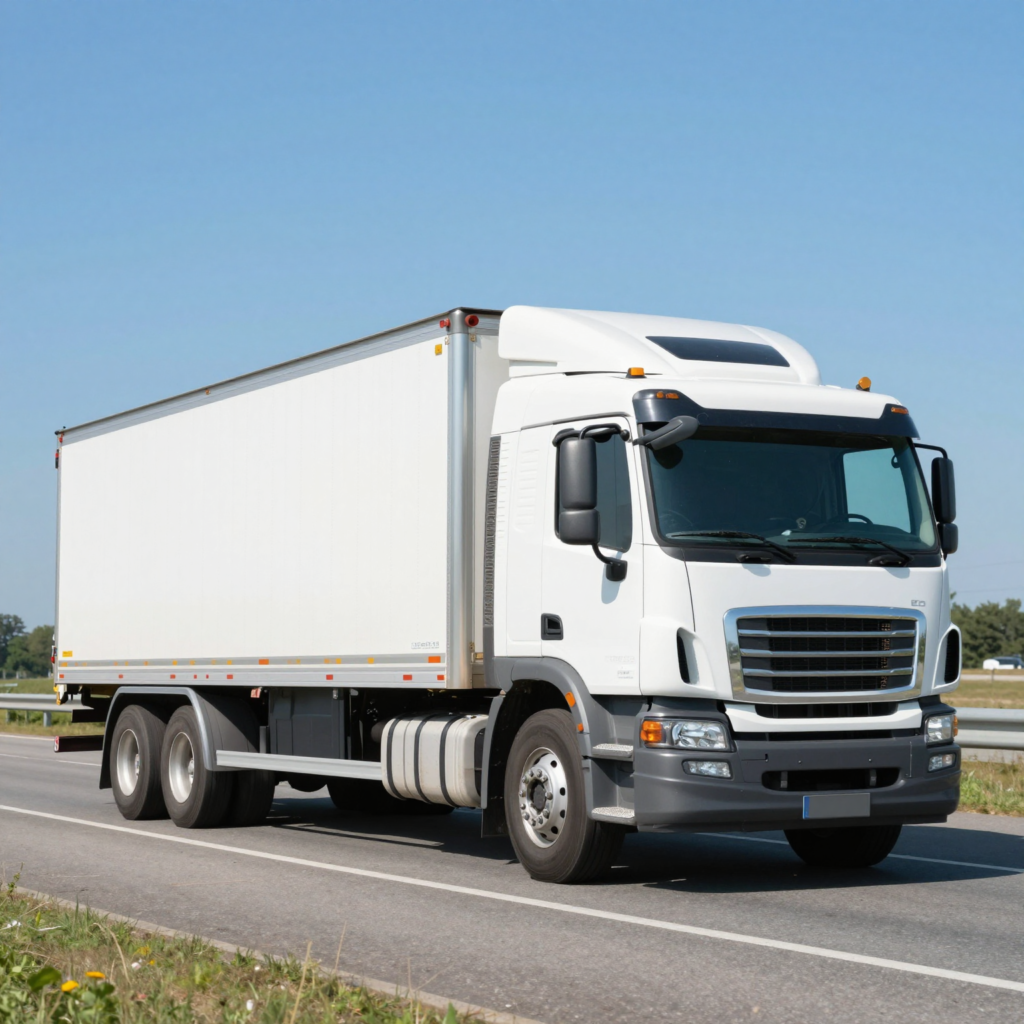
In the logistics and freight industry, the operational efficiency of truck fleets hinges significantly on effective towing and meticulous washing practices. Truck towing is not merely about moving vehicles from one point to another; it ensures that fleets remain operational during breakdowns, minimizing downtime and maintaining productivity levels. On the other hand, truck washing plays a crucial role in compliance with industry standards, preserving vehicle longevity, and enhancing presentation for clients and stakeholders. For fleet managers and operators, regularly maintained trucks create a positive impact on safety and performance, ultimately contributing to profitability. Emphasizing the importance of both towing and washing, this article will delve into the strategic advantages these services offer, enabling logistics companies to optimize their operations and maintain a competitive edge in a demanding market. For a deeper understanding of compliance and regulations connected to truck washing, learn more about industry compliance.
The Importance of Regular Truck Maintenance
Regular truck maintenance is vital for ensuring the longevity and efficiency of fleet operations. For logistics, construction, and mining companies, investing in maintenance, including towing and washing, can lead to significant advantages in several key areas:
Fleet Longevity
Consistent maintenance extends the lifespan of trucks, as it involves routine inspections and repairs that prevent major breakdowns. According to a study by the U.S. Department of Transportation, fleets implementing comprehensive maintenance programs see a substantial reduction in unscheduled repairs, which can enhance vehicle endurance and overall reliability.
Safety
Safety is a primary concern within the trucking industry, as mechanical failures are a leading cause of accidents. The National Transportation Safety Board (NTSB) emphasizes regular checks on vital components like brakes and tires to ensure safe towing operations. Vehicles with structured maintenance have a significantly lower risk of being involved in crashes-up to 70% lower, as reported by the American Trucking Associations (ATA).
Cost Efficiency
Regular maintenance also translates into cost savings. By reducing downtime through scheduled service, fleets can avoid high repair expenses and maintain operational efficiency. The National Highway Traffic Safety Administration (NHTSA) reports that well-maintained trucks operate more efficiently, resulting in lower emissions and improved fuel economy, thus providing direct cost savings to fleet managers.
The Role of Washing
Frequent washing is critical; it removes corrosive substances that can cause long-term damage. For fleets in harsh environments, regular cleaning practices not only preserve vehicle value but also enhance safety by preventing rust and structural integrity issues (Workhorse).
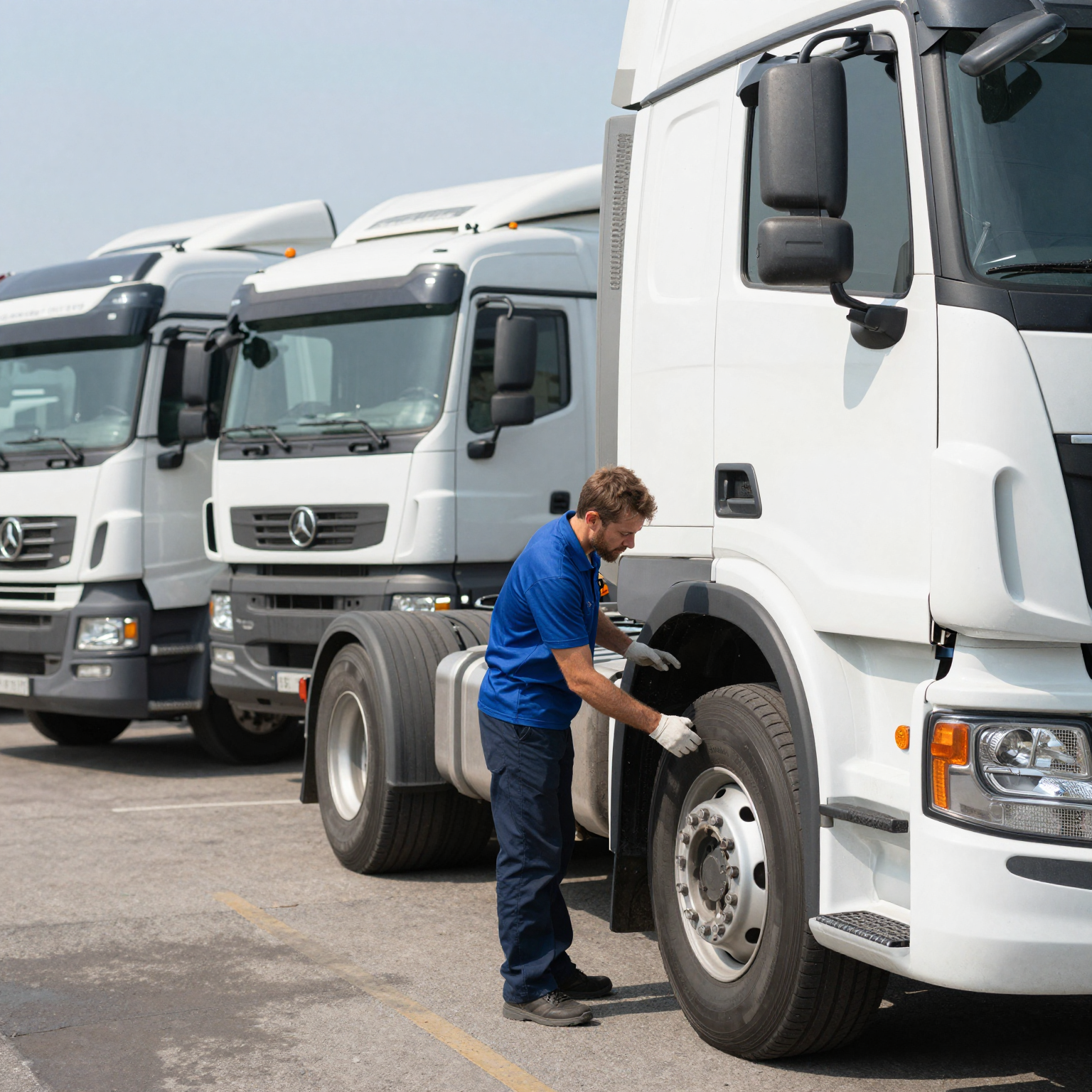
In summary, investing in regular truck maintenance, which includes both washing and towing specifics, is essential for fleet longevity, safety, and cost efficiency.
| Service Provider | Pricing Model | Features | Benefits |
|---|---|---|---|
| Road Ranger | On-demand & Subscription | Real-time tracking, Remote diagnostics, 24/7 support | Fast response times, Reduced downtime |
| American Automobile Association (AAA) | Contract-based | IoT integration, Automated maintenance alerts | Lower repair costs (approx. 22% savings) |
| Hot Shot Flatbed Service | Per mile & Flat rate | Flexible scheduling, Expedited deliveries | Ideal for time-sensitive cargo |
| HOWO Wrecker Services | Per service & Subscription | Winch capacity of 5,000kg, Multiple configurations | Suitable for recovery operations, Warranty included |
| Fleet Towing & Recovery | Subscription-based | 24/7 roadside assistance, Mobile app functionality | Enhanced customer satisfaction, Quick service |
Customer Testimonial
“We’ve relied on Don’s Truck Towing & Truck Wash for our fleet’s needs, and the results are outstanding! Their efficiency and thoroughness provide peace of mind, ensuring our trucks are always ready to hit the road. The commitment to excellence is evident in every service they offer.”
**- Fleet Manager, Logistics Company
Benefits of Regular Truck Washing for Fleet Managers and Operators
Regular truck washing offers numerous advantages for fleet managers and operators, particularly in the logistics, freight, and construction sectors. Below are some significant benefits:
1. Improved Appearance
A clean truck serves as a positive visual representation of the business. Regular washing helps maintain a professional image, enhancing the overall brand perception. When trucks are visibly clean, they signal to clients and potential customers that the company values professionalism and quality service. Moreover, this first impression can bolster customer confidence and can lead to increased business opportunities.
2. Reduced Wear and Tear
Dirt, grime, and road salt can accumulate over time, leading to premature wear and tear on trucks. Regular washing prevents the buildup of contaminants that can damage paint, undercarriages, and other mechanical components. By investing in routine wash schedules, fleet operators can significantly reduce long-term maintenance costs, leading to a more efficient fleet. According to a study by Shell, preventing such deterioration saves companies substantially in repairs and prolongs the lifespan of their vehicles (Learn more about industry compliance).
3. Compliance with Regulations
Staying compliant with regulations is crucial for any fleet. Clean vehicles not only meet hygiene standards but also help avoid fines associated with neglecting cleanliness. Regulations can dictate cleanliness as part of environmental and safety standards, and regular washing ensures fleets meet these criteria. Compliance with washing regulations can mitigate risks and enhance operational efficiency, which is critical for fleet productivity (Learn more about the implications of regulations).
Conclusion
In summary, regular truck washing is not merely about aesthetics; it’s a strategic investment that enhances vehicle longevity, maintains brand reputation, and ensures compliance with crucial industry standards. For fleet managers and trucking company owners, prioritizing regular washes can lead to significant operational and financial benefits.
Choosing the Right Towing Service
Selecting the appropriate towing service is crucial for fleet managers looking to maintain efficiency and minimize the downtime associated with vehicle breakdowns or accidents. Here are essential guidelines and best practices for choosing the right towing service for your operational needs:
1. Verify Credentials and Coverage
- Reputation: Research the towing company’s reputation through customer reviews and industry ratings. Look for certified providers and check their licensure and insurance coverage. Reliable sources include the Better Business Bureau (BBB) for rating and accreditation information.
2. Assess Response Time and Availability
- Ensure the towing service offers 24/7 availability, especially if your fleet operates during all hours. A service that can guarantee quick response times (preferably under 30 minutes) is vital to reducing downtime. Check reviews regarding their response time for emergency towing situations.
3. Evaluate Equipment Capabilities
- Different types of vehicles require different towing methods. Confirm that the towing service can handle various types of commercial vehicles in your fleet, from light-duty trucks to heavy-duty machinery. Equipment such as flatbed trucks or specialized towing vehicles is necessary for diverse recovery scenarios. The National Highway Traffic Safety Administration (NHTSA) provides guidelines on vehicle safety standards.
4. Understand Pricing Structures
- Inquire about the towing company’s pricing model. Look for transparent pricing structures that outline all potential costs, including hidden fees. It is wise to negotiate contracts that comprehensively cover services, potentially utilizing resources like Consumer Reports on Towing Services for comparative insights.
5. Utilize Technology for Efficiency
- Seek providers that employ telematics and GPS tracking, allowing real-time monitoring and better coordination during tow operations. This technology ensures empowerment of dispatch systems, enhancing operational efficiencies, and is supported by Fleet Management Software providers like Samsara and Geotab.
6. Establish Clear Service Level Agreements (SLAs)
- Set up clear SLAs with your towing service to outline expectations and metrics for performance. This could include parameters such as average wait time and completion rates for repairs, securing a strategic partnership that reduces your fleet’s operational risks.
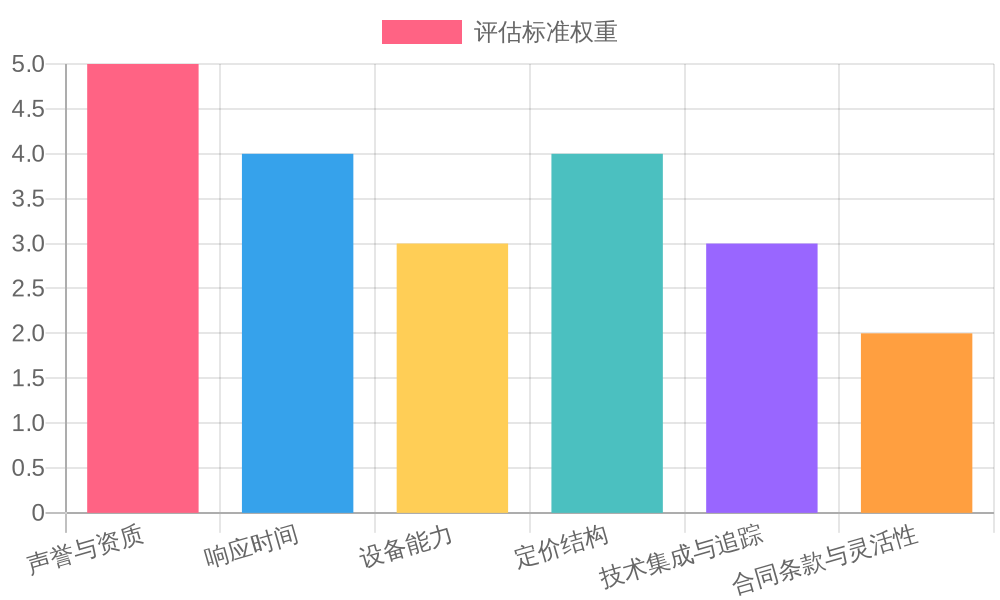
Key evaluation criteria for choosing a towing service include reputation, response time, equipment capability, pricing structure, and technology integration.
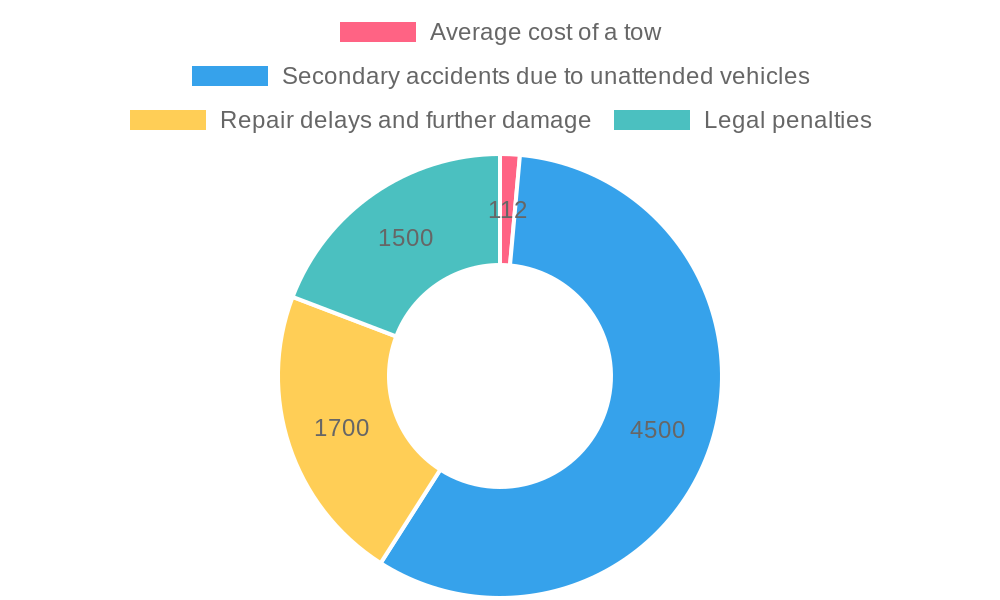
This doughnut chart illustrates the financial analysis of towing services versus the costs incurred from neglecting towing services.
Cost Analysis Overview:
- Average Cost of a Tow: $112
- Costs Associated with Not Using Towing Services:
- Secondary accidents due to unattended vehicles: $4,500
- Repair delays and further damage: $1,700
- Legal penalties: $1,500
Total Cost of Ignoring Towing: $6,200
This comparison emphasizes the importance of utilizing towing services as a cost-effective long-term investment for fleet operators. For more insights on maintaining your fleet, learn more about regular trailer maintenance.
In conclusion, utilizing Don’s Truck Towing & Truck Wash services is not merely a matter of convenience; it is a strategic decision that enhances operational efficiency and compliance. The expert team at Don’s ensures that each vehicle is not only clean but also adheres to industry standards, thereby mitigating potential regulatory challenges. Furthermore, regular maintenance of trucks promotes longevity and reliability, crucial for fleet managers and owners in the logistics and construction sectors. Companies that prioritize cleanliness and maintenance can expect reductions in repair costs and an increase in vehicle uptime. For a deeper dive into the significance of regular vehicle upkeep, learn more about the importance of regular trailer maintenance and how compliance affects your operations at truck wash industry compliance and emissions regulations.
Engage with Summit Fairings
Are you looking to enhance your motorcycle’s performance and style with high-quality fairings? Look no further! At Summit Fairings, we offer a wide range of motorcycle fairings designed to meet your specific needs. Our fairings not only improve the aesthetics of your bike but also provide essential protection and aerodynamics.
Explore our offerings and discover how Summit Fairings can elevate your riding experience. Visit our website to browse our collection and find the perfect fit for your motorcycle. Don’t miss out on the opportunity to transform your bike into the masterpiece it deserves to be! Visit Summit Fairings today.